American River Fishing Guide
Fishing the American River can be one of the most rewarding, yet sometimes frustrating, experiences for any angler in California. Whether you're a seasoned fly fisherman or just getting started with a spinning rod, navigating its diverse waters, seasonal changes, and specific regulations can feel like a labyrinth. This comprehensive guide is designed to cut through the confusion, offering you an in-depth look at everything you need to know to successfully fish this iconic Northern California waterway.
Understanding the American River's Unique Character
The American River is a truly remarkable system, stretching from the high Sierra Nevada mountains down through the foothills and ultimately emptying into the Sacramento River. This journey creates distinct sections, each with its own charm, challenges, and resident fish populations. Understanding these different characteristics is crucial for planning a successful fishing trip, as what works in one area might be entirely ineffective just a few miles downstream or upstream.
The Different Sections and Their Characteristics
The American River is generally divided into three main forks – North, Middle, and South – which converge before flowing into Folsom Lake. Below Folsom Dam, the Lower American River stretches for approximately 23 miles through Sacramento, offering prime urban and suburban fishing opportunities before joining the mighty Sacramento River. Each section presents a different ecosystem and angling experience.
The Upper American River, comprising the North, Middle, and South Forks, is a quintessential Sierra Nevada fishery. Here, you'll find faster-moving, colder water, often characterized by rapids, deep pools, and rocky bottoms. This is a haven for various trout species, often requiring more specialized techniques like fly fishing or light spin gear. Access can be more challenging, sometimes requiring hikes, but the reward is pristine natural beauty and often less fishing pressure. You’re looking at a true wilderness experience up here, where the clarity of the water and the crisp mountain air make every cast a joy, even if the fish aren't always biting. It's a place where the journey to the fishing spot is as much a part of the experience as the fishing itself, demanding respect for the environment and a readiness for rugged terrain.
The Lower American River, from Nimbus Dam downstream to its confluence with the Sacramento River, is a different beast entirely. This section is heavily influenced by the Nimbus Fish Hatchery, which means a significant number of anadromous fish – like salmon and steelhead – migrate through these waters. The river here is wider, slower-moving in many stretches, and easily accessible from numerous parks and public access points in Sacramento, Fair Oaks, and Carmichael. This stretch is a true multi-species fishery, offering opportunities for salmon, steelhead, striped bass, and shad, alongside resident trout and other warmwater species. While it's more accessible, it also sees much higher fishing pressure, especially during peak runs, so stealth and understanding fish behavior become paramount. The urban backdrop provides a unique contrast to the wildness of the upper forks, making it accessible for a quick evening trip or a full day out with the family.
Seasonal Flow Variations and Their Impact on Fishing
One of the biggest factors dictating fishing conditions on the American River is its water flow, which can vary wildly throughout the year. This isn't just about natural rainfall; the river's flow is heavily managed by the Bureau of Reclamation and the operation of Folsom Dam and Nimbus Dam. Releases from Folsom and Nimbus can significantly change water levels and current speeds, which directly impacts fish behavior and where they hold.
During late spring and early summer, snowmelt from the Sierra Nevada can lead to higher, colder flows in the upper river, making wading challenging and pushing fish into slower pockets or deeper runs. Downstream, these higher flows can make the Lower American River feel more like a torrent, spreading out fish and making them harder to locate. Conversely, in late summer and fall, flows often drop, concentrating fish and making wading easier but also making fish more wary due to lower, clearer water. The Bureau of Reclamation often publishes flow schedules, and checking these before you head out is absolutely critical. A sudden change in flow can completely shut down a bite or open up new opportunities if you know how to react. For instance, a sudden drop in water level might strand fish in shallower areas, making them vulnerable but also stressed, whereas a rise might trigger a feeding frenzy as new food sources are washed downstream. Paying attention to these flow changes, alongside understanding the California Fishing Seasons: Month-by-Month Guide, can drastically improve your chances.
Targeting Key Species in the American River
The American River is a treasure trove for anglers, boasting a diverse range of species that draw people from all over California and beyond. From the mighty Chinook salmon to the elusive steelhead and the hard-fighting striped bass, there's always something to chase. Knowing what you're after and when to target them is the first step to a successful outing.
Chinook Salmon
Ah, the Chinook salmon – the king of the river! These magnificent fish make their epic journey from the Pacific Ocean, up the Sacramento River, and into the Lower American River to spawn. The fall Chinook run is legendary, typically peaking from September through November, though fish can start showing up as early as August and linger into December. This is arguably the most popular time to fish the Lower American, drawing crowds of anglers all hoping to land a trophy.
Targeting Chinook requires robust gear and a bit of patience. Common methods include drift fishing with roe, tossing large spinnerbaits or plugs, and even fly fishing with heavy nymph patterns or streamers. The key is to get your presentation down to the fish, which often hold in deeper pools, current breaks, and behind gravel bars. Understanding the exact California Salmon Season Dates is crucial, as regulations can change year to year based on ocean health and run predictions. Also, don't forget your California Salmon Report Card; it's mandatory and helps biologists track the health of the population. Fishing for salmon during the peak of the run can be a true spectacle, with anglers lining the banks, but it's important to remember that these fish are focused on reproduction. Catch-and-release is often practiced, especially for any wild salmon caught outside of specific hatchery-marked fish, to help preserve future runs.
Steelhead Trout
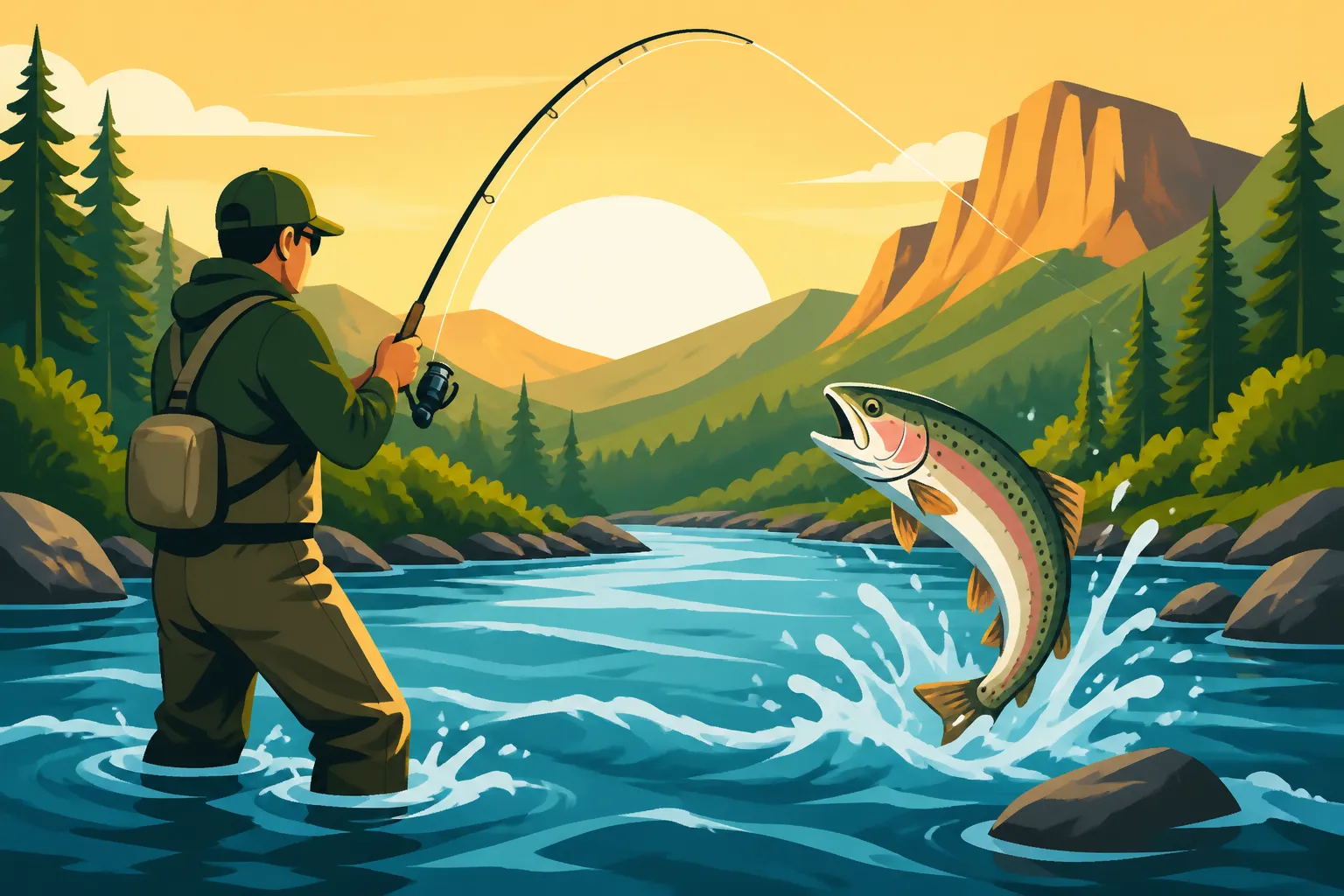
Steelhead, the ocean-going rainbow trout, are another prized anadromous species that return to the American River. While not as numerous as the salmon, catching a wild steelhead is often considered the pinnacle of freshwater fishing for many. These chrome-bright beauties enter the river primarily during the winter and early spring months, typically from December through March, although some fish can be present earlier or later. They are known for their incredible fighting ability, often making powerful runs and acrobatic leaps that will test any angler's tackle and skill.
Fly anglers often target steelhead with indicator nymphing setups, using egg patterns, stoneflies, or caddis imitations, or swinging large streamers. For those using spin gear, drift fishing with roe, small pink worms, or carefully presented jigs under a float are popular and effective methods. Accessing the right spots for steelhead can be tricky; they often hold in similar lies to salmon but can be more spread out and elusive. Many anglers focus their efforts below Nimbus Dam and in the immediate downstream sections. Just like with salmon, a California Steelhead Report Card is absolutely essential, and understanding California Trout Limits and Regulations is non-negotiable, especially since wild steelhead are often catch-and-release only. These fish are true gems of the river, and protecting them is a shared responsibility among all anglers.
American Shad and Striped Bass
Beyond the anadromous salmon and steelhead, the American River also offers fantastic opportunities for American Shad and Striped Bass, especially in its lower reaches. Shad, often called "poor man's salmon," make a vibrant spawning run in late spring and early summer, typically from April to June. These smaller, schooling fish provide fast action and are an absolute blast on light tackle. They're often caught on small, colorful jigs (like the popular "shad darts") or tiny spoons, fished on a fast retrieve in current. The sheer numbers of shad can make for an unforgettable day, with constant hookups and spirited fights.
Striped Bass are another major draw, particularly in the lower stretches of the American River and closer to its confluence with the Sacramento River. These hard-fighting predators are present year-round but become particularly active during their spring spawning run (April to June) and again in the fall as they chase baitfish. Stripers will readily hit a variety of lures, including swimbaits, jerkbaits, and topwater plugs, especially during low light conditions. Bait fishing with live minnows, cut bait, or sardines can also be highly effective. The California Striped Bass Regulations are important to review, as size and bag limits are in place to manage the population. Catching a large "striper" can be a powerful experience, as they hit hard and fight dirty, often using the current to their advantage. They are a true game fish, and the American River is one of the premier spots to target them.
Prime Fishing Spots and Access Points Along the River
Knowing what to fish for is only half the battle; knowing where to go is equally important! The American River, being so long and diverse, has numerous prime spots, each offering different opportunities and challenges. Let's break down some of the most popular and productive areas.
The Lower American River in Sacramento
This 23-mile stretch below Nimbus Dam is arguably the most accessible and heavily fished portion of the river, and for good reason. It offers excellent opportunities for salmon, steelhead, shad, and striped bass, with plenty of parks and access points right within the city of Sacramento and its suburbs like Fair Oaks and Carmichael.
- Nimbus Dam Area: This is ground zero for salmon and steelhead during their respective runs. Directly below the Nimbus Fish Hatchery, fish stack up as they try to enter the hatchery or find spawning grounds. Anglers line the banks here, especially during peak season. You can access this area from Nimbus Flat State Recreation Area, offering ample parking and trails. While crowded, it’s a high-percentage spot, particularly for those targeting anadromous species. Drifting roe or jigs is popular here.
- Ancil Hoffman Park: A beautiful park in Carmichael, Ancil Hoffman offers several miles of river frontage with varied water, from faster runs to deeper pools. It’s a fantastic spot for both fly and spin anglers chasing steelhead, salmon, and striped bass. The gravel bars and submerged structure provide excellent holding water. Parking is plentiful, though there might be a fee. This area is often a bit less crowded than the immediate dam area, providing a slightly more serene experience.
- Rossmoor Bar to Watt Avenue: This section is a classic drift for boat anglers but also offers good bank access from various points. The river here widens, and there are many gravel bars and current breaks where fish like to hold. It's productive for all anadromous species, and you'll find plenty of striped bass here too, especially as you get closer to Watt Avenue, which marks a popular take-out for drift boats and a launch point for smaller vessels. This whole stretch offers a variety of habitats, from slow, deep stretches to faster riffles, catering to different fishing styles.
- Discovery Park (Confluence Area): As the American River approaches its confluence with the Sacramento River, the waters slow, and you start seeing more influence from the larger river. This area, particularly around Discovery Park, is a hotspot for striped bass and makes for excellent winter steelhead fishing as well. It's easily accessible and often frequented by boat anglers. It’s also where many boat launches are located, making it a hub for those looking to explore the river by water.
Upper American River and Foothills
While the Lower American River gets most of the glory for salmon and steelhead, the Upper American River and its forks in the foothills offer spectacular trout fishing in a more rugged, scenic setting. If you're looking to escape the crowds and enjoy some solitude, this is where you want to be.
- Below Folsom Dam (Above Nimbus Dam): This short stretch of river between Folsom and Nimbus Dams is often overlooked but can hold resident trout, including healthy rainbows and brown trout, that feed on outflows from Folsom Lake. Access can be limited, but it's worth exploring for those seeking a quieter experience.
- South Fork American River: From Placerville downstream, the South Fork is a popular whitewater rafting river, but it also offers excellent fishing for rainbow and brown trout. Access points like Chili Bar and various BLM campgrounds provide opportunities for wading and bank fishing. The water here is colder and clearer, making it ideal for fly fishing with dry flies, nymphs, and streamers, especially during the warmer months when trout are actively feeding. You’ll find a mix of faster runs and deeper pockets, requiring a keen eye to spot the best holding water.
- North Fork American River: Further into the Sierra Nevada, the North Fork is a designated Wild and Scenic River, meaning its fishing is often a purist's dream. It's less accessible, requiring hikes into more remote canyons, but the reward is pristine water and a chance at wild rainbow and brown trout. This is quintessential California Fly Fishing Guide territory, where light tackle and careful presentation are key. Sections near Alta and Colfax offer some of the more accessible spots, but venturing deeper yields incredible solitude and beautiful fish.
- Middle Fork American River: Similar to the North Fork, the Middle Fork offers remote, wild trout fishing, often requiring significant effort to reach. However, for those willing to put in the work, the rewards are often chunky wild trout in a truly stunning wilderness setting. Consider using a service like FishingBooker to find a local guide who knows the intricate access points and patterns for these wild and challenging waters. They can provide invaluable insight and ensure you're fishing legally and effectively in these less-traveled areas.
Essential Gear and Techniques for American River Anglers
Preparing for a trip to the American River means thinking about the diverse species and conditions you might encounter. What works for a feisty shad won't cut it for a powerful Chinook salmon, and the gear for a quiet upstream trout stream is different from what you'll use on the lower river. Let's talk about what you'll need.
Fly Fishing Essentials
For many, the American River is synonymous with fly fishing, especially for steelhead and resident trout. The clear waters and challenging fish make it a prime target for the long rod.
- Rods and Reels: For trout in the upper river, a 4-weight or 5-weight rod, 8.5 to 9 feet long, paired with a matching reel is generally ideal. This setup offers enough backbone for average trout while remaining delicate enough for presentation. For steelhead and larger resident trout on the lower river, you'll want to step up to a 7-weight or 8-weight rod, typically 9 to 10 feet long, with a strong reel featuring a smooth drag and ample backing. Spey or switch rods are also becoming increasingly popular for steelhead, allowing for easier casting in challenging conditions and covering more water.
- Lines and Leaders: For trout, a weight-forward floating line is standard, with 7.5 to 9-foot tapered leaders ending in 4x-6x tippet. For steelhead, you'll often need sinking tip lines or Skagit/Scandi heads with heavy tips to get your flies down, paired with strong leaders (10-15 lb test) and tippet (8-12 lb test). Always carry a variety of leader and tippet sizes to adapt to changing water conditions and fish wariness.
- Flies:
- Trout: For dry fly opportunities, classic patterns like Parachute Adams, Elk Hair Caddis, and Royal Wulff in sizes 12-18 are good to have. For nymphing, bring an assortment of Hare's Ear, Pheasant Tail, Prince Nymphs, and various stonefly patterns in sizes 10-18. Streamers like Woolly Buggers (black, olive, brown) in sizes 4-10 are also effective.
- Steelhead: Egg patterns (Glo-Bugs, Otter's Soft Eggs) in various colors (pink, orange, chartreuse), stoneflies (Pat's Rubber Legs), caddis nymphs, and small sucker spawn patterns are crucial for nymphing. For swinging, classic steelhead patterns like Green Butt Skunks, General Practitioners, and Intruder-style flies are effective.
- Salmon: While less common, fly anglers do target salmon. Large, heavily weighted nymph patterns and big streamers (e.g., Dolly Llama) can entice a bite, especially for fresh, aggressive fish.
Spin Fishing Setups
Spin fishing is incredibly versatile on the American River and is often the preferred method for many anglers, especially when targeting salmon, striped bass, and shad.
- Rods and Reels:
- Trout/Shad: A 6 to 7-foot light to medium-light spinning rod paired with a 1000-2500 series reel spooled with 4-8 lb monofilament or braided line is perfect for smaller species and light presentations.
- Steelhead/Smaller Salmon: A 7.5 to 9-foot medium-heavy spinning or drift rod, paired with a 3000-4000 series reel spooled with 10-15 lb braided line (with a fluorocarbon leader) is a solid all-around choice. This provides the sensitivity for light bites and the power to fight strong fish.
- Larger Salmon/Striped Bass: A 9 to 10.5-foot medium-heavy to heavy conventional or spinning rod, paired with a stout baitcasting reel (like an Ambassadeur 6500 or equivalent) or a large 5000-6000 series spinning reel. Spool with 20-50 lb braided line, often with a 15-30 lb fluorocarbon leader. These setups need to handle heavy lures, strong currents, and powerful fish.
- Lures and Baits:
- Salmon: Roe (single eggs or roe bags) is a killer bait for fall Chinook, fished on a drift rig. Large spoons (Krocodiles, Little Cleos), spinnerbaits (Blue Fox Vibrax, Mepps), and plugs (Brad's KillerFish, Flatfish) are also highly effective, especially when back-trolling from a boat.
- Steelhead: Pink worms (Gary Yamamoto Senko cut down), small jigs (Marabou jigs, G.I. Jigs), roe, and small spinnerbaits are popular. Drift fishing these baits under a float is a very effective technique.
- Shad: Small, brightly colored shad darts (1/8 to 1/4 oz) in chartreuse, red, or pink are the go-to. Small spoons and tiny jigs also work.
- Striped Bass: Swimbaits (Savage Gear, Delta Mud Minnows), jerkbaits (Lucky Craft Pointers, Rapala X-Raps), topwater lures (Poppers, Spooks) are excellent artificial options. For bait, live minnows, threadfin shad, or cut bait (sardines, anchovies) fished on a Carolina rig or under a bobber can be deadly.
- Terminal Tackle: Assorted weights (pencil lead, split shot, slinky weights), swivels, hooks (e.g., Gamakatsu Octopus or Eagle Claw Lazer Sharp in sizes #2 to 4/0, depending on species), and leader material (fluorocarbon is preferred for its invisibility) are essential. Don't forget pliers, line clippers, and a net suitable for the size of fish you're targeting. For American River fishing, many find that a good quality net, perhaps from a brand like Frabill or Fishpond, is invaluable for landing those larger salmon and stripers safely.
Navigating Regulations and Seasons on the American River
Fishing in California, especially for anadromous species like those in the American River, comes with a set of specific rules and regulations that can change annually. It's not enough to just know where the fish are; you have to know the rules to avoid fines and contribute to conservation.
California Fishing Regulations Explained
Before you even step foot near the water, make sure you have a valid California Fishing License Guide. Everyone 16 years or older needs one. Beyond that, the American River falls under the California Freshwater Fishing Regulations, but with some very important distinctions for its specific species.
The California Department of Fish and Wildlife (CDFW) publishes a comprehensive fishing regulations booklet each year. This isn't light reading, but it's your bible. It details specific regulations for different water bodies, including special regulations for the American River. Pay close attention to:
- Season Dates: When is it legal to fish for a particular species? Salmon and steelhead seasons are often very specific, with opening and closing dates that can vary by river section or even be closed entirely in some years. For instance, the main stem of the American River might have different rules than its forks.
- Bag and Possession Limits: How many fish of each species can you keep per day, and how many can you have in your possession? These limits are strictly enforced.
- Size Limits: Are there minimum or maximum size requirements for keeping a fish? For example, striped bass have a minimum size limit.
- Gear Restrictions: What types of hooks, lures, or bait are allowed? The American River often has restrictions on bait (e.g., no live bait) or hook types (e.g., barbless hooks only, especially for salmon and steelhead) during certain seasons or in specific areas to minimize harm to spawning fish. For instance, the "treble hook restriction" or "single barbless hook" rules are common.
- Special Regulation Waters: The American River often has designated "special regulation" sections where rules are even stricter, such as catch-and-release only, artificial lures only, or specific fly-fishing-only stretches. Always check the "Special Regulations for the Central Valley, American River" section in the CDFW booklet.
Report Cards for Anadromous Fish
If you're targeting salmon or steelhead, a standard fishing license isn't enough. You'll need additional report cards. These are vital for wildlife managers to track harvest and effort, which helps them make informed decisions about future seasons.
- California Salmon Report Card: Required for anyone targeting or keeping Chinook or Coho salmon. You must fill out the card immediately after catching or deciding to keep a salmon, noting the species, date, location, and whether it's a hatchery-marked fish (adipose fin clipped) or a wild fish. You must return this card to the CDFW by the specified deadline, even if you didn't catch any salmon. Failure to do so can result in penalties and prevent you from purchasing a card the following year.
- California Steelhead Report Card: Similarly, this card is required for anyone targeting or keeping steelhead. Like the salmon card, it needs to be filled out immediately upon catching a steelhead, noting details like location, date, and whether it was released or kept. The adipose fin clip is crucial here too, as wild steelhead are often protected. The return deadline is also critical, and missing it carries similar consequences to the salmon card.
Understanding and adhering to these regulations is paramount for ethical angling and the long-term health of the American River fishery. Ignorance of the law is not an excuse, and game wardens patrol these waters regularly. When in doubt, always consult the current CDFW regulations booklet or visit their website.
Optimizing Your Trip: Best Times to Fish the American River
The American River is truly a year-round fishery, but what you target and how you fish will dramatically change with the seasons. Each period offers its own unique challenges and opportunities.
Spring Fishing Opportunities
Spring (March-May) on the American River is a time of transition and abundance. As snowmelt starts to swell the upper river, the lower river comes alive with diverse species.
- American Shad Run: This is the time for shad. From late April through June, these spirited fighters pack the lower river, offering non-stop action on light tackle. The best fishing is often in the warmer parts of the day, as they migrate upstream to spawn. Focus on areas with moderate current, riffles, and seams where they can hold.
- Striped Bass: Spring also sees a strong push of striped bass moving upstream from the Delta to spawn. They'll actively feed on smaller baitfish, making them susceptible to swimbaits, jerkbaits, and live bait. Target areas with current breaks, submerged structure, and the deeper pools in the lower river. Early morning and late evening can be particularly productive.
- Resident Trout: In the upper forks and even some stretches of the lower river, resident rainbow and brown trout become more active as water temperatures rise and insect hatches begin. Fly anglers will find opportunities for dry fly fishing with caddis and mayfly patterns, while spin anglers can do well with small spinners and worms.
- Post-Steelhead: While the peak steelhead run often tapers off in March, some lingering fish can still be found in early spring, especially after a good rain. They might be more willing to chase larger streamer patterns as they prepare to head back to the ocean.
Summer and Fall Highlights
Summer (June-August) and Fall (September-November) offer some of the most diverse and exciting fishing on the American River, with the famous salmon run taking center stage.
- Summer Warmwater Fishing: During the hot summer months, the focus shifts away from anadromous species (though striped bass are still present). The lower river offers good fishing for largemouth and smallmouth bass in slower sections, as well as catfish and carp. The upper forks continue to provide excellent trout fishing, particularly in shaded areas and during cooler parts of the day. Early mornings and evenings are key for trout, as the midday sun can push them deep.
- Fall Chinook Salmon Run: This is the main event! From late August through November, the Lower American River teems with Chinook salmon. As mentioned, drift fishing with roe, tossing large spinners and plugs, and even heavy fly setups are effective. The river banks can get crowded, so arriving early and being respectful of other anglers is important. Many anglers even book a guided trip through services like FishingBooker to navigate the crowds and learn the prime spots during this intense season.
- Fall Steelhead: As the salmon run peaks and then begins to wane, the first waves of winter steelhead start entering the river in late fall. These fresh, aggressive fish can be very responsive to swung flies or well-presented drifted baits. Look for them holding in current breaks and deeper runs just like the spring fish, but perhaps fewer in number at this early stage.
- Fall Striped Bass: Stripers remain active through the fall, often chasing juvenile salmon and other baitfish. This can provide some thrilling topwater action, especially in the mornings and evenings, as they gorge themselves before the colder winter months.
Winter Fishing Challenges and Rewards
Winter (December-February) on the American River is characterized by colder water, fewer crowds (outside of the steelhead run), and some of the most rewarding fishing if you know what you're doing.
- Peak Steelhead Season: Winter is prime time for steelhead. The majority of the winter steelhead run occurs during these months, offering anglers a chance at truly powerful fish. Fly fishing with indicator nymphs or swinging streamers, and spin fishing with roe or jigs are the most effective methods. Focus on the deeper pools, tail-outs, and current seams in the Lower American River. Success often comes down to patience, subtle presentations, and persistence in cold weather.
- Late Fall/Early Winter Salmon: While the main Chinook run is over by December, some late-season salmon might still be present, especially after a prolonged fall. These fish are often post-spawn and can be challenging to entice, but occasionally, a fresh straggler or a lingering chrome beauty can be caught.
- Resident Trout: In the upper river, trout fishing can be slower in winter, but large brown trout can become more active, especially on cloudy days or after a mild rain. Deeper nymphing or slow retrieves with streamers are often the best bet. In the lower river, resident rainbows will still be present, feeding opportunistically.
- Striped Bass: While the peak runs are over, striped bass can still be caught in winter, often holding in deeper, slower pools. They tend to be less active, requiring slower presentations with artificial lures or static bait fishing.
Here's a quick overview of the American River's fishing calendar:
| Season | Months | Primary Target Species | Common Techniques | Key Considerations |
|---|---|---|---|---|
| Spring | March – May | American Shad, Striped Bass, Resident Trout, late Steelhead | Light spin/fly for shad; Lures/bait for stripers; Nymphs/dry flies for trout | Shad run peaks; Stripers migrate; Trout active; Flow variations |
| Summer | June – August | Resident Trout, Largemouth/Smallmouth Bass, Catfish | Dry flies/nymphs for trout; Lures/bait for bass | Upper river best for trout; Lower river warmwater; Early/late fishing best |
| Fall | September – November | Chinook Salmon, Steelhead, Striped Bass, Resident Trout | Roe/lures for salmon; Nymphs/streamers for steelhead; Lures/bait for stripers | Peak Salmon Run; First steelhead arrive; Crowded areas |
| Winter | December – February | Steelhead, Resident Trout, (some Striped Bass) | Nymphs/streamers/roe/jigs for steelhead; Deep nymphing for trout | Peak Steelhead Season; Colder water; Fewer crowds overall |
Remember, local conditions can change rapidly, so always check recent fishing reports and consult the CDFW regulations for the most up-to-date information before heading out.
Disclaimer
Fishing conditions, regulations, and fish behavior can change rapidly. Always consult the latest California Department of Fish and Wildlife (CDFW) regulations booklet or website before your trip to ensure compliance. This guide is for informational purposes only and does not replace official regulations. Practice safe and ethical angling, and respect the natural environment.