Pyramid Lake: Fish Species and Best Spots
It can feel daunting to approach a new fishing destination, especially one as unique and diverse as Pyramid Lake, wondering what finned treasures lurk beneath the surface and where exactly to cast your line for the best shot at success. You're not alone in wanting to crack the code of this popular Southern California reservoir, and that's precisely what this guide aims to do: demystify the lake's incredible fish species and pinpoint the most productive spots, ensuring your next trip is filled with confident casts and memorable catches.
Understanding Pyramid Lake's Unique Fishery
Pyramid Lake, nestled in the Angeles National Forest north of Los Angeles, is more than just a pretty face; it’s a vital component of California’s State Water Project. While its primary purpose is water storage, it has also developed into a thriving, diverse fishery that draws anglers from all over. The sheer size and depth of the lake can be intimidating, but understanding its structure and origins is the first step toward unlocking its fishing potential.
A Brief Overview of the Lake
Formed by the Piru Creek Dam, Pyramid Lake stretches over 1,300 surface acres with depths plunging over 300 feet in some areas. It’s an impoundment, meaning it’s a man-made lake, which often translates to specific underwater topography like submerged roads, old creek beds, and abrupt drop-offs that can hold fish. The lake's clear, cold waters, fed by the California Aqueduct, provide excellent conditions for a variety of species, making it a year-round destination for many anglers. When you’re planning a visit, consider the practicalities: there are specific access points, boat launch facilities, and often fee requirements managed by the U.S. Forest Service or concessionaires. It’s not uncommon to see pleasure boats and personal watercraft sharing the space, especially on warmer weekends, so understanding the layout and traffic patterns can also improve your fishing experience.
Why Pyramid Lake is Different
What truly sets Pyramid Lake apart from many other California lakes is its unique blend of species and the trophy potential it offers, particularly for striped bass. Unlike purely freshwater lakes, Pyramid Lake hosts a population of "landlocked" striped bass that behave much like their saltwater cousins, chasing baitfish in open water and providing incredibly powerful fights. This characteristic alone makes it a distinct fishery. Additionally, its deep, cold water allows for robust trout populations, especially during cooler months, which are regularly stocked. This means you can target entirely different species and employ varied techniques all within the same body of water, from trolling deep for trout to casting topwater for stripers. Navigating these options can be part of the adventure, but also a challenge if you're not prepared for the multi-species environment.
The Prized Fish Species of Pyramid Lake
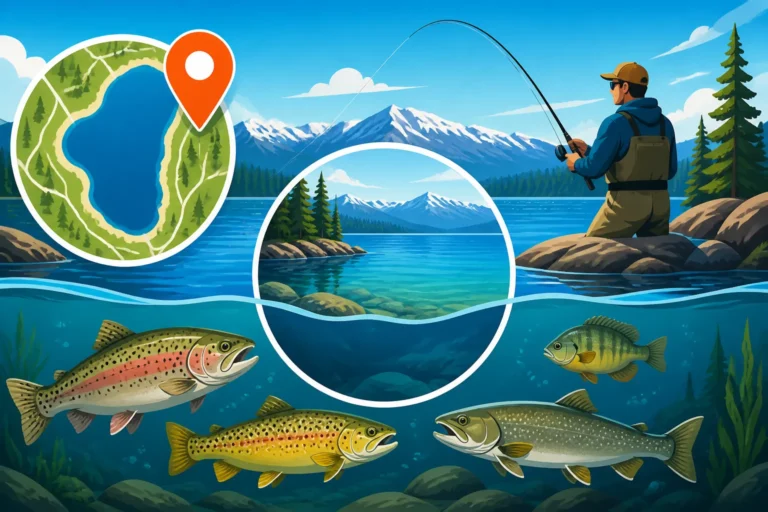
Pyramid Lake is truly a multi-species angler's dream, offering a chance to target several popular game fish. Each species has its own habits, preferred habitats, and fight style, adding to the excitement and challenge of fishing these waters.
Striped Bass: The Apex Predator
Ah, the striped bass. If there’s one fish that defines Pyramid Lake for many, it’s the striper. These magnificent fish, often called "landlocked ocean fish," grow to impressive sizes here, with 10 to 20-pounders being relatively common and even bigger trophies making appearances. They are voracious predators, constantly on the hunt for baitfish like shad and threadfin herring. You'll find them cruising open water, ambushing bait schools near points, or hugging structure along submerged ledges. The thrill of a striper smash-and-grab on a topwater lure at dawn or dusk is something every angler should experience. Because of their aggressive nature, they offer fantastic sport, often pulling drag with incredible power. Understanding California Striped Bass Regulations is crucial before you head out, as limits and sizes can vary. Many anglers, myself included, will often book a local guide through platforms like FishingBooker to get the most up-to-date intel on striper movements and patterns, especially if it's their first time tackling this species in such a unique environment.
Largemouth and Smallmouth Bass: Freshwater Fighters
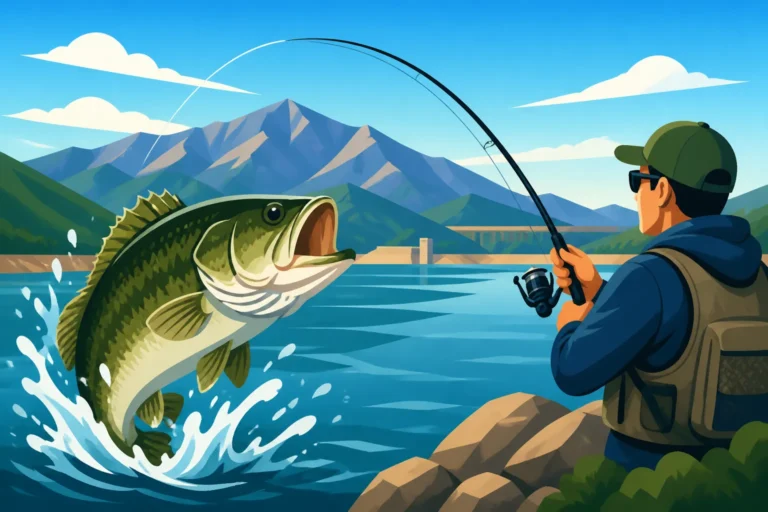
While stripers often steal the spotlight, Pyramid Lake also boasts healthy populations of both largemouth and smallmouth bass. These aren't the monster bass you might find in some dedicated trophy bass lakes, but they provide excellent sport and can be very rewarding to target. Largemouth bass prefer the shallower, more structured areas, particularly around rocky points, submerged brush, and coves where they can ambush prey. Smallmouth bass, on the other hand, tend to favor the deeper, rockier sections of the lake, often holding near ledges and drop-offs where they feed on crayfish and smaller baitfish. Fishing for them often involves different tactics than for stripers, requiring a more finessed approach with plastics, jigs, or crankbaits that mimic their natural forage. They might not have the raw power of a striper, but their acrobatic jumps and dogged fights make them a true pleasure to catch, especially if you enjoy targeting individual pieces of cover. If you're looking for more general information on how to target these species, check out our guide on How to Fish for Largemouth Bass in California.
Trout: Rainbows and German Browns
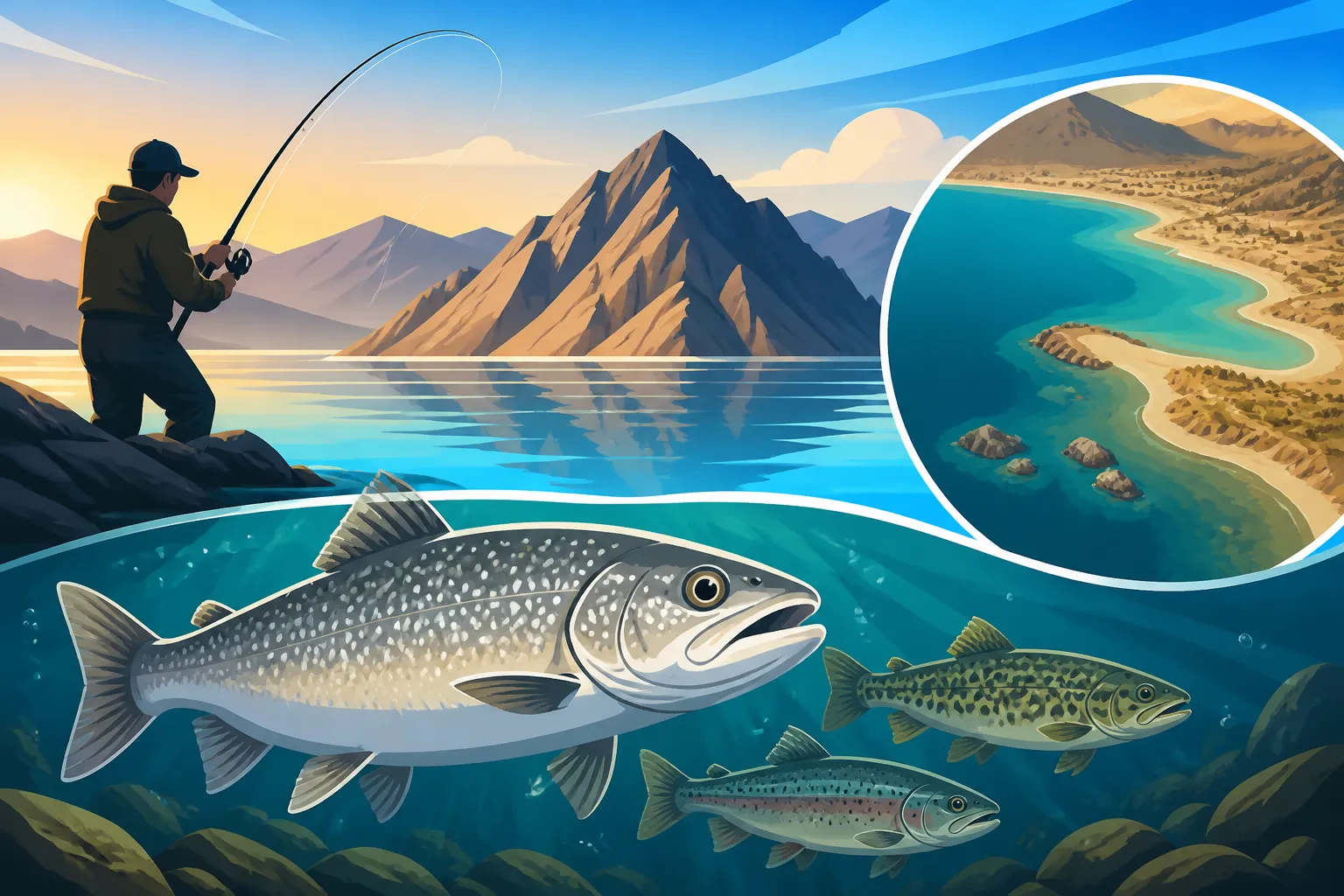
The cold, clear waters of Pyramid Lake also support a robust trout fishery, primarily rainbow trout and, occasionally, impressive German brown trout. The Department of Fish and Wildlife regularly stocks rainbow trout, especially during the cooler months, ensuring a steady supply for anglers. These stocked trout often scatter throughout the lake, but tend to congregate in the cooler, deeper sections and around areas where they are released. Brown trout, while less numerous, are often larger and more elusive, preferring to hide in structure or deeper ambush points. Trolling with various lures or bait fishing with powerbait or worms are popular and effective methods for trout. During the colder parts of the year, usually from fall through spring, the trout fishing really heats up, offering a fantastic alternative or addition to targeting bass. It’s always a good idea to consult California Trout Limits and Regulations to ensure you're compliant with current rules.
Other Notable Catches: Catfish, Panfish
Beyond the main game fish, Pyramid Lake offers a few other species that can make for a fun day, especially if you're looking for variety or fishing with kids. Channel catfish are present and can grow quite large, often found in deeper coves and along creek channels, particularly during warmer months. They're typically targeted with smelly baits like cut bait, chicken livers, or commercial catfish preparations, often fished on the bottom. Various panfish, such as bluegill and crappie, also inhabit the lake, providing easy action for light tackle and a great way to introduce beginners to fishing. They usually hang around shallower structure, submerged trees, or weed beds, responding well to small jigs, worms, or crickets. While they might not be the primary target for most, they can certainly add to a diverse catch and are always a welcome sight, especially when the main bite is slow.
Navigating Pyramid Lake: Best Fishing Spots
Knowing which species you're after is only half the battle; the other half is knowing where to find them. Pyramid Lake has a number of distinct areas that consistently produce fish, whether you're fishing from shore or a boat.
Key Shoreline Hotspots
Even if you don't have a boat, you can still have a fantastic day fishing at Pyramid Lake. The shoreline offers several accessible and productive spots.
- Vaquero Arm: This arm of the lake, particularly near the picnic areas and along the road, is a very popular spot for shore anglers. It features easy access and provides opportunities for both trout (especially after stockings) and striped bass that cruise the shallower sections or chase bait into the coves. The rocky banks and points here create ambush points for stripers, and deeper access is available for trout. You'll often see families enjoying a leisurely day of bait fishing, and more serious anglers casting lures into the main channel.
- Emigrant Landing: This area provides excellent access for shore anglers, particularly good for targeting trout due to its deeper water access closer to shore. It’s also a good launching point for kayaks and float tubes if you want to explore a bit further out. The structure here, including drop-offs and submerged points, can hold a variety of species depending on the season. During the colder months, this area becomes a prime location for those targeting the newly stocked rainbows.
- The Causeway: Although access might be restricted in some sections, the causeway areas can be excellent for casting lures or soaking bait for stripers, especially when they are actively schooling. The change in depth and current created by the causeway structure can funnel baitfish, attracting hungry predators. This spot often requires a bit of walking to find the best angle, but the effort can definitely pay off.
Prime Boating Locations
For those with a boat, Pyramid Lake truly opens up, offering access to deeper waters and more secluded structures where bigger fish often reside.
- Yellow Cliffs / Northeast Side: The dramatic Yellow Cliffs area on the lake's northeastern side is a magnet for striped bass. The steep rock walls and deep water create excellent habitat for baitfish, which in turn attract large schools of stripers. Trolling with Castaic Softbaits or similar swimbaits along these cliffs, or casting topwater lures during low-light conditions, can be incredibly effective. The area also has numerous submerged points and ledges that hold bass. You’ll find many anglers here focusing on sonar to locate bait balls and the stripers lurking beneath.
- Fish Arm: This arm extends towards the north and often features a more varied topography, including deeper sections and shallower coves, making it good for both bass species and stripers. Trolling crankbaits or swimbaits is effective for covering water here, particularly along the contours. Look for submerged islands or brush piles that act as fish magnets. During the warmer months, the coves within the Fish Arm can be excellent for largemouth bass, especially early in the morning or late in the afternoon.
- Dam Area: The deep waters near the dam are classic territory for trophy trout and larger stripers. The incredible depth here provides cold, oxygen-rich water that these species love, especially when surface temperatures rise. Downrigging with spoons or large swimbaits is a popular technique in this zone, allowing you to present lures at precise depths. It's also a good spot to anchor and bait fish for catfish in the deeper holes. Always be mindful of any restricted areas around the dam itself. If you're looking for more details on general productive spots in the region, check out our guide to the Best Lakes to Fish in California.
Seasonal Spot Variations
The best fishing spots at Pyramid Lake aren't static; they shift with the seasons, largely influenced by water temperature and the behavior of baitfish.
- Spring: As water temperatures begin to rise, fish become more active. Stripers will start to move into shallower coves and points to feed aggressively, often providing excellent topwater action. Bass will be staging for their spawn, so targeting rocky areas and submerged structure becomes key. Trout fishing remains strong in deeper sections but can also be found shallower as they feed actively before the summer heat.
- Summer: This is peak season for stripers, especially those landlocked giants. They'll follow bait schools into the deeper, cooler parts of the main lake during the day, often coming up to feed closer to the surface at dawn and dusk. Night fishing can also be incredibly productive for stripers. Bass will move to deeper structure, seeking cooler water. Trolling deep or finding thermoclines becomes critical for all species.
- Fall: As temperatures cool, fishing picks up across the board. Stripers are in a full-on feeding frenzy, aggressively chasing bait in preparation for winter. This is arguably the best time for topwater and reaction baits. Trout move shallower and become very active after new stockings. Bass are also very active, feeding heavily. This transitional period offers some of the most consistent fishing of the year.
- Winter: Trout fishing shines in winter, with plentiful fresh stockings and cold water keeping them active. Stripers can be found deeper, often schooling tightly and responding well to vertical jigging or slow-trolled baits. Bass fishing slows but can still be productive with slower, deeper presentations. Always bundle up, as the winter winds off the water can be quite chilly! For a more general overview of seasonal patterns, our California Fishing Seasons: Month-by-Month Guide provides excellent context.
| Species | Primary Season(s) | Typical Depth Range | Preferred Habitat | Recommended Baits/Lures |
|---|---|---|---|---|
| Striped Bass | Spring, Summer, Fall | 10-80 ft (varies) | Open water, points, submerged structure | Swimbaits, topwater, cut bait, umbrella rigs |
| Largemouth Bass | Spring, Summer, Fall | 5-25 ft | Coves, submerged brush, rocky points | Jigs, plastic worms, crankbaits, spinnerbaits |
| Smallmouth Bass | Spring, Summer, Fall | 10-40 ft | Rocky ledges, drop-offs, main lake points | Drop-shot, tubes, small jigs, grubs |
| Rainbow Trout | Fall, Winter, Spring | 15-60 ft | Deeper open water, stocking areas | PowerBait, worms, spoons, small spinners, trolling |
| Brown Trout | Fall, Winter, Spring | 20-80 ft | Deep structure, rocky crevices | Larger spoons, stickbaits, live minnows, trolling |
| Channel Catfish | Summer, Fall | 15-50 ft | Deep coves, creek channels, bottom | Cut bait, chicken livers, stink baits |
Essential Tips for Success at Pyramid Lake
Making the most of your trip to Pyramid Lake involves more than just knowing what fish are there and where they hang out. It's also about having the right gear, understanding the conditions, and being a responsible angler.
Gear and Bait Recommendations
Having the appropriate tackle can make all the difference in connecting with Pyramid Lake’s diverse fish species.
- For Striped Bass: You'll want a medium-heavy to heavy casting or spinning rod, around 7-8 feet, paired with a reel spooled with 15-30 lb monofilament or braided line. When it comes to lures, consider large swimbaits like the popular Castaic softbaits, Zara Spooks or other topwater plugs for explosive surface action, and a variety of spoons or large bucktail jigs for deeper presentations. Live bait, particularly threadfin shad or anchovies, can be incredibly effective, especially when fishing with a guide. Many anglers also find success trolling with umbrella rigs, which mimic a school of baitfish and are irresistible to hungry stripers.
- For Bass (Largemouth & Smallmouth): A medium-heavy spinning or casting setup is versatile for both species. For largemouth, Texas-rigged plastics, jigs, and crankbaits are go-tos in the shallower, structured areas. For smallmouth, finesse tactics like drop-shot rigs with small worms or tubes, and small jigs are often best in the deeper rocky zones. Line choice usually ranges from 8-15 lb fluorocarbon or monofilament, depending on the cover and clarity.
- For Trout: A light to medium-light spinning rod with 4-8 lb monofilament or fluorocarbon line is perfect for trout. PowerBait, Gulp! trout baits, and inflated nightcrawlers are reliable choices for bait fishing. For lures, try small Kastmasters, Super Dupers, or Rooster Tail spinners. If trolling, a good quality lead core line or downrigger setup will help you get those spoons or Rapalas down to the desired depth where the trout are holding. Many avid trout anglers consult services like FishingBooker to find guides specializing in California Trout Fishing Techniques.
Understanding Lake Conditions
Pyramid Lake, like any large body of water, is subject to changing conditions that directly impact fish behavior and your fishing success. Paying attention to these factors can help you adapt your strategy on the fly.
- Water Levels and Clarity: As part of the State Water Project, Pyramid Lake's water levels can fluctuate, which impacts accessible shoreline, submerged structure, and fish behavior. Low water can expose new structure or make certain areas too shallow, while high water might flood new areas, dispersing fish. Clarity also plays a huge role; clearer water often means fish are more wary and a more subtle approach (longer leaders, lighter line, natural colors) is needed. Stained water, on the other hand, might allow for more aggressive presentations and brighter colors.
- Weather Patterns: Wind, temperature, and cloud cover are crucial. Strong winds can make boat control difficult but can also create current and chop that activate baitfish and predators. Overcast conditions often lead to better fishing throughout the day, as bright sun can push fish deeper. Rapid temperature changes, like a sudden cold front, can shut down a bite for a day or two. Always check the local forecast before heading out and be prepared for changing conditions, as mountain weather can be unpredictable.
- Baitfish Presence: Ultimately, the fish are where the food is. Keep an eye out for signs of baitfish, such as flocks of diving birds, boils on the surface, or subtle marks on your sonar. Where there are schools of shad or other forage, you can bet stripers and other predators won't be far behind. This is where a good fish finder becomes invaluable, helping you locate schools of bait and the larger fish feeding on them.
Respecting Regulations and Conservation
As a responsible angler, it's paramount to adhere to all local and state regulations to ensure the health and sustainability of Pyramid Lake's fishery for generations to come.
- Fishing Licenses and Report Cards: Before you even cast a line, ensure you have a valid California Fishing License Guide. Depending on the species you target, you might also need specific report cards, such as a California Steelhead Report Card or a California Sturgeon Report Card, even if those species are less common in Pyramid, it’s good practice to understand the general requirements for special species across California. These are vital for data collection that informs management decisions. Ignoring these can lead to hefty fines and a ruined day.
- Bag and Size Limits: Every species has specific bag and size limits designed to protect populations. For instance, striped bass have a minimum size limit and a daily bag limit, which can vary. Trout also have their own limits. Always check the current California Fishing Regulations Explained booklet or the DFW website, as these rules can change seasonally or annually. Knowing these limits isn't just about avoiding a ticket; it's about being a part of conserving the resource.
- Catch and Release Practices: While keeping legal fish for consumption is perfectly fine, practicing proper catch and release for fish you don't intend to keep is crucial, especially for larger breeding stock. Use appropriate tools like de-hookers, minimize handling time, keep the fish in the water as much as possible, and ensure they are revived before release. This responsible angling ensures that the next generation of anglers can enjoy the same fantastic fishing opportunities you do.
Disclaimer
Fishing conditions and regulations in California can change frequently. Always consult the latest California Department of Fish and Wildlife regulations before heading out. This guide is for informational purposes only and should not replace official sources.