Truckee River: Fishing Access and Tips
For anglers venturing into Northern California, the allure of the Truckee River is undeniable, yet its complex currents and often challenging access can be a real head-scratcher. Many find themselves wondering where to even begin, feeling overwhelmed by private land signs or simply unsure which stretch offers the best shot at a memorable catch. This comprehensive guide is here to untangle those knots, providing you with detailed insights into the prime access points and essential tips to successfully fish this legendary Sierra Nevada waterway.
Understanding the Truckee River's Unique Character
The Truckee River isn't just any river; it's a cold-water gem flowing through diverse landscapes, each section presenting its own charm and challenges. Originating from the majestic Lake Tahoe, it carves its way through mountains, valleys, and even urban areas before ultimately feeding Pyramid Lake in Nevada. This journey imbues it with a dynamic personality that requires a thoughtful approach from any angler.
From Lake Tahoe to Reno: A Tale of Two Halves
The river's character shifts dramatically as it flows from its alpine source. The upper stretches, immediately downstream from Lake Tahoe, are often characterized by clearer, colder water and a more classic Sierra stream feel. Here, the river meanders through scenic landscapes, offering a pristine fishing experience. As it flows past the town of Truckee and into the canyon sections heading towards Reno, the river gains momentum, becoming larger and more powerful in many areas. This transition means that tactics and target species can vary significantly depending on where you drop your line.
This river system is primarily a cold-water fishery, meaning its waters are ideally suited for various trout species. The consistent cold flow from Lake Tahoe helps maintain prime conditions, even during warmer months, though savvy anglers know that water temperature still plays a huge role in fish activity. Understanding these thermal variations and river flows is paramount to a successful outing. You'll often find yourself checking stream gauges and water temps almost as often as you check your tackle box.
The Trout Species Calling the Truckee Home
When you cast into the Truckee, you're primarily targeting trout, and what a magnificent array they are! The river is famed for its robust populations of Rainbow Trout and Brown Trout, both known for their fighting spirit and stunning colors. You might also encounter the native Lahontan Cutthroat Trout, especially in the lower reaches further into Nevada, though some populations exist upstream. These are truly magnificent fish, and catching one feels like a real accomplishment.
Beyond these main stars, you can also find Mountain Whitefish, especially in deeper, slower pools. While not as actively sought after by many trout anglers, they are a native species and can provide some fun on lighter tackle. Each species has its own preferences for habitat and forage, making the Truckee a fascinating puzzle to solve every time you visit. Learning to differentiate their behaviors will certainly improve your catch rate.
Key Access Points Along the Truckee River
Navigating the Truckee River's access can be one of the biggest challenges for new anglers. While some stretches are readily accessible and well-known, others require a bit more legwork or local knowledge to find. The good news is that there's ample public access, particularly on the California side, if you know where to look.
Upper Truckee River: Tahoe City to the Town of Truckee
This section offers some fantastic fishing, often characterized by clearer water and a more intimate river experience. Immediately below the Lake Tahoe dam in Tahoe City, you'll find easy access through public parks and along Highway 89. This stretch can be popular, so an early start is often beneficial. As the river winds towards the town of Truckee, there are numerous pull-offs and designated parking areas.
One popular spot is near the "Boca Bridge" area, just east of Truckee, where the river meets Boca Reservoir. This area provides diverse water types, from faster runs to slower pools, and often holds a good density of fish. Just remember that parking can fill up quickly on busy weekends, and always be mindful of private property signs. Another excellent spot is the section that flows right through the town of Truckee itself. While it might seem odd to fish in an urban setting, the river here can be surprisingly productive, offering easy walk-in access from various points within town, including parks and public easements. For those looking to explore, consider consulting local fly shops in Truckee; they are often happy to share up-to-date access information and conditions.
Middle and Lower Truckee River: Hirschdale to the Nevada Border
As the Truckee flows east from the town of Truckee, it enters a more rugged canyon environment, offering a different kind of angling adventure. The Hirschdale Road area, specifically where it parallels the river, provides excellent public access points. You'll find turnouts and paths leading down to the water, giving you a chance to fish some truly beautiful and productive stretches. This is a favorite area for many, and for good reason – the river here is a bit larger, with deeper pools and more complex currents that hold larger fish.
Further downstream, closer to the Nevada border, the public access becomes a bit more dispersed but is still present. Areas around Floriston and Verdi are notable. It's crucial in these sections to pay close attention to land ownership. While the river itself is public, the land immediately adjacent may not be. Always look for signage, respect private property, and stick to clearly marked public easements. For anyone planning a trip, checking a resource like FishingBooker can sometimes help identify guides who operate in these specific areas and can navigate the nuances of access. These experienced guides can reveal spots you might otherwise miss and ensure you're fishing legally and respectfully.
Here’s a quick overview of some popular access points:
| Location / Section | General Access | Typical Conditions | Target Species Primarily | Notes |
|---|---|---|---|---|
| Tahoe City (Dam) | Easy, public parks, paved paths, walk-in | Clear, cold, moderate flow | Rainbow, Brown | Popular, can be crowded. |
| Town of Truckee | Easy, various town parks, public easements | Varied, urban backdrop, can be slower in town | Rainbow, Brown | Convenient, surprisingly good fishing. |
| Boca Bridge / Glenshire | Moderate, pull-offs along roads, some hiking | Faster runs, deeper pools, diverse structure | Rainbow, Brown | Very popular, good for nymphing. |
| Hirschdale Road | Moderate, numerous turnouts, short hikes to river | Stronger currents, larger water, classic canyon feel | Rainbow, Brown | Favorite among experienced anglers. |
| Floriston / Verdi (CA) | Dispersed, requires careful attention to public land | Powerful flows, technical fishing, can hold large fish | Rainbow, Brown, Cutthroat | Fewer anglers, often requires more walking. |
Essential Fishing Tips for the Truckee River
Fishing the Truckee River is an art form, not just a casual pastime. Its constantly changing conditions, strong currents, and often wary trout demand a thoughtful and adaptable approach. Whether you're a seasoned fly angler or prefer conventional methods, understanding the nuances of this river will significantly increase your chances of success.
Fly Fishing: The Truckee's Preferred Discipline
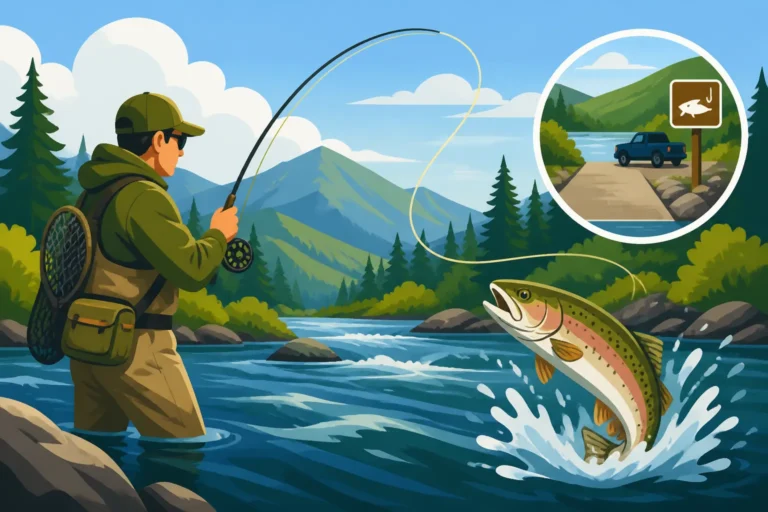
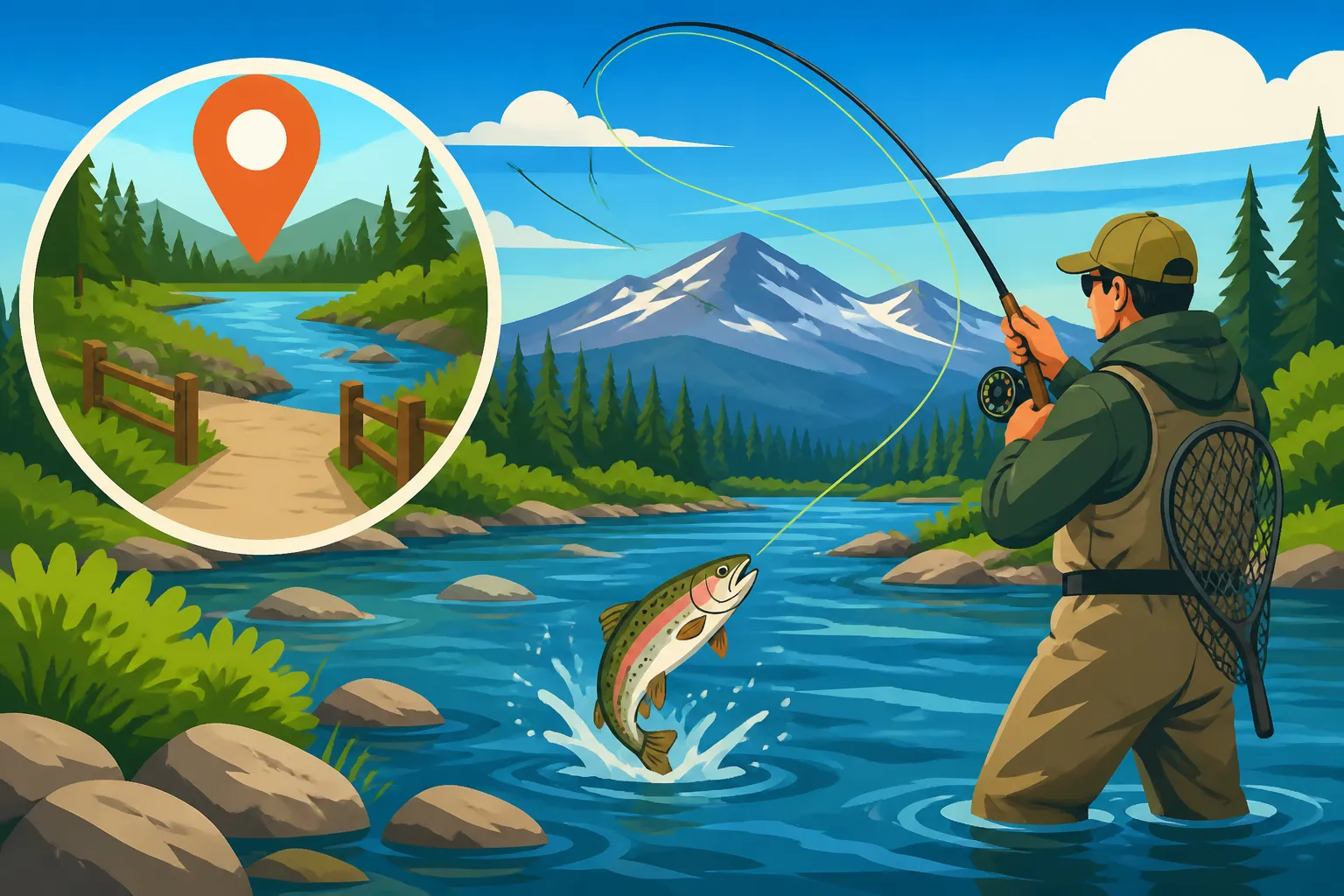
The Truckee River is a world-renowned fly-fishing destination, and for good reason. Its diverse insect life and consistent cold water provide excellent conditions for trout that feed on a variety of aquatic invertebrates. Nymphing is, without a doubt, the most consistently productive method. The river bottom is rich with stoneflies, caddis, and mayfly nymphs, which constitute a large part of the trout's diet. A tight-line nymphing or indicator nymphing setup, using patterns like Copper Johns, Zebra Midges, Prince Nymphs, or a variety of caddis larva imitations, will serve you well. Focus on seams, current breaks, and the heads of pools where fish lie in wait.
Dry fly fishing can be spectacular, especially during hatches. Keep an eye out for BWO (Blue-Winged Olive) hatches in spring and fall, caddis hatches throughout the warmer months, and even some terrestrials like ants and grasshoppers during summer. Matching the hatch is key, so having a good selection of dries in various sizes and profiles is crucial. Early mornings and late evenings often offer the best dry fly action. Finally, don't underestimate streamer fishing, particularly for larger brown trout. Stripping articulated patterns or sculpins through deeper pools and undercut banks can entice aggressive strikes, especially in low light conditions or after a good rain. Remember, many stretches have specific gear restrictions, so it's always wise to check the current California Freshwater Fishing Regulations.
Conventional Tackle and Bait Fishing Considerations
While fly fishing dominates the scene, conventional anglers can also find success on the Truckee, though often with a different set of strategies. Spin fishing with small spinners or spoons can be effective, especially during higher flows or when targeting aggressive fish. Lures like Panther Martins, Mepps, or small Rapalas in natural baitfish patterns can mimic the river's forage. Focus on casting upstream and retrieving downstream, allowing your lure to drift naturally through likely holding water.
Bait fishing, however, has stricter limitations on the Truckee. Many sections are designated as artificial lures and flies only, with barbless hook requirements. It’s absolutely essential to consult the California Department of Fish and Wildlife (CDFW) regulations booklet or website for the specific section you plan to fish. Misunderstanding these rules can lead to fines and a ruined day. For areas where bait is allowed, popular choices include salmon eggs, worms, or powerbait, fished on a light line with minimal weight to allow for a natural drift. Always be mindful of the "catch-and-release" ethos prevalent on many parts of the Truckee, even if regulations technically allow for harvest.
Seasonal Strategies and Timing Your Visit
The Truckee River offers year-round fishing opportunities, but the best times to visit largely depend on your target species and preferred technique. Spring (April-May) is fantastic as water temperatures begin to rise, triggering strong hatches and increased fish activity. This is prime nymphing and dry fly time. Summer (June-August) can be excellent, particularly in the cooler mornings and evenings, but watch out for warmer water temperatures that can stress fish. Targeting shady spots or higher elevation sections near Tahoe can be beneficial.
Fall (September-November) is another standout season, especially for brown trout, as they become more active and begin their spawning runs. Streamer fishing can be particularly effective during this period. Winter (December-March), while challenging due to cold temperatures and often lower flows, can offer some surprisingly good fishing for hardy anglers. Midges and small nymphs are the primary food source, and fish often stack up in deeper, slower pools. No matter the season, checking local fishing reports is always a smart move to get the most up-to-date information on river conditions and what fish are biting. For a broader overview, take a look at our California Fishing Seasons: Month-by-Month Guide.
Navigating Regulations and Conservation
Fishing in California, and particularly on a sensitive and heavily managed river like the Truckee, means being extra diligent about regulations. These rules aren't just arbitrary; they're in place to protect the valuable fishery and ensure its health for generations to come. Trust me, the last thing you want is a run-in with a game warden because you overlooked a small but critical detail.
Understanding California Fishing Licenses and Report Cards
First things first: you absolutely need a valid California fishing license if you're 16 years or older. There are various options, from annual licenses to short-term licenses perfect for a quick trip. You can easily purchase these online through the CDFW website, at most sporting goods stores like Big 5 Sporting Goods or Bass Pro Shops, or even at local tackle shops in towns like Truckee. Always carry your license with you when fishing. If you're new to the state or need a refresher, our California Fishing License Guide has all the details you'll need.
For certain species like Steelhead, the Truckee River might also require a Steelhead Report Card. While the Truckee isn't traditionally known for its steelhead runs in the same way coastal rivers are, it's always wise to confirm if specific sections or target species trigger additional reporting requirements. This helps the CDFW monitor populations and manage the resource effectively. These report cards are usually an add-on when purchasing your fishing license.
Specific Regulations for the Truckee River
The Truckee River is often subject to special regulations that differ from general statewide rules. This is largely due to its designation as a Wild Trout Fishery in many sections and ongoing conservation efforts, especially for Lahontan Cutthroat Trout restoration. These special regulations often include:
- Barbless Hooks Only: Many sections of the Truckee require the use of barbless hooks, or hooks where the barb has been crimped down. This significantly reduces harm to fish, particularly for catch-and-release angling.
- Artificial Lures and Flies Only: Large portions of the river prohibit the use of bait. This is a common regulation in wild trout waters to prevent bait-related mortality and the spread of non-native species. Always confirm if the stretch you're fishing is "artificials only."
- Catch and Release: While not always a blanket rule, many anglers on the Truckee practice catch-and-release, and some specific areas might be designated as such. It’s always best practice to handle fish minimally and release them quickly and carefully.
- Specific Bag and Size Limits: Even in areas where harvest is allowed, the bag and size limits for trout on the Truckee may differ from general state regulations. For example, you might find regulations that specify a minimum or maximum size for trout, or a reduced daily bag limit. Our guide on California Trout Limits and Regulations can provide broader context, but always check the specific Truckee River regulations.
These regulations are typically outlined in the annual California Freshwater Sport Fishing Regulations booklet. You can download it online, pick up a physical copy wherever licenses are sold, or check the CDFW's online resources. A little research beforehand can prevent a lot of headaches and ensure you're fishing responsibly.
Conservation and Ethical Angling Practices
Beyond the written regulations, practicing ethical angling is vital for the health of the Truckee River. This includes minimizing your impact on the environment, handling fish with care, and respecting other anglers and private landowners. Pack out everything you pack in, and perhaps even a little extra trash you find. If you're new to the area or unsure about the best practices, consider hiring a local guide. Services like FishingBooker can help you find experienced Truckee River guides who are not only masters of the river but also passionate advocates for its conservation. They can teach you proper fish handling techniques, the nuances of reading the river, and the importance of respecting this incredible natural resource.
When releasing fish, especially trout, minimize air exposure. Wet your hands before handling them, support their body, and allow them to recover in the water before letting them swim off. Avoid dragging them on rocks or dry ground. These small actions make a huge difference in their survival rates. Remember, we're all stewards of these incredible fisheries, and our actions today determine the quality of fishing for tomorrow.
Planning Your Truckee River Fishing Adventure
Getting ready for a Truckee River fishing trip involves more than just gathering your gear. It's about understanding the logistics, preparing for the elements, and knowing how to make the most of your time on the water. A little foresight can turn a good trip into an unforgettable one.
Gear Essentials for the Truckee Angler
For fly anglers, a 9-foot, 4-weight or 5-weight rod is typically ideal for the Truckee's varied conditions. Pair it with a floating line and a good selection of leaders and tippets (usually 3x-6x, depending on conditions and fly size). As mentioned, your fly box should be well-stocked with nymphs (Copper Johns, Zebra Midges, Prince Nymphs, stonefly and caddis imitations), dry flies (Baetis, Caddis, Parachute Adams), and a few streamers. Waders and wading boots are absolutely essential, as much of the best fishing requires getting into the water. The currents can be strong, so good traction on your boots is critical, and a wading staff can be a real lifesaver, especially on slick rocks.
Conventional anglers will do well with a light to medium-light spinning rod (6-7 feet) paired with a reel spooled with 4-8 pound test line. A small selection of spinners, spoons, and perhaps some soft plastics will cover most situations where artificials are allowed. Always bring a pair of polarized sunglasses; they cut the glare off the water, allowing you to spot fish and read the river's structure more effectively. A net, preferably one with a rubber mesh to protect fish, is also a highly recommended piece of equipment for safe handling and release.
Best Times and Conditions to Hit the Water
While the Truckee offers year-round fishing, paying attention to water levels and temperatures will dramatically improve your success. After heavy rains or snowmelt, the river can become high and off-color, making fishing challenging. Conversely, very low flows can make fish spooky and concentrated in smaller areas. Aim for stable flows and water temperatures between 45-65°F (7-18°C) for optimal trout activity. You can often find real-time flow data from USGS gauges online, which is an invaluable resource for planning your trip.
Overcast days or periods of light rain can often be excellent, as they can trigger insect hatches and make fish less wary. Bright, sunny days might mean seeking out shaded areas or fishing during the early morning and late evening hours when light levels are lower. Consider checking out our more general article on the Best Times to Fish in California for broader insights, but always remember to apply those general rules to the specific conditions of the Truckee.
Exploring Beyond Fishing: A Holistic Truckee Experience
The Truckee River area isn't just about fishing; it's a gateway to the stunning natural beauty of the Sierra Nevada. After a morning on the river, you might want to explore the charming town of Truckee with its historic downtown, grab a bite at one of the many excellent local eateries, or browse the unique shops. The proximity to Lake Tahoe means countless hiking and biking trails are within easy reach, offering breathtaking views and opportunities to connect with nature on a deeper level.
For those considering a longer trip, perhaps even looking to explore other nearby fishing opportunities, a resource like FishingBooker can sometimes help you discover local guides not just for the Truckee, but for other premier fishing spots in Northern California. Imagine spending a few days targeting trout on the Truckee, then transitioning to bass fishing at one of the Best Bass Lakes in California nearby. The region truly offers a diverse outdoor experience that goes far beyond just a single cast.
Disclaimer
Fishing conditions and regulations in California can change frequently. Always consult the latest California Department of Fish and Wildlife (CDFW) regulations booklet or website before heading out. This article is for informational purposes only and does not supersede official government regulations.