Eel River: Fishing Access and Tips
Oh, the Eel River. It’s one of those iconic California waterways that conjures up images of wild salmon and steelhead, ancient redwoods, and pristine natural beauty. But let’s be real, actually finding those elusive fish, and even just figuring out where you can legally and practically wet a line, can feel like navigating a maze. It’s not always as straightforward as casting a line from a roadside pull-out. This guide is here to cut through the confusion, offering clear, actionable advice on where to access the Eel River and the best tips to make your fishing trip a successful and memorable one.
The Allure and Challenges of Eel River Fishing
The Eel River system, one of California's largest, is a jewel, stretching over 196 miles from Mendocino County up through Humboldt County before emptying into the Pacific Ocean. It’s famed for its incredible runs of Chinook and Coho salmon, and of course, the magnificent steelhead. Anglers dream of hooking into one of these powerful, ocean-run fish in the clear, cold waters of the Eel. However, its vastness and often rugged, remote terrain present unique challenges. You can’t just show up and expect to find prime fishing real estate everywhere. Understanding the river's different sections and their accessibility is key to avoiding frustration and making the most of your time.
Why the Eel River is a Fishing Paradise (When You Know Where to Look)
For those willing to do a little homework, the Eel River offers some truly world-class fishing opportunities, especially for anadromous species. The sheer size and relatively wild nature of the river mean that when conditions are right, the fishing can be spectacular. You're not just fishing for fish; you're immersing yourself in a landscape that feels untamed, a refreshing change from more crowded urban fishing spots. It’s an adventure that promises solitude and big fish, provided you have the right intel.
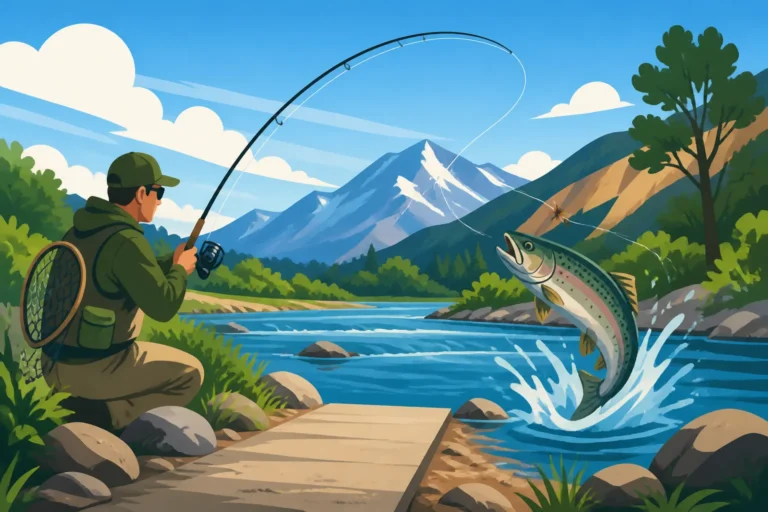
The primary draw for many are the migrations. Come fall and winter, the river swells with salmon and then steelhead pushing upstream to spawn. These are powerful, acrobatic fish that test even the most seasoned angler. Beyond these seasonal runs, the river and its tributaries also hold resident populations of coastal cutthroat trout and rainbow trout, offering year-round opportunities for dedicated anglers.
The Realities of Access and Conservation
One of the biggest hurdles, and frankly, a common point of frustration, is public access. While it’s a major river, large sections of its banks are privately owned, making spontaneous bank fishing difficult or impossible. This is where local knowledge, detailed maps, and sometimes, hiring a guide, become invaluable. Additionally, the Eel River has a complex history with logging and dams, which have significantly impacted its fish populations. Today, strong conservation efforts are in place, particularly for threatened species like Coho salmon, and these efforts come with strict regulations. Respecting these rules isn't just about avoiding a fine; it's about protecting the very resource that draws us here. Understanding specific rules, like those regarding California Salmon Season Dates Explained and California Steelhead Season Dates Explained, is non-negotiable.
Key Access Points Along the Eel River
Navigating the Eel River's vastness requires knowing where the public access points are. The river is generally divided into three main sections: the Van Duzen River, the Main Stem Eel, and the South Fork Eel. Each offers different experiences and access opportunities.
Upper Eel River and Tributaries
The upper reaches of the Eel River are often more remote and less accessible by paved roads, though they offer stunning scenery and excellent trout fishing in a pristine environment. These areas are typically targeted by experienced fly anglers or those willing to hike.
Van Duzen River Access
The Van Duzen River, a major tributary of the Eel, offers some fantastic fishing, particularly for steelhead. It's often one of the first rivers in the system to clear after rain, making it a good early-season option. Public access can be found at:
- Carlotta Bridge: This is a popular spot with decent bank access, especially for drift fishing. You’ll find parking here, and it’s a known entry point for float trips further downstream. The river here can hold good numbers of steelhead, and in season, salmon. It’s not uncommon to see anglers wading or using small rafts and drift boats.
- Bridgeville (Highway 36): Further upstream, the area around Bridgeville along Highway 36 provides more limited but productive access. Look for pull-outs and trails that lead to the river, but always be mindful of private property signs. This section often offers a more secluded fishing experience compared to downstream areas. Remember, knowing your California Freshwater Fishing Regulations is crucial in these wilder stretches.
Benbow Lake and Park
While technically part of the South Fork Eel, Benbow Lake (when formed by its seasonal dam) and Benbow State Recreation Area offer accessible bank fishing opportunities, especially for families. When the lake is full, it's stocked with trout, and you can also find bass and panfish. Below the dam, when the river is flowing naturally, you can find runs for steelhead and salmon, though public access outside the park boundaries might be limited due to private ownership. It's a great spot to consider if you're looking for a more relaxed setting with amenities.
Main Stem Eel River
The Main Stem is where the big runs of anadromous fish are most anticipated. It's a larger, wider river than its forks, and therefore, often best fished from a boat, though there are bank access points as well.
Fernbridge and Fortuna
These areas are some of the most popular and accessible spots on the lower Main Stem Eel River, especially during the fall salmon runs and winter steelhead season.
- Fernbridge: Located just upstream from the mouth of the river, Fernbridge is a major landmark and a hotspot for both bank anglers and those launching drift boats. There are public access points and parking near the bridge, allowing anglers to target fish moving through the tidal influence and into the freshwater. You'll often find a mix of bait and lure fishing here. This area can get crowded, especially on peak days, but for good reason – the fish move through here in numbers.
- Fortuna River Lodge/Park: In Fortuna, there are several parks and access points that lead to the river, offering a chance to fish both above and below the town. These spots are usually well-maintained and provide relatively easy bank access. Again, check local signage for specific regulations and public access boundaries. Many guided trips also launch from this general area. If you're considering hiring a guide, platforms like FishingBooker can help you find reputable local outfits that know these access points intimately.
Rio Dell and Scotia
Moving upstream from Fortuna, the towns of Rio Dell and Scotia also offer river access, often through municipal parks or designated public easements.
- Rio Dell Park: This park often provides good bank access to the Eel River, a popular spot for locals targeting steelhead and salmon. It’s usually less crowded than Fernbridge but still offers good potential. The river here begins to narrow a bit, making it more manageable for casting from the bank.
- Scotia: While much of Scotia’s riverfront is historically private (timber company land), there are some public access points around the bridge or via specific easements. Always check for current regulations and public land maps to ensure you’re fishing legally. This stretch can be incredibly productive for both steelhead and salmon when the conditions are right.
South Fork Eel River
The South Fork Eel is generally smaller and more intimate than the Main Stem, making it excellent for drift fishing with rafts or pontoon boats, and also offering good wading opportunities in many sections. It’s particularly renowned for its steelhead runs.
Miranda and Garberville
These towns, situated along Highway 101, offer some of the most consistent and well-known public access points on the South Fork.
- Miranda: There are various public access points in and around Miranda, often near bridges or small campgrounds. These stretches are prime for steelhead, especially during winter. Wading can be excellent in many areas, but caution is advised with variable water flows. It’s worth checking with local tackle shops for the most up-to-date information on current conditions and productive spots.
- Garberville: Similarly, Garberville and the surrounding areas along the Avenue of the Giants scenic drive offer numerous opportunities. Look for state parks, county parks, and designated fishing access points. The river here meanders through groves of towering redwoods, making for a truly spectacular fishing backdrop. Many anglers choose to hire a local guide, often found through services like FishingBooker, to navigate these specific, sometimes tricky, access points and ensure a productive trip.
Standish-Hickey State Recreation Area
This state park is a gem on the South Fork Eel. It provides excellent camping and river access, making it a fantastic base camp for a fishing trip. You can access the river directly from the park for bank fishing or launch small craft. This area is great for both steelhead and resident trout. It’s a family-friendly option with good amenities, ensuring a comfortable fishing adventure.
Summary of Key Access Points
To give you a clearer picture, here’s a quick overview of some notable access points and what they’re typically known for:
| Access Point | River Section | Primary Species | Typical Access Method | Notes |
|---|---|---|---|---|
| Carlotta Bridge | Van Duzen River | Steelhead, Salmon | Bank, Drift Boat | Popular, often clears quickly. |
| Benbow Lake/State Rec. Area | South Fork Eel River | Trout, Bass, Steelhead | Bank, Small Boat | Family-friendly, stocked trout in lake, steelhead below dam. |
| Fernbridge | Main Stem Eel River | Salmon, Steelhead | Bank, Drift Boat | High traffic, excellent for migratory runs, tidal influence. |
| Fortuna River Parks | Main Stem Eel River | Salmon, Steelhead | Bank, Drift Boat | Good facilities, popular with guides. |
| Rio Dell Park | Main Stem Eel River | Steelhead, Salmon | Bank | Less crowded than Fernbridge, good bank fishing. |
| Miranda (Hwy 101 areas) | South Fork Eel River | Steelhead, Resident Trout | Wading, Drift Boat | Prime steelhead water, scenic. |
| Garberville (Avenue of Giants) | South Fork Eel River | Steelhead, Resident Trout | Wading, Drift Boat | Beautiful redwood scenery, numerous smaller access points. |
| Standish-Hickey SRA | South Fork Eel River | Steelhead, Resident Trout | Bank, Wading | Camping available, great multi-day base. |
Top Fishing Tips for the Eel River
Once you've figured out where to go, the next step is knowing how to fish it effectively. The Eel River, with its diverse fish populations and varied conditions, demands a thoughtful approach.
Targeting Steelhead
Steelhead fishing on the Eel River is a winter tradition for many. These chrome beauties are powerful fighters, and success often comes down to presentation and timing.
Best Techniques and Baits/Lures
- Drift Fishing: This is probably the most popular and effective method. Using a float or bobber to suspend bait (roe, worms, shrimp) or small lures (Glo-Bugs, beads) just off the bottom is incredibly productive. You're trying to present your offering naturally as it drifts downstream through prime holding water like seams, runs, and tailouts. Many anglers favor a setup with an indicator, split shot, and a small, sharp hook. Remember, California Steelhead Report Card requirements apply here, and often, barbless hooks are mandatory.
- Casting Spoons and Spinners: When the water has a bit of color or flow, casting brightly colored spoons (like Little Cleos or Koho spoons) or spinners (such as Blue Fox or Mepps) can provoke aggressive strikes. Focus on casting upstream and retrieving just faster than the current to give the lure a lifelike action.
- Fly Fishing: For the dedicated fly angler, the Eel offers challenging but rewarding opportunities. Spey casting or nymphing with egg patterns, stoneflies, or classic steelhead flies (like Freight Trains or Hoh Bo Spey) can be highly effective. The South Fork, in particular, has many sections conducive to fly fishing.
Chasing Salmon (Chinook and Coho)
Salmon runs, especially Chinook, draw crowds to the lower river in fall. Coho salmon are often catch-and-release only, due to their protected status, so always double-check current California Salmon Regulations and Limits before you head out.
Effective Salmon Tactics
- Bait Fishing: Cured roe (salmon eggs) is king for Chinook salmon. Plunking (anchoring your bait in a prime location with heavy lead) or drifting roe under a float are common and effective methods. Think about using a sliding sinker rig to allow the fish to take the bait without feeling immediate resistance.
- Hardware: Large spoons (like Luhr Jensen Kwikfish or Wiggle Warts) or spinners (sizes #4-#6) can entice aggressive salmon. Back-trolling these lures from a drift boat is a very popular and effective technique, especially in the wider sections of the Main Stem Eel.
- Soft Plastics/Jigs: Jigging with rubber worms or soft plastic baits can also work, especially in deeper holes where salmon might be holding. The key is to get the lure right in front of their faces and work it slowly to trigger a strike.
Trout Fishing Opportunities
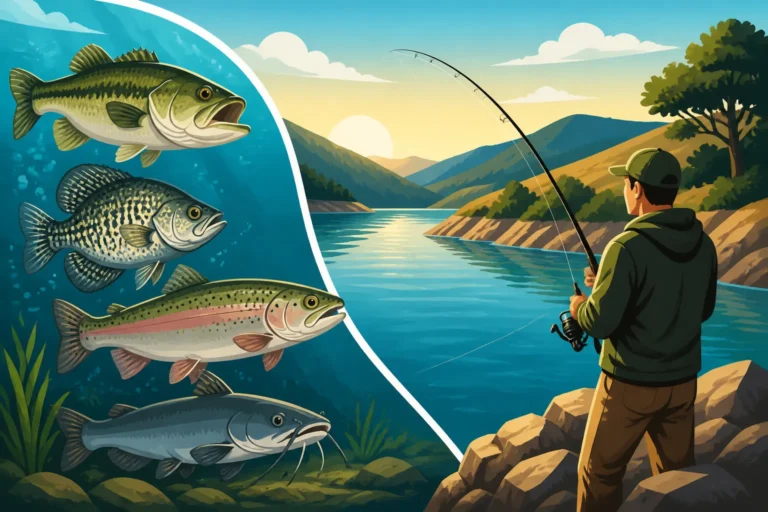
Beyond the anadromous runs, the Eel River system, especially its upper reaches and smaller tributaries, holds resident rainbow and coastal cutthroat trout. These fish are generally smaller but offer consistent action, particularly during warmer months.
Resident Trout Strategies
- Dry Fly Fishing: In spring and summer, when insects are hatching, dry fly fishing can be fantastic, especially in the clearer, shallower sections. Look for caddis, mayflies, and stoneflies.
- Nymphing: When fish aren’t rising, nymphing with imitative patterns like Copper Johns, Prince Nymphs, or Pheasant Tail Nymphs is always a solid bet.
- Spin Fishing: For spin anglers, small spinners (Panther Martin, Rooster Tail) or spoons (Kastmasters) are excellent choices. You can also use small worms or powerbait for consistent bites, particularly where the river runs slower or in deeper pools.
What You Need to Know Before You Go
A successful trip to the Eel River isn’t just about knowing where to fish and what to use; it’s also about being prepared and understanding the regulatory framework. California has specific rules designed to protect its precious fisheries, and the Eel River is no exception.
Essential Licenses and Report Cards
Before you even think about casting a line, ensure you have the proper documentation. This is one area where you absolutely cannot cut corners, as wardens frequently patrol these popular fishing areas.
California Fishing License
Every angler 16 years of age or older needs a valid California Fishing License Guide to fish in California’s waters. These are annual licenses that run from January 1st to December 31st, regardless of when you purchase them. You can buy them online through the California Department of Fish and Wildlife (CDFW) website or from licensed agents, which include most tackle shops and sporting goods stores like those found in Eureka or Fortuna. If you’re just visiting, a California One-Day Fishing License or two-day option might be more suitable, but do the math to see if an annual license makes more sense, especially if you plan multiple trips.
Salmon, Steelhead, and Sturgeon Report Cards
If you're targeting salmon or steelhead, you absolutely need a specific report card in addition to your fishing license. These are crucial for tracking catch data, which helps the CDFW manage fish populations.
- Steelhead Report Card: Mandatory for anyone fishing for steelhead. You must carry it with you and fill out the required information immediately upon catching a steelhead, even if you release it. The report card must be returned to the CDFW by January 31st of the following year, even if you didn't catch anything.
- Salmon Report Card: Similarly, if you are targeting salmon, a separate report card may be required depending on the specific regulations for that year. Always check the current regulations booklet, as salmon regulations can change annually due to population fluctuations.
Failing to have or properly fill out these report cards can result in significant fines. It's a small administrative step that makes a big difference for conservation, so please take it seriously.
Regulations and Conservation Measures
The Eel River is a highly regulated fishery, and for good reason. Many of its most sought-after species are threatened or endangered.
Bag and Size Limits
Always, always check the current California Freshwater Fishing Regulations booklet for specific bag and size limits for each species. These can vary not only by species but sometimes by specific river section or time of year. For instance, California Trout Limits and Regulations might be different from those for steelhead, even though they are both salmonids. Knowing the difference between a resident rainbow trout and a migratory steelhead is essential.
Gear Restrictions
The Eel River often has specific gear restrictions, particularly during salmon and steelhead seasons. These commonly include:
- Barbless Hooks: Many sections require barbless hooks, or that all hooks be barbless, to minimize harm to released fish. This is particularly true for steelhead and salmon.
- No Live Bait: Some sections or seasons may prohibit the use of live bait, especially for salmon and steelhead. Always confirm.
- Weight Restrictions: Regulations might stipulate how much weight you can use on your line or how far your weight must be from your hook. These rules are designed to prevent snagging fish, which is illegal.
You can download the latest California Sport Fishing Regulations booklet from the CDFW website or pick up a physical copy at any license agent. It’s your bible when you're on the water.
Safety and River Conditions
Fishing the Eel River, especially during the fall and winter, can involve rapidly changing conditions and cold, fast-moving water.
Monitoring Water Levels and Weather
Heavy rains can quickly swell the Eel River, making it muddy, unfishable, and potentially dangerous. Always check river flow data (available through USGS stream gauges) and weather forecasts before heading out. High, turbid water can also shut down certain fishing opportunities or make some access points impassable. Low, clear water, on the other hand, can make fish spooky and harder to catch. Optimal conditions are often falling and clearing water after a rain event.
Personal Safety
- Wading Safety: If you plan to wade, bring a sturdy wading staff and wear appropriate waders with good grip. The river bottom can be slick and uneven. Never wade in water that looks too fast or too deep for your comfort level.
- Cold Water: Water temperatures in fall and winter are cold. Dress in layers, wear waterproof outerwear, and consider a personal flotation device (PFD), especially if you're in a boat or wading in strong currents. Hypothermia is a real risk.
- Wildlife: While beautiful, the Eel River watershed is home to wildlife. Be aware of your surroundings, especially if fishing in remote areas.
Considering a Fishing Guide
For many, especially those unfamiliar with the river, hiring a local fishing guide is a fantastic investment. Guides not only know the current hot spots, accessible areas, and effective techniques, but they also ensure you're compliant with all regulations. They can provide all the necessary gear and offer invaluable instruction. For instance, if you're looking for a California Steelhead Fishing Guide specifically for the Eel, a good place to start your search is on platforms like FishingBooker, where you can browse local guides and read reviews. It’s a great way to maximize your chances of success and learn the nuances of this incredible fishery.
Disclaimer
Please note that fishing regulations, seasons, and access points can change. While this guide provides comprehensive information, always verify the most current rules and conditions with the California Department of Fish and Wildlife (CDFW) before planning your trip. Fishing involves inherent risks, and personal safety should always be your top priority.