Long Beach Fishing Guide
Feeling a little overwhelmed by the sheer size and variety of fishing opportunities in Long Beach, California? You're not alone! This bustling coastal city offers so much, from serene harbor fishing to adventurous offshore excursions, that it can be tricky figuring out where to even drop a line. This comprehensive guide is designed to cut through the confusion, providing you with everything you need to know about the diverse waters, top spots, common catches, and essential techniques to make your next Long Beach fishing trip a resounding success.
Understanding Long Beach's Diverse Waters
Long Beach isn't just one type of fishing environment; it's a vibrant tapestry of interconnected waterways, each offering unique challenges and rewards. From the calm, protected inner harbor to the dynamic, open ocean, understanding these different zones is key to planning your perfect angling adventure. It’s a common mistake for newcomers to think all saltwater is the same, but the reality couldn't be further from the truth here.
The Harbor and Inner Bays
The protected waters of the Long Beach Harbor and its numerous inner bays, including Alamitos Bay and Naples Canals, are a fantastic starting point, especially for families or those looking for a more relaxed experience. These areas are characterized by calmer currents, numerous docks, marinas, and plenty of structure where baitfish hide and predators lurk. You'll find a different kind of fishery here compared to the open ocean, one that rewards patience and precise casting around man-made structures. The waters are generally shallower, making them accessible to smaller boats, kayaks, and even shore anglers.
Fishing in these sheltered zones means you're often targeting species that thrive in a more urbanized marine environment. Think about the abundant baitfish that find refuge around docks and pilings – these are magnets for larger predators. The tranquility here also means you don't have to contend with the strong swells or unpredictable conditions of the open Pacific, which can be a huge relief, especially if you're prone to seasickness or just prefer a more stable fishing platform. Many anglers find a lot of joy in the subtle nuances of harbor fishing, where reading the water and identifying structure becomes paramount.
The city's commitment to water quality in these inner harbors has also improved the fishing dramatically over the years. You'll often see small boats and kayaks navigating the channels, casting for bass or halibut. These areas are also fantastic for just enjoying the scenery, watching the boats go by, and soaking in the classic Southern California coastal vibe while waiting for a bite. Just remember that even in these seemingly placid waters, respecting local regulations and other boaters is crucial.
Nearshore and Coastal Waters
Beyond the breakwater, the nearshore and coastal waters of Long Beach open up a whole new world of angling possibilities. This zone includes the beaches, jetties, and the water immediately surrounding the iconic Belmont Veterans Memorial Pier. Here, you'll encounter a more dynamic environment, with waves, currents, and varying depths that attract a wider array of species. Many anglers find this area to be the sweet spot, offering diverse catches without requiring a deep-sea charter.
Surf fishing from the sandy beaches, for example, is a classic Long Beach pastime. It requires a different set of skills and tackle, but the reward of landing a corbina or perch directly from the sand is incredibly satisfying. Jetties, like the one at Alamitos Bay, offer rocky structures that provide cover and foraging grounds for species like rockfish and calico bass. These areas are also popular for spotting migrating bait schools, which can bring in larger predatory fish closer to shore during certain times of the year.
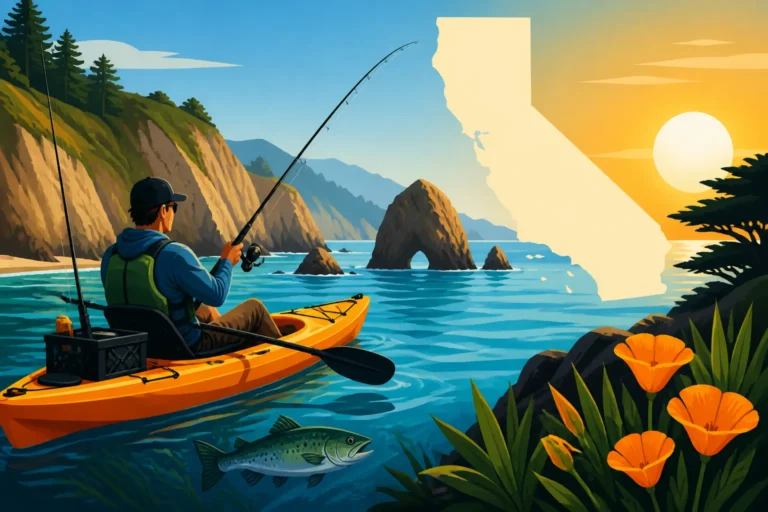
Kayakers and small boaters often explore these nearshore waters, targeting species around the numerous artificial reefs and structure that have been deployed to enhance marine habitat. The depths here can range from relatively shallow just off the beach to 50-100 feet as you move a little further out, creating diverse ecosystems. Understanding the tides and swell conditions is much more important in this zone, as they directly impact fish behavior and your ability to safely fish certain spots. For those who enjoy a bit more action and variety than the inner harbor, but aren't quite ready for the full offshore experience, the nearshore waters are an absolute playground.
Offshore Opportunities
For the adventurous angler, Long Beach serves as a major jumping-off point for exciting offshore fishing. This involves heading out beyond the immediate coastal waters, often past Catalina Island and even further, into the deep blue Pacific. This is where you'll find the true giants of the ocean – the pelagic species that migrate through California waters. When you talk about big game fishing, this is it!
Offshore trips from Long Beach typically involve charter boats or larger private vessels capable of handling the open ocean conditions. The targets here are often fast-swimming, hard-fighting species that require heavier tackle and a different approach than inshore fishing. These trips can range from full-day excursions to multi-day adventures, depending on the target species and how far you're willing to travel. The hunt for tuna, dorado, and marlin is a completely different ballgame, offering an adrenaline rush unlike anything else.
The success of offshore fishing is heavily dependent on water temperature, bait concentrations, and migratory patterns. Captains and crews on these charters are constantly tracking these factors, using their expertise to put you on the fish. While it requires a greater investment in time and money, the potential for a trophy catch, or simply a day filled with non-stop action, makes offshore fishing an unforgettable experience. It's truly a test of skill, endurance, and a little bit of luck, but the stories you'll bring back are always worth it. If you're considering a trip, checking out a service like FishingBooker can help you find reputable charters with experienced captains specializing in offshore Long Beach fishing.
Top Fishing Spots in Long Beach
Long Beach is peppered with fantastic fishing spots, each offering its own charm and target species. Knowing where to go is half the battle, especially when you're exploring a new area. Whether you prefer the comfort of a pier, the solitude of the beach, or the excitement of a boat, Long Beach has a spot for you.
Long Beach Shoreline Marina and Rainbow Harbor
These bustling areas are not just for admiring yachts and grabbing a bite; they are also prime fishing locations, particularly for those on foot or in smaller craft. The Shoreline Marina and Rainbow Harbor are part of the larger Long Beach Harbor complex, offering plenty of calm, protected water and abundant structure.
Anglers casting from the numerous public docks and walkways around these harbors can expect to hook into a variety of inshore species. The pilings and submerged structures provide excellent cover for juvenile fish, which in turn attract larger predators. Common catches here include Spotted Bay Bass, Calico Bass, various perch species, and occasionally even a small halibut or croaker. Using light tackle with small baits like anchovies, bloodworms, or even soft plastics can be incredibly effective. Early mornings and late evenings often prove to be the most productive times, as fish are more active and boat traffic is reduced. It's a very accessible spot, making it perfect for beginners or those just looking for a casual fishing outing. Remember that a valid California fishing license is required even when fishing from most shoreline areas, so make sure you're up to date on your California Fishing License Guide.
Belmont Veterans Memorial Pier
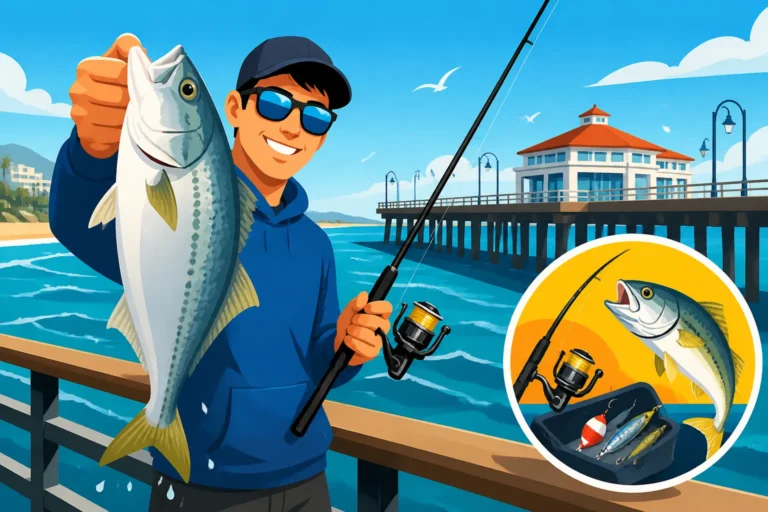
No discussion of Long Beach fishing spots is complete without highlighting the Belmont Veterans Memorial Pier. Stretching far out into the Pacific, this pier offers fantastic opportunities for anglers without needing a boat or even a fishing license (a major perk, as we'll discuss later). It’s a social hub for fishing, often bustling with people, and provides access to deeper water than most other shoreline spots.
From the pier, you can target a wide array of species depending on the season and where you cast. Near the pilings, you might find kelp bass, opaleye, and various perch. Casting further out, especially with heavier gear, can yield larger game fish like bonito, barracuda, and even small sharks. Halibut are also a common target, often caught by those employing a live bait setup. The pier also has a bait shop and sometimes a tackle shop, making it convenient if you forget something or need to restock. Checking out our guide on Fishing from a Pier in California: Rules can give you more specific insights into pier etiquette and regulations.
Local Beaches and Jetties
Long Beach's coastline, with its sandy stretches and rocky jetties, offers excellent opportunities for surf fishing and casting from structure. These areas provide a different experience from the piers and harbors, often requiring a bit more mobility and specialized techniques.
Alamitos Bay Jetty is a popular spot, providing rocky habitat that attracts species not typically found on open sand. Anglers here can target Calico Bass, Rockfish, and occasionally Sheepshead. It’s a great spot for throwing swimbaits or fishing with cut bait or mussels. Just be mindful of slippery rocks and strong currents. For surf fishing along the open beaches, like those near the Belmont Pier or Alamitos Bay, you'll be primarily targeting species like corbina, perch, and occasionally stingrays or leopard sharks. Light tackle, a long rod, and fresh bait like sand crabs or lugworms are your best bets for surf fishing success. Always check the tides and look for troughs and structure in the sand where fish might congregate.
Charter Boat Departures
For those looking to explore the deeper waters and target larger, more elusive species, Long Beach is a primary hub for fishing charters. Several landings operate out of the city, offering everything from half-day trips targeting rockfish and bass to full-day or multi-day excursions for tuna and other offshore pelagics. These charters are an excellent way for both experienced anglers and novices to access some of California's best fishing grounds without owning a boat.
Popular departure points include Belmont Pier Sportfishing, Long Beach Sportfishing, and others operating out of the various marinas. These services provide the boat, experienced crew, and often the necessary tackle, making it an easy way to get out on the water. When booking, consider what species you want to target and the duration of the trip. A service like FishingBooker can be incredibly useful for comparing options, reading reviews, and booking the perfect charter for your group. They list a variety of boats that can take you out to the productive kelp beds off Palos Verdes or even further offshore to chase tuna. Make sure you understand what's included and what you need to bring on a California Fishing Charter, like snacks, sunscreen, and appropriate clothing.
Common Fish Species in Long Beach
Long Beach waters are teeming with life, offering a diverse palette of fish species for anglers to pursue. Knowing what you're likely to catch, and where, can greatly increase your chances of success and help you prepare with the right gear. From pan-sized perch to hard-fighting tuna, there's always something biting.
Inshore and Harbor Dwellers
The protected waters of Long Beach's harbors and bays are home to a variety of resilient and often overlooked species. These fish thrive in the calmer environments and provide consistent action for anglers using lighter tackle.
Spotted Bay Bass (Spots) are perhaps the most prolific and popular inshore game fish. They are aggressive, readily hit various baits and lures, and offer a spirited fight, especially on light gear. You'll find them around docks, pilings, rock structures, and any submerged cover. Small swimbaits, plastics, and live anchovies or lugworms are excellent choices. They rarely grow very large, but their abundance makes for a fun day of fishing. Similarly, Calico Bass (Kelp Bass) are also common, though they prefer a bit more structure like rocky areas and artificial reefs. While they are often associated with kelp forests, you'll find them in the harbors too, particularly around the jetties and larger rock formations.
Other common catches include various species of Perch, such as Barred Surfperch and Walleye Surfperch, especially when fishing sandy bottoms or near structure. These pan-sized fish are often caught on small pieces of bait like mussel, shrimp, or bloodworms. You might also encounter Croaker (Yellowfin, Spotfin, and Queenfish) and Halibut, especially juvenile ones, foraging on the sandy bottoms of the bays. While most halibut caught inshore are undersized, a legal one can be a truly prized catch. For more on their regulations, check out our guide on California Halibut Size and Bag Limits.
Nearshore and Pier Targets
As you venture out from the immediate harbor into the nearshore waters and around the piers, the diversity of fish increases, and you start encountering species that prefer a bit more open water or significant structure.
The Belmont Pier, in particular, is a hotspot for many of these species. Bonito and Barracuda are seasonal visitors that provide exciting, fast-paced action. These torpedo-shaped fish are typically caught by casting lures like Kastmasters or similar metal jigs, or by fly-lining live bait such as anchovies or sardines. They are known for their speed and sharp teeth, making for an exhilarating fight. Anglers often rig with wire leaders for barracuda to prevent bite-offs.
Beneath the pier and around rocky jetties, you'll find an abundance of Rockfish species, including Vermilion Rockfish, Bocaccio, and various smaller sculpin. These bottom-dwelling fish are often targeted with sabiki rigs tipped with squid or cut bait, or with leadhead jigs. Be aware of the varying California Rockfish Regulations and Limits, especially regarding depth restrictions, as these can change frequently. You might also encounter California Sheephead, recognizable by their distinctive buck teeth and often vibrant colors, especially the large males. They are powerful fighters and are usually caught on market squid or crab. Larger Halibut are also possible in the nearshore waters, often drifting live anchovies or sardines along the bottom.
Offshore Game Fish
For serious anglers seeking big game, the offshore waters beyond Long Beach are where the real excitement begins. These are the powerful, migratory species that challenge both tackle and angler.
Tuna are perhaps the most sought-after offshore species. Bluefin Tuna, Yellowfin Tuna, and Albacore Tuna all make appearances in California waters, especially during the warmer months. Bluefin, in particular, have been abundant in recent years, drawing anglers from all over. These powerful fish are caught using a variety of methods, including kite fishing, slow trolling live bait, and "chunking" (chumming with cut bait). Landing a large tuna is often a multi-hour battle requiring heavy-duty gear and teamwork. If you're keen on targeting these magnificent creatures, check out our comprehensive guide on California Bluefin Tuna Fishing Explained.
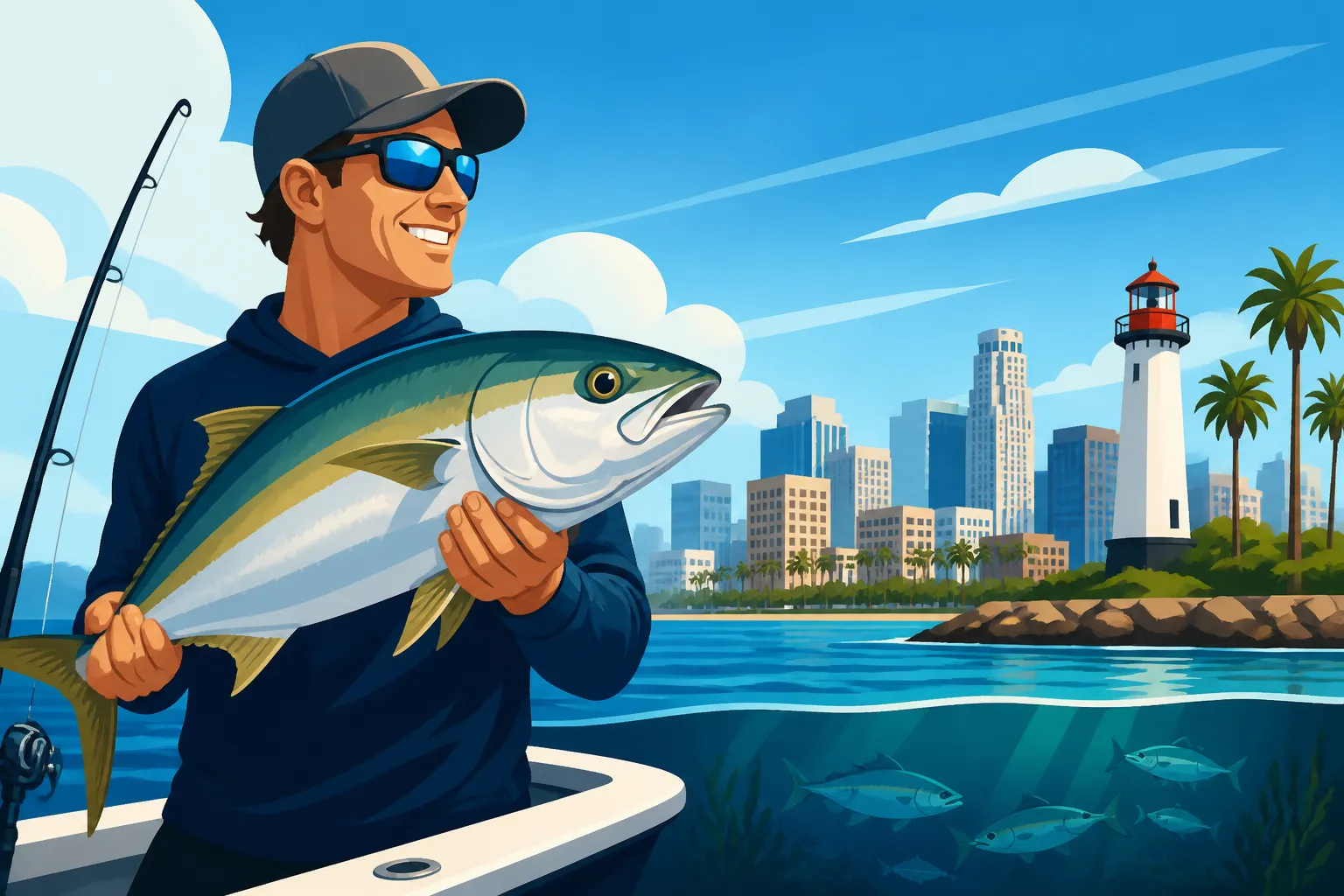
Yellowtail Amberjack, known simply as "Yellowtail," are another highly prized game fish found offshore, particularly around kelp paddies and islands like Catalina. These hard-fighting jacks are incredibly strong and provide a tough battle. They readily hit jigs, surface irons, and live bait such as sardines or mackerel. Our California Yellowtail Fishing Guide delves deeper into tactics for these incredible fish. You'll also encounter Dorado (Mahi-Mahi), especially during warmer water years, often found under floating kelp paddies. Their vibrant colors and acrobatic fights make them a favorite among offshore anglers. Finally, various species of Sharks and even Marlin (Striped Marlin being the most common) are also present further offshore, though these require specialized techniques and often multi-day trips.
Here’s a quick overview of some common species and where you might find them:
| Fish Species | Primary Location | Common Baits/Lures | Typical Size Range (Long Beach) |
|---|---|---|---|
| Spotted Bay Bass | Harbors, Bays, Jetties | Plastics, Anchovies, Bloodworms | 8-14 inches |
| Calico Bass | Jetties, Rocky Structure | Swimbaits, Plastics, Live Bait | 10-18 inches |
| Perch (various) | Piers, Beaches, Harbors | Sand Crabs, Mussels, Shrimp | 6-12 inches |
| Halibut (California) | Bays, Piers, Nearshore | Live Anchovy/Sardine, Soft Plastics | 12-30 inches (legal > 22") |
| Bonito | Piers, Nearshore, Offshore | Metal Jigs, Live Anchovy, Sardine | 1-5 lbs |
| Barracuda | Piers, Nearshore, Offshore | Metal Jigs, Live Anchovy, Sardine | 2-10 lbs |
| Rockfish (various) | Jetties, Reefs, Offshore | Squid, Cut Bait, Jigs | 1-10 lbs (species dependent) |
| Yellowtail Amberjack | Offshore, Kelp, Islands | Live Mackerel/Sardine, Jigs, Poppers | 15-40 lbs |
| Bluefin Tuna | Offshore (seasonal) | Live Sardine, Flat-fall Jigs, Kite Rigs | 30-200+ lbs |
| Dorado (Mahi-Mahi) | Offshore (seasonal) | Live Sardine, Trolled Lures | 5-30 lbs |
Essential Gear and Techniques for Long Beach Fishing
Having the right gear and knowing the most effective techniques can dramatically improve your success rate in Long Beach's varied fishing environments. You wouldn't use a delicate trout rod for offshore tuna, right? It's all about matching your setup to the fish and the conditions.
Tackle for Different Environments
Just like Long Beach has different fishing zones, you’ll need different tackle setups to tackle them effectively. Trying to use one rod for everything is a common pitfall that frustrates many anglers.
For harbor and pier fishing, a versatile medium-light spinning rod and reel combo is usually ideal. Something in the 7 to 8-foot range with a fast action, paired with a 2500-4000 series spinning reel, spooled with 10-20 lb braided line and a fluorocarbon leader of similar strength. This setup is sensitive enough for smaller fish but has enough backbone for an unexpected halibut or a larger bass. Brands like Penn or Shimano offer excellent value and durability for these conditions. This light setup makes it enjoyable to cast repeatedly and really feel the subtle bites that often characterize inshore fishing.
When you're heading offshore on a charter for species like tuna or yellowtail, the tackle requirements scale up significantly. Most charters provide heavy-duty gear, which is often included in the trip cost, but if you bring your own, think robust. This means stout conventional rods (often 6-7 feet) paired with high-capacity lever-drag reels (like a Penn Fathom or a Shimano Talica) spooled with 50-80 lb braided mainline and heavy fluorocarbon leaders (40-100 lb). The emphasis here is on power and line capacity to handle long runs from powerful fish. Don't underestimate the strain these fish can put on your gear – a cheap reel simply won't cut it when a 100-pound tuna decides to make a run.
For surf fishing, a longer rod, typically 9-12 feet, is preferred to achieve long casts over the waves and hold your line above the breaking surf. A medium-heavy action spinning rod with a 4000-6000 series reel, spooled with 15-20 lb monofilament or braid, is a solid choice. This allows you to punch through wind and waves, and keep your bait in the strike zone longer. Remember, the longer rod also helps with managing line in the waves and fighting fish that are pulling hard in the current.
Effective Baits and Lures
Choosing the right bait or lure is paramount to success in Long Beach. Fish can be finicky, and what works one day might not the next, so it's always good to have a few options.
For inshore and pier fishing, live bait is often king. Live anchovies or sardines, if available, are irresistible to many species, including bass, halibut, and even bonito. Market squid, cut into strips or fished whole, is another highly effective and versatile bait that works for almost everything from perch to rockfish and small sharks. Bloodworms, lugworms, and ghost shrimp are fantastic for surfperch and croaker along the sandy beaches. Artificial options include soft plastic swimbaits (like those from Keitech or Berkeley Gulp!) in natural baitfish patterns, which can be deadly for bass and halibut, especially when slow-retrieved along the bottom. Small metal jigs (Kastmasters, Krocodiles) are also excellent for casting off piers for bonito and barracuda.
When targeting offshore species like tuna and yellowtail, live bait again takes center stage. Live mackerel, sardines, or even small skipjack are prime offerings for these predatory fish. On charter boats, the crew will usually catch or procure these baits. Artificial lures also play a huge role, especially for bluefin tuna. Heavy, fast-sinking jigs (like Daiwa's Saltiga or Shimano's Flat-Fall jigs) are deployed to reach fish holding deep, while surface poppers and stickbaits can entice aggressive fish into spectacular topwater strikes. Trolling jigs or rigged baits is also a common and effective technique for covering ground and locating schools of tuna and dorado. Knowing how to present these baits naturally is crucial, and a good captain and crew on a charter will provide invaluable advice.
Local Fishing Techniques
Beyond the tackle and bait, certain techniques are particularly effective and popular in Long Beach waters, honed by generations of local anglers.
Dropping a Carolina Rig in the harbor or nearshore areas is a go-to for many. This involves a weight, a swivel, and a leader (often fluorocarbon) ending in a hook. It's fantastic for presenting live or cut bait on the bottom, allowing it to move somewhat naturally with the current while keeping it anchored in the strike zone. This technique is especially good for halibut and various bass species. For a deeper dive into bass techniques, our article on California Bass Fishing Techniques offers more insights.
Fly-lining live bait is another classic technique, especially when fish are active near the surface or you're targeting pelagic species. This simply means casting a live bait (like a sardine or anchovy) with just a hook, or a very small weight, allowing it to swim freely. The natural movement of the bait is incredibly enticing. This method is exceptionally effective for bonito, barracuda, and yellowtail. On offshore boats, anglers will often "fly-line" baits back into chum lines created by the crew to draw fish closer to the boat.
For pier fishing, a common strategy is to use a high-low rig (also called a dropper loop rig) with multiple hooks, baited with squid or cut bait, and a pyramid sinker at the bottom. This allows you to fish at different depths simultaneously and increases your chances of hooking multiple perch or croaker. For larger species like barracuda or bonito, casting and retrieving metal jigs is a popular and exciting method. Just make sure to cast carefully and be mindful of other anglers on the pier! Always be aware of the California Saltwater Fishing Regulations to ensure your catch is legal.
Navigating California Fishing Regulations
Fishing in California, especially in diverse areas like Long Beach, means you’ll encounter a pretty extensive set of regulations. These rules are put in place to protect fish populations and ensure sustainable fishing for everyone. It's not just about what you catch, but how, when, and where. Ignorance of the rules is never an excuse, and fines can be steep.
Understanding License Requirements
The first and most fundamental rule of fishing in California is understanding the licensing requirements. For most recreational fishing in both freshwater and saltwater, you absolutely need a valid California fishing license.
However, there’s a significant exception that benefits many Long Beach anglers: you generally do not need a California fishing license to fish from a public pier or breakwater. This is a fantastic amenity that makes pier fishing incredibly accessible to locals and visitors alike, removing a common barrier to entry. This rule applies to piers like the Belmont Veterans Memorial Pier. Even without a license, all other regulations regarding bag limits, size limits, and seasons still apply, so you can't just keep everything you catch. If you’re fishing from a private boat, a charter boat (unless specified by the charter, which is rare for individual licenses), a kayak, or even just wading into the surf, you will need a license. For all the specifics, check out our in-depth California Fishing License Guide.
Bag and Size Limits by Species
Beyond just having a license, knowing the bag and size limits for the species you’re targeting is critical. These limits vary widely depending on the fish and can change seasonally or annually based on population health.
For example, California Halibut have a minimum size limit and a daily bag limit, designed to protect juvenile fish and ensure breeding adults can reproduce. If you catch a halibut that's too small, you must release it immediately and unharmed. Similarly, Rockfish species, which are abundant in the Long Beach area around jetties and offshore reefs, have complex regulations, often including specific daily bag limits per species, aggregate bag limits (total number of all rockfish species combined), and even depth restrictions that can prevent fishing in certain areas during specific times. Our article on California Rockfish Depth Restrictions goes into much more detail. Yellowtail, barracuda, and other pelagic species also have their own specific bag and size limits. It's your responsibility as an angler to know these rules before you go out. A simple way to stay informed is to download the current California Sport Fishing Regulations booklet from the California Department of Fish and Wildlife (CDFW) website, or pick up a physical copy at most bait and tackle shops.
Marine Protected Areas (MPAs) and Other Restrictions
California has established a network of Marine Protected Areas (MPAs) along its coast, including areas near Long Beach. These are essentially underwater parks designed to protect marine ecosystems. Fishing within MPAs is highly restricted, and in "no-take" zones, it's completely prohibited.
It is absolutely crucial to know if you are fishing in or near an MPA. Fishing in a no-take zone can result in significant fines and penalties. While Long Beach itself doesn't have a massive MPA directly adjacent to its most popular fishing spots, the wider Southern California Bight, including areas around the Channel Islands and other offshore locations accessed by Long Beach charters, does. Always consult a current map of California MPAs before heading out, especially on a private boat. Charter captains will always be aware of these zones, but if you're venturing out on your own, it's solely your responsibility. Beyond MPAs, there can be other seasonal closures or special regulations for specific species, such as salmon or white seabass, to consider. Keeping up with these can feel like a full-time job, but services like FishingBooker often provide up-to-date information through their charter listings, and the CDFW website is your best official source.
Conclusion
Long Beach, California, truly is an angler's paradise, offering a fantastic blend of easy-access pier and harbor fishing, exciting nearshore action, and world-class offshore adventures. From the casual pier visitor hoping for a perch to the seasoned pro chasing a trophy tuna, the diversity of waters and species ensures there's always something new to explore. By understanding the different environments, knowing the best spots, familiarizing yourself with the common catches, and equipping yourself with the right gear and techniques—all while respecting the crucial regulations—you're well on your way to a memorable and successful fishing experience in this vibrant coastal city. So grab your rod, check the tides, and get ready to discover the incredible fishing Long Beach has to offer!
Disclaimer
Please note that fishing regulations, seasons, and limits are subject to change by the California Department of Fish and Wildlife (CDFW). While every effort has been made to provide accurate and up-to-date information in this guide, it is ultimately the angler's responsibility to consult the latest official CDFW regulations before engaging in any fishing activity. Always prioritize safety, responsible fishing practices, and conservation.