Best Fishing Spots Near Redding
Trying to figure out where to drop a line near Redding can feel overwhelming, can't it? With so many incredible rivers, lakes, and reservoirs just a stone's throw away, it's tough to know which spot will give you the best shot at a memorable catch. This guide is designed to cut through the confusion, helping you pinpoint the absolute best fishing spots around Redding, California, so you can spend less time guessing and more time reeling in fish.
The Diverse Waterscape Around Redding
Redding, California, is truly a hidden gem for anglers, sitting right at the convergence of spectacular mountain ranges and the mighty Sacramento River. This unique geographical position means you have access to an incredible variety of fishing environments, from vast, sprawling reservoirs to intimate, crystal-clear mountain streams, and even portions of one of California's most iconic rivers. This diversity isn't just scenic; it also translates into a fantastic array of fish species and angling experiences. You could be chasing trophy bass in a man-made lake one day and delicately presenting a fly to a wary trout in a remote stream the next.
What makes this area so special is the sheer volume of high-quality water within a short drive. Many anglers pass through, perhaps heading further north or south, completely unaware of the world-class fishing right at their fingertips. The water quality here, fed by snowmelt from the surrounding mountains, is generally excellent, supporting healthy fish populations. Plus, the California Department of Fish and Wildlife (CDFW) does a great job with stocking programs in many of the popular spots, ensuring there's always something to target. It's a region where both seasoned veterans and complete beginners can find success and fall in love with the sport all over again.
Rivers and Streams: A Fly Angler's Paradise
When it comes to river fishing near Redding, the options are plentiful and renowned, particularly for those who love the finesse of fly fishing. The cool, clear waters descending from the Cascade and Trinity Alps mountain ranges create prime habitat for various trout and anadromous species like salmon and steelhead. These rivers aren't just great for the fish; they offer some truly picturesque settings that make every cast a joy, even if the fish aren't biting aggressively. Understanding the unique characteristics of each river system is key to maximizing your success and truly appreciating the angling opportunities they present.
The seasonality of these river systems also plays a huge role. For instance, the fall and winter months often bring the most excitement for steelhead and salmon runs, while the spring and summer are prime for resident trout. Always check the current California Freshwater Fishing Regulations before heading out, as specific rules for certain sections or species can change annually.
Reservoirs and Lakes: Big Water, Big Fish
Beyond the flowing rivers, the Redding area boasts some massive reservoirs and beautiful alpine lakes that offer a completely different, but equally rewarding, fishing experience. These larger bodies of water provide habitat for a wider range of species, including various bass, kokanee salmon, and larger trout that have more room to grow. Fishing these waters often involves boats, kayaks, or even float tubes, allowing access to deeper waters and expansive shorelines that would otherwise be unreachable.
The techniques for reservoir fishing can vary wildly from river fishing. While a stealthy approach might be crucial on a stream, a more aggressive, power-fishing style might be effective on a large lake. The sheer size of these lakes can be intimidating, but it also means there are endless coves, points, and submerged structures to explore, each holding potential for a trophy catch. Many of these reservoirs are also popular for other water sports, so it's good to be aware of other users, especially during peak summer months.
Top Fishing Spots Near Redding
Let's dive into some of the absolute best places to wet a line around Redding. Each spot has its own character, target species, and ideal fishing methods, so you can tailor your trip to exactly what you're looking for.
Sacramento River (Upper Section)
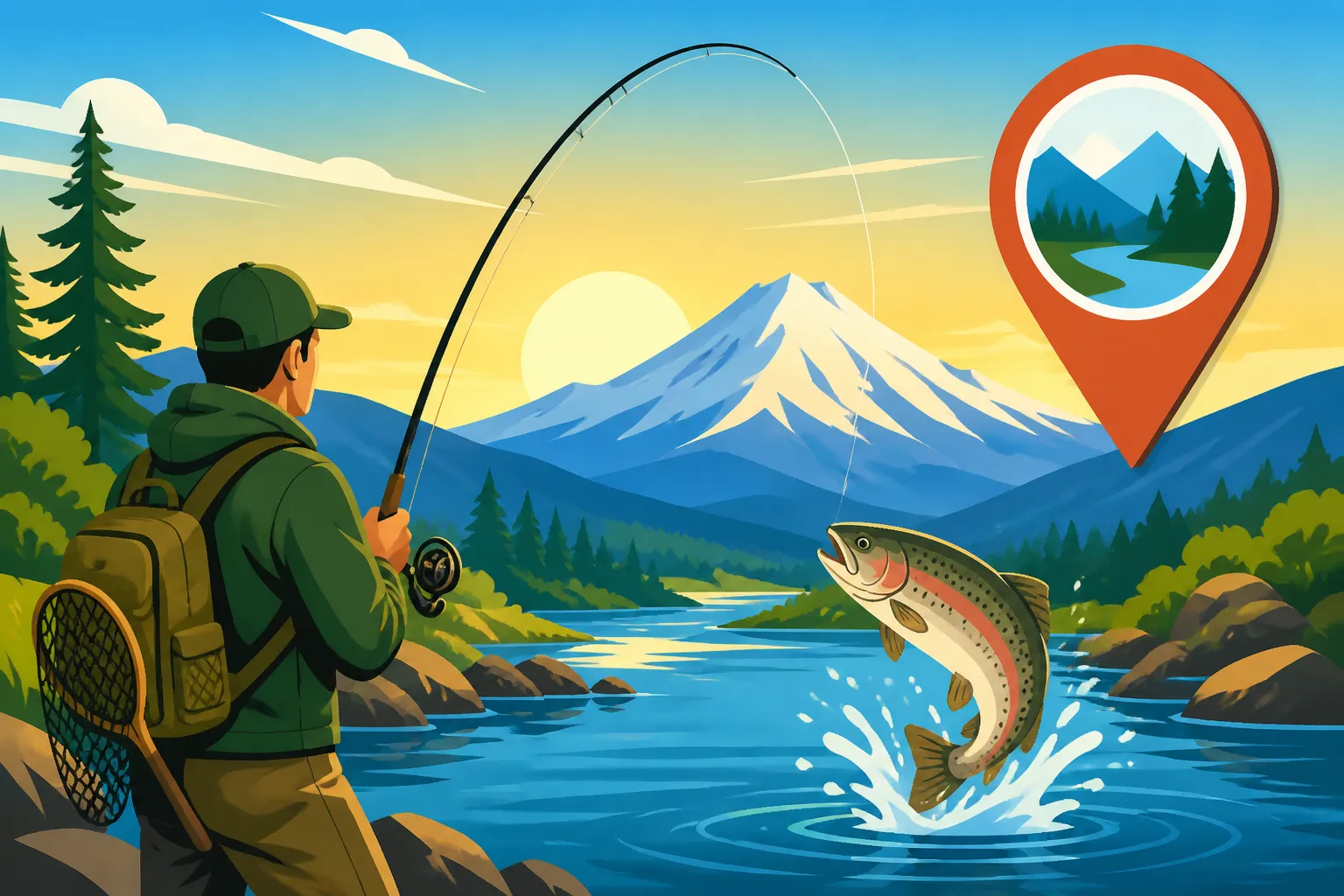
The Upper Sacramento River, especially the section just downstream from Keswick Dam and through Redding, is legendary. This tailwater fishery maintains consistently cold water temperatures year-round, thanks to the deep draw from Shasta Lake, making it a dream come true for trout anglers. It's a designated "Wild Trout Water" for much of its length, meaning catch-and-release is often encouraged or even mandated, preserving its incredible population of wild rainbow trout.
Fishing this stretch is often best done from a drift boat with a skilled guide, allowing you to cover miles of prime water and access spots unreachable from the bank. However, there are also numerous public access points for wade fishing, particularly around Redding's city parks. While rainbows are the main draw, you might also encounter brown trout, particularly in the cooler, faster sections. The Sacramento River Fishing Guide provides even more detail on specific access points and techniques.
Lake Shasta: California's Largest Reservoir
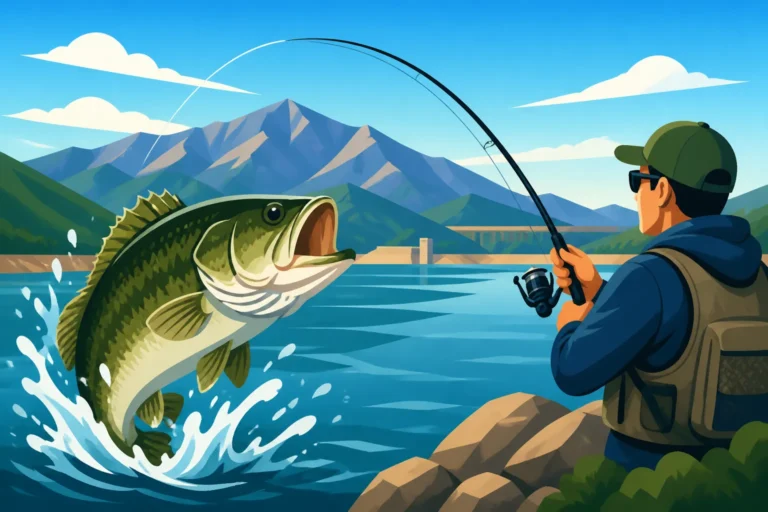
Just northeast of Redding lies Lake Shasta, the largest reservoir in California by volume. This massive body of water is a multi-species angler's paradise, offering incredible opportunities for bass (largemouth, smallmouth, and spotted), rainbow trout, brown trout, and even landlocked Chinook salmon (also known as King Salmon). Its intricate shoreline, dotted with countless coves, inlets, and submerged structures, provides endless exploration.
Bass fishing is particularly popular on Shasta, with anglers targeting everything from rocky points to standing timber. Trolling for trout and salmon is also a highly effective method, especially during the cooler months. The sheer size of the lake means you can always find a quiet cove to yourself, even on busy weekends. For those looking to explore with a guide or a charter, platforms like FishingBooker can connect you with experienced captains who know Shasta's secrets inside and out. For more detailed information on this vast fishery, consult our Lake Shasta Fishing Guide.
Whiskeytown Lake: A Scenic Gem
Whiskeytown Lake, part of the Whiskeytown National Recreation Area, offers a stunning backdrop for your fishing adventures, surrounded by forested hills and clear blue waters. It's known for its kokanee salmon, which are a blast to catch and excellent eating, as well as decent populations of rainbow trout, brown trout, largemouth bass, and smallmouth bass. Unlike Shasta, powerboats have some restrictions, and large portions of the lake are perfect for kayaking, stand-up paddleboarding, or using electric motors, providing a more serene angling experience.
Kokanee fishing here typically involves trolling with specialized dodgers and hoochies or small spoons. For bass, you'll find success along the rocky shorelines and submerged structure. The clarity of the water at Whiskeytown can make fish a bit more wary, so a stealthy approach and lighter lines are often beneficial. It’s a fantastic spot for a family outing, combining beautiful scenery with great fishing.
Lewiston Lake: Classic Trout Fishing
If you're looking for a more traditional trout fishing experience, Lewiston Lake, located upstream from Lewiston Dam on the Trinity River, is a must-visit. This relatively small, peaceful lake is heavily stocked with rainbow trout and also holds wild brown trout, making it an excellent spot for both bait anglers and fly fishers. Motorboats are restricted to 10 mph, ensuring a calm atmosphere perfect for quiet contemplation and focused fishing.
Bank access is plentiful, particularly around the campgrounds and picnic areas. Fly anglers often do well stripping streamers or nymphing along the weed lines, while bait anglers can find success with powerbait or nightcrawlers. It's also a great place for float tube fishing, allowing you to reach areas further offshore. The consistent stocking ensures a good chance of success, making it a favorite for many local anglers and families.
Essential Tips for Fishing Near Redding
Fishing success isn't just about finding the right spot; it's also about knowing how and when to fish. The diverse waters around Redding require a versatile approach and a keen understanding of local conditions.
Understanding Seasonal Patterns
California's fishing seasons can be complex, and the Redding area is no exception. What works in spring might be entirely ineffective in summer or winter. For instance, prime salmon and steelhead runs on the Sacramento and Trinity Rivers typically occur in fall and winter. This means heavy rains can influence river levels, affecting access and fish behavior. Meanwhile, the warmer months are often best for bass fishing in the reservoirs, as fish become more active and are found in shallower water.
Trout fishing, particularly in stocked lakes like Lewiston or Manzanita, can be good year-round, though techniques might shift with water temperature. High mountain lakes often become accessible and fishable once the snow melts in late spring/early summer. Always check the current California Fishing Seasons: Month-by-Month Guide to align your trip with the best time for your target species. Pay attention to local fishing reports from bait shops or online forums to get the most up-to-date intel.
Gear and Tackle Recommendations
Having the right gear is crucial for a successful trip, especially when targeting different species across varied environments. For river trout fishing, a light-action spinning rod with 4-6 lb test line or a 5/6-weight fly rod is ideal. For bass in Lake Shasta, medium-heavy baitcasting setups with 10-15 lb fluorocarbon or braided line are standard, allowing you to cast heavier lures and handle larger fish. If you're going for larger salmon or steelhead, a sturdier setup is a must.
Don't forget the essentials: a good pair of polarized sunglasses, sunscreen, a hat, and a net. For specific techniques like fly fishing, ensure you have a range of flies appropriate for the local hatches or baitfish. If you're planning a trip and need specific gear, a local tackle shop can offer invaluable advice. If you're venturing out on a guided trip, many guides provide all the necessary equipment, but it's always good to confirm beforehand, especially if you've booked your trip through a platform like FishingBooker.
Navigating Regulations and Licenses
California fishing regulations can be quite intricate, with different rules for freshwater and saltwater, and even specific regulations for certain rivers or lakes. Before you even think about casting a line, make sure you have a valid California fishing license. This is a non-negotiable requirement for almost all fishing in the state, with very few exceptions like public piers where no license is required.
Furthermore, some species, like salmon and steelhead, require a special report card in addition to your general fishing license. These cards help the CDFW monitor populations. Always carry a copy of the current regulations booklet, which can be found online on the CDFW website or picked up at most tackle shops or license agents. Understanding California Fishing License Guide and California Fishing Regulations Explained will save you from potential fines and help conserve our precious fisheries.
Planning Your Redding Fishing Adventure
A successful fishing trip requires a bit of planning beyond just knowing where to go. Logistics, accommodations, and local resources can all play a role in making your adventure smooth and enjoyable.
Local Fishing Charters and Guides
While it's entirely possible to fish many of these spots on your own, especially from the bank or with your own boat, hiring a local fishing guide can drastically improve your success rate, particularly if you're new to the area or targeting a specific, challenging species. Guides possess intimate knowledge of the local waters, fish patterns, and the most effective techniques. They also typically provide all the necessary gear, bait, and often the boat, taking the guesswork out of your trip.
For specific experiences, such as fly fishing for wild trout on the Upper Sacramento or chasing trophy bass on Lake Shasta, a guide can be an invaluable asset. You can find excellent local guides through online booking platforms like FishingBooker, where you can read reviews, compare prices, and find a trip that fits your style and budget. They can also offer specific advice on things like the Best Time of Day to Fish in California for different species.
Accommodations and Amenities
Redding itself offers a wide range of accommodations, from budget-friendly motels to comfortable hotels and vacation rentals, making it a great base camp for your fishing excursions. Many hotels are accustomed to anglers and might even offer early breakfast options or freezer space for your catch. For those looking for a more immersive experience, numerous campgrounds are located near the major fishing spots, especially around Whiskeytown Lake and Lake Shasta.
You'll also find plenty of bait and tackle shops in Redding and the surrounding towns, such as The Tackle Box or Phil's Propeller, which are great resources for local knowledge, bait, and any last-minute gear you might need. These shops are often run by passionate local anglers who are happy to share tips and current conditions. Don't forget to fuel up your vehicle and pack plenty of snacks and water, especially if you're heading to more remote locations.
Responsible Angling Practices
As stewards of the environment, it's crucial for all anglers to practice responsible fishing. This includes adhering to all bag and size limits, using appropriate catch-and-release techniques when required, and properly disposing of all trash. Many areas, especially wild trout waters, have specific catch-and-release rules to protect sensitive populations. Always be mindful of other anglers and water users, giving them space and respecting their experience.
Consider using barbless hooks, especially when targeting trout in catch-and-release areas, as they significantly reduce harm to the fish. Educating yourself on species identification can also prevent accidental retention of protected species. By being a responsible angler, you help ensure that these incredible fishing opportunities near Redding will be available for generations to come.
| Fishing Spot | Primary Species (Focus) | Best Time to Visit | Typical Fishing Method(s) | Notes |
|---|---|---|---|---|
| Upper Sacramento River | Rainbow Trout, Brown Trout, Steelhead, Salmon | Year-round (Trout), Fall/Winter (Steelhead/Salmon) | Fly fishing (nymphing, dry flies, streamers), Drift boating | Wild Trout Water, often catch-and-release, cold year-round |
| Lake Shasta | Largemouth Bass, Smallmouth Bass, Spotted Bass, Trout, King Salmon | Spring/Fall (Bass), Year-round (Trout/Salmon) | Boat fishing (casting, trolling), Bank fishing | Largest reservoir in CA, diverse species, many coves |
| Whiskeytown Lake | Kokanee Salmon, Rainbow Trout, Largemouth Bass, Smallmouth Bass | Spring/Summer (Kokanee), Year-round (Trout/Bass) | Trolling (Kokanee), Casting (Bass), Kayak fishing | Scenic, motor restrictions, good for non-motorized boats |
| Lewiston Lake | Rainbow Trout, Brown Trout | Year-round | Bait fishing, Fly fishing, Float tubing | Heavily stocked, calm atmosphere, 10 mph boat limit |
| Trinity River | Steelhead, Salmon, Trout | Fall/Winter (Steelhead/Salmon), Spring/Summer (Trout) | Fly fishing, Drift fishing, Indicator nymphing | Wild and hatchery runs, often requires specific techniques |
| Manzanita Lake | Rainbow Trout, Brown Trout | Late Spring – Fall | Fly fishing only | Located in Lassen Volcanic NP, beautiful setting, artificial lures only |
Disclaimer
The information provided in this guide is for general informational purposes only. Fishing conditions, regulations, and access can change rapidly due to weather, water levels, and management decisions. Always consult the official California Department of Fish and Wildlife (CDFW) regulations and local authorities before heading out. Fishing involves inherent risks; always prioritize safety and be prepared for changing conditions.