Best Time to Fish Lake Tahoe
Fishing Lake Tahoe is an experience unlike almost anywhere else in California, offering breathtaking scenery and the chance to reel in some truly magnificent fish. However, its immense depth, crystal-clear waters, and often unpredictable weather can make figuring out the "best time" to fish feel like trying to solve a complex puzzle. This comprehensive guide will break down the ideal seasons, times of day, and environmental factors to help you maximize your success on this iconic alpine lake.
The Unique Challenge of Fishing Lake Tahoe
Before we dive into specific timings, it's crucial to understand what makes Lake Tahoe such a distinct fishing environment. It’s not your average local pond, and what works in other lakes might fall flat here. Its sheer size and depth demand a different approach, and knowing these fundamental characteristics will set you up for success.
Deep, Cold, and Clear Waters
Lake Tahoe isn't just a lake; it's a massive, ancient basin. Reaching depths of over 1,600 feet, it's one of the deepest freshwater lakes in North America. This incredible depth means the water stays incredibly cold, even in summer, especially once you get past the surface layer. The renowned clarity of Tahoe's water, while stunning, also presents a challenge: fish can see you and your gear from a long distance, making stealth and presentation paramount. This clarity also affects light penetration, dictating where fish might hold during different times of the day or year.
Anglers often get frustrated when their usual tactics don't produce here. The cold, deep environment means species like Mackinaw (Lake Trout) and even Kokanee salmon behave differently than their counterparts in warmer, shallower waters. You’re not just casting into a lake; you’re fishing an underwater mountain range, often needing specialized gear and techniques to reach the fish. This isn't a place for light tackle and simple bobbers if you're targeting the big ones.
Understanding Lake Tahoe's Primary Game Fish
Lake Tahoe is home to a fantastic array of fish, but a few species really stand out as the primary targets for anglers. Knowing their habits, preferred temperatures, and feeding patterns is key to understanding when and where to find them. The "best time" often directly correlates with the activity cycles of these magnificent creatures.
- Mackinaw (Lake Trout): These are the undisputed kings of Lake Tahoe. They are a deep-water species, preferring cold water year-round. They can grow to impressive sizes, with 10-20 pound fish being common and much larger specimens possible. Mackinaw are primarily predators, often found cruising deep ledges and structures, or suspending in the water column chasing baitfish. Their pursuit requires specific deep-water tactics.
- Kokanee Salmon: These landlocked sockeye salmon are incredibly popular and offer a thrilling fight, especially on lighter tackle. They are schooling fish and primarily feed on zooplankton, which means their location can shift with the plankton blooms. Kokanee have a distinct life cycle, with a mass spawning run in the fall that draws many anglers.
- Rainbow Trout: While not as prevalent as Mackinaw in the open lake, rainbow trout are stocked regularly, especially in tributaries and near shore. They offer a good fight and are more accessible for bank anglers or those trolling closer to the surface.
- Brown Trout: Less common than rainbows, brown trout are elusive and often found near rocky shorelines, submerged timber, or river mouths. They are known for their predatory nature and can grow quite large, making them a prized catch for dedicated anglers.
Each of these species has its own seasonal peaks and preferred conditions, which is why a blanket "best time" for all of Lake Tahoe fishing is a bit of a myth. What’s best for Kokanee might not be best for Mackinaw, and vice-versa. For a broader overview of the species you might encounter, check out our guide on Lake Tahoe: Fish Species and Best Spots.
Seasonal Breakdown: When to Target What in Lake Tahoe
Lake Tahoe transforms throughout the year, and so does the fishing. Each season offers unique opportunities and challenges, influencing where fish are found and what techniques work best. Forget a one-size-fits-all approach; successful Tahoe fishing is all about adapting to the seasonal shifts.
Spring Fishing (March-May): Awakening the Waters
As winter's grip loosens, spring brings a resurgence of activity to Lake Tahoe. The snowmelt feeds the lake, and water temperatures slowly begin to rise, particularly in the shallower coves and near shore. This transition period can be fantastic, as fish start to become more active after the deep chill of winter.
In early spring, Mackinaw might still be found in deeper water, but as baitfish become more active closer to the surface and in shallower areas, the bigger fish will follow. This is a prime time for targeting Mackinaw that are moving up to feed on emergent insects or baitfish congregating near shore. Trolling with downriggers becomes very effective, allowing you to present lures at various depths. Rainbow and brown trout, spurred by increasing temperatures, will also become more active, often found cruising the shorelines and tributary mouths. Kokanee salmon, still in deeper water, will start forming more defined schools. This season demands versatility, as conditions can change rapidly from one week to the next.
Summer Fishing (June-August): Peak Activity, Deeper Efforts
Summer is when Lake Tahoe truly comes alive with recreational activity, but it’s also a fantastic time for serious fishing, especially if you're prepared to go deep. The surface water warms significantly, pushing many of the colder-loving species down into their preferred temperature zones.
For Mackinaw, summer means consistent deep-water trolling or jigging. You'll often find them at depths of 100 to 300 feet or more, following the thermocline where the water temperature is ideal and baitfish are plentiful. This is where your downriggers and heavy jigs really shine. Kokanee salmon, meanwhile, are actively feeding and schooling. They'll generally be found in the upper 80 feet of the water column, often suspending over deep water, making them a prime target for light-tackle trolling with dodgers and small hoochies. Summer mornings are particularly good for all species before the sun gets too high and boat traffic increases. For a general overview of fishing through the warmer months, our guide on California Fishing in Summer has some broader tips.
Fall Fishing (September-November): Trophy Hunters' Paradise
Ah, fall. This is arguably the most spectacular season for fishing Lake Tahoe, especially if you're after trophy fish. As the air cools and surface water temperatures begin to drop, the lake’s ecosystem undergoes a significant shift, creating phenomenal opportunities.
The big story in the fall is the Kokanee salmon spawn. These vibrant red fish move into shallower waters, especially near river mouths like the Taylor Creek area, to complete their life cycle. While it's generally frowned upon to target spawning salmon due to their poor meat quality and the need to protect future generations, their presence stirs up the entire food chain. This is a fantastic time for trophy Mackinaw and brown trout, as they move into shallower waters to gorge on the spawning salmon and their eggs. Trolling large lures or bait in depths of 20 to 80 feet can be incredibly productive for these big predators. Additionally, rainbow trout stocking often occurs in the fall, providing excellent opportunities for bank anglers in specific areas. The cooler weather means less boat traffic and more serene fishing conditions, often leading to bigger catches. This season really showcases why many consider Lake Tahoe one of the Best Lakes to Fish in California.
Winter Fishing (December-February): Ice, Snow, and Solitude
Winter fishing on Lake Tahoe isn't for the faint of heart, but it offers unparalleled solitude and some truly rewarding catches for those willing to brave the cold. While ice fishing is popular on some smaller, higher-elevation lakes in the Sierra Nevada, Lake Tahoe itself rarely freezes over due to its immense depth and constant circulation, though shallow coves might develop skim ice during extreme cold snaps.
During winter, the entire water column cools down more uniformly. Mackinaw remain the primary target, often found in deep water, but they can be a bit more lethargic. Slower trolling speeds and vertical jigging become essential. Some dedicated anglers find great success targeting Mackinaw in 100-300 feet of water during winter. Rainbow and brown trout are less active but can still be caught, especially near springs or areas with slightly warmer water. Access can be an issue with snow, but for those with a boat equipped for cold weather, or guided trips through services like FishingBooker, the rewards of a quiet lake and potential for a big Mackinaw can be immense.
Here’s a quick overview of what to expect seasonally:
| Season | Primary Target Species | Typical Depths | Recommended Techniques | Key Considerations |
|---|---|---|---|---|
| Spring | Mackinaw, Rainbow, Brown | 30-200 feet | Trolling, Jigging | Warming waters, active baitfish |
| Summer | Mackinaw, Kokanee | Mack: 100-400ft; Kokanee: 20-80ft | Deep Trolling (Downriggers), Jigging | High boat traffic, fish go deep |
| Fall | Trophy Mackinaw, Brown, Kokanee | Mack/Brown: 20-100ft; Kokanee: Near shore | Trolling, Casting (for browns), Jigging | Spawning Kokanee, big predators move in |
| Winter | Mackinaw | 100-400 feet | Slow Trolling, Vertical Jigging | Cold, solitary fishing, fewer bites |
Daily Timing and Environmental Factors for Lake Tahoe Success
Beyond the seasons, the time of day and prevailing environmental conditions play a massive role in how successful your Lake Tahoe fishing trip will be. Overlooking these factors is a common mistake that can leave you wondering why the fish aren't biting.
Best Times of Day to Fish
Just like in most fisheries, the "golden hours" often yield the best results on Lake Tahoe.
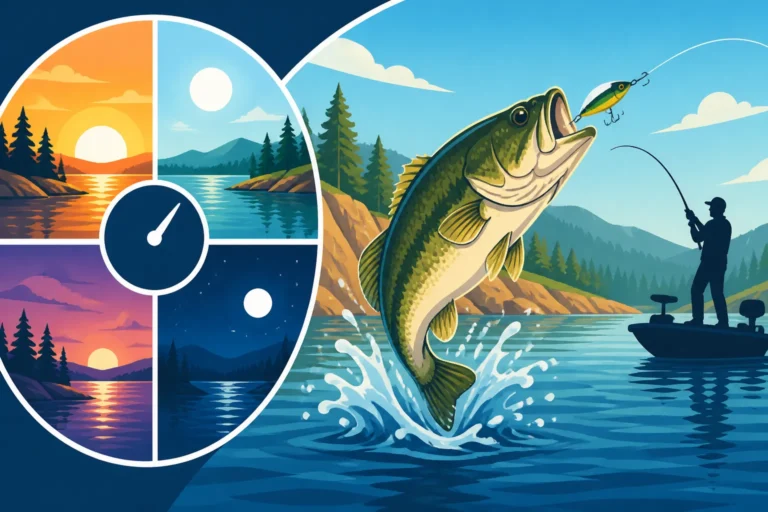
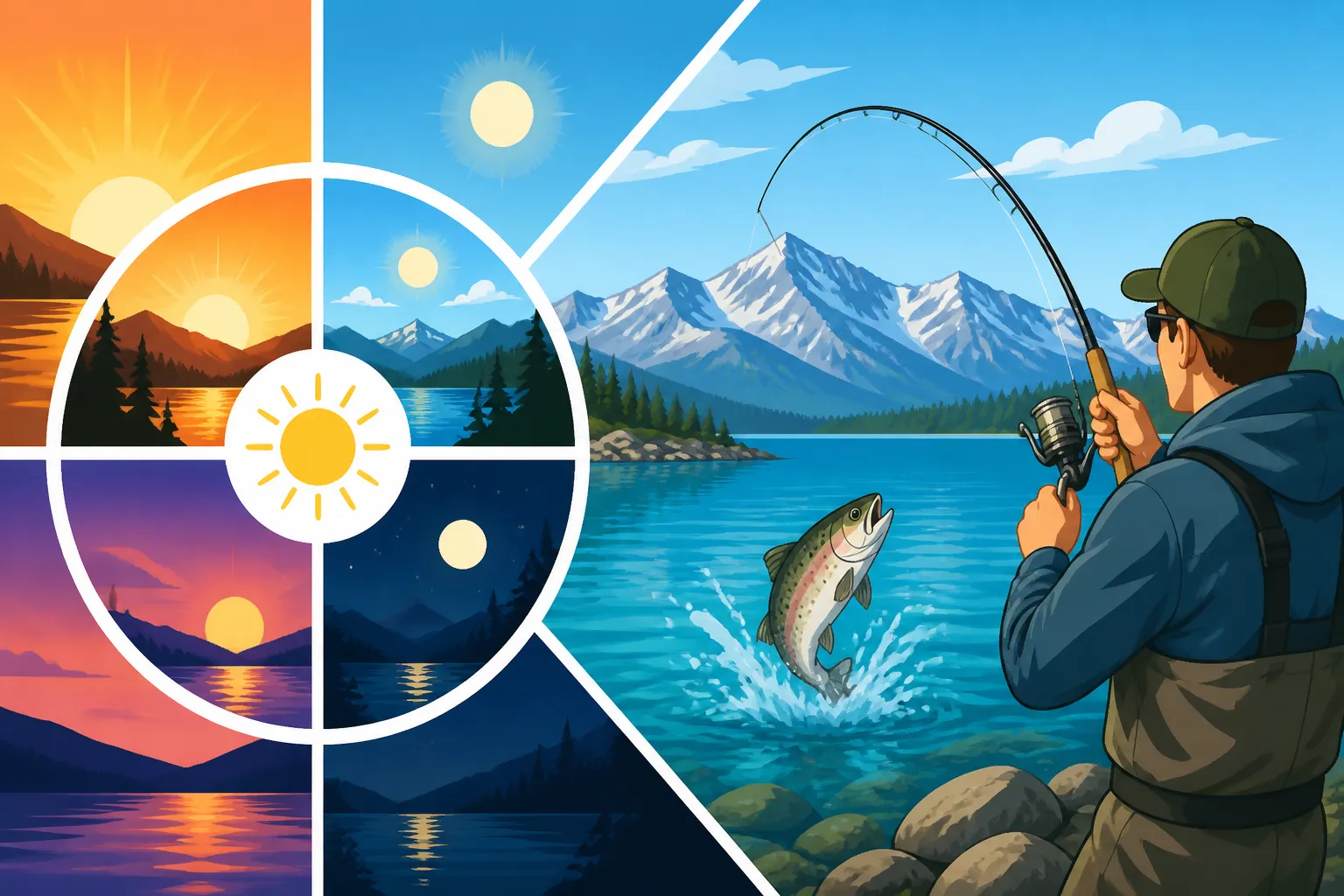
- Early Morning (Dawn until 9-10 AM): This is arguably the absolute best time to fish Lake Tahoe, regardless of the season. The water is usually calmer, there's less boat traffic, and light levels are lower. Fish, especially predators like Mackinaw and brown trout, are often more active and willing to chase bait in these low-light conditions. As the sun rises and penetrates the clear water, fish tend to move deeper or seek cover.
- Late Afternoon/Evening (2-3 Hours before Sunset): The hours leading up to sunset can also be very productive, mirroring the morning bite. The sun is lower, the light is less intense, and fish might move up shallower to feed before nightfall.
- Mid-Day: While not typically the prime time, mid-day can still produce, especially for deep-dwelling Mackinaw if you're consistently presenting your lures at their depth. It's often slower, but patience can pay off.
Remember, the clarity of Tahoe’s water means fish are highly sensitive to light. Overcast days can extend the "prime" fishing window, while bright, sunny days tend to push fish deeper earlier in the day.
Impact of Weather and Water Conditions
Lake Tahoe's weather can be notoriously fickle, especially during shoulder seasons. Understanding how different conditions affect the fish is crucial.
- Wind and Chop: A slight chop on the water surface is often beneficial. It breaks up the light penetration, making fish feel more secure and less wary of your lines and boat. Too much wind, however, can make boat control difficult and your day uncomfortable. Moderate chop is generally a good thing.
- Barometric Pressure: Stable or slowly falling barometric pressure often precedes active feeding. Rapidly dropping pressure, often associated with an approaching storm, can sometimes trigger a pre-storm bite, but it can also shut fish down. After a strong storm, when the pressure stabilizes, fishing can pick back up.
- Water Clarity: While Tahoe is almost always clear, subtle changes can occur after heavy storms or significant snowmelt. A slight turbidity near shore can actually concentrate baitfish and predatory trout, offering a localized opportunity.
- Temperature: We've touched on this, but stable water temperatures within a species' preferred range usually mean more active fish. Sudden temperature swings, either up or down, can put fish off their bite. Having a good fish finder with temperature readings is invaluable here.
Keep an eye on the local forecast. Websites and apps dedicated to Lake Tahoe weather and fishing reports are your best friends. Many local guides, which you can find on platforms like FishingBooker, are masters at interpreting these conditions. They spend countless hours on the water and know the subtle signs of a good bite.
Specific Species Tactics by Season
To truly pinpoint the "best time," you need to consider what you're trying to catch. Each of Lake Tahoe's prized species has its own peak season and preferred conditions, demanding specialized tactics that align with their natural behavior.
Targeting Mackinaw (Lake Trout)
Mackinaw are arguably the most sought-after fish in Lake Tahoe, prized for their size and fighting ability.
- Spring: As mentioned, spring can see Mackinaw moving shallower to feed. Target depths of 30-150 feet, often around points, ledges, and river mouths. Trolling large spoons, dodgers with minnow-imitating lures, or bait such as live minnows (where permitted) or cut bait is effective. Look for areas where baitfish are congregating.
- Summer: Mackinaw go deep. Very deep. Think 150-400+ feet. This is prime time for California Trolling Tips and Techniques with downriggers, using heavy spoons like Luhr-Jensen J-Plugs, Apex, or Rapala Deep Divers. You'll want sturdy gear, often braided lines with fluorocarbon leaders, to handle the depth and the fight. Vertical jigging with heavy metal jigs (like Gibbs Minnow or Buzz Bombs) over structure can also be very effective for suspended fish.
- Fall: The fall Kokanee spawn draws large Mackinaw into shallower water, sometimes as shallow as 20-80 feet. This is a golden opportunity for trophy fish. Trolling large plugs or spoons, or even still fishing with large cut bait on the bottom, can be deadly. Focus on areas where Kokanee are spawning or where their schools are dense. Our guide on California Lake Trout in California: Where and How to Catch has even more specific tips.
- Winter: Mackinaw are still deep, but often slower. Slower trolling speeds, subtle jigging presentations, and carefully presented cut bait are key. Don't be afraid to try different depths within their range, as they may be following schools of baitfish.
Chasing Kokanee Salmon
Kokanee offer fast action and are delicious eating. Their seasonal patterns are very distinct.
- Spring & Early Summer: Kokanee are often found in deeper parts of the lake, suspending in schools, but higher in the water column (0-80 feet). Trolling small hoochies, wedding rings, or small spoons behind a dodger is the go-to method. Color matters a lot for Kokanee, with pink, orange, and chartreuse often being top producers.
- Mid-Summer: They remain high in the water column but can be found over deep water, often suspending. Look for them on your fish finder, and adjust your downrigger depths accordingly. Keep an eye out for bird activity, as diving birds can often indicate schooling baitfish and Kokanee.
- Fall: This is the peak time for their spawning run, generally from late August through October. They move into shallower water and congregate near tributary mouths (like Taylor Creek). While they change color and their flesh quality diminishes, they are still targeted by some anglers. Many guides and local charters shift focus to Mackinaw during this time, which are feeding on the spawning Kokanee.
Hunting for Browns and Rainbows
While not as common as Mackinaw in the main lake, brown and rainbow trout offer exciting angling, especially for those who prefer to fish closer to shore or in specific conditions.
- Spring: As shorelines warm, rainbows and browns become more active. Trolling smaller spoons or Rapalas closer to shore (10-50 feet) or casting from the bank with powerbait, worms, or small spinners are effective. Focus on rocky points and areas with submerged structure.
- Summer: During the day, these trout often move deeper or seek thermal refuge in colder waters near springs or creek mouths. Early morning and late evening are the best times for shallower presentations. Night fishing can also be productive for larger brown trout that move into the shallows to hunt baitfish.
- Fall: Similar to Mackinaw, larger browns will move shallower to feed on spawning Kokanee. This is an excellent time for casting larger jerkbaits or spoons near creek mouths and rocky areas. Rainbows are often stocked in the fall, providing good action for shore anglers. For more on specific trout regulations, see California Trout Limits and Regulations.
- Winter: Both species are slower, but can be caught by jigging near structure or trolling slowly in shallower coves that receive some sunlight.
For a broader perspective on the seasonality of trout fishing, our article on the Best Season for Trout in California provides additional context beyond Tahoe.
Essential Gear and Techniques for Lake Tahoe Timing
Success on Lake Tahoe isn't just about when you fish; it's also about how you fish and with what. The unique characteristics of the lake demand specific gear and refined techniques. You can't just show up with a lightweight spinning rod and expect to pull up a trophy Mackinaw from 300 feet.
Trolling as the Go-To Method
Trolling is undeniably the most popular and effective technique for fishing Lake Tahoe, especially for Mackinaw and Kokanee. This involves moving slowly through the water, dragging lures or bait behind the boat at specific depths.
- Downriggers are Non-Negotiable: To consistently reach the deep zones where Mackinaw lurk, downriggers are essential. These devices allow you to precisely control the depth of your lure, dropping it down to 100, 200, or even 400 feet with ease. You'll want heavy lead balls (often 10-15 lbs) and a good release clip.
- Trolling Speeds: Speed is critical and varies by species and lure. For Mackinaw, slower speeds (1.5-2.5 mph) often work best, allowing your lures to have a subtle, enticing action. Kokanee, being more active, often respond better to faster speeds (2-3.5 mph), which makes their dodgers flash and their hoochies dance.
- Lures and Baits: For Mackinaw, large spoons (like Luhr-Jensen J-Plugs, Apex, or Needlefish), minnow plugs (Rapala, FlatFish), and live or cut bait (minnows, herring) are common. For Kokanee, small hoochies, wedding rings, and mini-spoons in bright colors (pink, orange, chartreuse) fished behind a dodger are standard. Our guide on Best Baits and Lures for Lake Trout in California dives deeper into specific tackle.
Many anglers new to Tahoe find it daunting to set up their boat for effective trolling. Consider booking a guided trip, which you can easily find on sites like FishingBooker, to learn the ropes from experienced pros who have all the right gear. For more general advice, consider reading our post on California Trolling Tips and Techniques.
Deep Jigging and Downriggers
While trolling covers a lot of water, deep jigging can be incredibly effective, especially when you've located a school of fish on your fish finder or are targeting specific structure.
- Vertical Jigging: For Mackinaw, heavy metal jigs (like Gibbs Minnow, Crippled Herring, or P-Line Laser Minnow) dropped directly down to the fish's depth can trigger aggressive strikes. This technique is often used when the boat is stationary or drifting slowly over known fish holding areas. The action is usually a sharp lift and drop, letting the jig flutter.
- Electronics are Key: A high-quality fish finder is absolutely essential for deep jigging. You need to be able to mark the fish and present your jig directly to them. Look for models with good deep-water capabilities and clear displays.
- Specialized Rods: Jigging for deep-water Mackinaw requires a stout rod with a sensitive tip to detect subtle bites, but enough backbone to handle a powerful fish from hundreds of feet down. Medium-heavy to heavy conventional rods are common.
Learning these deep-water techniques takes practice, but the rewards are well worth it. There's nothing quite like the solid thud of a Mackinaw hitting your jig hundreds of feet below the surface. Before heading out, make sure you're familiar with all current California Fishing Regulations Explained, as rules for specific species and locations can change. If you plan to fish from a boat, you'll also need to ensure you have a valid California Fishing License Guide. For those who prefer a guided experience, consider checking out one of the Best Lake Tahoe Fishing Charters available.
No matter your chosen technique or the time of year, adapting to Lake Tahoe’s unique environment is paramount. It’s a spectacular place to fish, offering both challenge and incredible rewards.
Disclaimer
Please remember that fishing regulations, seasons, and limits can change frequently. Always consult the latest California Department of Fish and Wildlife (CDFW) regulations before planning your trip to Lake Tahoe. This guide is for informational purposes only and does not constitute legal fishing advice.