California Surf Fishing Guide
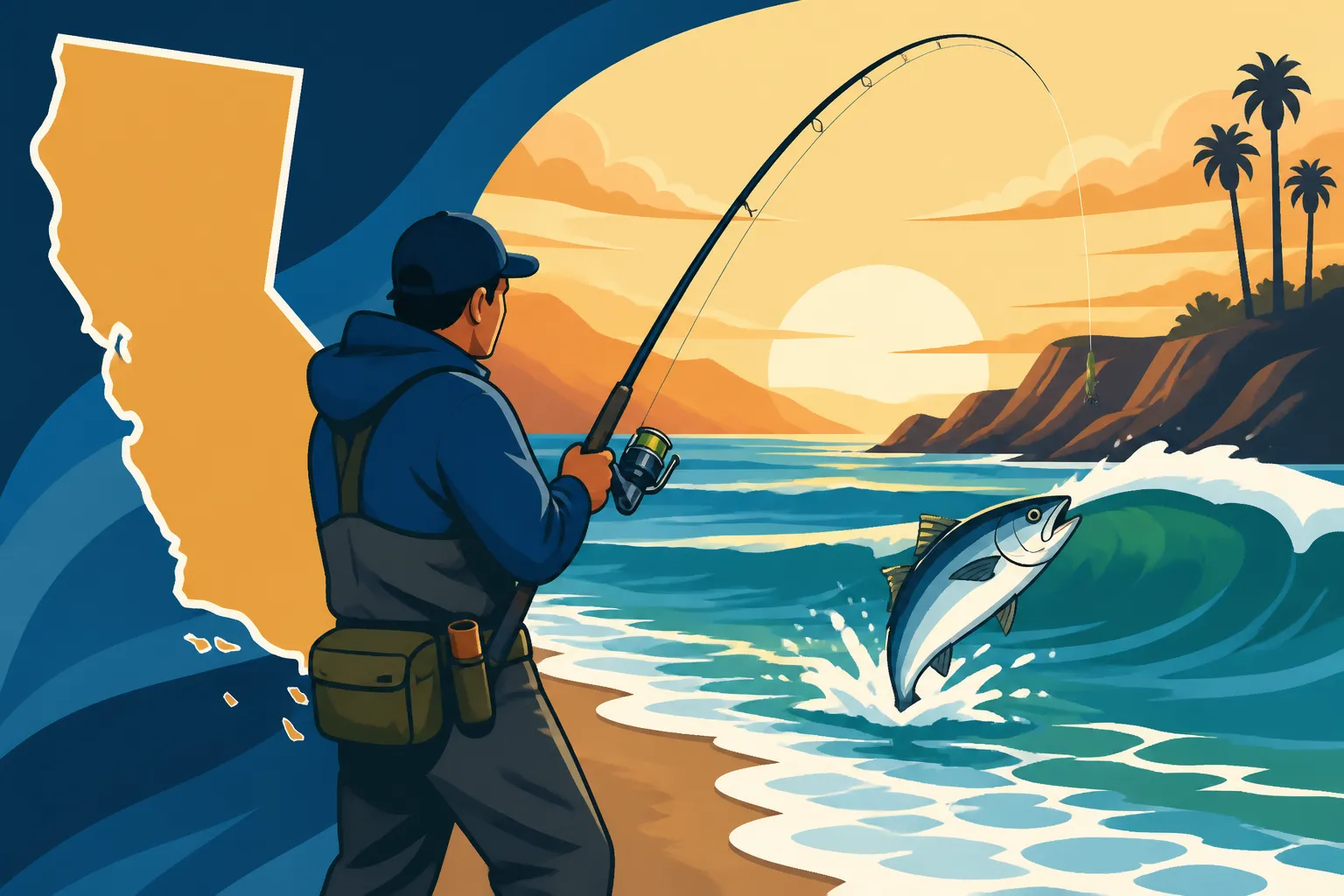
Stepping onto a California beach with a fishing rod can feel like a totally different ballgame than lake or boat fishing. The crashing waves, the shifting sands, and the constant pull of the ocean can be downright intimidating, especially when you're not sure where the fish are hiding or what bait to even start with. But don't you worry, this comprehensive guide is here to demystify the art of surf fishing in California, helping you understand the unique environment and equipping you with the knowledge to land some fantastic catches right from the sand.
Understanding California's Dynamic Surf Zone
The surf zone isn't just a pretty stretch of sand; it's a dynamic, ever-changing environment where fish actively feed. Unlike the calm, predictable waters of a lake, the ocean here is constantly moving, creating ripples, currents, and structures that you need to learn to "read" if you want to find the fish. Ignoring these cues is like trying to find a needle in a haystack – you might get lucky, but you're probably going home empty-handed.
Reading the Waves and Tides
Successfully surf fishing often boils down to understanding the ocean's rhythm, particularly the waves and tides. These aren't just for surfers; they're critical indicators for anglers. The movement of the water scours the bottom, unearthing food sources like sand crabs, clams, and small baitfish, which in turn attract larger predatory species. A rising or falling tide can concentrate fish into specific areas, while wave action can create prime feeding opportunities.
Think about it: when waves break, they stir up the sand and expose all sorts of tasty morsels for fish. These "wash zones" are often where species like corbina and perch will congregate. However, consistently powerful waves can also make it difficult for fish to hold position and feed, or for you to keep your bait in place. You're looking for that sweet spot – enough wave action to churn up food, but not so much that it's a chaotic washing machine. Learning to discern these subtle movements, recognizing when the tide is truly bringing in the bites, is a skill that comes with observation and practice. Pay attention to how the water moves around structures, how quickly your line drifts, and how the wave sets roll in.
The tides play a massive role, too. A strong incoming tide can bring cooler, nutrient-rich water closer to shore, carrying baitfish and pushing game fish into casting range. Conversely, a strong outgoing tide can pull baitfish out of the estuaries and bays, creating a feeding frenzy in deeper channels near the surf line. Many experienced surf anglers swear by fishing the hour before and the hour after a high or low tide, as these transitional periods often correspond with increased fish activity. The trick is to correlate the tide charts with your specific beach, as local geography can drastically alter how tides affect different stretches of sand. Some spots might fish best on a high tide, allowing fish to move closer to structure, while others might excel on a low tide, exposing gutters and channels that fish use as highways.
Understanding Beach Topography: Gutters, Rips, and Sandbars
Beneath the surface, California's beaches are a complex landscape of sandbars, holes, and channels that constantly shift with currents and storms. These underwater features are the key to finding fish because they provide cover, ambush points, and concentrated food sources. You can't see them directly, but you can learn to read the subtle clues they leave on the surface. Spotting these features is less about magic and more about careful observation of the waves.
Gutters, for instance, are deeper channels that run parallel to the shore, often between the beach and an offshore sandbar. These are absolute magnets for fish because they offer a slightly calmer zone with easy access to food washing off the sandbar or the beach. You can often spot a gutter by looking for areas where waves don't break, or where they break further out, reform, and then break again closer to shore. The water in a gutter will often appear darker and calmer compared to the whitewater of breaking waves. Fish like halibut, croaker, and even striped bass will patrol these gutters, especially during active feeding periods. Getting your bait to drift naturally through a gutter can be incredibly effective.
Sandbars are elevated ridges of sand, often visible at low tide or by observing where waves consistently break first. Beyond these breaking waves, the water deepens, creating a zone where larger fish might hold. Rips, or rip currents, are powerful, narrow currents of water flowing away from the shore, often appearing as a calmer, darker channel through the breaking waves. While they can be dangerous for swimmers, for anglers, they are fantastic natural fish highways, pulling baitfish out to deeper water and attracting predators. Casting parallel to a rip current or just beyond its edge can be a highly productive strategy. Identifying these features requires patience and scanning the surf line for differences in wave patterns, foam lines, and water color. Over time, you’ll develop an instinct for where these fish-holding structures are located, even if they're invisible to the untrained eye.
Essential Gear for California Surf Fishing
One of the most common mistakes I see beginners make is showing up with a lightweight freshwater setup, hoping it'll do the trick. While you might get lucky, surf fishing demands specialized gear that can stand up to the corrosive saltwater, powerful fish, and the sheer abuse of sand and waves. Don't compromise on your equipment; it's what separates a frustrating day from a fantastic one. You don't need to break the bank, but investing in the right tools from the start will save you headaches and money in the long run.
Rods, Reels, and Line Selection
Choosing the right rod and reel combination is paramount for successful surf fishing. You need a setup that can cast heavy weights long distances, handle the pulling power of strong surf fish, and resist the harsh marine environment. For most California surf fishing, you're looking at rods ranging from 8 to 12 feet, with a medium-heavy to heavy action. A longer rod provides better casting distance, which is crucial for reaching those offshore gutters and sandbars, and also helps you keep your line above the breaking waves, reducing weed and debris snags. Look for rods specifically designed for surf casting, often made from graphite or composite materials that offer a good balance of strength and sensitivity. Brands like Ugly Stik, Penn, or Daiwa offer reliable surf rods at various price points.
Matching your reel to your rod is equally important. A quality spinning reel or conventional reel designed for saltwater use is essential. Spinning reels are generally easier for beginners to use and cast, while conventional reels offer more power and casting distance for experienced anglers. Whichever you choose, ensure it has a good drag system and is sealed or treated for saltwater corrosion resistance. Capacity is key too; you'll want a reel that can hold at least 200-300 yards of line. For line, braided line in the 20-50 lb test range is a popular choice for its strength, sensitivity, and casting distance. It has virtually no stretch, allowing you to feel even the most subtle bites through the wave action. However, because braid is highly visible and has no abrasion resistance, you'll need to tie on a monofilament or fluorocarbon leader, typically 20-30 lb test, for a few feet at the end. Fluorocarbon is excellent because it's nearly invisible underwater and holds up well against abrasive structures. When you’re shopping for these essentials, platforms like Amazon can be a great place to compare models and read reviews before making your purchase.
Terminal Tackle and Baits
Once you've got your rod, reel, and line sorted, it's time to think about what goes at the business end: your terminal tackle and baits. This is where you connect with the fish, and having the right components can make all the difference. For surf fishing in California, a few basic rigs will cover most situations. The Carolina Rig is incredibly versatile, using an egg sinker above a swivel, followed by a leader (18-36 inches of fluorocarbon) and a hook. This allows your bait to move naturally with the current, while the weight keeps it in the strike zone. Another common setup is a high-low rig, also known as a dropper loop rig, which has two hooks spaced out on the main line, allowing you to present multiple baits at different depths. This rig is particularly effective for catching multiple perch or croaker at once.
Hook size will vary depending on your target species, but sizes from 1/0 to 4/0 are generally good starting points for most surf fish. When it comes to bait, the classics are often the best. Live or fresh dead sand crabs are absolute gold for corbina and spotfin croaker; they are their natural prey, after all! You can often find them by digging in the wet sand near the waterline. For perch and small croaker, pieces of mussel, clam, or shrimp work wonders. If you're targeting striped bass or larger halibut, try using cut bait like anchovies, sardines, or mackerel. Gulp! baits, especially the Sandworm or Grub patterns, are fantastic artificial alternatives that often outfish natural bait when live options aren't available, and you can easily stock up on these versatile options from Amazon. Always carry a variety of hooks, swivels, sinkers (pyramid or Sputnik sinkers in 2-5 oz are common to hold bottom), and leader material, as conditions can change rapidly and you want to be prepared to adapt.
Popular California Surf Species and Seasons
California's coastline is incredibly diverse, stretching over 800 miles and offering a wide array of surf fishing opportunities. The species you'll encounter can vary significantly depending on whether you're casting your line in the warm waters of Southern California or the cooler, rockier stretches further north. Understanding who you're likely to catch and when is key to planning a successful trip. It helps you tailor your gear, bait, and techniques, rather than just blindly casting into the waves.
Corbina, Halibut, and Croaker: Southern California Mainstays
If you're fishing the sandy beaches from Santa Barbara down to San Diego, you're likely to encounter the surf fishing trifecta: California corbina, California halibut, and various species of croaker, including spotfin and yellowfin. These fish are highly prized for their fighting ability and, in the case of halibut and spotfin, their excellent table fare. Corbina are perhaps the most iconic surf fish in Southern California, known for their incredible elusiveness and finicky feeding habits. They cruise in the shallow wash zone, often in just inches of water, rooting out sand crabs with their distinctive snouts. Targeting corbina requires stealth, light tackle, and perfectly presented sand crabs. For an in-depth look at chasing these elusive fish, check out our guide on California Corbina Surf Fishing.
California halibut are another prized catch, often found ambushing baitfish from the edges of gutters and sandbars. They're typically caught using a Carolina rig with live bait like anchovies, grunion, or even artificial swimbaits. These flatfish can grow quite large, offering a thrilling fight and a delicious meal. Then there are the croaker: spotfin croaker are easily identified by their large spot near the pectoral fin and are powerful fighters, while yellowfin croaker are a bit smaller but equally eager to bite. Both respond well to a variety of baits, including sand crabs, mussels, and shrimp, fished on high-low or Carolina rigs. The warmer months, typically late spring through fall, are generally the prime time for these species, although you can find perch year-round. Understanding the nuances of California Halibut Regulations and Limits is crucial for any angler hoping to land one of these tasty flatfish.
Perch and Striped Bass: Northern and Central California Favorites
As you move north along the California coast, the surf fishing scene shifts slightly, with different species becoming more prevalent due to cooler water temperatures and different coastal structures. Barred surf perch are abundant throughout the state but are particularly dominant from Central California upwards. These feisty panfish are a blast to catch on light tackle and are often the most reliable bite in the surf, especially during the spring spawning season when they gather in large numbers. They readily take small pieces of shrimp, mussel, or Gulp! sandworms fished on a high-low rig. To really dial in your perch game, our California Surfperch Fishing Guide offers excellent tips.
For many anglers in Central and Northern California, the ultimate surf fishing prize is the striped bass. These powerful anadromous fish migrate between freshwater estuaries and the ocean, and when they're cruising the surf, they offer an unforgettable fight. Striped bass are often found in areas with good current, deeper channels, and rocky outcroppings. They'll readily strike larger cut baits like sardines or anchovies, as well as various artificial lures such as Kastmaster spoons, Lucky Craft plugs, or even large soft plastics. The fall and spring migrations are typically the best times to target stripers, especially around river mouths and bay entrances. Familiarizing yourself with the specific California Striped Bass Regulations is essential, as limits and seasons can vary. While perch are a year-round possibility, targeting striped bass in the surf often requires patience and knowledge of their migratory patterns, making it a truly rewarding pursuit for dedicated anglers.
Mastering Surf Fishing Techniques
Just having the right gear isn't enough; you also need to know how to use it effectively in the challenging surf environment. Learning the nuances of casting, retrieving, and presenting your bait can turn a frustrating day of tangled lines and no bites into a productive and enjoyable experience. Surf fishing is an art form, demanding both precision and patience.
Casting and Retrieval Strategies
Casting in the surf is different from casting on still water. You're not just aiming for distance; you're also fighting against wind and waves. The most common surf casting technique is the overhead cast, which allows for maximum distance. However, learning to time your cast with the waves is a game-changer. Ideally, you want to cast just as a set of waves is receding, giving your weight a chance to settle on the bottom before the next wave hits and washes your bait back towards shore. A powerful two-handed cast, using your body weight for leverage, will help you reach those distant gutters and deeper channels where bigger fish often lurk. For anglers looking to perfect their technique, practicing on an open field can dramatically improve your casting distance and accuracy before you even hit the beach.
Once your bait is in the water, your retrieval strategy needs to match the conditions and the species you're targeting. If you're fishing with a Carolina rig for bottom feeders like corbina or halibut, a slow, steady retrieve with occasional pauses is usually effective. You want to let the current move your bait naturally across the bottom, mimicking a sand crab or other forage. For perch, a slow retrieve with a high-low rig, allowing the baits to bounce along the bottom with the wave action, can be deadly. If you're using lures for striped bass, a more active retrieve with varying speeds and occasional jerks can trigger a strike. Always keep a tight line to feel bites, but not so tight that your weight is constantly dragging or getting pulled by the waves. The goal is to feel the subtle taps of a fish mouthing your bait, distinguishing them from the tugs of the current. It's a fine balance that takes practice, but once you get it, you'll be feeling those subtle bites more consistently.
Fishing with Lures vs. Natural Bait
The age-old debate in fishing: lures or natural bait? In California surf fishing, both have their place, and understanding when to use each can significantly improve your success rate. Natural bait is often the go-to for many surf species because it mimics what they naturally feed on. Live sand crabs are virtually irresistible to corbina, spotfin croaker, and even some halibut. Fresh cut bait like anchovies or sardines are prime targets for striped bass and larger halibut. The scent and texture of natural bait are powerful attractants, especially in murky or turbulent water where fish might rely more on smell than sight. The downside is that natural bait can be harder to acquire, keep fresh, and is often more prone to being nibbled off the hook by smaller, undesirable fish.
On the other hand, artificial lures offer versatility, durability, and the ability to cover more water quickly. Spoons like the Kastmaster, swimbaits, and hard plastic plugs (such as those from Lucky Craft) are excellent for targeting predatory species like striped bass and halibut. They allow you to cast further, retrieve faster, and actively search for fish. Soft plastics, like Gulp! sandworms or grubs, bridge the gap between natural and artificial, offering scent and realistic action without the hassle of live bait. They're incredibly effective for perch and croaker. The key is to match your lure size and color to the local baitfish and conditions. On a bright day with clear water, a shiny spoon might work wonders. On an overcast day with some chop, a larger, slower-moving swimbait might be better. Many surf anglers carry a selection of both natural and artificial options, allowing them to adapt to whatever the surf presents. You can find a wide variety of these lures and baits on platforms like Amazon, making it easy to experiment and find what works best for your local conditions.
Best Surf Fishing Spots in California
California is blessed with an incredible coastline, and within its miles of sandy beaches and rocky shores lie countless opportunities for surf fishing. However, some spots consistently produce better than others due to their unique features, accessibility, and the abundance of local fish populations. Knowing where to go can cut down on wasted time and put you right in the action. From the bustling beaches of Southern California to the rugged beauty of the north, there's a perfect surf fishing spot waiting for you. For a broader overview of prime locations, our comprehensive guide on the Best Surf Fishing Beaches in California is a great resource.
Southern California Beaches: Famous Spots and Hidden Gems
Southern California, with its mild climate and extensive sandy beaches, is a surf fishing paradise. Iconic locations like Huntington City Beach, known for its consistent waves and good populations of corbina, croaker, and halibut, draw anglers year-round. The long, sandy stretches provide ample space to spread out, and the pier offers a great vantage point to observe the surf breaks and potential fish-holding structures. Further south, San Clemente Pier and Del Mar Dog Beach are also highly productive, especially for corbina and spotfin croaker. These areas often have prominent sandbars and gutters that are visible at lower tides, making it easier to identify prime casting zones.
Beyond the famous spots, many smaller, less crowded beaches offer fantastic opportunities. Look for beaches adjacent to river mouths or estuaries, as these areas often have deeper channels and an abundance of baitfish, attracting larger predators like halibut and even striped bass during certain times of the year. For instance, the stretch of beach north of Santa Monica Pier can be surprisingly good, especially if you can get away from the crowds. Even within popular areas, "hidden gems" can often be found by simply walking a bit further from the main access points, searching for less pressured stretches of sand with good wave action and observable structure. The key is to observe local conditions, check recent fishing reports, and don't be afraid to explore.
Central and Northern California Beaches: Different Challenges, Different Rewards
Moving north, Central and Northern California present a different kind of surf fishing experience. The water is generally cooler, the waves can be more powerful, and the coastline often features more rocky outcroppings interspersed with sandy beaches. This ruggedness can translate to fantastic fishing for species like barred surf perch and, crucially, striped bass. Beaches like Pacifica State Beach (Linda Mar) just south of San Francisco are renowned for their consistent perch fishing and occasional striped bass action, particularly during the spring and fall runs. The presence of rocky reefs near the sand creates ideal feeding grounds.
Further north, the wilder coastlines of Point Reyes National Seashore and Manchester State Park offer incredible, albeit more challenging, surf fishing. These remote beaches require a bit more effort to access but can reward anglers with trophy-sized striped bass and abundant perch. Here, paying close attention to tide swings and current is even more critical, as the powerful ocean can quickly change conditions. Beaches near the mouths of major rivers like the Russian River or the Eel River can be phenomenal for striped bass, especially when these anadromous fish are migrating. While the sheer numbers of corbina might diminish in these cooler waters, the potential for a powerful striped bass strike makes the effort well worth it. Remember, always consult our guide on California Fishing Regulations Explained before heading out, as rules for specific species and areas can vary.
Surf Fishing Safety and Etiquette
Spending time on California's beautiful beaches is a privilege, and with that comes responsibility. Whether you're a seasoned pro or a complete beginner, safety should always be your top priority, followed closely by respecting the environment and your fellow beachgoers. The ocean is powerful and unpredictable, and knowing how to navigate it safely, while also being a good steward, ensures a positive experience for everyone.
Reading Ocean Conditions and Rip Currents
The ocean's beauty can mask its inherent dangers, and for surf anglers, understanding ocean conditions is not just smart, it's essential for survival. Before you even cast a line, take a good look at the water. How big are the waves? Are they consistently crashing, or are there long lulls between sets? Strong waves can easily knock you off your feet, sweep away gear, or even pull you into deeper water. Never turn your back on the ocean, and always be aware of incoming rogue waves. If the surf looks too big or too powerful for your comfort level, it's always best to err on the side of caution and find a calmer spot or reschedule your trip. No fish is worth risking your life.
Rip currents are another serious hazard, often appearing as a deceptively calm channel of water moving away from shore. They can quickly drag even strong swimmers out to sea. Look for breaks in the incoming wave pattern, areas where foamy water is moving quickly offshore, or channels where the water appears darker and less turbulent. If you ever get caught in a rip current, the cardinal rule is don't fight it. Swim parallel to the shore until you're out of the pull, then swim back to the beach. As an angler, avoid wading into areas where you suspect a rip current is present. Carrying a small, inflatable personal flotation device (PFD) or even just having a fishing buddy nearby can make a huge difference in an emergency. Being able to accurately read conditions and identify dangers is a crucial skill for anyone who spends time near the ocean.
Respecting Wildlife and Fellow Anglers
California's beaches are shared spaces, home to incredible wildlife and enjoyed by countless people, from swimmers and surfers to sunbathers and fellow anglers. As a surf fisherman, it's crucial to practice good etiquette and respect for everyone and everything around you. When choosing a spot, give swimmers and surfers plenty of space. Casting your line into a crowded area is not only rude but also potentially dangerous. If the beach is busy, consider moving to a less populated stretch or visiting during off-peak hours. Always be mindful of marine wildlife. Avoid casting directly at birds or marine mammals, and if you accidentally hook one, do your best to release it safely and quickly.
Beyond safety, practicing responsible fishing means adhering to catch and release principles for certain species or when you've reached your bag limit. Dispose of all trash, including discarded fishing line, hooks, and bait containers, properly. Monofilament line, in particular, can be incredibly harmful to wildlife. A good practice is to carry a small trash bag specifically for your fishing waste. Sharing the beach also means being courteous to other anglers. Don't crowd someone's fishing spot, avoid loud noises, and if you see someone struggling, offer a hand. Remember, we're all out there to enjoy the beauty of the ocean and the thrill of the catch. For a full breakdown of what you need to legally fish, check out our guide on the California Fishing License Guide.
Permits, Regulations, and Report Cards
Before you even think about putting a line in the water, you need to make sure you're properly licensed and understand the rules. California has very specific fishing regulations designed to protect its diverse fish populations and ensure sustainable angling for future generations. Ignoring these rules can lead to hefty fines and confiscation of your gear, turning a fun day into a costly nightmare. Don't take chances; be informed.
California Fishing License Guide
The absolute first step for almost any fishing activity in California is acquiring a valid California fishing license. This isn't just a suggestion; it's a legal requirement for anyone 16 years or older engaged in fishing, crabbing, or clamming. There are various options available, from annual resident and non-resident licenses to short-term licenses perfect for a weekend trip, such as the California One-Day Fishing License. You can purchase these licenses online through the California Department of Fish and Wildlife (CDFW) website, at most sporting goods stores like Big 5, or local bait and tackle shops. When you're considering your options, it's also worth looking into the California Fishing License Cost to find the option that best suits your needs.
When you buy your license, make sure to carry it with you at all times while fishing. This can be a physical copy or stored digitally on your phone via the CDFW app. Wardens frequently patrol popular fishing areas, and you don't want to be caught without proof of your license. Furthermore, depending on what species you're targeting in the surf, you might need additional endorsements or report cards. For example, if you happen to hook a salmon or sturgeon in the surf zone (unlikely but not impossible, especially near river mouths), you would need the appropriate report card. Always double-check the current regulations before each trip, as they can change seasonally or annually. Our comprehensive California Fishing Regulations Explained article is an invaluable resource for navigating these rules.
Special Regulations for Surf Fishing: Bag Limits and Seasons
Beyond the general fishing license, surf fishing in California comes with its own set of specific regulations, particularly concerning bag and size limits for various species. These rules are put in place to manage fish populations and prevent overfishing. For instance, species like California corbina, spotfin croaker, and yellowfin croaker typically have a daily bag limit, and there might be a minimum size requirement. You can't just keep every fish you catch; you need to measure them carefully.
Halibut, another popular surf target, has very strict size and bag limits, which can sometimes vary by region or specific marine protected areas. Similarly, if you're lucky enough to hook into a striped bass, there will be a minimum size and a strict bag limit. These regulations are published annually in the California Sport Fishing Regulations booklet, available digitally on the CDFW website or in print at most license vendors. It's your responsibility to know these rules before you go. Additionally, certain areas might be designated as California Marine Protected Areas Explained, where fishing is either restricted or entirely prohibited. Fishing in these no-take zones can result in severe penalties. Always check the regulations for your specific location and target species to ensure you're fishing legally and sustainably.
Maximizing Your Catch: Advanced Tips
Once you've got the basics down – understanding the surf, having the right gear, and knowing the regulations – you can start to fine-tune your approach to really maximize your chances of success. Surf fishing isn't just about luck; it's about observation, adaptation, and a bit of learned wisdom. These advanced tips can help you elevate your game from an occasional catch to a consistently productive outing.
Understanding Barometer and Weather Patterns
The weather isn't just about comfort; it profoundly influences fish behavior, even in the seemingly unchanging ocean. One of the most overlooked factors is barometric pressure. A stable or slowly rising barometer often signals good fishing, as fish tend to be more active and willing to feed. A rapidly dropping barometer, often associated with approaching storms or significant weather changes, can shut down the bite as fish feel the pressure change and become less active. Paying attention to these subtle shifts in atmospheric pressure can give you an edge, helping you decide when to hit the beach for the best chances.
Beyond the barometer, understanding wind direction and intensity is critical. An onshore wind (blowing from the ocean towards the beach) can create chop, stir up baitfish, and often makes casting difficult. However, it can also push food closer to shore. An offshore wind (blowing from the land out to sea) typically flattens the surf, making casting easier and water clearer, but it can also push warmer surface water and baitfish further out. Rain, while often uncomfortable, can wash nutrients and insects into the surf zone, especially near river mouths, which can attract baitfish and subsequently, game fish. However, heavy runoff can also muddy the water, making it harder for fish to find bait. Learning how different weather patterns affect your target species and preferred locations takes time, but it's an invaluable skill for any serious surf angler. For general insights into timing, our Best Time of Day to Fish in California guide offers valuable context.
Gear Maintenance and Preparation
The saltwater environment is incredibly harsh on fishing gear. Sand, salt, and sun can quickly degrade rods, reels, line, and tackle if not properly cared for. Neglecting your equipment means shorter gear lifespan, unexpected failures, and potentially losing the fish of a lifetime. After every single surf fishing trip, regardless of whether you caught anything, a thorough cleaning of your reel is non-negotiable. Rinse it thoroughly with fresh water (never spray directly into the drag or handle), wipe it down, and let it air dry. Periodically, especially after heavy use, you should also apply a light coat of reel oil to moving parts and grease to the gears.
Your rod also deserves attention. Rinse the blank, guides, and reel seat with fresh water to remove salt and sand. Check your guides for any cracks or corrosion, which can fray your line. Inspect your line regularly for nicks, abrasions, or twists, especially the last few feet that take the most abuse. Replace your leader material frequently, as it's the most vulnerable part of your setup. Hooks dull quickly in saltwater, so always check them and sharpen or replace as needed. Keeping your tackle box organized and stocked with fresh leader material, hooks, and weights ensures you're always ready for changing conditions. Think of it as preventative maintenance; a little effort after each trip saves you a lot of frustration and expense down the line. A little research on Amazon for maintenance kits or saltwater-specific lubricants can also go a long way in preserving your investment.
Table of Common California Surf Fish and Preferred Baits/Rigs
To help you get started with the right approach for different species, here's a quick reference table for some of California's most common surf fish.
| Species | Preferred Habitat/Location | Primary Baits | Recommended Rigs | Best Season |
|---|---|---|---|---|
| California Corbina | Shallow wash zone, inside gutters | Sand Crabs, Bloodworms, Gulp! Sandworms | Carolina Rig (light) | Late Spring – Early Fall |
| Barred Surf Perch | All surf zones, especially near structure | Sand Crabs, Shrimp, Mussel, Gulp! Grubs | High-Low Rig, Carolina Rig | Year-round, Spring (spawning) |
| Spotfin Croaker | Gutters, deeper depressions | Sand Crabs, Shrimp, Clams | Carolina Rig, High-Low Rig | Summer – Fall |
| California Halibut | Gutters, sandbar edges, near river mouths | Live Anchovies, Sardines, Grunion, Swimbaits | Carolina Rig (heavy) | Spring – Fall |
| Striped Bass | River mouths, rocky points, deep gutters, rips | Cut Bait (Sardine, Anchovy), Plugs, Spoons | Carolina Rig, Lure Casting | Spring, Fall (migrations) |
| Yellowfin Croaker | Shallow gutters, sandy stretches | Shrimp, Clams, Mussel | High-Low Rig, Carolina Rig | Summer – Fall |
Disclaimer
Fishing conditions and regulations in California can change frequently. Always consult the latest California Department of Fish and Wildlife (CDFW) regulations before any fishing trip. This guide is for informational purposes only and does not constitute legal advice regarding fishing regulations.