When to Fish for Each Species in California
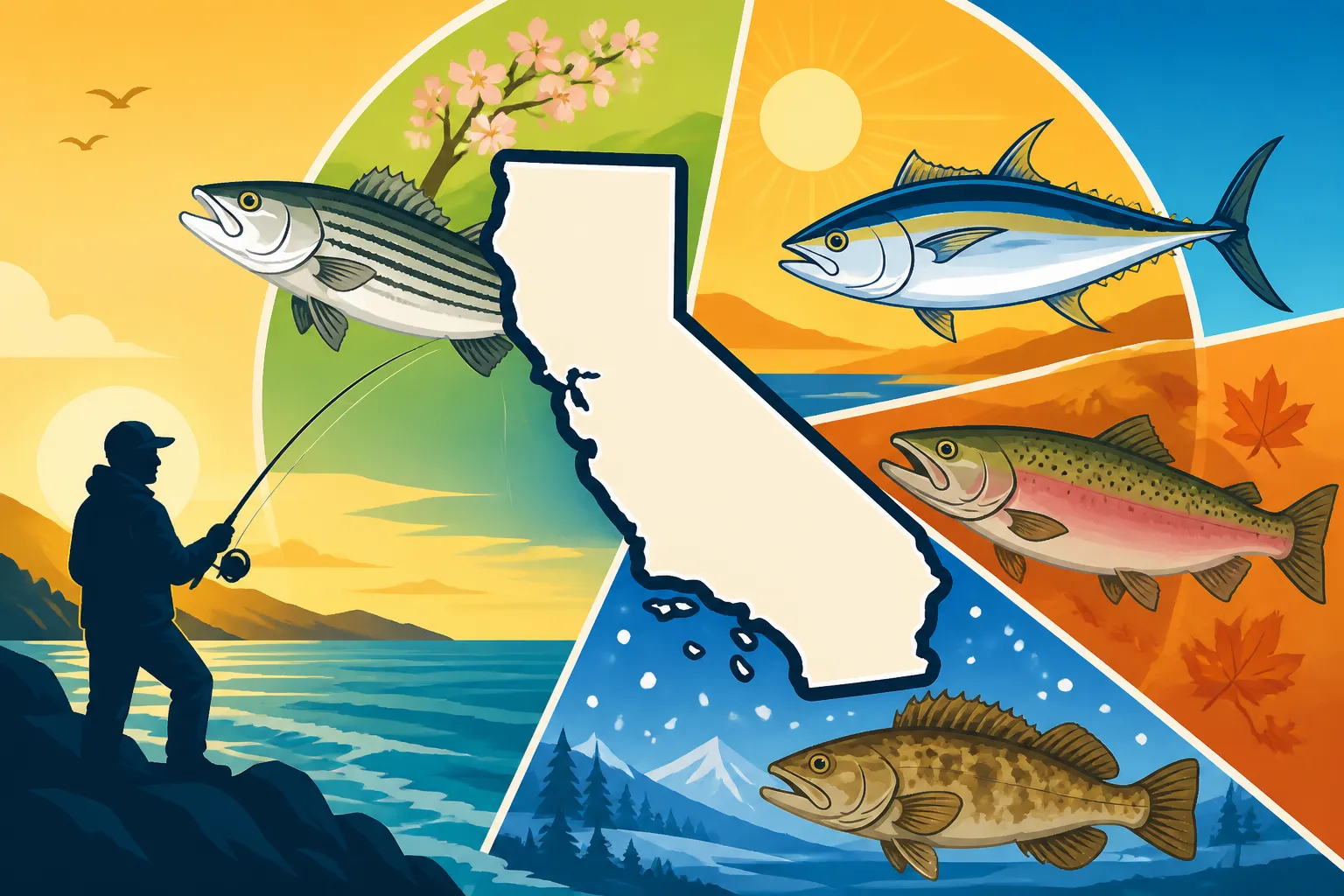
It can feel incredibly frustrating to plan a California fishing trip, only to arrive at your favorite spot and find the bite is completely off. One of the biggest hurdles for any angler, whether you're a seasoned veteran or just starting out, is knowing when to target specific fish species. California's waters are so incredibly diverse, from the chilly alpine lakes to the warm Pacific currents, that the "best time" can change dramatically not just by month, but by region and even by the hour. This comprehensive guide will cut through the confusion, helping you understand the optimal seasons and conditions to hook into a wide array of California's most sought-after fish.
Understanding California's Diverse Fishing Seasons
California's unique geography means it offers an unparalleled variety of fishing experiences, but this also makes pinning down the "best time" a complex endeavor. We're talking about everything from high-altitude lakes that freeze over in winter to bustling ocean environments that see pelagic species migrate thousands of miles. It's not just about the calendar date; it's about water temperature, spawning cycles, bait availability, and even human pressure.
Coastal Influences and Water Temperatures
The vast Pacific coastline of California plays a huge role in determining when various saltwater species are active and accessible. Water temperature is arguably the most critical factor here. Many popular game fish, especially the highly migratory pelagics, follow specific temperature bands as they move north and south or inshore and offshore. When those warm currents push closer to shore, bringing baitfish with them, that's when you often see a surge in activity for species like yellowtail and tuna. Conversely, colder, upwelled water can shut down a bite or send fish deeper.
Think about the difference between Southern California's warmer waters and the cooler, nutrient-rich currents off Northern California. These differences dictate not just what you can catch, but when. For instance, while tuna might be biting hot and heavy off San Diego in late summer and fall, the salmon season might be peaking further north due to colder water conditions that favor those species. Understanding these large-scale movements and how they relate to the seasons is key. The California Department of Fish and Wildlife (CDFW) often provides updates and forecasts that can hint at these thermal boundaries, and following local fishing reports is always a smart move.
Inland Climates and Spawning Cycles
Moving inland, the seasonal dynamics shift dramatically. Freshwater fishing in California is heavily influenced by mountain snowmelt, rainfall, and the distinct temperature swings between summer and winter. Lakes and reservoirs experience thermal stratification in warmer months, which can push fish to specific depths, while rivers and streams see flows fluctuate with snowmelt and rain events.
But perhaps even more important than temperature in freshwater is the spawning cycle. Largemouth bass, for instance, become incredibly active and aggressive during their spring spawn, making them a prime target. Trout, on the other hand, might spawn in the fall or spring depending on the species and location, affecting their behavior and where you'll find them. Knowing these biological rhythms is essential. For example, trying to catch a big bass in the dead of winter in a cold reservoir might be less productive than waiting for early spring when they move into shallower water to reproduce. Always check the California Freshwater Fishing Regulations to ensure you're compliant with any spawning closures or special regulations.
Prime Time for Popular Saltwater Species
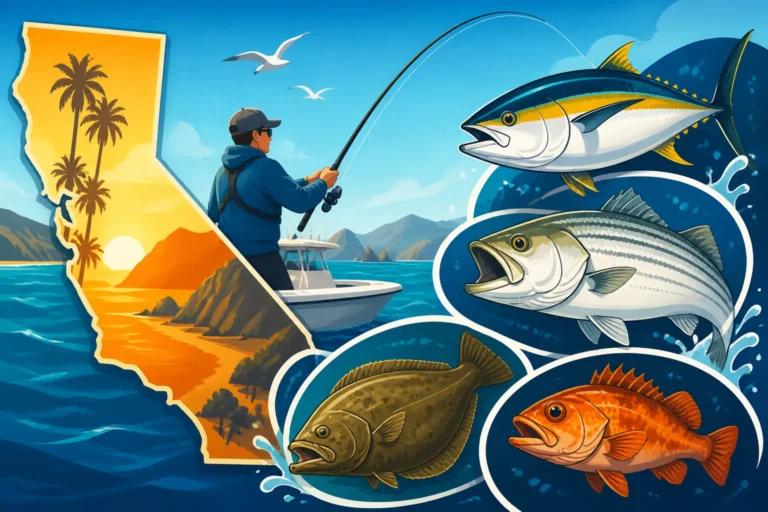
California's coastline is a dynamic fishing ground, offering incredible opportunities for anglers targeting a range of popular saltwater species. The timing, however, is everything, and what might be biting off San Diego could be completely different from what's active near San Francisco.
Yellowtail and Dorado Seasonality
If you're dreaming of hard-fighting yellowtail or acrobatic dorado, you're generally looking at the warmer months in Southern California. Yellowtail, often called "mossbacks" for their size, typically become a strong target from late spring through fall, often peaking in summer. As the water warms, these powerful jacks move up from Baja waters, following baitfish like anchovies and sardines. They can be found in kelp paddy environments, around islands like Catalina and San Clemente, and even at offshore banks. Early season yellowtail might be caught deeper on jigs, while later in the season, when they're chasing bait on the surface, live bait or casting lures can be incredibly effective.
Dorado (also known as Mahi-Mahi) are true warm-water pelagics, and their presence in California waters is almost entirely dependent on warm offshore currents. Their season is typically shorter and more sporadic than yellowtail, generally running from late summer into early fall. We're talking about water temperatures above 70 degrees Fahrenheit, which usually means they're found further offshore, often associated with floating kelp paddies or temperature breaks. When a good warm-water push hits, dorado can provide some of the most exciting fishing imaginable. Keep an eye on offshore water temperature charts; they're your best friend for predicting a dorado run. Tackle shops and online fishing forums are usually abuzz when these vibrant fish show up.
Halibut and White Seabass Windows
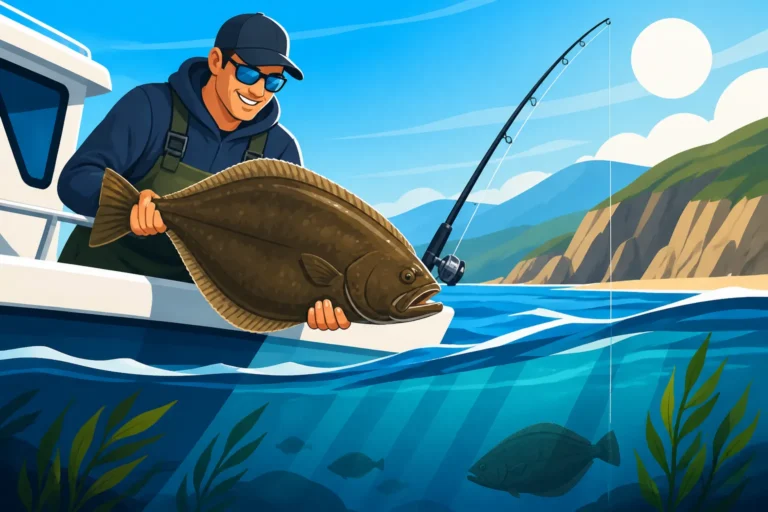
California halibut are a prized catch, known for their delicious white meat and challenging fight. These flatfish are primarily found in bays, estuaries, and along sandy beaches. Their peak season is generally from late spring through summer, though they can be caught year-round in some areas. Halibut often move into shallower, warmer waters during these months to spawn and feed aggressively on baitfish. Fishing the outgoing tide near structure or along sandy flats with live bait (like anchovies, sardines, or smelt) is a classic strategy. You'll want to review the California Halibut Size and Bag Limits before you head out, as regulations are strict to protect this valuable fishery.
White seabass, another highly regarded game fish, follow a somewhat similar pattern but with more emphasis on specific conditions. Their season typically runs from late spring into early summer, though some years see an extended bite into fall. These powerful fish are often found around kelp beds, rockpiles, and submarine canyons, especially where squid are present. The "squid bite" for white seabass is legendary, occurring when large schools of spawning squid draw the seabass in close to shore, often after dark. Targeting white seabass usually requires fresh live squid or other large live baits like fin bait. Success often depends on being in the right place at the right time, and charter captains who specialize in this fishery are often the best bet. Learning How to Catch California Halibut can give you a solid foundation for targeting these bottom dwellers.
Rockfish and Lingcod Opportunities
For consistent action and a diverse cooler of fish, rockfish and lingcod are perennial favorites along the California coast. The season for these groundfish is heavily regulated and can vary significantly by management area (e.g., Northern, Central, Southern California). Generally, the season runs for most of the year outside of specific closures, typically from spring through fall, with some winter opportunities. These fish inhabit rocky reefs, kelp forests, and deeper offshore structures.
Lingcod, known for their aggressive strikes and formidable teeth, are often found in the same habitats as rockfish but prefer deeper, more rugged terrain. Their season usually aligns with rockfish, but specific size and bag limits apply, and they often become more active as water temperatures cool slightly in late fall and winter. Both rockfish and lingcod respond well to jigs, cut bait, or live bait fished near the bottom. It's absolutely crucial to check the California Rockfish Depth Restrictions and specific seasonal openings for your region before planning a trip, as these regulations are in place to protect these vital populations and can change frequently. Local tackle shops like those in Morro Bay or Half Moon Bay are excellent resources for the most current information.
Targeting Offshore Giants: Tuna and Pelagics
California's offshore waters hold some of the most thrilling fishing opportunities, especially for those chasing powerful pelagic species like tuna. These are migratory fish, and their presence is almost entirely dependent on oceanographic conditions.
Bluefin and Yellowfin Tuna Migrations
Bluefin tuna have exploded in popularity in recent years, becoming a truly iconic species for Southern California anglers. Their season is typically from late spring/early summer through late fall/early winter, but this can vary wildly year to year based on warm water pushes and bait concentrations. The peak often occurs from July through October. These powerful fish can range from "schoolie" models under 50 pounds to true giants exceeding 300 pounds. They follow vast schools of anchovies, sardines, and mackerel, often found many miles offshore. Success frequently involves long runs on fast boats, either private vessels or charter operations like those out of Fisherman's Landing or H&M Landing in San Diego. For more in-depth knowledge, check out our guide on California Bluefin Tuna Season Explained.
Yellowfin tuna are also a highly prized target, often found in similar offshore waters to bluefin, especially when the water is warm. Their season usually mirrors bluefin, from late summer through fall, with some extending into early winter in exceptional years. Yellowfin tend to be more associated with floating kelp paddies and "foaming" schools of bait. They typically don't reach the same gargantuan sizes as bluefin, but they are incredibly hard fighters and excellent table fare. Both species require heavy tackle, a good understanding of bait presentation (live bait, poppers, jigs), and a lot of stamina. Booking a trip on one of the many Best Fishing Charters in San Diego is often the easiest way to experience this world-class fishing.
Albacore Tuna Run Dynamics
Albacore tuna, known as the "longfins," were historically the bread and butter of the Southern California tuna fleet. While their runs have been less consistent in recent decades compared to bluefin, when they do show up, they offer fantastic opportunities. Albacore typically appear in California waters from late summer into fall, often when colder, nutrient-rich water mixes with warmer currents further offshore. They are aggressive feeders and are known for their strong, sustained runs.
Anglers often target albacore by trolling jigs or cedar plugs at speed until a school is located, then switching to live bait (typically anchovies or sardines) to keep the school around the boat. They're usually found in open ocean, sometimes far out, but can be a bit more predictable in their general migratory routes than the more nomadic bluefin. If you're planning an offshore adventure, having a variety of jigs and lures on hand, like those readily available on Amazon, can be a game-changer when trying to match the hatch. While not as large as bluefin, a wide-open albacore bite provides non-stop action and plenty of delicious sushi-grade meat.
Inshore and Bay Fishing: Stripers, Bass, and Perch
Not all exciting fishing requires long offshore trips. California's bays, estuaries, and surf zones offer incredible opportunities for a variety of popular species, often accessible from shore, pier, or a small boat.
Striped Bass in the Delta and Bays
The California Delta and various bay systems are legendary for their striped bass fishing. These powerful anadromous fish are a favorite among anglers, and their season is relatively extended, but with distinct peaks. In the Delta, prime time for stripers typically begins in late winter/early spring as they prepare for their spawn, and continues through late spring when they are actively feeding. Another strong season occurs in fall, as water temperatures cool and the fish feed aggressively before winter. During these times, they can be caught trolling, bait fishing, or casting artificial lures.
In San Francisco Bay and its tributaries, stripers are often present year-round, but specific runs can be phenomenal. Spring and fall are generally considered the best periods, particularly when salmon smolts or anchovies are present in the bay. Shore anglers, kayak fishermen, and boaters all enjoy success. The California Striped Bass Regulations are crucial to understand, as bag and size limits are strictly enforced to protect these popular fish. Pay attention to tide charts; strong tidal movements are often key to successful striper fishing in these environments.
Calico and Sand Bass in Kelp Forests
Southern California's rich kelp forests are home to aggressive and hard-fighting calico bass (kelp bass) and sand bass. These species are a staple for local anglers, offering consistent action close to shore. Calico bass are primarily associated with kelp, rocky reefs, and structure, while sand bass prefer sandy bottoms, often near structure or in bays.
The season for both species is generally year-round, but the fishing heats up considerably during the warmer months, from late spring through fall. This is when they are most active, feeding on baitfish and crustaceans. Calico bass are thrilling to catch on artificial lures like swimbaits, jerkbaits, and plastics worked along kelp edges. Sand bass respond well to live bait (squid, anchovies) or plastic worms and swimbaits bounced off the bottom. Early mornings and late evenings are often the most productive times. Charter boats and private skiffs targeting these "bass" are common out of ports like Marina del Rey and Dana Point.
Surfperch and Corbina Along the Coast
For those who love fishing with their feet in the sand, California's beaches offer fantastic opportunities for surfperch and corbina. These species provide accessible, fun fishing for anglers of all skill levels.
Surfperch, a diverse group of species, are available year-round along most sandy beaches. However, the fishing can be particularly good in winter and early spring when larger schools move closer to shore for their spawning season. They are eagerly caught on small pieces of bait like sand crabs, shrimp, or Gulp! sandworms fished on a Carolina rig. Different species, like barred surfperch and redtail surfperch, can be targeted, each offering a unique challenge.
Corbina, known for their keen eyesight and challenging bite, are a highly prized surf species. Their season is predominantly the warmer months, from late spring through early fall, peaking in summer. They prefer calm, clear water and feed on sand crabs, ghost shrimp, and other invertebrates rooted out of the sand. Targeting corbina requires stealth, patience, and precise bait presentation, often with fresh sand crabs, which can be gathered on the beach or purchased from bait shops. A good pair of polarized sunglasses, available on Amazon, can greatly enhance your ability to spot these camouflaged fish in the shallows.
Freshwater Favorites: Bass, Trout, and Panfish
Beyond the coast, California's interior is a freshwater angler's paradise, boasting a huge variety of lakes, rivers, and reservoirs teeming with bass, trout, and panfish. Each has its own prime time, influenced heavily by weather and spawning patterns.
Largemouth and Smallmouth Bass Peak Seasons
California is a world-renowned destination for bass fishing, particularly for trophy largemouth. The season for both largemouth and smallmouth bass largely revolves around their spawning cycle and water temperatures.
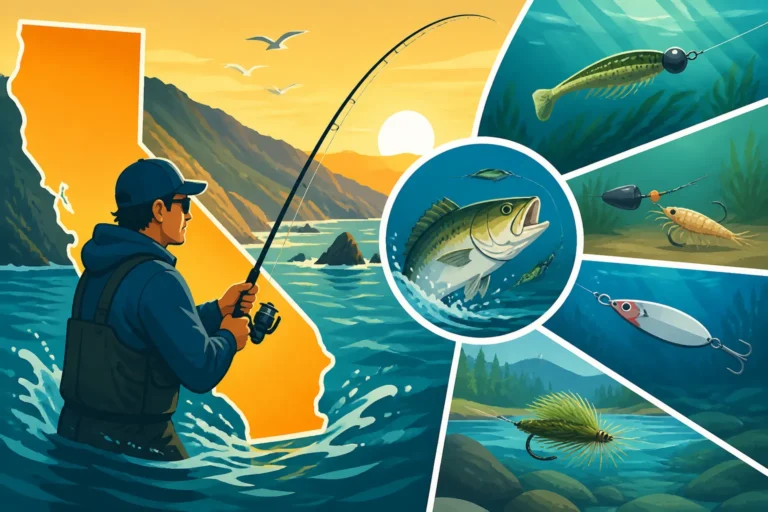
For largemouth bass, the most exciting time is generally spring, from March through May, when they move into shallower waters to spawn. During this period, they are aggressive and highly catchable using a variety of techniques like spinnerbaits, plastic worms, jigs, and crankbaits. Post-spawn through summer also offers excellent fishing, especially during low light hours, as fish move to deeper cover. Fall can also be very productive as fish feed heavily before winter. During the colder winter months, they become less active and move to deeper water, making them harder to catch. Knowing How to Catch Largemouth Bass in California can significantly increase your chances.
Smallmouth bass, found in clearer, rockier lakes and rivers, also follow a similar spring spawning pattern, with their peak usually in late spring and early summer. They are aggressive fighters and respond well to small crankbaits, tubes, and finesse baits fished around rocky points and ledges. Places like Lake Shasta and Lake Oroville are famous for their smallmouth populations. In both cases, understanding the bass spawn and post-spawn movements is far more important than any arbitrary calendar date.
Rainbow and Brown Trout Throughout the Year
Trout fishing in California offers opportunities almost year-round, but the "best" time depends entirely on where you're fishing.
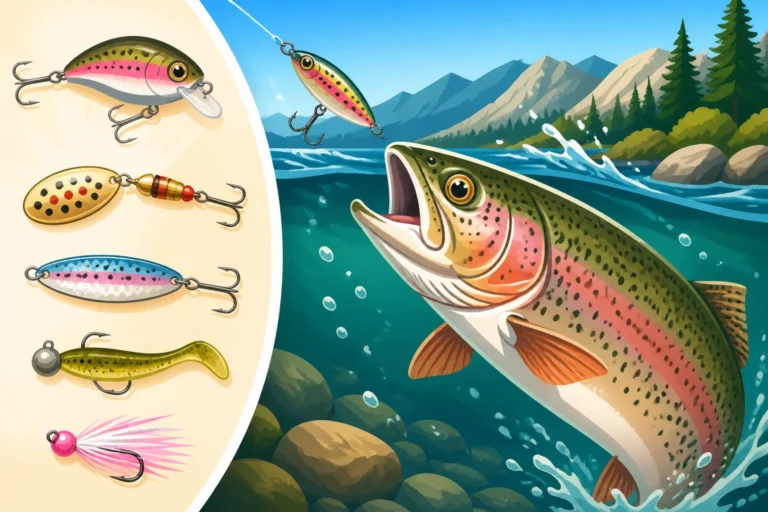
In high-elevation Sierra Nevada lakes and streams, the season is typically restricted to the warmer months, from late spring (May/June) through fall (October/November), as these waters are often inaccessible or frozen during winter. Post-snowmelt, these waters are pristine, and trout eagerly feed on insects. Fly fishing is particularly popular in these scenic environments.
In lower elevation lakes and reservoirs that are regularly stocked by the CDFW, fishing can be excellent during the cooler months, from fall through spring. During summer, these waters can become too warm for trout, forcing them into deeper, cooler water. Often, the best trout fishing in these areas is immediately after a stocking event. For example, Best Time to Fish Lake Tahoe will be different from a lower elevation urban lake.
Coastal rivers and streams that host steelhead runs have very specific seasons, typically in winter and early spring, when these anadromous rainbow trout return from the ocean to spawn. These fisheries are often catch-and-release only with strict gear restrictions. Always consult the California Trout Limits and Regulations before you go.
Crappie and Bluegill Best Times
For family-friendly fun and delicious panfish, crappie and bluegill are hard to beat. These species are abundant in many of California's freshwater lakes and reservoirs.
Crappie fishing shines in spring, particularly from March through May, when these fish move into shallow waters to spawn. They school up tightly, making it possible to catch a large number once you locate them. Small jigs, minnows, or even tiny spinners are incredibly effective. Later in the year, crappie will move to deeper cover, making them a bit more challenging to find, but they can still be caught. Early mornings and late evenings are often the most productive. For instance, Best Time to Fish Clear Lake will often focus on these spring crappie and bass bites.
Bluegill and other sunfish are available virtually year-round in most waters, but their peak activity, much like crappie, is during the spring and early summer spawning period. They are prolific breeders and are aggressive biters, making them ideal for kids and beginners. A simple worm under a bobber near docks, submerged brush, or lily pads is usually all it takes. During the hotter summer months, they might move a bit deeper, but they are still catchable throughout the day.
Anadromous Species: Salmon and Steelhead
California's anadromous fisheries – salmon and steelhead – are iconic but also some of the most complex and heavily regulated. These fish spend part of their lives in freshwater and part in the ocean, returning to their natal rivers to spawn.
King Salmon Runs on Major Rivers
King salmon (Chinook) are a highly prized species, known for their size, fighting ability, and delectable meat. Their freshwater runs into California's major rivers, such as the Sacramento, Feather, and American Rivers, typically occur in late summer and fall, with some rivers having spring or winter runs as well. The timing is entirely dependent on the specific river system, water levels, and temperature.
The fall run is generally the largest and most anticipated, with fish entering rivers from August through November. Anglers target them using various methods, including back-trolling plugs, drift fishing roe, or casting spinners. The ocean salmon season, where anglers target them before they enter the rivers, is also heavily regulated and typically runs from late spring into summer, but can be closed entirely some years due to stock concerns. These are some of the most dynamic and sensitive fisheries in California, so staying up-to-date on specific season dates and regulations is paramount. Check the CDFW website or local tackle shops before planning any salmon trip.
Steelhead Season Challenges and Rewards
Steelhead are ocean-run rainbow trout, and catching one is often considered a pinnacle achievement for many freshwater anglers. These powerful fish return to coastal rivers and streams to spawn, typically during the cooler, wetter months of winter and early spring. Their runs are highly dependent on rainfall and increased river flows, which provide the cues for them to migrate upstream.
The season for steelhead is usually from December through March or April, but this can vary by river and management area. Many steelhead fisheries are strictly catch-and-release, often requiring barbless hooks and artificial lures only. Fly anglers especially cherish the opportunity to target these elusive fish. Rivers like the Trinity, Klamath, and Eel are famous steelhead destinations. Success often requires persistence, knowledge of river currents, and specialized techniques like nymphing or swinging flies. Given the delicate nature of these populations, understanding and adhering to all California Fishing Regulations Explained is non-negotiable.
Unique Catches: Sturgeon and Catfish
Beyond the commonly targeted species, California offers some truly unique fishing experiences for those interested in prehistoric sturgeon or hardy catfish. These bottom dwellers provide a different kind of thrill and a substantial fight.
Sturgeon Fishing in Bays and Estuaries
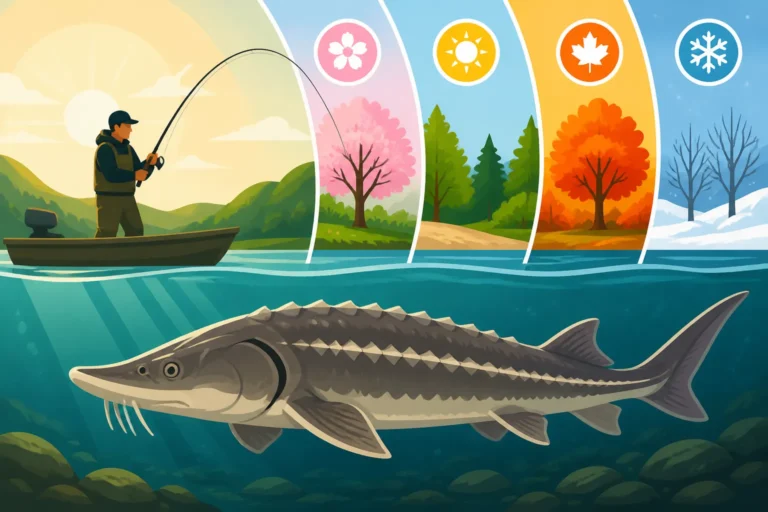
White sturgeon, often called "dinosaur fish," are the largest freshwater fish in North America, and California's bays and estuaries, particularly San Francisco Bay and the Delta, are prime locations to target them. The season for sturgeon is generally year-round, but the best fishing often occurs in the cooler months, from fall through spring.
During these periods, sturgeon are more active in bays and estuaries, feeding on a variety of prey. Winter can be particularly productive in the deeper channels of the Delta and bays when temperatures drop. Anglers typically fish for sturgeon using heavy tackle and bait like ghost shrimp, roe, or eel, fished on the bottom. The catch-and-release slot limit for sturgeon is very specific and strictly enforced to protect these long-lived fish. You'll need a California Sturgeon Report Card to legally fish for them, and reporting your catch is mandatory. Landing a sturgeon is an unforgettable experience, a testament to their incredible strength and ancient lineage.
Catfish Action in Lakes and Rivers
Catfish, including channel catfish, blue catfish, and bullheads, are widespread throughout California's warmer freshwater lakes, reservoirs, and slow-moving rivers. They offer excellent opportunities for relaxed, often productive, fishing.
The prime season for catfish is generally the warmer months, from late spring through early fall. During this time, water temperatures are higher, and catfish are most active, feeding aggressively. They are primarily nocturnal or crepuscular (active at dawn and dusk), so fishing during these low-light periods can be highly effective. Night fishing for catfish during summer is a classic California pastime.
Catfish are readily caught using a variety of baits, including smelly concoctions like chicken livers, blood baits, or prepared dough baits. Live or cut bait (like anchovies or shad) can also be very effective for larger channel and blue catfish. Many local tackle shops, and even big box stores, carry a range of specialized catfish baits and rigs. For those just getting into fishing, targeting catfish is a fantastic way to learn the ropes, as they are often abundant and provide consistent action.
Factors Beyond the Calendar that Impact Fishing
While understanding seasonal patterns is crucial, successful fishing in California involves looking beyond just the calendar. Numerous environmental factors can influence fish behavior and bite activity on any given day. Ignoring these can turn a "prime season" trip into a frustrating blank. To truly maximize your chances, you need to become a bit of a detective, observing and adapting to conditions.
Tides, Moon Phases, and Weather Patterns
For saltwater anglers, tides are king. The movement of water in and out of bays, estuaries, and along the coast directly impacts how and where fish feed. Strong tidal currents can concentrate baitfish and activate predators like halibut and striped bass. Conversely, slack tide periods, especially during neap tides, can often slow down the bite. Learning to read a tide chart and understanding how specific tidal movements affect your chosen fishing spot is invaluable. Many experienced anglers swear by the incoming or outgoing tide, depending on the species and location.
Moon phases are intrinsically linked to tides, with full and new moons producing stronger "spring" tides. Some anglers also believe moon phases directly influence fish feeding patterns, with certain phases being more productive for specific species, especially those that feed at night or in very clear water.
Weather patterns are a huge variable. A sudden cold front can shut down a bass bite, while strong winds can make offshore fishing impossible or dangerous. Conversely, overcast conditions can sometimes extend a morning bite, and stable weather patterns often lead to more consistent fishing. Even subtle changes in barometric pressure can affect how fish behave, often pushing them deeper or making them less active. Always check the forecast before heading out. Sometimes, the best strategy is simply to stay home if the weather is truly miserable.
Water Clarity and Forage Availability
Water clarity is another critical factor, particularly in both fresh and saltwater. Extremely clear water can make fish wary and more difficult to approach, especially for sight-feeding predators like corbina or trout. Conversely, overly turbid water (often after heavy rains or strong winds) can reduce visibility, making it hard for fish to find bait or for anglers to effectively present lures. Often, a moderate level of clarity is ideal, where fish can see bait but aren't spooked by your presence. Fishing after heavy rains in a river system might require different strategies, like using scent-enhanced baits or brighter lures, compared to clear water conditions.
Perhaps the most fundamental driver of fish behavior is forage availability – what they're eating and if there's plenty of it. Fish go where the food is. For saltwater species, this means following baitfish schools like anchovies, sardines, and mackerel. For freshwater fish, it could mean being near schools of shad, crawfish, or abundant insect hatches. When the "bait ball" is present, the predators aren't usually far behind. This is why a good fish finder, or even simply observing birds diving, can be so effective in locating fish. Understanding the local baitfish and insect populations, and trying to "match the hatch" with your lures or bait, is a core principle of Best Fishing Techniques for California Waters. Without food, fish simply won't be there, no matter what the calendar says.
California Species Fishing Calendar Quick Reference
To help you visualize the general prime seasons for some of California's most popular fish, here's a quick reference table. Remember, these are general guidelines, and local conditions, regulations, and year-to-year variations can always alter the actual bite. Always check current regulations and local reports before your trip!
| Species | Primary Habitat | General Prime Season | Key Factors | Notes |
|---|---|---|---|---|
| Yellowtail | Offshore SoCal | Late Spring – Fall (Peak Summer) | Warm water, bait presence, kelp paddies | Can be found around islands and offshore banks. |
| Bluefin Tuna | Offshore SoCal | Late Spring/Early Summer – Fall | Warm water, bait schools, long runs offshore | Highly migratory, trophy-sized potential. |
| Halibut | Bays, Beaches, Nearshore | Late Spring – Summer | Spawning aggregations, baitfish, tides | Also caught year-round in some areas. |
| White Seabass | Kelp Beds, Rocky Reefs | Late Spring – Early Summer | Squid spawns, structure, warm water | Often a nocturnal bite. |
| Rockfish | Rocky Reefs, Kelp | Spring – Fall (Variable by Region) | Depth regulations, structure, bait | Check California Rockfish Rules in the Central Management Area for specific regulations. |
| Lingcod | Deep Reefs, Structure | Spring – Fall (Peak Late Fall/Winter) | Structure, depth, aggressive feeders | Often caught alongside rockfish. |
| Striped Bass | Delta, Bays, Rivers | Spring & Fall (Year-round presence) | Tides, baitfish migrations, spawning cycles | Strong fighters, can be caught from shore. |
| Largemouth Bass | Lakes, Reservoirs | Spring & Fall (Post-spawn Summer) | Spawning cycles, water temperature, cover | World-class trophy opportunities. |
| Rainbow Trout | Lakes, Rivers, Streams | Year-round (Seasonal by Elevation) | Stocking schedules, water temp, insect hatches | High Sierra summer, lowland winter. |
| King Salmon | Ocean, Rivers | Late Spring (Ocean), Late Summer-Fall (Rivers) | Ocean conditions, river flows, spawning runs | Highly regulated, can be challenging. |
| Steelhead | Coastal Rivers | Winter – Early Spring | Rainfall, river flows, spawning migration | Catch & release, often fly fishing focused. |
| Sturgeon | Bays, Delta | Fall – Spring (Year-round presence) | Tides, bait, bottom structure | Prehistoric fighters, strict slot limits. |
| Catfish | Lakes, Warm Rivers | Late Spring – Early Fall | Warm water, nocturnal feeding | Great for family fishing, often night fishing. |
This table highlights just a few of the fantastic opportunities awaiting you. For a broader perspective on the entire year, consider consulting our detailed guide on California Fishing Seasons: Month-by-Month Guide.
Disclaimer
Fishing regulations in California are subject to change by the California Department of Fish and Wildlife (CDFW) based on scientific data and conservation efforts. Always consult the most current CDFW regulations booklet or their official website before engaging in any fishing activity. This guide is for informational purposes only and should not be considered a substitute for official regulations.