California Ice Fishing Tips and Techniques
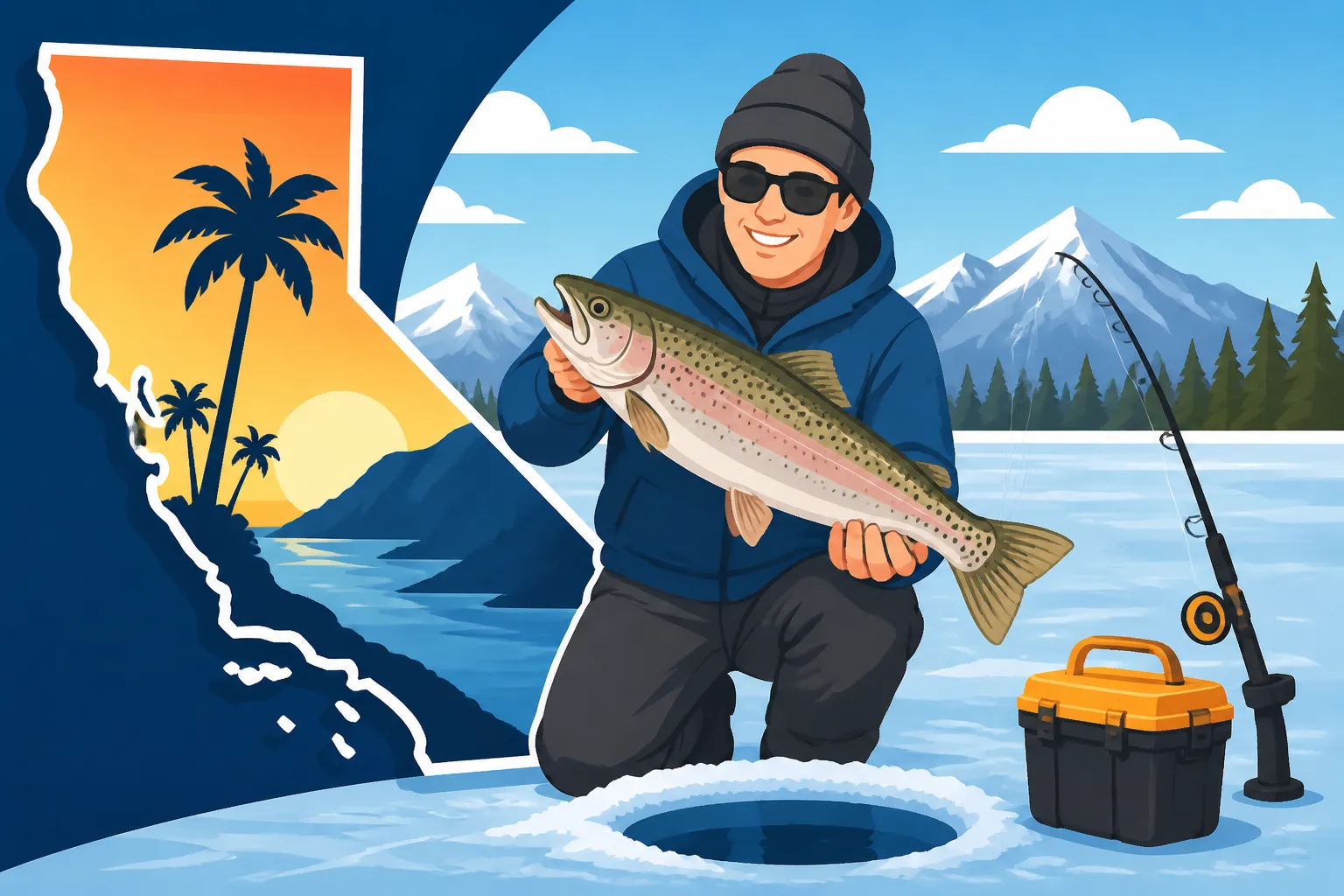
For many newcomers to fishing in California, the idea of ice fishing can seem like something out of a fantasy, given our generally mild climate. It's a common misconception that the Golden State is too warm for sustained ice, leading many to believe this unique angling experience isn't even possible here. But believe it or not, with a little planning and heading to the right elevations, you can absolutely enjoy the thrill of drilling a hole and pulling fish from beneath a frozen surface. This guide will take you through everything you need to know, from finding the right spots to the specialized techniques that will make your California ice fishing adventure a success.
The Reality of Ice Fishing in California
Let's be honest, when most people think of California, they picture sun-drenched beaches, deserts, or towering redwood forests. Ice fishing usually brings to mind images of Minnesota or Wisconsin. However, California's incredible geographic diversity, particularly its high-elevation regions, offers legitimate and exciting ice fishing opportunities. It's not widespread, and the season can be fickle, but it's very real and incredibly rewarding for those willing to venture into the colder parts of the state.
Where to Find Reliable Ice
The secret to finding good ice in California lies almost exclusively in the Eastern Sierra Nevada mountains and other high-altitude areas. These are the places where winter truly settles in, bringing sustained freezing temperatures necessary to form safe, fishable ice. We're talking about lakes that sit at elevations of 6,000 feet or more, where the air stays cold enough for weeks, sometimes months, to create a solid cap. Lower elevation lakes, even those in colder valleys, rarely see consistent, safe ice due to warmer overnight temperatures or strong winds that break up developing ice sheets. You really need to commit to a drive up into the mountains to find the right conditions.
Consider locations like Crowley Lake in Mono County, which is perhaps California's most famous ice fishing destination. Then there are numerous smaller, often less-known lakes and reservoirs scattered throughout the Eastern Sierra, such as Bridgeport Reservoir, Caples Lake, and Red Lake near Carson Pass. These spots are your best bet for finding the consistent ice needed for a safe and productive day on the frozen water. Always check local conditions and ice reports before heading out, as conditions can change rapidly. For a broader look at where else you might cast a line, check out our guide on the Best Fishing Spots in California.
The Short Season Challenge
Unlike states where ice fishing can last for several months, California's ice fishing season is generally quite short and highly dependent on winter weather patterns. Typically, you're looking at late December through March, with January and February usually offering the most reliable and safest ice. Some years, if we get an early cold snap and heavy snow, the season might start earlier, or a lingering cold spell could extend it into April in very high elevations.
However, mild winters or sudden warm fronts can severely limit the season, making it crucial to stay informed about local conditions. This short window means that when the ice is good, you really need to seize the opportunity. It's not a sport you can casually plan months in advance; it requires a bit more spontaneity and willingness to adapt to Mother Nature's schedule. This unpredictability can be frustrating, but it also adds to the unique charm of the California ice fishing experience, making those successful days feel all the more special.
Permits and Regulations for Frozen Waters
Just like any other form of fishing in California, ice fishing requires you to follow specific rules and have the right permits. First and foremost, you'll need a valid California fishing license. There's no special "ice fishing license," but your standard annual or short-term license will cover you. You can learn more about how to get one in our California Fishing License Guide.
Beyond the general license, it's absolutely crucial to familiarize yourself with the California Freshwater Fishing Regulations for the specific water body you plan to fish. Size limits, bag limits, and even specific gear restrictions can vary significantly from lake to lake, especially in the sensitive Sierra Nevada regions. For example, some areas might have special regulations for trout, which are a primary target for ice anglers. Always check the current California Department of Fish and Wildlife (CDFW) regulations booklet or their online resources before you go. Additionally, if you're targeting species like trout, you'll want to review the California Trout Limits and Regulations for your specific destination. Ignoring these rules can lead to hefty fines, or worse, impact the very fisheries we all cherish.
Essential Gear for California Ice Fishing
Once you've wrapped your head around the "where" and "when," it's time to talk about the "what." Ice fishing isn't just regular fishing done on ice; it requires specialized gear designed to withstand cold temperatures, cut through ice, and effectively target fish in a unique environment. Don't underestimate the importance of quality equipment – it makes a huge difference in comfort, safety, and success.
Shelter and Warmth
California ice fishing, while beautiful, can get cold. Even on a sunny day at elevation, the air temperature can be well below freezing, and the wind can make it feel even colder. A good shelter, often called an ice shanty or portable ice hut, can be a game-changer. These shelters provide a crucial barrier against the wind and help trap warmth, making your day much more enjoyable and extending your time on the ice. They range from simple flip-over models for one or two people to larger pop-up hubs that can accommodate a small group. Many even have dark interiors, which allows you to see down your fishing hole better, spotting subtle bites.
Alongside a shelter, a portable heater is almost a necessity. Small propane heaters, like those from Mr. Heater, are incredibly popular for their efficiency and ease of use. Just remember to always ensure adequate ventilation to prevent carbon monoxide buildup. Staying warm isn't just about comfort; it's a critical safety measure, preventing hypothermia and frostbite. Don't forget insulated boots, layered clothing (especially wool or synthetics), and a good hat and gloves. You can find many reliable options for these essentials on platforms like Amazon, making it easy to prepare.
Augers: Manual vs. Power
To get to the fish, you first need to get through the ice. That's where an auger comes in. This specialized tool is essentially a giant drill designed to cut clean holes through thick ice. There are two main types:
- Manual Augers: These are hand-cranked and perfect for thinner ice (under 10 inches) or for those who want a good workout. They are lightweight, relatively inexpensive, and don't require fuel or batteries. For California's often moderate ice conditions, a good manual auger can be perfectly sufficient, especially for shorter trips or when moving frequently. Brands like Eskimo and Jiffy make excellent manual options.
- Power Augers: These are gas-powered or electric, making quick work of even very thick ice. Gas augers are powerful but can be noisy, emit fumes, and require fuel. Electric augers, powered by rechargeable lithium-ion batteries, have become incredibly popular in recent years. They are quiet, emit no fumes, and are often lighter than gas models. The StrikeMaster Lite-Flite Lazer Drill Unit, for example, is a fantastic lightweight electric option that pairs with most cordless drills. If you're planning on multiple holes, thicker ice, or want to conserve energy, a power auger is a wise investment. You'll find a wide range of these available on Amazon, often with competitive pricing and reviews from other ice anglers.
| Auger Type | Pros | Cons | Ideal For |
|---|---|---|---|
| Manual | Lightweight, inexpensive, no fuel/batteries | Labor-intensive, slower on thick ice | Thinner ice, light use, budget-conscious anglers |
| Gas Powered | Powerful, fast, cuts through very thick ice | Heavy, noisy, fumes, requires fuel/maintenance | Thick ice, many holes, minimal effort |
| Electric | Quiet, no fumes, fast, lighter than gas | Battery life concerns, typically higher upfront cost | Thick ice, convenience, environmental considerations |
Rods, Reels, and Line for the Chill
While you can use your regular open-water gear for ice fishing, specialized ice fishing rods and reels are designed for better performance in freezing conditions. Ice fishing rods are much shorter, usually 24 to 36 inches long, allowing you to fish comfortably inside a shelter or close to the hole. They typically have a more sensitive tip for detecting subtle bites, which are common when fish are lethargic in cold water.
For reels, a small spinning reel works well, but ensure it's rated for cold weather. Lubricants in standard reels can stiffen in the cold, making them sluggish. Some anglers prefer specific ice fishing reels that are more open to prevent ice buildup.
Line choice is also critical. Monofilament can absorb water and freeze, leading to kinks and reduced sensitivity. Fluorocarbon is a good all-around choice as it's nearly invisible underwater and doesn't absorb water. Braided line is also excellent for sensitivity and strength, but it requires a leader to keep it invisible, and it can freeze to your reel spool if not managed carefully. Look for ice-specific lines from brands like Berkley or Sufix that are designed to perform in sub-zero temperatures. Always go with slightly lighter line than you might for open water, as the smaller lures and often finicky bites demand a more delicate presentation.
Key Techniques for Success on California Ice
Ice fishing isn't just about dropping a line down a hole and waiting. While patience is certainly a virtue, understanding the unique behaviors of fish under the ice and employing the right techniques can drastically improve your catch rate. In the cold, fish metabolisms slow down, making them less aggressive and more subtle in their feeding.
Jigging and Deadsticking
These are the two fundamental techniques for ice fishing, and mastering them will serve you well on California's frozen lakes.
- Jigging: This involves actively moving a small lure (a jig) up and down, enticing fish to strike. The idea is to mimic a fleeing baitfish or insect. Start by dropping your jig to the bottom, then reel up a foot or so. From there, use subtle wrist movements to lift and drop the rod tip, making the jig dance. Experiment with different jigging cadences: fast, slow, small twitches, larger lifts. After a few seconds of jigging, pause completely. Many strikes occur on the pause as the fish decides to commit. Lures like spoons, small swimbaits, or even vertical jigs are excellent for this. The key is to be active but also patient, letting the fish respond to your presentation.
- Deadsticking: This is a more passive technique, often used in conjunction with jigging. It simply means leaving a second rod (if regulations allow) in a rod holder with a bait or a very lightly jigged lure. The rod is "dead-sticked" – motionless. Often, a fish that is hesitant to strike an actively jigged lure will take a more natural, stationary bait. This is particularly effective with live bait (where legal) or scented artificial baits. Many anglers will jig one hole while deadsticking another nearby, doubling their chances and allowing them to figure out what the fish prefer on any given day. Remember to always use a light bobber or a sensitive rod tip to detect the subtle bites on your deadstick.
Bait and Lure Choices
Choosing the right bait and lure can make all the difference, especially when fish are less active.
- Jigs and Spoons: Small tungsten jigs, often tipped with a piece of bait, are incredibly popular. Their compact size but heavy weight allows them to sink quickly. Popular colors include chartreuse, glow-in-the-dark, and natural patterns. Small spoons, which flutter and flash as they drop, are also highly effective, especially for trout. Brands like Lindy, Clam, and Northland make a wide variety of excellent ice fishing jigs and spoons.
- Live and Scented Baits: Often, natural bait is irresistible to lethargic fish. Mealworms, wax worms, small minnows (where legal), and even corn (for trout in some areas) can be incredibly effective when tipped on a jig or used with a deadstick. PowerBait, especially the trout dough varieties, is another go-to for many California anglers targeting planted trout under the ice. Always verify local regulations regarding the use of live bait, as rules can vary.
- Soft Plastics: Tiny soft plastic baits, often shaped like larvae, worms, or small minnows, can also be rigged on small jigs. The subtle action and wide range of colors can trigger strikes when nothing else works. Many of these are available at local tackle shops or online retailers like Amazon.
Reading the Ice and Locating Fish
Just like open water, fish don't spread out evenly under the ice. They concentrate in specific areas, and finding those "sweet spots" is crucial.
- Structure: Look for underwater structure that attracts fish in open water – submerged rock piles, weed lines (if visible), drop-offs, and points. Fish will often relate to these features for cover or ambush points. Your fish finder (flasher or portable sonar) becomes an invaluable tool here, showing you bottom contours and fish activity.
- Depth: Experiment with different depths. Sometimes fish are suspended high in the water column; other times, they're hugging the bottom. On bright, sunny days, fish might move deeper to escape light penetration. On cloudy days, they might be shallower. Don't be afraid to drill multiple holes at varying depths and distances from shore to find where the fish are holding.
- Hole Hopping: This is an active approach where you drill several holes, fish each for 10-15 minutes, and if you don't get a bite, move to the next. It's often more effective than sitting in one spot all day, especially when searching for active fish. With an electric auger, this technique becomes much less physically demanding.
Top Ice Fishing Spots in the Golden State
While California isn't dotted with thousands of frozen lakes, the few reliable spots we do have offer fantastic ice fishing. These high-elevation gems in the Sierra Nevada provide consistent ice and a chance to catch some beautiful cold-water species.
Eastern Sierra Gems
The Eastern Sierra is undoubtedly the mecca for ice fishing in California. This rugged region, east of Yosemite and Mammoth Lakes, is home to a concentration of high-altitude lakes that consistently freeze over each winter.
- Crowley Lake: Hands down, this is the most famous and popular ice fishing destination in California. Located in Mono County, Crowley is a large reservoir known for its trophy-sized trout – rainbows, browns, and cutthroat. The season here is typically robust, with good ice often from late December through March. Access can be tricky depending on snow levels, but numerous guides operate in the area, and it's well-supported by local tackle shops like Crowley Lake Fish Camp. The vastness of Crowley means there's always a new spot to explore, and the sheer number of fish makes it a fantastic experience. You can delve deeper into this specific spot with our guide on Crowley Lake: Fish Species and Best Spots.
- Bridgeport Reservoir: Further north in Mono County, Bridgeport Reservoir offers another excellent opportunity for trout and even some perch. It freezes reliably, often having thicker ice than Crowley due to its slightly higher elevation and more consistent winter temperatures. The town of Bridgeport provides services and bait, making it a convenient base camp.
- Caples Lake: Located near Carson Pass on Highway 88, Caples Lake is a stunning alpine lake that freezes solid in most winters. It's known for its rainbow and Mackinaw (lake trout). This spot can see heavy snow, so road access is crucial. Always check Caltrans for Highway 88 conditions before planning a trip.
Other High-Elevation Opportunities
Beyond the main Eastern Sierra spots, a few other high-altitude lakes can offer ice fishing, though their reliability might be more variable.
- Red Lake (Carson Pass): Also on Highway 88 near Caples Lake, Red Lake is a smaller, beautiful high-mountain lake that can offer good brook trout fishing through the ice. It's a bit more remote and less frequented, offering a more serene experience.
- Lake Tahoe (with extreme caution): While a small portion of Lake Tahoe might occasionally develop thin ice in very cold, calm coves, the vast majority of Lake Tahoe is too deep and too large to ever safely freeze for ice fishing. Do not attempt to ice fish on the main body of Lake Tahoe. The lake is enormous, and conditions are highly unpredictable. There are smaller, adjacent ponds or lakes in the Tahoe Basin that might offer opportunities, but these are exceptions. For general information about this iconic body of water, see our Lake Tahoe Fishing Guide.
- Alpine County Lakes: Several smaller, less-known lakes in Alpine County, often requiring snowmobile or snowshoe access, can offer pristine ice fishing for various trout species. These are generally for more adventurous and experienced ice anglers due to the remote nature and lack of services.
When considering these spots, always refer to local fishing reports and ice condition updates from bait shops or online forums. The safety aspect cannot be overstated. For a comprehensive overview of cold-weather angling, check out our piece on California Fishing in Winter.
Safety First: Staying Safe on California Ice
Ice fishing is an incredible sport, but it comes with inherent risks, primarily related to the stability of the ice itself. Unlike open-water fishing, a mistake on the ice can be life-threatening. Prioritizing safety is paramount, especially in California where ice conditions can be less consistent than in traditionally colder states.
Checking Ice Thickness
This is the golden rule of ice fishing: No ice is 100% safe. Always assume that ice can be unpredictable and constantly check its thickness as you venture out. The general guideline for safe ice is:
- 2 inches or less: STAY OFF! Absolutely not safe.
- 4 inches: Safe for ice fishing on foot.
- 5-7 inches: Safe for a snowmobile or ATV.
- 8-12 inches: Safe for a small car or light truck.
- 12-15 inches: Safe for a medium truck.
However, these are general guidelines. Always factor in the specific conditions: moving water under the ice, pressure cracks, areas around inlets/outlets, and areas with underwater springs can all compromise ice thickness, even if surrounding areas are thick. Use an ice chisel or an auger to drill test holes as you walk out. Don't rely solely on tracks from others – they might have gone out when conditions were different. A spud bar (ice chisel) is essential for testing ahead of you as you walk, giving you an audible warning if the ice is getting thin.
Remember that ice thickness can vary even over short distances on the same lake. A warm spell followed by a freeze can create layers of weak ice, or a heavy snowfall can insulate the ice, preventing it from thickening further. When in doubt, don't go out.
Layering for Extreme Cold
Even when the sun is out, the combination of cold air, wind, and prolonged exposure on the ice can quickly lead to hypothermia if you're not dressed properly. Layering is the key, and it's something every experienced angler knows.
- Base Layer: Start with moisture-wicking synthetic or merino wool base layers against your skin. Avoid cotton, which absorbs sweat and loses its insulating properties when wet, making you colder.
- Mid-Layers: Add insulating layers like fleece jackets, down vests, or wool sweaters. These trap warm air close to your body.
- Outer Layer: Your outermost layer should be waterproof and windproof. A good quality ice fishing suit, like those from Striker Ice or Clam, often includes flotation assistance and is specifically designed to keep you warm and dry, even if you accidentally go through the ice.
- Extremities: Don't forget your head, hands, and feet. A warm hat (or two), insulated gloves or mittens, and high-quality, waterproof, insulated boots are critical. Consider hand warmers or foot warmers for extra comfort.
The goal is to be able to add or remove layers as your activity level or the temperature changes, preventing both overheating (which leads to sweating and later cold) and chilling.
Emergency Preparedness
While no one wants to think about the worst-case scenario, being prepared for an emergency on the ice is a non-negotiable part of ice fishing.
- Ice Picks: These are small, sharp tools connected by a cord and worn around your neck. If you fall through, you can use them to get a grip on the ice and pull yourself out. They are inexpensive and can be life-saving. You can easily find them on Amazon.
- Rope: Carry a length of rope (at least 50 feet) that can be thrown to someone who has fallen through the ice.
- Buddy System: Never ice fish alone. Always go with a friend or a group. This ensures someone is there to help if something goes wrong.
- Communication: Have a fully charged cell phone (in a waterproof bag) or a satellite communication device for areas with no cell service.
- Change of Clothes: Keep a dry set of clothes in a waterproof bag in your vehicle. If you get wet, you'll need to change immediately to prevent hypothermia.
- Navigation: If you're in a whiteout or unfamiliar territory, a GPS device or a reliable map and compass can prevent you from getting lost.
Always tell someone where you are going and when you expect to return. Being prepared isn't about being paranoid; it's about being responsible and ensuring you can enjoy the sport safely.
Species You'll Encounter and Their Habits
While ice fishing might not offer the same species diversity as California's saltwater or warmer freshwater environments, the primary targets are well-loved and put up a great fight. Understanding their winter behavior is key to a successful day. For more on what you can expect to catch, explore our guide on California Fish Species: Complete Guide.
Trout Species on Ice
Trout are the undisputed kings of California's ice fishing scene, with several species commonly caught through the ice.
- Rainbow Trout: These are the most commonly stocked and caught trout species. They are often active throughout the winter and respond well to small jigs tipped with bait (like a mealworm or PowerBait), small spoons, or even tiny soft plastics. Rainbows are generally found throughout the water column, often cruising near drop-offs or subtle structure. If you're looking to target these, a good resource is How to Fish for Trout in California.
- Brown Trout: Known for their predatory nature and often larger size, brown trout can be a prized catch on the ice. They tend to relate more closely to bottom structure and might prefer slightly larger lures, like spoons or minnow-imitating jigs. They can be more elusive than rainbows but are well worth the effort.
- Brook Trout: These beautiful, smaller trout are often found in higher, more remote alpine lakes. They are typically aggressive feeders, even in cold water, and will readily hit small jigs tipped with bait. If you find a school, you can often catch several in quick succession.
In winter, trout's metabolism slows, making them less aggressive. They often bite very subtly, so a sensitive rod tip and keen attention are critical. They might "mouth" the bait rather than aggressively strike, so set the hook at the slightest twitch or unusual resistance. Reviewing the California Trout Regulations and Limits for specific areas is always a good idea.
Kokanee and Other Panfish
While trout dominate, other species can provide excellent action through the ice, especially for those looking for a different challenge or a tasty meal.
- Kokanee Salmon: These landlocked sockeye salmon are incredibly popular with ice anglers in lakes like Lake Pardee (though rarely freezes enough for ice fishing) and some Eastern Sierra waters. They are notorious for being finicky eaters, often preferring small, brightly colored jigs or spoons, sometimes tipped with a kernel of corn or a maggot. Kokanee typically suspend in schools in the water column, so a fish finder is invaluable for locating them. When you find a school, the action can be fast and furious!
- Perch: Yellow perch are found in some California lakes, including Bridgeport Reservoir, and provide fantastic ice fishing action. They are aggressive feeders and often school in large numbers, making them a great target for beginners or those seeking consistent bites. Small jigs, grubs, and tiny spoons are very effective for perch. They are also excellent eating!
- Crappie and Bluegill: While less common for ice fishing in California due to most crappie and bluegill lakes not freezing reliably, these panfish can occasionally be caught through the ice in specific, colder ponds or reservoirs. If found, they will respond to tiny jigs and live bait.
Understanding Winter Fish Behavior
Fish behavior changes significantly in cold water, and understanding these shifts is fundamental to success.
- Slower Metabolism: As water temperatures drop, fish metabolism slows down. This means they digest food slower, require less energy, and therefore feed less frequently and less aggressively. Your presentations need to be slower, more subtle, and often smaller.
- Schooling: Many species, especially perch and kokanee, will school up in winter, often for protection or to find warmer pockets of water (e.g., deeper water maintains a more stable temperature). If you find one, you're likely to find many. A fish finder is invaluable for locating these schools.
- Depth and Structure: Fish often relate to structure and depth changes for shelter from currents, predation, and to find stable water temperatures. They might gravitate towards the deepest parts of a lake, or conversely, find comfort along subtle contour changes near shore.
- Light and Weather: Bright, sunny days can push fish deeper, while cloudy days might see them shallower. Barometric pressure changes, often associated with approaching weather systems, can also influence feeding activity. A steady, consistent weather pattern often leads to more predictable fishing. To understand how larger environmental factors play a role, consider reading our article on How Weather Affects California Fishing.
By adapting your techniques and understanding how these cold-water conditions affect your target species, you'll greatly increase your chances of a successful and memorable California ice fishing adventure.
Disclaimer
Fishing, particularly ice fishing, involves inherent risks. Always prioritize your safety and adhere to all local, state, and federal regulations. Conditions can change rapidly, and personal judgment is critical. This guide is for informational purposes only, and we are not liable for any accidents or injuries. Consult official sources for the most current rules and ice conditions before venturing out.