Yo-Yo Jigging for Yellowtail
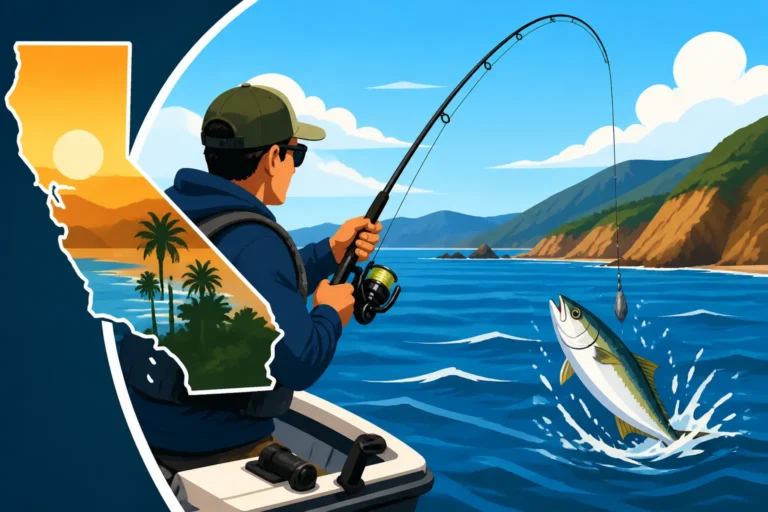
Oh, the sheer frustration of being out on the water, spotting those tell-tale boils or seeing marks on the sonar, knowing those powerful California yellowtail are lurking, but just not getting them to bite! It's enough to make even the most seasoned angler pull their hair out. This guide is all about one of the most exciting and effective ways to target these formidable fighters: yo-yo jigging. We're going to dive deep into everything you need to know to transform those missed opportunities into exhilarating battles and filled coolers.
Understanding Yo-Yo Jigging and Why It's a Yellowtail Magnet
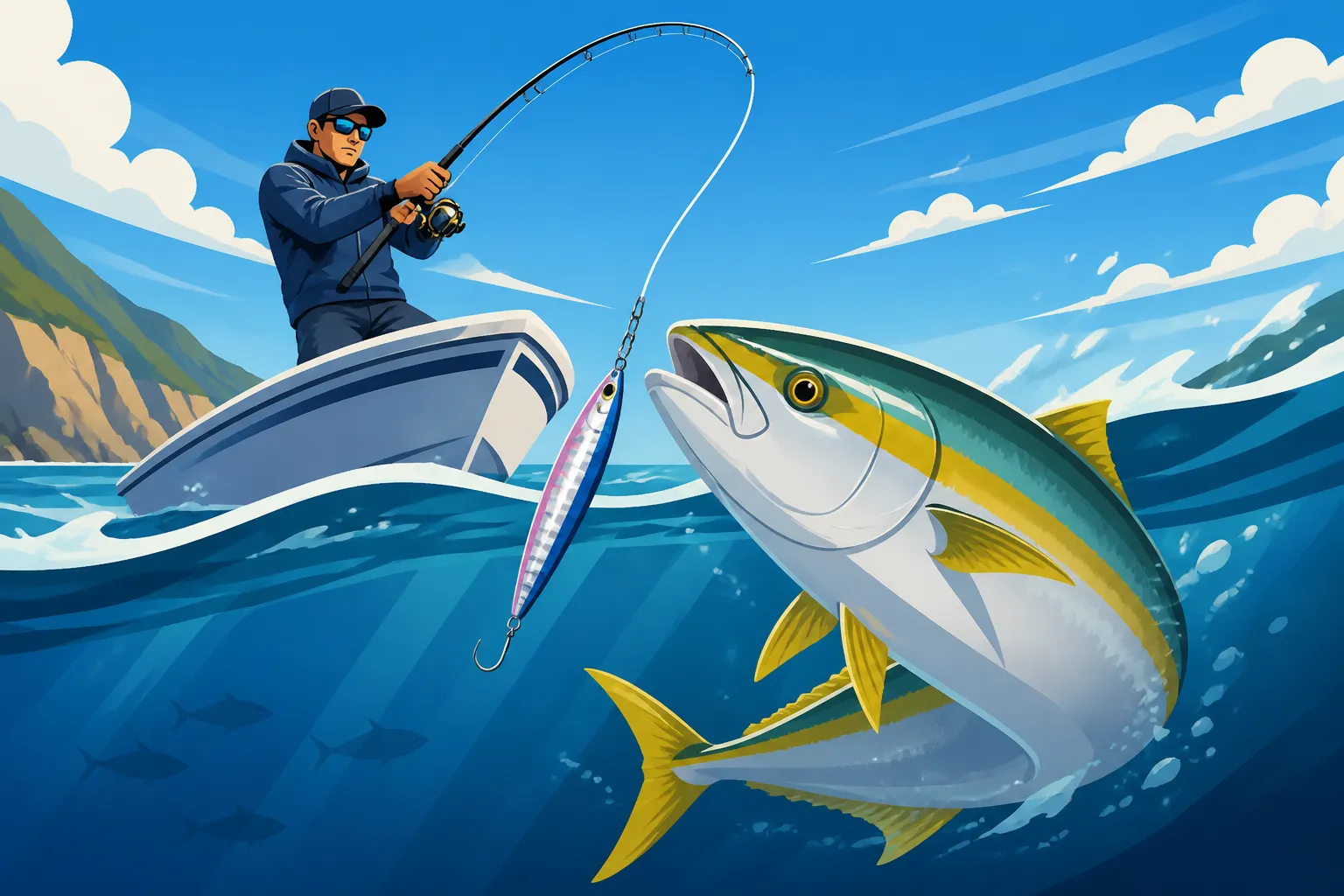
Yo-yo jigging isn't just a fishing technique; it's an art form born out of the necessity to get a lure down fast and imitate an injured baitfish to provoke a reaction strike. Unlike traditional casting and retrieving, yo-yo jigging involves dropping a heavy, metal jig rapidly through the water column, then retrieving it with a quick, rhythmic motion. This method is incredibly effective for pelagic species like yellowtail, which are highly predatory and often respond aggressively to fast-moving, erratic presentations. If you've ever felt the sheer force of a yellowtail hitting a jig 100 feet down, you know there's nothing quite like it!
The Lure of the Dying Baitfish Imitation
At its core, yo-yo jigging mimics a wounded or panicked baitfish trying to escape. When your jig plummets through the water, it flashes and flutters, much like a baitfish in distress. Then, as you retrieve it with those sharp, upward sweeps of the rod, it darts and vibrates, sending out irresistible signals to nearby predators. Yellowtail, being opportunistic and highly competitive hunters, can't resist this display. They see an easy meal or a threat invading their territory, and often, their instinct to strike overrides any caution they might have. It's less about them being actively feeding on your particular lure and more about triggering that innate predatory response. This is why it works so well even when they seem finicky about live bait.
Triggering That Aggressive Reaction Strike
Yellowtail are often found schooling around structure, kelp beds, or deep bait balls, especially in areas off the Southern California coast like around Catalina Island or San Clemente Island. When you drop a heavy jig into these zones, you're essentially crashing a party. The speed and erratic action of the jig are key to triggering what's known as a reaction strike. The fish doesn't have time to inspect the lure; it just sees a fast-moving object that needs to be eaten or chased away. This is particularly effective when the yellowtail are holding deep, perhaps on the edge of a thermocline or hugging the bottom, where they might not be actively chasing surface baits. A jig dropped right through their zone is often too tempting to ignore, leading to that heart-stopping "thump" that signals a hook-up. Learning how to properly execute yo-yo jigging for yellowtail can really make a difference on your next trip.
Essential Gear for Yo-Yo Jigging Success
Getting your gear dialed in for yo-yo jigging yellowtail is absolutely paramount. You're not just casting a little lure; you're often dropping heavy metal jigs into deep water and then trying to wrestle a powerful fish back to the boat. This demands robust, specialized equipment that can handle the stress and strain. Skimping on tackle here will lead to heartbreak, lost fish, and a lot of frustration. Let's make sure you're properly armed.
Rods and Reels: Power, Sensitivity, and Drag
For yo-yo jigging, you need a rod with a fast action, meaning the tip is sensitive enough to detect subtle bites but the backbone is strong enough to set a hook deep and muscle a large yellowtail. Rods typically range from 6 to 7.5 feet in length. You want something stout, designed for 40-80 pound line, with a good parabolic bend under pressure. Brands like Shimano, Okuma, and Penn offer excellent options for this type of fishing. The ideal reel is a conventional reel, known for its incredible cranking power and superior drag system. A two-speed reel is a fantastic advantage, allowing you to quickly retrieve slack in high gear and then shift to low gear for brute force when fighting a stubborn fish. Look for reels with a strong, smooth drag capable of handling 20-30 pounds of pressure consistently. The drag is your lifeline; a sticky or uneven drag will quickly lead to break-offs.
Line Choices: Braid, Mono, and Fluorocarbon Considerations
Your line setup is critical for success in yo-yo jigging. The main line should almost always be braided line. Why braid? Because it has virtually no stretch, which means you get incredible sensitivity, feeling every bump and subtle tap, and a solid hookset even in deep water. It also cuts through water better than mono, helping your jig get down faster. A good starting point is 50-80 pound test braided line.
You'll then need a leader, and this is where fluorocarbon comes in. Fluorocarbon is nearly invisible underwater, which can be a huge advantage when yellowtail are a bit spooky. It also offers excellent abrasion resistance, which is important when fishing around kelp or rocky structure. A 40-60 pound fluorocarbon leader, typically 5-10 feet long, is a solid choice. Connect your braid to your fluorocarbon leader using a strong knot like an FG knot or an Alberto knot. Many anglers find these knots reliable for heavy-duty connections. You can find quality braided and fluorocarbon lines on Amazon, ensuring you're stocked up before your next trip.
| Component | Description | Key Features | Common Options |
|---|---|---|---|
| Rod | Fast action, heavy power rod for jigging | 6-7.5 ft, 40-80 lb line rating, strong backbone, sensitive tip | Shimano Teramar, Okuma PCH Custom, Phenix Black Diamond |
| Reel | Conventional (star or lever drag), high gear ratio, strong drag | High retrieve rate, 20-30+ lbs drag, smooth operation, robust gears | Shimano Talica, Penn Fathom, Okuma Makaira |
| Main Line | Braided fishing line | No stretch, high sensitivity, thin diameter, strong | 50-80 lb test, various brands available from stores like Amazon |
| Leader | Fluorocarbon leader | Low visibility, abrasion resistant, good knot strength | 40-60 lb test, 5-10 ft length, excellent for stealth |
| Jigs | Heavy metal jigs designed for vertical jigging | 4-10 oz, various colors (blue/chrome, scrambled egg), slender profile | Salas 7X, Kicker 25, Raider 200, Tady 45 |
| Swivel | High-quality ball bearing swivel | Prevents line twist, strong connection | Heavy-duty ball bearing swivels, 100+ lb rating |
The Jigs: Weight, Color, and Profile
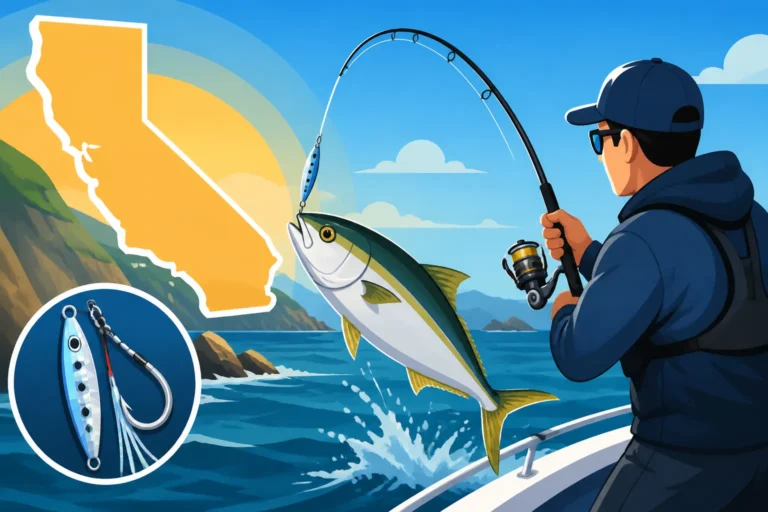
The jig itself is the star of the show! For yo-yo jigging yellowtail, you'll primarily be using heavy, compact metal jigs. Weights typically range from 4 ounces for shallower water or lighter current, all the way up to 10 ounces or more for deep water or strong drifts. The goal is to get your jig to the bottom, or to the depth where the fish are holding, as quickly as possible. Popular California jig brands include Salas, Tady, and Kicker, with models like the Salas 7X or Tady 45 being iconic for yellowtail.
When it comes to color, blue-and-chrome is a perennial favorite, mimicking mackerel or sardines. Other effective colors include green-and-chrome, purple-and-black, or even the "scrambled egg" (yellow and orange) pattern, especially in deeper, darker water. It’s always a good idea to have a variety of weights and colors on hand, as yellowtail can be particular on any given day. The profile matters too; a slender, fast-dropping jig is usually preferred for yo-yoing, allowing it to cut through the water column efficiently and get into the strike zone quickly. Don't forget to check your hooks and split rings; replace any weak or rusty components with strong, sharp replacements – a big yellowtail will find any weakness!
Mastering the Yo-Yo Jigging Technique
Yo-yo jigging might sound simple, but there's a definite rhythm and finesse involved that separates consistent producers from those just going through the motions. It's not just about dropping and cranking; it's about connecting with your lure, feeling the nuances of the retrieve, and being ready for that explosive strike at any moment. This technique requires constant attention and adaptation, much like any other specialized form of fishing.
The Drop and the Retrieve: Finding the Rhythm
The technique starts with the drop. Once you're over a likely spot – perhaps a sonar mark indicating a bait ball or a school of yellowtail – free-spool your jig directly to the desired depth. This could be the bottom, or if you see fish suspended, drop it just past them. As soon as it hits your target depth, engage the reel. Now comes the "yo-yo" action: lift your rod tip sharply, from roughly 9 o'clock to 1 o'clock, reeling rapidly as you drop the rod back down. The key is to take up as much slack as possible on the retrieve, making the jig dart upward. Then, let the jig flutter back down on a semi-slack line, but not so slack that you lose control. It's this rapid ascent followed by the natural, wounded descent that truly triggers the yellowtail.
The retrieve speed and length of your rod sweep can vary. Sometimes a longer, slower sweep is more effective, while other times a short, frantic jigging motion is the ticket. Pay attention to what the fish are telling you. If bites are coming on the drop, they're probably more aggressive and hitting the jig as it falls. If bites are on the retrieve, they're reacting to the upward darting motion. The best way to learn this is through practice and observation on the water. Many charters running trips to the Channel Islands or offshore banks will have experienced deckhands who can offer live demonstrations.
Reading Your Sonar and the Water Column
Your fishfinder, or sonar, is your best friend when yo-yo jigging. It’s not enough to just drop your jig blindly; you need to understand what's happening beneath the boat. Look for schools of baitfish, often appearing as dense clouds, and the tell-tale arches or marks of predatory fish, specifically yellowtail, around them. Yellowtail might be hugging the bottom, suspended mid-water, or even mixed in with the bait.
Once you spot them, drop your jig right into their zone. If they are holding at 150 feet, drop your jig to 160 or 170 feet, then start your retrieve. If you mark fish higher in the water column, say at 80 feet, you can stop your drop there and work the jig through that depth. Don't be afraid to experiment with different depths. Sometimes the biggest yellowtail are lurking just below the main school. Regularly check your sonar to adjust your depth and strategy. This constant interaction with your electronics is a vital part of effective yo-yo jigging and can greatly improve your success rate on a given day. Knowing how to read a California Charter Fish Count can also give you an idea of where fish are being caught.
Setting the Hook and Fighting the Fish
When a yellowtail hits a yo-yo jig, it's usually not a subtle tap. It's often a solid thump or a sudden, heavy weight on your line that makes your rod buckle. The key is to react instantly. Instead of a huge, sweeping hookset, which can be difficult with heavy gear, focus on maintaining constant, firm pressure and a couple of short, sharp cranks of the reel handle. The non-stretch nature of braid means that much of the hookset power comes from the fish itself driving the hook deeper as it pulls away.
Once hooked, prepare for a battle. Yellowtail are notorious for powerful, line-peeling runs. Keep your rod tip up, maintain consistent pressure, and let your reel's drag do its job. Don't try to muscle the fish too hard, especially on its initial runs, or you risk pulling the hook or breaking your line. Pump and reel, slowly gaining line, but be ready for subsequent runs. As the fish gets closer to the boat, it will often make desperate circles directly below you. This is where a two-speed reel shines, allowing you to shift into low gear for maximum leverage. Keep the fish from getting under the boat or into structure if possible. Once you see color, communicate with your deckhand to ensure a clean gaff or net shot.
Prime Conditions and Best Spots for Yo-Yo Jigging Yellowtail
Yo-yo jigging for yellowtail isn't a year-round, every-day kind of deal. Certain conditions and locations significantly increase your chances of success. Understanding these factors can help you plan your trips to maximize your opportunities, turning a hopeful fishing expedition into a productive one. It's all about being in the right place at the right time with the right technique.
Seasonal Patterns and Water Temperature
In Southern California, yellowtail fishing, and thus yo-yo jigging, really kicks into high gear during the warmer months, typically from late spring through early fall. This is when water temperatures rise, drawing baitfish like sardines and mackerel closer to shore and around offshore islands and banks. Yellowtail follow these bait sources, making them more accessible.
While summer is prime, don't rule out shoulder seasons like late spring and early fall. Sometimes, those transitional periods can offer some of the most consistent fishing as schools consolidate. For instance, the Best Season for Yellowtail in California generally runs from April/May through October/November, though this can fluctuate year to year based on ocean conditions like El Niño or La Niña. Pay close attention to fishing reports and water temperature charts; a stable body of warm, clear water is often a strong indicator.
Best Fishing Spots for Yellowtail in California
California is blessed with several excellent yellowtail grounds where yo-yo jigging truly shines. For Southern California, the Channel Islands (Catalina, San Clemente, Santa Barbara, San Nicolas) are legendary. Their diverse underwater topography, kelp forests, and proximity to the open ocean make them yellowtail magnets. Offshore banks like the Cortez and Tanner banks are also prime, especially for larger, migratory yellowtail, often targeted on longer-range trips.
Closer to shore, areas around La Jolla and Coronado Islands (just south of San Diego, requiring a Mexican fishing license or fishing on a charter with one) can also be incredibly productive. When targeting Yellowtail in California: Where and How to Catch them, remember that structure is key. Look for reefs, pinnacles, canyons, and especially dense kelp beds. These areas provide both shelter and ambush points for yellowtail. Your local tackle shop or a quick check of online forums can often point you towards recent hot spots, as yellowtail tend to be nomadic.
Tides, Current, and Time of Day
Current plays a massive role in yo-yo jigging. A moderate current is generally preferred, as it helps present your jig more naturally and stimulates baitfish activity. Too much current can make it difficult to get your jig down or keep it in the strike zone, while too little current can make the fish lethargic. Often, the incoming or outgoing tide, especially around changes in current, can be highly productive. This is when baitfish are pushed around, creating feeding opportunities.
As for the time of day, the early morning bite, from sunrise to mid-morning, is often the most productive. Yellowtail are typically more aggressive in lower light conditions. However, don't write off the late afternoon bite, especially on days when the fish have been pressured or if there's a strong current swing. On overcast days, the bite can extend throughout the day. Always keep an eye on the conditions and adapt your strategy; flexibility is a key trait of successful yellowtail anglers.
Troubleshooting Common Yo-Yo Jigging Challenges
Let's be real: fishing isn't always smooth sailing. There will be days when the yellowtail are finicky, the current is ripping, or you're just not getting the bites you expect. These are the moments when a little troubleshooting can turn a frustrating day into a successful one. Don't throw in the towel too soon! Learning to adjust and overcome obstacles is part of the growth of any angler.
When Yellowtail Are Finicky or Not Biting
You've got the right gear, you're in a known yellowtail zone, you're marking fish on the sonar, but they just won't commit to your yo-yo jig. Sound familiar? This happens more often than we'd like. The first thing to try is varying your retrieve. Are you jigging too fast or too slow? Experiment with different speeds and lengths of rod sweeps. Sometimes a rapid, frantic retrieve is best; other times, a slower, more deliberate lift-and-drop works.
Next, consider your jig. Is the color right for the conditions? Switch up blue/chrome for green/chrome, or try a darker jig like purple or brown if the water is deeper or darker. Sometimes a different profile, like a wider or thinner jig, can make a difference. If they're really shut down, try dropping a lighter jig. While yo-yoing usually means heavy, a lighter jig with more flutter can sometimes entice a reluctant fish. Also, consider adding a small piece of bait (like a strip of squid or a small sardine head) to your jig hook – this isn't strictly yo-yo jigging, but it can trigger a bite when nothing else will.
Dealing with Strong Current and Deep Water
Strong currents and deep water present significant challenges for yo-yo jigging. The main issue is getting your jig to the target depth and keeping it there. If your jig is too light, it'll just get swept away, making it impossible to effectively work the water column. The solution here is simple: go heavier. Don't be afraid to use a 10 or even 12-ounce jig if the current demands it. A heavier jig will cut through the current more efficiently and maintain a more vertical drop.
Another strategy is to "lead" your drift. Instead of dropping directly under the boat, drop your jig slightly ahead of the boat's drift path, allowing the current to carry it back into the strike zone as you drift over it. This requires some practice and coordination with the boat's movement. In extreme current, you might need to drop faster, reeling up any slack quickly, and focusing on a more aggressive, shorter jigging motion to keep the line tight and the jig working. Remember, the goal is to present that enticing, darting action effectively, even in challenging conditions.
Preventing Tangles and Break-Offs
Tangles, or "bird's nests," especially with braided line, are an angler's nightmare. They often happen during the cast or when dropping the jig if you don't keep a thumb on the spool to control the line. Preventing them means using good casting form, controlling your spool, and ensuring your reel is properly spooled.
Break-offs, on the other hand, are often due to worn line, improper knots, or the fish rubbing against structure. Regularly check your leader for nicks and abrasions, especially after fighting a fish or getting hung up. Re-tie your leader-to-main line knot periodically, or after every few fish, to ensure maximum strength. Use high-quality swivels to prevent line twist, which can weaken your line. The terminal tackle is just as important as the jig itself. Ensure your hooks are sharp and strong – upgrading factory hooks is often a wise investment. Consider using a heavier fluorocarbon leader if you're consistently getting broken off around kelp or rock piles. A small investment in stronger, sharper hooks can save you from losing that trophy yellowtail.
Advanced Tips for Consistent Yellowtail Catches
Once you've got the basics down, you might notice that some anglers just seem to catch more fish, more consistently. Often, it's not magic, but a collection of subtle adjustments and a deeper understanding of fish behavior. These advanced tips can help you elevate your yo-yo jigging game from "lucky" to "skilled," ensuring you're a more effective and successful yellowtail hunter.
Varying Your Presentation and Jig Selection
The most important advanced tip is to constantly vary your presentation. Yellowtail moods can change on a dime. If a particular retrieve speed or jig color isn't working, don't stick with it for too long. Experiment! Try faster retrieves, then slower ones. Use longer rod sweeps, then shorter, more erratic twitches. On some days, a vertical drop-and-retrieve is deadly; on others, a slight cast away from the boat before yo-yoing might draw more strikes.
Beyond retrieve, cycle through your jig selection. Have a tackle box brimming with different weights, colors, and profiles. If the yellowtail are keying in on sardines, a blue-and-chrome jig is usually excellent. But if they're eating anchovies, a smaller, more slender jig might be better. In deeper, darker water, glow-in-the-dark jigs or those with reflective tape can be game-changers. Sometimes, even the subtle wobble of one brand's jig compared to another can make a difference. Don't be afraid to try something completely different if the bite is slow. Checking the California Yellowtail Fishing Guide can also provide insights into specific local patterns.
Chumming and Jigging in Conjunction
While yo-yo jigging is often done without chum, especially on party boats that are primarily jigging, combining it with a light chumming effort can be incredibly effective on a private boat. A steady stream of cut bait (sardines or mackerel) can draw yellowtail closer to the boat and into a feeding frenzy. As they become excited by the chum, your yo-yo jig, darting and flashing among the natural bait, becomes an irresistible target.
The trick with chumming is not to overfeed them, but to entice them. A little bit goes a long way. When the fish are boiling on the chum, you can often drop your jig right into the melee and get an instant hook-up. This combination works by tapping into both the yellowtail's feeding instinct (chum) and their predatory reaction (jig). However, be mindful of regulations; some areas have restrictions on chumming.
Knowing When to Switch Tactics
Even the best yo-yo jigging technique won't work 100% of the time. There will be days when the yellowtail just aren't interested in a metal jig, no matter how perfectly you present it. This is when knowing when to switch tactics becomes crucial. If yo-yo jigging isn't producing after a good effort and trying various adjustments, consider other methods.
Live bait fishing, using sardines or mackerel on a Carolina rig or fly-lined, is always a strong alternative. If the fish are higher in the water column and somewhat spread out, surface iron (jigs cast and retrieved horizontally) can be deadly. In extremely deep water or slow conditions, slow-pitch jigging might be a better approach, as it offers a more subtle, fluttering presentation. Always keep an open mind and be ready to adapt. The best anglers are not just masters of one technique, but versatile problem-solvers who can read the conditions and the fish, then deploy the most effective strategy at any given moment. This adaptive mindset, combined with solid yo-yo jigging skills, will make you a formidable yellowtail angler.
Conclusion
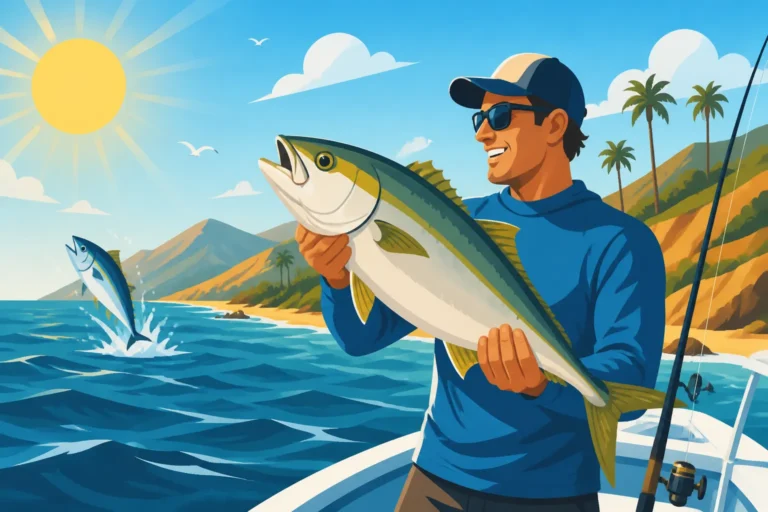
Yo-yo jigging for yellowtail is an exhilarating and highly effective technique that every serious California angler should have in their arsenal. From understanding the aggressive nature of these powerful game fish and meticulously selecting your gear to mastering the retrieve and adapting to challenging conditions, there's a lot to learn and even more to experience. While the frustration of a slow bite is real, the reward of feeling that distinctive "thump" on your line and battling a tenacious yellowtail to the boat is truly unmatched. So, gear up, hit the water, and get ready to yo-yo your way to some unforgettable catches!
Disclaimer
Please be aware that fishing regulations in California can change frequently. Always consult the latest California Department of Fish and Wildlife (CDFW) regulations before heading out. This guide is for informational purposes only and does not constitute legal advice or a substitute for official regulations. Ensure you have the proper California Fishing License Guide and any required report cards before fishing.