Best Bait for California Halibut
For many anglers, the pursuit of California halibut can feel like an unending mystery. These elusive flatfish are masters of ambush, blending seamlessly into the sandy seafloor, often leaving even seasoned fishermen wondering what on earth will entice a bite. This comprehensive guide is going to demystify halibut fishing, delving deep into their feeding behaviors and revealing the absolute best baits, both live and artificial, to help you consistently land these prized fighters.
Understanding California Halibut and Their Feeding Habits
Before we even talk about specific baits, it's crucial to understand the creature you're targeting. California halibut are predatory flatfish, incredibly well-adapted to their bottom-dwelling, ambush lifestyle. They spend much of their time buried in the sand or mud, with only their eyes protruding, waiting for an unsuspecting meal to swim by. This behavior dictates a lot about the kind of bait they prefer and how it needs to be presented. It can be incredibly frustrating to fish all day without a bite, especially when you know halibut are in the area, and nine times out of ten, the problem isn't their presence, but your presentation or bait choice.
Their Elusive Nature and Bottom-Dwelling Behavior
California halibut aren't like rockfish that will readily come up a water column for a jig or a piece of squid. They are typically found in sandy or muddy bottoms, often near structure, kelp beds, or along channels where baitfish congregate. They are masters of camouflage, changing their skin patterns to match their surroundings, making them almost impossible to spot with the naked eye. When they strike, it's usually a sudden, aggressive lunge from their hiding spot. This means your bait needs to be presented in a way that mimics a natural, vulnerable prey item moving slowly across or near the bottom, right into their strike zone. Thinking like a halibut, even for a moment, can drastically improve your chances.
Their eyes, positioned on top of their head, give them an excellent view upwards, making them particularly sensitive to silhouettes passing overhead. This is why many successful halibut baits are designed to create a visible profile against the water's surface or just above the seabed. If your bait is too small, too fast, or too far off the bottom, it's likely to be ignored. You’re not just trying to feed a fish; you’re trying to trigger a primal ambush instinct.
Key Forage Species in California Waters
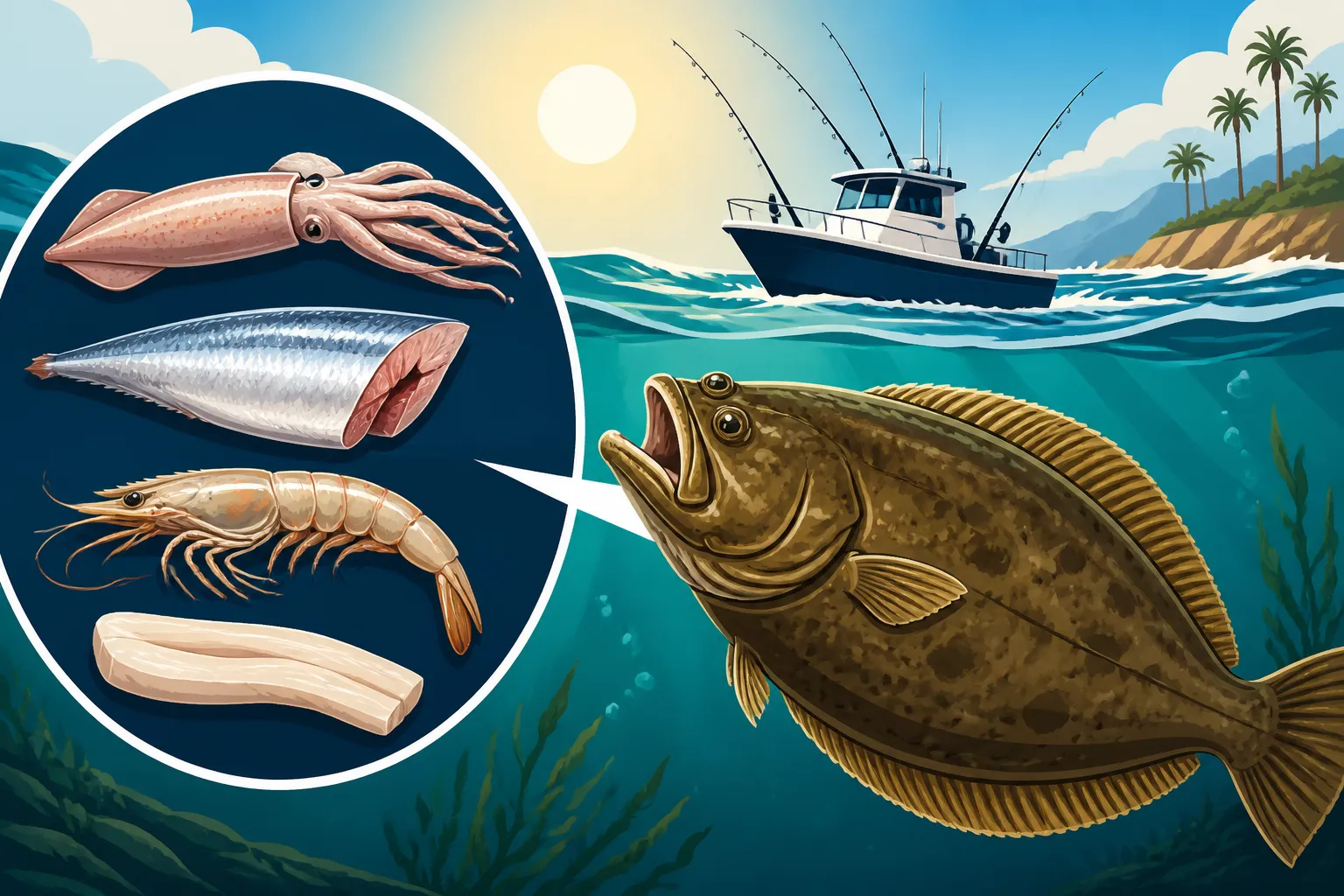
Halibut are opportunistic feeders, but they have their favorites. Their diet primarily consists of smaller fish that inhabit the same sandy and muddy environments. The most common forage items include anchovies, sardines, mackerel, squid, and various types of grunion and croakers. In bays and estuaries, they also feast on ghost shrimp and small crabs. Knowing what these flatfish are actively hunting is the first, most important step in selecting the best bait. If you can "match the hatch," as fly fishermen say, you're already way ahead of the game.
When you're out on the water, pay attention to any signs of baitfish schools. Birds diving, ripples on the surface, or even other anglers reporting bait in the area are all valuable clues. If you see a massive school of anchovies, then live anchovies are probably going to be your ticket to success. If the sardine bite is hot, don't hesitate to upgrade to a bigger bait. The more closely your bait resembles what's naturally available and what the halibut are currently keying in on, the more likely you are to get bit.
Reading the Conditions: Tides, Structure, and Water Clarity
Halibut fishing isn't just about bait; it's about context. The best bait for California halibut on a calm, clear morning might be different from what works on a murky, choppy afternoon. Tides play an immense role, as halibut often position themselves on the downcurrent side of structure or ledges, waiting for bait to be swept past them. Strong tidal flows can make bait presentation challenging, but they also bring food directly to the halibut. Areas like the California Delta Fishing Guide or specific areas mentioned in the San Francisco Bay Fishing Guide are prime examples where current is king.
Water clarity also influences bait choice. In clear water, natural-looking live baits or subtle artificials that closely mimic natural prey are best. In murkier water, halibut rely more on scent and vibration, so a lively baitfish that puts out a lot of distress signals or an artificial lure with a strong rattle or vibration can be more effective. Consider the structure too: a sandy flat will require a different approach than fishing around a kelp bed. Knowing your spot and the prevailing conditions is just as important as the bait itself.
Live Bait: The Uncontested Champion for Halibut
Let's be real: if you want the absolute best chance at landing a California halibut, live bait is almost always the answer. Nothing beats the natural action, scent, and distress signals of a struggling baitfish. It's what these predatory flatfish are hardwired to hunt, and it's what they respond to most consistently. While it requires a bit more effort to obtain and keep alive, the results often speak for themselves.
Anchovies: The Go-To Choice
If there's one bait that consistently ranks at the top for California halibut, it's the humble anchovy. These small, oily fish are a staple in the halibut's diet and are readily available from bait receivers along the California coast. A lively anchovy, presented correctly, is incredibly difficult for a hungry halibut to resist. The frantic wiggling and flashes of a distressed anchovy send out all the right signals, telling a lurking halibut that an easy meal is nearby.
When using anchovies, keeping them alive and frisky is paramount. A good bait tank with plenty of circulation is essential. Hook them carefully, usually through the nose or lightly behind the dorsal fin, to allow for maximum natural movement without killing them. The size of the anchovy can matter too; sometimes larger "greenback" anchovies are preferred, while other days, smaller ones are the ticket. Always check the bait receiver to see what size they have and what's currently working. For tips on specific sizes and techniques, you might want to look into Best Baits and Lures for California Halibut in California.
Sardines: When Bigger is Better
While anchovies are fantastic, sometimes halibut want a bigger meal, especially the trophy-sized ones. That's where sardines come in. Larger than anchovies, sardines offer more flash, more scent, and a more substantial profile, making them irresistible to larger halibut. They are a bit harder to keep alive in a crowded bait tank, so good care is essential. Sardines are particularly effective when targeting halibut in deeper water or when fishing in areas with stronger currents, as their larger size makes them more visible and provides a stronger scent trail.
Hooking sardines is similar to anchovies, often through the nose or tail for trolling, or through the back for drift fishing. The key is to keep them swimming naturally. A struggling sardine, slowly drifting over a sandy flat, is a prime target. Many anglers find that when the sardine bite is on, halibut will hit them with incredible aggression, often swallowing them whole. This often happens during prime feeding windows, which you can learn more about in the Best Season for Halibut in California guide.
Mackerel and Other Finfish: For Trophy Halibut
For the serious trophy hunter, or when the bigger halibut are particularly aggressive, live mackerel (often Spanish mackerel or Pacific mackerel) can be an excellent choice. These are substantial baits, usually 6-12 inches long, and they will only be attacked by larger, more confident halibut. Using mackerel is a commitment; you're not going to get as many bites as with anchovies or sardines, but the bites you do get are usually from big, impressive fish.
Other larger finfish like jacksmelt or even small croakers can also be effective. The strategy here is patience. You're putting out a big meal for a big fish. Presentation is crucial, often involving slow trolling or long drifts over known halibut haunts. A strong, sharp hook and heavy leader are a must, as these big baits will attract big predators.
Using Grubs and Ghost Shrimp for Bay Halibut
While finfish dominate the ocean halibut scene, fishing in calmer bay and estuary environments often calls for different live bait. Here, creatures like ghost shrimp and various marine grubs (small worms or larvae) can be incredibly effective. These baits are natural inhabitants of the bay floor, and halibut feeding in these shallower, often muddier waters are accustomed to hunting them.
Ghost shrimp are particularly popular in places like San Francisco Bay or Tomales Bay. They are soft-bodied, emit a strong scent, and their subtle movements under the sand are exactly what a bay halibut is looking for. They are usually fished on a light Carolina rig, allowing them to sit naturally on the bottom or drift slowly with the current. While they might not catch the giants of the offshore waters, they are incredibly effective for consistent action in the bays.
Artificial Baits: When and How to Use Them Effectively
While live bait is king, it's not always practical or available. This is where artificial baits shine. Modern artificial lures are incredibly effective, offering realistic profiles, enticing actions, and often the added benefit of scent. They require a more active fishing style but can be incredibly rewarding, especially for anglers who enjoy the challenge of working a lure. Plus, you can often pick up a great selection on Amazon before your next trip.
Soft Plastics and Swimbaits: Mimicking Natural Prey
Soft plastics and swimbaits are arguably the most versatile and effective artificial baits for California halibut. These lures come in an endless array of shapes, sizes, and colors, designed to mimic everything from anchovies and sardines to squid and grubs. The key to their effectiveness lies in their lifelike action in the water. A soft plastic swimbait with a paddle tail, retrieved slowly along the bottom, can perfectly imitate a wounded baitfish, making it an irresistible target. Brands like Big Hammer, Gulp!, and Kalin's are very popular among halibut anglers.
When choosing soft plastics, consider the local forage and water clarity. Natural colors like sardine, anchovy, or brown back are great for clear water. Chartreuse, white, or glow can be highly effective in murky water or low light conditions. Rigging them on a leadhead jig is common, ensuring the lure stays on the bottom where halibut are looking. You'll want to experiment with jighead weights to match the current and depth, allowing your lure to slowly bounce or drag along the bottom without getting swept away or snagged. For detailed rigging, consider consulting a guide on How to Fish for Halibut in California.
Jigs and Metals: Vertical Presentation and Reaction Bites
Metal jigs and lead jigs, often called "iron," are another excellent option, particularly when halibut are aggressive or when fishing in deeper water. These lures are designed to be dropped to the bottom and then jigged vertically, creating erratic movements that mimic a darting, injured baitfish. The flash and vibration can trigger a reaction strike, even from less active fish.
Heavy lead jigs with a single hook, tipped with a squid strip or a piece of baitfish, can be deadly when yo-yo jigging. Another common method is to use a "knife jig" or "vertical jig" which has a fast, fluttering fall. The key is to get the jig to the bottom, give it a few sharp jigs, and then let it flutter back down. Many strikes occur on the fall, so paying close attention to your line is essential. When the bite is tough, a slow, methodical drag of a leadhead along the bottom can often coax a bite from a wary halibut. Remember, halibut are often found around marine protected areas, so make sure you understand the California Marine Protected Areas Explained before you drop a line.
Hard Baits and Plugs: Trolling for Halibut
While less common for static bottom fishing, hard baits and plugs can be incredibly effective when trolling for halibut. These lures are designed to swim with a specific action and depth when pulled behind a boat. They are particularly useful for covering large areas quickly and finding active fish. Deep-diving crankbaits or lipped plugs that can reach the desired depth and maintain a consistent action are ideal.
The most effective hard baits for halibut often mimic the profile and swimming action of a sardine or anchovy. Colors should again match the forage and water conditions. Trolling speeds are generally slow, just fast enough to get the lure to swim properly. Many anglers will add a strip of squid or a piece of mackerel to the trailing hook to add scent and even more appeal. This technique is especially popular in areas with large, open sandy bottoms, allowing you to cover ground efficiently while presenting a consistently moving target.
Bait Presentation and Rigging for Success
Having the best bait in the world won't do you any good if you don't present it effectively. Halibut are bottom-oriented predators, and your bait needs to be in their strike zone – which is typically right on or very close to the seafloor. The right rig and presentation are critical for triggering that ambush instinct. It’s not uncommon to see someone fishing with the exact same bait as you, but catching nothing, simply because their presentation is off.
Carolina Rigs and Dropper Loops for Live Bait
For live bait, the Carolina rig (also known as a sliding sinker rig) is by far the most popular and effective setup. It consists of a sliding egg sinker or similar weight on the main line, followed by a swivel, a leader (usually fluorocarbon for stealth), and a hook. The sliding weight allows the bait to move naturally and freely, even when the sinker is resting on the bottom. This freedom of movement is critical for attracting halibut.
A variation that can be effective, especially when fishing near structure or wanting to keep the bait slightly off the bottom, is a dropper loop rig. This involves tying a loop in your leader for the weight, and then another loop above it for your hook, positioning your bait a foot or two above the sinker. This can be great for presenting bait just above kelp or rocky patches where halibut might be lurking. When considering your rig, always be mindful of California Halibut Size and Bag Limits as you prepare for your catch.
Leadheads and Weedless Hooks for Soft Plastics
When using soft plastics and swimbaits, the leadhead jig is your best friend. The weight of the leadhead ensures your lure gets to the bottom, and the hook is integrated into the jig. The weight of the leadhead should be chosen based on current, depth, and the retrieve speed you want to maintain. You want just enough weight to keep contact with the bottom without snagging excessively.
For fishing in areas with heavy kelp or structure, or even just sandy bottoms with occasional debris, weedless hooks can be a game-changer. These hooks are designed to bury the point in the soft plastic, preventing snags. This allows you to fish more aggressively in prime halibut territory without constantly getting hung up, which can be a huge frustration for anglers. Many popular soft plastics are designed to work perfectly with specific weedless jigheads, and you can find many options for these specialized hooks and lures on Amazon.
Trolling Setups and Speeds
Trolling for halibut involves specialized setups to ensure your bait or lure stays at the correct depth and exhibits the right action. Downriggers are often used to get lures or live baits to precise depths, especially in deeper water. Without a downrigger, you might use heavier leadcore line or divers to achieve depth.
The trolling speed is critical. Too fast, and your bait won't look natural; too slow, and it might not have the enticing action needed to trigger a strike. Typically, speeds between 1.5 to 3 knots are effective, but this can vary based on current and the specific lure or bait you're using. Watch your rod tip; it should have a consistent wobble or pulse, indicating your lure is swimming correctly. If it’s not, adjust your speed or depth. It’s a constant dance of observation and adjustment. Don't forget, when you are out fishing, you still need to adhere to the California Fishing Regulations Explained.
| Bait Type | Pros | Cons | Ideal Conditions | Target Halibut Size |
|---|---|---|---|---|
| Live Anchovy | Max natural action & scent, highly effective | Delicate, requires bait tank, can be pricey | Most conditions, active bite, clearer water | All sizes, especially smaller to medium |
| Live Sardine | Larger profile, strong scent, durable | Harder to keep alive, bulkier | Deeper water, stronger current, larger fish | Medium to large |
| Live Mackerel | Best for trophy fish, very enticing | Requires large bait, fewer bites | Targeting giants, less competition | Trophy-sized |
| Soft Plastics | Versatile, durable, realistic action | Requires active retrieve, scent can fade | Varied depths, structure, clear to moderate water | All sizes |
| Metal Jigs | Durable, good for reaction strikes | Less natural, requires active jigging | Deep water, strong current, aggressive fish | Medium to large |
| Hard Baits/Plugs | Great for covering ground, consistent action | Limited depth control without gear | Trolling open flats, searching for active fish | Medium to large |
Conclusion: The Art of Halibut Bait Selection
Ultimately, selecting the best bait for California halibut is both a science and an art. The science lies in understanding their biology, their preferred forage, and the mechanics of presentation. The art comes from intuition, observation, and adaptability. Don't be afraid to experiment! What worked yesterday might not work today, and what works for one angler might not work for another. Always pay attention to what the fish are telling you through the rod tip, and be willing to change your approach.
Whether you're using a lively anchovy, a struggling sardine, or a meticulously worked swimbait, the goal remains the same: to present a meal that's too tempting for that lurking flatfish to resist. Good luck out there, and may your cooler be heavy with the bounty of California's waters! And remember, before heading out, ensure you've got your California Fishing License Guide in order.
Disclaimer
Fishing regulations, seasons, and limits are subject to change. Always consult the latest official California Department of Fish and Wildlife (CDFW) regulations before any fishing trip. The information provided in this guide is for general informational purposes only and should not be considered legal advice regarding fishing regulations.