California Bluefin Tuna Season Explained
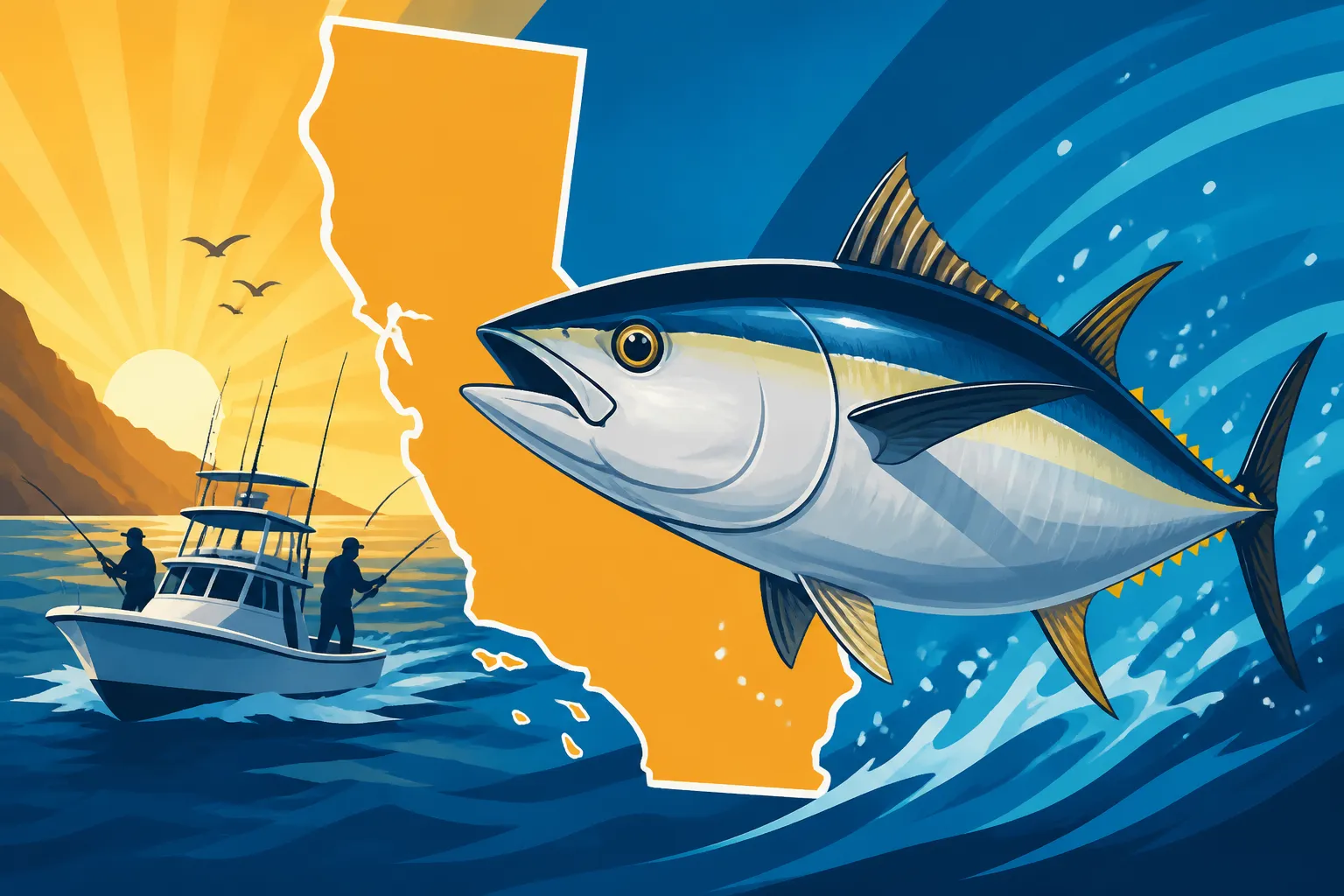
The thrill of chasing bluefin tuna off the California coast is unlike any other, but trying to pin down their exact season can feel like a moving target. Many anglers get frustrated by conflicting information or by missing the hot bite because they weren't sure when to go. This comprehensive guide will break down the complex factors that influence the California bluefin tuna season, helping you understand when and why these powerful fish grace our waters.
Understanding California's Bluefin Tuna Season
When we talk about the "bluefin tuna season" in California, it's not like deer hunting where there's a strict start and end date set by the state. Instead, it’s a dynamic period defined by the migratory patterns of these magnificent pelagic fish and the ocean conditions that draw them to our coast. Bluefin tuna are highly migratory, constantly chasing bait and ideal water temperatures across vast stretches of the Pacific Ocean.
Why Bluefin Tuna Are Here
Bluefin tuna, particularly the Pacific bluefin tuna (Thunnus orientalis), are drawn to the waters off California, primarily Southern California, for one main reason: food. Our coastal waters, especially areas influenced by upwelling and nutrient-rich currents, become a veritable buffet for these apex predators during certain times of the year. They follow massive schools of baitfish like anchovies, sardines, and mackerel, which congregate near our shores. When these baitfish schools are abundant and the water conditions are just right – think warm, clear, and blue – the bluefin will be close behind, often in massive numbers. It's a feast or famine situation out there, and when the feast is on, California anglers get to experience some truly world-class fishing.
General Timing and Peak Windows
While there are no hard-and-fast dates, the bluefin tuna season typically kicks off in late spring, generally around May or June, and can run well into the fall, often through October or November, and sometimes even into December. The absolute peak window, when the most consistent bites and largest concentrations of fish are usually found, tends to be from July through September.
However, it's crucial to understand that this is a generalization. Some years, we see an early bite in April, and other years, the fish stick around much longer than anticipated, offering incredible late-season opportunities. For example, recent years have shown bluefin staying in Southern California waters well into winter, adapting to changing ocean conditions. It really boils down to water temperature and bait availability. If those two conditions align, bluefin will be here, regardless of what the calendar says. Staying informed through current California Fishing Reports Explained is absolutely key to knowing what’s happening in real-time.
Factors Influencing Bluefin Tuna Presence
The presence and abundance of bluefin tuna off the California coast are directly tied to several key environmental factors. These aren't static; they change year to year, and sometimes even week to week, which is why the bluefin season can feel so unpredictable.
Water Temperature is Key
Bluefin tuna are highly sensitive to water temperature. They prefer specific thermal bands, generally between 60 and 72 degrees Fahrenheit. When the water warms up and those ideal temperatures push closer to shore or create favorable conditions offshore, the bluefin move in. Conversely, if a cold-water upwelling occurs or a prolonged cold snap hits, the fish will often move deeper or further offshore to find their preferred temperatures.
This is why captains and serious anglers are constantly monitoring sea surface temperature (SST) charts. They're looking for warm water "fingers" or "eddies" that break off larger currents, as these can concentrate bait and, consequently, bluefin. A difference of just a few degrees can be enough to make or break a bluefin bite. It’s not just about the absolute temperature, but also the stability of that temperature. Rapid fluctuations can make the fish lethargic or cause them to scatter. Knowing the ideal range helps you understand why How Weather Affects California Fishing so dramatically, especially for offshore species.
Baitfish Availability
You know the old saying, "Find the bait, find the fish." This couldn't be truer for bluefin tuna. These powerful predators are constantly on the hunt for nutrient-rich forage. In Southern California, their primary diet consists of anchovies, sardines, mackerel, and occasionally squid. When massive schools of these baitfish are abundant and schooling near the surface, it’s a siren call for bluefin.
The presence of baitfish isn't just about quantity; it's also about behavior. Are the baitfish balled up, showing signs of being actively hunted? Or are they scattered and moving freely? These subtle cues tell seasoned anglers whether bluefin are in feeding mode. Sometimes, the bluefin are so focused on a particular bait source that they'll ignore everything else. This phenomenon is often referred to as "match the hatch," and it means your artificial lures or live bait need to mimic what they’re already eating. Without a consistent and abundant food source, even ideal water temperatures won't hold bluefin in an area for long.
El Niño and La Niña Effects
The large-scale oceanic phenomena of El Niño and La Niña have a profound impact on California's ocean conditions, and consequently, on the bluefin tuna season.
- El Niño: During an El Niño year, warmer-than-average ocean temperatures prevail across the Pacific. This often means warmer water pushing further north along the California coast and staying warmer later into the year. For bluefin, this can extend their season, bringing them closer to shore and making them accessible for longer periods. We might see an earlier arrival and a later departure, sometimes even creating year-round opportunities in some areas. It also often brings a broader range of pelagic species typically found further south, such as dorado (Mahi-Mahi) and yellowfin tuna, giving anglers more options when Best Season for Bluefin Tuna in California might be shifting.
- La Niña: Conversely, La Niña typically brings cooler-than-average ocean temperatures to the Eastern Pacific. This can mean a shorter bluefin season, with the fish potentially staying further offshore in warmer currents or not coming as close to the coast. The cooler water might also affect the distribution and abundance of baitfish, indirectly impacting bluefin presence.
These large-scale climate patterns don't just shift temperatures; they also influence current strengths, nutrient availability, and the entire marine food web. Keeping an eye on forecasts from organizations like NOAA for El Niño/La Niña conditions can give you a heads-up on what kind of bluefin season to anticipate, even months in advance.
Gear and Techniques for Bluefin Tuna
Catching bluefin tuna is no small feat. These fish are incredibly powerful, known for their blistering runs and relentless fights. Having the right gear and knowing the appropriate techniques are absolutely essential for success, and more importantly, for safely landing these formidable opponents.
Essential Tackle for Offshore Bluefin
When targeting California bluefin tuna, especially the larger models that can exceed 200 pounds, your tackle needs to be robust and reliable. This isn't the time to skimp.
- Rods: You'll want heavy-duty conventional or spinning rods rated for 50 to 130-pound test line. Look for rods with a strong backbone to put pressure on the fish but enough tip sensitivity for casting or feeling subtle bites. Many anglers prefer specialized jigging rods or popping rods for specific techniques. Brands like Phenix, Seeker, and Calstar are popular choices among experienced California tuna anglers.
- Reels: Matching your rod with a high-quality, high-capacity reel is paramount. Conventional reels like the Accurate Valiant or Daiwa Saltiga, or powerful spinning reels such as the Shimano Stella or Penn Slammer, are often seen on tuna boats. Your reel needs a smooth, powerful drag system that can withstand long, scorching runs without seizing up. Line capacity is also crucial – you need enough line to let a big bluefin run without getting spooled. For smaller bluefin (under 50 lbs), lighter gear around 40-50 lb test can be used, but always be prepared for a bigger fish to crash the party. You can find a good selection of these heavy-duty setups on Amazon, often with various line options.
- Line: Braided line is almost universally preferred for its strength-to-diameter ratio and lack of stretch, allowing for better hooksets and more line capacity. A top shot of monofilament or fluorocarbon leader, typically 60-200 lb test, is then tied to the braid. The leader material and length will depend on the specific technique and how finicky the fish are. Stealth is sometimes important, so using fluorocarbon leaders, which are nearly invisible underwater, can make a difference.
- Terminal Tackle: You'll need an assortment of strong hooks (circle hooks are often mandatory on party boats for live bait fishing to promote better survival rates), swivels, and split rings. Jigs, poppers, stickbaits, and soft plastics designed for tuna are also essential. Having a variety of colors and sizes allows you to adapt to what the bluefin are keying in on.
| Gear Category | Key Considerations | Common Specifications |
|---|---|---|
| **Rod** | Strength, Backbone, Sensitivity | Conventional or Spinning, 50-130 lb rating, 7-8 ft |
| **Reel** | Drag Power & Smoothness, Line Capacity, Durability | High-capacity conventional or spinning, 25-50 lbs of drag |
| **Main Line** | Strength-to-Diameter, No Stretch | 60-100 lb Braided Line |
| **Leader** | Abrasion Resistance, Stealth | 60-200 lb Monofilament or Fluorocarbon |
| **Lures/Baits** | Mimic Forage, Durability | Live bait (sardines, anchovies, mackerel), jigs (knife, flat-fall), poppers, stickbaits |
| **Hooks** | Strength, Penetration, Barbed/Barbless | Heavy-duty J-hooks or Circle hooks (often 6/0-10/0) |
Common Fishing Methods
Bluefin tuna are aggressive feeders, but they can also be incredibly finicky. Successful anglers often employ a variety of methods to entice a bite.
- Live Bait Fishing: This is arguably the most common and often most effective method, especially on party boats. Anglers will "fly-line" live anchovies, sardines, or mackerel out from the boat, letting them swim naturally in the chum line. The key is to match the bait that the boat is chumming with and present it as naturally as possible. This technique is often used for How to Catch Bluefin Tuna off California on smaller and larger fish alike.
- Jigging: Vertical jigging with heavy metal jigs (like knife jigs or flat-fall jigs) is extremely popular when bluefin are located deeper in the water column or when they are actively feeding on sub-surface bait. Anglers drop these heavy lures down and work them back up with a variety of retrieve styles, mimicking an injured or fleeing baitfish. You'll find a wide range of effective jigging lures available on Amazon.
- Popping and Stickbait Fishing: When bluefin are feeding aggressively on the surface, "boiling" or crashing on bait, throwing large topwater poppers or stickbaits can be exhilarating. These lures imitate fleeing baitfish and trigger aggressive strikes. This is a highly visual and adrenaline-pumping method, often requiring long, accurate casts and powerful gear.
- Trolling: While less common on recreational charters for actively feeding schools, trolling specific lures or rigged baits can be effective for locating fish or targeting scattered individuals, especially larger models. This involves dragging lures or rigged natural baits behind the boat at a set speed.
- Chumming: On party boats, chumming with live bait is standard practice to draw bluefin closer to the vessel and keep them interested. The goal is to create a feeding frenzy, making the tuna less wary. Your live bait presentation needs to blend seamlessly into this chum line.
Planning Your Bluefin Tuna Trip
Successfully planning a bluefin tuna trip in California requires more than just knowing when the season might be. It involves choosing the right kind of trip, understanding how to interpret real-time information, and preparing yourself for an intense fishing experience.
Charter vs. Private Boat Considerations
For most anglers, especially those without their own offshore-capable vessel, booking a charter is the way to go.
- Party Boats (Open-Party Charters): These are the most accessible and often most affordable option. You book a spot on a larger vessel with other anglers. Party boats typically carry their own bait and have experienced crews who know where the fish are and how to rig up. They run trips ranging from half-day to multi-day, with San Diego Overnight Tuna Trips Explained being very popular for bluefin. Major landings like Fisherman's Landing, H&M Landing, and Point Loma Sportfishing in San Diego, or Davey's Locker in Newport Beach, run bluefin trips throughout the season. They are great for learning the ropes and can be very successful.
- Private Charters: If you have a group and want a more personalized experience, a private charter might be ideal. You'll have the boat to yourselves, allowing for more flexibility in where you fish, what techniques you try, and how long you stay in a spot. While more expensive, private charters offer a tailored experience and dedicated attention from the captain and crew. You can find excellent private charters that specialize in bluefin, often smaller, faster boats that can cover more ground. Researching Best Offshore Fishing Charters in California can help you choose the right fit for your group.
- Private Boats: For those with their own boats, the freedom to chase the fish on your own terms is unmatched. However, offshore bluefin fishing requires a capable boat, extensive safety gear, advanced navigation and fish-finding electronics, and a deep understanding of offshore conditions and safety protocols. Never go offshore alone, and always let someone know your float plan.
When choosing a charter, consider the duration of the trip (e.g., California Half-Day vs Full-Day Charters), the target species (some focus purely on tuna, others might include rockfish), and the reputation of the landing and specific boat. Don't be afraid to call the landings and ask questions about their recent success and what to expect.
Reading Fishing Reports and Forecasts
In the fast-paced world of bluefin tuna fishing, staying current with information is absolutely vital. The bite can turn on or off in a matter of hours, and the fish can move dozens of miles overnight.
- Daily Fish Counts: Most sportfishing landings in Southern California publish daily fish counts or reports. These are gold mines of information, detailing what species were caught, where they were caught (generally, to protect honey holes), the methods used, and the overall success rate. Look for patterns over several days to gauge consistency.
- Online Forums and Social Media: Angling forums and social media groups dedicated to California fishing are bustling hubs of real-time information. Anglers and captains often share updates, photos, and even detailed reports. Be mindful that some information might be exaggerated, but overall, it's a great pulse check on the fishery.
- Sea Surface Temperature (SST) Charts: As mentioned earlier, SST charts are critical. Websites like Terrafin or FishWeather provide satellite imagery showing real-time water temperatures, chlorophyll fronts (indicating bait), and current breaks. Learning to read these charts will give you a massive advantage in understanding where the bluefin might be congregating.
- Weather Forecasts: Always, always check the marine weather forecast before heading out. Offshore conditions can change rapidly, and safety is paramount. Look at wind speed, swell height, and any advisories. A bumpy ride might deter some, but safety should always be your top priority. Packing appropriately with layers and waterproof gear is essential, regardless of the forecast.
By diligently following these reports and forecasts, you'll be much better equipped to pick the prime time for your bluefin tuna adventure, ensuring you're there when the bite is hot and the conditions are right. And don't forget to pack plenty of sunscreen and stay hydrated; chasing bluefin is hard work!
The Thrill of the Bluefin Fight
There's a reason bluefin tuna are so highly sought after: the fight. Once hooked, these fish transform into turbocharged torpedoes, capable of blistering runs that can strip hundreds of yards of line off your reel in seconds. They are relentless, powerful, and will test every ounce of your strength and resolve.
What to Expect After Hook-Up
When a bluefin hits your line, especially a larger one, it's an unmistakable, jarring strike. Your reel will scream as line peels off at an alarming rate. It’s not uncommon for anglers to be pulled forward or even have their rod ripped from their hands if they're not holding on tight.
- Initial Run: The first run is usually the most intense. The fish will try to escape with sheer speed and power. During this phase, it's crucial to maintain a strong, steady pressure and let the drag do its job. Don't try to stop the fish by clamping down on the spool; you'll either break the line or damage your gear.
- The Pump and Reel: Once the initial run slows, the real work begins. You'll need to employ a technique called "pump and reel." This involves lifting the rod tip up to gain line, then quickly dropping it while reeling down to recover the slack. It's a rhythmic, tiring process that requires constant effort. For larger fish, a fighting belt and harness are indispensable, transferring the strain from your arms to your back and legs.
- The Circle Game: Bluefin often fight in deep circles beneath the boat as they tire. This can be one of the most challenging phases, as they use their broad sides to resist being pulled up. You'll need to work the rod, pumping and reeling, slowly gaining ground. The crew on a party boat will guide you, helping you navigate other lines and clear obstacles.
- Close Quarters: As the fish nears the boat, it will often make renewed, powerful dives. These "death circles" require extra vigilance. The crew will be ready with gaffs, but it's essential to keep the fish under control until it's alongside the boat, ready to be brought aboard.
Safety and Etiquette on Bluefin Trips
Bluefin tuna fishing, especially on a crowded party boat, demands attention to safety and respectful etiquette.
- Listen to the Crew: The captain and deckhands are experienced professionals. They know these waters and these fish. Always listen to their instructions, especially during a hot bite or when a big fish is on. Their guidance is crucial for your safety and the success of the trip.
- Clear Lines: When a fish is hooked, it's common practice for other anglers to reel in their lines to avoid tangles. This is a courtesy that helps prevent chaos and lost fish. If you hear "clear lines!" reel in quickly.
- Stay Hydrated and Fuelled: Fighting a large bluefin can take hours and burn an incredible amount of energy. Bring plenty of water, electrolyte drinks, and snacks. Dehydration and fatigue can quickly set in.
- Proper Attire: Dress in layers. Offshore temperatures can vary wildly from early morning to midday. Non-slip shoes are a must on a wet boat deck. Sunglasses, a hat, and plenty of sunscreen are also essential.
- Respect the Fish: Bluefin tuna are magnificent creatures. Whether you're keeping your catch or practicing catch-and-release, handle the fish with respect. If keeping, dispatch the fish quickly and properly to ensure the best meat quality. If releasing, do so carefully to maximize its survival chances. Knowing California Catch-and-Release Rules is also important.
Chasing bluefin tuna is an investment in time, money, and effort, but the reward of hooking into one of these ocean giants is an experience you won't soon forget. It's the ultimate test of angler versus fish, and it’s why so many keep coming back season after season.
Conclusion: Chasing the Elusive Giants
The California bluefin tuna season is a dynamic and thrilling period, stretching from late spring through fall, and occasionally even into winter. It's dictated not by fixed dates, but by the ever-changing dance of ocean temperatures and the availability of their primary forage, like anchovies and sardines. El Niño and La Niña patterns also play a significant role, warming or cooling our waters and shifting the bluefin's migratory paths and residence times.
Successfully targeting these powerful fish requires robust tackle, a willingness to employ diverse fishing methods from fly-lining live bait to heavy jigging, and a keen eye on real-time fishing reports and sea surface temperature charts. Whether you're embarking on a party boat adventure from San Diego, or venturing out on a private charter from Long Beach, preparation is key. The fight of a California bluefin is an unparalleled experience, demanding strength, endurance, and respect for these incredible ocean predators. By understanding these nuances, you'll be better prepared to chase these elusive giants and hopefully experience the exhilarating scream of a bluefin on your line.
Disclaimer
Please be aware that fishing regulations, seasons, and limits for all species, including bluefin tuna, are subject to change by the California Department of Fish and Wildlife (CDFW). Always consult the latest official CDFW regulations before planning any fishing trip to ensure compliance. This guide is for informational purposes only and does not supersede state or federal fishing laws.