Best Season to Catch Lingcod in California
It's a common frustration for anglers in California, chasing that elusive, toothy grin of a lingcod, only to wonder if they're even fishing at the right time. Lingcod are one of the most exciting and delicious fish to catch off our coast, but their availability and activity can change dramatically with the seasons and regulations. This comprehensive guide will peel back the layers of when and why certain times of the year are truly the best to target lingcod in California, helping you maximize your chances of a successful trip.
Understanding Lingcod Seasonality in California
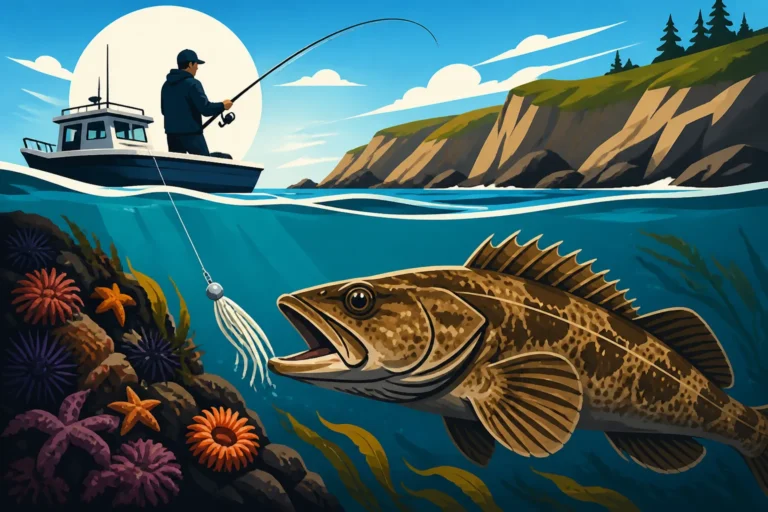
Lingcod aren't just any fish; they're ambush predators deeply tied to the rocky reefs and kelp forests of California's coastline. Their seasonal behavior is heavily influenced by their life cycle, particularly their spawning habits, which in turn dictate when and where we can legally and effectively fish for them. Understanding these rhythms is the first step to becoming a more successful lingcod angler.
Lingcod's Biological Clock and Spawning Cycles
Lingcod typically begin their spawning ritual in late fall, carrying on through winter and into early spring, roughly from November to March, depending on the specific region and water temperatures. During this period, the females lay their large, gelatinous egg masses, usually in rocky crevices or under ledges in shallower, turbulent waters. What's truly fascinating (and crucial for anglers to know) is that the male lingcod then aggressively guard these egg nests. They'll stay put, fiercely protecting their future offspring from predators. This protective instinct makes them incredibly territorial and, quite frankly, very aggressive towards anything that comes too close – including your lure or bait.
After the eggs hatch, which typically happens by early spring, the adult lingcod, particularly the males, have spent a considerable amount of energy defending the nest. Once their duties are done, they become extremely hungry and ready to feed aggressively to recover their strength. This post-spawning feeding frenzy is one of the key periods that anglers eagerly anticipate, as it means the fish are active and more willing to strike. Their diet during this time, and throughout the year, consists of pretty much anything they can get their mouths around, from rockfish and cabezon to octopus and even smaller lingcod.
Regulatory Seasons and Closures
While lingcod’s biological clock tells us when they’re most active, the California Department of Fish and Wildlife (CDFW) regulations tell us when we can actually fish for them. These regulations are paramount for sustainable fishing and can change annually, so it's always critical to check the most current rules before heading out. Generally, lingcod are managed under the broader "Groundfish" regulations, which include various rockfish and other bottom-dwelling species. These regulations often involve complex season dates that vary by management area along the California coast. For instance, the season might be open year-round for lingcod in federal waters (typically beyond 3 miles offshore) but have specific open and closed periods in state waters (0-3 miles offshore) or within certain depth zones.
Many anglers find the nuances of the California Fishing Regulations Explained to be quite daunting, especially when trying to decipher the specifics for different areas. For example, the Central Management Area (roughly from Point Conception to Pigeon Point) often sees its lingcod and rockfish seasons close in the winter months and reopen in the spring. This closure often coincides with the peak of their spawning and nest-guarding period, allowing the species to reproduce undisturbed. Conversely, other areas or deeper offshore zones might have more liberal seasons. It's not uncommon for anglers to consult with local tackle shops or check the CDFW website religiously to stay updated, especially when planning a trip to a specific area like the California Rockfish Rules in the Central Management Area.
Here’s a general overview of typical Lingcod seasons by region, but remember, always confirm current regulations with CDFW:
| California Management Area | Typical Lingcod Season | Specifics & Common Closures |
|---|---|---|
| North Management Area (Oregon border to 40°10' N Lat.) | Generally May 1 to September 30 (for waters less than 120 ft) | Deeper waters (120 ft to 180 ft) may open later, usually May 15 to September 15. All depth fishing may close in winter. Season length has seen recent changes due to stock assessments, making it vital to check CDFW. |
| Mendocino Management Area (40°10' N Lat. to 38°57.5' N Lat.) | Similar to North Area, often May 1 to September 30 (for waters less than 120 ft) | Similar depth restrictions apply. Often closed to all groundfish fishing in the fall/winter months. |
| San Francisco Management Area (38°57.5' N Lat. to 37°11' N Lat.) | Generally April 1 to December 31 (for waters less than 120 ft) | May have an earlier spring opening than northern areas. Deeper waters (up to 180 ft) may open at the same time or slightly later. Subject to federal changes. |
| Central Management Area (37°11' N Lat. to 34°27' N Lat. – Pt. Conception) | Often April 1 to September 30, then a possible reopening Nov 1 to Dec 31 (for waters less than 120 ft) | This area often has a split season, with a significant closure in early fall, then a potential brief reopening. Lingcod are commonly targeted with rockfish here. |
| Southern Management Area (34°27' N Lat. to Mexico border) | Generally March 1 to December 31 (for waters less than 120 ft) | Often has the longest recreational groundfish season. Deeper waters (up to 300 ft) may be open concurrently. Subject to various depth restrictions and marine protected areas. |
Note: These are general guidelines and subject to change. Always consult the official CDFW website or the most current California Fishing Regulations Explained booklet before your trip.
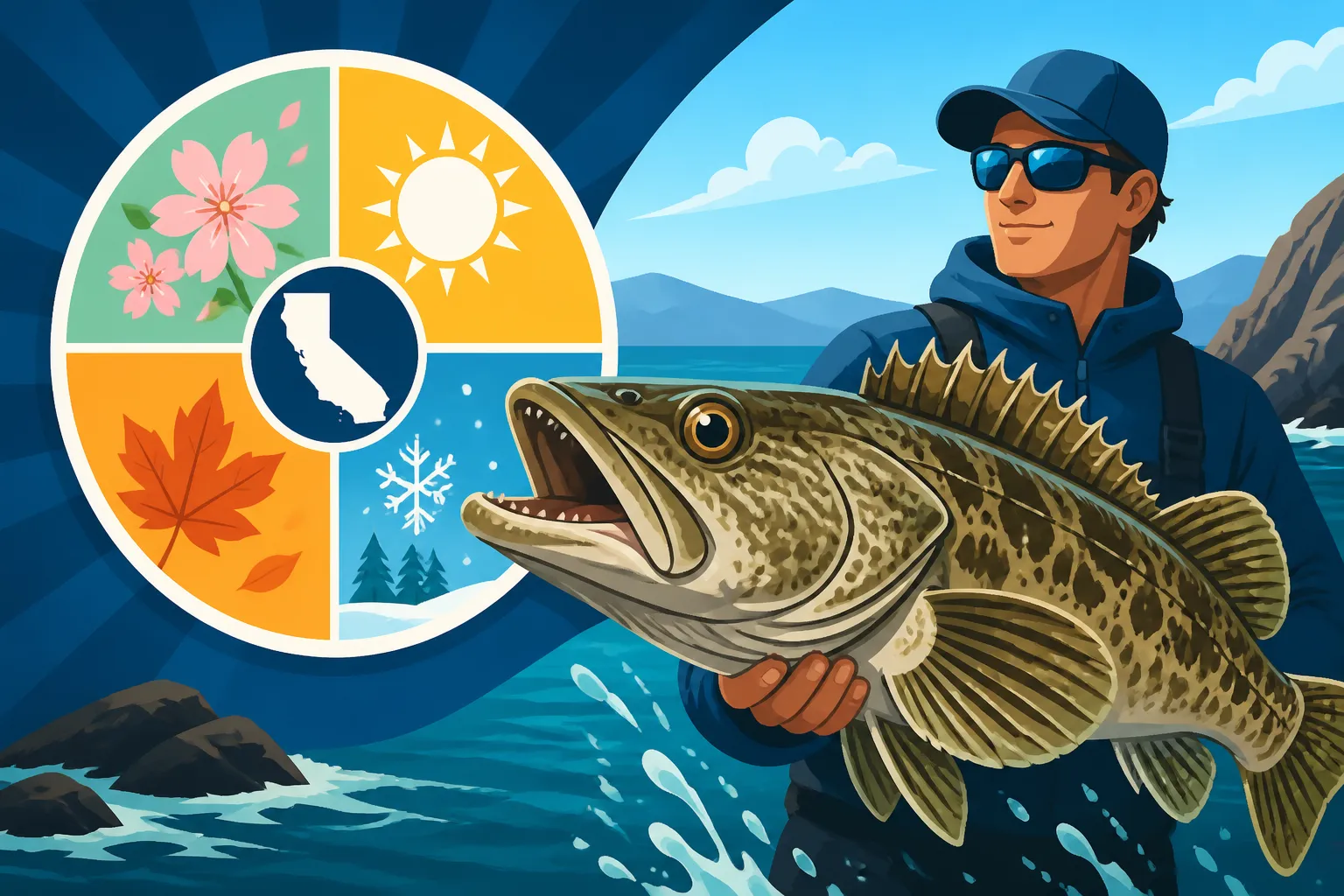
Prime Time for Lingcod: Breaking Down the Best Months
When it comes to the "best" season for lingcod, it's not a single, universally defined period. Instead, it's a dynamic window influenced by their biology, local conditions, and, of course, the ever-important regulations. Anglers often find success in different ways depending on the time of year.
Winter (December – February): Post-Spawning Opportunities
While lingcod are actively spawning and guarding their nests during parts of winter, which might lead to some closures in shallower state waters, this season can actually offer unique opportunities if the regulations allow. In deeper federal waters, or in areas where the season remains open, you might encounter very aggressive male lingcod still protecting their egg masses. These fish are territorial and will strike at anything they perceive as a threat to their nest. It's less about them actively feeding and more about a defensive strike.
The challenge in winter often comes down to weather. California's coast can be notoriously rough with big swells and storms, making offshore trips difficult or even impossible for days or weeks at a time. However, on those calm, clear winter days, if you can get out, the fishing can be exceptional. You might find some of the largest, most tenacious lingcod still hanging close to their breeding grounds. Just remember that regulations regarding depth and location are especially critical during these months to avoid disturbing active spawning areas or violating closures.
Spring (March – May): Reopening and Feeding Frenzies
For many anglers, spring is hands-down the best season to catch lingcod in California. This is when the groundfish seasons often reopen along much of the Central and Southern California coasts after winter closures. By this time, most of the spawning activity has concluded, and both male and female lingcod are absolutely ravenous. They've either finished guarding nests or laid eggs and are now focused on one thing: replenishing their energy stores. This leads to incredibly aggressive feeding behavior, making them more susceptible to a wide range of baits and lures.
Water temperatures are usually starting to climb slightly, bringing with them more baitfish closer to shore, which further fuels the lingcod's appetite. This period also generally offers more predictable weather than winter, making it easier to plan trips. Popular spots like the nearshore reefs around Monterey Bay, the Channel Islands, or even the numerous rockpiles off San Diego come alive. Targeting these areas with jigs, swimbaits, or live bait can result in some truly memorable days of fishing. If you're looking to target a trophy, this post-spawn bite in spring is arguably your best bet.
Summer (June – August): Deeper Water and Consistent Action
As spring transitions into summer, the lingcod bite often remains strong, though their location might shift. With rising water temperatures, some lingcod will move to deeper, cooler waters, often congregating around offshore reefs, pinnacles, and rock formations that hold cooler water and bait. This means that successful summer lingcod fishing often requires venturing further offshore, making it a prime season for longer boat trips or charters. The California Offshore Fishing Techniques you might employ will definitely differ from shallow water approaches.
While the "feeding frenzy" might not be as intense as the immediate post-spawn period, summer offers consistency. The weather is generally more stable, providing more opportunities to get out on the water. Party boats and private charters operating out of ports like San Diego, Long Beach, Santa Barbara, and Monterey often find steady lingcod action in conjunction with rockfish. Anglers targeting lingcod during this time should be prepared for deeper drops, sometimes in excess of 150-200 feet, which means heavier jigs and more robust tackle are the order of the day.
Fall (September – November): Pre-Spawn Feeding and Transition
As summer winds down and fall begins, lingcod start to transition back towards their spawning grounds. While some areas might see season closures towards the end of fall (check specific California Lingcod Season and Limits regulations!), the earlier part of the season can still be productive. Lingcod are once again actively feeding, trying to bulk up before the energy-intensive spawning period. This pre-spawn bite can be quite good, as they become aggressive feeders, similar to the spring, though perhaps not as widespread.
The challenge in fall is that weather can become less predictable. Early fall days can be glorious and calm, but as winter approaches, the swells can pick up, making offshore trips more challenging. However, if you hit it right on a calm day, you might encounter some hefty lingcod. This is also a time when you might find them in slightly shallower waters again as they prepare for spawning, making them accessible to a wider range of anglers. Keep an eye on local fishing reports, as fall patterns can be very localized.
Factors Influencing Lingcod Activity Beyond Calendar Months
While the seasonal calendar gives us a great roadmap, successful lingcod fishing isn't just about the month; it's also about understanding the micro-factors that influence their behavior on any given day. Ignoring these elements can turn a "prime season" day into a frustrating skunk, while paying attention can make a "slow season" day surprisingly productive.
Water Temperature and Structure
Lingcod are cold-water creatures, preferring cooler Pacific waters. While they can tolerate a range, significant temperature swings can cause them to move. Typically, they’ll seek out areas where the water stays consistently cool, which often means deeper offshore structures as surface temperatures warm up in summer. But it's not just about the temperature itself; it's also about the structure that holds that cool water. Lingcod are masters of camouflage and ambush, thriving in complex environments like rocky reefs, pinnacles, ledges, and thick kelp beds. These areas provide protection, ambush points, and attract baitfish, which are their primary food source.
If you're fishing a new area, look for contour changes on your fish finder – sudden drops, rises, or rocky bottom indicated by sonar. These are lingcod magnets. In the spring, they might be in shallower waters (30-80 feet) guarding nests in crevices. In summer, they might descend to 100-250 feet, still clinging to structure. Knowing the preferred California Rockfish Depth Restrictions for the area you are fishing, which often overlap with lingcod, can also guide you to the right depths. No matter the season, if you're not fishing near gnarly bottom structure, you're likely not fishing for lingcod.
Tides and Currents
Just like many other predatory fish, lingcod are opportunistic feeders, and moving water plays a huge role in triggering their feeding instincts. Tides and currents create "current breaks" around structures, which are perfect ambush points. When the water moves, it disorients baitfish and washes food past the waiting lingcod. Strong currents can also concentrate bait in certain areas, making it easier for lingcod to find a meal. Generally, an incoming or outgoing tide with moderate current is often ideal. Slack tide, when the water movement slows, can sometimes lead to a lull in the bite, but not always.
Understanding the local tide charts is a powerful tool. In bays and nearshore areas, predicting current flow is relatively straightforward. Further offshore, however, currents can be more complex, influenced by bathymetry and larger oceanographic patterns. When drifting over structure, paying attention to how your boat moves and how your line is behaving in the current can tell you a lot about the fish's potential activity. If the current is too strong, your bait or lure might not stay in the strike zone effectively, or it might get snagged too easily. Too little current, and the lingcod might just be lazy.
Baitfish Presence
Lingcod are voracious predators, and their presence in any given area is heavily influenced by the availability of food. If there's a good showing of their preferred forage – mackerel, sardines, anchovies, herring, small rockfish, or even squid – you can bet lingcod won't be far behind. These baitfish schools are often drawn to areas of upwelling, kelp beds, or specific water temperatures, creating a vibrant food chain. Observing baitfish on your fish finder, or even seeing them actively schooling on the surface, is a strong indicator that larger predators like lingcod might be in the vicinity.
Anglers often try to "match the hatch" by using lures or baits that mimic the local forage. For example, if there's a strong sardine run, using a sardine-colored swimbait or a live sardine can be incredibly effective. Conversely, if bait is scarce, lingcod might be more spread out or less active, making them harder to locate and entice. This is why many successful lingcod anglers pay close attention to the overall health of the marine ecosystem and recent California Fishing Reports to get a sense of baitfish movements.
Weather and Ocean Conditions
California's coastline can be beautiful but also unforgiving. The weather and ocean conditions play a massive role in whether you can even get to the best lingcod spots, let alone fish them effectively. Calm, clear days are obviously preferred, offering comfortable rides out to the fishing grounds and better visibility for spotting structure on your electronics. However, lingcod are often found in areas that can get pretty gnarly, so a little swell doesn't always deter them. In fact, moderate chop can sometimes make them more active as it stirs up the water and disorients bait.
On the flip side, strong winds, large swells, or heavy fog can make offshore fishing dangerous and unproductive. Rough conditions make it difficult to maintain boat position over structure, feel subtle bites, and can lead to severe seasickness for anglers. It's crucial to always check marine forecasts before planning a trip, paying attention to wave height, wind speed, and visibility. No lingcod is worth risking your safety, and often, if the conditions are too rough for you, they're probably making it tough for the fish to feed effectively too. Many anglers will consult with their chosen charter service or local bait shop about conditions and safety before heading out, especially for trips involving deeper waters or longer runs.
Gear and Tactics for Seasonal Lingcod Success
Landing a lingcod is a brute-force affair. These fish are powerful, have incredibly tough mouths, and are masters at snagging you up in the rocky structure they call home. Having the right gear and employing smart tactics are non-negotiable for success.
Rods, Reels, and Line for Robust Lingcod
When you're battling a big lingcod, you need tackle that can take a beating. Forget your finesse gear; this is heavy-duty territory. For rods, look for something with a fast action, a sturdy backbone, and rated for 30-80 lb line. A rod in the 7-8 foot range offers good leverage and casting distance from a boat or pier. Brands like Ugly Stik or Penn offer durable, affordable options that can handle the abuse. You'll want enough backbone to really put the hurt on a big fish and pull it away from the rocks, but also enough tip sensitivity to feel the often subtle initial bite.
For reels, a conventional star-drag or lever-drag reel is preferred for its power and control, especially when fishing deep. A reel like a Penn Fathom, Daiwa Saltist, or a similar model from Shimano, spooled with 50-80 lb braided line, is ideal. Braid offers superior sensitivity and strength for its diameter, which is crucial when fishing deep for these powerful fish. However, because braid has no stretch, you'll want to add a top shot of 3-6 feet of 40-60 lb monofilament or fluorocarbon leader. This leader provides a bit of shock absorption and abrasion resistance against the sharp rocks and the lingcod's toothy maw. You can find a huge selection of robust rods, reels, and high-quality braided line on Amazon, often with good deals that won't break the bank.
Best Baits and Lures for Lingcod
Lingcod are not picky eaters, but some offerings are undeniably more effective than others.
- Live Bait: This is often the undisputed king for lingcod. Small mackerel, sardines, anchovies, herring, or even small rockfish (where legal) hooked through the nose or back will often get hammered. The natural action and scent are irresistible. You'll often find these types of bait for sale at local tackle shops or readily available on live bait boats.
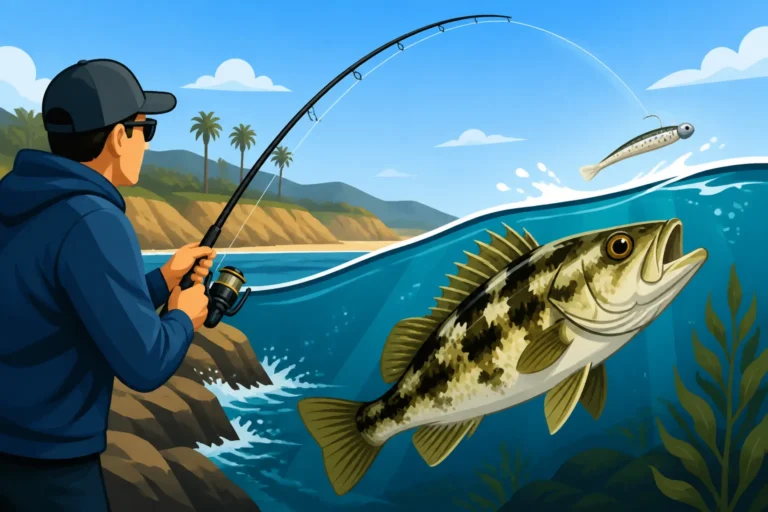
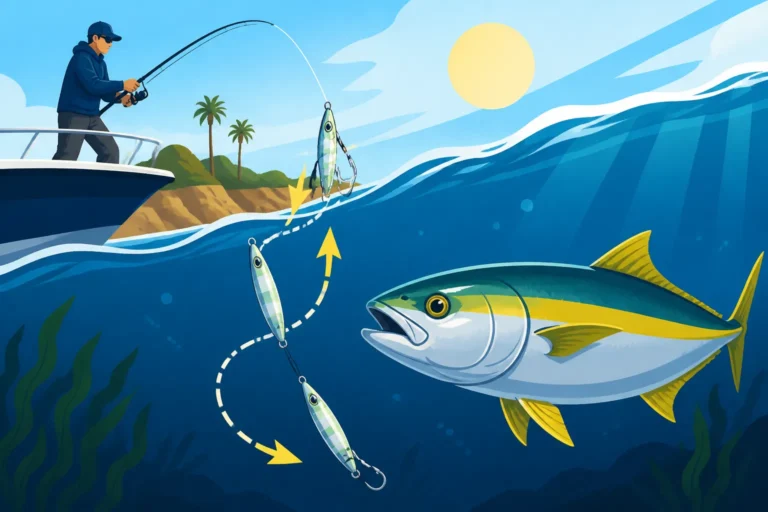
- Jigs: Heavy metal jigs, often referred to as "diamond jigs" or "iron," are incredibly effective. Their erratic flutter and flash mimic injured baitfish. Jigs ranging from 6-16 oz (or even heavier in strong currents or deeper water) are common. Colors like chrome, blue/white, or glow-in-the-dark are popular. Vertical jigging them just off the bottom over structure is a classic technique. Swimbait jigs with large paddle tails, particularly in natural baitfish colors (greens, blues, browns), are also highly productive. You can find a vast array of fishing jigs and soft plastic swimbaits on Amazon that work wonders for lingcod.
- Soft Plastics: Large swimbaits (6-12 inches) rigged on heavy jig heads (1-4 oz) can be deadly. Brands like Warbaits, or even popular bass swimbaits adapted for saltwater, often work. The key is to present them close to structure with a slow, erratic retrieve.
- Cut Bait/Dead Bait: Large strips of mackerel, squid, or sardine on a dropper loop or leadhead can also entice a bite, especially if live bait isn't available. The scent trail can be a big draw.
Remember, lingcod have incredibly sharp teeth, so using heavy-duty hooks and leaders is crucial to prevent bite-offs and straighten hooks.
Effective Fishing Techniques by Season
The best way to fish for lingcod often shifts with the season and their depth preferences.
- Spring (Post-Spawn, Shallower Water): In spring, when lingcod are in shallower waters (30-80 ft) and aggressively feeding, drift fishing with live bait or large swimbaits is incredibly effective. Let your bait or lure hit the bottom, reel up a few feet, and let the current carry you over the structure. This covers a lot of ground and presents your offering naturally. Jigging in these shallower depths is also highly productive. This is also a great time to explore California Kayak Fishing Tips and Techniques as lingcod can be closer to shore.
- Summer (Deeper Water): As lingcod move deeper in summer (100-250+ ft), vertical jigging with heavy metal jigs becomes a staple. Drop your jig to the bottom, reel up 5-10 feet, and aggressively "yo-yo" the jig by lifting and dropping your rod tip, then letting it fall on a semi-slack line. The strikes are often violent on the drop. Live bait on a dropper loop rig, fished directly under the boat, is also a go-to for deeper fish. Many charters will run these techniques, often called California Jigging Tips and Techniques, alongside bottom fishing for other groundfish.
- Fall (Pre-Spawn, Transition): Fall fishing can be a mix of spring and summer tactics. If lingcod are still deeper, employ summer tactics. If they've started to move shallower in preparation for spawning, drift fishing and aggressive jigging with swimbaits can work well. Pay attention to your fish finder; if you mark fish on a specific depth, try to stay on that contour.
- Winter (Regulations Permitting): If you can fish in winter, particularly for territorial males, a slow-presented large jig or even a whole dead squid on the bottom can elicit a defensive strike. Because the males are stationary, patience and precision positioning over known structure are key. Keep in mind that for specific regulations about species like lingcod, it's always worth reviewing the full California Fishing Regulations Explained to ensure compliance.
No matter the season, patience and persistence are your best friends when targeting lingcod. They might not be everywhere, but when you find them, the action can be explosive and incredibly rewarding.
Disclaimer
Fishing conditions and regulations in California can change frequently. This guide is intended for informational purposes only and does not supersede official regulations. Always consult the latest California Department of Fish and Wildlife (CDFW) regulations, current marine forecasts, and local advisories before engaging in any fishing activity. It is your responsibility to know and follow all applicable laws.