Best Season to Catch Yellowtail in California
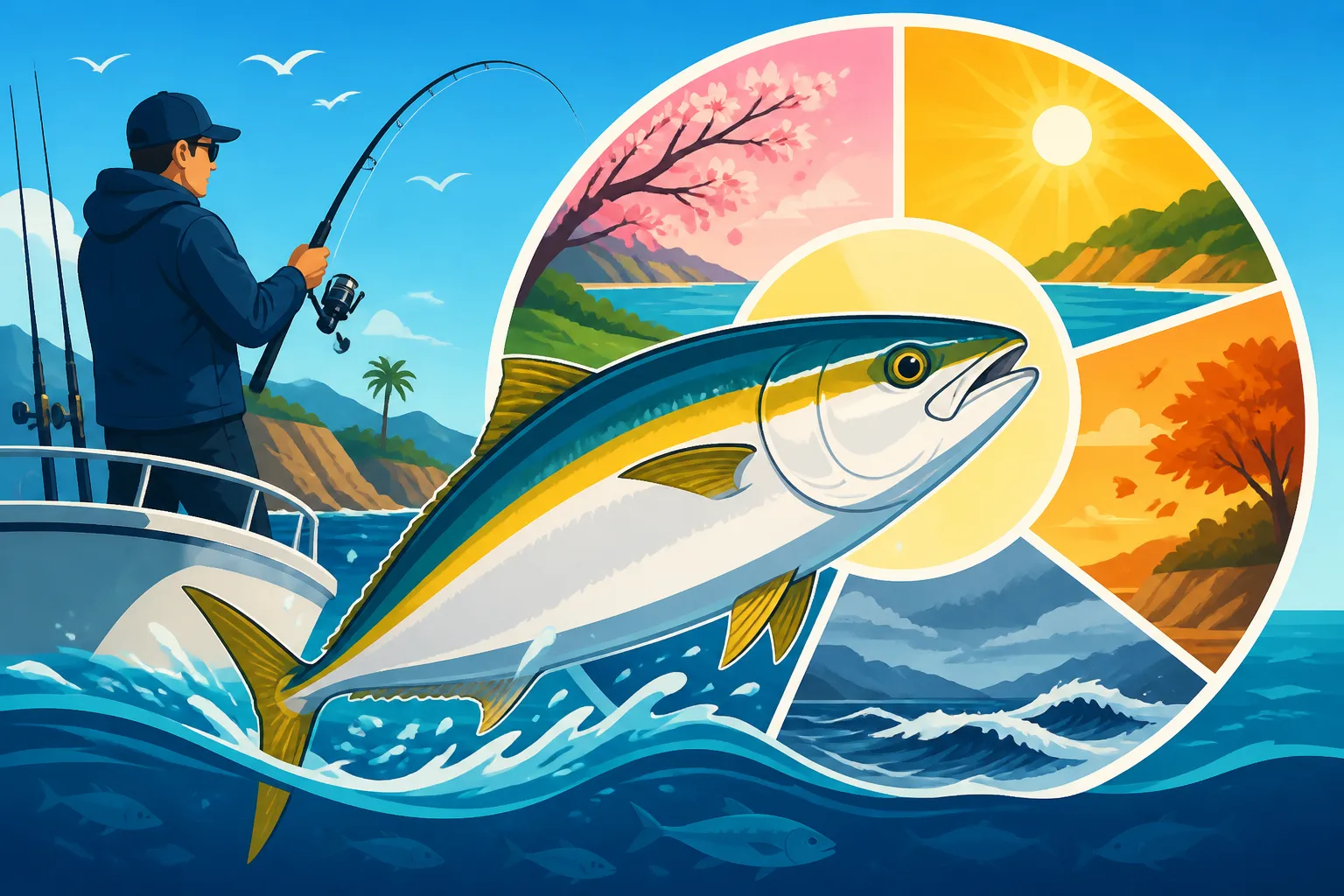
There's nothing quite like the thrill of chasing Yellowtail, that torpedo of muscle and fight, up and down the California coast. But if you've ever found yourself scratching your head, wondering why they're biting like crazy one week and then seem to vanish into thin air the next, you're not alone. The truth is, Yellowtail are creatures of habit, or rather, creatures of season, and understanding their patterns is key to consistently hooking into these incredible game fish. This guide is going to break down the ins and outs of the best season to catch Yellowtail in California, helping you time your trips for maximum success.
Understanding Yellowtail Migration and Behavior
Yellowtail, or Seriola lalandi, are truly dynamic fish, renowned for their powerful runs and delicious fillets. They're often referred to as "forktails" by anglers due to their distinct tail shape. Unlike some of our more resident species, Yellowtail are highly migratory, which means their presence in California waters is largely seasonal. They're always on the move, chasing ideal conditions and food sources, and understanding this nomadic lifestyle is the first step to figuring out when and where to find them.
Why Yellowtail are a Seasonal Catch
Think of Yellowtail like snowbirds heading south for the winter and then returning north when the weather warms up. Their movements are primarily dictated by water temperature. They prefer warmer, nutrient-rich waters, typically in the 60-70°F range. As the ocean water warms up along the California coast in late spring and summer, it creates a hospitable environment, not just for the Yellowtail themselves, but also for the baitfish they love to gorge on. This influx of warm water and abundant food is the siren song that draws them northward from their deeper, southern haunts.
Another critical factor is ocean currents. California's dynamic oceanography, with its upwellings and various current patterns, plays a huge role. Strong El Niño years, for example, often bring exceptionally warm water further north and extend the Yellowtail season, sometimes even pushing them into areas where they're typically rare. Conversely, colder water years might see a delayed arrival or a more restricted range. It's a delicate balance, and these environmental cues are what trigger their annual migrations, making them a truly seasonal pursuit for most of our state's anglers.
Key Factors Influencing Yellowtail Presence
It's not just about the calendar; a few environmental variables really dictate the Yellowtail's showtime. Paying attention to these can give you a significant edge in planning your fishing trips.
Firstly, water temperature is paramount. Yellowtail thrive in warmer ocean conditions. While they can tolerate cooler water for short periods, consistent temperatures above 60°F really get them active and feeding aggressively. You'll often hear charter captains talking about "the break," referring to temperature gradients or lines where warmer water meets cooler water. These temperature breaks are like highways for Yellowtail, as they often concentrate baitfish. If you're looking at a marine forecast and see water temperatures hovering in that ideal range, you know you're likely in business.
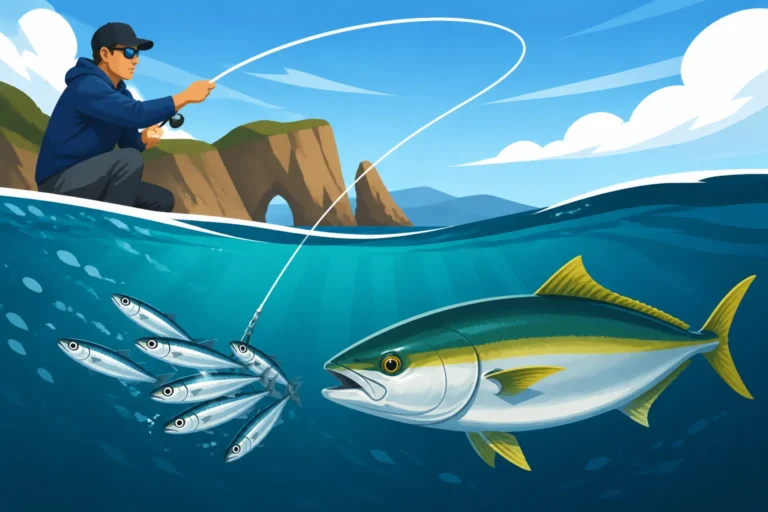
Secondly, bait schools are absolutely essential. Yellowtail are voracious predators, and they follow their food. Sardines, anchovies, mackerel, squid, and even smaller bonito are all on their menu. If you find the bait, you'll often find the Yellowtail. Keep an eye out for bird activity, especially diving pelicans or terns, which often indicate bait schools near the surface. Sonar readings on your boat can also pinpoint bait balls, which are prime targets for Yellowtail. The abundance and health of these bait populations directly influence how long and strong the Yellowtail bite will be.
Lastly, offshore conditions, including currents and swell, also play a role. While not as direct as temperature or bait, certain conditions can concentrate fish or make them more accessible. Calm seas often mean easier spotting of surface activity, while strong currents can sometimes push bait into predictable areas, creating ambush points for Yellowtail. Monitoring marine forecasts for these conditions, alongside temperature and bait reports, is a crucial part of the puzzle for any serious angler.
The Prime Season for Yellowtail in California
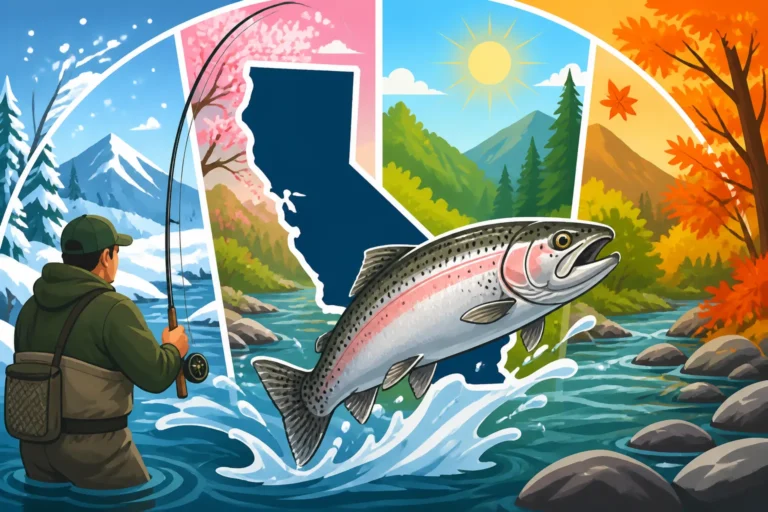
For most anglers in California, the Yellowtail season is something we eagerly anticipate each year, and for good reason. It's when these hard-fighting fish become most prevalent and accessible, offering some of the most exciting sportfishing opportunities the state has to offer. While there can always be early flurries or late-season stragglers, there's a definite window when the action really heats up.
Spring into Summer: The Initial Push
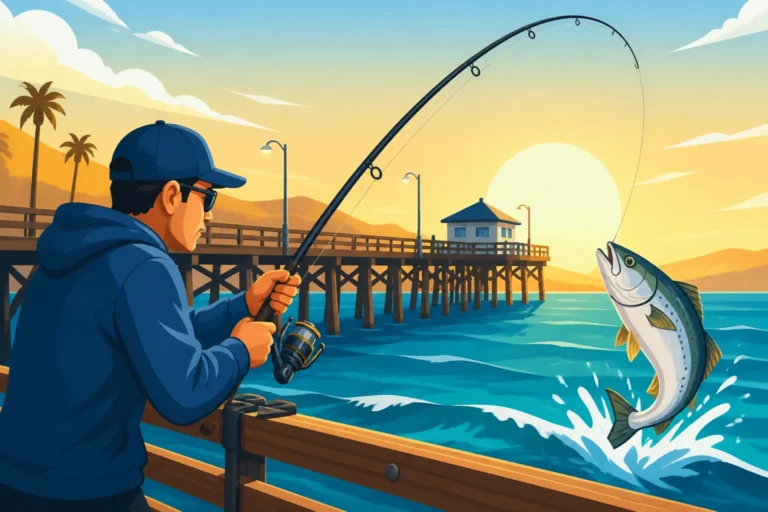
The first hints of Yellowtail usually start to appear in late spring, typically around April or May, particularly in the warmer waters off Southern California. This is when the ocean begins its annual warm-up, and the first schools of Yellowtail push northward. At this time, they might be a bit more scattered, and you might encounter them around offshore islands like the Channel Islands or near coastal kelp beds in areas like La Jolla or Catalina Island. The bite can be a bit hit-or-miss initially, with some days being red hot and others being a bit slower as the fish are still settling into their summer patterns.
These early season Yellowtail are often caught on iron jigs, both surface and yo-yo, or on live bait like sardines. Sometimes they're mixed in with other pelagic species like bonito or barracuda. It's a time of excitement, as anglers eagerly await confirmation that the "forkies" have indeed arrived. If you're planning a trip during this transitional period, it's wise to check recent California fishing reports and communicate with local tackle shops or charter operations, as conditions can change rapidly.
Peak Summer Action: Hot and Heavy
Once we hit June and especially through July and August, that's when the Yellowtail season truly hits its stride. This is the absolute prime time to catch Yellowtail in California. The ocean waters are consistently warm, baitfish are abundant, and the Yellowtail are actively feeding and schooled up. During these months, you'll find them closer to shore, sometimes even right off the beaches, and certainly in force around prominent kelp beds, structure, and offshore islands.
The fishing can be spectacular, with boats often reporting limits of Yellowtail, especially on longer trips. Techniques range from slow-trolling live bait, fly-lining sardines, casting surface irons into boiling schools, or yo-yo jigging deep near structure. This is when you'll see those iconic "foaming" Yellowtail schools on the surface, pushing bait and creating an unforgettable sight for any angler. If you're looking to book a charter for Yellowtail, summer is when you want to make sure your reservation is in. You can learn more about how to find the Best Fishing Charters in San Diego during this busy season.
Fall Transition: Extended Opportunities
As summer transitions into fall, specifically through September and October, the Yellowtail bite often remains strong, and in some years, can even produce some of the biggest fish of the season. The waters are still warm, and the fish have had months to feed and grow. However, their patterns might start to shift slightly. They might move to deeper water, or their schools could become more elusive as they prepare for their southward migration.
The fall fishing can be fantastic, but it often requires a bit more effort and local knowledge. Sometimes, a strong late-season bait bloom, or a prolonged period of warm water, will extend the bite well into November. Anglers who are dedicated and willing to adapt their tactics can be greatly rewarded with some truly memorable catches. The fish tend to be heavier and more aggressive in the fall, making for incredible fights. Understanding the nuances of Best Times to Fish in California generally can help you predict these extended seasons for various species.
Regional Variations for Yellowtail Fishing
While Yellowtail are primarily a Southern California fishery, their migratory patterns mean they can occasionally show up further north. Knowing the typical hotspots and when to expect them in different regions is key to planning a successful trip.
Southern California Hotspots and Timing
Southern California is undeniably the epicenter of Yellowtail fishing in the state. From San Diego up to Santa Barbara, this stretch of coast offers consistent opportunities during the prime season.
- San Diego County: This is arguably the most consistent Yellowtail fishery. Areas like La Jolla kelp beds, Point Loma, and the Coronado Islands (in Mexican waters, requiring appropriate permits) are legendary. Yellowtail here can be caught from late spring (April/May) through late fall (October/November), with peak action in June-September. Many boats departing from landings like Fisherman's Landing or H&M Landing offer dedicated Yellowtail trips. When you're fishing in these areas, make sure you're up to date on California Saltwater Fishing Regulations.
- Orange County and Los Angeles: Destinations like Catalina Island, San Clemente Island, and the extensive kelp forests off Newport Beach and Dana Point are prime Yellowtail territory. The timing is similar to San Diego, with a strong summer bite. These islands are magnets for Yellowtail, offering abundant structure and food. Long Beach and Marina del Rey also see good Yellowtail action during the season.
- Ventura and Santa Barbara: Further north, the Channel Islands (Anacapa, Santa Cruz, Santa Rosa, San Miguel) offer incredible Yellowtail fishing, often producing some of the largest fish. The season here might start a little later, perhaps late May or June, and extend through October. The colder water earlier in the year means a delayed start, but when the water warms up, the fishing can be exceptional.
These Southern California areas benefit from consistent warm water, extensive kelp paddy habitat, and reliable bait schools, creating the perfect storm for Yellowtail.
Central and Northern California Yellowtail Encounters
While Southern California is the primary domain of the Yellowtail, don't write off Central and even Northern California entirely, though encounters are much less frequent and often depend heavily on unusual oceanographic conditions.
- Central California (Morro Bay to Monterey Bay): Yellowtail are rare visitors in this region, typically only showing up during significant warm water events, such as strong El Niño years. When they do appear, it's usually in late summer or early fall when water temperatures are at their highest. They might be found around specific offshore banks or deep canyons. It's not a fishery you can reliably plan for, but local reports of warm water pushing north should always pique your interest. If you're lucky enough to encounter them, they'll likely be larger, solitary fish. Anglers in this region are usually more focused on California Rockfish Regulations and Limits or salmon.
- Northern California (San Francisco Bay Area and North): Yellowtail are virtually unheard of as a consistent target this far north. On extremely rare occasions during exceptionally warm El Niño years, a stray Yellowtail might be caught, but this is a true anomaly rather than a seasonal expectation. Anglers in the Bay Area are usually chasing California Salmon Season Dates Explained or California Halibut Size and Bag Limits when offshore.
So, while the dream of Yellowtail in San Francisco Bay might be a distant one, it's a stark reminder of how sensitive these fish are to their environment and how lucky we are in Southern California to have such a vibrant fishery.
Strategies for Maximizing Your Yellowtail Success Throughout the Season
Knowing when Yellowtail are around is just the beginning. To truly capitalize on the season, you need to be prepared, stay informed, and know how to target them effectively.
Monitoring Conditions and Reports
In today's connected world, staying informed is easier than ever, and it's absolutely critical for Yellowtail fishing.
- Online Fishing Reports: Websites like Bloodydecks, The Hull Truth, and local landing sites (e.g., San Diego's H&M Landing, Point Loma Sportfishing, Dana Wharf Sportfishing) are invaluable. They provide daily or weekly fish counts, recent catches, and sometimes even specific locations and techniques that are working. Pay close attention to the water temperature readings and bait availability mentioned in these reports.
- Social Media: Follow reputable captains, tackle shops, and fishing groups on platforms like Instagram and Facebook. Many will post real-time updates and photos of recent catches.
- Weather and Ocean Forecasts: Always check marine weather forecasts for swell, wind, and sea conditions. More importantly, look at sea surface temperature (SST) charts. These charts, often available from NOAA or specialized fishing forecast sites, visualize temperature breaks and warm water anomalies that could indicate Yellowtail presence. Learning to read these can significantly improve your chances. Understanding How Weather Affects California Fishing is key to any successful trip.
Essential Gear for Yellowtail
Having the right tackle can make all the difference when a powerful Yellowtail strikes. You need gear that can handle their aggressive runs and brute strength.
- Rods and Reels: For live bait and lighter jigging, a conventional rod rated for 20-40 lb line paired with a reliable star-drag or lever-drag reel (like a Penn Fathom or Daiwa Saltist) is a solid choice. For heavier jigging or bigger fish, stepping up to a 30-60 lb outfit is wise. Spinning gear can also be effective for casting lighter lures or surface irons, especially when fish are foaming on the surface. Look for reels with strong drags and high retrieve ratios. Many anglers find great deals on these essential items on platforms like Amazon.
- Line: For main line, 30-50 lb monofilament or braided line is standard. Braid offers sensitivity and strength but requires a fluorocarbon leader (25-50 lb) for stealth, as Yellowtail can be line-shy. Monofilament offers more stretch, which can be forgiving during hard runs, but may not be as sensitive.
- Terminal Tackle: A selection of high-quality hooks (Mustad, Owner, Gamakatsu in sizes 1/0 to 4/0 for live bait), swivels, and leader material is essential. Don't skimp on these; a cheap hook can cost you a trophy fish.
- Lures: A good assortment of metal jigs is a must. Surface irons (e.g., Tady, Salas) are great for casting into breaking fish, while yo-yo jigs (heavier, denser jigs) are perfect for fishing deeper water or when fish are holding near structure. Keep a few swimbaits or poppers on hand too for diverse conditions. You can stock up on a variety of Yellowtail lures through Amazon.
Common Yellowtail Fishing Techniques
Yellowtail are aggressive, but they can also be finicky. Having a few techniques in your arsenal will prepare you for various scenarios.
- Live Bait Fishing: This is often the most productive method. Fly-lining a lively sardine or anchovy with a small hook and minimal weight (or no weight at all) is deadly when fish are near the surface. When they're deeper or around structure, a dropper loop rig with a sinker to get the bait down can be very effective. Always try to keep your bait frisky and swimming naturally.
- Jigging:
- Surface Iron: When Yellowtail are "foaming" or boiling on the surface, casting a surface iron past the school and retrieving it quickly with a sweeping motion can trigger explosive strikes. The flash and erratic movement mimic a fleeing baitfish.
- Yo-Yo Jigging: This technique involves dropping a heavy, fast-sinking jig down to the desired depth and then rapidly reeling it up, mimicking a wounded baitfish escaping. It's incredibly effective when Yellowtail are holding deep or around structure.
- Trolling: For covering large areas and locating schools, trolling Rapalas or other diving plugs can be a great search method. Once a fish hits, you can then stop and try to work the school with live bait or jigs.
- Kelp Paddy Fishing: Yellowtail love to congregate under floating kelp paddies offshore. Approaching quietly and pitching live bait or jigs to the edges of the paddy can result in multiple hook-ups.
Being versatile and willing to switch techniques based on how the fish are biting and what conditions you encounter will greatly increase your Yellowtail catch rates.
Here's a quick summary of the Yellowtail season across California:
| Region | Typical Peak Season | Primary Methods | Notes |
|---|---|---|---|
| Southern California | June – September (May – Nov) | Live Bait (Sardines, Mackerel), Jigs (Surface & Yo-Yo), Trolling, Kelp Paddy Fishing | Most consistent fishery. Peak action during summer. Extended season possible with warm water. |
| Central California | Late Summer – Early Fall (Rare) | Jigs, Live Bait (if available) | Infrequent, typically only during strong warm water events (e.g., El Niño). Not a reliable fishery. |
| Northern California | Virtually Non-Existent | N/A (accidental catches only) | Extremely rare, usually only stray fish during exceptional warm water years. Focus on other species. |
Remember, while this table gives a good general overview, Mother Nature always has the final say. Flexibility and staying updated are your best allies.
Disclaimer
Fishing conditions and regulations in California can change frequently. Always consult the latest California Department of Fish and Wildlife (CDFW) regulations before heading out. This guide is for informational purposes only and should not replace official sources.