How to Catch Dorado in California
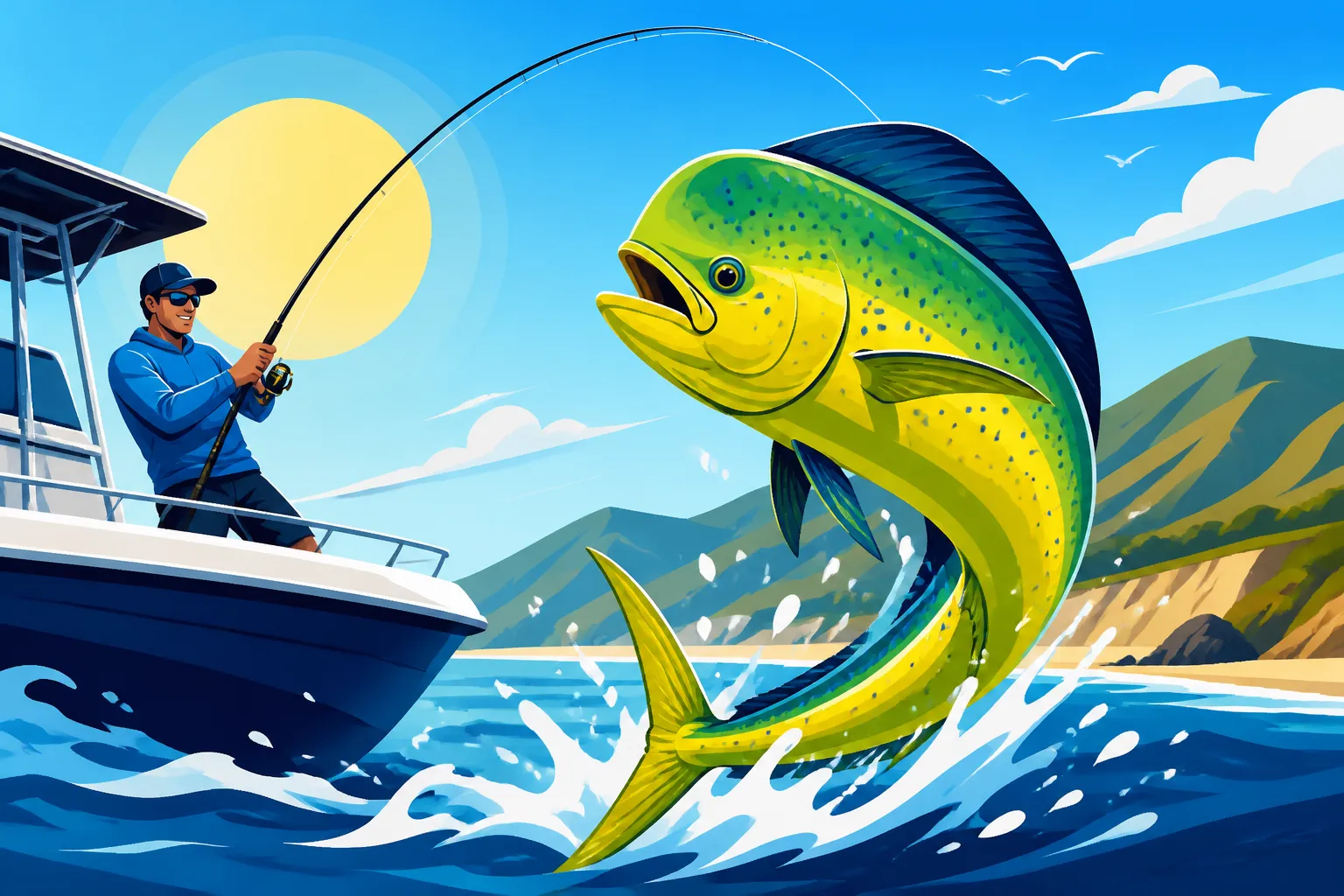
Oh, the dorado! Also known as mahi-mahi or dolphin fish, these vibrant, acrobatic beauties are truly one of California's most exciting offshore catches. Many anglers, especially those new to targeting pelagics, find themselves bewildered when schools of dorado pop up unexpectedly or struggle to consistently hook into them. If you've ever dreamt of battling these iridescent fighters but aren't quite sure where to start, you're in the right place. This guide is going to break down everything you need to know about how to catch dorado in California, from understanding their habits to mastering the techniques that bring them boat-side.
Understanding the Majestic Dorado
Dorado are more than just a pretty face; they're incredibly powerful and intelligent fish that provide an unforgettable fight. Knowing a bit about their biology and behavior can significantly increase your chances of success. They're fast-growing, highly migratory, and love warm water, which is why we typically see them in California during specific times of the year when conditions are just right.
Characteristics and Behavior of Mahi-Mahi
First off, let's clear up any confusion: "Dorado" and "Mahi-Mahi" are the same fish. In Spanish, "dorado" means golden, referring to their stunning golden flanks, while "mahi-mahi" comes from the Hawaiian language, meaning "very strong." And strong they are! These fish are instantly recognizable by their striking, almost neon-like colors – brilliant blues, greens, and yellows that shimmer and change as they dart through the water. Males, often called "bulls," have a distinct, blunt forehead, while females have a more rounded head.
Dorado are apex predators in the open ocean, characterized by their incredible speed and agility. They're opportunistic feeders, constantly on the hunt for baitfish like sardines, anchovies, and mackerel, as well as squid and even small crustaceans. What makes them particularly fascinating to anglers is their highly social nature and their tendency to congregate around floating objects. This behavior is crucial for understanding how to target them, as these floating structures provide shelter and attract baitfish, creating a miniature ecosystem that dorado eagerly exploit.
Why Dorado Are a Prized Catch
Beyond their beautiful appearance, dorado are prized for several reasons that make them a bucket-list fish for many West Coast anglers. Their aggressive feeding habits mean they hit baits and lures with ferocity, often creating spectacular topwater explosions. Once hooked, they are notoriously acrobatic, leaping and thrashing with incredible power, testing both angler and gear. There's nothing quite like watching a dorado go airborne multiple times, trying to throw the hook!
And then there's the table fare. Dorado are widely considered one of the best-eating fish in the ocean. Their firm, white, flaky meat has a mild, sweet flavor that lends itself well to grilling, baking, or pan-searing. Fresh dorado is a culinary delight, making the effort of catching them even more rewarding. Plus, catching a few for dinner is always a great way to celebrate a successful day offshore. It's truly the full package – an exciting fight, a beautiful fish, and a delicious meal.
When and Where to Find Dorado in California
Targeting dorado successfully often comes down to timing and location. These fish are highly sensitive to water temperature and ocean currents, making their presence in California waters somewhat seasonal and dependent on specific offshore conditions.
Seasonal Patterns and Prime Offshore Grounds
Dorado are warm-water pelagic species, meaning they thrive in tropical and subtropical waters. In California, their presence is largely dictated by the northern push of warm ocean currents, typically the Eastern Pacific warm pool or El Niño events. This means that while you might occasionally catch one during an unusually warm late summer, the prime dorado season in California generally runs from late summer through early fall, often peaking in August and September. However, with changing ocean conditions, they can sometimes show up earlier or stick around later into the fall.
When the warm water pushes up the coast, often exceeding 68-70°F, dorado will follow. They are typically found offshore, anywhere from a few miles to many miles out, often beyond the kelp lines and into the open blue water. Key areas where they are frequently encountered include the waters off San Diego, Orange County, and sometimes even up to Los Angeles and Santa Barbara, especially when the warm water extends further north. You'll often find them associated with current breaks, temperature changes, and specific offshore banks and canyons that hold bait. These areas concentrate the food chain, creating hot spots for these hungry predators. For a broader understanding of the yearly bite, check out our guide on the California Fishing Seasons: Month-by-Month Guide.
The Magic of Kelp Paddie Hunting
If there's one thing that consistently signals "dorado" to a California angler, it's a floating kelp paddie. These patches of drifting kelp, often broken off from the coastal kelp forests, act as miniature floating ecosystems in the open ocean. They provide shade and shelter for juvenile baitfish like anchovies and sardines, which in turn attract larger predators like dorado. It's not uncommon to find an entire school of dorado, ranging from small "schoolie" size to trophy "bulls," holding underneath or near a good kelp paddie.
When out on a boat, whether it's your private vessel or a California Deep Sea Fishing Charter Guide, keep a keen eye out for any floating debris. This includes not just kelp paddies, but also anything from floating lumber to pallets, or even large clumps of sargassum weed. These act as fish magnets. Approaching a paddie stealthily is key; you don't want to spook the fish. Once you spot one, make a wide circle around it, looking for any signs of fish activity – splashes, jumping bait, or even the iridescent flash of a dorado. If you don't see anything on the surface, deploying a few lines around and under the paddie is your next move, as they often hold tight to the cover. It’s a bit like hunting for treasure, and kelp paddies are often where the X marks the spot for dorado.
Essential Gear for Dorado Fishing
Having the right gear is crucial for tackling these strong, fast-moving fish. While dorado aren't typically massive like some tuna, their fighting style demands balanced tackle that can withstand powerful runs and acrobatic leaps.
Rod and Reel Combos
For dorado, you're generally looking for a versatile setup that can handle both casting live bait and throwing lures, while still having enough backbone to winch in a powerful fish.
- Rods: A good choice is a medium-heavy to heavy conventional or spinning rod, typically 7 to 8 feet long. The length helps with casting distance and also provides leverage during the fight. Look for rods with a fast action, meaning the tip bends easily but the rest of the rod has significant power. This allows for solid hook sets and the ability to control a fish that's trying to run under the boat or away from the kelp. Brands like Shimano, Penn, and Daiwa offer excellent options in this category.
- Reels: For conventional setups, a 30-pound class lever drag reel (like a Shimano Talica 10 or 12, or a Penn Fathom 25N) is ideal. These reels offer smooth drags, good line capacity, and a high retrieve ratio to keep up with fast-moving dorado. If you prefer spinning gear, a 6000-8000 size reel (like a Penn Spinfisher VI 6500 or a Shimano Saragosa SW 8000) spooled with braid is excellent for casting lures and managing fights. Ensure your reel has a smooth, reliable drag system; this is paramount when a dorado decides to make its famous aerial displays. Many anglers find great deals on these setups by checking trusted retailers, and you can always find a wide selection of fishing reels and rods on Amazon.
Line and Leaders
Your choice of line and leader is critical for presenting baits naturally and enduring the dorado's tough fight.
- Main Line: Braid is almost universally preferred as the main line for its strength-to-diameter ratio, sensitivity, and lack of stretch, which aids in hook sets. For dorado, 40 to 60 lb braided line is a solid choice. It allows you to pack plenty of line onto your reel, which you'll appreciate during those long, screaming runs.
- Topshot/Leader: Because braid is highly visible and can be abrasive on the fish's mouth, you'll want to add a fluorocarbon topshot or leader. Fluorocarbon is nearly invisible in water, more abrasion-resistant, and offers a bit more stretch than braid, which can act as a shock absorber. A 20 to 40 lb fluorocarbon leader, 6 to 10 feet long, is standard. For particularly shy fish or very clear water, you might drop down to 20 or 25 lb. Connecting your main braid to your fluorocarbon leader with a strong knot like an FG knot or an Alberto knot is essential; these knots are strong and slim, allowing them to pass through rod guides easily.
- Wire Leader (Optional): While dorado don't have razor-sharp teeth like wahoo, their mouths can be abrasive, especially for smaller, thinner leaders. If you find yourself consistently getting cut off, or if sharks are present, a short piece of light wire leader (around 30-40 lb test, 6-12 inches) might be considered, though it can reduce bite frequency. Most of the time, a good fluorocarbon leader is sufficient.
Hooks and Weights
Terminal tackle selection needs to be precise to entice bites and ensure a solid hookup.
- Hooks: When fishing live bait, circle hooks are highly recommended for dorado. They are designed to hook the fish in the corner of the mouth, minimizing gut hooks and making release easier if you're practicing catch-and-release, or ensuring a clean catch for retention. Sizes 1/0 to 4/0 are common, depending on the size of your bait and the average size of the dorado. If you're using cut bait or artificials, J-hooks (like Owner Mutu Light or Gamakatsu Octopus hooks) can be effective. Ensure your hooks are sharp and strong enough to handle a hard-fighting fish.
- Weights: Most dorado fishing with live bait around kelp paddies is done without weight, allowing the bait to swim naturally. However, if conditions are windy, there's a strong current, or you need to get your bait deeper to reach fish holding lower in the water column, you might need a small sliding sinker (1/4 to 1/2 oz egg sinker) above your swivel, or use a split shot pinched directly onto your leader. The goal is always to present the bait as naturally as possible. In certain trolling scenarios, a small trolling lead or even a planer might be used to get lures or rigged baits to a specific depth, but this is less common for "paddie hopping" style fishing.
Top Techniques for Catching Dorado
Dorado are aggressive predators, but their transient nature and association with floating structure mean you need a dynamic approach. Combining different techniques often yields the best results.
Live Baiting Around Kelp Paddles
This is arguably the most effective and exciting way to catch dorado in California. Once you've located a promising kelp paddie or other floating debris, the strategy revolves around presenting live bait naturally to the fish hiding below.
- Bait Selection: The best live baits are typically lively fin bait like sardines, anchovies, or mackerel. These are what dorado naturally feed on. Having a good bait tank with healthy, active bait is crucial. Sometimes, if you're really lucky, you might even find flying fish around a paddie, which are a prime dorado meal.
- Presentation: Approach the paddie slowly and quietly. Start by chumming lightly with a few scoops of your live bait. This can draw the dorado out from under the kelp and into the open, creating a feeding frenzy. As you chum, cast your unweighted live bait on a fluorocarbon leader with a small circle hook (e.g., a 2/0 or 3/0 Owner Mutu Light) into the chum line. Let the bait swim freely, drifting naturally away from the boat and towards the paddie. Keep your bail open or your reel in free spool with your thumb lightly on the spool to allow the fish to take the bait without feeling resistance.
- The Bite: When a dorado hits, it's often violent! Let the fish run for a few seconds to ensure it has fully engulfed the bait, then slowly push the drag up or close the bail and begin reeling. Resist the urge to aggressively "set the hook" with circle hooks; simply come tight on the line, and the hook will do its job. Once hooked, be ready for aerial acrobatics and strong runs. Keep the pressure on and try to steer them away from tangling in the kelp. Often, when one dorado is hooked, others will follow it to the boat, creating a "firecracker" bite where multiple fish can be hooked simultaneously – a true thrill!
Jigging and Casting Artificial Lures
While live bait is king, artificial lures can be incredibly effective, especially when dorado are in a highly aggressive mood or when live bait is scarce.
- Jigs: Metal jigs, especially Salas Jigs or Shimano ColtSnipers, in baitfish patterns (blue/white, sardine, green mackerel) are deadly for dorado. When you find a paddie with active fish, or if you're seeing splashes on the surface, casting a jig beyond the school and retrieving it with a fast, erratic yo-yo action or a quick retrieve can trigger ferocious strikes. The key is to mimic a fleeing baitfish. Make sure to have a good selection of jigs in various weights (from 1 to 4 oz) to match different conditions and casting distances. Often, the brighter, more reflective jigs work wonders in clear, sunny California waters.
- Poppers and Surface Lures: When dorado are actively feeding on the surface, busting bait or jumping, poppers and walk-the-dog style surface lures can create explosive topwater bites that are truly unforgettable. Cast them near the feeding activity and work them back with a combination of pops, splashes, and retrieves that imitate a struggling baitfish. The commotion these lures make can draw dorado from a considerable distance. Brands like Halco, Yo-Zuri, and Nomad make excellent surface lures for pelagic species.
- Swimbaits: Soft plastic swimbaits rigged on heavy jig heads can also be effective, especially for fish holding a bit deeper under a paddie. Their natural swimming action can tempt fish that are a little more hesitant. The use of scents can sometimes give you an edge with these lures.
When engaging in these techniques, a good pair of polarized sunglasses is indispensable. They allow you to spot the fish, observe their behavior, and see exactly where your lure is in relation to the school, giving you a huge advantage. You can find a wide range of quality sunglasses suitable for fishing on Amazon, which can truly make a difference in your ability to spot fish.
Trolling Strategies for Pelagic Roamers
Trolling is a fantastic way to cover ground and find scattered schools of dorado, especially when they aren't concentrated around kelp paddies. This method is often employed by boats running offshore in search of temperature breaks, current lines, or simply trying to locate active fish.
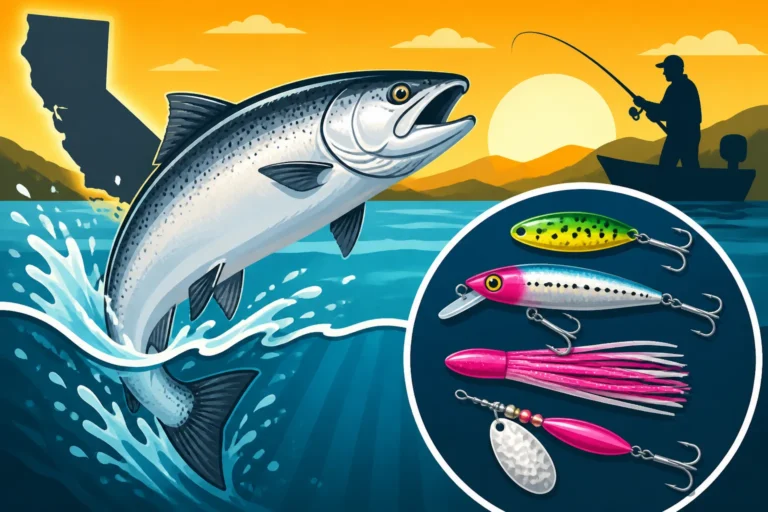
- Lure Selection: Skirted lures, often called "tuna feathers" or "jet heads," are very popular for trolling. Look for lures in bright colors like pink, green, yellow, or combinations of blue and white, which mimic popular baitfish. Dorado are attracted to flashy, noisy lures, so those with reflective surfaces or internal rattles can be very effective. Small to medium-sized plastic trolling lures without skirts, such as Rapala X-Raps or Nomad DTX Minnows, also work wonders. Sometimes, rigging a dead sardine or flying fish behind a small trolling lead can be irresistible.
- Spreader Bars and Daisy Chains: To create a larger, more enticing presentation that mimics a school of baitfish, many anglers use spreader bars or daisy chains. These setups consist of multiple artificial squids or teasers that create a "school" effect, with a single hook bait or lure typically running at the back. Dorado, being opportunistic, will often attack the lone "straggler" at the end of the chain. These systems can be particularly effective for drawing attention in vast expanses of open ocean.
- Speed and Spread: Trolling speeds for dorado usually range from 6 to 9 knots, but it's crucial to experiment and see what the fish prefer on any given day. Watch your lures closely; they should be swimming naturally and enticingly. A good spread typically involves running several lines at different distances and depths to cover more water and avoid tangles. Outriggers are invaluable for spreading your lures wide, keeping them clear of the prop wash, and presenting them naturally. Using flat lines, short riggers, and long riggers can give you a diverse presentation. Remember, these offshore techniques are often similar to those used in the California Offshore Fishing Techniques for other species, so a good understanding of that can help.
- The Strike: When a dorado hits a trolled lure, it's usually unmistakable. The rod will often get violently pulled down, and the reel will scream as the fish makes its initial run. Be quick to grab the rod and start fighting the fish, while other crew members clear the remaining lines to prevent tangles. It's not uncommon for multiple lines to go off at once, especially if you've hit a school.
Handling Your Dorado Catch
Once you've successfully brought a vibrant dorado to the boat, the work isn't quite done. Proper handling is essential, both for safety and for ensuring the best possible table quality.
Onboard Care and Storage
The moment a dorado hits the deck, its stunning colors will begin to fade, indicating the onset of rigor mortis and a decline in flesh quality if not handled correctly. To preserve that amazing flavor, immediate and proper care is crucial.
- Bleeding: The absolute best thing you can do for a dorado is to bleed it immediately. This process removes lactic acid from the muscle tissue, which can cause the meat to spoil faster and have a "gamey" taste. To bleed a dorado, simply make a deep cut with a sharp knife into the gill plate area, severing the arteries, or cut the caudal artery at the base of the tail. Allow the fish to bleed out thoroughly, ideally by hanging it head down over the side of the boat or placing it in a dedicated bleed bucket for a few minutes. You'll notice the colors intensify for a moment before fading, which is a good sign.
- Icing: After bleeding, get the fish into a cooler packed with plenty of ice (an ice slurry works even better) as quickly as possible. Rapid cooling drastically slows bacterial growth and enzyme activity, preserving the texture and flavor of the meat. Don't just toss it on top of a few cubes; ensure the fish is completely surrounded by ice. For longer trips, consider packing rock salt with your ice to keep the slurry colder for longer. A well-iced dorado will retain its prime quality for much longer. If you're on a long-range trip or don't have enough ice, even just gutting the fish and packing the cavity with ice can make a significant difference.
Filleting Your Dorado for the Table
Dorado have a distinctive body shape, which makes filleting them a bit different than a typical flatfish or a round-bodied tuna. With a little practice, you'll be able to produce beautiful, boneless fillets.
- Tools: You'll need a sharp, flexible filleting knife (6-8 inches is usually ideal), a sturdy cutting board, and possibly a scaler if you prefer to scale the skin for certain preparations.
- The Process:
- First Cut: Lay the bled and chilled dorado on its side. Make a deep cut behind the pectoral fin, down to the backbone.
- Along the Backbone: Turn your knife flat and run it along the backbone towards the tail, separating the fillet from the bones. As you approach the tail, cut all the way through, but leave a small piece of skin attached at the tail to give you something to hold onto.
- Rib Cage: Now, work your knife over the rib cage, carefully separating the meat from the bones. Many anglers choose to cut around the rib cage, leaving the rib bones on the carcass, and then go back to remove the smaller "belly meat" section from the rib cage later if desired.
- Skinning: With the fillet largely detached (except for the tail section), lay it skin-side down. Hold the tail end firmly with one hand. Angle your knife slightly down towards the skin and carefully slide it between the skin and the meat, working your way towards the wider end of the fillet. Keep the knife pressed against the skin to minimize waste.
- Pin Bones: Dorado typically have a small line of pin bones running down the center of the fillet. You can usually feel these by running your finger along the fillet. Use a pair of fish pliers or a V-cut to remove this strip of bones.
- Yield: You'll typically get two large, thick, boneless fillets from a dorado. The belly meat, if you choose to harvest it, is also excellent. The remaining carcass, while not yielding much more meat, can be great for making fish stock or chum.
Regulations and Conservation
As with all fishing in California, understanding and adhering to regulations is not just important for avoiding fines, but also for ensuring the sustainability of this incredible fishery. Dorado populations can fluctuate, and responsible angling helps ensure future generations can enjoy them too.
Size and Bag Limits
California's fishing regulations are established by the California Department of Fish and Wildlife (CDFW) and are subject to change, so always check the most current rules before you head out. Generally, for dorado (mahi-mahi), there is a specific daily bag limit and a minimum size limit.
- Bag Limit: In recent years, the typical bag limit for dorado in California has been 10 fish per person, with no more than 5 being over 20 inches total length. However, these limits can vary and have been adjusted based on stock assessments and federal management guidelines, particularly because dorado are a highly migratory species managed at a regional level.
- Size Limit: There is usually a minimum size limit of 20 inches total length. This means any dorado you catch that measures less than 20 inches must be immediately released unharmed. It's crucial to measure your fish accurately from the tip of the jaw to the tip of the tail.
- Possession Limits: The possession limit often mirrors the daily bag limit, meaning you can't have more than the daily limit of dorado in your possession once you've left the fishing grounds. For specific and up-to-date information, you should always consult the official California Fishing Regulations Explained or the CDFW website before your trip. Having a current copy of the regulations booklet, or checking the CDFW app, is a smart move.
Reporting Cards and Data Collection
While dorado don't typically require a specific report card like salmon or sturgeon, all sportfishing in California contributes to important data collection. When you purchase your California fishing license, some of the funds go towards managing these fisheries.
- Sport Fishing License: Everyone aged 16 or older needs a valid California Fishing License Guide to recreationally fish in California, including for dorado. This applies whether you're fishing from your own boat or on a charter. If you're on a party boat, you'll still need your own license, although many charters will provide the necessary permits like an Ocean Enhancement Stamp.
- Commercial Passenger Fishing Vessel (CPFV) Logbooks: If you're fishing on a sportfishing charter or party boat, the captain and crew are responsible for keeping detailed logbooks of all fish caught. This includes species, numbers, and sometimes lengths or weights. This data is incredibly valuable for the CDFW and other management agencies to monitor fish populations and inform future regulations.
- Voluntary Reporting: While not mandatory for dorado, some anglers choose to participate in voluntary reporting programs or record their catches in personal fishing logs. This can provide additional data points and help track long-term trends, which is beneficial for conservation efforts. For instance, if you're also targeting other species, you might need specific California Salmon Report Cards or California Sturgeon Report Cards, but for dorado specifically, your standard license and the boat's logbook (if applicable) cover it.
Here’s a quick overview of typical dorado regulations, but always verify current regulations with the CDFW before fishing:
| Category | Typical Regulation | Notes |
|---|---|---|
| Minimum Size | 20 inches total length | Fish under this size must be immediately released. |
| Daily Bag Limit | 10 fish per person | No more than 5 of which may be over 20 inches total length. |
| Possession Limit | Same as daily bag limit | Applies once you have left the fishing grounds. |
| License Required | California Sport Fishing License | For all anglers 16 years and older. |
| Season | Open year-round (warm water dependent) | Prime season typically late summer/early fall in California. |
Remember, responsible angling is about more than just following the rules; it's about making conscious choices to protect the resource. This includes using appropriate tackle to minimize harm to released fish, handling them gently, and only keeping what you can reasonably consume. The thrill of catching dorado is undeniable, and by being informed and responsible, we can all contribute to keeping this fishery vibrant for years to come. For more on what to carry, check out our guide on What to Bring on a California Fishing Charter.
Disclaimer
Fishing conditions, regulations, and fish behavior are constantly changing. The information provided in this guide is for general informational purposes only and should not be considered legal advice or a substitute for checking current official regulations. Always consult the latest California Department of Fish and Wildlife (CDFW) regulations before any fishing trip.