Cutthroat Trout in California: Where and How to Catch
Many anglers dream of connecting with a true native trout, but when it comes to cutthroat trout in California, these stunning fish can be incredibly elusive, often hiding away in the state's most pristine and remote waters. Locating and enticing them requires specific knowledge and a thoughtful approach beyond your usual trout tactics. This comprehensive guide is dedicated to pulling back the curtain on these magnificent fish, detailing where to find them and the most effective strategies to experience the thrill of catching a California cutthroat.
Understanding Cutthroat Trout in California
Cutthroat trout are iconic North American salmonids, recognized by the distinctive red or orange slash marks under their lower jaw, which gives them their name. In California, these fish represent a truly special part of the state's natural heritage, clinging to survival in often challenging environments. Understanding their unique biology and historical presence is key to appreciating and successfully targeting them.
California's Native Cutthroat Subspecies
California is home to one primary native subspecies of cutthroat trout: the Lahontan cutthroat trout (Oncorhynchus clarkii henshawi). This subspecies is native to the Lahontan Basin, which historically included large portions of eastern California, Nevada, and Oregon. Historically, Lahontan cutthroat were once abundant and could grow to enormous sizes in lakes like Lake Tahoe and Pyramid Lake, making them a prized catch for both sustenance and sport.
However, due to overfishing, habitat degradation, and the introduction of non-native species like rainbow trout and brown trout, Lahontan cutthroat trout populations suffered severe declines. Today, efforts are underway by the California Department of Fish and Wildlife (CDFW) and other conservation groups to restore these native populations, often in isolated, high-elevation lakes and streams where they can thrive without competition or hybridization. These restoration efforts are a testament to their ecological importance and the desire to preserve California's unique aquatic biodiversity.
Distinguishing Features and Habitat Preferences
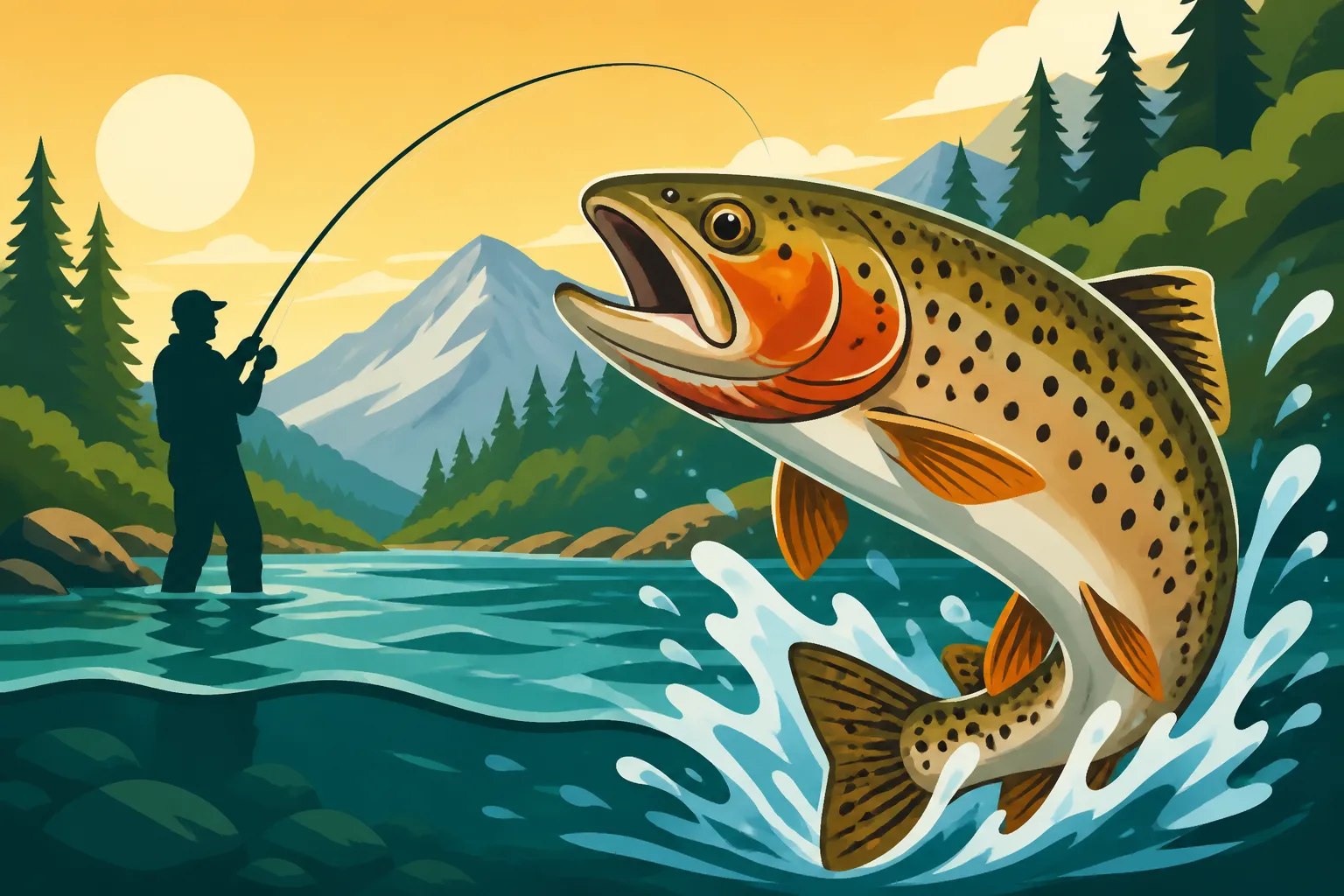
Lahontan cutthroat trout typically have a silver-to-gold body color with distinct black spots, which are usually larger and more concentrated towards the tail. The iconic red or orange "cut" marks on their throat can vary in intensity, sometimes being faint. Unlike many other trout, they tend to have larger mouths and finer scales. Their habitat preference often dictates their appearance; those living in alkaline lakes might be more silvery, while stream-dwelling fish might show more golden or olive hues.
These trout prefer cold, clean water, making high-altitude lakes and streams their primary refuge in California. They are incredibly adaptable, capable of surviving in both highly alkaline lakes and nutrient-poor alpine environments. In streams, they often favor pools, undercut banks, and areas with ample cover, while in lakes, they will cruise shorelines, structure, and open water depending on food availability and water temperatures. Their diet is varied, including insects, smaller fish, and even plankton in larger lake systems. Understanding these preferences helps anglers narrow down where to cast a line.
Where to Find Cutthroat Trout in California
Finding cutthroat trout in California often means venturing into the state's more remote and wild areas. These aren't your typical roadside stocked fisheries. Anglers should be prepared for hiking, backcountry camping, and a true wilderness experience. The Eastern Sierra Nevada is undoubtedly the stronghold for Lahontan cutthroat trout in the Golden State.
High Sierra Lakes and Streams
The vast majority of California's accessible Lahontan cutthroat trout populations reside within the pristine waters of the High Sierra Nevada. This region offers a patchwork of alpine lakes and headwater streams that provide the ideal cold, oxygenated water and isolation these native fish require. Many of these waters are part of ongoing restoration projects, where non-native trout have been removed to give the cutthroat a chance to reclaim their historic territory.
Popular areas include wilderness regions within Inyo National Forest and Stanislaus National Forest, particularly those requiring significant backpacking or horse-packing trips to reach. Lakes at elevations above 8,000 feet are prime candidates. For those interested in exploring these remote gems, detailed maps and a commitment to venturing off the beaten path are essential. Remember that many of these locations are designated as "wild trout waters" or "special regulation waters," meaning specific rules apply. Before heading out, always consult the official California Freshwater Fishing Regulations to ensure you're compliant.
Specific Regions and Access Points
While many spots are remote, some specific regions are more renowned for their cutthroat populations.
- Eastern Sierra: The eastern slopes of the Sierra Nevada, particularly around the Mammoth Lakes and Bishop areas, hold several designated cutthroat fisheries. Crowley Lake, for instance, is famous for its large Lahontan cutthroat, which migrate into the lake from its tributaries during spawning season. While the lake itself is a managed fishery, its tributaries can offer more secluded opportunities. Other smaller, high-elevation lakes and stream systems throughout the Eastern Sierra also host populations, some of which require a multi-day hike. For those looking for an immersive experience, the Eastern Sierra Fishing Guide provides a wealth of information.
- Northern California: While less common than in the Sierra, some isolated pockets of Lahontan cutthroat exist in Northern California, especially in drainages that connect to the Great Basin. These are often even more remote and require extensive research to locate.
- Other Restoration Areas: The CDFW periodically identifies and undertakes restoration projects in various parts of the state. These efforts, though often temporary closures, aim to re-establish cutthroat populations in historic ranges. Staying informed about these initiatives can lead to future opportunities. Always double-check current conditions and access regulations. You can often find up-to-date information on fishing conditions through local tackle shops or online fishing reports.
To better illustrate some potential locations and their characteristics, here's a quick overview:
| Location Type | Typical Elevation | Accessibility | Common Size Range (Inches) | Best Fishing Method | Notes |
|---|---|---|---|---|---|
| High Alpine Lakes | 9,000-12,000 ft | Moderate to Strenuous | 8-16 | Fly, Lure | Requires hiking/backpacking, often pristine. |
| Mountain Streams (Headwaters) | 7,000-10,000 ft | Moderate | 6-12 | Fly, Small Lures | Requires careful wading, small presentations. |
| Large Reservoir (e.g., Crowley) | 6,000-7,000 ft | Easy (boat/shore) | 14-24+ | Troll, Bait, Fly | Managed fishery, potentially larger fish. |
Remember, successful fishing for cutthroat in these locations often requires a California Fishing License Guide and, for specific species like salmon or steelhead (though not directly cutthroat), a California Fishing Report Cards Explained might be necessary depending on where you are.
How to Catch California Cutthroat Trout
Catching California cutthroat trout is a rewarding experience that often demands finesse, patience, and a bit of stealth. These fish can be wary, especially in clear, high-elevation waters. The right tackle and technique can make all the difference.
Effective Baits and Lures
When it comes to tempting cutthroat, smaller, natural presentations often work best. They are opportunistic feeders but can be easily spooked.
- Baits: Natural baits like worms (red wigglers or nightcrawlers) are always a reliable choice, especially if drifted naturally in a stream or suspended under a bobber in a lake. For lake fishing, power bait or salmon eggs can sometimes entice a bite, especially if the fish are accustomed to seeing them. However, in truly wild, unpressured waters, live or prepared baits can often outperform artificials.
- Lures: Small inline spinners are incredibly effective for cutthroat. Think sizes #00, #0, or #1 in classic patterns like gold, silver, or fire tiger. Popular brands like Mepps and Rooster Tail, which are readily available on Amazon, are often quite effective. Micro jigs (1/32 or 1/16 oz) tipped with a small piece of bait or a Gulp! maggot can also be deadly, especially when jigged slowly near structure. Spoons, particularly small Kastmasters or Thomas Buoyants, are good for covering water in lakes, mimicking small baitfish.
- Rigging: For stream fishing, a simple split shot rig or a small bobber rig that allows for a natural drift is ideal. In lakes, a retrieve with varying speeds, mimicking injured prey, can trigger strikes. Always use light line, such as 2-4 lb test monofilament or fluorocarbon, to avoid spooking these wary fish. For those looking to broaden their trout fishing knowledge, exploring different Best Lures for California Trout can provide additional insights.
Fly Fishing Techniques for Cutthroat
Fly fishing is arguably the most traditional and rewarding method for catching cutthroat trout, especially in their native stream habitats. Their diet consists heavily of insects, making fly patterns a natural fit.
- Dry Flies: In alpine environments, hatches can be prolific, and cutthroat are often eager to rise to a well-presented dry fly. Patterns mimicking caddis, mayflies, grasshoppers, or ants can be highly effective. Look for insect activity on the water's surface, and match the hatch as closely as possible. A precise, delicate presentation is key, as these fish can be particular.
- Nymphs: When fish aren't rising, nymphing can be a highly productive technique. Patterns like Hare's Ear, Pheasant Tail, Prince Nymph, or small caddis larvae imitations are excellent choices. Dead-drifting nymphs under an indicator, or even tight-lining them in faster water, can provoke strikes from subsurface feeding fish.
- Streamers: For larger cutthroat, particularly in lakes or larger river sections, small streamer patterns like Woolly Buggers (black, olive, or brown) can imitate baitfish or leeches. Stripping these patterns with varying speeds can elicit an aggressive reaction.
- Gear: A lightweight fly rod, typically a 3 or 4-weight, with a matching reel and floating line, is perfect for most cutthroat scenarios. A long, tapered leader (9-12 feet) ending in 4x to 6x tippet will aid in delicate presentations. Learning more about California Fly Fishing Tips and Techniques can certainly elevate your game. If you're new to the sport, consider starting with a beginner-friendly combo, many of which are available on Amazon.
Best Times and Conditions
Timing is crucial for successful cutthroat fishing. Generally, the late spring through early fall offers the best conditions in high-elevation areas, as lower elevations become too warm and higher elevations become accessible after snowmelt.
- Season: Once the snow has melted and access roads/trails are clear (usually late May to early July, depending on the snowpack), high country cutthroat become active. The peak season typically runs through August and September until the first significant snowfalls close off access. These fish are less active in colder water, so avoid early spring when lakes are still icy or late fall when temperatures plummet.
- Time of Day: Early mornings and late afternoons are often the most productive, especially during warmer summer months. During these times, insect activity is higher, and the fish are generally more active and less wary of shadows. On overcast days, fishing can be good throughout the day.
- Weather: Stable weather conditions are usually preferred. Drastic changes in barometric pressure or sudden cold fronts can put the fish off the bite. Overcast skies can be beneficial as they reduce light penetration, making fish feel more secure and less likely to shy away from your presentation. A subtle ripple on the water's surface from a gentle breeze can also improve fishing by breaking up the surface and making your line less visible.
Conservation and Responsible Angling
Catching a beautiful California cutthroat trout is a privilege, and with that comes the responsibility to protect these precious native populations. Many cutthroat fisheries are fragile, and every angler plays a role in their preservation.
Regulations and Bag Limits
Regulations for cutthroat trout, especially Lahontan cutthroat, can be highly specific and vary significantly by location. Because many populations are part of restoration efforts, certain areas might have catch-and-release-only rules, special gear restrictions (e.g., artificial lures with barbless hooks only), or very limited harvest opportunities.
It's absolutely imperative to check the most current California Fishing Regulations Explained for the specific body of water you intend to fish. These regulations are published annually by the CDFW and are available online or at most tackle shops. Ignoring these rules can result in hefty fines and penalties, and more importantly, can set back crucial conservation work. Often, an California Ocean Enhancement Stamp is required for ocean fishing, but for freshwater cutthroat, focus on the general sport fishing license and any specific trout regulations.
A California Fishing License Cost varies, but it's a small price to pay for the opportunity to fish these incredible waters and support conservation. Always make sure your license is valid and readily accessible.
Practicing Catch and Release
Given the vulnerable status of many Lahontan cutthroat populations, practicing responsible catch and release is highly encouraged, if not mandated. Proper handling techniques significantly increase a fish's survival chances.
- Minimize Handling: Try to keep the fish in the water as much as possible. If you must lift it, do so quickly and support its body horizontally. Avoid squeezing it, especially around the gills or belly.
- Barbless Hooks: Using barbless hooks (or crimping down the barbs on your hooks) makes hook removal much easier and causes less damage to the fish's mouth. This is often a mandatory regulation in wild trout waters. You can find barbless hooks on Amazon, or a simple pair of pliers will do the trick to modify your existing hooks.
- Quick Release: Have your camera ready before you catch the fish, and quickly snap a photo. Release the fish as soon as possible after landing it, ensuring it's strong enough to swim away on its own. If it seems sluggish, gently hold it upright in the water, facing into the current, until it kicks its tail and swims off.
- Avoid Extreme Temperatures: Handling fish with dry hands, especially in freezing or very hot weather, can remove their protective slime layer, making them susceptible to disease. Wet your hands thoroughly before touching the fish.
- Ethical Angling: Your actions reflect on the entire angling community. By being a responsible angler and advocating for these practices, you contribute to the long-term health of cutthroat trout populations and ensure future generations can also experience the thrill of catching these magnificent native fish. For more detailed information on ethical fishing, refer to California Catch-and-Release Rules.
Disclaimer
The information provided in this guide is for general informational purposes only and is subject to change. Fishing regulations, seasons, and access can vary significantly and are updated regularly by the California Department of Fish and Wildlife. Always consult the official CDFW regulations booklet or website before embarking on any fishing trip to ensure compliance with the most current laws and to protect California's natural resources. Fishing inherently involves risks, and engaging in outdoor activities should always be done with proper safety precautions.