Best Time of Year to Catch Chinook Salmon in California
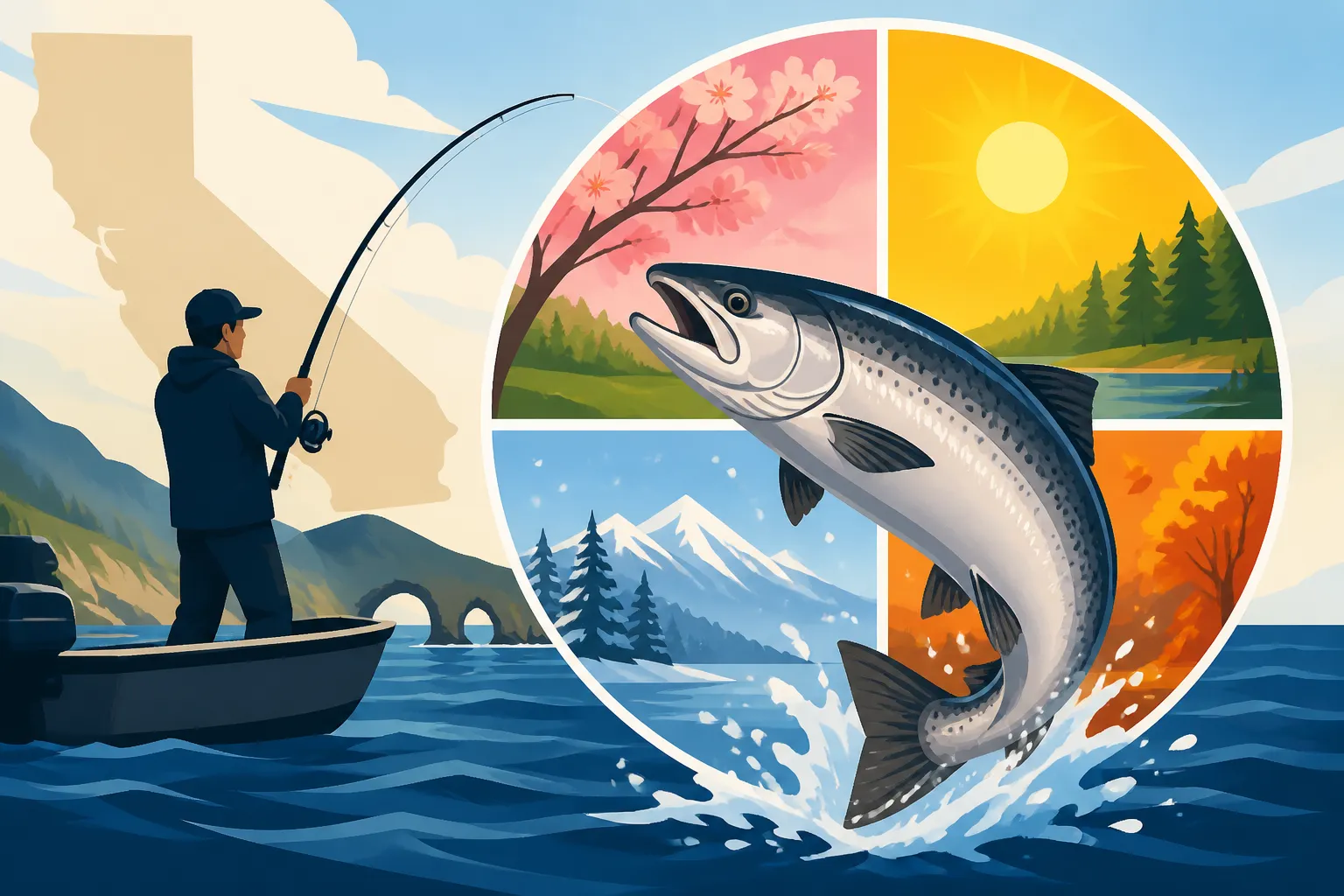
For many anglers, the dream of hooking into a powerful Chinook salmon in California is a bucket-list experience, but knowing when and where these magnificent fish are most active can feel like solving a complex puzzle. It's frustrating to invest time and effort only to miss the prime window. This guide aims to clear up that confusion, offering a deep dive into the best times of year to chase Chinook salmon across California's diverse and dynamic waters.
Understanding the Chinook Salmon's Life Cycle and Migrations
Before we talk about specific dates, it's really helpful to understand a bit about the incredible journey Chinook salmon undertake. These aren't just any fish; they're anadromous, meaning they hatch in freshwater, migrate to the ocean to grow, and then return to their natal rivers to spawn. This entire life cycle dictates when and where we can realistically expect to find them. The "best time" to catch them largely revolves around these migrations, particularly their return journeys from the ocean.
The Ocean Phase: Fueling the Future
Chinook salmon, often called "King Salmon" for good reason, spend anywhere from 2 to 5 years (sometimes more!) out in the vast Pacific Ocean. During this time, they gorge on baitfish like anchovies, sardines, and squid, growing to impressive sizes. This ocean phase is critical for them to build up the fat reserves they'll need for their strenuous upstream migration and spawning. While they are out in the ocean, they are widely dispersed, making them harder to target consistently unless you're specifically offshore fishing. However, as their biological clock ticks, they start to stage near river mouths, preparing for the epic journey back to their birthplace. This staging is often when ocean anglers have their best shot.
The Freshwater Return: The Ultimate Spawning Run
Once the salmon mature and feel the call of their home rivers, they begin their final, monumental journey. This is typically when they are most accessible to freshwater anglers. They enter bays, then estuaries, and finally push upriver, often navigating hundreds of miles against strong currents, sometimes even leaping over formidable obstacles. Different runs of Chinook salmon exist within California's complex river systems, each with slightly different timing:
- Spring Run Chinook: Historically, these fish entered rivers in spring, held in deep pools through summer, and spawned in fall. Unfortunately, many of these runs are now critically endangered or extinct in many river systems due to habitat loss and historical impacts.
- Fall Run Chinook: These are by far the most numerous and widely targeted Chinook in California. They enter rivers in late summer and fall, spawning shortly after their arrival. This is the run most anglers focus on.
- Late Fall Run Chinook: A smaller run that enters rivers in late fall and early winter, spawning later in winter.
- Winter Run Chinook: Found almost exclusively in the Sacramento River system, these are a distinct, federally endangered population that enters rivers in winter and spawns in spring. Fishing for these is strictly prohibited, and they are heavily protected.
Understanding these different run timings is paramount to planning a successful trip. Most of our fishing opportunities revolve around the robust fall run.
Coastal Ocean Fishing: Prime Seasons for Chinook Salmon
If you're looking to catch a Chinook salmon while it's still silver-bright and packed with oceanic power, then the ocean off the California coast is where you'll want to be. The seasons here are heavily regulated and can shift yearly based on stock assessments and ocean conditions, but general trends hold true.
Spring and Early Summer: The Offshore Hunt Begins
Typically, the ocean salmon season kicks off in late spring, often April or May, in various management areas along the coast. This is when the first waves of migrating Chinook begin to appear, often concentrated in nutrient-rich upwelling zones. Anglers will head out on sportfishing boats or private vessels, trolling with flashers, spoons, and bait such as anchovies or herring. The fishing can be phenomenal, especially on the early season bites, but conditions can be unpredictable. You might find fish shallower, sometimes as little as 30-50 feet deep, making for exciting fights. Keep a close eye on the official "California Salmon Season Dates Explained" from the California Department of Fish and Wildlife (CDFW), as these dates are crucial and can change.
Mid to Late Summer: Peak Ocean Opportunity
As summer progresses, typically from June through August, is often considered the peak time for ocean Chinook salmon fishing in many parts of California. The fish are actively feeding, putting on weight before their freshwater migration, and can be found in good numbers. Popular departure points like Bodega Bay, Fort Bragg, and Monterey Bay become bustling hubs for salmon anglers. The fish might move deeper as water temperatures rise, requiring different trolling depths. This is also when you'll find some of the largest "feeder" fish that aren't quite ready to spawn but are bulking up. Checking the local fishing reports is absolutely essential, as salmon are highly migratory, and a good bite one week might shift miles offshore or up the coast the next. Gear up appropriately; a good quality trolling rod and reel, with plenty of line capacity, is a must. You can find excellent options for salmon tackle on Amazon, from lead cannonballs to specialized trolling spoons.
Regional Variations for Ocean Chinook
California's vast coastline means that salmon seasons and success can vary significantly by region.
- Northern California (e.g., Fort Bragg, Shelter Cove): Often sees earlier and longer seasons, with good fishing extending well into summer, sometimes even fall if conditions allow. The cold, nutrient-rich waters here are prime salmon habitat.
- Central California (e.g., San Francisco, Half Moon Bay, Monterey Bay): The San Francisco Bay entrance and the waters off Half Moon Bay are legendary salmon grounds. The season here is often robust from May through August, with strong concentrations of fish feeding on bait pushed in by currents. Monterey Bay also offers fantastic opportunities, especially for those looking to experience Monterey Bay Fishing Guide.
- Southern California: Ocean salmon fishing becomes less consistent the further south you go, as Chinook prefer colder waters. While occasional stragglers are caught, it's not a primary target fishery for boats departing from, say, San Diego or Los Angeles.
It's vital to remember that these are general guidelines. Annual quotas, escapement goals, and ocean conditions can significantly alter the start and end dates of the ocean salmon season each year. Always consult the most current California Salmon Regulations and Limits before heading out.
| Region/Water Body | Typical Peak Season (Ocean) | Primary Run(s) | Notes |
|---|---|---|---|
| Northern Coast | May – August | Fall Run (Ocean Feeders) | Often sees robust early and mid-season bites; colder water, strong current influence. |
| Central Coast | June – September | Fall Run (Ocean Feeders) | San Francisco and Monterey Bay are key areas; strong bait concentrations often draw in fish. |
| Sacramento River Delta | July – December | Fall Run | Fish staging and moving into the river system. |
| Sacramento River (Upper) | August – November | Fall Run | Main spawning grounds, fish pushing far upstream. |
| Klamath/Trinity Rivers | August – October | Fall Run, some Late Fall | Important northern river systems, highly regulated; requires a California Salmon Report Card. |
| Feather River | September – December | Fall Run, Late Fall Run | Significant hatchery influence, good bank access in some areas. |
Inland River Systems: Timing Your Chinook Salmon Pursuit
Once Chinook salmon leave the ocean and enter the freshwater systems, the game changes entirely. Now, they're not feeding; they're driven by the singular instinct to spawn. This means they are less interested in chasing down a meal and more focused on getting upstream. Anglers need to adapt their strategies and, more importantly, understand the specific timing of river runs.
Late Summer and Fall: The Freshwater Frenzy
For the vast majority of California's freshwater Chinook salmon opportunities, late summer and fall are the absolute prime windows. This is when the large fall runs begin their push into major rivers like the Sacramento River, Feather River, American River, Klamath River, and Trinity River.
- Sacramento River: Often sees fish entering as early as July, with numbers building significantly through August and September. Peak fishing can extend into October and even November, depending on the year and specific section of the river. The section around Verona and further upstream towards Redding can be fantastic. Sacramento River: Fishing Access and Tips is a great resource.
- Feather River: Known for its strong hatchery returns, the Feather River sees a significant fall run starting in September and often peaking in October and November. This river offers good opportunities for both boat and bank anglers.
- American River: A tributary of the Sacramento, the American River also gets a strong fall run, usually from late September through November. Flow conditions are crucial here, as too little water can impede fish migration.
- Klamath River & Trinity River: These northern California rivers are legendary for their salmon runs. The season typically runs from August through October. These rivers have specific regulations, including daily bag limits and annual quotas that can shut down fishing early, so always check the latest CDFW regulations for Klamath River Fishing Guide and Trinity River Fishing Guide specifically. Anglers here often use techniques like back-bouncing roe, drifting divers and plugs, or back-trolling.
Factors Beyond Calendar Dates in Rivers
River fishing for Chinook salmon isn't just about the month; it's heavily influenced by environmental factors:
- Water Levels and Flows: Rain events can trigger strong pushes of salmon upstream. Low, clear water can make fish skittish and harder to catch. Conversely, blown-out, muddy rivers after heavy rains can be unfishable.
- Water Temperature: Salmon prefer specific temperature ranges. Extremely warm water can stress fish, delay migrations, and even cause mortality. Cooler fall temperatures are ideal.
- Hatchery Releases: Many of California's salmon runs are supplemented by hatchery programs. Understanding release schedules and return expectations for hatcheries like Coleman National Fish Hatchery on the Sacramento River or the Feather River Hatchery can give you an edge.
- Tides (Delta Region): If you're fishing the Sacramento-San Joaquin River Delta, tides play a massive role. Incoming tides can bring fresh fish into the system, and fish will often move with the tide.
Essential Gear and Techniques for River Chinook
For river fishing, your gear and approach need to be dialed in.
- Rods and Reels: A medium-heavy to heavy casting or spinning rod, typically 8.5 to 10.5 feet long, paired with a stout reel spooled with 20-30 lb monofilament or braided line is standard. The powerful runs of a fresh Chinook demand a robust setup.
- Baits and Lures: Roe (salmon eggs) is a perennial favorite for drifting or float fishing. Cured roe, like that from Pautzke Bait Company, can be incredibly effective. Artificial baits like "puff balls" or scent-infused soft plastics can also work. For lures, Kwikfish or Mag Lip plugs, particularly in metallic or bright colors, are popular for back-trolling or back-bouncing. Spinners like those from Blue Fox or Mepps, especially in larger sizes, can also entice a strike.
- Techniques:
- Drifting Roe: A classic method where you present a small cluster of roe naturally along the bottom. This is highly effective for staging or actively migrating fish.
- Back-Trolling Plugs: Using a boat to slowly motor upstream against the current, allowing plugs to dive and wobble in front of salmon holding in deeper holes.
- Casting Spinners/Spoons: Effective in shallower water or when fish are aggressive.
- Bobber and Jig/Roe: In some slower-moving or deeper pools, suspending an offering under a float can be deadly.
Remember, a California Salmon Report Card is mandatory for all salmon fishing in the state, even if you don't keep any fish. This helps the CDFW monitor catch and effort. Don't forget a sturdy landing net and a good pair of fish pliers for hook removal, easily found on Amazon.
Factors Influencing Chinook Salmon Runs Beyond Just the Calendar
While seasons provide a framework, the health and timing of California's Chinook salmon runs are incredibly complex and subject to numerous environmental and regulatory factors. It’s never as simple as marking a date on your calendar.
Ocean Conditions and Food Availability
The success of a salmon run often begins years before the fish return to spawn. Good ocean conditions, meaning abundant cold water and a healthy supply of forage fish (like anchovies and krill), lead to strong, healthy fish that are more likely to survive and return. Years with poor ocean conditions, often linked to El Niño events or marine heatwaves, can result in fewer fish returning, and those that do might be smaller and less robust. These conditions directly impact Why California Salmon Season Changes Yearly and California Salmon Closure Explained. When ocean forage is scarce, salmon may also be harder to catch as they are less focused on actively feeding.
Drought and Water Management
California's recurring droughts have a profound impact on salmon. Low river flows can make upstream migration nearly impossible, exposing fish to warmer water temperatures, predators, and poachers. Water diversions for agriculture and urban use further compound these issues, sometimes stranding fish or preventing them from reaching critical spawning grounds. Water releases from dams are carefully managed to try and balance human needs with fish needs, but it's a constant challenge. These factors can dictate if a river is even open for fishing in a given year, or if specific sections are closed to protect struggling populations.
Regulations and Conservation Efforts
The CDFW, along with federal agencies, continuously monitors salmon populations. If runs are projected to be weak, seasons can be shortened, bag limits reduced, or entire fisheries closed to protect the spawning population. For example, in recent years, the Klamath and Trinity Rivers have seen significant restrictions due to declining salmon numbers. These regulations are designed to ensure enough fish make it to the spawning grounds to sustain future generations. It's not uncommon for anglers to express frustration when a beloved season is cut short, but these measures are crucial for long-term health. Always check the official CDFW regulations, as they supersede any general advice found online. They publish detailed California Fishing Regulations Explained booklets every year, which are indispensable.
Planning Your Chinook Salmon Trip: Tips for Success
Armed with knowledge about seasons and factors, here are some actionable steps to maximize your chances of success.
Stay Informed and Be Flexible
The most important advice for chasing Chinook salmon in California is to stay updated.
- CDFW Website: This is your primary source for current regulations, season dates, and emergency closures.
- Fishing Reports: Regularly check local tackle shops, charter boat websites, and online fishing forums for real-time fishing reports. These provide invaluable insights into where the fish are biting, what they're biting on, and current conditions. Websites like The WON (Western Outdoor News) or FishRap can offer excellent insights into How to Read California Fishing Reports.
- Weather and River Flow Data: Check weather forecasts and river gauges (USGS is a good source) to understand water levels and temperatures, especially for river fishing.
- Talk to the Experts: Local tackle shop employees and experienced guides are treasure troves of information. They live and breathe fishing and can provide hyper-local advice.
Being flexible with your plans is also key. If the salmon aren't showing up in one area, or if a season closes unexpectedly, be ready to pivot to another location or species.
Prepare Your Gear and Mindset
Don't wait until the last minute to get your gear in order.
- Maintenance: Inspect your rods, reels, lines, and leaders. Replace old line, sharpen hooks, and ensure your drags are smooth. A worn-out piece of gear can cost you the fish of a lifetime.
- Organization: Have your tackle box neatly organized. Pre-tie leaders, have a variety of weights, swivels, and lures ready. For river fishing, a selection of fresh, cured salmon roe is often a must.
- Layer Up: California weather can be unpredictable, especially on the ocean or in the mountains. Dress in layers, wear waterproof outerwear, and always bring sun protection. Even on a warm day, offshore breezes can be chilly.
- Manage Expectations: Salmon fishing can be feast or famine. Some days you'll limit out quickly, other days you'll work hard for a single bite. Enjoy the process, the scenery, and the opportunity to be out on the water.
Consider a Charter or Guide
Especially if you're new to salmon fishing or targeting a specific river system, booking a trip with a reputable California Fishing Charters: Complete Guide or Best Fishing Guides in California can drastically increase your success.
- Ocean Charters: Many excellent sportfishing boats depart from ports like San Francisco, Bodega Bay, and Monterey. They have specialized gear, know the local hotspots, and can put you on fish when they're scattered. California Party Boat Fishing Explained can be a cost-effective way to get out there.
- River Guides: A good river guide knows the specific nuances of river flows, fish holding patterns, and the subtle techniques that make a difference. They can provide all the necessary gear and teach you the ropes. This is particularly valuable for navigating complex river systems like the Trinity or Klamath.
In conclusion, the best time to catch Chinook salmon in California truly depends on whether you're targeting them in the ocean or in freshwater. For ocean-run fish, late spring through late summer is usually prime. For the powerful river runs, late summer through fall is your sweet spot. Always prioritize staying informed about regulations and conditions, and you'll be well on your way to experiencing the thrill of a lifetime with a California King Salmon.
Disclaimer
Fishing conditions, regulations, and fish populations can change rapidly. Always consult the latest official regulations from the California Department of Fish and Wildlife (CDFW) before engaging in any fishing activity. This guide is for informational purposes only and should not replace official sources.