What to Expect on an Oceanside Fishing Trip
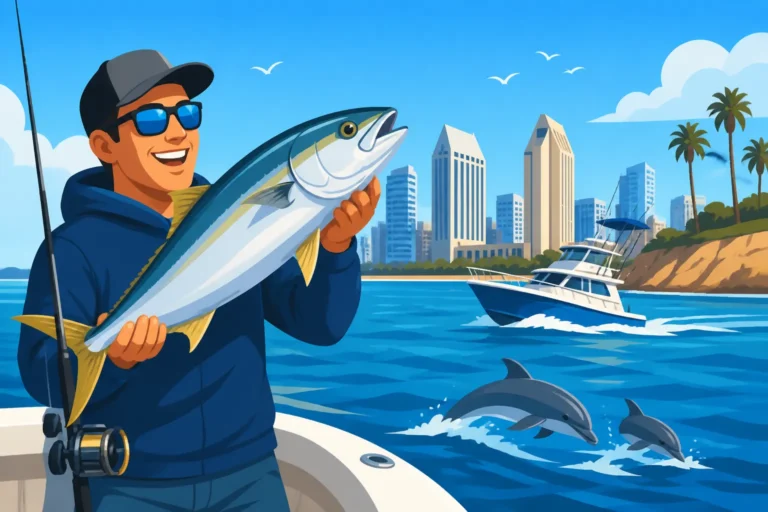
Heading out for a fishing trip from Oceanside? That's fantastic! There’s a certain thrill that comes with anticipating a day on the Pacific, rods bent, and reels screaming, but for many, especially if it’s your first time out of this vibrant harbor, it can also come with a lot of questions. From what kind of fish you might encounter to the nitty-gritty of what to pack, it's easy to feel a bit overwhelmed. This guide is here to walk you through everything you can expect when you embark on an Oceanside fishing trip, ensuring you're well-prepared for an incredible angling adventure.
Oceanside's Diverse Fishery
Oceanside, nestled in northern San Diego County, is a fantastic launching point for a wide variety of fishing experiences. The waters here are teeming with life, offering everything from close-to-shore battles with feisty bass to exhilarating runs for massive tuna far out in the Pacific. Understanding the different types of fishing available will help you choose the perfect trip for your angling goals.
Inshore and Nearshore Opportunities
When you stick closer to shore, typically within a few miles of the coast, you're venturing into Oceanside's rich inshore and nearshore fisheries. This is where the kelp forests thrive, creating an underwater playground for countless species. Anglers on these trips often target rockfish, including species like Vermilion, Copper, and Bocaccio, which hang out around rocky reefs and submerged structures. You might also find yourself battling formidable lingcod, known for their aggressive strikes and delicious meat. California halibut are another prized catch, often found ambushing baitfish on sandy bottoms near structures or in shallower bay areas.
These nearshore trips are fantastic for a few reasons. They're usually shorter in duration, making them ideal for families, beginners, or those prone to seasickness since you're rarely too far from land. The action can be consistent, and the scenery is often breathtaking, with views of the coastline. Expect to use various techniques, from bait fishing with anchovies or sardines to dropping jigs for rockfish. The regulations can be quite specific for these bottom-dwelling species, so it’s always wise to be aware of the current California Rockfish Regulations and Limits and California Halibut Regulations and Limits before you head out.
Offshore Adventures
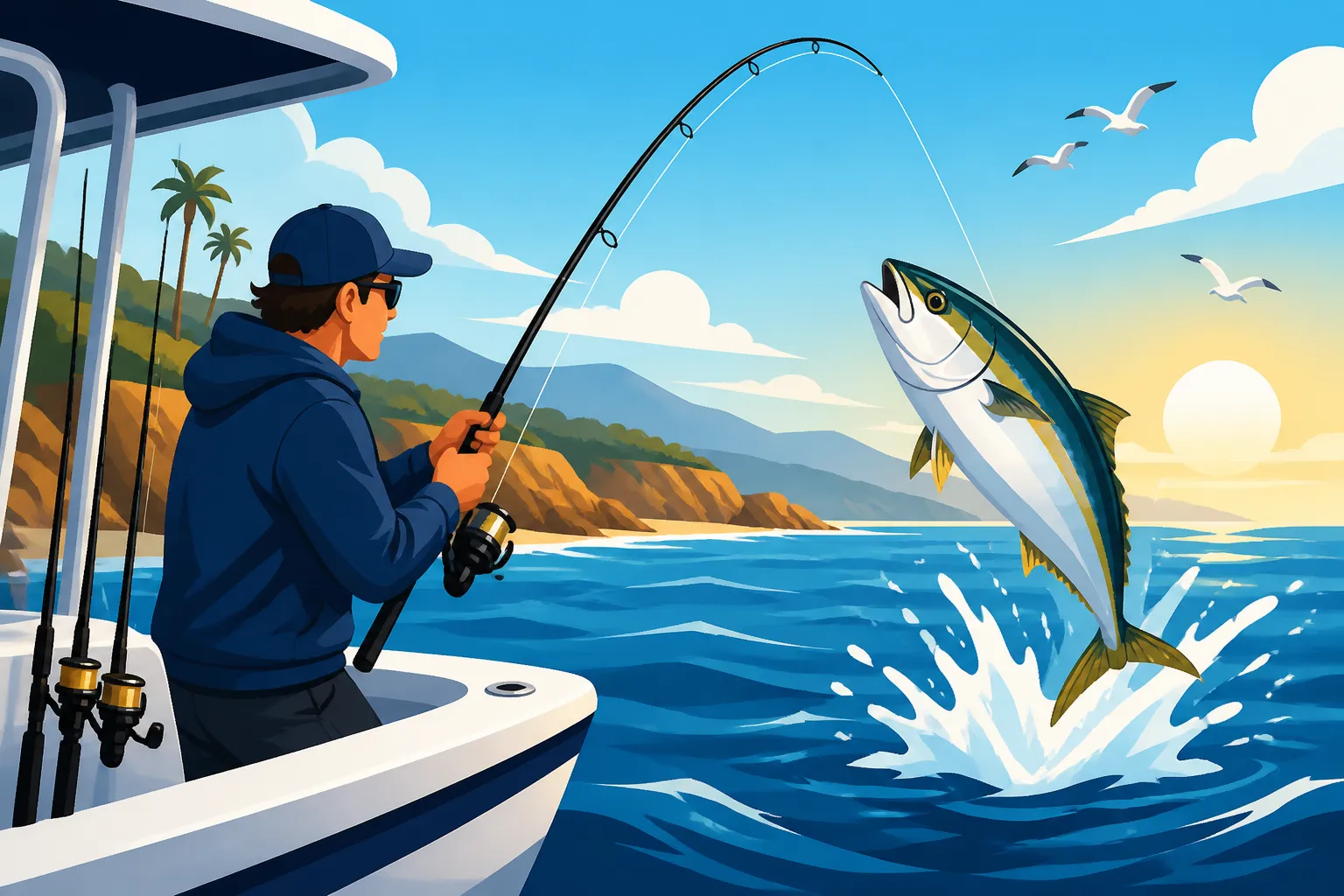
For those craving big game and an adrenaline rush, Oceanside's offshore waters offer some truly epic fishing opportunities. These trips take you many miles out into the open ocean, sometimes 50, 100, or even more miles from shore, depending on where the fish are biting. The primary targets here are pelagic species – the hard-fighting, fast-swimming fish that roam the vast blue. Bluefin tuna, yellowfin tuna, and albacore tuna are the kings of the offshore realm, with bluefin often growing to impressive sizes, sometimes over 200 pounds! Yellowtail, known for their powerful runs and willingness to hit a variety of baits and lures, are also a huge draw, often found around offshore islands or floating kelp paddies. You might even encounter dorado (mahi-mahi) during warmer water periods, recognized by their vibrant colors and acrobatic fights.
Offshore trips require more time on the water, typically ranging from full-day excursions to multi-day trips. They are generally more physically demanding and can be a test of endurance, both for you and your gear. The conditions can be choppier further out, so if you're sensitive to motion, plan accordingly. The payoff, however, can be immense: the chance to land a fish of a lifetime and experience the raw power of the open ocean. Remember that targeting species like tuna often requires specialized gear and techniques, which most charter boats provide. Knowing the Best Season for Bluefin Tuna in California can greatly improve your chances on these trips.
Types of Fishing Charters from Oceanside
Oceanside offers a wide array of fishing charter options, catering to different budgets, time commitments, and fishing aspirations. Whether you’re looking for a quick outing or an extended adventure, there’s likely a trip perfectly suited for you.
Half-Day and Three-Quarter Day Trips
These shorter trips are the bread and butter for many Oceanside fishing operations, especially if you’re new to saltwater angling or have limited time. Typically lasting around 4-6 hours for a half-day and 6-8 hours for a three-quarter day, they focus primarily on the nearshore and inshore fisheries mentioned above. You'll usually be targeting rockfish, calico bass, sand bass, sculpin, and sometimes even halibut or barracuda depending on the season and where the bite is.
Half-day trips are perfect for families with younger kids or individuals who want a taste of ocean fishing without committing to a full day. They’re often run on larger "party boats" (also known as open party boats or sportfishing boats) where you buy an individual ticket and share the boat with other anglers. These boats are well-equipped, usually have a galley for food and drinks, and experienced deckhands are on hand to help you with everything from baiting hooks to landing fish. Three-quarter day trips offer a bit more time to reach slightly more distant spots or spend extra time working a productive area, increasing your chances of a more varied catch. These trips are an excellent introduction to Southern California fishing and a great way to enjoy the ocean breeze and some fresh air. You can learn more about the differences in our guide on California Half-Day vs Full-Day Charters.
Full-Day and Overnight Excursions
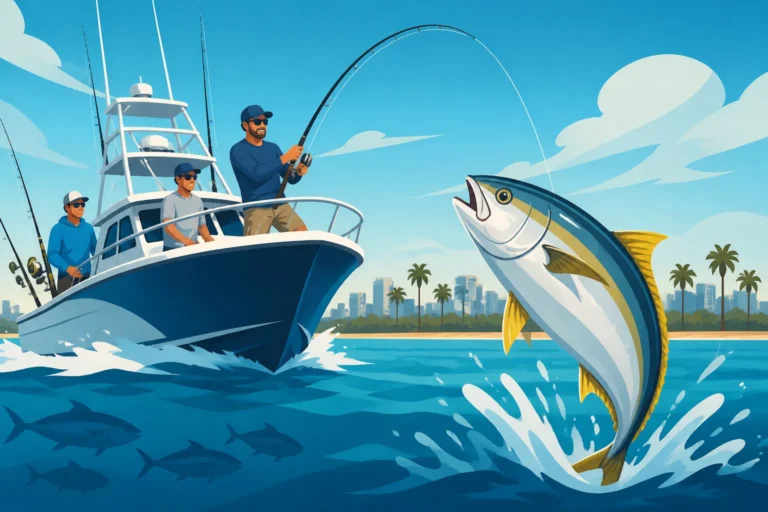
For the more serious angler, or those really looking to chase the bigger offshore species, full-day and overnight trips are the way to go. Full-day trips usually last 10-12 hours and can venture further offshore, sometimes targeting yellowtail, dorado, or even smaller tuna species if they are within range. These trips require more endurance but offer the thrill of wider-ranging exploration. They can be found on larger party boats or booked as private charters, which offer a more intimate and customizable experience for groups.
Overnight or multi-day excursions are where the true offshore giants are pursued. These trips typically target larger bluefin and yellowfin tuna that can be many hours away. You’ll spend the night on the boat, often traveling to distant fishing grounds while you sleep, and wake up ready to fish at dawn. The boats are usually larger, well-appointed with bunks, a full galley, and ample deck space. This is an immersive experience that allows you to spend maximum time on the fish, often leading to bigger catches and more opportunities to perfect your technique. Companies like Helgren’s Sportfishing out of Oceanside Harbor regularly run these types of trips. Given the commitment and investment, it’s crucial to research and book well in advance, and platforms like FishingBooker can be incredibly useful for comparing options and checking availability for these longer trips.
Essential Preparations for Your Oceanside Fishing Trip
A successful and enjoyable fishing trip starts long before you even step foot on the boat. Proper preparation can make all the difference, transforming a good day into a great one. Don't leave home without thinking through these key elements.
Licensing and Regulations
This is probably the most critical step: You absolutely need a valid California fishing license. Period. There's no way around it if you're over 16 years old and fishing from a boat. Deckhands or captains on party boats will usually remind you, but it’s your responsibility to have one. You can purchase a license online through the California Department of Fish and Wildlife (CDFW) website, at tackle shops, or sometimes directly at the landing where your boat departs. For offshore species like tuna, you won't need an additional report card, but if you're targeting certain species inshore, like steelhead or sturgeon, you would need specific report cards, though these are less common on typical Oceanside charters.
It’s also crucial to be aware of the ever-changing California fishing regulations. These rules dictate bag limits (how many fish you can keep), size limits (minimum or maximum lengths), and even specific seasons when certain species can be caught or areas that are off-limits, such as California Marine Protected Areas Explained. While your charter captain and crew are experts and will guide you, a little personal knowledge goes a long way. Having a basic understanding of what’s in season and what the limits are for common local species like rockfish and halibut will only enhance your trip. We've got a comprehensive California Fishing License Guide and a detailed breakdown of California Fishing Regulations Explained that are worth a read before you go.
What to Pack and Wear
The Pacific Ocean, even off sunny Southern California, can be unpredictable. Layers are your best friend. Start with a moisture-wicking base layer, add a fleece or sweatshirt, and top it off with a waterproof and windproof jacket. Even on a warm day, the ocean breeze can be chilly, especially at dawn or dusk, or when the boat is moving at speed. Waterproof pants can also be a lifesaver if spray is coming over the bow. Non-skid shoes are non-negotiable – boat decks can get wet and slippery.
Sun protection is equally vital. The sun's reflection off the water intensifies its rays. Bring a wide-brimmed hat, polarized sunglasses (essential for spotting fish and protecting your eyes), and plenty of high SPF sunscreen. Don’t forget chapstick with SPF! Other essentials for your bag include a small backpack to keep your personal items organized, any medications you need (especially seasickness remedies like Dramamine or Bonine, which should be taken before you board, not when you start feeling queasy), snacks and drinks (though many party boats have galleys), and a camera to capture those memorable moments. Check out our dedicated article on What to Bring on a California Fishing Charter for a more exhaustive list.
Gear and Bait Considerations
Most reputable fishing charters out of Oceanside will provide all the necessary fishing gear – rods, reels, and tackle – as part of your fare, especially on party boats. This is incredibly convenient, as you don't have to worry about transporting your own equipment. The deckhands will rig your lines with the appropriate bait or lures for the target species. Live bait, such as anchovies, sardines, or mackerel, is typically included and is often the most effective for a wide range of species.
However, if you're an experienced angler and prefer to use your own trusted gear, many charters are happy to accommodate, especially on private trips. Just be sure to check with the captain or booking agent beforehand. If you bring your own setup, make sure it’s appropriate for the target species; for example, a heavy setup for bluefin tuna, or a lighter outfit for kelp bass. If you're going offshore for tuna, braided line is a common choice for its strength and sensitivity. Don't hesitate to ask the crew for advice on rigging or bait presentation; they are a wealth of knowledge! Sometimes, bringing a few of your favorite jigs or lures can also be a good idea, especially if the fish are finicky.
Onboard Experience and Etiquette
Stepping onto a fishing boat, especially a large party boat, can be a bit like entering a new community for the day. Understanding the dynamics and basic etiquette will help ensure a smooth, enjoyable trip for everyone onboard.
Life Aboard a Party Boat
Party boats, or open party charters, are fantastic for their accessibility and affordability. You’ll be sharing the deck with other anglers, sometimes dozens of them, all hoping for a great catch. The atmosphere is generally friendly and cooperative, but it’s important to be mindful of your fellow fishermen. When the captain calls out "fish on!" or signals a hot bite, things can get pretty exciting, and it’s important to manage your line and avoid tangles with others. Deckhands are the backbone of these trips, constantly working to assist anglers. They’ll help untangle lines, net fish, offer advice, and generally keep the fishing flowing. Don't be shy to ask them for help or tips! They've seen it all and are there to make your trip better.
Galleys on party boats are usually stocked with snacks, sandwiches, sodas, and coffee, available for purchase. It’s always a good idea to bring some cash or a card for this. There are also designated head (restroom) facilities onboard. Remember, space can be tight, especially during a hot bite, so try to keep your gear consolidated and out of the main walkways. Familiarizing yourself with general California Party Boat Etiquette can save you and others some frustration.
Private Charter Advantages
Opting for a private charter, while typically more expensive, offers a completely different experience. You get the boat and crew exclusively for your group, whether that’s family, friends, or a corporate outing. This allows for much greater flexibility in terms of target species, fishing locations, and departure/return times. The captain can tailor the trip specifically to your group’s preferences and skill levels. Want to focus solely on catching yellowtail? No problem. Prefer to spend extra time sight-seeing? You can do that too.
The personalized attention from the crew is a major advantage. They can dedicate more time to coaching beginners, helping advanced anglers refine techniques, and ensuring everyone has a fantastic day. It's a fantastic option for special occasions or if you simply prefer a more intimate setting without the crowds. FishingBooker can assist greatly in finding and comparing private charter options that fit your specific needs and budget, allowing you to filter by boat size, target species, and amenities.
Tipping Your Crew
This is a big one, and it often catches first-timers off guard. Tipping the deckhands and captain is customary and highly appreciated on all types of charters, just as you would tip a server in a restaurant. These crews work incredibly hard, often starting before dawn and finishing long after you've headed home, ensuring your safety, providing expert assistance, and helping make your trip a success. A standard tip is typically 15-20% of the total trip cost. If the crew went above and beyond, or if you had an exceptional day with lots of fish, feel free to give more!
Deckhands rely on these tips as a significant part of their income. They are literally running around the boat all day, baiting hooks, gaffing fish, cleaning up, and patiently explaining things. Handing your tip directly to the deck boss or one of the deckhands at the end of the trip is the usual practice. Don't worry about tipping the captain separately unless you feel compelled to; the deckhands typically share tips. You can read more about this in our article on Tipping on a California Fishing Charter.
Post-Trip Expectations and Fish Handling
The fishing doesn't quite end when the lines come in. What happens next with your catch is an important part of the overall experience, and knowing what to expect can help you prepare for the journey home.
Fish Cleaning Services
After a successful day of fishing, you'll likely have some fish to take home. Most party boats and private charters offer fish cleaning services, often for a small fee. The deckhands are incredibly skilled and efficient at filleting your catch, making quick work of transforming whole fish into ready-to-cook portions. This is a huge convenience, saving you the messy job at home and ensuring your fish are properly prepared. The cost is usually per fish or per bag/cooler, so it’s wise to ask about the cleaning fee beforehand.
For certain species, like large tuna, the cleaning process can be quite involved. The crew will usually cut the fish into manageable steaks or loins. Make sure to bring a few sturdy Ziploc bags or cooler bags to protect your cleaned fillets from ice melt and keep them separate from other items in your cooler. Always keep your fillets on ice to maintain freshness, especially on warmer days.
Transporting Your Catch
Once your fish are cleaned and bagged, the next step is getting them home fresh and safe. A quality cooler is absolutely essential. Fill it with plenty of ice – flake ice or cubed ice works best to surround the fish and keep them cold. For longer drives, or if you’re fishing during the summer, consider freezing some water bottles to act as long-lasting ice packs or even bringing dry ice.
Place your bagged fillets directly on the ice. The goal is to keep the fish as cold as possible to preserve their quality and taste. If you’re planning an overnight trip, the boat will likely have larger fish holds where your catch can be stored on ice or in brine solutions to maintain freshness throughout the journey. Double-check with the boat crew about their specific fish storage procedures if you're on a multi-day trip. Having a dedicated fishing cooler, like those from Yeti, Orca, or Igloo, can make a significant difference in maintaining the quality of your catch until you get it to your kitchen or freezer.
Choosing the Right Oceanside Charter for You
With so many options available, picking the perfect fishing charter from Oceanside can feel like a puzzle. But by considering a few key factors, you can narrow down your choices and find a trip that's tailor-made for your angling desires.
Factors to Consider
Before you even start looking at boats, think about what you really want out of your trip. Are you a seasoned angler looking to tackle a trophy bluefin tuna, or are you a beginner hoping to catch some dinner and enjoy the ocean? Your experience level is crucial. For newbies or those with kids, a shorter, half-day party boat targeting rockfish is often a fantastic entry point. Experienced anglers might gravitate towards a full-day or multi-day offshore trip for pelagics.
Consider your budget as well. Party boat tickets are generally the most economical option per person, while private charters offer a premium experience at a higher price point, especially if you have a smaller group. The time of year also plays a huge role in what fish are available and how far offshore you might need to travel. For instance, prime bluefin tuna season typically runs from late spring through fall. Finally, think about your group size. A large family or corporate group might prefer the camaraderie of a party boat, or might pool resources for a private charter, while a solo angler or a pair of friends might be perfectly happy on an open party trip. Our guide on How to Book a California Fishing Charter offers more detailed advice on this process.
Popular Oceanside Operators
Oceanside has a few well-established sportfishing operations that have been serving anglers for decades. Hook's Sportfishing and Helgren's Sportfishing are two prominent names in Oceanside Harbor. Both offer a range of trips, from local half-days to longer offshore and even overnight excursions. They have diverse fleets of boats, experienced captains, and dedicated crews.
When looking for a charter, don’t hesitate to use online platforms like FishingBooker. They aggregate listings from various local operators, allowing you to easily compare boat sizes, amenities, prices, and—crucially—read reviews from previous customers. This gives you an unbiased look at what other anglers experienced on their trips. You can filter by species, trip duration, and even whether the boat provides gear or requires you to bring your own. This makes planning and booking your Oceanside fishing adventure incredibly straightforward and transparent.
Reading Fishing Reports
Once you've got a trip in mind, or even before you book, a fantastic way to gauge what’s biting and where is to check recent fishing reports. Most sportfishing landings, including those in Oceanside, publish daily or weekly fish counts and reports on their websites or social media. These reports give you real-time information on what species are being caught, the general size of the fish, and sometimes even the specific areas they're being found.
Reading these reports can help manage your expectations and even inform your choice of trip. If bluefin tuna are showing up in big numbers just a few hours offshore, that might sway you towards a full-day trip. If the rockfish bite is red hot close to home, a half-day might be perfect. Keep in mind that fishing can be unpredictable; a hot bite today doesn't guarantee the same tomorrow, but reports provide the best available snapshot of current conditions. Learning How to Read a California Charter Fish Count can give you a significant advantage in understanding the current fishing landscape.
| Trip Type | Duration | Typical Target Species | Experience Level | Cost (per person, approximate) | Best For |
|---|---|---|---|---|---|
| Half-Day | 4-6 hours | Rockfish, Sculpin, Bass (Calico, Sand), Barracuda (seasonal) | Beginner/Family | $60 – $90 | Quick outing, intro to ocean fishing, prone to seasickness |
| Three-Quarter Day | 6-8 hours | Rockfish, Lingcod, Halibut, Yellowtail (closer inshore) | Beginner/Intermediate | $90 – $130 | More time, varied catch, slightly further range |
| Full-Day | 10-12 hours | Yellowtail, Dorado, Tuna (smaller species), deeper Rockfish | Intermediate/Experienced | $150 – $250 | Serious anglers, chasing larger game, more challenging |
| Overnight/Multi-Day | 24+ hours | Bluefin Tuna, Yellowfin Tuna, Albacore Tuna, Yellowtail | Experienced | $300 – $800+ | Trophy hunting, ultimate offshore adventure |
Note: Prices are estimates and can vary significantly based on fuel costs, specific boat, and time of year.
Disclaimer
Please remember that fishing conditions, regulations, and fish populations are subject to change. Always consult the official California Department of Fish and Wildlife (CDFW) website for the most current regulations and licensing requirements before your trip. The information provided here is for general guidance and informational purposes only.