California Fishing License Agents Explained
It's no secret that navigating the world of fishing regulations in California can feel like trying to untangle a particularly stubborn bird's nest. One of the biggest head-scratchers for many anglers, especially newcomers or those returning after a long break, is figuring out where to actually get their hands on a fishing license. This guide is here to unravel the mystery of California fishing license agents, explaining who they are, where to find them, and how they can make your licensing journey a whole lot smoother.
Why You Need to Know About License Agents
For seasoned anglers and newbies alike, the process of obtaining a California fishing license can sometimes feel unnecessarily complicated. You know you need one, you understand the general idea, but when it comes down to the nitty-gritty of where to go and what to do, it’s easy to get bogged down in questions. That's where knowing about license agents really comes into its own.
The Confusion of California's Licensing System
Let's be honest, the California Department of Fish and Wildlife (CDFW) system, while comprehensive, isn't always the most intuitive. You might wonder if you can just show up at a random store, if it's all online, or if there's some secret handshake involved. This confusion often leads to delays, or worse, heading out on the water without the proper credentials, which can lead to hefty fines. Many folks just want a straightforward answer, a place where they can walk in, ask a question, and walk out with what they need, without feeling like they've just completed a bureaucratic obstacle course. The digital age has brought convenience, but sometimes, a human interaction is exactly what you need to clarify doubts, especially when dealing with specific needs like a California Ocean Enhancement Stamp or figuring out if you need a California Steelhead Report Card.
The Convenience Factor
Think about it: instead of fumbling with online forms, potentially facing technical glitches, or wondering if you've selected the right options, a license agent offers a face-to-face solution. These aren't just cashiers; many of them are fellow anglers or at least very familiar with the local fishing scene and regulations. They can answer your questions, help you navigate the different license types – from a simple annual sport fishing license to a California One-Day Fishing License – and ensure you have all the necessary report cards. It’s about that personal touch, that ability to ask "Hey, if I'm fishing for trout in the Eastern Sierra, what exactly do I need?" and get a confident, accurate answer. This hands-on assistance can save you time, stress, and potential headaches out on the water.
Who Are California Fishing License Agents?
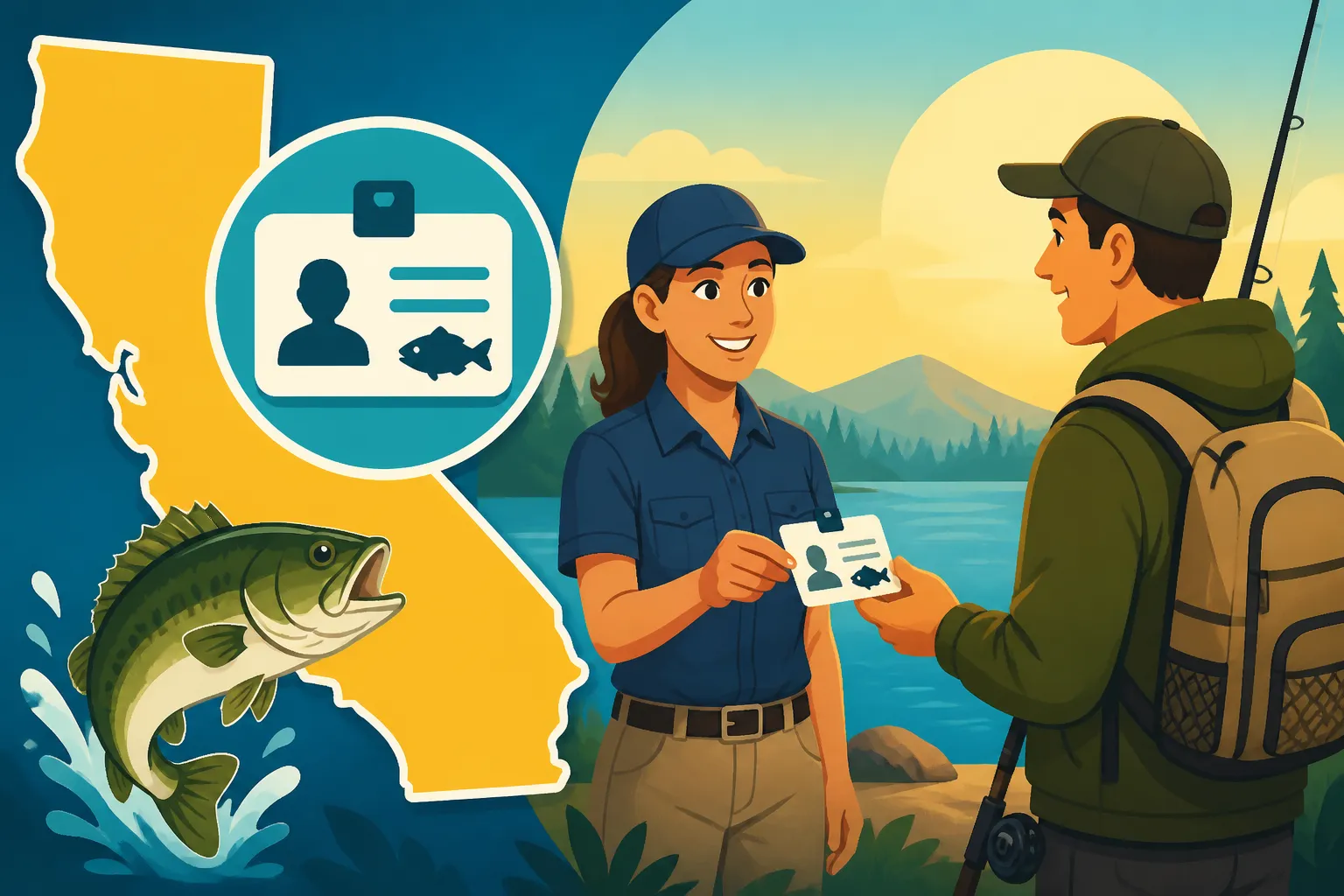
So, who exactly are these helpful folks who can get you squared away with your fishing license? They're an integral part of the CDFW's distribution network, serving as authorized points of sale for various licenses, tags, and report cards. They're typically local businesses that have partnered with the state to provide this service, making licenses accessible in communities across California.
The Authorized Retailers
When you hear "license agent," most often, we're talking about authorized retail vendors. These are the backbone of the in-person licensing system. They could be your local mom-and-pop tackle shop, a big-box sporting goods store, or even some convenience stores in smaller towns. What makes them "authorized" is their agreement with the CDFW to use the Automated License Data System (ALDS). This system allows them to process applications, print licenses and report cards on the spot, and collect the appropriate fees. They're equipped to handle everything from initial purchases to renewals, and they often carry other essential fishing supplies, making it a one-stop shop. It's a fantastic system because it decentralizes the process, meaning you don't have to drive miles out of your way to a government office just to get your permit. Plus, these local spots are often hubs of information, where you can pick up a fishing report or get tips on local conditions.
CDFW Offices and Their Role
While most people think of retailers, the California Department of Fish and Wildlife offices themselves also serve as license agents. These are the direct government outlets where you can purchase licenses. While they might not be as numerous or as conveniently located as a retail agent, they offer direct access to the source. You’ll find knowledgeable staff who are deeply familiar with all aspects of the California Fishing License Guide and can provide in-depth explanations of complex regulations, such as California Marine Protected Areas Explained or specific nuances of the California Freshwater Fishing Regulations. For complicated situations, or if you prefer to deal directly with the department, these offices are an excellent option. They also often handle more specialized services or complex inquiries that might be beyond the scope of a typical retail agent.
Where to Find a California Fishing License Agent
Finding a license agent is usually pretty straightforward, thankfully. The CDFW maintains an online lookup tool on their website, which is the best starting point. You can usually search by zip code or city, and it will list all the authorized agents nearby. But beyond the online search, there are common types of businesses where you’re almost guaranteed to find an agent.
Local Tackle Shops
These are, without a doubt, one of the best places to go. Your local tackle shop isn't just a place to buy hooks and line; it's often a community hub for anglers. The staff are usually passionate about fishing, deeply familiar with local waters, and incredibly helpful when it comes to understanding fishing regulations. When you walk into a shop like Bob's Bait & Tackle in San Bernardino or Fisherman's Landing in San Diego, you're not just buying a license; you're tapping into a wealth of local knowledge. They can tell you about the best bait for California Halibut in the bay, what's biting at nearby lakes, or even clarify aspects of California Rockfish Depth Restrictions. Plus, it’s a great way to support local small businesses that cater directly to our angling community.
Sporting Goods Stores
Larger sporting goods chains are also reliable places to find license agents. Stores like Bass Pro Shops, Cabela's, Big 5 Sporting Goods, and Turner's Outdoorsman are prime locations. They have dedicated customer service desks or areas where licenses are sold. These stores often have more extensive hours than smaller tackle shops, making it easier to pop in after work or on a weekend. While the staff might not always have the hyper-local fishing knowledge of a dedicated tackle shop owner, they are fully equipped to process your California fishing license quickly and efficiently. You can also pick up any gear you might need, from a new reel to a fishing hat, making it a convenient stop before your next outing.
Department of Fish and Wildlife Locations
As mentioned, CDFW regional offices and license counters are also available. These are typically located in larger cities or central hubs. While they might not be as numerous as retail agents, they offer direct service from the state agency itself. You might choose to visit a CDFW office if you have a particularly complex question about specific regulations, need detailed information about a California Fishing Report Cards Explained, or prefer to interact directly with the department. While generally efficient, wait times can sometimes be longer depending on the time of year or specific office. Always check their operating hours before you head out, as they might differ from retail stores.
The In-Person Purchase Process: What to Expect
Buying your fishing license from an agent is usually a straightforward affair, designed to get you on the water as quickly as possible. However, knowing what to expect can help streamline the process even further and avoid any last-minute surprises.
Required Information and Documents
When you visit a California fishing license agent, they'll need some basic information to process your license through the ALDS system. This typically includes:
- Proof of Identification: A valid government-issued ID like a driver's license, state ID card, or passport. This verifies your identity and residency status (which affects the California Resident Fishing License Cost versus the California Non-Resident Fishing License Cost).
- Date of Birth: Essential for determining eligibility for junior, senior, or disabled angler licenses.
- Physical Address: Required for record-keeping and mailing purposes if applicable.
- Social Security Number (SSN): This is mandated by federal law (specifically, the Federal Aid in Sport Fish Restoration Act) for anyone purchasing a hunting or fishing license in the U.S. Don't be surprised when they ask for it; it's a standard requirement, not just in California.
- Previous License Information (if renewing): If you're renewing your license, having your old license number or GO ID handy can speed things up, as the agent can quickly pull up your existing profile in the system.
Having these details ready will make the process much smoother. It’s always a good idea to bring your current fishing license if you're renewing, or your ID if it’s your first time, just to be on the safe side.
Payment Options and Fees
License agents accept various forms of payment, typically cash, credit cards, and debit cards. It’s always smart to have a couple of options available, just in case. The cost of your California fishing license will depend on several factors:
- License Type: An annual resident license is different from a non-resident annual, a 1-day, or a 2-day license.
- Add-ons: Do you need a Second-Rod Stamp, an Ocean Enhancement Stamp, or specific report cards like the California Sturgeon Report Card or the California Salmon Report Card? Each of these carries an additional fee.
- Agent Fee: While the license cost itself is standardized, agents are usually allowed to charge a small issuance fee (typically around $1-$5) for their service. This is a common practice to help cover their operational costs for providing the service.
The agent will clearly itemize all costs, so you'll know exactly what you're paying for. Don't hesitate to ask for a breakdown if anything is unclear. For current pricing, you can always consult the official CDFW website or an article like California Fishing License Cost.
Receiving Your License and Report Cards
Once all your information is entered and payment is processed, the agent will print your physical fishing license right there on the spot. This license is usually a durable, waterproof paper document, often printed with your name, GO ID, license type, and expiration date.
If you purchased any report cards (like for abalone, salmon, or sturgeon), these will also be printed for you. These report cards are crucial for tracking catch data, which helps the CDFW manage fish populations. You'll need to fill these out correctly as you fish and return them by the specified deadline, even if you don't catch anything. Understanding how to properly fill out a California Report Card is vital, as improper reporting can lead to penalties. The agent will usually staple or clip all your documents together, and it's a good habit to immediately store them in a safe, accessible place, like a wallet or tackle box, where they'll stay dry and secure.
Advantages and Disadvantages of Using an Agent
Like most things in life, there are pros and cons to using a fishing license agent compared to other methods like purchasing online. Understanding these can help you decide which route is best for your particular needs and preferences.
Pros of Agent Purchases
There's a lot to love about walking into a physical location to get your license. For many, it’s still the preferred method.
- Immediate Gratification: The biggest perk is walking out with your physical license in hand right away. No waiting for mail, no printing issues at home. You can decide to go fishing spontaneously, stop by an agent, and be ready to cast a line within minutes. This is especially useful if you realize last minute that your California Fishing License Expiration Explained has passed.
- Personalized Assistance: Agents, especially those in dedicated tackle shops, often possess a wealth of knowledge. They can help you understand specific regulations, clarify confusion about different stamps or report cards, and even offer tips on local fishing spots or what bait to use. This human interaction is invaluable, particularly for beginners or those tackling new species.
- Troubleshooting on the Spot: If there's an issue with your information, a payment problem, or a question about a specific requirement, the agent can resolve it directly with you. There’s no waiting on hold with customer service or sending emails back and forth. This immediate problem-solving can save a lot of frustration.
- Local Community Connection: Visiting a local tackle shop or sporting goods store supports local businesses and allows you to connect with other anglers. It’s a great way to tap into the local fishing community, get up-to-date fishing reports, and maybe even find a new fishing buddy.
Cons of Agent Purchases
However, it's not always sunshine and rainbows. There are a few downsides to consider with in-person purchases.
- Limited Hours of Operation: Unlike online portals that are available 24/7, physical agents have business hours. If you suddenly decide you want to fish at 5 AM on a Sunday, you might be out of luck if your local agent doesn't open until 8 AM. This lack of flexibility can be a real drawback for spontaneous trips.
- Potential for Lines and Wait Times: During peak fishing seasons or popular times (like before a holiday weekend), you might encounter lines at popular agent locations. Waiting to purchase a license can cut into your precious fishing time.
- Location Dependency: You have to physically travel to an agent, which might not always be convenient depending on where you live or are traveling. If you're out in a remote area, the nearest agent could be quite a drive away.
- Less Privacy: You'll be providing personal information, including your Social Security Number, to an individual at a counter. While agents are authorized and trained, some people might prefer the privacy of entering this information themselves online.
Comparing Agent Purchases to Online Purchases
When it comes to getting your California fishing license, you essentially have two main avenues: purchasing in person from an authorized agent or buying it directly online through the CDFW website. Both methods have their merits, and the "best" choice really depends on your personal preferences and circumstances.
Online Convenience vs. In-Person Support
Purchasing your California fishing license online has become incredibly popular for a reason: convenience. You can do it from the comfort of your couch at any hour of the day or night. This is fantastic if you're a planner, or if you remember at 11 PM that you need a license for tomorrow morning's trip. The CDFW's Automated License Data System (ALDS) portal is designed for ease of use, allowing you to quickly navigate options for your annual license, a California Two-Day Fishing License, or to simply process a California Fishing License Renewal. Once purchased, you can often print a temporary license immediately to hold you over until your official one arrives in the mail (or if you have issues with home printing, a physical agent can reprint it for you later). This is especially useful if you’re a visitor and need to understand California Fishing License Requirements for Visitors.
However, what the online system gains in convenience, it sometimes lacks in personal support. If you have a question about a specific regulation, like the nuances of California Salmon Season Dates Explained or how the California Fishing Regulations Explained apply to a certain body of water, the online portal won't give you an immediate, personalized answer. You'd have to call a help desk or search the CDFW website extensively. This is where an in-person agent shines. They can clarify confusing rules, ensure you've selected all the correct endorsements or report cards, and provide that human touch which is often invaluable, particularly for beginners or those who feel overwhelmed by the sheer volume of information.
When Each Method Shines
So, when should you lean on an agent, and when is going online the smart play?
Opt for an Agent When:
- You need immediate clarification or advice: If you have questions about specific regulations, endorsements, or even local fishing conditions, a knowledgeable agent is your best resource.
- You prefer a physical transaction: Some people just feel more comfortable dealing with a real person, or perhaps they don't have easy access to a printer at home.
- You're making a last-minute purchase and need a physical license instantly: If your printer is on the fritz or you want a professionally printed document right away.
- You want to support local businesses: Your neighborhood tackle shop relies on these transactions.
- You're a new angler: Getting guidance from an experienced agent can demystify the initial steps of acquiring a license and understanding what's needed.
Choose Online Purchase When:
- You're comfortable with digital transactions: You're used to buying things online and can confidently navigate government websites.
- You need a license outside of business hours: That late-night impulse to fish tomorrow morning? The online system is always open.
- You have a printer at home: You can print your temporary license instantly and often receive your permanent one by mail.
- You're simply renewing an existing license: If your details haven't changed and you know exactly what you need, online renewal is usually the quickest. Check out California Fishing License Renewal for more details.
- You're traveling from afar: You can get your license before you even arrive in California, rather than trying to find an agent in an unfamiliar area.
Here's a quick comparison table:
| Feature | In-Person Agent Purchase | Online Purchase (CDFW Website) |
|---|---|---|
| Availability | Limited to business hours | 24/7 access |
| Guidance | Personalized advice, answers to questions, local tips | Self-service, FAQs, phone support (during business hours) |
| Physical License | Printed immediately | Temporary printable immediately, permanent mailed (or picked up) |
| Troubleshooting | Immediate, face-to-face resolution | Via phone, email, or online forms, can be delayed |
| Payment Options | Cash, credit/debit (may vary by agent) | Credit/debit card only |
| Additional Fees | Small agent issuance fee (typically $1-$5) | Sometimes a small processing fee (usually included in total) |
| Community Aspect | Supports local business, local knowledge exchange | None |
| Privacy | Less private (SSN shared with agent) | More private (SSN entered directly by user) |
Common Issues and How Agents Can Help
Even with the best intentions, things can go awry. You might lose your license, struggle to understand a particular rule, or simply need reassurance. Fishing license agents are often your first line of defense against these common frustrations, providing practical solutions and clarity.
Lost or Damaged Licenses
It happens to the best of us. That perfectly folded license tucked into your wallet suddenly vanishes, or it takes an unexpected swim during a rough day on the boat, rendering it unreadable. When this occurs, you might panic, wondering if you have to pay the full price again or go through a complicated reapplication.
Fortunately, this is where an authorized license agent can be a lifesaver. You don't necessarily have to jump through hoops. If you've lost your license, an agent can look up your GO ID (your unique customer identifier in the ALDS system) using your personal information. Once found, they can often print you a duplicate license for a small fee. This process is usually quick and painless, getting you back on the water legally without much delay. This is far easier than trying to navigate the online system for a reprint if you're not tech-savvy or don't have access to a printer. Remember, having a valid license in your possession while fishing is a legal requirement, so don't put off getting a replacement.
Understanding Complex Regulations
California's fishing regulations can be incredibly detailed, with rules varying by species, body of water, season, and even specific times of day. Trying to decipher the entire California Fishing Regulation Booklet Explained can be overwhelming. Questions often arise: "Do I need a Sturgeon Report Card for that small sturgeon I saw?" or "What are the specific California Halibut Size and Bag Limits in this area?"
While the CDFW website is an exhaustive resource, it's not always easy to find the exact answer you're looking for, or to interpret it correctly. This is precisely where a knowledgeable license agent, particularly one in a local tackle shop, truly shines. They are often steeped in local fishing lore and current regulations. They can interpret the dense legal jargon, clarify bag limits, explain special regulations for certain waters (like California Special Regulation Waters), and ensure you understand what's required for your target species. For example, if you're venturing out for rockfish, they can walk you through the California Rockfish Regulations and Limits for your specific management area. This personalized explanation can prevent accidental violations and ensure you're fishing responsibly and legally. Think of them as your personal fishing regulation consultants – a human search engine for all things legal and fishy.
Disclaimer
The information provided in this guide is for general informational purposes only and is not intended as legal advice. Fishing regulations in California are subject to change by the California Department of Fish and Wildlife (CDFW). While we strive to keep the information up-to-date and accurate, it is the angler's responsibility to consult the official California Freshwater Sport Fishing Regulations booklet or the California Ocean Sport Fishing Regulations booklet, and the CDFW website, for the most current and definitive rules before engaging in any fishing activity. Non-compliance with regulations can result in significant fines and penalties.