Best Fishing in Northern California
For anyone who’s ever stared at a map of California, especially the massive northern half, and wondered "Where do I even start fishing?", you know the feeling of being overwhelmed. Northern California is an angler's paradise, but its sheer size and diversity can make it a real head-scratcher to plan a trip. This comprehensive guide is here to unravel that mystery, taking you through the premier freshwater and saltwater hotspots, the best times to visit, and what you’ll need to make your fishing dreams a reality in this spectacular region.
Understanding Northern California's Diverse Fishing Landscape
Northern California isn't just one type of fishing experience; it's a tapestry woven from snow-capped peaks, winding rivers, vast lakes, and a rugged coastline. This incredible variety is what makes it such a sought-after destination, but it also means that "fishing in Northern California" can describe anything from fly-fishing for trout in an alpine meadow to battling tuna miles offshore. Understanding this geographical and ecological diversity is the first step to truly appreciating and planning your angling adventures here.
The Allure of the High Sierra Lakes
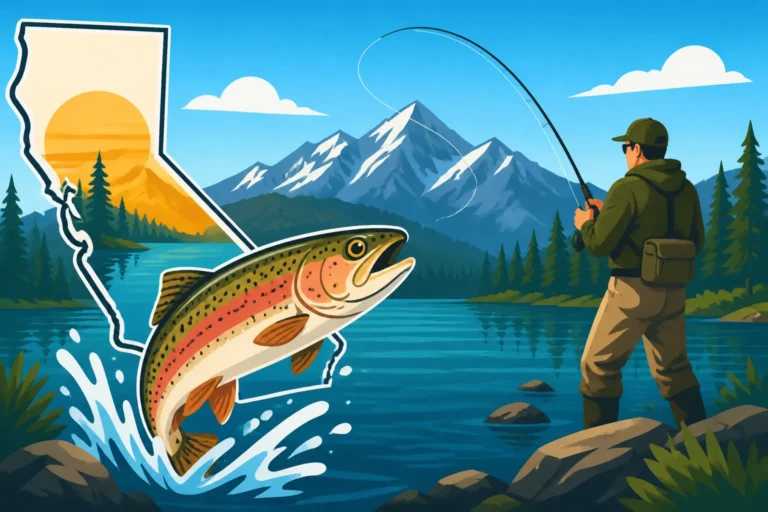
Imagine crystal-clear, glacier-fed waters nestled among towering pines and granite peaks. That’s the magic of the High Sierra lakes, and they offer some of the most breathtaking fishing experiences you can find. These aren't just pretty pictures; they're productive fisheries, home to various trout species like Rainbow, Brown, Brook, and the elusive Golden Trout. The remoteness often means less pressure, but it also requires a bit more planning, hiking, or even packing into backcountry areas.
Fishing in these high-altitude lakes often feels like a pilgrimage, a journey into untouched wilderness. The air is crisp, the views are unparalleled, and the fight of a wild trout in these pristine waters is something truly special. While accessible lakes like Lake Tahoe and Crowley Lake offer easier access, the true gems are often found off the beaten path, requiring a sense of adventure and a willingness to explore.
Mighty Rivers and Their Bounty
Flowing from the mountains to the sea, Northern California's rivers are the lifeblood of its freshwater fishing scene. From the iconic Sacramento River to the wild Trinity and Klamath Rivers, these waterways are famous for their anadromous runs of salmon and steelhead, drawing anglers from around the globe. But they're not just for migratory species; many sections hold resident trout, smallmouth bass, and even sturgeon.
Each river system has its own character and its own set of challenges and rewards. The Sacramento River, for instance, offers diverse opportunities from its headwaters near Mount Shasta all the way to the Delta, including fantastic fishing for Chinook salmon. Learning the nuances of these rivers, from flow rates to seasonal runs, is key to success.
Coastal Waters and Estuaries: A World Apart
Then there's the coast – a dramatic stretch of cliffs, sandy beaches, and bustling bays. Northern California's Pacific coastline, from the San Francisco Bay Area up to Crescent City, provides a completely different angling environment. Here, you'll find everything from surfperch in the waves to rockfish and lingcod on rocky reefs, and even salmon and tuna offshore when conditions are right.
The estuaries and bays, like the vast San Francisco Bay, offer a unique mix of fresh and saltwater species, including striped bass, leopard sharks, and Dungeness crab. The coastal waters are dynamic, influenced by tides, currents, and weather, demanding a different set of skills and often sturdier gear. The cool, nutrient-rich waters of the Pacific here create a fertile feeding ground for a wide array of marine life, making it a truly vibrant fishery.
Premier Freshwater Fishing Destinations
When we talk about freshwater fishing in Northern California, we're talking about a spectrum of experiences. You can cast a line in massive reservoirs, navigate broad rivers, or hike to a secluded alpine lake. Each offers a distinct challenge and a chance to connect with nature in a unique way.
Iconic Lakes: Shasta, Oroville, and More
These aren't just pretty spots on a map; lakes like Shasta Lake, Lake Oroville, and Clear Lake are renowned for their incredible productivity and diverse fisheries. Shasta Lake, for example, is California's largest reservoir and a true multi-species haven. Here, you can target hard-fighting largemouth bass, smallmouth bass, spotted bass, or troll for impressive rainbow and brown trout. It's an ideal spot for family outings, with plenty of coves and arms to explore, whether by boat or from the bank.
Lake Oroville, another massive reservoir, is celebrated for its excellent spotted bass fishing, with many anglers reporting trophy-sized catches. Clear Lake, often called the "Bass Capital of the West," consistently ranks as one of the top bass fishing lakes in the nation, offering incredible opportunities for largemouth bass anglers. These lakes, among the Best Lakes to Fish in California, are well-developed with marinas, ramps, and nearby accommodations, making them accessible even for those new to the area.
River Systems: Sacramento, Trinity, and Klamath
Northern California's rivers are legendary, particularly for their seasonal runs. The Sacramento River, from its clear upper reaches to the broader lower sections and through the Delta, offers year-round fishing. Up north, it’s prime trout territory, while further downstream it becomes a hotspot for striped bass and sturgeon. When the California Salmon Season Dates Explained are open, it transforms into a bustling scene of anglers hoping to intercept migrating Chinook.
The Trinity River and Klamath River, flowing through remote and stunning landscapes, are world-famous for their steelhead and salmon fisheries. These wild rivers demand respect and often technical fishing skills, particularly for fly-fishing enthusiasts. During the annual runs, these rivers become vibrant with activity, attracting anglers eager to experience the fight of these powerful anadromous fish. Understanding the delicate ecosystem and specific regulations, especially concerning catch-and-release, is paramount when fishing these precious waterways.
Hidden Gems and Smaller Reservoirs
Beyond the big names, Northern California is dotted with countless smaller lakes, reservoirs, and streams that offer fantastic, often less-pressured, fishing. Think of places like Lake Almanor in the Plumas National Forest, known for its trophy trout and smallmouth bass, or the quieter reservoirs in the Sierra foothills. These spots might not get the same attention as Shasta or Clear Lake, but they can offer incredibly rewarding experiences for those willing to do a little research and exploration.
Often, these smaller waters provide a more intimate fishing experience, away from the crowds. They might require a bit more effort to access, perhaps a short hike or a drive down a dirt road, but the solitude and quality of fishing can be well worth it. These hidden gems are often stocked with trout by the California Department of Fish and Wildlife, providing consistent opportunities, especially in the spring and fall.
Top Coastal and Bay Fishing Opportunities
Northern California’s coastline is dramatic and rugged, offering incredible opportunities for saltwater anglers. From the bustling San Francisco Bay to the wilder stretches of the North Coast, the variety of fishing experiences is truly remarkable. The Pacific Ocean off California is a dynamic environment, constantly changing with the seasons and tides, offering different species and challenges throughout the year.
San Francisco Bay: Urban Angling Paradise
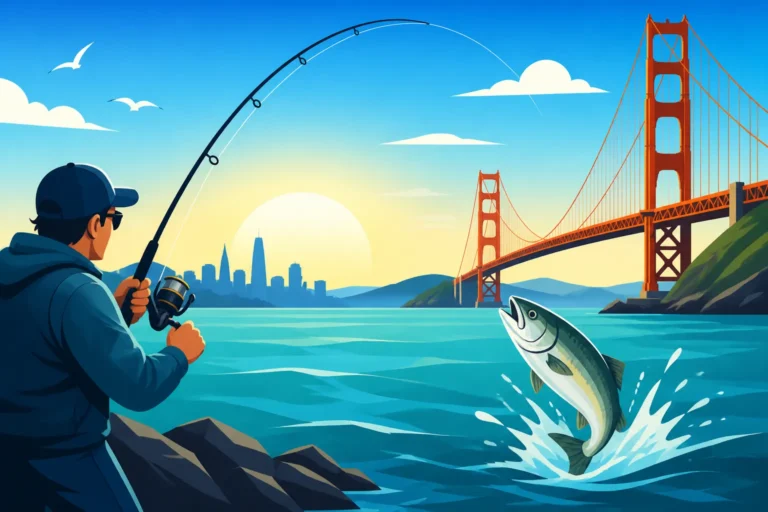
The San Francisco Bay is a vast, productive estuary that offers an incredible array of fishing opportunities right in the heart of urban Northern California. It's a fantastic place to target striped bass, a hard-fighting species that thrives in the bay's brackish waters. You can fish for them from piers, jetties, or by boat, often using live bait or artificial lures. The bay also holds leopard sharks, halibut, and sturgeon, especially in the deeper channels. The beauty of bay fishing is its accessibility; many excellent spots are just a short drive from major population centers.
Beyond the main bay, the surrounding areas like San Pablo Bay and the Delta channels provide even more expansive fishing grounds. Anglers here might find themselves fishing alongside cargo ships and sailboats, a unique contrast to the natural beauty of the more remote fishing spots. It's crucial to be aware of the specific San Francisco Bay Fishing Spots regulations, as tides and currents can be strong, and certain areas may have restrictions.
North Coast Hotspots: Bodega Bay to Humboldt
Moving north along the coast, areas like Bodega Bay and Humboldt Bay are renowned for their abundant Dungeness crab, rockfish, and salmon fisheries. Bodega Bay, a picturesque harbor, serves as a launching point for offshore salmon trips when the season allows, and is also great for crabbing and bottom fishing closer to shore. Further north, Humboldt Bay offers excellent opportunities for halibut, especially California halibut, along with various surfperch species along its sandy beaches.
The rugged coast between these bays is also home to countless coves and reefs, perfect for rock fishing from shore or kayak, targeting species like lingcod and a variety of rockfish. The scenery alone is worth the trip, with towering redwoods often meeting the ocean's edge. Keep in mind that offshore conditions can be unpredictable, so checking marine forecasts is always a good idea before venturing out.
Pier and Surf Fishing Along the NorCal Coast
For those who prefer to keep their feet on solid ground, Northern California offers fantastic pier and surf fishing. Piers are a great option for beginners or those without a boat, as you typically don't need a California Fishing License Guide to fish from a public pier in California. Popular piers like the Santa Cruz Wharf, Capitola Wharf, and Pacifica Pier offer chances to catch mackerel, sardines, perch, halibut, and even occasional sharks. They're bustling, social places perfect for a casual day of fishing.
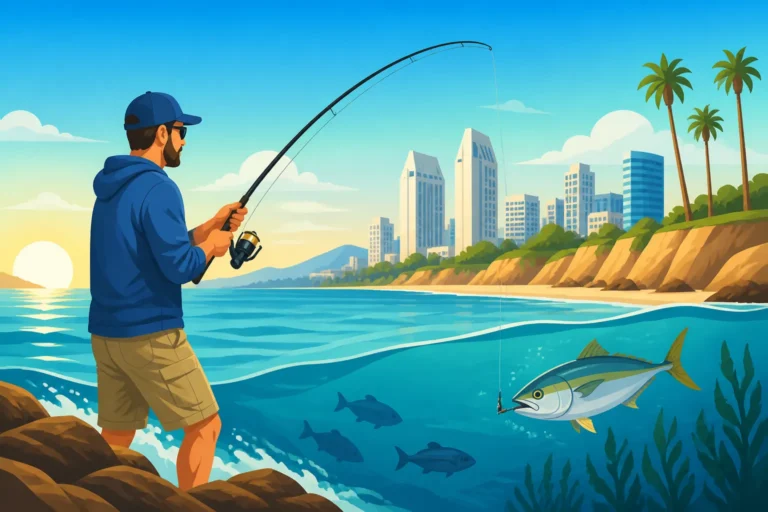
Surf fishing along the vast sandy beaches, particularly south of San Francisco and around Humboldt, allows you to target surfperch, corbina, and even small sharks. This requires a different technique, often involving long casts into the waves with bait like Gulp! sandworms or fresh mussels. The serene experience of standing on the beach with the ocean breeze, waiting for a bite, is a quintessential California angling experience. Always be mindful of the tides and wave conditions for safety.
Targeting Specific Species in NorCal
Northern California's diverse habitats mean a wide variety of fish species call these waters home. Knowing what you want to target, and where and when to find them, is key to a successful and enjoyable trip. Each species has its own habits, preferred environments, and the best techniques to catch them.
Chasing Trophy Bass and Kokanee
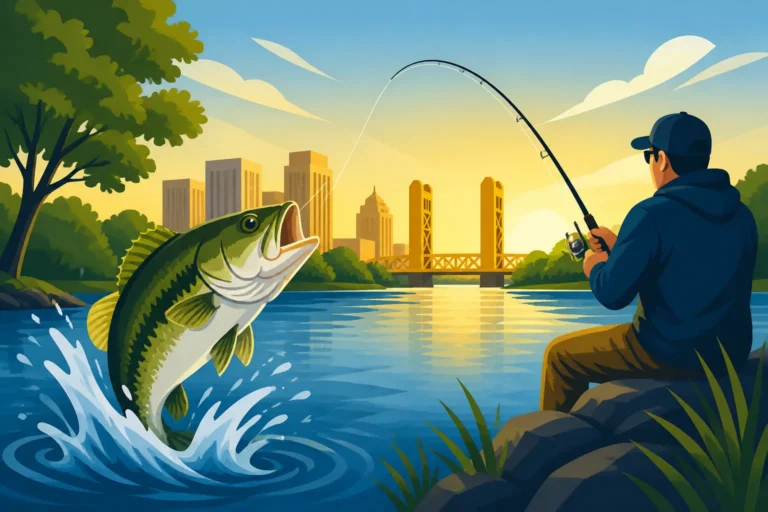
For freshwater enthusiasts, Northern California is a mecca for bass fishing. Largemouth, smallmouth, and spotted bass thrive in many of the region's large reservoirs and river systems. Clear Lake, as mentioned, is legendary for its largemouth bass, where anglers regularly pull out fish weighing over 10 pounds. Lakes Shasta, Oroville, and Don Pedro also offer phenomenal bass fishing. Anglers often use a variety of techniques, from throwing crankbaits and spinnerbaits in the shallows to finesse fishing with worms and jigs in deeper water.
Meanwhile, for those seeking a different kind of freshwater thrill, Kokanee salmon offer a unique challenge. These landlocked sockeye salmon are prized for their spirited fight and delicious meat. Lakes like Whiskeytown, Shasta, and New Melones are popular for Kokanee, often requiring specialized trolling setups with downriggers to reach the depths where these fish prefer to hold. Their bite can be subtle, but the reward of a silvery, hard-fighting Kokanee is well worth the effort.
The Thrill of Salmon and Steelhead Runs
The anadromous salmon and steelhead runs are arguably the most iconic fishing events in Northern California. Chinook salmon make their annual migration up rivers like the Sacramento, Klamath, and Trinity, drawing legions of anglers eager to intercept them. Knowing How to Catch Salmon in California involves everything from back-trolling lures and bait to plunking from shore. The seasons are highly regulated and can change yearly due to environmental factors, so always check the latest California Salmon Season Dates Explained.
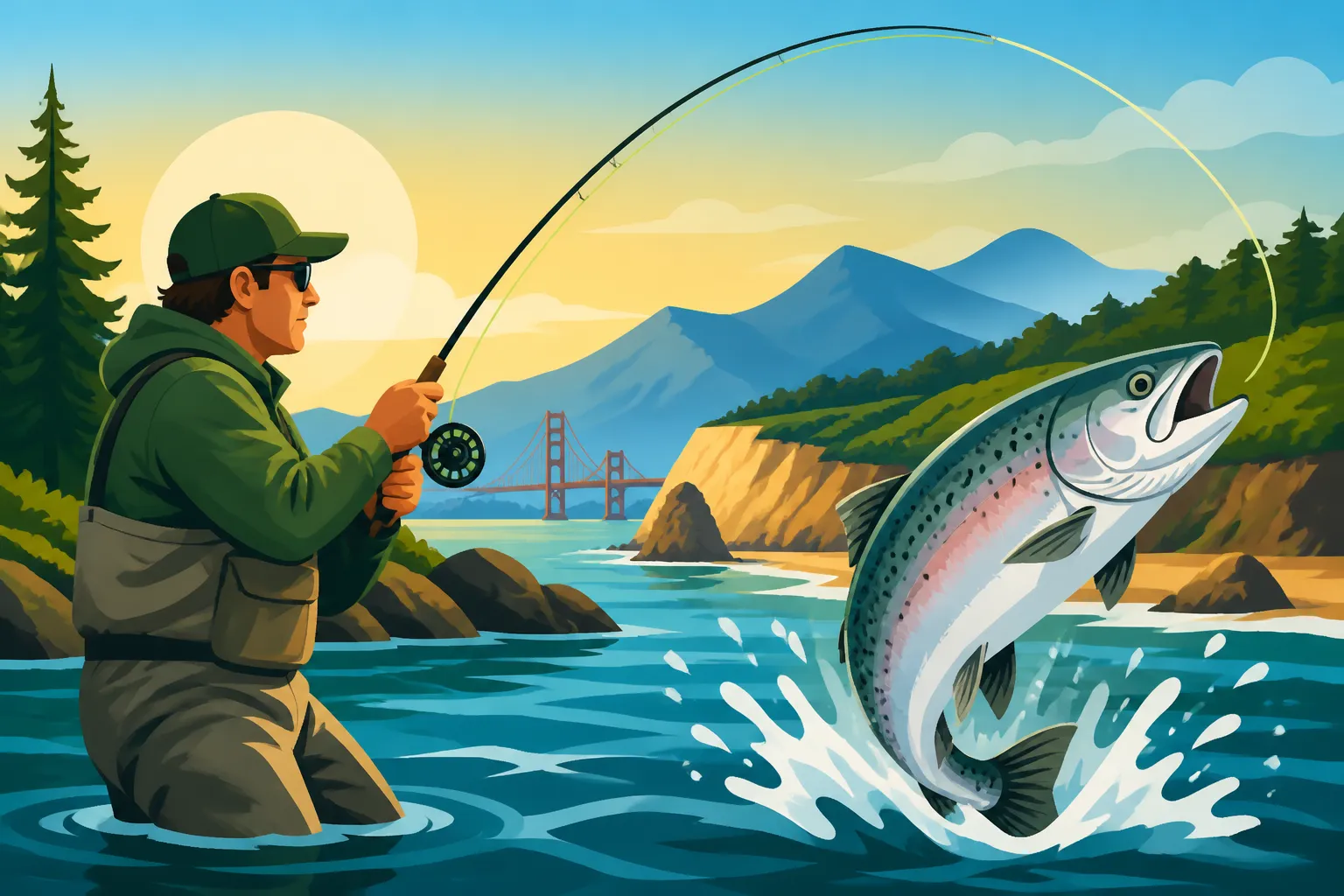
Steelhead, the sea-run form of rainbow trout, provide an even more elusive and revered quarry. These powerful fish return to rivers like the Trinity, Klamath, and Eel to spawn, offering a truly challenging and rewarding fly-fishing experience. Anglers often employ spey casting or drift fishing techniques to present flies or bait effectively. The pursuit of steelhead is often as much about the journey and the wild beauty of their habitat as it is about the catch. You can learn more about specific seasons and tactics in our guide to California Steelhead Season Dates Explained.
Exploring Rockfish and Halibut Havens
In the saltwater realm, rockfish and lingcod are staples of Northern California's coastal fisheries. These bottom-dwelling species are abundant along rocky reefs, kelp beds, and offshore structures from Monterey Bay up to the North Coast. Lingcod are particularly sought after for their aggressive strikes and delicious white meat, often caught jigging or using large swimbaits. Rockfish, a diverse group including vermilion, bocaccio, and various sebastes species, provide consistent action, especially on party boats or private charters. Be sure to understand the complex California Rockfish Regulations and Limits before you go, as depth restrictions and bag limits are strictly enforced to protect these slow-growing species.
California halibut are another highly prized saltwater target, found in bays, estuaries, and along sandy ocean bottoms. These flatfish are masters of camouflage and can offer a challenging but rewarding pursuit. Drifting with live bait like anchovies or sardines, or casting swimbaits, are popular and effective methods for targeting halibut in areas like San Francisco Bay, Humboldt Bay, and off the coast of Santa Cruz.
Seasonal Considerations for Northern California Anglers
The fishing calendar in Northern California is a dynamic beast, constantly shifting with the seasons, weather patterns, and migratory movements of fish. What's biting and where can change dramatically from month to month, making seasonal awareness critical for planning any successful fishing trip. Don't let yourself get frustrated by showing up at the wrong time for your target species; a little research goes a long way!
Spring's Awakening: Trout and Early Runs
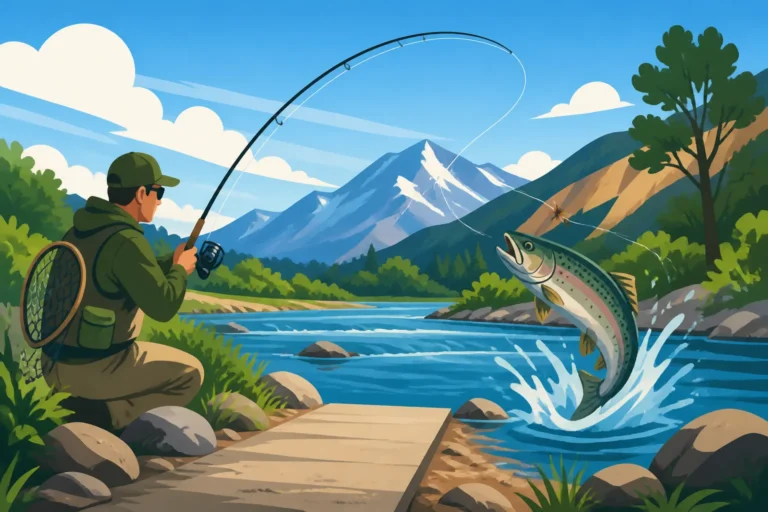
As winter snows begin to melt and water temperatures slowly rise, spring brings an explosion of activity. Many of the freshwater lakes and streams, especially those in the lower elevations and foothills, see increased trout activity. This is prime time for chasing rainbows and browns in reservoirs like Lake Shasta and Lake Oroville, often with both bait and trolling techniques. Many high-country lakes become accessible as snow melts, offering initial opportunities for pristine trout fishing.
On the coast, spring often signals the start of the halibut season in the bays and nearshore areas as these flatfish become more active. Surf fishing for perch also picks up, offering consistent action from the beaches. For migratory species, some early steelhead runs might still be tapering off in the rivers, and anglers keep a close eye on forecasts for early salmon and albacore tuna opportunities offshore, although these usually peak later in the year.
Summer's Bounty: Offshore and High-Country Fishing
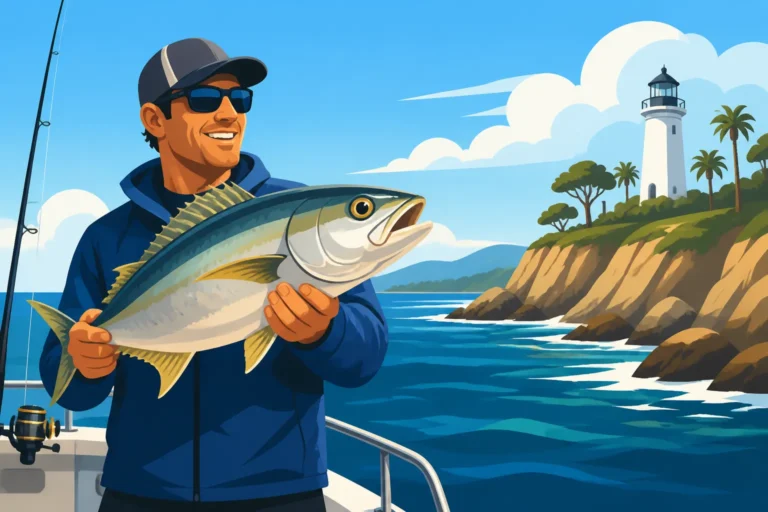
Summer in Northern California is synonymous with offshore action and high-country adventures. The offshore waters, particularly south of Point Reyes, can come alive with tuna species like bluefin and albacore, especially in warmer water years. This is when sportfishing boats from ports like San Francisco, Bodega Bay, and Eureka will venture further out, chasing these pelagic powerhouses. It’s an exhilarating experience, often requiring multi-day trips and specialized gear.
In the freshwater realm, summer is the perfect time to explore the high Sierra lakes. With roads open and snow gone, backpacking into remote alpine lakes for golden, brook, and rainbow trout is a classic Northern California experience. Bass fishing in the major reservoirs remains strong, though fish might move to deeper, cooler waters during the hottest parts of the day. Fly-fishing on mountain streams is also at its peak, offering incredible dry-fly opportunities.
Fall Spectacle: Salmon, Steelhead, and Bass
Autumn is arguably the most exciting time for many Northern California anglers, largely due to the epic salmon and steelhead runs. Rivers like the Sacramento, Trinity, and Klamath swell with migrating Chinook salmon and then later with steelhead, providing some of the best fishing of the year. Anglers flock to these rivers, eager to intercept these powerful fish. This is when knowing the ins and outs of California Fishing Regulations Explained and specific river closures becomes critical.
While the anadromous runs take center stage, fall also offers excellent bass fishing in the lakes as water temperatures cool and fish become more aggressive. The offshore scene can still be productive for rockfish and lingcod, and sometimes late-season tuna bites can surprise anglers. The crisp air and changing colors of the landscape add to the beauty of fall fishing.
Winter Challenges and Rewards
Winter fishing in Northern California might seem daunting, but it offers unique opportunities for the dedicated angler. While many high-country areas become inaccessible due to snow, the lower-elevation lakes and rivers can still be highly productive. Lake Shasta and Lake Oroville often see strong trout bites, and bass can be caught in deeper water. The Sacramento River continues to offer opportunities for sturgeon and striped bass.
Steelhead fishing, particularly for winter-run fish, becomes the primary draw on many coastal rivers, though conditions can be challenging with high flows and cold temperatures. Coastal areas can still produce good rockfishing and crabbing on calmer days. It’s a time for warm gear, patience, and often solitude, but the rewards can be truly exceptional for those brave enough to face the elements.
Essential Gear and Techniques for Northern California Waters
Having the right gear and knowing the appropriate techniques can make all the difference in Northern California's varied fishing environments. It's not about having the most expensive equipment, but rather having reliable tools suited to the specific type of fishing you're doing.
Freshwater Tackle Box Must-Haves
For freshwater fishing in Northern California, especially in lakes and rivers, a versatile medium-action spinning rod (7-foot range) paired with a 2500-3000 series reel spooled with 8-10 pound monofilament or braid is a great all-around setup. This will handle most trout, bass, and panfish situations. For trout, a lighter action rod with 4-6 pound line might be preferred, especially for delicate presentations. Your tackle box should include an assortment of lures:
- For Trout: Small spinners (e.g., Panther Martin, Mepps), spoons (e.g., Kastmaster, Little Cleo), and PowerBait or live worms for bait fishing. If fly-fishing, various nymphs, dry flies, and streamers are essential.
- For Bass: Plastic worms, jigs, crankbaits, spinnerbaits, and topwater lures. The specific colors and sizes will depend on the lake and time of year.
- Terminal Tackle: A variety of hooks (Aberdeen, worm hooks, treble hooks), sinkers (split shot, bullet weights, drop shot weights), swivels, and leaders are crucial.
Always carry a pair of pliers for hook removal, a tape measure to check legal sizes, and a small net, especially for trout.
Saltwater Gear for Coastal Adventures
Saltwater fishing demands tougher gear to stand up to corrosive conditions and larger, stronger fish. For pier and surf fishing, a medium-heavy spinning rod (8-10 foot) with a 4000-6000 series reel spooled with 20-30 pound braid or monofilament is a good starting point. For boat fishing, especially for rockfish and lingcod, a sturdy conventional setup with a heavier action rod (6-7 foot) and a reel spooled with 40-60 pound braid is more appropriate.
Your saltwater tackle should include:
- For Surfperch/Halibut: High-low rigs, Carolina rigs, and a variety of weights. Baits like Gulp! sandworms, fresh mussels, or live anchovies/sardines.
- For Rockfish/Lingcod: Heavy jigs (4-12 oz), large swimbaits, and dropper loop rigs with squid or cut bait.
- Essential Accessories: A bait cooler, a good fillet knife, sturdy gloves, and a long-handled net or gaff are invaluable. Always rinse your gear thoroughly with fresh water after each saltwater trip to prevent corrosion.
Popular Techniques for Diverse Species
Northern California anglers employ a wide array of techniques to match the diverse fisheries:
- Trolling: Extremely popular for trout and salmon in large lakes and for salmon offshore. This involves dragging lures or bait behind a moving boat, often using downriggers to reach specific depths.
- Drift Fishing: Common in rivers for salmon and steelhead, and in bays for halibut. This involves allowing your bait or lure to drift naturally with the current.
- Jigging: A go-to technique for rockfish and lingcod in saltwater, and sometimes for bass in deeper freshwater. It involves vertically working a weighted lure up and down to attract strikes.
- Casting and Retrieving: The bread and butter for bass fishing, using various lures like crankbaits, spinnerbaits, and soft plastics.
- Fly-fishing: Especially popular for trout in mountain streams and lakes, and for steelhead in rivers. This highly skilled technique uses artificial flies to mimic insects or baitfish. If you're looking to hone your skills, our guide on California Trout Fishing Techniques is a great resource.
- Bait Fishing: From soaking PowerBait for stocked trout to using live anchovies for halibut, bait fishing remains a highly effective method across many species and environments.
Navigating Regulations and Licenses in Northern California
California has a comprehensive set of fishing regulations designed to protect fish populations and ensure sustainable angling for future generations. While these rules can sometimes feel daunting, understanding them is not only critical for conservation but also for avoiding hefty fines. You absolutely need to get familiar with the current rules before casting a line.
Understanding California Fishing License Requirements
First and foremost, nearly everyone aged 16 or older needs a valid California Fishing License Guide to fish in California, whether in fresh or saltwater, unless fishing from a public pier (where no license is typically required). There are various license options available, from annual licenses for residents and non-residents to short-term options like one-day or two-day licenses, perfect for visitors or casual outings. You can purchase your license online through the California Department of Fish and Wildlife (CDFW) website or in person at licensed vendors, which include most tackle shops and sporting goods stores.
It's also essential to carry your license with you while fishing. A common mistake is assuming you don't need a license for certain species or locations; always double-check. The revenue generated from license sales directly supports fisheries management, conservation efforts, and stocking programs, so it's an investment in the future of California fishing.
Species-Specific Regulations and Report Cards
Beyond the basic fishing license, many popular species in Northern California require additional report cards. These are vital tools for the CDFW to monitor harvest rates and manage fish populations. Key examples include:
- Steelhead Report Card: Mandatory for anyone fishing for steelhead.
- Sturgeon Report Card: Required for sturgeon fishing.
- Salmon Report Card: Depending on the regulations, sometimes required for ocean salmon fishing.
These report cards must be in your possession when fishing for the respective species, and you are required to fill them out immediately upon catching or retaining a fish. Failing to do so or not returning them by the deadline can result in fines and affect your ability to get future cards. Additionally, specific species like rockfish, salmon, and halibut have strict bag and size limits, as well as season closures, which are detailed in the annual California Fishing Regulations Explained booklet provided by the CDFW.
| Species | Typical Season (General) | Bag Limit (Example) | Size Limit (Example) | Report Card Required |
|---|---|---|---|---|
| Rainbow Trout | Year-round in most waters, peak Spring/Fall | 5 (daily) | 10-18 inches (general) | No |
| Largemouth Bass | Year-round, peak Spring/Summer | 5 (daily) | 12 inches minimum | No |
| Chinook Salmon | Varies by river/ocean, often Summer/Fall | 1-2 (daily) | 20-24 inches minimum | Yes (ocean/some rivers) |
| Steelhead | Varies by river, often Winter/Spring | 0-1 (daily, often C&R) | 20 inches minimum | Yes |
| California Halibut | Year-round, peak Spring/Summer | 2 (daily) | 22 inches minimum | No |
| Rockfish | Varies by management area, often Spring-Fall | 10 (daily, varied species) | 10-12 inches (species-specific) | No |
| Sturgeon | Year-round (catch & release for White Sturgeon often) | 0-1 (daily) | 40-60 inch slot limit | Yes |
Note: This table provides general examples. ALWAYS consult the latest California Freshwater Sport Fishing Regulations and Ocean Sport Fishing Regulations booklets from the CDFW for precise, up-to-date information, as rules can change seasonally and regionally.
Marine Protected Areas and Restricted Zones
Northern California's coast is home to several Marine Protected Areas (MPAs), which are designed to protect marine ecosystems. These areas have specific rules about what types of fishing are allowed, if any. Some MPAs are "no-take" zones, where all fishing is prohibited, while others may allow certain types of recreational fishing with specific restrictions. It is absolutely crucial to know if you are fishing in or near an MPA and to understand its specific regulations. Ignorance is not an excuse, and violating MPA rules can lead to significant penalties.
Similarly, certain rivers or sections of rivers may have special regulations, such as "wild trout waters" or "fly-fishing-only" sections, or even seasonal closures to protect spawning fish. Always check the CDFW regulations booklet for the specific body of water you plan to fish. Staying informed is the best way to enjoy Northern California's incredible fishing opportunities responsibly.
Booking Your Northern California Fishing Adventure
Even with all the information in the world, sometimes you want a little expert guidance, or you just want to kick back and let someone else handle the logistics. Northern California offers a fantastic array of fishing guides and charter services that can elevate your experience, whether you're a seasoned angler or a complete novice.
Finding Reputable Guides and Charters
For those looking to maximize their chances of success, especially on unfamiliar waters or for challenging species like salmon, steelhead, or offshore tuna, booking a guide or charter is an excellent option. A good guide knows the local waters intimately, understands fish patterns, and can provide all the necessary gear and expertise. When searching for a guide, look for those with strong local reputations, positive reviews, and proper licensing. You can often find reputable operations through local tackle shops, fishing forums, or online platforms.
Platforms like FishingBooker are a fantastic resource for finding and booking fishing charters and guides across Northern California. They allow you to browse options by location, species, and trip type, read reviews from other anglers, and compare prices. Whether you're dreaming of a salmon trip on the Sacramento River, a bass adventure on Clear Lake, or an offshore rockfish excursion from Bodega Bay, FishingBooker can help connect you with experienced professionals who can make your trip memorable.
Planning Your Solo or Group Trip
If you're planning a solo trip or an outing with friends and family without a guide, thorough preparation is key. This involves more than just packing your gear; it's about understanding the specific conditions of your chosen destination. Always check weather forecasts, water levels (for rivers and lakes), and recent fishing reports. Local tackle shops are often invaluable sources of current information, so don't hesitate to call ahead or stop by.
Consider the logistics: where will you launch a boat? Are there public access points for bank fishing? What are the nearest amenities like bait shops, gas stations, and restrooms? For group trips, delegating responsibilities, like who brings the food, who manages the licenses, and who handles the navigation, can make the outing much smoother. For those venturing into more remote areas, inform someone of your itinerary and expected return time.
Leveraging Online Resources for Planning
In this digital age, there's a wealth of information at your fingertips that can significantly aid in planning your Northern California fishing trip. Websites like the CDFW provide current regulations, fish stocking schedules, and updates on fishing closures. Online forums and social media groups dedicated to Northern California fishing are fantastic places to get real-time reports, ask questions, and connect with other anglers.
Services like FishingBooker not only help with booking but also often feature detailed listings of captains and their expertise, helping you make an informed choice. Additionally, many tackle manufacturers and fishing blogs offer detailed articles and videos on specific techniques and gear relevant to Northern California waters. Don't underestimate the power of these resources; they can turn a good fishing trip into a truly legendary one.
Disclaimer
Fishing involves inherent risks, and conditions in Northern California waters can change rapidly. Always prioritize safety, wear appropriate personal flotation devices when on the water, be aware of weather conditions, and inform others of your fishing plans. Regulations are subject to change; always consult the latest California Department of Fish and Wildlife (CDFW) regulations before engaging in any fishing activity.