Big Bear Lake: Fish Species and Best Spots
There's nothing quite like planning a fishing trip, only to arrive at a new destination and feel completely overwhelmed by where to start. Big Bear Lake is a gorgeous spot, but knowing which species bite when, and where to actually find them among all that stunning scenery, can be a real head-scratcher. This guide is here to cut through the confusion, helping you discover the best fish species to target and the prime spots to cast your line for a successful and enjoyable day on Big Bear Lake.
Getting to Know Big Bear Lake's Vibrant Fishery
Big Bear Lake, nestled high in the San Bernardino Mountains, isn't just a pretty face for scenic drives and winter sports. It's a fantastic fishery, drawing anglers from all over Southern California and beyond. But like any good mountain lake, it has its quirks. Understanding its unique characteristics, from water temperatures to available forage, is key to unlocking its fishing potential. You're dealing with clear, cold waters in a high-altitude environment, which means fish behavior can be a little different from what you might be used to in lowland reservoirs. The lake is regularly stocked, especially with trout, which keeps the fishing pressure fairly consistent, but also offers opportunities for native species.
Primary Fish Species in Big Bear Lake
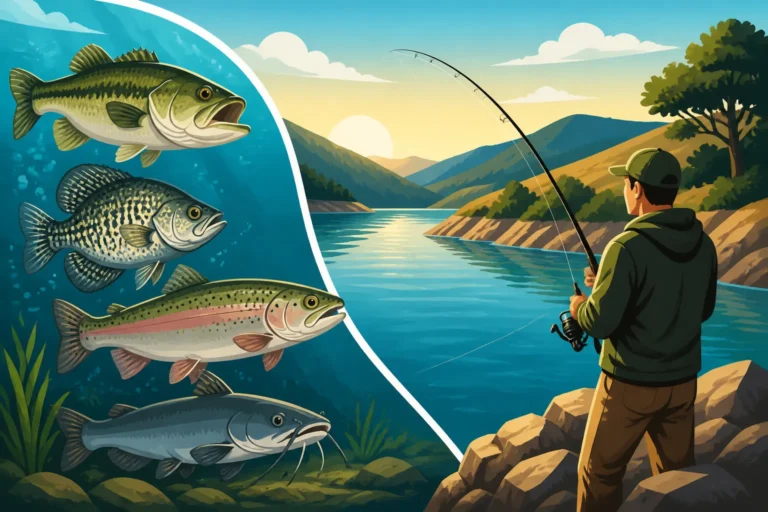
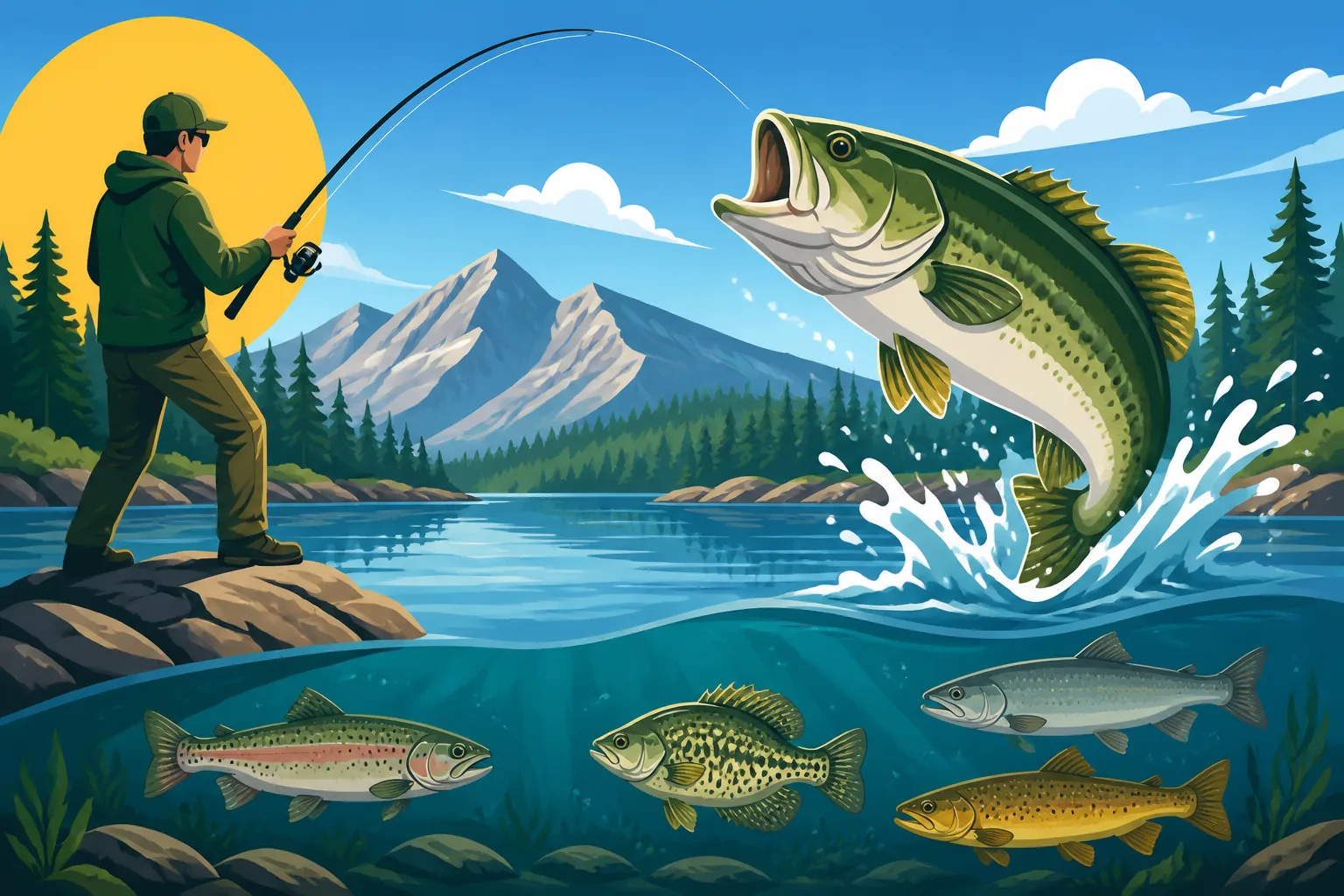
Big Bear Lake is a true multi-species destination, offering something for almost every angler. You're not just limited to one type of fishing here; you can switch things up depending on your mood or what's biting.
- Rainbow Trout: These are the stars of Big Bear Lake, hands down. The California Department of Fish and Wildlife (CDFW) keeps the lake well-stocked with rainbow trout throughout the year, especially from spring through fall, ensuring there are always plenty to go around. You’ll find them cruising the cooler, deeper waters during summer, but they'll move closer to shore and into shallower coves during the spring and fall. They're known for their acrobatic fights and make for excellent table fare. Many anglers head to Big Bear specifically for the trout action, and it rarely disappoints.
- Largemouth Bass: While not as heavily targeted as trout, Big Bear Lake holds a healthy population of largemouth bass, especially in the shallower, weedier coves and around structure. These fish offer a different kind of thrill, with their powerful strikes and hard runs. They tend to be more active during the warmer months, making spring and summer prime time for bass anglers. Look for them hiding in submerged timber, rock piles, or dense aquatic vegetation, waiting to ambush unsuspecting prey.
- Smallmouth Bass: Often overshadowed by their largemouth cousins, smallmouth bass are also present in Big Bear, preferring rocky areas and deeper points. They might not get as big as largemouths, but their fighting spirit is legendary, often pulling harder than fish twice their size. They’re a fantastic sport fish and can be a welcome surprise for anglers targeting other species.
- Catfish: Channel catfish are abundant and often overlooked in Big Bear. These whiskered bottom-dwellers can grow to impressive sizes and offer a strong, steady fight. They're particularly active in the evenings and overnight, making for a relaxing night-fishing experience. They prefer the warmer, deeper parts of the lake and are often found near inlets or areas with a muddy bottom.
- Crappie and Bluegill: For family-friendly fishing or just a relaxing day catching panfish, Big Bear Lake has crappie and bluegill in good numbers. These smaller fish are perfect for kids and beginners, providing consistent action. They tend to congregate around docks, fallen trees, and weed beds, especially in the shallower, warmer coves.
Seasonal Fish Behavior and Patterns
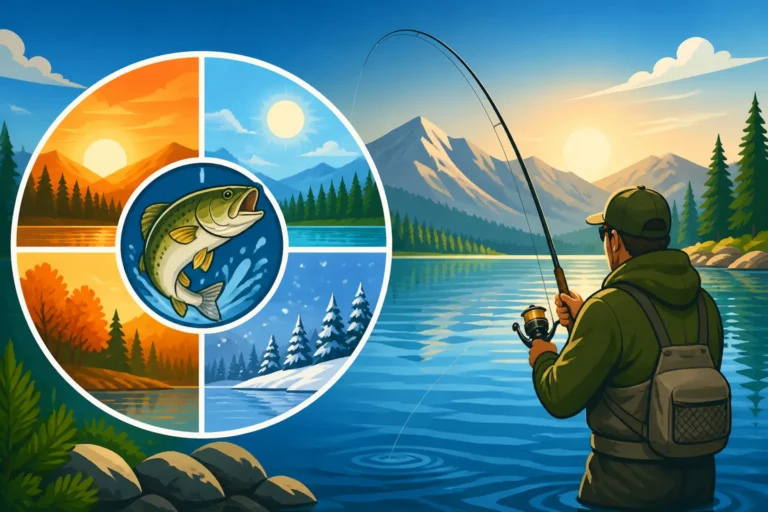
Just like the changing seasons bring different activities to Big Bear, they also dictate where and how the fish behave. Knowing these patterns can dramatically improve your chances of a successful outing.
- Spring (March – May): As the ice melts and water temperatures begin to rise, fish become incredibly active. Trout will be shallower, cruising the coves and shorelines in search of food. This is prime time for casting small spoons, spinners, or drifting power bait. Bass also start to move into shallower waters for their spawn, making them aggressive and easier to locate around structure. For those interested in California Bass Fishing Regulations, it's important to be aware of any specific rules during the spawning period.
- Summer (June – August): This is the busiest time on the lake. The surface water warms up, pushing trout into deeper, cooler zones, often requiring downriggers or deeper jigging techniques. Bass will still be active, but they might move to slightly deeper structure during the heat of the day, coming shallower during low light hours. Catfish become very active in the evenings. The panfish population is also going strong, making summer a great time for casual fishing with the family.
- Fall (September – November): Many seasoned Big Bear anglers consider fall the absolute best time to fish. The crowds thin out, the weather is beautiful, and the fish go on a feeding frenzy before winter. Trout will once again move into shallower water, aggressively hitting various baits and lures. Bass also become very active, chasing baitfish in preparation for the colder months. This transition period offers some of the most consistent and exciting fishing of the year.
- Winter (December – February): When the lake freezes over, ice fishing becomes the name of the game, though access can be limited and conditions need to be carefully monitored for safety. If conditions allow, ice fishing for trout can be incredibly productive. For those not keen on ice, bank fishing in open water near aeration systems or warmer inflows can still yield results. Always check local conditions and ice thickness before venturing out, and be sure to review the California Fishing Regulations Explained for any winter-specific rules.
Top Fishing Spots on Big Bear Lake
Big Bear Lake offers a variety of fishing environments, from easily accessible public piers to secluded coves only reachable by boat. Understanding these different zones will help you plan your day and maximize your catch. Whether you're a seasoned pro or just starting out, there's a spot here for you. Before you head out, remember that getting your California Fishing License Guide sorted is the first step, no matter where you plan to cast a line.
Shoreline and Public Access Points
Not everyone has a boat, and that's perfectly fine! Big Bear Lake has some fantastic spots for bank anglers that are easy to get to and often hold plenty of fish.
- Boulder Bay Park: Located on the west end of the lake, Boulder Bay Park is a fantastic spot for both trout and bass. The shoreline here features a mix of rocky areas and weed beds, providing excellent cover for fish. It's easily accessible, has plenty of parking, and offers beautiful views. Anglers often have success casting PowerBait or worms for trout, and various lures like chatterbaits or crankbaits for bass near the submerged structure. It’s also a popular spot for families, with picnic areas and a playground nearby.
- Juniper Point & Metcalf Bay: These areas on the north shore offer deep access close to shore, making them great for trout fishing. Juniper Point, in particular, has a rocky shoreline that drops off quickly, which trout love. Metcalf Bay has a mix of docks and slightly shallower areas that can hold bass and crappie. Drift fishing with inflated nightcrawlers or power worms can be very effective here, as can casting Kastmasters or Thomas Buoyants.
- Stanfield Cutoff: This causeway divides the lake and creates a unique fishing environment. The deeper water on both sides can be excellent for trout, especially during stocking periods. The shallower, weedier sections also attract bass and panfish. It's a high-traffic area, so be mindful of other anglers and boaters. Early mornings or late evenings are often the best times to find peace and quiet, and productive bites.
- Big Bear Lake East Boat Launch (Grout Bay): While primarily a boat launch, the surrounding shoreline and the fishing pier here offer great access. The pier is a reliable spot for trout, especially after recent stockings. The shallower waters of Grout Bay itself can also hold decent populations of bass and panfish in the warmer months. It’s a convenient spot with facilities, making it ideal for a quick fishing session.
Boat-Accessible Hotspots
For those with a boat, or renting one from one of the marinas like Big Bear Marina or Holloway's Marina, a whole new world of fishing opens up. Getting away from the shore allows you to target deeper structures and less-pressured fish. If you're looking to book a guided trip or rent a boat, checking out options on FishingBooker can give you a good idea of what's available and connect you with local experts.
- The East End (North Shore near Big Bear City): This area, particularly the stretch from North Shore Landing towards the dam, features deeper water, submerged structure, and often holds the biggest trout. Trolling with Rapalas, Needlefish, or Tasmanian Devils at various depths is a common and effective technique here. The deep structure also appeals to lake trout, though they are less common than rainbows. Look for depth changes and underwater humps.
- Boulder Bay Island and Surrounds: The actual island in Boulder Bay, and the submerged structure around it, are bass magnets. The rocky outcrops, weed lines, and depth changes create perfect ambush points for largemouth and smallmouth bass. Flipping jigs, throwing Texas-rigged worms, or working topwater lures in the early morning can be highly productive here. This area also sees good numbers of crappie and bluegill around the docks and shallower submerged brush.
- Gilner Point and China Island: These two prominent points are known for their deep-water access and rocky structures, making them prime real estate for trout and smallmouth bass. Trolling along the contours or vertical jigging with spoons can yield good results for trout. For smallmouths, casting tubes, swimbaits, or drop-shotting worms around the rocky ledges is often effective. The currents and deeper structure here consistently attract baitfish, which in turn draws in predators.
- Eagle Point: Located on the south shore, Eagle Point offers a mix of structure, including docks, rocky shorelines, and submerged timber. It’s a versatile spot that can hold trout, bass, and panfish. Trolling in the open water off the point for trout is common, while casting towards the docks and submerged brush can be great for bass and crappie. It's a popular spot, so be mindful of other boaters and anglers.
Hidden Gems and Lesser-Known Nooks
Sometimes the best fishing is found away from the crowds, in those quiet corners that require a little more effort to reach. These spots might not always be "hidden" in the sense that no one knows about them, but they certainly see less pressure than the main access points.
- Pine Knot Marina Channel: This isn't exactly a "hidden" spot, but many overlook the channels and marinas themselves. The deeper channels leading into marinas, like Pine Knot, often hold schools of crappie and bluegill, especially around boat docks and pilings. These areas provide shade and cover, making them attractive to panfish. Using small jigs tipped with mealworms or minnows can be incredibly effective here. You might even find a stray bass or trout cruising these protected waters.
- The Log Booms: Along various sections of the lake, particularly on the north shore, you'll find log booms designed to protect the shoreline. These booms, and the areas immediately adjacent to them, can create fantastic fishing opportunities. The logs themselves provide cover and structure for baitfish, attracting bass, crappie, and even trout seeking an easy meal. Casting parallel to these booms with crankbaits, spinnerbaits, or wacky-rigged worms can be very productive.
- Small Coves on the South Side (Accessible via Hiking or Kayak): The south side of Big Bear Lake has numerous smaller coves and inlets that are harder to reach by larger boats or from the main roads. Accessing these by kayak, float tube, or even a short hike can put you on less pressured fish. These coves often feature a mix of rock and weed, providing excellent habitat for bass and panfish. Exploring these quieter areas can yield some truly memorable catches and a peaceful fishing experience. Always be aware of private property boundaries.
- Near Dam Outlets (Seasonal): While the immediate vicinity of the dam itself is often restricted, areas near dam outlets or water flow structures, depending on seasonal operations, can concentrate baitfish and predatory species. These spots require careful observation and checking local regulations, but when conditions are right, they can be highly productive for trout and even some larger bass. Always respect signage and stay within legal fishing zones.
Essential Tips for Fishing Big Bear Lake
Fishing Big Bear Lake isn't just about knowing where to go; it's about understanding the nuances of the water and having the right approach. A little preparation and knowledge can turn an average day into an exceptional one.
Recommended Baits and Lures
What you tie on your line can make all the difference, especially when fish can be a bit finicky. Having a diverse tackle box tailored to Big Bear's primary species is a smart move.
- For Trout:
- PowerBait & Worms: These are classic and incredibly effective, especially for stocked rainbows. Garlic-scented PowerBait in bright colors (chartreuse, orange, rainbow glitter) fished off the bottom with a small treble hook and a sliding sinker is a perennial favorite. Inflated nightcrawlers under a bobber or drift-fished are also very productive.
- Small Lures: Spoons like Kastmasters, Thomas Buoyants, and Little Cleos (1/8 oz to 1/4 oz) in silver, gold, or brass finishes are excellent for casting from shore or trolling. Small spinners such as Panther Martins and Roostertails also get a lot of attention. For deeper trolling, Needlefish and Rapala countdowns are popular choices.
- Fly Fishing: If you're into fly fishing, small nymphs, emergers, and even dry flies during hatches can be effective, particularly in the quieter coves and along sections of the shore where trout feed closer to the surface. For deeper trout, streamer patterns can work well.
- For Bass (Largemouth & Smallmouth):
- Soft Plastics: Senkos, creature baits, and finesse worms rigged Texas-style or wacky are deadly around structure and weed lines. Drop-shotting smaller worms is excellent for smallmouths in deeper, rocky areas.
- Crankbaits & Spinnerbaits: Shallow-diving crankbaits in shad or crawfish patterns are great for covering water and triggering reaction strikes. Spinnerbaits with willow or Colorado blades are also effective, especially in stained water or around submerged timber.
- Topwater Lures: Early mornings and late evenings call for topwater poppers, walk-the-dog baits, or hollow-body frogs fished over weed mats. The explosive strikes are addicting!
- For Catfish:
- Stink Baits & Cut Baits: Prepared catfish baits, chicken livers, and cut mackerel or anchovies fished on the bottom are highly effective. A simple Carolina rig with an appropriate-sized hook will do the trick.
- For Crappie & Bluegill:
- Small Jigs & Live Baits: Tiny marabou jigs, grub jigs, or panfish jigs tipped with a small piece of worm, mealworm, or a minnow are irresistible. Fishing these under a bobber around docks and brush piles is a go-to method.
Here's a quick overview of some popular choices:
| Fish Species | Preferred Baits/Lures | Best Locations (General) |
|---|---|---|
| Rainbow Trout | PowerBait, Nightcrawlers, Kastmasters, Rapalas | Deep channels, Stocking areas, Coves |
| Largemouth Bass | Senkos, Crankbaits, Jigs, Topwater Lures | Weed beds, Submerged timber, Docks |
| Smallmouth Bass | Tubes, Drop-shot worms, Small swimbaits, Crankbaits | Rocky points, Deep ledges, Drop-offs |
| Catfish | Stink baits, Cut bait (mackerel, anchovies) | Deeper, warmer areas, Inlets, Muddy bottoms |
| Crappie | Small jigs, Minnows, Mealworms | Docks, Brush piles, Marina channels |
| Bluegill | Small jigs, Worms, Mealworms | Docks, Weed beds, Shallow coves |
Navigating Regulations and Seasons
Even in a beautiful place like Big Bear Lake, ignoring the rules can lead to a really bad day. California has specific regulations that change depending on the body of water, species, and time of year. Always consult the current California Freshwater Fishing Regulations booklet before you head out.
- Fishing Licenses: A valid California fishing license is almost always required for anyone 16 years or older. You can easily purchase one online through the CDFW website or from local tackle shops in Big Bear Lake. Remember to check out the details on California Fishing License Requirements for Visitors if you're coming from out of state, or if you just need a California Sport Fishing License Options for a short trip.
- Report Cards: For certain species like Steelhead or Sturgeon (though not typically found in Big Bear, it’s good to know for other California waters), a separate report card is required in addition to your license. Always know what you're targeting and if it needs a specific card.
- Bag and Size Limits: Each species will have specific bag limits (how many you can keep) and size limits (minimum or maximum length). For example, California Trout Limits and Regulations are quite specific. It’s crucial to know these numbers. Violations can result in hefty fines.
- Gear Restrictions: Pay attention to any restrictions on hooks (e.g., barbless requirements in certain areas), bait (e.g., live bait restrictions), or the number of rods you can use. The California Second-Rod Stamp Explained is something to consider if you want to fish with two lines.
- Seasonal Closures: While Big Bear is generally open year-round, certain waters or sections might have seasonal closures for spawning or conservation, or different rules might apply during specific months. Keep an eye on the CDFW updates, as these can change.
If you’re ever unsure, don't hesitate to ask a local tackle shop owner or a fishing guide. They’re usually a wealth of up-to-date information.
Best Times of Day and Year to Fish
Timing can be everything when it comes to fishing. Big Bear Lake is no exception, with distinct periods offering better chances for different species.
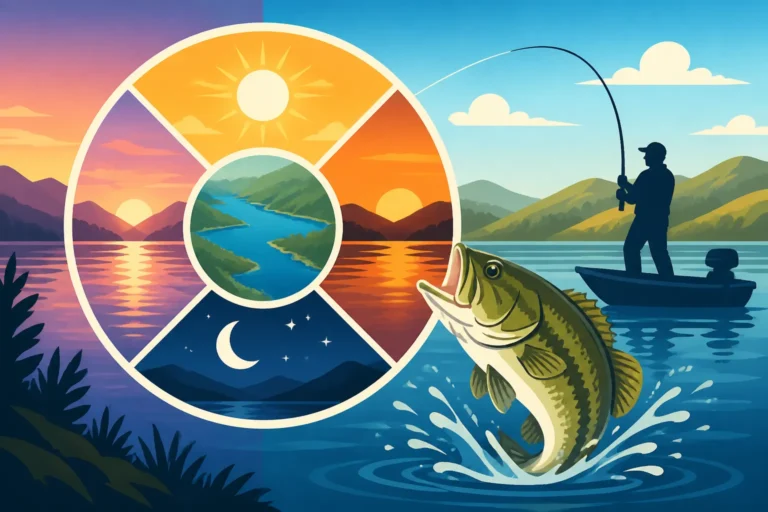
- Early Morning and Late Evening: These are almost universally the best times to fish in Big Bear. The lower light conditions and cooler temperatures bring fish shallower and make them more active. Trout often feed aggressively near the surface, and bass will move out of deeper cover to hunt. During these "golden hours," topwater presentations for bass can be exhilarating, and trout are more willing to chase spoons and spinners. This is especially true in the summer when the midday sun can push fish deep.
- Overcast Days: When the sun is hidden behind clouds, fish tend to be more active throughout the day. The diffused light makes them feel safer and more comfortable venturing into shallower water, making for excellent fishing conditions even mid-day.
- Before a Storm (But Be Safe!): Fish often become very active before a significant weather front moves in, feeding heavily in anticipation of the change. Just be sure to monitor the weather closely and prioritize safety. Big Bear Lake can get rough quickly with strong winds.
- Post-Stocking Periods: If trout is your target, pay attention to the CDFW's stocking schedule. Fishing within a few days to a week after a stocking event can lead to incredible action as the fresh fish acclimate and feed. Local tackle shops often have the most up-to-date information on stocking.
- Fall for Overall Action: As mentioned earlier, many consider the fall months (September to November) to be the prime time for all-around fishing in Big Bear. The water temperatures are ideal, baitfish are abundant, and both trout and bass are feeding heavily to build up reserves for winter. The lighter crowds and pleasant weather just add to the appeal. If you're planning a trip, considering the Best Times to Fish in California and aligning it with Big Bear's fall patterns can lead to a highly successful outing.
Ultimately, the best time to fish is whenever you can get out there! Even on a slow day, the beauty of Big Bear Lake makes it a worthwhile experience. And if you're looking to enhance your chances, especially for first-timers, booking a local guide through platforms like FishingBooker can provide invaluable insights into the daily patterns and hotspots.
Disclaimer
Fishing conditions and regulations in Big Bear Lake, and California generally, can change frequently due to environmental factors, fish stocking schedules, and updates from the California Department of Fish and Wildlife. Always consult the latest official regulations and local advisories before planning your trip or heading out on the water. This guide is for informational purposes only and should not be considered a substitute for official regulatory documents.