Silverwood Lake: Fish Species and Best Spots
Trying to figure out where to cast your line at Silverwood Lake and what you might actually reel in can feel like a real puzzle. This beautiful, expansive reservoir holds a ton of potential, but knowing which species thrive where, and what techniques actually work, is key to a successful day on the water. This comprehensive guide will break down the prime fish species you can expect to encounter and pinpoint the best fishing spots across Silverwood Lake, helping you plan your next angling adventure with confidence.
A Closer Look at Silverwood Lake's Ecosystem
Silverwood Lake isn't just another pretty face in the Southern California landscape; it's a vital part of the State Water Project, acting as a major reservoir for drinking water and a popular recreational hub. Its unique role means it has some distinct characteristics that directly influence its fishing opportunities, making it a truly special place for anglers.
Understanding the Lake's Unique Characteristics
Located in the San Bernardino Mountains, Silverwood Lake sits at an elevation of about 3,355 feet, which gives it cooler temperatures than many other Southern California lakes, especially during the peak summer months. It boasts an impressive surface area of about 976 acres and plunges to depths of over 160 feet in some areas, particularly near the dam and the former creek channels. This combination of size, depth, and elevation creates diverse habitats for a variety of fish species. The lake is fed primarily by the California Aqueduct, which brings in cold, clear water from Northern California, constantly replenishing the lake and supporting its cold-water fisheries. This continuous influx is a game-changer for species like trout and salmon, providing them with the cooler, oxygen-rich environment they need to thrive.
Beyond its vital water supply role, Silverwood Lake is managed by California State Parks, ensuring public access for boating, swimming, hiking, and, of course, fishing. The lake's shoreline features a mix of rocky points, submerged structures, coves, and open water, offering a smorgasbord of options for different fishing styles. You'll find everything from steep drop-offs to gradual slopes, providing excellent cover and feeding grounds for various fish species throughout the year. Understanding these geographical nuances is the first step to unlocking its fishing potential.
The Impact of Water Management and Stocking
The California Department of Fish and Wildlife (CDFW) plays a crucial role in maintaining Silverwood Lake's robust fishery through regular stocking programs. Due to the lake's importance and popularity, it's frequently stocked with rainbow trout, especially during the cooler months, ensuring there's always a fresh supply of catchable fish for anglers. These stockings often occur weekly or bi-weekly from fall through spring, drawing crowds of enthusiastic trout anglers. The infusion of new fish, particularly larger "trophy" trout, makes it a prime destination for those looking to land a big one.
However, it's not just about trout. The flow from the California Aqueduct also introduces other fish, and over time, various species have established strong populations. The lake's clear, deep waters and abundant food sources (like threadfin shad) create an ideal environment for warm-water species too, meaning you're not just limited to trout. The water management, including fluctuations in lake levels depending on demand and precipitation, can sometimes shift fish patterns, but the overall health of the fishery remains strong thanks to consistent efforts. Remember to always check the latest California Freshwater Fishing Regulations before you head out, as rules for various species can change.
Prime Fish Species You'll Find in Silverwood Lake
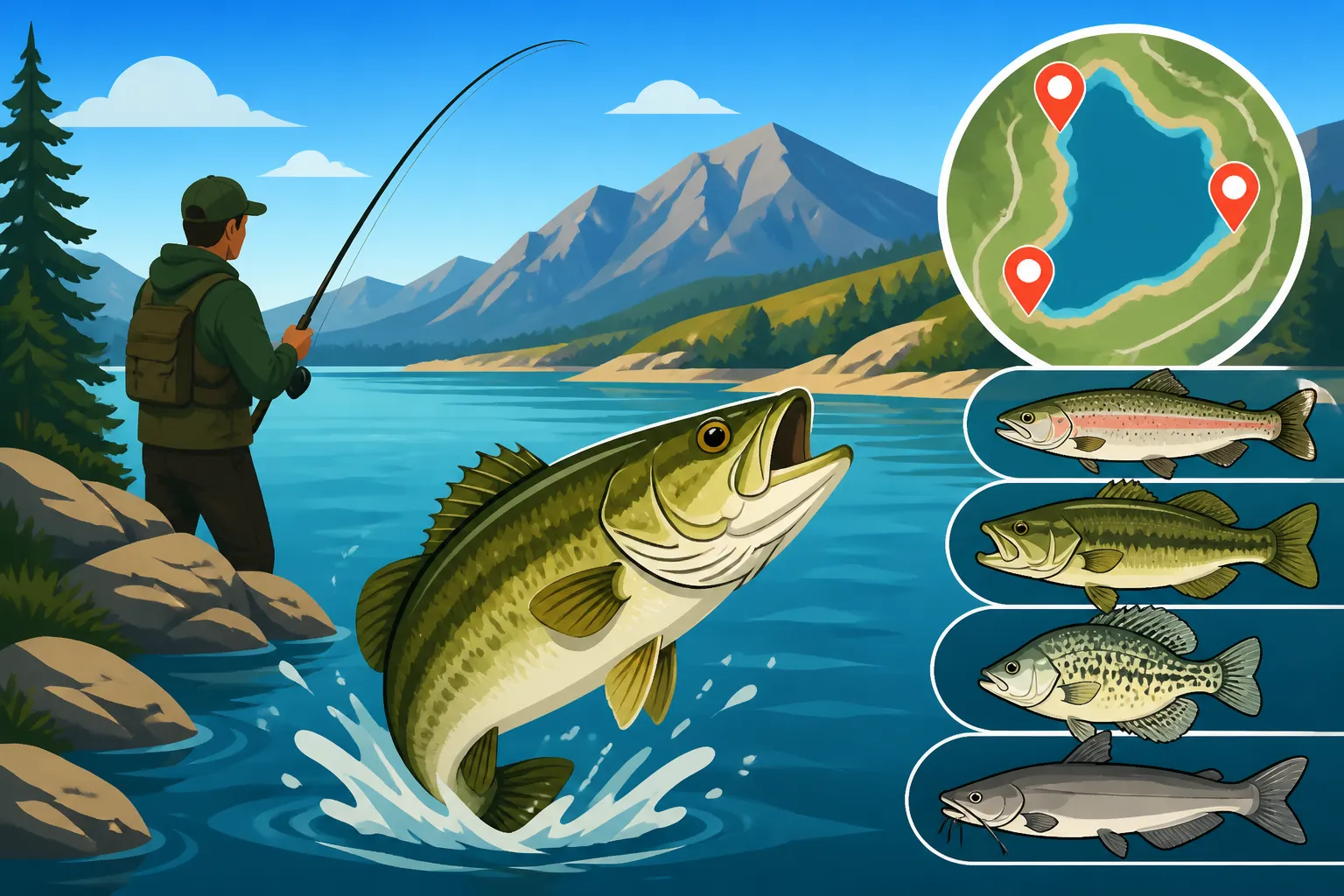
Silverwood Lake is a multi-species angler's dream, offering a fantastic variety of both cold-water and warm-water fish. Depending on the season and your preferred fishing style, you can target everything from feisty trout to hard-fighting bass and plenty of delicious panfish.
Trophy Trout and Kokanee Salmon
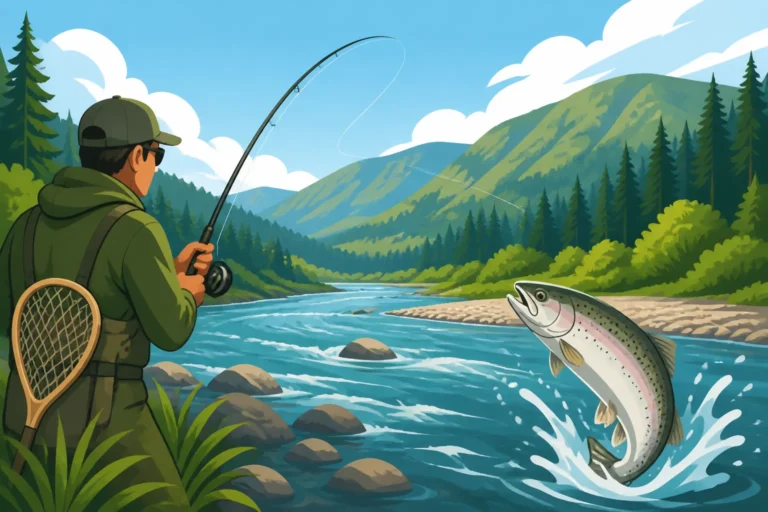
If you're after cold-water excitement, Silverwood Lake is absolutely renowned for its rainbow trout fishing. Thanks to the regular CDFW stockings, particularly from fall through spring, the lake becomes a trout haven. These trout are often found in the cooler, deeper sections of the lake, especially near the dam, in Miller Canyon, and around the deeper coves. During the cooler months, they'll cruise closer to the surface and along the shoreline, making them accessible to both boat and shore anglers. The size can vary from pan-sized stockers to legitimate trophy-class fish weighing several pounds, especially after a few months of growing in the lake's rich environment. You can check out our guide on California Trout Limits and Regulations for the latest information on what you can keep.
Beyond rainbows, Silverwood Lake also holds a population of kokanee salmon, though they can be a bit more elusive. These landlocked sockeye salmon are prized for their vibrant color and delicious meat. Kokanee prefer the colder, deeper water and are typically caught by trolling with specialized gear that gets baits down to their preferred depths, often 30-60 feet or even deeper. They tend to school up, so once you find one, you're likely to find more. Their bite is often subtle, requiring light tackle and a keen eye. Spring and early summer are usually the best times to target kokanee before the surface waters get too warm.
Bass Fishing Opportunities
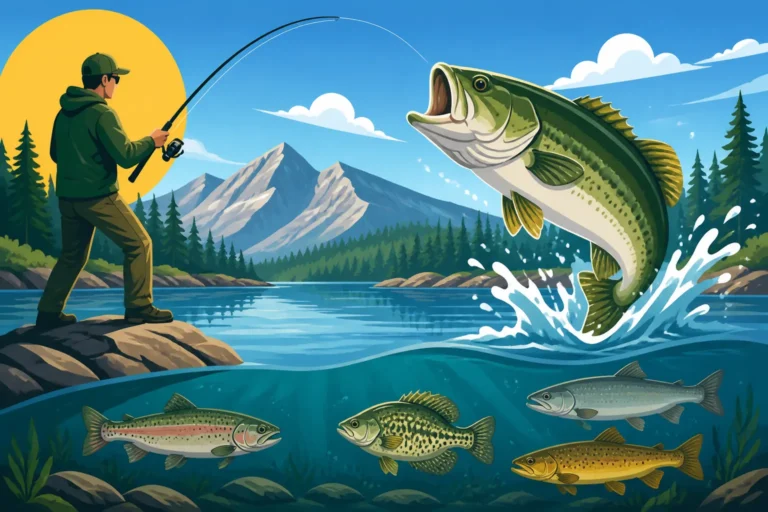
For those who love the thrill of a hard-fighting fish, Silverwood Lake offers excellent bass fishing for several species: largemouth, smallmouth, and striped bass. Each species has its own preferred habitats and behavioral patterns, offering varied challenges.
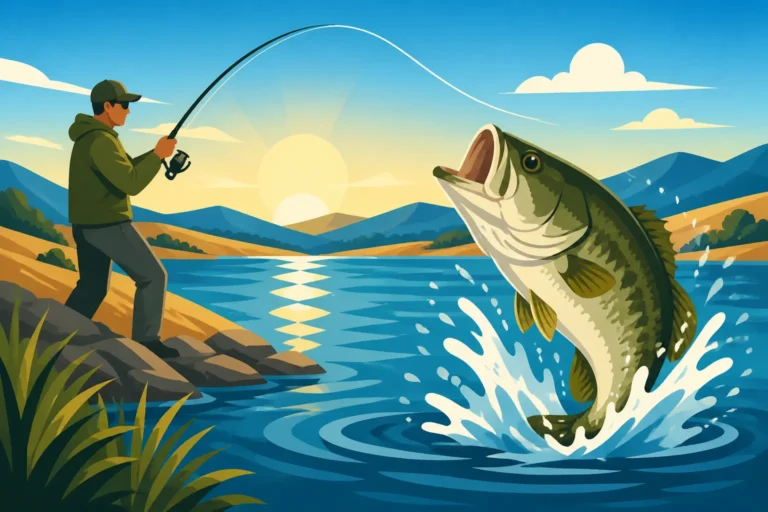
Largemouth Bass: These iconic green fish are present throughout the lake, particularly in areas with submerged timber, rock piles, weed lines, and transition areas from shallow to deep water. Look for them in the many coves, especially around structures like fallen trees or boat docks. Spring is prime time when they move into shallower water for spawning, but they can be caught year-round. Topwater lures, spinnerbaits, jigs, and Texas-rigged plastics are all effective. Our guide on How to Fish for Largemouth Bass in California has more detailed tips.
Smallmouth Bass: Known for their bronze color and aggressive fighting style, smallmouth bass thrive in the clearer, rockier areas of Silverwood Lake. They prefer clean, hard bottoms, rocky points, and bluffs. The main lake body, particularly around the dam and other rocky outcrops, is an excellent place to target them. Drop-shotting finesse worms, throwing small crankbaits, or jigging tubes are very effective methods for enticing these feisty fish. They often school up, so if you catch one, stay put for a while!
Striped Bass: Silverwood Lake is home to a robust population of striped bass, often referred to as "stripers," which can grow to impressive sizes. These migratory anadromous fish are landlocked here but retain their aggressive, predatory instincts. They often patrol open water, chasing schools of baitfish like threadfin shad. Key areas to target stripers include the main channel, especially where it narrows, and around the deep points and submerged humps. Live bait (like anchovies or shad), swimbait, and topwater lures can be incredibly effective, especially during their feeding frenzies. Early mornings and evenings are often the best times to find them actively feeding. For a comprehensive overview, read up on California Bass Fishing Regulations.
Panfish and Catfish for a Relaxed Day
If you're looking for a more relaxed fishing experience, or fishing with kids, Silverwood Lake also offers fantastic opportunities for panfish and catfish. These species are generally easier to catch and provide consistent action, making them perfect for beginners or those simply wanting to enjoy a peaceful day on the water.
Bluegill and Crappie: These popular panfish are abundant in the shallower, warmer coves and around any form of submerged cover. Bluegill are often found in large schools near docks, fallen trees, and weed beds, readily biting on small hooks tipped with worms, crickets, or tiny jigs. Crappie, particularly black crappie, also hang around submerged brush piles and timber, especially during spring when they move shallow to spawn. Small jigs, mini-mites, or live minnows suspended under a bobber are excellent choices for crappie. These fish are not only fun to catch but also make for excellent table fare.
Channel Catfish: Silverwood Lake has a healthy population of channel catfish, which provide a different kind of angling challenge, especially after dark. Catfish are bottom feeders and are often found in deeper holes, channels, and near the mouths of coves, particularly where there's some mud or debris. They are opportunistic eaters, so stink baits, cut bait (like mackerel or anchovies), or even chicken livers are highly effective. Night fishing can be particularly productive for catfish, as they become more active in cooler temperatures and low light. They offer a strong fight and are another excellent eating fish.
Navigating Silverwood Lake: Best Fishing Spots and Techniques
Knowing what fish are in the lake is one thing, but knowing where to find them and how to catch them is where the real adventure begins. Silverwood Lake offers a variety of terrain, and matching your strategy to the specific spot and species is crucial for success.
Key Locations for Different Species
Silverwood Lake's diverse underwater topography means certain areas are magnets for specific fish. Targeting your efforts will significantly increase your catch rate.
Miller Canyon: This area, located on the western side of the lake, is often considered a hotspot for trout and even some bass. The canyon features varying depths and rocky structures. When the DFW stocks trout, many of them are released here, making it a prime location for freshly planted fish. Shore anglers do well around the recreational areas, while boaters can explore the deeper water. Miller Canyon also has good cover for largemouth bass, especially along the shoreline with submerged trees and brush. It’s a versatile spot that often produces good results.
The Dam Area and Spillway: The deepest parts of Silverwood Lake are typically found near the dam. This deep, cool water is a consistent holding area for trout and kokanee salmon, especially during warmer months when they seek refuge from surface heat. Trolling with downriggers or lead core line is effective here for kokanee and larger trout. The dam face itself provides vertical structure that attracts smallmouth bass, and even some striped bass will cruise this area, especially at dawn or dusk, chasing baitfish. For shore anglers, accessing the rocky shoreline near the dam can yield good results for various species, but always be mindful of restricted access areas.
Cleghorn Canyon and the North Shore: These areas offer a mix of coves, points, and varied depths. Cleghorn Canyon, on the north side of the lake, provides excellent habitat for largemouth and smallmouth bass, particularly around its numerous rocky points and submerged cover. The north shore generally has more gradual slopes and coves, which can warm up nicely in the spring, attracting panfish and spawning bass. It’s also a good area for bait fishing for catfish in the deeper pockets. Exploring these less pressured areas can often lead to unexpected catches.
The California Aqueduct Inlet (Near the East End): While direct fishing into the aqueduct itself is prohibited, the area where the aqueduct water enters the lake can be a fantastic feeding zone. The moving water often concentrates baitfish, which in turn attracts predatory species like striped bass and trout. Fish tend to gather where the colder, oxygenated water enters, especially when the pumps are active. Casting swimbaits or live bait towards the inlet can be very productive for stripers, while trout might stack up in the slightly calmer, deeper water nearby. Always observe all posted regulations and safety warnings around the aqueduct.
Effective Techniques and Baits
Matching your fishing technique to the species and conditions at Silverwood Lake is essential for a productive day. Different fish respond to different presentations.
For Trout and Kokanee:
For rainbow trout, PowerBait (especially in bright colors like chartreuse or rainbow), PowerWorms, nightcrawlers, or even small marshmallows floated off the bottom with a 12-18 inch leader and a small split shot are classics. Many anglers also have great success casting and retrieving small spoons like Kastmasters, Thomas Buoyants, or Rooster Tails. Trolling with small lures like Rapalas, Needlefish, or Dodgers with a trailing hoochie or worm imitation is highly effective for both trout and kokanee, especially when trying to cover water and find schooling fish. To target those deeper kokanee, you'll need specialized gear like downriggers or lead core line to get your presentation to the right depth. Light line (4-6 lb test) is key for a natural presentation and better bite detection.
For Bass (Largemouth, Smallmouth, Striped):
Bass fishing at Silverwood Lake requires a versatile approach. For largemouth, Texas-rigged or Carolina-rigged plastic worms and lizards are excellent for probing submerged cover. Spinnerbaits and crankbaits work well for covering water and triggering reaction strikes. Topwater lures like poppers or walk-the-dog baits are thrilling during low-light conditions. Smallmouth bass often prefer finesse tactics; drop-shotting small worms or creature baits, casting tube jigs, or small grubs near rocky structure can be incredibly effective. For striped bass, live threadfin shad or anchovies are king, either fly-lined or fished on a sliding sinker rig. Large swimbaits or topwater lures that mimic baitfish are also very productive, especially when stripers are busting on the surface. For more ideas, explore California Bait Fishing Tips and Techniques.
For Panfish and Catfish:
For bluegill and crappie, simplicity is often the best approach. A light spinning rod with 2-4 lb test line, a small bobber, and a tiny hook (size 8-12) tipped with a piece of worm, a cricket, or a mealworm will usually do the trick for bluegill. For crappie, small jigs (1/16 oz to 1/8 oz) in white, chartreuse, or black, tipped with a small minnow, fished near submerged brush or docks, are highly effective. For catfish, heavier tackle is recommended. A medium-heavy rod with 10-20 lb test line, a Kahle hook (size 2/0-4/0), and a sliding egg sinker rig works wonders. Stink baits, chicken livers, or cut mackerel are irresistible to channel cats. Setting out a few rods with different baits can increase your chances of finding what they're biting on.
Seasonal Considerations for Silverwood Lake Fishing
Just like anywhere else, the fishing at Silverwood Lake changes with the seasons. Understanding these shifts in fish behavior and habitat can help you plan your trips for maximum success.
Spring and Summer Strategies
Spring (March – May): This is arguably one of the best times to fish Silverwood Lake. The water temperatures are rising, prompting fish to become more active and move into shallower waters for feeding and spawning. Trout stocking is still in full swing, making trout fishing excellent, especially in coves and along the shoreline. Bass, particularly largemouth and smallmouth, become very active as they prepare for and engage in their spawning rituals. Look for them in less than 20 feet of water around brush, rocks, and points. Striped bass also become more predictable, often chasing baitfish schools in the main lake body. Panfish like bluegill and crappie are very aggressive and can be found in shallow, warm pockets.
Summer (June – August): As the weather heats up, Silverwood Lake transforms into a busy recreational hub, and fish behavior changes significantly. Trout and kokanee salmon will retreat to the cooler, deeper sections of the lake, typically near the dam and in the main channel. Trolling deep or fishing directly on the bottom in these areas becomes essential. Bass fishing shifts to early mornings and late evenings, or deeper water during the day. Look for largemouth bass around deep structure or shaded areas, and smallmouth around rocky drop-offs. Striped bass will continue to chase shad schools, often busting on the surface at dawn or dusk, creating exciting topwater action. Night fishing for catfish becomes incredibly productive as they move shallow to feed under the cover of darkness. For more summer tips, check out California Fishing in Summer.
Fall and Winter Tactics
Fall (September – November): This is another fantastic transitional period for Silverwood Lake. The water begins to cool down, and recreational boat traffic decreases, making for a more peaceful fishing experience. Trout stocking resumes, bringing fresh fish into the lake. Trout will once again spread out and become more active in shallower waters. Bass species, sensing the impending winter, go on a feeding spree, bulking up on baitfish. This can lead to some aggressive strikes, especially with reaction baits like crankbaits and spinnerbaits. Striped bass continue their active feeding, often forming large schools that can be located with fish finders. The cooler temperatures also make for comfortable all-day fishing.
Winter (December – February): While it might seem counterintuitive, winter can offer some surprisingly good fishing at Silverwood Lake, particularly for trout and the hardier bass species. Trout fishing remains strong, especially after fresh stockings, as the cold water keeps them active throughout the day. They can often be found suspended in the water column or near the bottom in various areas. Bass fishing becomes more challenging, requiring slower presentations and finesse techniques. Largemouth bass will often hold tight to deep cover, while smallmouth might be found schooling on deep rocky structure. Striped bass will also move into deeper water, but can still be caught by vertically jigging or slow-trolling live bait. Catfish fishing slows down but larger specimens can still be caught with patience. If you're bundling up for a winter trip, take a look at our California Fishing in Winter guide for additional strategies.
Remember, before heading out, it's always a good idea to check local conditions, stocking reports, and the latest California fishing regulations. You can often find up-to-date information through local tackle shops or online resources. If you're new to the lake or want to maximize your chances, consider booking a guided trip. Websites like FishingBooker can connect you with experienced local guides who know Silverwood Lake inside and out, offering invaluable expertise on current conditions and hot spots. They can help you with everything from understanding the California Fishing Report Cards Explained to mastering specific techniques.
Here’s a quick overview of what you might target and where:
| Fish Species | Prime Season(s) | Best Locations | Recommended Baits/Techniques |
|---|---|---|---|
| Rainbow Trout | Fall, Winter, Spring | Miller Canyon, Dam Area, Deep Coves | PowerBait, Nightcrawlers, Spoons, Small Jigs, Trolling |
| Kokanee Salmon | Spring, Early Summer | Dam Area, Main Channel (deep) | Trolling (downriggers) with Dodgers/Hoochies |
| Largemouth Bass | Spring, Fall | Coves with Structure, Submerged Timber | Jigs, Plastic Worms, Crankbaits, Spinnerbaits |
| Smallmouth Bass | Spring, Summer, Fall | Rocky Points, Dam Area, Bluffs | Drop-shot, Tube Jigs, Small Crankbaits |
| Striped Bass | Year-round (peak Summer/Fall) | Main Channel, Aqueduct Inlet, Open Water | Live Bait (Shad/Anchovies), Swimbaits, Topwater |
| Bluegill/Crappie | Spring, Summer | Shallow Coves, Docks, Brush Piles | Worms, Crickets, Small Jigs, Live Minnows |
| Channel Catfish | Spring, Summer, Fall | Deep Holes, Muds, Channel Bottom, Night Fishing | Stink Bait, Cut Bait, Chicken Livers |
Before you head out, ensure you have a valid California fishing license. You can easily learn How to Buy a California Fishing License Online or find out the current California Fishing License Cost through the CDFW website or at any authorized license agent. And if you're feeling adventurous and want to explore other great spots, don't forget that many local fishing guides, often found via platforms like FishingBooker, can help you navigate not only Silverwood but also other prime fishing destinations across the state. They provide tailored experiences and all the gear you'll need for a successful outing.
Disclaimer
Fishing conditions and regulations in California can change frequently. Always consult the official California Department of Fish and Wildlife (CDFW) regulations booklet or website before your trip to ensure compliance with the latest rules, limits, and any emergency closures. This guide provides general information and should not be considered a substitute for official regulations.