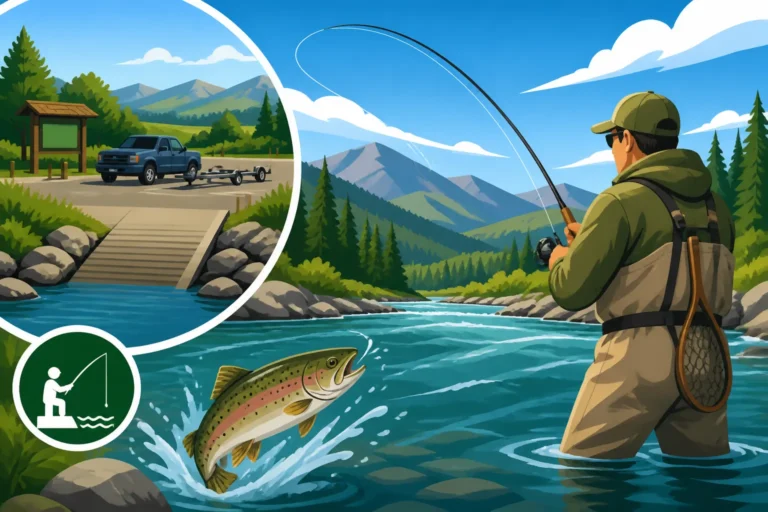
Best Time to Fish Diamond Valley Lake
Anyone who's spent a frustrating day on the water at Diamond Valley Lake knows that timing is everything. You can have all the right gear, the perfect bait, and still come up empty if you're not there when the fish are biting. This guide is all about helping you crack the code for this amazing reservoir, breaking down the optimal times to cast your line, whether you're chasing trophy bass or a stringer full of panfish.
Understanding Diamond Valley Lake's Unique Fishing Environment
Diamond Valley Lake, located near Hemet in Southern California, isn't just any old reservoir; it’s a premier fishing destination known for its massive clear waters and diverse species. But with its depth, clarity, and the sheer size of the lake, understanding when to fish can be as crucial as knowing how. The lake is primarily a drinking water reservoir, which means strict regulations are in place to protect its pristine nature. This also influences access and fishing methods, making local knowledge and careful planning even more valuable.
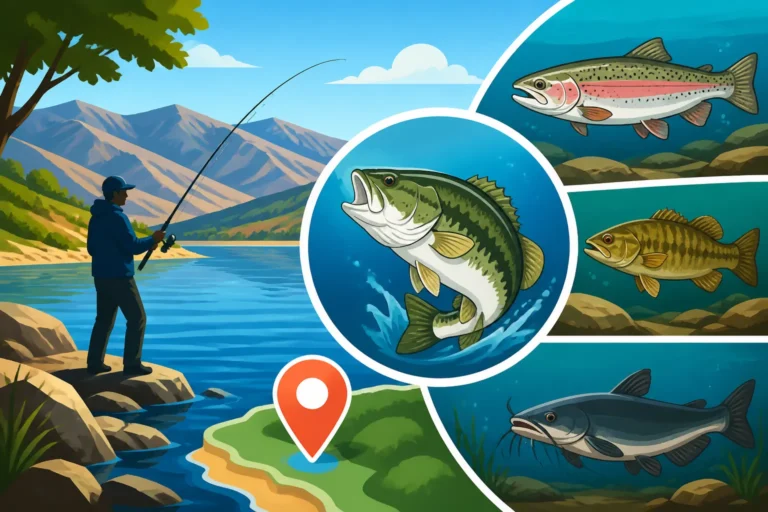
The lake is renowned for its big bass, including largemouth, smallmouth, and even some spotted bass, but it also offers excellent opportunities for trout, catfish, and panfish. Each of these species behaves differently throughout the year, influenced by water temperature, forage availability, and spawning cycles. This means that a time that's fantastic for bass might be less productive for trout, and vice versa. It’s a dynamic environment that rewards anglers who do their homework and adapt their approach.
Being a deep, clear impoundment, Diamond Valley Lake experiences significant stratification, especially in the warmer months. This means the water column divides into layers of different temperatures, which fish use to find their comfort zones. Understanding these thermoclines can be a game-changer for locating fish, particularly the cold-water species like trout. In essence, mastering the "when" here means understanding the lake's ecological calendar and how it dictates fish behavior.
Seasonal Breakdown: When Diamond Valley Lake Truly Shines
Fishing success at Diamond Valley Lake fluctuates dramatically with the seasons. What works in spring might be completely ineffective in summer or winter. To truly maximize your chances, it's essential to understand the general patterns for each time of year.
Spring: The Rebirth of Activity
Spring at Diamond Valley Lake is, for many anglers, the absolute prime time to be on the water, especially if you're chasing bass. As water temperatures begin to rise from the winter lows, usually starting in March and extending through May, the lake comes alive. Bass move out of their deep winter haunts and push into shallower areas to feed aggressively in preparation for their spawn. This pre-spawn period is characterized by fish gorging themselves, making them highly susceptible to a variety of lures and baits.
You'll often find largemouth bass staging in depths of 10-25 feet, near points, submerged humps, and coves with rock or brush. As the water warms further, they'll move into even shallower waters, sometimes just a few feet deep, to begin their bedding ritual. This is a time when anglers can sight-fish for bass on beds, though many practice catch-and-release to protect the breeding fish. Smallmouth bass also become very active, often found around rocky structures and points throughout the lake. Trout, which are typically stocked in the cooler months, might still be found higher in the water column before the deep summer thermocline sets in, offering a mixed bag opportunity. For more on general seasonal patterns, check out our guide on California Fishing in Spring.
Summer: Early Mornings and Deep Water Tactics
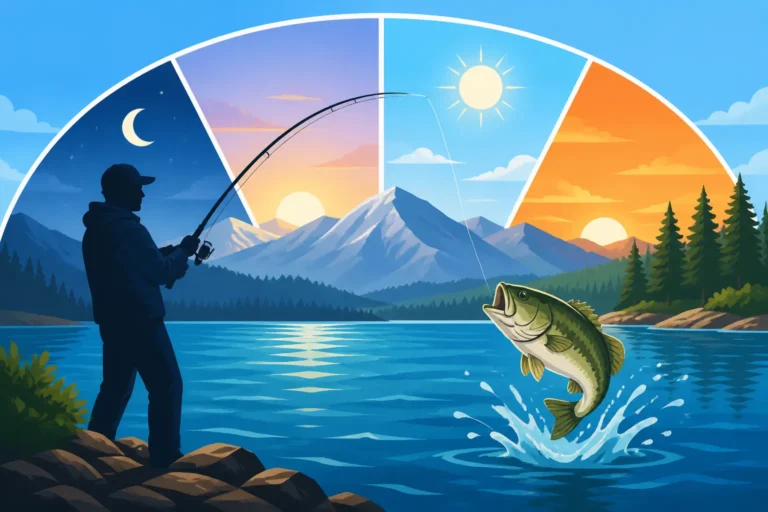
Summer fishing at Diamond Valley Lake, from June through August, can be a bit more challenging, but it’s still highly rewarding for those willing to adapt. The scorching Southern California heat means surface water temperatures can climb significantly, sending many fish species into deeper, cooler waters, particularly during the middle of the day. The bite tends to be strongest in the early morning hours, right at dawn, and again in the late evening as the sun begins to set.
For bass, this often means targeting them in depths of 20-50 feet, using techniques like drop-shotting, deep crankbaits, or Carolina rigs. Look for bass congregated around main lake points, ledges, and offshore humps. Some anglers find success fishing submerged trees and brush piles, which offer crucial shade and cover. Trout fishing becomes primarily a deep-water game, often requiring downriggers or heavy weights to present lures or bait in the thermocline, usually around 30-60 feet down. This is also a good time for catfish and panfish, which can be found in a wider range of depths, often preferring the lower light conditions.
Fall: Another Peak for Activity
Autumn, typically September through November, brings a magnificent resurgence in fishing activity at Diamond Valley Lake. As air temperatures cool and water temperatures slowly begin to drop, the lake starts to "turn over" or destratify, mixing oxygenated water throughout the column. This breakdown of the thermocline encourages fish to spread out and become more active, moving to feed aggressively in preparation for winter.
This is another prime time for bass fishing, often rivaling spring in terms of productivity. Largemouth and smallmouth bass will be found feeding on baitfish in both shallow and mid-depth ranges. You can often have success with a wide array of techniques, from topwater lures in the mornings to spinnerbaits, crankbaits, and jigs throughout the day. Trout fishing also improves dramatically as they become more comfortable in the cooling surface waters. Fall stocking programs often replenish the trout population, leading to excellent action, especially around the inlet tower and various coves. Check out our detailed article on California Fishing in Fall for broader insights.
Winter: Deeper Patience, Bigger Rewards
Winter fishing, from December through February, at Diamond Valley Lake often requires patience and a slower approach, but it can yield some of the biggest fish of the year. While overall numbers might decrease, the quality of individual catches can be exceptional, particularly for trophy bass and large trout. Water temperatures are at their lowest, and fish become lethargic, conserving energy.
Bass will hold in deeper water, often 30-60 feet or even deeper, gravitating towards structure like ledges, points, and submerged rock piles. Slow-moving baits like jigs, drop shots, and spoons are highly effective. The key is to present your offering slowly and precisely, often right on the bottom. Trout fishing can be fantastic in winter, as they are actively feeding in the cooler, oxygen-rich waters. Trolling with spoons or small crankbaits can be very productive, as can still-fishing with power bait or inflated nightcrawlers from shore or boat. This is also a fantastic time for catfish, which will often congregate in specific deep holes. If you're looking for guidance on catching these species, our comprehensive How to Fish for Trout in California and How to Fish for Largemouth Bass in California articles are great resources.
Targeting Specific Species: Peak Times for Your Favorite Catch
While the general seasonal patterns give you a good starting point, truly mastering Diamond Valley Lake means understanding the specific needs and behaviors of each species throughout the year.
Largemouth Bass: The Lake's Crown Jewel
Diamond Valley Lake is a bucket-list destination for many largemouth bass anglers due to the potential for truly giant fish. The absolute best time for trophy largemouth is generally spring (March-May) during the pre-spawn and spawn, and again in fall (September-November) when they are aggressively feeding.
During the pre-spawn in spring, these fish are incredibly active and looking to pack on weight. Spinnerbaits, swimbaits, and crankbaits worked along points and coves are excellent choices. As they move to spawn, plastics like Senkos, Yamamoto Baits, and Brush Hogs become deadly when pitched to visible beds or shallow cover. In the fall, with cooling water, the bass resume their aggressive feeding behavior, chasing baitfish. Topwater lures can be explosive in the mornings, followed by reaction baits like chatterbaits and lipless crankbaits throughout the day. Even in summer, early morning and late evening deep-water presentations can yield giants. Many anglers use resources like FishingBooker to find experienced local guides who specialize in putting clients on these elusive giants, especially during the peak seasons.
Smallmouth Bass: The Hard-Fighting Rocky Residents
The smallmouth bass in Diamond Valley Lake are known for their feisty fights and preference for rocky habitats. Their peak activity closely mirrors that of largemouth bass: spring and fall.
In spring, smallmouth will be found relating to rocky points, submerged rock piles, and riprap shorelines as they stage for their spawn. Drop-shot rigs with small plastics, finesse jigs, and small crankbaits are highly effective. As the water warms in summer, they'll retreat to deeper rocky structures, but can still be caught with deep presentations. The fall bite sees them become very aggressive again, chasing baitfish over rocky bottoms. Look for them around the rockslides and main lake points where the rock drops off into deeper water. Our guide on Best Bass Lakes in California highlights Diamond Valley Lake as a top contender for both largemouth and smallmouth.
Trout: The Stocked Fighters
Diamond Valley Lake receives regular trout stockings, making it a reliable destination for rainbow trout, and occasionally brown trout. The absolute best times for trout are the cooler months: fall, winter, and spring.
When the water temperatures are low, trout are much more active and can be found closer to the surface. Trolling with various spoons, such as a Thomas Buoyant or a Kastmaster, at different depths is a popular and effective method. Still-fishing from shore or a boat with PowerBait, inflated nightcrawlers, or corn is also highly productive, especially near stocking points like the marina or the east end. As summer approaches, trout move much deeper to find cooler water, requiring specialized tactics like downriggers or heavy lead-core line to reach them in the thermocline. Many anglers rely on the CDFW stocking schedule to plan their trips, as fresh stockings often lead to immediate hot bites.
Catfish and Panfish: Consistent Action
For more consistent, less seasonal-dependent action, Diamond Valley Lake also offers good opportunities for channel catfish, bluegill, and crappie.
Catfish are generally active year-round but are particularly good in late spring, summer, and early fall when water temperatures are warmer. They are often found on the bottom in deeper coves or along main lake channels. Cut bait, nightcrawlers, and stink baits are classic choices. For bluegill and crappie, late spring and early summer are prime as they move into shallower waters for their spawn. You can find bluegill in coves and around any submerged vegetation or structure, biting on small worms, crickets, or mealworms. Crappie often school up around brush piles and submerged trees, and can be caught with small jigs or minnows under a bobber. These species offer excellent opportunities for family fishing outings and anglers looking for steady action.
Here's a quick summary table for peak species activity:
| Species | Peak Season(s) | Primary Tactics | Best Time of Day |
|---|---|---|---|
| Largemouth Bass | Spring, Fall | Jigs, Crankbaits, Soft Plastics, Topwater | Early AM, Late PM (Summer), All Day (Spring/Fall) |
| Smallmouth Bass | Spring, Fall | Drop-shot, Finesse Jigs, Small Crankbaits | Early AM, Late PM (Summer), All Day (Spring/Fall) |
| Rainbow Trout | Fall, Winter, Spring | Trolling Spoons, PowerBait, Nightcrawlers | All Day, especially overcast |
| Channel Catfish | Late Spring, Summer, Early Fall | Cut Bait, Nightcrawlers, Stink Bait | Evening, Night, Early AM |
| Bluegill/Crappie | Late Spring, Early Summer | Small Jigs, Worms, Minnows, Mealworms | Mid-morning, Late afternoon |
Beyond the Calendar: Daily Factors for Diamond Valley Lake Success
While knowing the general seasons is critical, truly optimizing your fishing trip to Diamond Valley Lake involves understanding daily variables that can make or break your day.
Time of Day: The Golden Hours
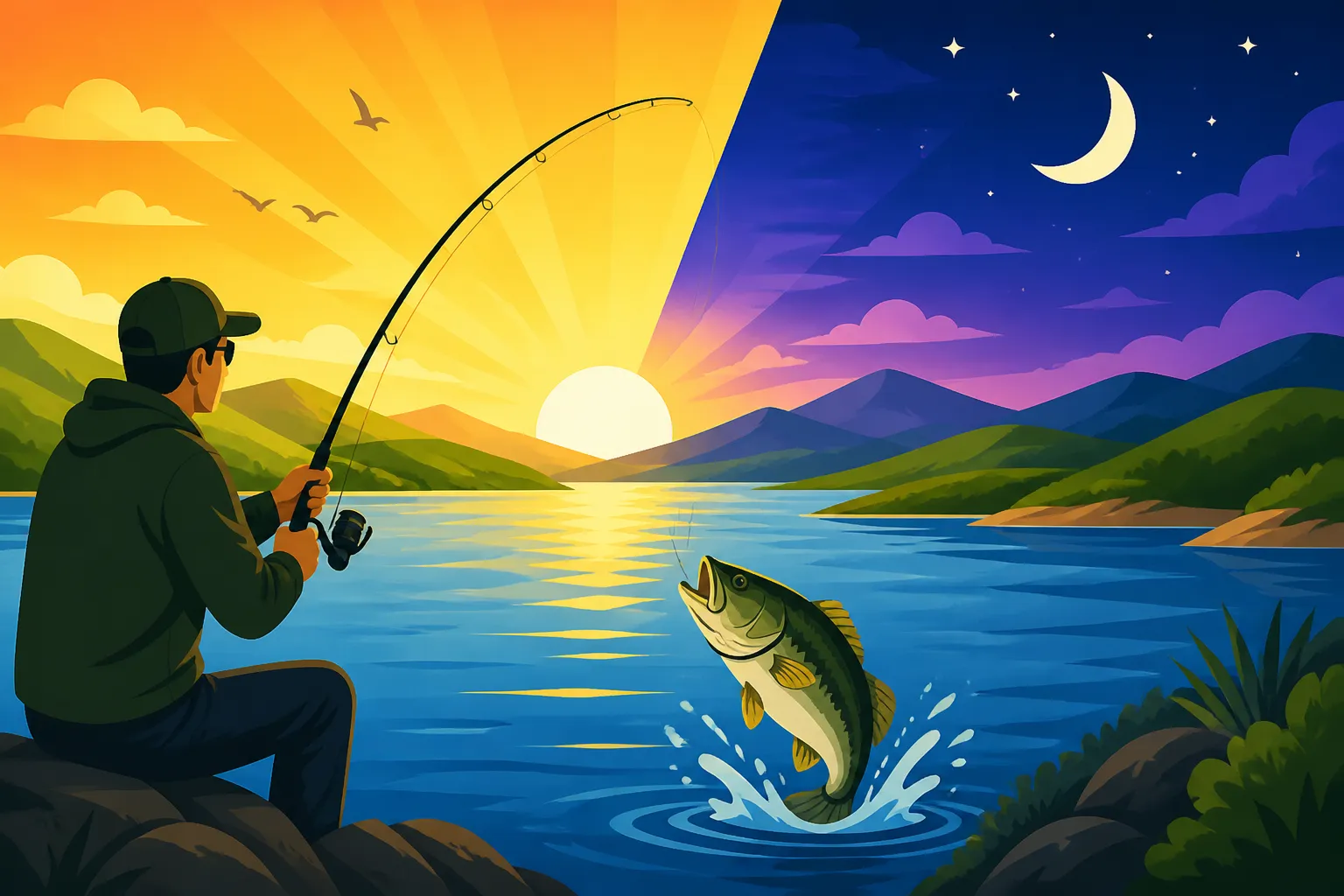
Just like most fisheries, the time of day plays a massive role at Diamond Valley Lake. The "golden hours" – dawn and dusk – are almost universally the most productive for predatory fish like bass and trout. During these periods, light levels are lower, and water temperatures are often more stable, encouraging fish to move into shallower feeding zones.
In the warmer months, especially during summer, fishing from just before sunrise until about 9 or 10 AM, and then again from late afternoon until sunset, will almost always outperform midday fishing. The harsh midday sun can drive fish deep and make them lethargic. In cooler months, fish might be active throughout the day, particularly on overcast days, but those early morning and late afternoon windows often still offer the best chances for a hot bite. Don't be afraid to try night fishing for catfish, which can be incredibly productive during the warmer parts of the year when they are most active under the cover of darkness.
Weather and Water Conditions: Reading the Signs
The weather isn't just about your comfort; it profoundly impacts fish behavior. Overcast days, for instance, can be fantastic for fishing, as the reduced light penetration makes fish feel more secure in shallower water and often extends the bite windows. A light chop on the water surface also breaks up light and makes it harder for fish to discern anglers, often stimulating a bite.
Conversely, bright, calm, bluebird days, especially after a cold front, can shut down the bite significantly. Fish tend to hug cover or go deep, and a more subtle, finesse approach is usually required. Wind can be a double-edged sword; too much wind makes boat control and casting difficult, but a moderate breeze pushing baitfish into a cove or against a point can create a feeding frenzy. Always keep an eye on water clarity too. Diamond Valley Lake is generally very clear, but heavy rains can temporarily stir up sediment, which can sometimes concentrate fish on the edges of the murky water. Always check the current California Freshwater Fishing Regulations before heading out.
Water Temperature and Clarity: Key Indicators
Water temperature is arguably the most critical factor influencing fish activity. Each species has an optimal temperature range for feeding and spawning. For largemouth bass, for instance, a range of 55-75 degrees Fahrenheit is often ideal for active feeding, with spawning occurring when temperatures hit the low to mid-60s. For trout, cooler water in the 50s and low 60s is preferred. Knowing the current water temperature can help you decide which depths to target and what species might be most active. You can often find this information from local bait shops, marina staff, or through online fishing reports.
As mentioned, Diamond Valley Lake is known for its exceptional water clarity. While this offers incredible sight-fishing opportunities, especially for bass on beds, it also means fish can be spooky. Long leaders, lighter line, and natural bait presentations often perform better than heavy, visible tackle. However, during periods of higher winds or after significant rain, the clarity might temporarily decrease in certain areas, which can sometimes make fish more aggressive as they lose some of their wariness. This lake's pristine nature is part of its charm, so always practice responsible angling. Finding a good local guide through platforms like FishingBooker can give you real-time insights into these conditions.
Pressure and Crowds: Finding Your Solitude
Like any popular fishing destination, Diamond Valley Lake can get crowded, especially on weekends and holidays during peak seasons. While the lake is large enough to absorb a fair amount of pressure, intense fishing pressure can still make fish more wary. If you have the flexibility, fishing on weekdays can often lead to less crowded conditions and more relaxed fish.
Consider the areas of the lake that receive the most pressure. The main body of the lake, particularly near the marina and popular points, will often see the most boats. Exploring the less accessible coves or focusing on offshore structures that are harder to find can sometimes lead to untouched populations of fish. Even changing your time of day to fish during less popular hours, like mid-week afternoons or early morning on a Tuesday, can make a difference in your experience and success. For more information on popular fishing locations, refer to our Diamond Valley Lake Fishing Guide.
Ultimately, there isn't one single "best" time to fish Diamond Valley Lake. Instead, it's about understanding the seasonal cycles, daily patterns, and environmental factors that influence fish behavior. With this knowledge, you can approach the lake with confidence, adapt your strategies, and enjoy the incredible fishing opportunities this Southern California gem has to offer. Whether you're a seasoned angler or a newcomer, the rewards are waiting for those who put in the effort to understand its rhythms.
Disclaimer
Fishing conditions and regulations in California can change frequently. Always consult the latest California Department of Fish and Wildlife (CDFW) regulations before any fishing trip. This guide is for informational purposes only and should not be considered a substitute for official regulations or professional advice.