Best Time to Fish Lake Berryessa
It's a common angler's lament: you arrive at a beautiful spot like Lake Berryessa, gear in hand, sun shining, only to spend hours without a single bite. Figuring out the best time to fish this massive, diverse reservoir can feel like trying to catch a ghost – it's often more about timing and knowing your target species than just showing up. This comprehensive guide is dedicated to untangling that mystery, offering you the lowdown on when to hit Lake Berryessa for optimal success, whether you're chasing trophy bass, elusive Kokanee, or hungry trout.
The Ever-Changing Nature of Lake Berryessa Fishing
Lake Berryessa, nestled in Napa County, is a jewel, but it’s also a dynamic fishery. Unlike some smaller, more predictable lakes, its sheer size, depth, and the dramatic fluctuations in water levels can make consistent fishing a real challenge. One season's hot spot might be dry land the next, and what worked last month could be utterly useless today. It’s this constant change that makes Berryessa so intriguing, but also so frustrating for the uninitiated. You can't just throw a dart at the calendar; you need to understand the nuances.
Understanding Water Level and Temperature Impacts
The single biggest factor affecting fishing at Lake Berryessa is often the water level. The lake acts as a major water source, and levels can fluctuate by dozens of feet throughout the year, especially during dry spells or heavy rain years. When water levels drop significantly, access points can change, submerged structures become exposed, and fish patterns shift dramatically as their usual haunts dry up. Conversely, rising waters can spread fish out into newly flooded areas, making them harder to locate. This constant shifting means that understanding the current conditions is paramount.
Temperature is another huge piece of the puzzle. Fish are cold-blooded creatures, and their activity levels are directly tied to water temperature. Bass, for instance, become sluggish in cold winter waters but aggressive and active during the warmer spring and fall. Kokanee salmon prefer cooler, deeper water, so they'll be found in different areas than the sun-loving catfish. Keeping an eye on weather forecasts and water temperature readings – sometimes available through local marinas or online fishing reports – can give you a significant advantage. This foundational knowledge is crucial before even considering specific species or seasons, as it dictates where and how fish will behave, regardless of the calendar.
Diverse Fish Species and Their Preferences
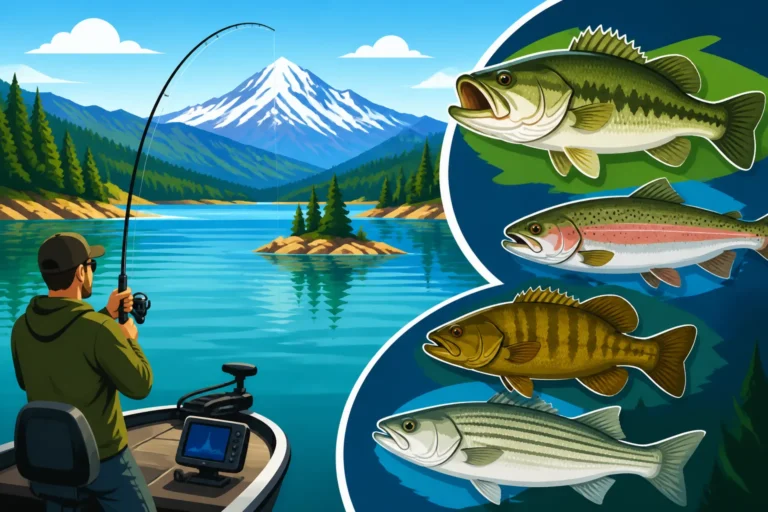
Lake Berryessa is home to a robust population of various sport fish, each with its own preferred habitat, feeding patterns, and, crucially, optimal fishing times. You're not just fishing "for fish"; you're targeting specific species that respond differently to the environment around them. Knowing what you want to catch is the first step in determining the best time to go.
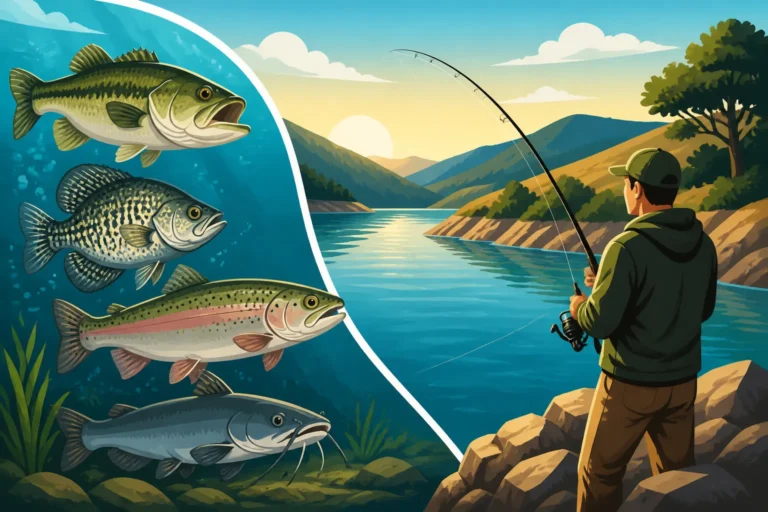
Here's a quick overview of the main players:
- Largemouth and Smallmouth Bass: These are arguably the most popular targets at Berryessa. They're found throughout the lake, from rocky points to submerged timber, and their activity is highly temperature-dependent.
- Kokanee Salmon: A landlocked sockeye salmon, these silver flashes are a prized catch for many anglers. They are typically found in the open water, suspending at specific depths.
- Rainbow Trout and Brown Trout: Both stocked and wild trout thrive in Berryessa. They prefer cooler water and can be found closer to the surface in spring and fall, moving deeper in summer.
- Channel Catfish: Often overlooked, catfish offer excellent action, especially during warmer months and evenings.
- Crappie and Bluegill: Panfish provide fun action, particularly for families and new anglers, often congregating around structure.
Each of these species will have peak activity periods that align with specific seasons and even times of day. A blanket "best time" for Berryessa is a myth; it's always "best time for what you're fishing for."
Species-Specific Peak Times for Lake Berryessa
When you’re dreaming of a bent rod and a screaming reel, knowing which species is most likely to cooperate during your visit is half the battle. Let’s dive into the prime windows for the most sought-after fish at Lake Berryessa.
Largemouth and Smallmouth Bass Strategies
Bass fishing at Lake Berryessa can be phenomenal, but it absolutely shines during certain times of the year. The spring and fall offer the most consistent action, but even summer and winter can produce trophies if you adjust your tactics.
-
Spring (March to May): The Spawn and Pre-Spawn Frenzy
This is hands down one of the best times to target both largemouth and smallmouth bass. As water temperatures climb into the 50s and 60s Fahrenheit, bass move into shallower coves and protected areas.- Pre-Spawn: In early spring, often late February through March, bass are gorging themselves, trying to pack on weight before the rigors of spawning. They are extremely aggressive, hitting a wide variety of baits. This is when spinnerbaits, crankbaits, and jerkbaits fished near rocky points, ledges, and submerged timber can be incredibly effective. Look for areas with a mix of rock and grass.
- The Spawn: Typically from April into May, when water temperatures hit the mid-60s, bass move onto beds. While many anglers avoid targeting bedding fish, those who do will find them guarding their nests. Sight fishing with soft plastics like Senkos or lizards can be productive, but remember to practice responsible catch and release to protect the fishery. The California Bass Fishing Regulations provide details on limits and seasons.
- Post-Spawn: After spawning, bass can be a bit lethargic for a short period, recuperating in slightly deeper water nearby. They'll quickly resume feeding, often on shad and other baitfish, making topwater baits exciting in the mornings and evenings.
-
Summer (June to August): Early Mornings and Deep Water
Summer at Berryessa means heat, and bass will adjust accordingly. During the day, they typically retreat to deeper, cooler water, often suspending over structure or hugging deep ledges.- Dawn and Dusk: The golden hours around sunrise and sunset are your best bet for shallow-water action. Bass will move up to feed on baitfish, and topwater lures, buzzbaits, and frogs can draw explosive strikes.
- Mid-Day: When the sun is high, you'll need to go deep. Carolina rigs, drop-shot rigs, and deep-diving crankbaits are essential. Look for submerged islands, humps, and the edges of creek channels in 20-40 feet of water. Understanding California Bass Fishing Techniques for these deeper presentations can make all the difference.
-
Fall (September to November): The Feeding Frenzy Continues
As water temperatures cool and days shorten, bass enter another aggressive feeding period, much like the pre-spawn. They are bulking up for winter, making fall one of the absolute best times to fish Lake Berryessa for bass.- Transition: Bass will move from their deep summer haunts back towards shallower flats and points. They'll be chasing baitfish actively.
- Effective Baits: Spinnerbaits, crankbaits, jigs, and swimbaits are all highly effective. Look for schooling baitfish; where the bait is, the bass will be.
-
Winter (December to February): Slow and Steady for Trophies
Winter fishing is often challenging but can reward patient anglers with some of the biggest bass of the year. The fish are less active but will still feed.- Deep and Slow: Bass will hold tight to deep structure, rock piles, and channel bends. Vertical presentations like jigging spoons, ice jigs, and slow-fished football jigs are key.
- Patience is Key: Bites will be subtle, and you'll need to work your lures slowly. This isn't a numbers game, but the quality of fish can be exceptional.
Kokanee Salmon Pursuits
Kokanee salmon are a unique challenge and a delicious reward at Berryessa. Their season is generally shorter and more defined than that of bass or trout.
-
Late Spring to Mid-Summer (May to July): Prime Trolling Season
This is the undisputed prime time for Kokanee. As the water warms, Kokanee move into the open water and school up at specific depths where the water temperature is ideal (typically 50-60°F).- Trolling is King: Kokanee are almost exclusively caught by trolling. Small dodgers and flashers paired with mini hoochies, wedding rings, or small spoons tipped with Shoepeg corn are the go-to setups.
- Downriggers and Lead Core: You'll need to get your lures down to the fish, which often means employing downriggers, lead core line, or heavy sinkers to reach depths of 30-80 feet or even deeper depending on the time of day and year.
- Finding the Fish: A good fish finder is invaluable for locating schools and determining their depth. Early mornings are usually best before the sun gets too high.
-
Fall (August-September): Pre-Spawn Aggression
As they approach their spawning cycle (which occurs in the fall, though they don't reproduce successfully in Berryessa), Kokanee can become very aggressive, offering one last hurrah for anglers before they start to deteriorate. This is often when you can catch some of the largest Kokanee of the season.
Rainbow and Brown Trout Success
Trout fishing at Lake Berryessa is consistent, especially for rainbows, due to regular stocking by the California Department of Fish and Wildlife (CDFW).
- Cooler Months (Fall, Winter, Spring): Surface and Mid-Depth Action
Trout thrive in cooler water. Therefore, the best times to target them are generally from fall through spring, when surface temperatures are more to their liking.- Fall and Spring: During these transitional periods, trout are very active. Trolling with small spoons, spinners, or Rapalas near the surface or at moderate depths is effective. Bank anglers can do well with powerbait, worms, or small kastmasters near deeper access points or coves, particularly after recent stockings.
- Winter: Though slower, winter can produce large brown trout. They often hold deeper but will still respond to trolled lures or bait presented slowly.
- Summer: As temperatures rise, trout retreat to the deepest, coolest parts of the lake. Targeting them then requires downriggers or heavy lead core to get lures or bait to depths of 50-100+ feet. Focus on early morning or late evening if fishing shallower. Check the California Trout Limits and Regulations to ensure you're compliant.
Catfish and Panfish Opportunities
While less glamorous, catfish and panfish offer reliable action and a great way to introduce kids to fishing.
-
Catfish (Late Spring to Early Fall): Warm Water, Nighttime Action
Catfish absolutely love warm water, making late spring through early fall their prime season.- Prime Time: Dusk, night, and early morning are the most productive, as catfish are primarily nocturnal feeders.
- Best Baits: Stink baits, cut bait (like mackerel or anchovies), chicken livers, and even hot dogs on the bottom are highly effective. Look for them in slower-moving water, coves, and near deeper ledges.
-
Crappie and Bluegill (Spring and Early Summer): Structure Fishing
These panfish are a blast, especially in spring when they move into shallower water to spawn.- Spring Spawn: Look for them around brush piles, submerged trees, and rocky cover in coves. Small jigs, mini-worms, and crickets under a bobber are deadly.
- Year-Round: While spring is best, you can catch them throughout the warmer months by targeting structure with small offerings.
Seasonal Breakdown for Lake Berryessa
Instead of just focusing on individual species, let's consider the general fishing outlook for each season, helping you plan your trip regardless of your primary target.
Spring: A Time of Abundance (March, April, May)
Spring is arguably the most exciting time to fish Lake Berryessa. The lake comes alive as water temperatures rise, triggering feeding and spawning activity across nearly all species.
- General Outlook: This is the peak season for bass, as they move into pre-spawn and spawning patterns. Trout and Kokanee, while not fully in their summer patterns, are also highly catchable closer to the surface. Water levels are typically good, having been replenished by winter rains, though this can vary year to year.
- Tactics: For bass, focus on shallow to mid-depth areas with reaction baits, jigs, and soft plastics. For trout, troll with small spoons or bait, or fish from the bank with PowerBait or worms.
- Considerations: Weather can be unpredictable – you might have warm, sunny days interspersed with sudden cold fronts or rain. Keep an eye on the forecast and dress in layers. This is also a popular time, so expect more boat traffic, especially on weekends.
Summer: Early Birds Get the Worm (June, July, August)
Summer at Berryessa is hot, both in terms of weather and, if you know where to look, fishing. It just requires an earlier start and a willingness to go deep.
- General Outlook: Bass transition to deeper water, making early morning and late evening crucial for success. Kokanee salmon are at their peak for open-water trolling. Trout will be deep. Catfish action really heats up.
- Tactics: For bass, use topwater at dawn/dusk, then switch to deep-diving crankbaits, jigs, and drop-shot rigs. For Kokanee, troll at specific depths with dodgers and hoochies. For trout, troll deep. For catfish, fish the bottom with cut bait at night.
- Considerations: Hydration is vital due to the intense heat. Sunscreen, hats, and plenty of water are non-negotiable. Boat traffic can be heavy with recreational users like wakeboarders and jet skiers, especially mid-day. Plan to be on the water at first light for the best bite and a more peaceful experience.
Fall: Another Peak Opportunity (September, October, November)
Many seasoned anglers consider fall to be just as good, if not better, than spring for overall fishing success at Lake Berryessa. The cooling temperatures re-energize the fish.
- General Outlook: Bass go on a strong feeding binge, preparing for winter, making them aggressive and responsive to a wide array of lures. Kokanee salmon are still active and often at their largest size. Trout fishing picks up significantly as water cools.
- Tactics: For bass, virtually any presentation can work, from topwater to jigs, crankbaits, and spinnerbaits. Focus on points, coves, and areas with baitfish. Kokanee continue to be caught by trolling. Trout can be targeted similarly to spring, with trolling or bank fishing.
- Considerations: The weather is generally more stable and pleasant than spring or summer. Fall colors around the lake can be beautiful. Weekends can still see considerable boat traffic, but it typically lessens as winter approaches. This is a fantastic time for a family trip or for targeting a variety of species.
Winter: The Patient Angler's Reward (December, January, February)
Winter at Lake Berryessa might not offer the fast and furious action of other seasons, but it has its own unique charm and potential for truly impressive catches.
- General Outlook: Fishing slows down considerably, but larger, quality fish can be caught, especially bass. Trout remain active, though often deeper. Kokanee are generally done.
- Tactics: For bass, think slow and deep: jigs, spoons, and subtle presentations. For trout, deep trolling or bait fishing near bottom structure.
- Considerations: Cold weather, potential for rain and wind. Make sure your boat is in good order, and always check weather conditions before heading out. Fewer crowds mean more peace and quiet on the water, making it perfect for dedicated anglers seeking a challenge.
Optimizing Your Lake Berryessa Fishing Trip
Beyond the calendar, there are specific tactical elements that can significantly improve your chances of success at Lake Berryessa. Being prepared and understanding the little details can turn a slow day into a memorable one.
The Impact of Weather, Moon Phase, and Water Clarity
Fish behavior isn't just about the season; it's also about the day-to-day conditions. A sudden cold front can shut down a bite, while stable, overcast weather can make fish incredibly active.
- Weather Fronts: Approaching low-pressure systems often precede active feeding periods. Fish sense the change and feed aggressively. Conversely, a high-pressure system immediately following a front can make fish sluggish and difficult to catch for a day or two.
- Cloud Cover: Overcast days are generally excellent for fishing, as they diffuse light, making fish feel safer and more willing to move into shallower water. Bright, sunny days often push fish deeper or into heavy cover.
- Wind: A moderate chop on the water can be beneficial, breaking up the surface, making it harder for fish to see you, and pushing baitfish. Too much wind, however, can make boat control and casting difficult.
- Moon Phase: While not as universally agreed upon as weather, many anglers swear by moon phases. Full and new moon periods, particularly the days leading up to them, are often cited as prime times for increased fish activity, especially for species like bass and striped bass (though striped bass are less prevalent in Berryessa).
- Water Clarity: Berryessa typically has decent clarity, but heavy rains can churn up creeks and inlets, leading to muddy conditions. Fish tend to congregate on the edges of clear and muddy water, or move to clearer sections of the lake. Adjust your lure colors accordingly – brighter, more vibrant colors in stained water; natural colors in clear water.
Best Times of Day to Fish Berryessa
No matter the season, certain times of day consistently outperform others for most species.
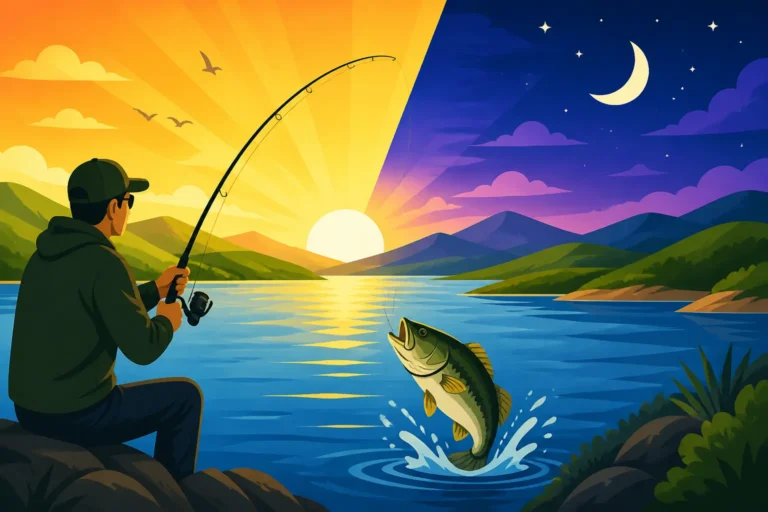
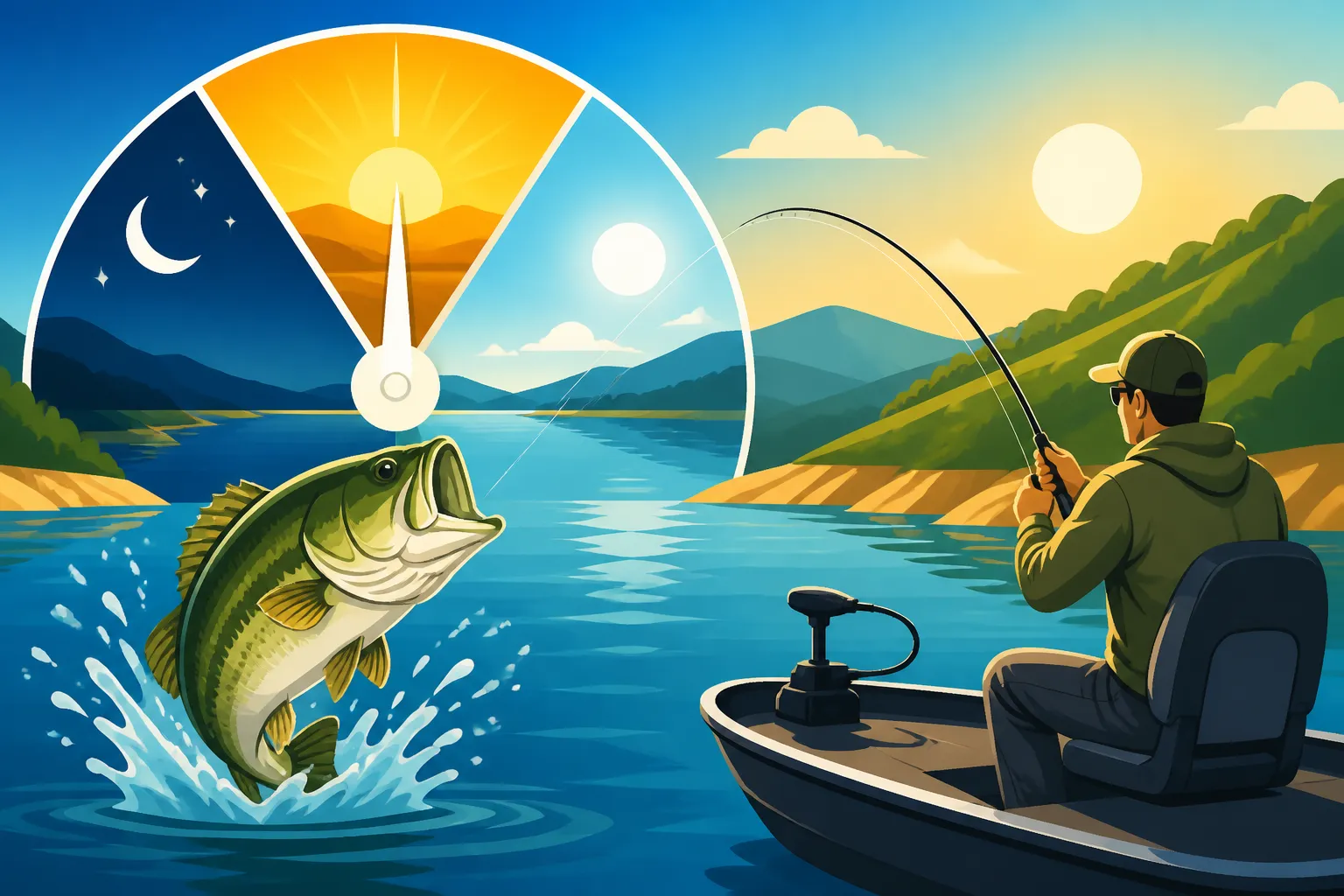
- Dawn and Dusk: These are the magic hours. As the sun rises or sets, light levels are low, temperatures are often cooler, and baitfish are more active, triggering predatory fish to feed. For bass, these are prime topwater times. For trout and Kokanee, often the best trolling windows.
- Overcast Days: On heavily overcast days, the "magic hours" can extend throughout the entire day, as the conditions mimic dawn/dusk.
- Mid-Day in Summer: As mentioned, mid-day in summer means going deep. Fish will be seeking thermal refuge.
- Night Fishing: For catfish, night fishing is often the most productive, as they are primarily nocturnal foragers. Some bass anglers also find success at night, particularly during summer, targeting large fish with dark-colored jigs or worms.
Leveraging Fishing Reports and Local Expertise
Even with all this information, Lake Berryessa is a living, breathing body of water that can change its mood on a dime. The best way to stay current is to tap into real-time local knowledge.
- Online Fishing Reports: Websites like Fish Sniffer and local bait shops often post weekly or daily fishing reports that detail recent catches, effective baits, and water conditions. These are invaluable for planning your trip.
- Local Bait and Tackle Shops: These are goldmines of information. Stop by a shop like Berryessa Bait & Tackle or a similar local outfitter. The folks working there live and breathe Lake Berryessa fishing and can give you hyper-local, up-to-the-minute advice on what's biting, where, and with what. They can tell you about specific coves, depths, and colors that are currently hot.
- Hiring a Guide: For a truly immersive and educational experience, consider hiring a local fishing guide. They spend hundreds of days a year on the water and can put you on fish, teach you techniques, and share invaluable insights into the lake's ever-changing patterns. Services like FishingBooker can help you find and book experienced guides for Lake Berryessa, ensuring you get the most out of your trip.
- Online Forums and Social Media Groups: Many local fishing communities exist online where anglers share tips, photos, and current conditions. This can be a great way to learn from others and connect with fellow enthusiasts.
Putting It All Together: A Lake Berryessa Fishing Strategy
To maximize your chances of success, here's a quick reference table summarizing the best times for different species. Remember, this is a general guide, and local conditions always take precedence.
| Species | Best Season(s) | Primary Time of Day | Key Tactics | Optimal Water Temp (F) |
|---|---|---|---|---|
| Largemouth Bass | Spring, Fall (Summer: early/late) | Dawn/Dusk (Summer: mid-day deep) | Soft plastics, jigs, crankbaits, spinnerbaits | 55-75 |
| Smallmouth Bass | Spring, Fall (Summer: early/late) | Dawn/Dusk (Summer: mid-day deep) | Drop-shot, tubes, jigs, crankbaits | 50-70 |
| Kokanee Salmon | Late Spring, Summer, Early Fall | Early Morning | Trolling with dodgers/hoochies/spoons | 50-60 |
| Rainbow Trout | Fall, Winter, Spring | Early Morning, Late Afternoon | Trolling with spoons, PowerBait (bank) | 45-65 |
| Brown Trout | Fall, Winter, Spring | Early Morning, Late Afternoon | Trolling deep, large spoons, stickbaits | 40-60 |
| Channel Catfish | Late Spring, Summer, Early Fall | Night, Dawn/Dusk | Bottom fishing with cut bait, stink bait | 65-80 |
| Crappie | Spring, Early Summer | Day (especially overcast) | Small jigs, minnows, grubs | 60-70 |
Planning your trip to Lake Berryessa with these insights will undoubtedly boost your chances of a successful and enjoyable day on the water. Don't forget to secure your California Fishing License Guide before you head out! If you're looking for broader seasonal advice, our guide on California Fishing Seasons: Month-by-Month Guide might also be helpful. For specific techniques, explore resources like How to Catch Largemouth Bass in California or consider booking a trip through platforms like FishingBooker to leverage a local expert's knowledge. Whether you're a seasoned pro or a beginner looking for California Kayak Fishing Guide adventures, Berryessa offers something for everyone, provided you time it right. You can even check out Lake Berryessa Fishing Guide for more localized tips.
Disclaimer
Fishing conditions can change rapidly based on weather, water levels, and fish behavior. Always consult current local fishing reports and the latest California Department of Fish and Wildlife regulations before heading out. This guide provides general information and recommendations, but personal experience and adaptability are always key to successful fishing.