Best Time to Fish Lake Isabella
Figuring out the absolute "best" time to fish Lake Isabella can feel a bit like trying to solve a riddle without all the clues. You've heard stories of epic hauls, then you go out and it's crickets, leaving you wondering if you picked the wrong day, the wrong bait, or just the wrong month entirely. It's a common frustration, but understanding the nuances of Lake Isabella's seasons, fish behavior, and environmental factors can dramatically improve your chances. This guide is here to unravel those mysteries, helping you pinpoint the prime windows to hit the water and fill your stringer.
Understanding Lake Isabella's Unique Fishing Dynamics
Lake Isabella, nestled in the southern Sierra Nevada mountains, is a fantastic, sprawling reservoir that offers a diverse fishing experience. However, it's also a lake with significant water level fluctuations and distinct seasonal changes, which means what works one month might be a complete bust the next. Don't let that intimidate you, though; it just means you need a little insider knowledge to adapt and succeed.
Seasonal Changes and Their Impact on Fish Behavior
Like most freshwater bodies in California, Lake Isabella's fish species are highly influenced by water temperature, light penetration, and food availability, all of which are dictated by the changing seasons. As the water warms in spring, fish become more active, moving into shallower areas to spawn and feed aggressively. Summer's heat can drive them deeper or into cover, making them harder to locate. Fall brings a cooling trend that often triggers a pre-winter feeding frenzy, while winter sees fish metabolism slow, leading to more subtle bites and different holding patterns. Understanding these general behaviors is the first step in cracking the code of Lake Isabella.
The lake's water levels also play a monumental role in fishing conditions. Lake Isabella is primarily a flood control and irrigation reservoir, so its water levels can swing dramatically throughout the year, especially after heavy Sierra snowmelt or during prolonged dry spells. These fluctuations can expose or submerge structure, affect water clarity, and change fish access to traditional spawning or feeding grounds. It’s not uncommon to see the lake transform significantly from one visit to the next, which means flexibility and current intel are your best friends. Always check the current lake levels before you head out, as they can redefine "the best spot."
Key Fish Species in Lake Isabella
Lake Isabella is renowned for its diverse fishery, offering something for every angler. Knowing what you're targeting is crucial for timing your trip correctly. The stars of the show here are typically largemouth bass, smallmouth bass, and crappie, which draw a considerable crowd. These species thrive in the reservoir's varied habitat, from rocky points to submerged timber and weed beds. They offer exciting action, whether you're a seasoned pro or just starting out.
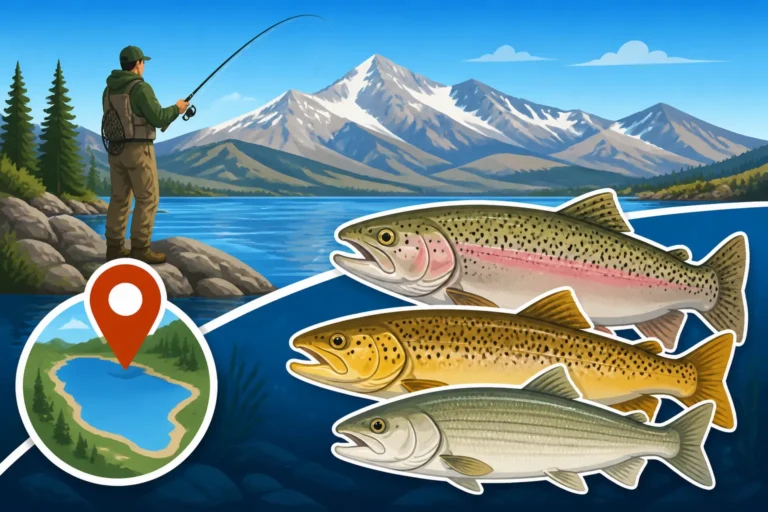
Beyond the bass and crappie, you'll find a healthy population of catfish, particularly channel catfish, which can grow to impressive sizes and provide a great fight, especially during warmer months. Trout, including rainbow trout and brown trout, are regularly stocked by the California Department of Fish and Wildlife (CDFW) and can be caught year-round, though their activity peaks at specific times. Less commonly, but still present, are bluegill and even a few kokanee salmon, adding to the lake's rich aquatic tapestry. Each of these species has its own preferred conditions and feeding patterns, which is why a blanket "best time" is tough to give without diving deeper. You can learn more about specific regulations for these species by checking out our guide on California Freshwater Fishing Regulations.
Best Times to Fish Lake Isabella by Season
Let’s break down Lake Isabella by season, giving you a clearer picture of what to expect and when your chances are highest for various species. Each season brings its own set of challenges and rewards, so picking your time of year often depends on what kind of fishing adventure you're after.
Spring: The Awakening
Spring is arguably one of the most exciting times to fish Lake Isabella. As the days lengthen and the water temperatures begin to climb from the chilly winter lows, the lake's ecosystem really starts to come alive. You'll notice the fish becoming much more active, shedding their winter lethargy and moving into shallower water, often in preparation for their spawning rituals. This is a fantastic window for many species, making it a highly anticipated season for anglers.
For bass anglers, spring, especially from late March through May, is prime time. Both largemouth and smallmouth bass move to the shallows, particularly around rocky banks, submerged structure, and burgeoning weed lines. They're often aggressive as they feed up before the spawn and then protect their nests. Jerkbaits, spinnerbaits, and soft plastics can be incredibly effective during this period. Crappie also become highly active, congregating in large schools in shallow coves and around brush piles, making them easier to target with small jigs and minnows. This is a time of abundant catches if you can find the schools.
Summer: Warm Water Challenges and Opportunities
Summer fishing at Lake Isabella brings warmer water temperatures, which can shift fish behavior considerably. While the fishing can still be excellent, it often requires a change in tactics. The scorching summer sun drives many fish, especially trout and bass, into deeper, cooler waters or tight to heavy cover during the brightest parts of the day. Early mornings and late evenings become the golden hours for many species as they move shallower to feed under lower light conditions.
Despite the heat, summer is fantastic for catfish. Channel catfish become incredibly active in the warm water and can be caught day or night using stink baits, cut bait, or even chicken livers. They'll often cruise the deeper channels and flats. For bass, think about fishing deep structure, drop-offs, and points during the day, perhaps with deep-diving crankbaits, jigs, or Texas-rigged worms. If you're out at dawn or dusk, topwater lures can produce explosive strikes as bass venture into the shallows for a quick meal. Be mindful of rising air temperatures and make sure you stay hydrated and protected from the sun.
Fall: The Feeding Frenzy
Autumn is another stellar time to fish Lake Isabella, often rivaling spring for sheer productivity. As air temperatures cool and the days shorten, the surface water temperature begins to drop, triggering a significant feeding response in many fish species. They know winter is coming, and they need to pack on calories, making them more aggressive and willing to chase down a meal. This "feeding frenzy" period can last from September through November, offering some truly memorable days on the water.
Bass fishing can be phenomenal in the fall. Both largemouth and smallmouth will be actively chasing baitfish in open water and around structure. This is a great time for reaction baits like crankbaits, spinnerbaits, and even topwater lures early in the morning. Crappie schools, while perhaps not as shallow as in spring, will still be actively feeding and can be found suspended over deeper water or near brush piles. Trolling with small jigs or minnows can be particularly effective for locating them. Trout fishing also picks up as the water cools, with stocked rainbows becoming more active and responsive to powerbait, worms, or small spinners, especially near areas where creeks feed into the lake. You might even find some larger holdovers patrolling the cooler waters.
Winter: Cooler Waters, Unique Rewards
Winter fishing at Lake Isabella is definitely a slower pace, but it can offer some truly rewarding experiences for those willing to brave the cooler temperatures. The lake typically sees fewer anglers during these months, meaning less pressure on the fish. While fish activity slows down due to decreased metabolism, they still need to eat, and targeting them often means slowing down your presentation and focusing on deeper, more consistent water temperatures.
Trout fishing often shines in the winter, especially after new stockings. The cold water is ideal for trout, and they can be found cruising shorelines or deeper sections of the lake. Powerbait, nightcrawlers, and small spoons or jigs are good choices. For bass, the bite can be tough, but if you can locate deep schools, a slow presentation with jigs, drop-shot rigs, or even large spoons can entice strikes. Catfish are still present but will be much less active, preferring deeper holes and requiring patience. Winter is a fantastic time for solitude and connecting with the quiet beauty of the lake, even if the bite isn't as fast and furious. Don't forget to bundle up and bring plenty of hot coffee!
Targeting Specific Species: When to Go for What
Knowing the general seasonal trends is a great start, but let's get a bit more specific. If you're heading to Lake Isabella with a particular fish in mind, timing your trip to align with that species' peak activity will make all the difference.
Largemouth and Smallmouth Bass
For both largemouth and smallmouth bass, the absolute prime times are spring (March-May) and fall (September-November). In spring, as water temperatures rise into the 50s and 60s Fahrenheit, bass move shallow for the pre-spawn feed and then to spawn. This means they are often visible, aggressive, and highly catchable. Look for them around rocky banks, coves, and submerged brush. In fall, as temperatures drop back into the 60s and 50s, bass go on a feeding binge to fatten up for winter. They can be found chasing baitfish in open water, along points, and on flats. This is a great time for reaction baits.
Summer can be productive for bass, but you'll need to adjust. Focus on early mornings, late evenings, or night fishing, and target deeper structures during the heat of the day. In winter, the bite is much slower, requiring finesse tactics and targeting deep, often vertical structure where bass will suspend. If you're serious about bass, you'll want to read up on California Bass Fishing Regulations to ensure you're compliant, and don't forget that Lake Isabella offers some of the Best Reservoirs for Trophy Bass in California.
Crappie and Catfish
Crappie truly shine in spring (March-May). This is when they move into shallow coves and brushy areas to spawn. They congregate in large schools, making them relatively easy to locate and catch. Small jigs, minnows, and even tiny crankbaits are highly effective. You can often fill a cooler during this period if you find a good school. They can also be caught in fall (September-October) as they feed up, often suspending over deeper structure or along brush lines. In summer, they tend to go deeper, often in the shade of submerged trees, and require more searching. Winter crappie fishing is slow but possible with very slow presentations in deep water. If you're keen on crappie, our guide on How to Catch Crappie in California offers even more detailed tips.
For catfish, summer (June-August) and late spring/early fall are your best bets. Catfish absolutely love warm water and become very active when temperatures are high. They're often most active from dusk through the night, but can be caught throughout the day, especially in deeper channels and flats. Baits like stinkbaits, cut bait, chicken livers, or even hot dogs fished on the bottom are highly effective. In spring, they start to become active as the water warms, and in fall, they're still feeding heavily. Winter slows them down considerably, but large, deep-dwelling cats can still be caught with patience. For more specific advice on targeting these bottom dwellers, check out How to Catch Channel Catfish in California.
Trout and Kokanee Salmon
Trout fishing at Lake Isabella is generally best in the cooler months: fall (October-November) and winter (December-February), and again in early spring (March-April). This is when the water temperatures are most favorable for stocked rainbow trout. After a CDFW stocking, trout can be found cruising shorelines, coves, and creek inlets. Powerbait, worms, and small spinners or spoons are standard producers. As summer heat sets in, trout often retreat to deeper, cooler water, making them harder to find unless you're trolling or targeting specific cold-water pockets.
While not as prevalent as other species, Lake Isabella does host some Kokanee Salmon. These landlocked sockeye salmon are typically found in deeper, cooler parts of the lake. Their activity, like trout, is best in cooler water, meaning late fall, winter, and early spring are your prime times. Trolling with small kokanee dodgers and hoochies or small spinners at specific depths is usually the most effective method. They are notoriously light biters, so sensitive gear is a must. You can find more comprehensive strategies in our How to Catch Trout in California article, which includes tips applicable to Kokanee as well.
| Species | Best Season(s) | Key Considerations |
|---|---|---|
| Largemouth/Smallmouth Bass | Spring, Fall | Spring: Pre-spawn/spawn, shallow water, aggressive. Fall: Post-spawn feed, active. Summer: Deep/low light. Winter: Slow, finesse. |
| Crappie | Spring, Fall | Spring: Shallow spawning, large schools, easy to locate. Fall: Actively feeding, suspended. Summer: Deeper, harder to find. Winter: Slow, deep water. |
| Channel Catfish | Summer, Late Spring, Early Fall | Summer: Highly active in warm water, great day/night fishing. Spring/Fall: Still active. Winter: Slower, deep holes. |
| Rainbow Trout | Fall, Winter, Early Spring | Cooler Months: Ideal water temps, especially after stocking. Cruise shorelines. Summer: Retreat to deep, cool water. |
| Kokanee Salmon | Fall, Winter, Early Spring | Found in deeper, cooler water. Best targeted by trolling. Sensitive bites. |
Factors Influencing Your Fishing Success (Beyond Season)
Even if you pick the "best" season, there are still a few other moving parts that can significantly impact your day on the water. Successful anglers pay attention to these details, adjusting their plans and tactics accordingly.
Weather, Water Levels, and Clarity
Beyond the general seasonal temperature shifts, daily weather patterns play a huge role. A sudden cold front can shut down a hot bite, even in the middle of spring. Conversely, a stable period of overcast skies can sometimes trigger excellent feeding, especially for bass. Pay attention to wind direction and strength; a steady breeze can create current, concentrate baitfish, and often position game fish along specific wind-blown banks.
As mentioned earlier, Lake Isabella's water levels can fluctuate dramatically. A rising lake can spread fish out but also bring them into new cover. A rapidly dropping lake can spook fish and make them harder to locate. Always check the current lake levels through resources like the Kern County Water Agency or local bait shops before you head out. Water clarity is another critical factor. After heavy rains, the lake can become very muddy, making it harder for fish to see lures and for you to visually locate fish. On the flip side, extremely clear water might necessitate lighter lines and more natural presentations. Many local anglers find useful insights by checking real-time data or connecting with local guides through platforms like FishingBooker.
Daily Timing and Daily Patterns
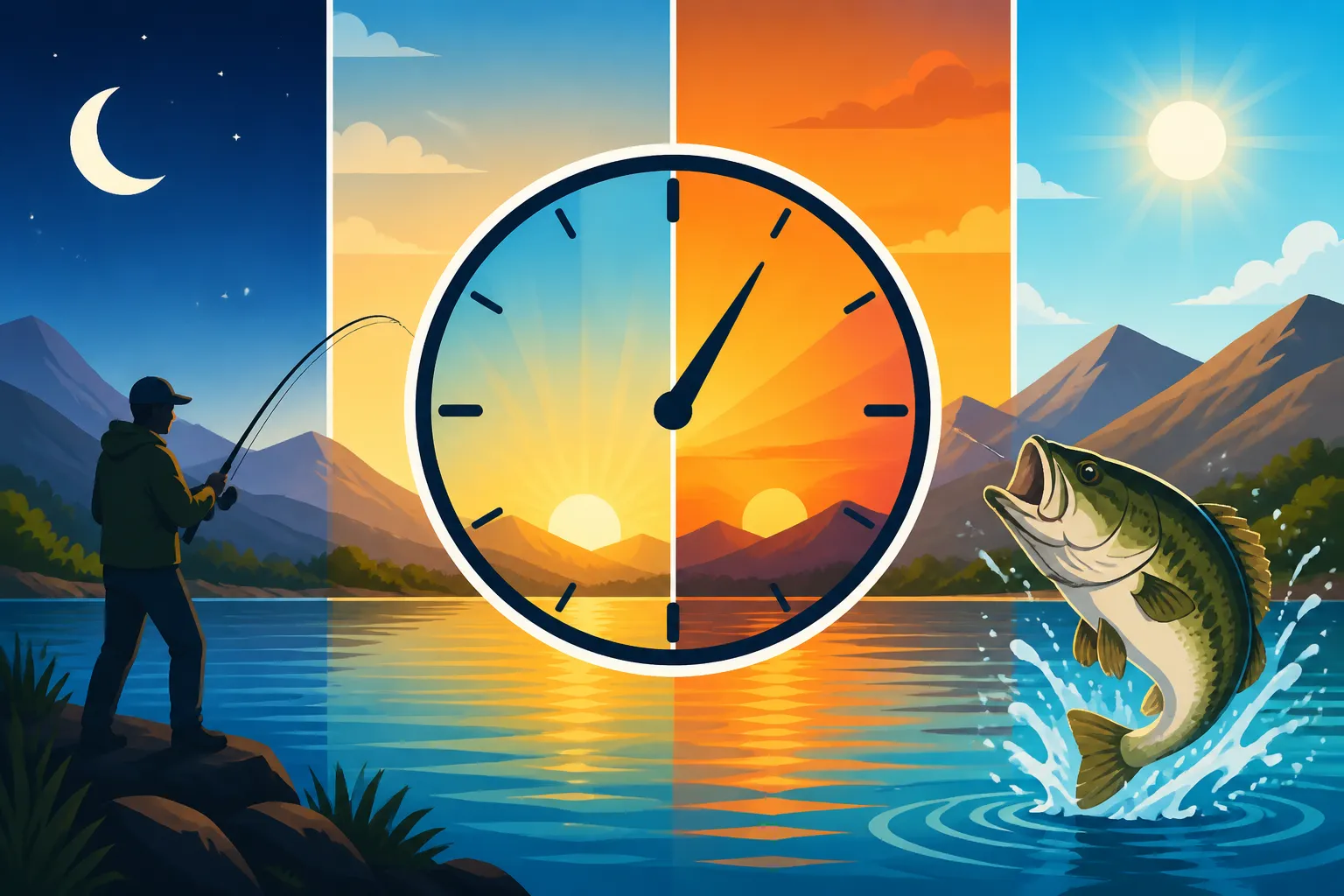
Even within the "best" season, the "best" time of day can vary. Generally, early morning and late evening are universally productive times across all seasons, especially during the warmer months. These low-light periods provide game fish with a predatory advantage and bring them into shallower water to feed before the sun gets too high. During midday, especially in summer, fish often retreat to deeper, cooler water or seek shade under structure.
The moon phase can also influence fish activity, though perhaps less dramatically on a lake compared to tidal waters. Many anglers swear by fishing during new or full moon periods, or around the moon's major and minor feeding times, which you can find on various fishing calendars. It's not an exact science, but paying attention to these daily patterns, along with the weather and water conditions, helps you refine your approach. For a more in-depth look at daily patterns, our article on the Best Time of Day to Fish in California might be helpful.
Checking Local Fishing Reports and Resources
This might be the most crucial tip of all: stay informed locally. No matter how much you know about seasonal patterns, local conditions on a specific day can override everything. Before you even pack your gear, make it a habit to check recent fishing reports. Local tackle shops around Lake Isabella, like Bob's Bait Bucket or James Store, are invaluable resources for current conditions, what baits are working, and where the fish are biting. They live and breathe this stuff!
Online forums, social media groups dedicated to Lake Isabella fishing, and even booking platforms like FishingBooker, where guides often share recent catch reports, can provide real-time intelligence. These resources will tell you if the crappie are biting in specific coves, if the bass are on a topwater bite, or if the trout have just been stocked. Understanding How to Read California Fishing Reports effectively will give you an edge that general seasonal advice simply can't. Combining seasonal knowledge with up-to-the-minute local intel is truly the secret sauce to consistent success on Lake Isabella.
Conclusion
So, is there a single "best" time to fish Lake Isabella? Not really, because "best" depends on what you're hoping to catch and what kind of fishing experience you're after. However, by understanding the distinct characteristics of each season, the behaviors of your target species, and paying close attention to environmental factors like water levels and daily weather, you can dramatically increase your chances of a successful and enjoyable outing. Whether you prefer the frenetic action of spring, the strategic challenges of summer, the explosive bites of fall, or the tranquil solitude of winter, Lake Isabella truly offers something special year-round. Just remember to always check those current conditions, respect the regulations (a good overview can be found in our California Fishing License Guide), and enjoy every moment on the water.
Disclaimer
Please note that fishing conditions, regulations, and fish populations can change. Always consult the latest California Department of Fish and Wildlife (CDFW) regulations before fishing. This guide is for informational purposes only and should not replace official sources.