California Bass Fishing Techniques
There's nothing quite like the heart-pounding strike of a bass, but let's be honest, figuring out the best tactics for these elusive fish in California's diverse waters can feel like a riddle wrapped in an enigma. From the murky depths of the Delta to the clear mountain reservoirs, bass behave differently, respond to different presentations, and often leave even seasoned anglers scratching their heads. This comprehensive guide is here to untangle those mysteries, offering you a deep dive into the most effective bass fishing techniques tailored specifically for California's unique environments and its incredible bass species.
Understanding California's Diverse Bass Species
Before we even talk about casting a line, it's crucial to understand the different bass species you're likely to encounter in California. They're not all the same, and what works for a big bucketmouth in a weed-choked lake might utterly fail on a smallmouth in a rocky river. Knowing your target species and their preferences is the first step toward consistent success.
The Mighty Largemouth Bass
Ah, the largemouth – the iconic image of bass fishing. In California, these fish thrive in warmer, often stained waters with plenty of cover. Think dense submerged vegetation, fallen trees, brush piles, docks, and rocky shorelines. They are ambush predators, often hiding in the shadows, waiting for an unsuspecting meal to swim by. If you're fishing in places like Clear Lake, Lake Castaic, or the California Delta, largemouths are likely your primary target. They have that distinctive jaw that extends beyond their eye, and their body usually has a dark, lateral stripe. They're known for their aggressive strikes and powerful fights, often jumping clear out of the water.
When you're dealing with largemouths, especially the bigger ones, they often prefer larger baits and presentations that mimic their natural prey – bluegill, crawfish, shiners, and even small ducks or frogs. Their habitat choices mean you'll often be fishing in thicker cover, which dictates your gear and techniques. It's a game of getting into their living room without getting snagged, presenting something irresistible, and then having the power to pull them out of their sanctuary. Understanding the nuances of where and how these fish hold in different types of cover is paramount.
The Feisty Smallmouth Bass
Switching gears entirely, smallmouth bass are a whole different ballgame. These bronze beauties prefer cooler, clearer water, often with rocky bottoms, gravel, and submerged timber. You'll find them in places like Lake Shasta, Lake Tahoe (though less common), and many of the reservoirs in Northern California. Their jaw doesn't extend past their eye, and they typically have vertical bars or blotches on their sides rather than a solid stripe. Unlike largemouths, smallmouths are often more nomadic, patrolling open water and rocky points, actively hunting for food. They're famous for their incredible fighting spirit, often making long runs and acrobatic jumps.
Fishing for smallmouths requires a different approach. While largemouths are about power and precision in heavy cover, smallmouths often respond better to finesse techniques, presentations that mimic baitfish or crawfish scurrying along the bottom, or faster-moving baits that trigger their chasing instinct. They can be incredibly wary in clear water, so stealth and natural presentations are key. Thinking like a smallmouth means understanding how they relate to rocky structure, current, and schools of baitfish in often expansive, open water.
The Aggressive Spotted Bass
Often overlooked, the spotted bass is a formidable and increasingly common species in California, especially in reservoirs with a mix of habitat types. They share characteristics with both largemouths and smallmouths – they have a jaw that extends past the middle of their eye but not quite to the back, and their sides are usually covered in distinct dark spots below the lateral line, sometimes giving them a "rough" feel when you run your hand against their scales. You'll find them in reservoirs like Lake Oroville, Folsom Lake, and New Melones, often in both clear and slightly stained waters, and they're less picky about depth than their cousins.
Spotted bass are known for their voracious appetites and willingness to strike almost anything. They tend to school up more than largemouths and can be found in a wider range of depths, from shallow points to deep ledges. This makes them a fantastic target for anglers, especially when other bass species are being finicky. They fight hard, often diving deep, and once you find a school, the action can be non-stop. Mastering how to target these fish often involves a blend of largemouth and smallmouth techniques, focusing on reaction bites and covering water to locate their schools. If you're looking to catch a lot of fish, learning how to catch spotted bass in California is a fantastic goal.
Essential Gear and Tackle for California Bass Anglers
Just like a chef needs the right tools for a gourmet meal, a bass angler needs specific gear to tackle California's varied waters and bass species effectively. Showing up with a single panfish rod and a handful of worms isn't going to cut it when you're targeting trophy bass. Investing in the right equipment makes a huge difference not just in comfort and efficiency, but in your ability to land fish consistently.
Rod and Reel Setups for Different Techniques
When it comes to rods and reels, there's no one-size-fits-all solution for bass fishing. You'll typically want a few different setups to cover the range of techniques you'll employ. For heavy cover applications like flipping and pitching jigs or Texas-rigged worms for largemouths, a stout baitcasting setup is essential. This usually means a heavy or medium-heavy power rod, 7 to 7.5 feet long, paired with a high-speed baitcasting reel (7.1:1 gear ratio or higher) to quickly take up slack and get fish out of cover. Brands like Shimano and Daiwa offer excellent options for these workhorse setups.
For more open-water or finesse techniques, particularly for smallmouths and spotted bass, spinning gear shines. A medium-light to medium power spinning rod, around 6.5 to 7 feet, with a fast action tip, coupled with a 2500-3000 series spinning reel, allows for lighter lines and more delicate presentations. This setup is perfect for drop-shotting, Ned rigs, or casting small jerkbaits. Many anglers also find a medium-heavy "all-purpose" baitcasting rod (6'8" to 7'2" range) invaluable for throwing crankbaits, spinnerbaits, and topwater lures, providing a versatile option for many situations. Having a few different combos on deck gives you the flexibility to adapt to changing conditions and fish preferences.
Line Choices and Their Applications
Your fishing line is the critical link between you and the fish, and choosing the right type and pound test is paramount. Each line material has its strengths and weaknesses:
- Monofilament: This is your classic, all-around line. It's affordable, has good stretch, and is very forgiving, making it great for topwater lures or crankbaits where stretch can help prevent hooks from tearing out of a fish's mouth. However, its stretch can hinder sensitivity, making it less ideal for deep-water presentations.
- Fluorocarbon: This line is nearly invisible underwater, making it fantastic for clear-water situations or when fish are pressured. It has very low stretch, offering excellent sensitivity for detecting subtle bites, especially with jigs and worms. It also sinks, which can be an advantage for getting baits down. However, it can be more expensive and sometimes stiffer, leading to memory issues.
- Braided Line: Incredibly strong for its diameter, braided line has virtually no stretch, providing ultimate sensitivity and incredible hook-setting power. It's perfect for punching through heavy vegetation, flipping dense cover, or as a main line with a fluorocarbon leader for spinning gear. The downside is its visibility and lack of abrasion resistance in certain situations (like sharp rocks).
Most serious bass anglers carry multiple spools or even multiple setups rigged with different lines. For example, you might run 50-pound braid for punching mats, 15-pound fluorocarbon for jigs, and 12-pound monofilament for crankbaits. The right line ensures your bait performs as intended and gives you the best chance of landing that trophy.
Tackle Box Essentials: Baits, Hooks, and Weights
Oh boy, the tackle box! This is where the addiction truly sets in. A well-stocked tackle box is a treasure trove of possibilities, but it can also quickly become overwhelming. For California bass fishing, focus on versatility. On the soft plastic front, you absolutely need an assortment of creature baits, craws, worms (straight tail, curly tail, senko-style), and maybe some flukes. Brands like Gary Yamamoto, Zoom, and Berkley offer reliable soft plastics that catch fish. For hard baits, ensure you have various crankbaits (shallow, medium, and deep divers), jerkbaits, spinnerbaits, and topwater lures (frogs, poppers, walking baits). And don't forget the jigs – both skirted bass jigs and finesse jigs are critical.
Hooks are often an overlooked but vital component. Stock a range of EWG (Extra Wide Gap) hooks for Texas rigging, straight shank hooks for punching, and various sized drop shot hooks. Gamakatsu and Owner are popular choices for their sharpness and strength. Weights are equally important: tungsten weights in various sizes (from 1/8 oz to 1 oz or more) for Texas rigs and punching, and lead weights for drop shotting or Carolina rigging. A good pair of pliers, line cutters, and a measuring tape are also non-negotiables. You can find a huge variety of these essentials on Amazon, making it easy to stock up for your next trip. To truly be prepared for diverse conditions, always have a good selection, but don't feel like you need every single color or size – start with proven winners and expand from there.
| Bass Species | Primary Habitat | Preferred Forage | Key Techniques | Ideal Gear |
|---|---|---|---|---|
| Largemouth Bass | Warm, stained water; heavy cover (weeds, wood, docks) | Bluegill, crawfish, shiners, frogs | Flipping, Pitching, Cranking, Topwater, Texas Rig | Heavy Baitcasting, 15-20lb Fluorocarbon/Braid |
| Smallmouth Bass | Cool, clear water; rocky points, gravel, open water | Baitfish, crawfish, insects | Drop-shot, Jerkbaits, Finesse Jigs, Tubes | Medium Spinning, 6-10lb Fluorocarbon |
| Spotted Bass | Clear to slightly stained reservoirs; points, ledges, timber | Baitfish, crawfish | Jigs, Small Swimbaits, Drop-shot, Shakey Head | Medium-Heavy Baitcasting/Spinning, 8-12lb Fluorocarbon |
Mastering Largemouth Bass Techniques
Largemouth bass fishing is all about strategy and precision, especially when you're trying to coax a big one out of its hiding spot. These fish are masters of ambush, so your techniques need to exploit their predatory instincts and get your bait right into their living room.
Flipping and Pitching Heavy Cover
If you want to catch big largemouths in California, you absolutely must learn to flip and pitch. This isn't just a technique; it's an art form. Flipping involves using a short, controlled cast to drop a bait into tight cover quietly, usually underhand. Pitching is similar but uses a slightly longer underhand cast to reach cover a bit further away, still with pinpoint accuracy and minimal splash. The goal is to present a jig, a Texas-rigged creature bait, or a heavy worm into dense vegetation, brush piles, or beneath docks where big bass often lurk. Think about those seemingly impenetrable mats of hydrilla in the California Delta or the submerged timber in Lake Oroville.
The key to success here is stealth and accuracy. You want your bait to enter the water with as little disturbance as possible, imitating something falling naturally. Use a heavy action rod, a high-speed baitcasting reel, and stout braided or fluorocarbon line (typically 20lb+ fluorocarbon or 50-65lb braid) to pull those fish out quickly. Tungsten weights, which are denser and smaller than lead, help your bait penetrate cover more easily. Once your bait hits bottom, a slight shake, a short hop, or a slow drag is often enough to trigger a strike. Many strikes happen on the fall, so pay close attention to your line, as any twitch or sudden slack could mean a fish has it. It's a high-percentage technique for quality fish, but it requires practice and a patient approach.
Cranking and Spinnerbait Strategies
When largemouths are actively feeding and somewhat spread out, or when you're trying to cover a lot of water quickly, crankbaits and spinnerbaits are your best friends. Crankbaits are hard-bodied lures with a lip that causes them to dive to specific depths. They come in various shapes, sizes, and colors, mimicking baitfish or crawfish. The trick is to match your crankbait's diving depth to the depth the fish are holding or to the structure you're trying to bump. For instance, if you're targeting bass on a 10-foot deep rock pile, a crankbait designed to run 8-12 feet is ideal. Constantly retrieving them and occasionally bumping them off structure often triggers reaction strikes.
Spinnerbaits, with their flashing blades and pulsating skirts, are incredibly versatile. They can be slow-rolled deep, burned quickly near the surface, or jigged through timber. They're particularly effective in stained water or around sparse cover where the vibration and flash can draw fish in. Both crankbaits and spinnerbaits are excellent search baits for active fish, allowing you to quickly locate schools or aggressive individuals. Vary your retrieve speed, add pauses, and experiment with different colors until you find what the fish want. Sometimes a sudden change in speed or a defection off a rock is all it takes to get a strike.
The Excitement of Topwater Fishing
Is there anything more exhilarating than a largemouth exploding on a topwater lure? For many, it's the pinnacle of bass fishing. Topwater techniques involve lures that stay on the surface, creating commotion that draws bass up from below. Poppers, walk-the-dog baits (like Heddon Super Spook), frogs, and buzzbaits are classic examples. This technique is most effective in low-light conditions, early mornings, late evenings, or on overcast days, especially during warmer months. It's also fantastic when bass are holding shallow around cover or chasing baitfish near the surface.
Patience is key with topwater. After casting, let the ripples dissipate before beginning your retrieve. Then, vary your retrieve style – a steady retrieve for a buzzbait, a "walk-the-dog" retrieve for a stickbait, or erratic pops and pauses for a popper. Frogs are particularly effective over heavy matted vegetation where other lures would snag. The visual strike is addictive, but don't set the hook too early! Wait until you feel the fish or see your line moving before reacting. This can be one of the most exciting ways to target bass, especially when the fish are actively feeding on the surface, and it’s a technique that works wonders for California Bass Fishing Techniques|How to Fish for Largemouth Bass in California.
Effective Strategies for Smallmouth Bass
Smallmouth bass fishing offers a completely different challenge and reward. These fish are known for their strong pulls and aerial acrobatics, often thriving in clearer, cooler waters. To consistently catch them, you need to understand their behavior and present baits in a way that appeals to their more precise feeding habits.
Finesse Tactics: Drop-Shotting and Ned Rigs
In the clear waters that smallmouths often inhabit, finesse techniques are absolutely crucial. Drop-shotting is a prime example. This method involves tying a hook directly to your main line, leaving a tag end of line below the hook, to which you then tie a weight. This setup allows your soft plastic bait (often a small worm or minnow imitation) to suspend horizontally above the bottom, giving it a natural, enticing look without being affected by the weight. It's incredibly effective when fish are pressured, lethargic, or holding tight to structure. You can subtly shake the rod tip to impart action to the bait while keeping the weight on the bottom, mimicking a struggling baitfish or insect.
Another phenomenal finesse technique for smallmouths, and even spotted bass, is the Ned Rig. This simple setup involves a small, mushroom-shaped jig head paired with a short, buoyant soft plastic bait (often a 2.5-3 inch worm). The buoyancy of the plastic causes the tail to stand up off the bottom, presenting a very natural, non-threatening profile. This rig is particularly effective when dragged slowly along the bottom, hopped, or even dead-sticked. It's incredibly subtle and often entices bites from finicky smallmouths when nothing else will. For both drop-shotting and Ned rigs, lighter spinning gear and fluorocarbon line (6-10 lb) are key to maximizing sensitivity and presenting the bait naturally. These methods are indispensable when fish are deep or when fishing in areas with minimal cover, providing a reliable way to get bites.
Jerkbaits and Crankbaits for Open Water
While finesse shines for smallmouths, they are also highly susceptible to reaction strikes, especially when actively foraging in open water or along rocky points. Jerkbaits are phenomenal for this. These hard plastic lures are designed to be retrieved with a series of sharp rod twitches (jerks) followed by pauses. During the pause, the bait suspends or slowly rises/falls, mimicking a dying baitfish – an irresistible target for a predatory smallmouth. Varying the length of your pauses is critical, as sometimes they want a short pause, other times a long one. They are particularly effective when smallmouths are chasing baitfish schools.
Crankbaits, similar to largemouth tactics, also have their place. Medium-diving crankbaits that mimic crawfish or baitfish are excellent for burning along rocky points, gravel flats, or submerged humps where smallmouths hunt. The key is to make contact with the bottom or structure as often as possible. The deflections and erratic movements often trigger aggressive strikes. For both jerkbaits and crankbaits, use baitcasting gear with a medium action rod and 10-15 lb fluorocarbon line, which offers a good balance of sensitivity and casting distance. These techniques are fantastic for covering large expanses of water and locating active schools of smallmouth.
Understanding Smallmouth Habitat and Behavior
To truly excel at smallmouth fishing, you need to become a student of their environment. Smallmouths are intimately tied to structure and current. Look for them around rocky points, boulders, ledges, humps, gravel beds, and areas with flowing water. Unlike largemouths that bury themselves in thick weeds, smallmouths prefer to ambush prey from behind rocks or along current breaks. In deeper clear lakes, they might relate to submerged timber or deep rock piles. Understanding their seasonal movements is also vital. In spring, they'll move shallower to spawn on gravel beds, while in summer, they often retreat to deeper, cooler waters or follow schools of baitfish.
Pay attention to water clarity and temperature. In colder water, smallmouths are often less aggressive and respond better to slower, finesse presentations. In warmer water, they become more active and will readily chase faster-moving baits. Electronics, like a good fishfinder, become invaluable for identifying these structures and locating schools of fish, especially in deeper reservoirs. When you grasp how these bronze bombers utilize their environment, you can predict their locations and present your baits with deadly accuracy, making you a much more effective angler. This insight into their behavior is key for California Smallmouth Bass Fishing Tips and Techniques.
Targeting Spotted Bass with Proven Methods
Spotted bass, often a hybrid in terms of behavior between largemouths and smallmouths, are incredibly fun to catch and can be found in many of California's reservoirs. They’re aggressive, school-oriented, and often willing to bite when other species are being shy.
Targeting Spots with Jigs and Tubes
When it comes to spotted bass, jigs are your secret weapon. Whether it's a traditional skirted bass jig, a finesse jig, or a tube jig, these presentations are incredibly effective. Skirted jigs, often tipped with a crawfish or creature bait trailer, are fantastic for mimicking crawfish or bottom-dwelling baitfish. Spotted bass often relate to rocky bottoms, points, and ledges, making jigs a natural choice. A slow drag, a hop, or a subtle shake along the bottom is often all it takes. These fish are aggressive feeders and will often engulf a jig, so be ready for a solid strike.
Tube baits, typically 3-4 inches long, are another phenomenal choice. Rigged on an internal jig head, they spiral and glide on the fall, mimicking a wide variety of prey, from dying baitfish to crawfish. Tubes are excellent for casting to rocky points, hopping them down ledges, or swimming them through open water. Their versatility makes them a staple for spotted bass anglers. For both jigs and tubes, consider using medium-heavy spinning or baitcasting gear with 10-12 lb fluorocarbon line for optimal feel and hook-setting power. The critical aspect is to find the depth where the spotted bass are holding and then present your jig or tube precisely there.
The Power of Underspins and Small Swimbaits
When spotted bass are actively chasing baitfish, particularly in clearer water, underspins and small swimbaits are incredibly effective. An underspin is a jig head with a small spinner blade attached to the bottom, designed to be rigged with a soft plastic swimbait. The combination of the swimbait's natural swimming action and the flash of the blade creates an irresistible presentation that mimics a fleeing baitfish. These are excellent for covering water, especially when spotted bass are suspended or chasing schools of shad or minnows. Cast them out, let them sink to the desired depth, and retrieve them steadily or with a slight pause.
Small swimbaits, typically 3-5 inches long, rigged on a plain jig head or an EWG hook with a screw-lock, are also highly productive. Paddle tail swimbaits, in particular, create a lot of vibration and a realistic profile. You can swim them, jig them, or even dead-stick them near the bottom. The key is to match the hatch – use colors and sizes that imitate the prevalent baitfish in the lake you're fishing. Again, medium-heavy spinning or baitcasting gear with fluorocarbon line (10-12 lb) will give you the control and sensitivity needed. These baits are particularly effective when How to Fish for Spotted Bass in California and they are in a chasing mood, providing an exciting, often visual, strike.
Deep Water Techniques for Spotted Bass
One of the great characteristics of spotted bass is their willingness to inhabit deeper water, especially during the hotter months or in highly pressured lakes. This means you need techniques that can effectively reach and present baits in those deeper zones, whether it's 20 feet or 60 feet. Drop-shotting, as mentioned earlier, is absolutely killer for deep spotted bass. The ability to keep your bait hovering at a precise depth, often right in a fish's face, is unmatched. Vertical jigging spoons are another excellent deep-water option. Dropped directly over schools of fish (often located with good sonar), spoons imitate a dying baitfish fluttering to the bottom, triggering aggressive reaction strikes.
Carolina rigging is another go-to for deep-water spotted bass. This rig consists of a heavy weight (1/2 oz to 1 oz) threaded onto the main line, followed by a bead and a swivel, and then a leader (2-4 feet long) tied to a hook with a soft plastic bait. The weight drags along the bottom, stirring up sediment, while the bait floats freely behind it, enticing following bass. This is great for covering expansive deep flats or ledges. For all deep-water techniques, having a good fishfinder is non-negotiable for locating schools of spotted bass and understanding the depth and contours of the bottom. Using sensitive graphite rods and low-stretch lines like fluorocarbon or braid with a fluorocarbon leader will maximize your feel for those subtle deep-water bites.
Seasonal Approaches to California Bass Fishing
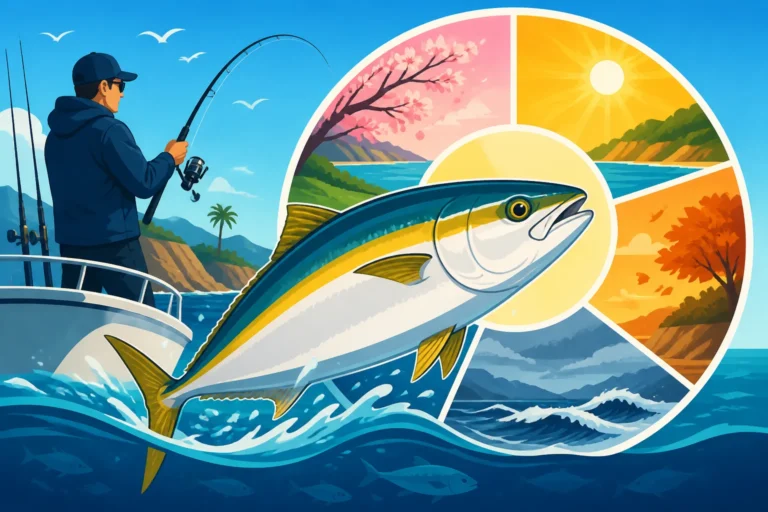
California's vast and varied climate means that "bass season" isn't a single, monolithic entity. The techniques that slay fish in spring might get you skunked in the dead of winter. Understanding how bass behave and where they move throughout the year is crucial for consistent success, no matter if you're chasing largemouth, smallmouth, or spots. This includes understanding the California Bass Spawn Timing and Tactics.
Spring: Pre-Spawn and Spawn Frenzy
Spring is arguably the most anticipated time for bass anglers in California. As water temperatures begin to rise (typically from 50 to 65 degrees Fahrenheit), bass move from their deeper wintering grounds to shallower areas, preparing to spawn. This pre-spawn period is characterized by aggressive feeding as fish gorge themselves to build energy for the rigors of spawning. This is when you can catch some of the biggest bass of the year. Look for bass on main lake points, secondary points, creek channel bends, and flats adjacent to deeper water. Lipless crankbaits, spinnerbaits, jerkbaits, and swimbaits are excellent for covering water and locating these active fish.
As the water temperatures continue to climb into the upper 50s and low 60s, bass move onto their beds to spawn. This is a very sensitive time, and while fish can be caught, ethical anglers often practice catch-and-release and minimize disturbance. During the spawn, bass are very territorial and will strike at anything perceived as a threat to their nest. Sight fishing with soft plastics (like Senkos or creature baits) or small jigs becomes very effective, as you can present the bait directly to a bedding fish. Remember to respect the fish and their crucial reproductive cycle during this time. The California Fishing in Spring offers some of the most exciting fishing of the year.
Summer: Deep Water and Early Morning Bites
Summer in California can be brutal, with high temperatures driving bass deep in many lakes and reservoirs. As surface water temperatures soar (into the 70s and 80s), bass seek cooler, more stable conditions. This means focusing on deeper structure: submerged humps, ledges, creek channels, roadbeds, and brush piles in 15-50 feet of water. Early mornings and late evenings, or overcast days, are often the best times for shallow bites with topwater lures, frogs, or shallow crankbaits before the sun gets high.
During the daytime, however, it's a deep-water game. Techniques like deep cranking, drop-shotting, Carolina rigging, and jigging spoons become paramount. Use your electronics to locate schools of baitfish and the bass feeding on them. Spotted bass, in particular, will often school tightly on deep points and humps during the summer. Pay attention to thermoclines, which are layers of water where the temperature changes rapidly, as bass will often suspend just above or within this comfort zone. Fishing jigs and heavy Texas rigs into deep brush piles or submerged trees can also yield big largemouths. Summer fishing often requires patience and precise bait presentation in deeper zones. The California Fishing in Summer article offers more detailed insights into warm-weather fishing.
Fall: Feeding Frenzy Before Winter
As the oppressive heat of summer breaks and water temperatures begin to cool (from the 70s down to the 60s and 50s), bass enter another aggressive feeding period – the fall "gorge." This is a fantastic time to be on the water. Bass, especially largemouths, are actively chasing baitfish as they school up and move into shallower coves and creek arms. The fish know winter is coming, and they need to pack on the calories.
Focus your efforts on main lake points, secondary points, and the backs of coves where baitfish are abundant. Reaction baits like crankbaits, spinnerbaits, jerkbaits, and swimbaits are incredibly effective for covering water and triggering strikes from actively feeding fish. Topwater can also be fantastic in the early morning. As the water cools further, bass might move to steeper banks, rock piles, or transition areas between shallow and deep water. It's often about finding the bait, and you'll find the bass close behind. Fall offers some of the most consistent and exciting fishing of the year across all bass species. For more on this, check out California Fishing in Fall.
Winter: Slow and Finesse Fishing
Winter bass fishing in California can be challenging, but it can also be incredibly rewarding if you adjust your tactics. As water temperatures drop into the 40s and low 50s, bass become much more lethargic, their metabolism slows down, and they rarely chase baits aggressively. They often congregate in deeper, stable water, such as main lake points, deep creek channels, bluff walls, and timber lines where they can find some thermal refuge.
The key to winter bass fishing is slowing down significantly. Finesse techniques dominate. Drop-shot rigs, Ned rigs, small jigs (both football and finesse jigs), and slow-rolled shaky head worms are your go-to presentations. Your retrieves should be painstakingly slow, with long pauses. Sometimes, just letting a bait sit motionless for 10-20 seconds is what it takes. Pay extreme attention to your line for the slightest twitch, as winter bites are often very subtle. Vertical presentations directly over suspected schools of fish, often located with sonar, can also be effective. While you might not catch as many fish as in spring or fall, the bass you do catch in winter are often larger, quality fish, making the effort worthwhile. Don't let the cold deter you from some great fishing during California Fishing in Winter.
Advanced Tips and Troubleshooting for Consistent Bass Success
Even with the right gear and techniques, bass fishing isn't always easy. There are days when the fish just don't seem to bite, and that's where advanced tactics and knowing how to troubleshoot come into play. It's about adapting, thinking critically, and using all the tools at your disposal.
Reading the Water and Interpreting Structure
One of the biggest differences between a novice and a seasoned bass angler is the ability to "read the water." This means observing everything around you and understanding how it relates to where bass might be. Look for visible signs of life: baitfish schooling on the surface, birds diving, or even the subtle ripple of a bass chasing prey. Pay attention to changes in water color, clarity, and temperature. A distinct "color line" where clear water meets stained water can be a fantastic ambush point.
Beyond visible signs, it's about interpreting structure. Any deviation from a uniform bottom is structure. This includes points, humps, ledges, creek channels, roadbeds, rock piles, brush piles, and submerged timber. Understanding how bass use these structures at different times of the year and under various conditions is paramount. For example, on a sunny summer day, bass will often be on the shaded side of a dock or deep on a ledge. On an overcast day, they might push up shallower. Every cast should be a conscious decision based on what you see, what your electronics tell you, and what you know about bass behavior. The more you practice this, the more intuitive it becomes, and the better you'll get at finding the best fishing spots in California.
The Role of Electronics: Sonar and GPS
In today's bass fishing world, marine electronics are no longer a luxury; they're a necessity, especially for finding and catching bass consistently in California's larger lakes and reservoirs. A quality fishfinder with side imaging and down imaging capabilities can literally show you the underwater world. You can spot submerged trees, rock piles, ledges, and most importantly, schools of baitfish and the bass lurking nearby. Brands like Humminbird and Lowrance offer cutting-edge technology that revolutionizes how you approach a body of water.
A GPS unit, often integrated into your fishfinder, allows you to mark waypoints for productive spots – that specific brush pile, that sweet spot on a point, or the school of bass you found. This allows you to return to those exact locations with precision. Understanding how to interpret your sonar screen – distinguishing between baitfish and larger fish, identifying bottom contours, and seeing how fish relate to structure – takes practice, but it's an investment in your angling success. Don't just look at the screen; learn what the different colors and shapes mean, and how to adjust your settings for optimal clarity. Mastering your electronics will significantly reduce your time spent fishing unproductive water.
Adapting to Changing Conditions
Bass fishing is rarely static. Weather changes, water levels fluctuate, boat pressure varies, and fish moods shift. The ability to adapt quickly to these changing conditions is what separates successful anglers from those who struggle. If your go-to technique isn't working, don't keep doing it! This is where having a diverse set of skills and a well-stocked tackle box comes in handy. If the bite slows on topwater, try a crankbait. If the crankbait isn't producing, try slowing down with a jig or a soft plastic.
Pay attention to subtle cues. Did the wind pick up? The bass might move to a more protected area or become more active with the chop. Did the water level drop? Bass might pull back from the shoreline. Is there a lot of boat traffic? Fish might be pushed deeper or into heavier cover. Sometimes, a simple color change, a lighter line, or a slower retrieve is all it takes to trigger bites again. Don't be afraid to experiment. The most consistent bass anglers are lifelong learners, constantly trying new things, observing, and adjusting their approach based on what the fish are telling them. This constant adaptation is the core of effective California bass fishing techniques.
Disclaimer
Always consult the latest California Department of Fish and Wildlife regulations before heading out to fish. Fishing rules, limits, and seasons can change, and it is the angler's responsibility to be aware of and comply with all current laws. This guide is for informational purposes only and should not replace official CDFW resources.