California Fishing in April: What to Catch
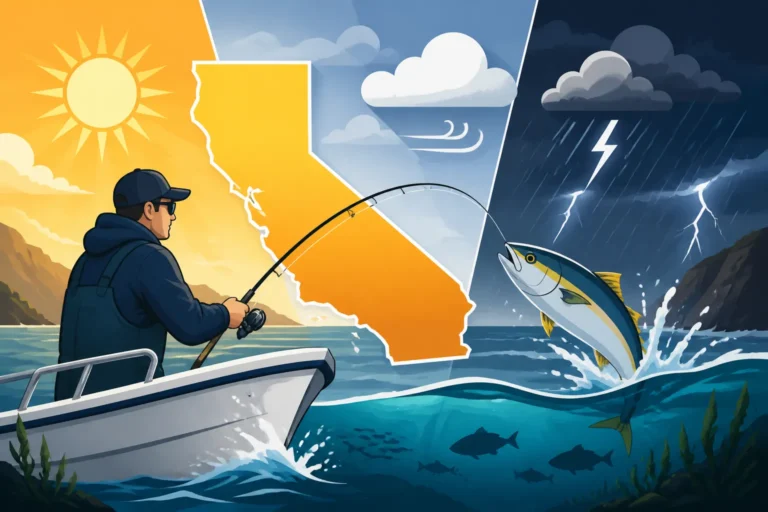
April can feel like a bit of a tease for California anglers, caught between the tail end of winter and the promise of summer. What's biting and where can be a real head-scratcher when the weather can swing from glorious sunshine to unexpected showers. This guide is here to cut through that uncertainty, giving you a clear picture of the prime fishing opportunities across California's diverse waters during April and how to make the most of them.
Why April is a Prime Fishing Month in California
There's a reason why so many anglers eagerly await April in California. It's that sweet spot when the weather starts to stabilize, water temperatures begin to rise consistently, and fish really shake off their winter lethargy. It’s not just a good month; it’s often one of the best for a wide variety of species, both freshwater and saltwater. The transition period creates a dynamic environment that, while sometimes unpredictable, generally favors the prepared angler with plenty of action.
Transition from Winter to Spring Patterns
As winter rains subside and longer daylight hours bring more warmth, California's aquatic ecosystems undergo a significant shift. For freshwater bodies, this means rivers and streams start to drop and clear from winter runoff, becoming more accessible and fishable. Lakes and reservoirs, which might have been stratified and cold, begin to warm up, particularly in the shallower coves and flats. This temperature change is a huge trigger for baitfish and insects, which in turn signals larger predatory fish to become more active and start feeding aggressively after a lean winter. It's a biological awakening, and if you know where to look, you can capitalize on this burst of energy.
Abundant Species Opportunities
One of the greatest joys of fishing in California during April is the sheer diversity of species you can target successfully. You’re not limited to just one or two types of fish. In the freshwater realm, trout stocking is in full swing, and resident populations are active. Bass, both largemouth and smallmouth, are moving into pre-spawn and spawning patterns, offering incredible topwater and shallow-water action. Even crappie and other panfish start schooling up, providing excellent family-friendly fishing. On the saltwater side, the rockfish season is often reopening in various management areas, bringing incredible opportunities for bottom fishing. Halibut and white seabass also begin their migratory push into shallower coastal waters, chasing bait. It’s truly a month where you could switch from lake fishing in the morning to ocean fishing in the afternoon, potentially landing a completely different species! Understanding the nuances of California Fishing Seasons: Month-by-Month Guide can help you plan your trips even more effectively.
Top Freshwater Species to Target in April
California's vast network of lakes, rivers, and reservoirs truly comes alive in April. The slightly warmer, more stable conditions kickstart activity for many popular freshwater species, making it an excellent time to hit your favorite local spots or explore new ones.
Trout in Rivers and Lakes
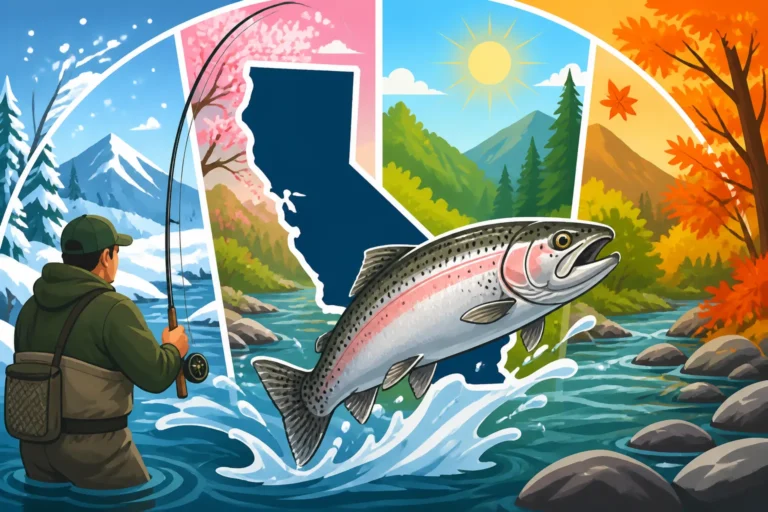
April is arguably one of the best months for trout fishing across California. The Department of Fish and Wildlife (CDFW) continues its robust stocking program, planting thousands of rainbow trout into lakes and streams statewide. This means freshly stocked fish are readily available, especially in popular destinations like the Eastern Sierra's Crowley Lake or the many accessible urban lakes. But it's not just about stocked fish; wild trout populations in rivers like the American River, Feather River, or tributaries of the Sacramento River become more aggressive as insect hatches increase.
When targeting trout in lakes during April, consider both bait and lures. PowerBait, Gulp! trout worms, and inflated nightcrawlers fished off the bottom with a light Carolina rig are highly effective, especially for freshly stocked fish. For more active, cruising trout, small spinners like Mepps or Panther Martins, or spoons like Thomas Buoyants, cast and retrieved along weed lines or drop-offs, can be deadly. Fly anglers will find success with nymph patterns like Prince Nymphs or Pheasant Tails, transitioning to emerger and dry fly patterns as midday hatches of caddis and mayflies occur. Remember to check the California Freshwater Fishing Regulations for specific rules on bag limits and tackle restrictions in your chosen area, as some waters have special regulations.
Bass on the Move
For bass anglers, April is a thrilling time as both largemouth and smallmouth bass transition into their pre-spawn and early spawn phases. This means they are actively feeding to build energy for spawning, and often moving into shallower, warmer waters, making them more accessible.
Largemouth Bass: In large reservoirs like Clear Lake, Lake Shasta, or Diamond Valley Lake, largemouth bass will be staging in coves, on points, and near submerged structure like brush piles and rock gardens. They’re often focused on feeding, and you can catch them on a variety of baits. Early in the month, lipless crankbaits, jerkbaits, and jigs can be excellent for targeting pre-spawn aggregations. As the water warms further, plastic worms (like Senkos or creature baits) fished Texas-rigged or Carolina-rigged become incredibly effective around bedding areas. Topwater action, especially in the mornings and evenings, can also start to pick up, particularly with buzzbaits or walking baits. If you're looking to learn more, our guide on How to Fish for Largemouth Bass in California has even more in-depth techniques.
Smallmouth Bass: You’ll find smallmouth in clearer, rockier lakes and rivers, such as Lake Shasta or parts of the Sacramento River. They also move shallow in April, often around rocky points, ledges, and transition zones. Tubes, grubs, and small crankbaits that mimic crawfish are highly effective for these aggressive fighters. Sometimes, simply fan-casting a small spinnerbait can bring explosive strikes.
Crappie and Panfish Action
Don't overlook the incredible opportunities for crappie and other panfish in April. As water temperatures climb into the 50s and 60s, crappie begin to school up tightly and move into shallow cover, particularly around submerged brush, docks, and weed beds, to spawn. This makes them relatively easy to locate and catch, and they’re fantastic eating!
To target crappie, light tackle is key. Small jigs (1/32 to 1/16 ounce) tipped with tiny plastic grubs, tubes, or even minnows are incredibly effective. You can fish them under a bobber, allowing them to suspend at the depth where crappie are holding, or slowly retrieved through brush. Lakes like Clear Lake, Lake Perris, and the California Delta are renowned for their crappie populations. Bluegill and other sunfish also become much more active, eagerly hitting small worms, crickets, or tiny pieces of PowerBait. This is fantastic fishing for families and beginners, requiring minimal gear. Just a simple spinning rod and some basic tackle, easily found on Amazon, can set you up for a fun day.
Exciting Saltwater Species to Pursue in April
While freshwater heats up, California's vast coastline and offshore waters also offer fantastic prospects in April. From the bottom-dwelling rockfish to the pelagic speedsters, there’s a wide array of options for the saltwater enthusiast.
Rockfish and Lingcod Reopening
For many coastal anglers, April marks the highly anticipated reopening of the recreational groundfish season (which includes rockfish and lingcod) in various management areas along the California coast. This can be a game-changer after winter closures! While specific regulations for California Rockfish Regulations and Limits can vary by year and region (Northern, Central, Southern), April generally means access to these delicious and plentiful species once again.
You'll typically find rockfish (like Vermilion, Bocaccio, Canary, and Copper rockfish) and lingcod inhabiting rocky reefs, pinnacles, and kelp beds at depths ranging from 50 to 300 feet. Heavy bottom fishing gear is usually required, consisting of sturdy rods with conventional reels spooled with braided line. Popular techniques include using a two-hook dropper loop rig with heavy sinkers, baited with squid, anchovies, or sardines. Artificial lures like large leadhead jigs (often referred to as "rockfish jigs" or "iron") or swimbaits can also be incredibly effective, especially for lingcod. Many anglers head out on sportfishing charters from ports like San Diego, Long Beach, or Monterey to access the best spots, often fishing multiple drifts over productive structure.
Halibut and White Seabass
April is a prime month for these two highly prized, often elusive, and exceptionally good-eating saltwater species. Both California halibut and white seabass begin to move into shallower, nearshore waters during spring, following schools of baitfish.
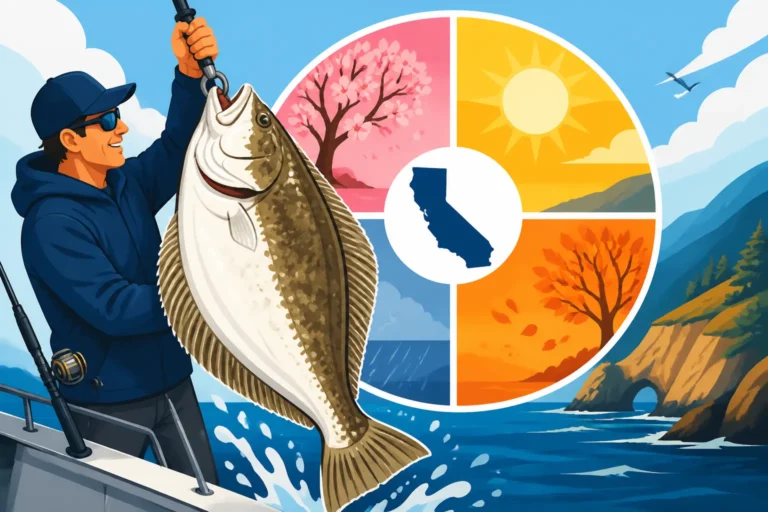
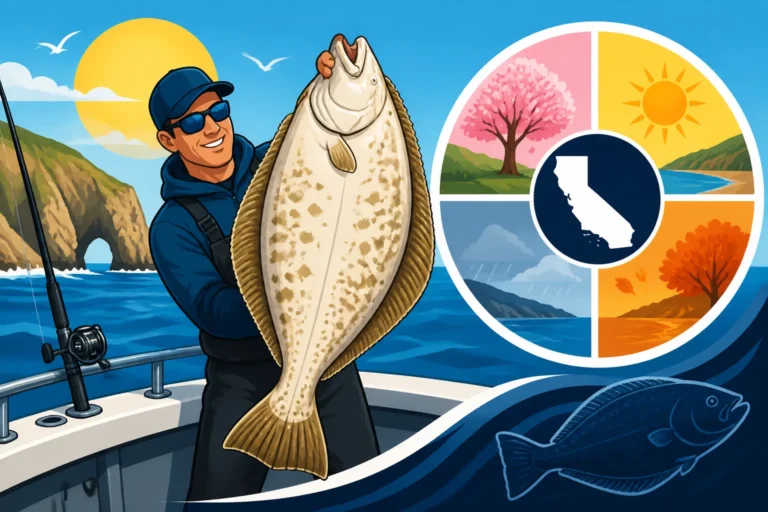
California Halibut: These flatfish are masters of camouflage, burying themselves in sandy or muddy bottoms, waiting to ambush prey. In April, they can be found in bays, estuaries, and along sandy beaches from Southern California up through Central California. Popular spots include San Diego Bay, Santa Monica Bay, and the vast San Francisco Bay. Live bait, particularly anchovies, sardines, or mackerel, drifted or slow-trolled close to the bottom, is often the most effective method. Artificial lures, such as swimbaits or grub-tailed jigs tipped with scent, can also work, especially when fished patiently along depth contours or channel edges. Understanding California Halibut Regulations and Limits is crucial, as size and bag limits are strictly enforced.
White Seabass: Often called "ghosts of the kelp," white seabass are powerful fighters and highly sought after. They typically follow squid and mackerel schools into coastal areas and kelp forests in April, particularly in Southern California. Night fishing for them with live squid is a classic and very productive technique, especially around Catalina Island or the Channel Islands. During the day, slow-trolling or drifting live mackerel or sardines around kelp beds and structure can also entice strikes. They require specialized gear, including sensitive rods and reels capable of handling strong runs, and often the use of fluorocarbon leaders to fool these wary fish.
Offshore Opportunities for Tuna and Yellowtail
While the peak offshore tuna season is typically later in the summer and fall, April can offer tantalizing early-season opportunities, especially for yellowtail and sometimes even bluefin tuna, particularly in Southern California waters. These opportunities are highly dependent on water temperature, bait availability, and ocean currents.
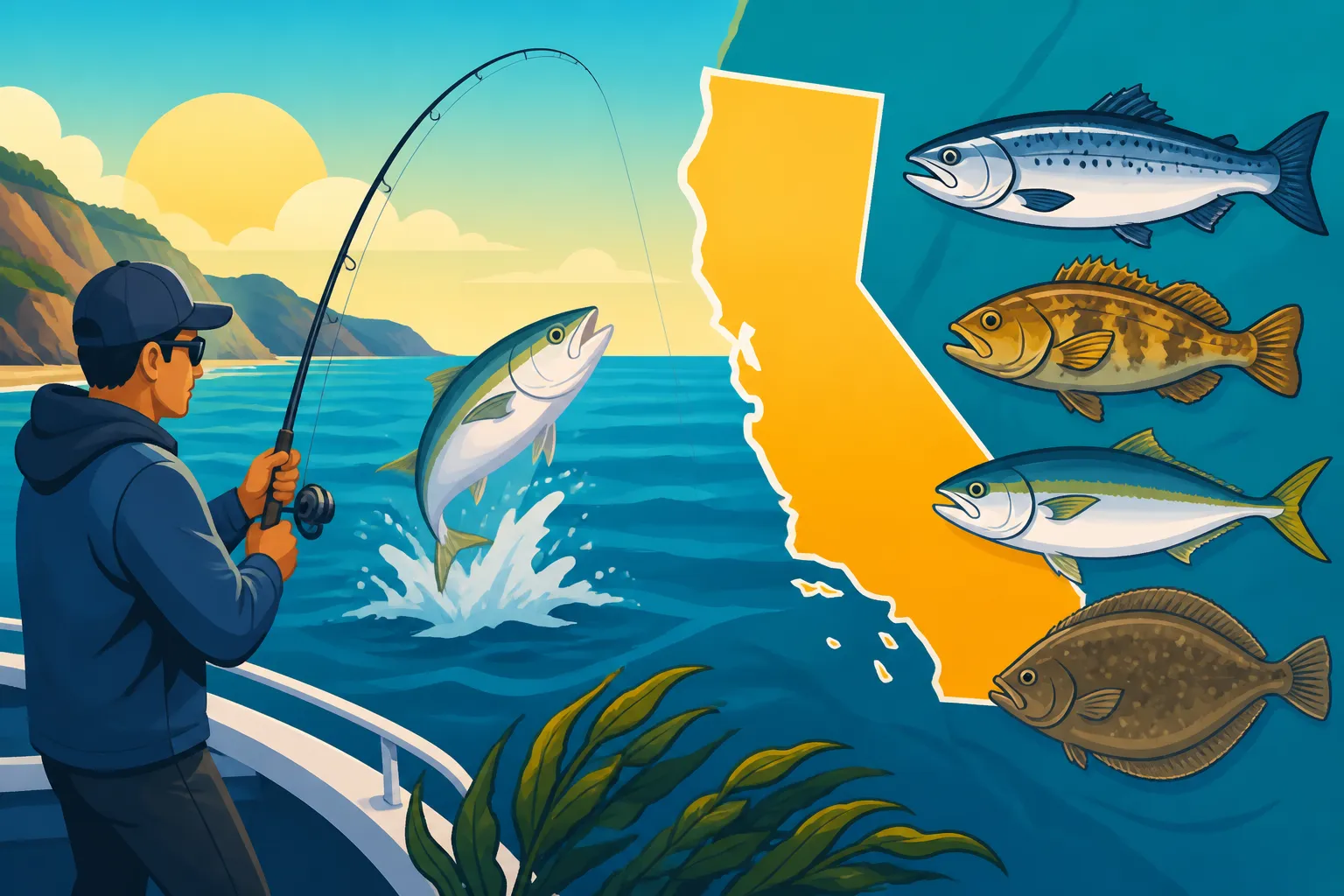
Yellowtail: Often the first offshore pelagic species to show up consistently in spring, yellowtail are known for their ferocious fights. They can be found around offshore islands (like Catalina and San Clemente), submerged banks, and kelp paddies. Live bait, such as sardines or mackerel, is king when targeting yellowtail. Fly-lining a live bait into a breaking school or slow-trolling it can be incredibly effective. Surface iron (jigs) or yo-yo jigs are also popular for casting to boiling fish or working deeper structure. Many sportfishing boats in San Diego and Orange County start running trips specifically for yellowtail in April.
Bluefin Tuna: While less common than yellowtail in April, warmer ocean currents can sometimes push bluefin tuna into range, especially in the latter half of the month. These are typically smaller "schoolie" bluefin, but even a 20-pound bluefin offers an incredible fight. Often, they are found on sonar marks, and anglers will cast small jigs or heavy-gauge live bait hooks with sardines or anchovies. Keep a close eye on the California Fishing Report Cards Explained as these pelagic species are subject to specific reporting requirements.
Essential Gear and Tactics for April Fishing
Having the right gear and understanding the best tactics can make all the difference in your April fishing success. The variable conditions of spring mean you need to be prepared for a range of scenarios.
Freshwater Gear Recommendations
For freshwater fishing in April, versatility is key. You'll likely encounter a mix of conditions, from cool mornings to warm afternoons.
- Rods and Reels: A medium-light to medium-action spinning rod (6'6" to 7' long) paired with a 2500-3000 series spinning reel is a great all-around setup. It's light enough for trout and panfish but has enough backbone for bass. If you're specifically targeting larger bass, a medium-heavy baitcasting setup might be more appropriate. You can find excellent combo deals on Amazon that are perfect for getting started without breaking the bank.
- Line: Spool your spinning reel with 6-8 pound monofilament or fluorocarbon line for trout and crappie, or 10-15 pound braided line with a fluorocarbon leader for bass to maximize sensitivity and strength.
- Baits and Lures:
- Trout: PowerBait, salmon eggs, nightcrawlers, small spinners (e.g., Rooster Tails, Kastmasters), spoons, and trout jigs.
- Bass: Plastic worms (Senkos, creature baits), jigs, crankbaits, jerkbaits, and spinnerbaits. Keep a few topwater lures handy for those warmer afternoons.
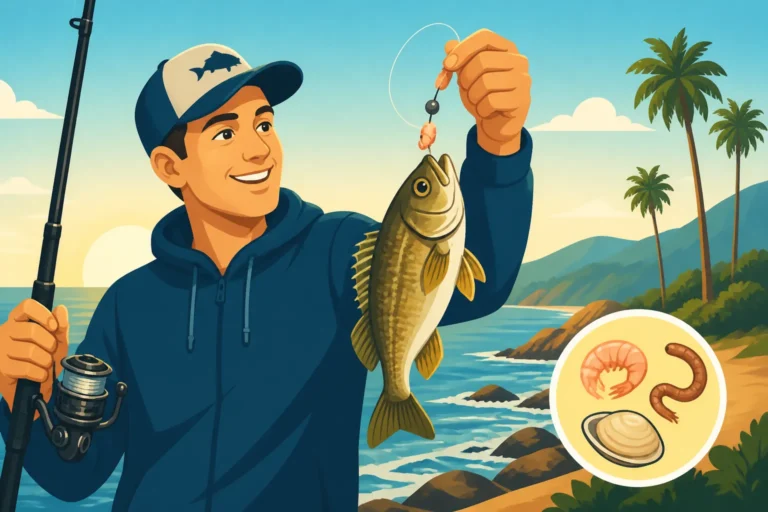
- Crappie/Panfish: Small jigs (1/32 to 1/16 oz) with tiny plastic tubes or grubs, live minnows, wax worms, or mealworms.
- Terminal Tackle: A variety of hooks (sizes 6-12 for trout/panfish, 1/0-3/0 for bass), sinkers (split shot, bullet weights, egg sinkers), swivels, and bobbers.
Saltwater Gear Essentials
Saltwater fishing in April often requires more robust gear, especially if you’re targeting larger species like lingcod, halibut, or yellowtail.
- Rods and Reels:
- Rockfish/Lingcod: A stout conventional rod (7-8 feet, rated for 30-50 lb line) with a lever-drag or star-drag reel (like a Penn Fathom or a Daiwa Saltist) spooled with 50-80 lb braided line. This setup allows you to fish heavy sinkers and pull big fish from structure.
- Halibut/White Seabass: A medium-heavy conventional or spinning rod (7-8 feet) with a reel spooled with 30-50 lb braided line, often with a fluorocarbon leader (20-40 lb test) for stealth.
- Yellowtail/Tuna (early season): A medium-heavy to heavy conventional or spinning setup (7-8 feet) with a high-capacity reel spooled with 40-60 lb braided line and a matching fluorocarbon leader.
- Baits and Lures:
- Rockfish/Lingcod: Squid, anchovies, sardines, large leadhead jigs, and paddle-tail swimbaits.
- Halibut/White Seabass: Live anchovies, sardines, mackerel, or squid are highly preferred. Large swimbaits can also be effective.
- Yellowtail: Live sardines, mackerel, or anchovies; surface iron jigs (e.g., Salas 7X or Tady 45), and yo-yo jigs.
- Terminal Tackle: Heavy-duty hooks (circle hooks are often mandatory for groundfish, check regulations), large swivels, and heavy sinkers (4-16 oz depending on depth and current). A good pair of fishing pliers and a fish gripper are also invaluable.
Reading the Conditions
April weather in California can be a mixed bag, and understanding how conditions impact fish behavior is crucial.
- Water Temperature: This is perhaps the most critical factor. As water temps climb into the ideal range for a species, they become more active. Use a thermometer if possible, especially in lakes and bays.
- Tides and Currents: For saltwater fishing, paying close attention to tide charts is paramount. Moving water, particularly around tide changes, often triggers feeding frenzies for species like halibut and striped bass. Strong currents can also dictate how heavy your sinkers need to be. Our guide on Best Tides for California Halibut provides excellent specific information on this.
- Weather Patterns: A warming trend after a cold snap can turn fishing on. Conversely, a sudden cold front or strong winds can shut down a bite. Sunny, calm days are generally preferred, but don't discount overcast conditions, which can sometimes make fish less wary. Pay attention to fronts and pressure changes.
- Bait Presence: Always look for signs of baitfish, whether it's nervous water, birds diving, or baitballs on your fish finder. Fish are always where the food is.
Here's a quick reference for some top species in April:
| Species | Typical Location (April) | Primary Methods (April) | Best Time (General) |
|---|---|---|---|
| Rainbow Trout | Stocked lakes, mountain streams, reservoirs | PowerBait, worms, spinners, fly fishing (nymphs) | Early morning, late afternoon |
| Largemouth Bass | Shallow coves, points, weed lines (lakes, reservoirs) | Plastic worms, jigs, crankbaits, jerkbaits | All day, best in morning/evening |
| Smallmouth Bass | Rocky banks, points, ledges (clear lakes, rivers) | Tubes, grubs, small crankbaits | Mid-day to late afternoon |
| Crappie | Submerged brush, docks, weed beds (lakes, reservoirs) | Small jigs, minnows under bobber | Early morning, evening |
| Rockfish | Rocky reefs, pinnacles, kelp beds (coastal ocean) | Baited dropper loops (squid, anchovies), jigs | Slack tide, moving water |
| Lingcod | Rocky structure, reefs (coastal ocean) | Large swimbaits, jigs, live bait, baited rigs | Slack tide, moving water |
| California Halibut | Sandy bottoms, bays, estuaries, nearshore beaches | Live anchovies/sardines (drifted/trolled), swimbaits | Moving tide, especially outgoing |
| White Seabass | Kelp beds, offshore banks, structure (Southern CA coast) | Live squid (night), live mackerel/sardines | Evening, night for squid, day for live bait |
| Yellowtail | Offshore islands, banks, kelp paddies (Southern CA) | Live sardines/mackerel, surface iron, yo-yo jigs | Early morning, late afternoon, mid-day if biting |
Remember, local conditions can vary wildly, so always consult recent California Fishing Reports and bait shop updates before heading out. Sometimes, simply talking to other anglers at the ramp can give you the intel you need.
Disclaimer
Fishing conditions and regulations in California can change frequently. Always consult the latest California Department of Fish and Wildlife (CDFW) regulations booklet or their website before any fishing trip to ensure compliance with current rules, bag limits, and seasons. This guide is for informational purposes only and does not supersede official regulations.