California Bait Fishing for Beginners
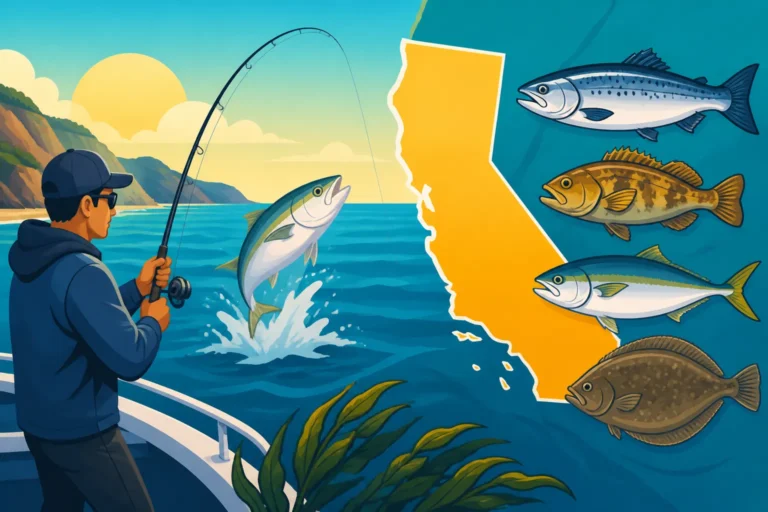
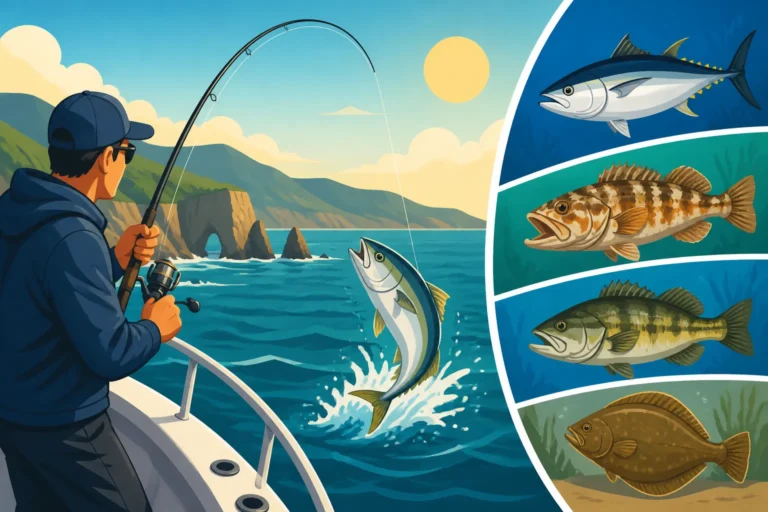
Starting your fishing journey in California can feel like diving into the deep end of the Pacific Ocean – exciting, but maybe a little overwhelming with all the gear, techniques, and regulations to consider. If you're a new angler looking for a simple, effective way to get your line wet and experience the thrill of a bite, bait fishing is absolutely your golden ticket. This guide is all about simplifying the process, giving you the confidence and practical know-how to successfully bait fish in California's incredibly diverse waters, whether you're chasing trout in a mountain stream or perch off a bustling pier.
Why Bait Fishing is a Great Starting Point for California Anglers
Let's be real, when you're just starting out, the sheer volume of information, gear, and techniques in fishing can be a lot. You see experienced anglers with their fancy lures and elaborate setups, and it's easy to feel intimidated. But bait fishing cuts through all that complexity, offering a direct, intuitive, and often incredibly effective way to catch fish. It’s the foundational skill every angler should master.
Accessibility and Ease of Entry
One of the biggest hurdles for new hobbyists is often the initial investment in time and money. Bait fishing dramatically lowers this barrier. You don't need a boatload of specialized, expensive tackle to get started. A basic rod and reel combo, a handful of hooks, sinkers, and some readily available bait are truly all you need for your first outing.
Think about it: instead of trying to perfectly mimic a fish's prey with an artificial lure, you're offering them something genuinely natural and appealing – a worm, a piece of shrimp, or a power pellet. This simplicity means you can focus more on the joy of being outdoors and less on mastering complex casting or retrieval techniques right away. It's the perfect way to build confidence before exploring more advanced methods.
Moreover, bait fishing is incredibly forgiving. If your cast isn't perfect or your retrieval isn't textbook, the natural scent and appeal of the bait still do a lot of the work for you. This makes it ideal for families and children, providing almost instant gratification that encourages continued participation. There's nothing quite like the excitement of a bobber disappearing under the water to hook a new generation on the sport.
Versatility Across Species and Waters
California's fishing landscape is incredibly varied, from high-alpine lakes to bustling ocean piers, and bait fishing truly shines in its versatility across all these environments and for countless species. Whether you're targeting panfish in a local pond, catfish in the Delta, or surf perch on a sandy beach, there's almost always a natural bait that will entice them.
This means you don't have to overhaul your entire tackle box just because you decide to try a different type of water or chase a different fish. A simple container of worms can be effective for trout in a stream, bass in a lake, or even some smaller saltwater species when fishing from a pier. It allows you to experiment with different locations and target species without a huge learning curve for each new scenario.
For example, a trip to a local reservoir might see you using nightcrawlers for bass or PowerBait for stocked trout, while a quick drive to the coast could have you soaking cut squid for halibut or croaker. This adaptability makes bait fishing an invaluable skill, ensuring you're rarely without an effective method, no matter where your California fishing adventures take you. The key is knowing which bait works best for which fish in which habitat, which we'll dive into shortly.
The Joy of Simplicity and Connection
In our fast-paced world, fishing often offers a much-needed escape, a chance to slow down and reconnect with nature. Bait fishing embodies this spirit of simplicity like no other technique. There's a profound satisfaction in the quiet patience of watching a line, waiting for that subtle tug or dancing bobber, knowing that your offering is a natural part of the ecosystem.
It’s about understanding the subtle cues of the water, feeling the current, and observing the environment around you. You learn to appreciate the rhythm of the tides, the changing light, and the sounds of wildlife. It's less about high-tech gadgets and more about instinct and observation. This elemental approach fosters a deeper connection to the outdoors, away from the distractions of daily life.
Many seasoned anglers often return to bait fishing, even after mastering more complex techniques, precisely because of this understated charm. It’s a reminder that at its heart, fishing is about anticipating, connecting, and appreciating the simple interaction between angler, bait, and fish. It provides a peaceful, meditative experience that's often hard to find elsewhere.
Essential Bait Fishing Gear for Beginners
Getting set up for bait fishing doesn't require a second mortgage. In fact, you can find a lot of great starter gear without breaking the bank. The key is to get reliable, versatile equipment that can handle a variety of situations you'll encounter across California. Remember, you can always upgrade later, but for now, focus on functional basics.
Rod, Reel, and Line Basics
For a beginner, a spinning combo is almost universally recommended. It's incredibly easy to use, forgiving with casting errors, and versatile enough for most freshwater and light saltwater applications.
- Rod: Look for a medium-light to medium power spinning rod, typically between 6'6" and 7'6" in length. This range offers a good balance of casting distance, sensitivity to feel bites, and enough backbone to handle most common species you'll encounter, from trout to smaller bass or even surf perch. A two-piece rod is often convenient for transport and storage.
- Reel: Pair your rod with a matching spinning reel in the 2000-3000 size range. These reels are well-suited for the rod sizes mentioned and offer a good line capacity without being overly bulky. Make sure it has a smooth drag system, which is crucial for fighting fish and preventing line breaks. Brands like Shimano, Daiwa, and Penn offer excellent entry-level spinning combos that are durable and user-friendly. You can often find decent beginner combos on Amazon that will get you started without a fuss.
- Line: For most general bait fishing, a monofilament line in the 6-12 pound test range is perfect. Monofilament is inexpensive, easy to tie knots with, and has a bit of stretch, which acts as a shock absorber when a fish strikes. For clearer waters or more line-shy fish, you might consider fluorocarbon leaders, which are less visible underwater, but start with good old mono.
Terminal Tackle You'll Need
Terminal tackle refers to all the bits and pieces at the "business end" of your fishing line. This is where your bait is presented, and having a small assortment will prepare you for various situations.
- Hooks: You'll need an assortment of sizes. For freshwater panfish or trout, small baitholder hooks (size 8-12) are ideal. For larger freshwater species like bass or catfish, or for most saltwater fishing, size 1/0 to 4/0 circle hooks or J-hooks are standard. Circle hooks are fantastic for beginners as they often lead to fish being hooked in the corner of the mouth, making for easier release and less harm to the fish.
- Sinkers/Weights: These get your bait down to where the fish are. A variety of split-shot weights (for lighter presentations), egg sinkers (for bottom fishing), and pyramid or disc sinkers (for surf fishing) will cover most scenarios. Start with a small selection, like 1/4 oz, 1/2 oz, and 1 oz.
- Swivels: Barrel swivels or snap swivels (size 10-12) prevent your line from twisting, especially when fishing with baits that spin or in currents. Snap swivels also make it easy to change out your weights or rigs quickly.
- Bobbers/Floats: These are essential for float fishing. Slip bobbers are more versatile as they allow you to fish at any depth, while fixed bobbers are great for shallower water or beginners learning to cast. They signal a bite visually, which is incredibly exciting.
- Leaders: While not always strictly terminal tackle, pre-tied leaders can be a lifesaver. These are typically made of fluorocarbon or monofilament and prevent your main line from being cut by toothy fish or abraded on structure. They also provide a less visible connection to your hook.
Must-Have Accessories
Beyond the basics, a few accessories will make your bait fishing experience much more enjoyable and efficient.
- Pliers/Forceps: Essential for removing hooks from fish, cutting line, and bending wires. A good pair of multi-tool fishing pliers with a line cutter is invaluable.
- Line Clippers: While pliers can cut line, dedicated line clippers (or even a pair of nail clippers) are often quicker and more precise.
- Tackle Box/Bag: A small, organized tackle box or a convenient fishing bag will keep all your hooks, weights, and accessories tidy and easily accessible. You can find many affordable options on Amazon.
- Measuring Tape/Scale: To ensure you adhere to California Fishing Bag and Size Limits, a measuring tape is a must. A small digital scale can be fun for weighing your catches (if allowed to keep).
- Net: A landing net, especially a rubberized one, helps you safely land fish and reduces stress on the fish if you plan to release it.
- Cooler: For keeping bait fresh, storing your catch, or just packing snacks and drinks for a long day out.
- Sun Protection: Don't forget a hat, sunglasses, and sunscreen! California sun can be brutal.
- First-Aid Kit: Small cuts and scrapes happen; it’s always wise to be prepared.
Common Baits and Where to Use Them in California
Choosing the right bait is half the battle in successful fishing. Different species in different environments are attracted to different things. Understanding these preferences will significantly increase your chances of catching fish.
Natural Baits for Freshwater Success
California’s freshwater scene is vibrant, from mountain trout streams to expansive bass lakes. Here are some go-to natural baits:
- Worms (Nightcrawlers, Red Worms): These are the universal bait, effective for almost any freshwater species that swims. Trout, bass, catfish, bluegill, and crappie all gobble up worms. Nightcrawlers are great for larger fish or when you want a bigger presentation, while red worms are perfect for smaller panfish. You can fish them on a simple hook-and-sinker rig, under a bobber, or even threaded onto a jig head. They're readily available at bait shops and even many grocery stores.
- PowerBait (Trout Bait): This is a synthetic, moldable bait specifically designed for stocked trout. It floats, allowing you to present it just off the bottom, which is often where newly stocked trout feed. Comes in various colors and scents, with "marshmallow" or "garlic" scents being popular. It's not as effective for wild trout but is a game-changer for planted fish in lakes and rivers.
- Corn: Believe it or not, canned corn is a fantastic bait for panfish (like bluegill and crappie) and smaller trout, especially in clear waters where they might be attracted to its bright color. Fish it on a small hook under a bobber. It's inexpensive and easy to find, but remember to check local regulations, as some areas might prohibit its use.
- Minnows/Shiners: Live minnows are excellent for larger predatory freshwater fish like bass, striped bass, and catfish. They can be rigged through the lip or back and fished under a bobber or on a weighted bottom rig. Always ensure you are allowed to use live bait in your chosen body of water and that the minnows are legal to transport and use.
- Crawfish: Found naturally in many California freshwater systems, live or dead crawfish are irresistible to big bass, especially smallmouth, and also catfish and even sturgeon in certain areas. They can be fished on the bottom with a weighted rig.
Best Baits for California Saltwater Species
California’s coastline offers incredible saltwater fishing opportunities, from the surf to deep-sea structures.
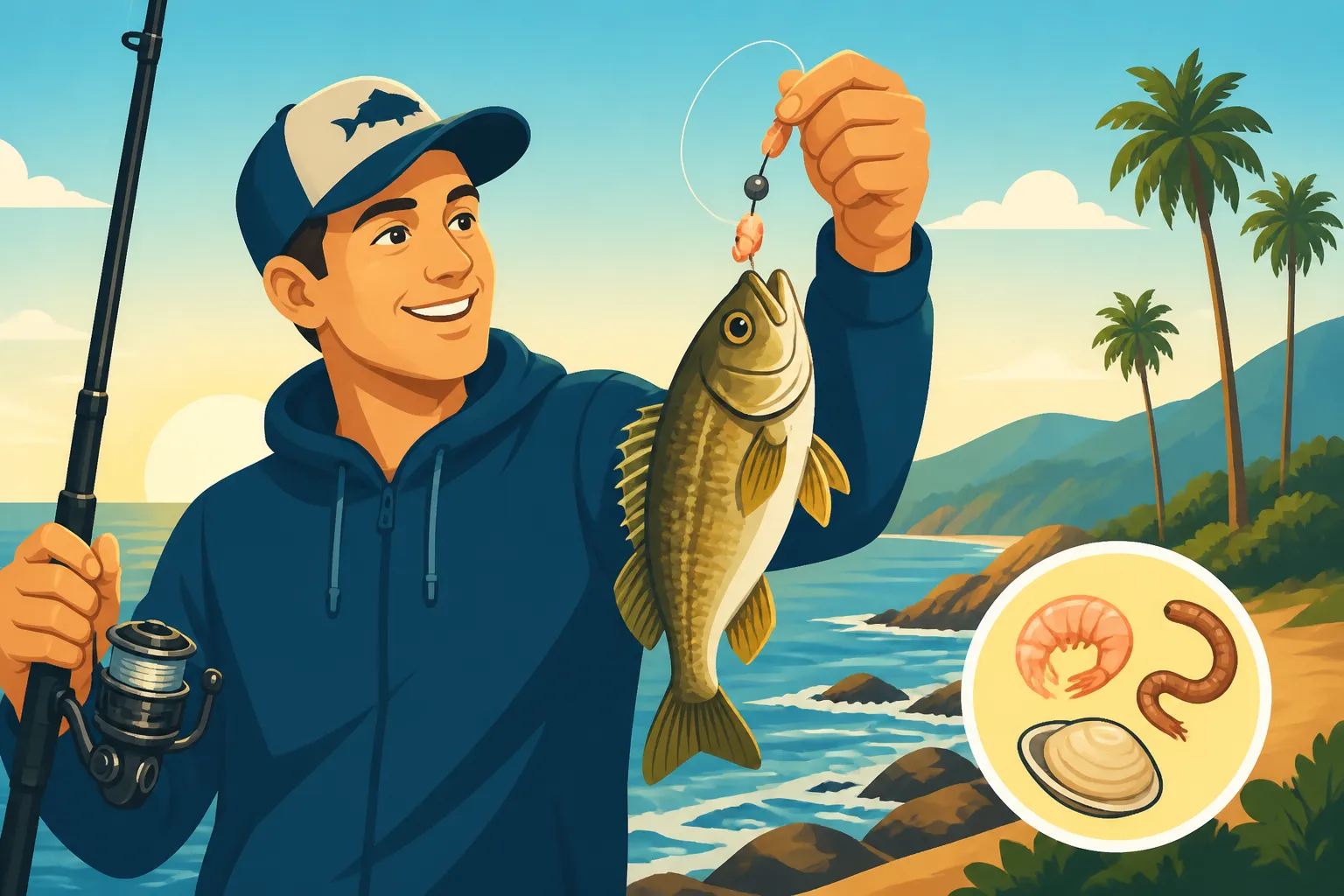
- Shrimp: Both live and dead shrimp are phenomenal baits for a vast array of saltwater species. Live ghost shrimp are often dug from the sand and are dynamite for surf perch and corbina along the beaches. Dead market shrimp (peeled or unpeeled) works wonders for virtually anything that swims near piers, jetties, or in bays, including croaker, halibut, and even smaller rockfish.
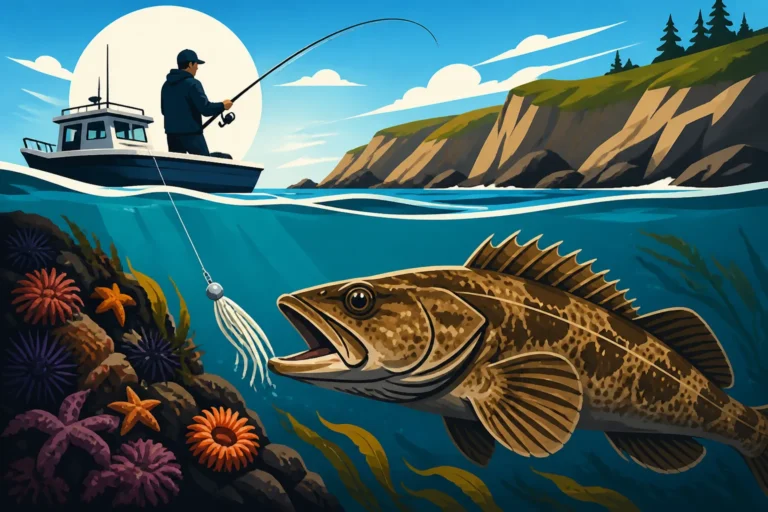
- Squid: This is another universal saltwater bait. Strips of market squid are tough, stay on the hook well, and attract everything from bottom-dwelling rockfish and lingcod to halibut, white seabass, and even some pelagic species. It's particularly effective for bottom fishing rigs. You can buy it frozen at most tackle shops and many grocery stores.
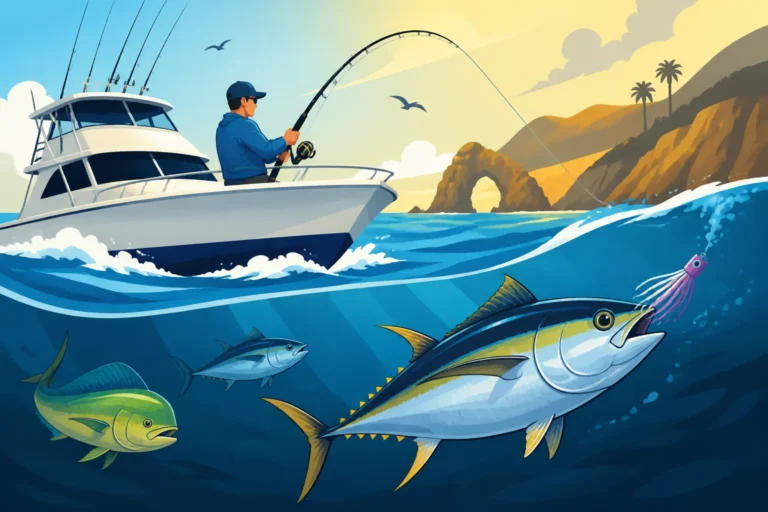
- Anchovies/Sardines: These oily baitfish are staples for many predatory saltwater species. Live anchovies are the go-to for yellowtail, barracuda, and bonito when fished on a party boat or private charter. Cut pieces of fresh dead anchovies or sardines are excellent for surf fishing (for halibut, striped bass, and sharks) or bottom fishing offshore for rockfish.
- Mussels/Clams: Found along rocky shores and piers, these bivalves are natural food sources for many inshore species. Cracked open and put on a hook, they can tempt perch, croaker, and even some smaller rockfish.
- Crabs (Sand Crabs, Fiddler Crabs): Sand crabs are dug directly from the surf line and are the absolute best bait for corbina and spotfin croaker in the surf. Fiddler crabs can be effective for various species in rocky areas.
The Art of Presenting Your Bait
It’s not just about what bait you use, but how you present it. A natural presentation makes all the difference.
- Keep it Natural: Avoid using hooks that are too large for your bait, or excessive weights that make your bait look unnatural. The goal is for the bait to drift or settle as it would naturally. When fishing with worms, try to thread them on the hook so they retain some lively movement. For cut bait, make sure the piece is proportionate to your target species.
- Don't Over-handle: Fish have an incredible sense of smell. Try to minimize touching your bait with bare hands, especially after handling things like sunscreen or bug spray. This is where small bait towels or even gloves can come in handy.
- Freshness Matters: Always use the freshest bait possible. Dead bait should be kept cold and not allowed to spoil. Live bait should be kept lively in aerated bait tanks or buckets. A lively bait moves naturally and releases fresh scent, both of which are irresistible to fish.
- Consider the Current/Wind: Your presentation needs to account for environmental factors. In strong currents, you might need more weight to keep your bait in the strike zone. In calm conditions, a lighter weight or no weight at all might allow for a more natural drift.
Beginner-Friendly Bait Fishing Techniques
Now that you've got your gear and your bait, let's talk about how to actually get that bait in front of a fish. These techniques are simple, effective, and perfect for getting started on your California fishing adventures.
Simple Bottom Fishing Rigs
Bottom fishing is perhaps the most straightforward and widely applicable bait fishing technique, perfect for beginners in both freshwater and saltwater. It simply involves getting your bait down to the bottom where many fish feed.
- Carolina Rig: This is a classic. Thread an egg sinker onto your main line, followed by a bead (to protect the knot from the sinker), and then tie on a swivel. To the other end of the swivel, tie a leader (typically 12-24 inches of fluorocarbon or monofilament) and then your hook. The beauty of the Carolina rig is that the fish can pick up the bait and run with it for a bit without feeling the weight of the sinker, making it a very natural presentation. It’s fantastic for bass, catfish, and in saltwater, it's dynamite for halibut, leopard sharks, and many bottom-dwelling rockfish. Cast it out, let it sink to the bottom, and retrieve slowly with occasional pauses, or simply let it sit.
- Fish Finder Rig: Very similar to the Carolina rig but uses a "fish finder slide" (a plastic sleeve that allows your sinker to slide freely on the main line) instead of a fixed egg sinker. This rig is exceptionally popular for surf fishing for species like striped bass or croaker, as well as for targeting sturgeon in the Delta. The free-sliding sinker allows the fish to take the bait without immediate resistance from the weight, making them less likely to drop the bait. You’ll typically use a pyramid sinker for surf conditions to hold bottom.
- High-Low Rig (Paternoster Rig): This rig is brilliant for maximizing your chances, especially from piers or boats, as it allows you to present two baits at different depths off the bottom. It typically consists of a sinker at the very bottom, and then two snelled hooks tied a foot or two above, often with dropper loops. This increases your chances of a bite and allows you to experiment with different baits or depths simultaneously. It's a go-to for catching multiple perch, mackerel, or even smaller rockfish from structures.
Effective Float Fishing Methods
Float fishing, often called bobber fishing, is a visually exciting and effective method, particularly good for beginners because the bobber acts as a clear indicator of a bite. It keeps your bait suspended at a predetermined depth.
- Fixed Bobber: This is the simplest setup. You attach a bobber to your line at a fixed point, usually with a spring clip. Below the bobber, you'll attach a small split shot weight (to help your bait sink and cock the bobber) and then your hook with bait. This is perfect for fishing in shallower waters (typically less than 6-8 feet deep) where you can easily reach the bottom with your bait. It’s ideal for panfish, small trout, and carp in ponds and slow-moving streams. The moment that bobber dips or darts away, you know you've got action!
- Slip Bobber: For deeper water, a slip bobber is incredibly versatile. It has a hole through the center, allowing your line to "slip" through it. You tie a small "bobber stop" knot (a special knot or small rubber bead that slides on your line) above the bobber to set your desired fishing depth. When you cast, the bobber slides down to your weight, making for a compact cast. Once it hits the water, the weight pulls the line through the bobber until it reaches the bobber stop, suspending your bait at the precise depth you’ve chosen. This is excellent for targeting suspended fish in lakes and reservoirs, like trout or crappie, and provides much more control over depth than a fixed bobber. You can adjust the depth easily by sliding the bobber stop up or down your line.
Fishing with Live Baits
Using live bait introduces an extra layer of allure for fish. The natural movement and scent are often irresistible. While it requires a bit more care, it can be incredibly rewarding.
- Rigging Live Bait: The way you hook live bait depends on the type of bait and your target. For live minnows or anchovies, you can carefully hook them through the lips (to allow them to swim naturally) or lightly through the back (avoiding the spine) for a more lively presentation. For worms, threading them onto the hook so that a good portion wiggles freely is key. Shrimp can be hooked through the tail, allowing them to kick naturally.
- Keeping Bait Lively: This is crucial. For live minnows or anchovies, you'll need an aerated bait bucket or a livewell if you're on a boat. Keeping the water cool and oxygenated prevents stress and keeps the bait active. For worms, keep them in a worm box with bedding and out of direct sunlight. Fresh, lively bait is much more effective than sluggish or dead bait.
- Matching Bait Size to Hook Size: Don't use a hook that's too big for your live bait, as it will inhibit its natural movement and make it look unnatural. Conversely, a hook too small might not properly secure the bait or effectively hook a larger fish. A good rule of thumb is to use the smallest hook possible that can still effectively hold your bait and handle your target species.
- Slow Presentation: Live bait often works best with a slow, natural presentation. Cast it out, let it swim or drift naturally, and be patient. Sometimes, a subtle twitch of the rod tip is all it takes to make your live bait more enticing. This is where a light action rod can really shine, allowing the bait to impart its own movement.
Practical Tips for Your First California Bait Fishing Trip
You're almost ready to hit the water! Before you go, a few practical tips will ensure your first bait fishing trip in California is safe, legal, and most importantly, fun.
Understanding Regulations and Licensing
This is paramount. California has some of the most comprehensive and complex fishing regulations in the country, and ignorance is no excuse.
- Get Your License: With very few exceptions (like California Free Fishing Days or certain public piers where a license is not required), you need a valid California Fishing License Guide to fish in California. You can purchase one online through the California Department of Fish and Wildlife (CDFW) website or at licensed vendors like tackle shops and sporting goods stores (e.g., at Big 5 Sporting Goods or some Walmart locations). Make sure you understand the California Fishing License Cost and options available, such as short-term licenses for visitors or a full-year resident license.
- Check Regulations: Before every trip, check the current CDFW regulations booklet or their online resources. These regulations cover everything from species-specific bag and size limits (e.g., California Trout Limits and Regulations, California Halibut Size and Bag Limits), to seasonal closures (like California Salmon Season Dates), gear restrictions, and even specific rules for different bodies of water. For freshwater, familiarize yourself with California Freshwater Fishing Regulations; for saltwater, consult the California Saltwater Fishing Regulations.
- Report Cards: If you plan to target certain species like Steelhead, Sturgeon, or Salmon, you'll need a specific report card in addition to your fishing license. These are crucial for conservation efforts. Learn more about California Fishing Report Cards Explained.
- Marine Protected Areas (MPAs): California has a network of MPAs where fishing may be restricted or entirely prohibited. Always know if your chosen spot is within an MPA and what the rules are.
Choosing Your Fishing Spot
California offers an incredible array of fishing spots, so pick one that matches your skill level and target species.
- Piers and Jetties: For beginners, saltwater piers are fantastic. Often, you don't need a license to fish from public piers (though exceptions apply, so always double-check California Pier Fishing License Rules). They offer easy access, often have restrooms and bait shops nearby, and you can catch a variety of species like mackerel, perch, croaker, and even halibut. Check out our guide to the Best Fishing Piers in California.
- Lakes and Reservoirs: Many lakes and reservoirs across the state are regularly stocked with trout, making them excellent spots for bait fishing, especially with PowerBait or worms. Look for designated public access points. For bass, try warmer lakes with plenty of structure.
- Rivers and Streams: For a more serene experience, many rivers and streams are home to various trout species. Look for easily accessible stretches with clear banks. Remember, river fishing often requires more precise casting and understanding of current.
- Local Bait Shops: Don't underestimate the power of local knowledge. The folks working at your local bait and tackle shop are an invaluable resource. They can tell you what's biting, what bait to use, and where the best local spots are.
Safety and Ethical Angling
Fishing is meant to be fun, but safety and responsible practices are always important.
- Wear Appropriate Clothing: Dress in layers, especially when fishing near the coast where conditions can change rapidly. Don't forget sun protection (hat, sunglasses, sunscreen) and potentially rain gear.
- Stay Hydrated: Always bring plenty of water, especially on hot days.
- Know Your Limits: Don't venture into dangerous waters or conditions if you're not experienced. Tell someone where you're going and when you expect to return.
- Handle Fish Carefully: If you plan to release fish, handle them gently. Wet your hands before touching them to protect their protective slime layer. Use de-hooking tools or pliers to remove hooks quickly. For more info, check out our guide on California Catch-and-Release Rules.
- Leave No Trace: Pack out everything you pack in, including any trash, old fishing line, and bait containers. We are guests in nature, and it's our responsibility to keep it clean for everyone.
- Respect Others: Be mindful of other anglers, giving them space. Follow local customs and be courteous.
By keeping these tips in mind, your first bait fishing trip in California will be an enjoyable and successful introduction to a rewarding hobby!
California Bait Fishing Quick Reference Guide
| Bait Type | Target Freshwater Species | Target Saltwater Species | Best Fishing Technique | Notes |
|---|---|---|---|---|
| Worms | Trout, Bass, Catfish, Panfish | Small Rockfish, Perch, Croaker (occasionally) | Bottom, Float, Drop-shot | Universal bait; readily available; highly effective. |
| PowerBait | Stocked Trout | N/A | Float, Bottom (off-bottom) | Designed for stocked trout; floats off the bottom. |
| Corn | Panfish, Smaller Trout | N/A | Float | Bright, visible; check local regulations for use. |
| Minnows | Bass, Striped Bass, Catfish | Smaller Halibut, Larger Perch (live) | Float, Bottom (weighted) | Excellent for predators; must be kept lively. |
| Crawfish | Bass (especially Smallmouth), Catfish, Sturgeon | N/A | Bottom | Great for large freshwater predators; live or dead. |
| Shrimp | N/A | Perch, Corbina, Halibut, Croaker, Mackerel, Smaller Rockfish | Bottom, Float, Surf | Live ghost shrimp for surf; dead market shrimp versatile. |
| Squid | N/A | Rockfish, Lingcod, Halibut, White Seabass, Sharks | Bottom, Jigging, Trolling | Durable, effective, good for toothy fish. |
| Anchovies/Sardines | N/A | Yellowtail, Barracuda, Bonito, Halibut, Striped Bass, Sharks | Float (live), Bottom (cut) | Oily, strong scent; excellent for predatory saltwater fish. |
| Mussels/Clams | N/A | Perch, Croaker, Sheephead | Bottom, Pier Fishing | Natural food source for inshore species. |
| Sand Crabs | N/A | Corbina, Croaker, Perch | Surf Fishing | Premier bait for California surf species. |
Disclaimer
Fishing involves inherent risks, and conditions can change rapidly. Always prioritize your safety and adhere to all local, state, and federal fishing regulations. This guide is for informational purposes only and should not replace official guidance from the California Department of Fish and Wildlife or the advice of local experts. Regulations can change seasonally and annually, so always confirm the most current rules before heading out.