California Steelhead Run Timing
One of the biggest head-scratchers for any angler hoping to chase California's elusive steelhead is figuring out when these incredible fish decide to make their journey upstream. It's not like they send out calendar invites, right? The timing can feel like a mystery wrapped in an enigma, leaving many of us frustrated and wondering if we're even on the water at the right moment. This guide is here to unravel that mystery, helping you understand the ebb and flow of California's steelhead runs so you can plan your trips with confidence.
Understanding California Steelhead Runs
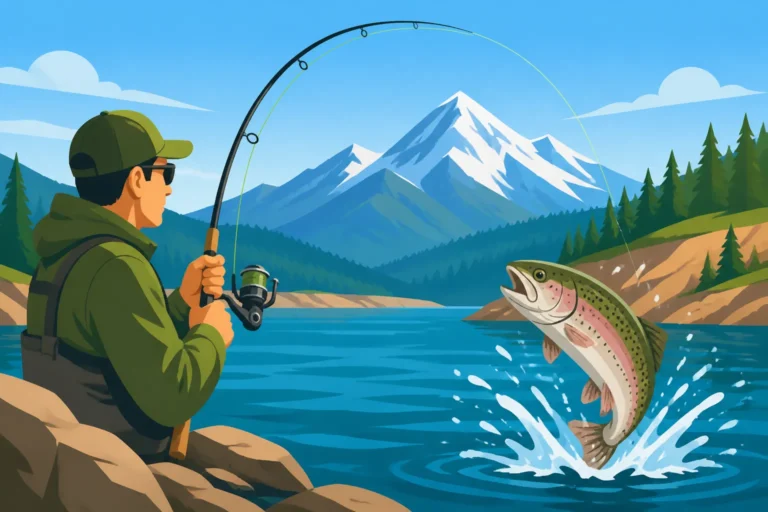
Steelhead are nothing short of phenomenal. They're basically rainbow trout that decide to go on an epic adventure to the ocean, grow big and strong, and then return to their natal rivers to spawn. This anadromous lifestyle makes them incredibly powerful fighters and a prized catch for many anglers. But because their movements are so tied to natural cycles, understanding their "run timing" is more about reading the environment than a fixed date on a calendar.
The Life Cycle and Migration Triggers
The steelhead's journey is a tale of instinct and survival, largely dictated by environmental cues. After spending anywhere from one to four years feasting in the Pacific Ocean, where they pack on incredible size, they feel the undeniable call to return home. This homecoming isn't just a leisurely swim; it's a strenuous upstream migration against currents, often over obstacles, all to reproduce.
What really kicks off this arduous journey from the ocean into the freshwater rivers and creeks? It's almost always a combination of increased water flow and cooler temperatures. Think of it like this: after a long, dry California summer, many coastal rivers become low and warm, sometimes even disconnected from the ocean by sandbars. The first significant rains of late fall or early winter are the "green light." These storms break open sandbars, increase river levels, and drop water temperatures, creating the perfect highway for steelhead to begin their ascent. Without these crucial triggers, the fish simply stack up at the river mouths, waiting for conditions to improve. This is why paying attention to weather patterns and river gauges is far more effective than just picking a random month.
Different Types of Steelhead Runs
Not all steelhead are created equal, and understanding the subtle differences in their behavior can greatly inform your fishing strategy. In California, we primarily focus on "winter-run" steelhead, though the timing can vary.
Winter-run steelhead are the most common in our state. These fish typically enter freshwater rivers from late fall through early spring, usually between November and April. They need that significant rainfall to trigger their migration. Once in the river, they often hold in deeper pools and runs, waiting for prime spawning conditions, which usually occur during subsequent freshets (small floods) and when water temperatures are just right. Their spawn can happen anywhere from late December through May, depending on the river and its specific conditions.
While less prevalent in California compared to some northern states, "summer-run" steelhead do exist in certain systems, like the upper Klamath and Trinity Rivers. These fish enter rivers much earlier in the year, typically during late spring or early summer, when flows are still high from snowmelt. They then spend months in the river's cooler, deeper pools, "holding over" until the following spring to spawn. Targeting summer-run steelhead is a different ball game entirely, often involving specialized fly-fishing techniques in clear, low-water conditions. For the vast majority of California anglers, however, the winter run is the primary focus and offers the most accessible opportunities.
Key Factors Influencing Steelhead Timing
Trying to pinpoint an exact date for the steelhead run is a fool's errand. Instead, successful anglers become adept at reading the environmental tea leaves. The timing isn't fixed; it's a dynamic interplay of several critical factors that can shift dramatically year to year.
Rainfall and Water Levels
This is arguably the most critical factor for steelhead in California. Our state's Mediterranean climate means long, dry summers, and many coastal rivers become mere trickles or even dry up in sections. For steelhead, sufficient rainfall is literally a matter of life or death, as it allows them to access spawning grounds.
The "first flush" of rain in late fall or early winter is huge. These initial storms often break through sandbars at river mouths, opening up the passage from the ocean. They also raise river levels, providing the necessary depth and flow for fish to swim upstream without being exposed to predators or getting stranded. Imagine a steelhead trying to navigate a shallow, stagnant pool versus a flowing, healthy river – it's no contest. Too little rain, and the fish stack up in estuaries or offshore, waiting. Too much rain, however, can lead to "blow-out" conditions where the river becomes too high, too turbid, and too dangerous for both fish and anglers. The sweet spot is usually after a good storm has passed, and the river is "dropping and clearing" – often within a few days to a week after the heaviest rains. This is when the fish are actively moving, and the water still has enough color to offer them a sense of security. Always check local California Fishing Reports Explained for the specific river conditions before heading out.
Water Temperature
Water temperature plays a subtle but vital role in steelhead migration and behavior. While increased flow might be the initial trigger, optimal water temperatures keep them moving and active. Steelhead prefer cooler water, typically in the range of 40 to 55 degrees Fahrenheit (4-13 degrees Celsius).
When ocean water temperatures rise too high, or river temperatures stay stubbornly warm even after a rain, it can delay runs. Fish are cold-blooded, and their metabolism is directly affected by water temperature. They'll be sluggish and less inclined to make a strenuous journey in warm water. Conversely, extremely cold water, near freezing, can also slow them down, making them less aggressive feeders. Monitoring water temperatures, often available through local fishing reports or smart river gauges, can give you an edge. For instance, after a prolonged cold snap, you might find fish holding in slightly deeper, warmer pockets. Conversely, a warm spell can make them more active and willing to chase a fly or lure. Understanding these temperature preferences helps you predict not just when they'll be there, but where they might be holding within the river system.
Tides and Ocean Conditions
For coastal rivers, the ocean's influence extends beyond just providing a place for steelhead to grow. Tides, particularly high tides, can actually assist fish in entering river mouths, especially those that frequently close off due to sandbar formation during dry spells. A strong incoming tide combined with increased river flow provides an easier entry point.
Beyond tides, the overall ocean conditions impact the health and abundance of the steelhead population. Years with robust baitfish populations and favorable ocean temperatures mean more food for steelhead, leading to larger, healthier fish returning to spawn. Conversely, poor ocean conditions (like marine heatwaves or "blobs" of warm water) can mean leaner fish and potentially lower survival rates. El Niño and La Niña cycles, with their associated warmer or cooler Pacific waters and shifting storm tracks, can significantly influence both ocean productivity and California's rainfall patterns, thus having a ripple effect on steelhead runs. When conditions are good in the ocean, more fish survive and return, and they often come back bigger. This large-scale ecological connection is a crucial, though sometimes overlooked, aspect of understanding California's steelhead populations.
Human Impacts and Hatchery Programs
While natural factors dictate much of the steelhead's life, human activities also play a significant role, particularly in California. Dams, diversions, and habitat degradation have historically impacted steelhead populations by blocking access to spawning grounds, altering flow regimes, and reducing water quality. However, efforts are also made to mitigate these impacts through restoration projects and hatchery programs.
Hatcheries, such as those on the Trinity River or the American River, play a complex role. They aim to supplement natural populations by raising steelhead from eggs and releasing them into rivers. These hatchery fish, often identifiable by clipped adipose fins, can contribute significantly to the number of fish returning to certain rivers. However, their run timing might be slightly different from wild fish, sometimes influenced by release schedules or genetic factors. For example, hatchery fish might enter rivers slightly earlier or in larger, more concentrated bursts. It's important for anglers to be able to distinguish between wild and hatchery steelhead due to specific California Fishing Regulations Explained regarding retention. Always check the current regulations, especially if you plan to keep any fish.
Regional Steelhead Run Timings in California
California is a big state, and its diverse geography means that steelhead runs can vary considerably from north to south, and even between adjacent river systems. There's no single "California steelhead season" that applies everywhere.
North Coast Rivers
The North Coast of California is often considered the heartland of steelhead fishing in the state, boasting some of our most productive and iconic rivers. This region typically receives the earliest and most consistent rainfall, which translates into earlier and more reliable steelhead runs.
- Klamath River: The Klamath is a major system, and its steelhead run often starts in late summer with "half-pounders" (smaller steelhead that return early) and then larger adults begin entering in October and November. The peak for adult steelhead typically runs from December through March. You'll find a mix of wild and hatchery fish here, and it's a popular destination for both fly anglers and gear fishermen.
- Trinity River: A major tributary to the Klamath, the Trinity is renowned for its steelhead. It also sees an early influx of half-pounders, followed by adult steelhead from late fall through winter. The prime fishing for adults usually kicks off in November and continues strong through February and into March, particularly around the Lewiston Dam area where hatchery fish are released. Knowing how to Fish for Steelhead on North Coast Rivers is key here.
- Eel River System (Main Stem, South Fork, Van Duzen): The Eel River system is a wild, rain-dependent fishery. Steelhead runs here are entirely contingent on significant rainfall to open the river mouth and raise water levels. Runs typically start in December and peak in January and February, often extending into March. Anglers eagerly await the "first fresh" after a dry spell, as this triggers intense fish movement.
- Russian River: Closer to the Bay Area, the Russian River also relies on rain. Its runs typically begin in December and peak from January through March. Like the Eel, it's highly sensitive to water levels, and fishing can be excellent right after a storm clears and the river drops to a fishable flow and color.
- Smith River: Famous for its pristine water and trophy-sized steelhead, the Smith River's run typically starts in December and lasts through March. It's less affected by sandbar closures than rivers further south due to its higher flow. Its clear water means stealth and precise presentations are often crucial.
Central Coast Streams
As you move south of San Francisco, the steelhead landscape changes. Central Coast streams are generally smaller, shorter, and even more dependent on direct rainfall. These rivers are often flashier, meaning they rise and fall rapidly with storms.
- Garcia, Gualala, Navarro Rivers: These smaller coastal rivers typically see their steelhead runs start later than their northern counterparts, usually in January, and peak in February and March. Their runs are entirely driven by heavy winter rains that break open their sandbar-blocked mouths and provide enough water for fish to migrate. The window of opportunity can be shorter here, with rivers going from unfishable high water to too low and clear quickly.
- Other Coastal Creeks (e.g., Big Sur area): Many smaller, unnamed or lesser-known creeks along the Central Coast also support steelhead. Their runs are even more localized and often begin only after sustained rainfall, usually from January through April. These can be incredible gems for adventurous anglers but require significant local knowledge and a good understanding of stream access and regulations. Stealth and a light touch are paramount in these smaller, often clearer waters.
Central Valley and Sierra Nevada Tributaries
While often associated with salmon, some major Central Valley rivers and their Sierra Nevada tributaries also support steelhead runs, largely due to hatchery programs and fish passage facilities around dams.
- Sacramento River: Below Keswick Dam, the Sacramento River has a year-round population of resident rainbow trout, but it also sees a steelhead run, particularly from November through March. These are largely hatchery-supported fish. The timing can be more consistent due to regulated dam releases.
- Feather River: Similar to the Sacramento, the Feather River below Oroville Dam receives a hatchery-supported steelhead run, typically from November through April. Fish tend to congregate below the hatchery and in prime holding water throughout the lower river.
- American River: Below Folsom Dam, the American River offers excellent steelhead opportunities, especially from December through March. This fishery is also heavily influenced by hatchery releases and dam operations. Fly fishing is very popular here, particularly for those targeting these robust, ocean-run rainbows. For more details on this region, check out our guide on California Freshwater Fishing Regulations.
Here's a quick overview of typical steelhead run timings by region:
| Region | Key Rivers/Streams | Typical Run Start | Peak Run Period | End of Run | Notes |
|---|---|---|---|---|---|
| North Coast | Klamath, Trinity, Eel, Russian, Smith, Mad | October/November | December – March | April | Earlier runs, often more consistent rainfall, mix of wild/hatchery |
| Central Coast | Garcia, Gualala, Navarro, Smaller coastal creeks | December/January | February – March | April | Highly rain-dependent, shorter, flashier rivers, mostly wild fish |
| Central Valley | Sacramento, Feather, American Rivers (below dams) | November/December | January – March | April/May | Heavily influenced by hatcheries and dam releases |
Note: These are general timings. Actual conditions can vary significantly year to year based on rainfall, water levels, and temperatures.
Preparing for the Steelhead Season
Once you have a handle on the general run timings and what triggers them, the next step is to ensure you're properly prepared to hit the water when the conditions are right. Steelhead fishing isn't just about showing up; it's about strategy, equipment, and a healthy dose of patience.
Essential Gear and Tackle
Steelhead are powerful fish, and a proper setup is crucial to landing them, especially in swift, cold river conditions. Don't skimp on quality, because a lost fish due to faulty gear is a memory that stings for a long time.
For most California steelhead fishing, whether you're fly fishing or using conventional gear, a medium-heavy rod with a sensitive tip is ideal. For conventional setups, a 9-10 foot rod, rated for 8-15 lb line, will give you the length needed for mending line and fighting fish effectively. Pair this with a durable spinning reel (like a Shimano Stradic or Daiwa BG) spooled with 10-15 lb main line (braid is popular for its sensitivity, with a fluorocarbon leader). Lures such as drift bobbers, roe bags, beads, or small spinners are common. Make sure your hooks are sharp and strong enough to handle a hard-fighting fish. You can find a wide range of these essentials, from robust reels to specific lure weights, on Amazon, ensuring you're stocked up before the season kicks into high gear.
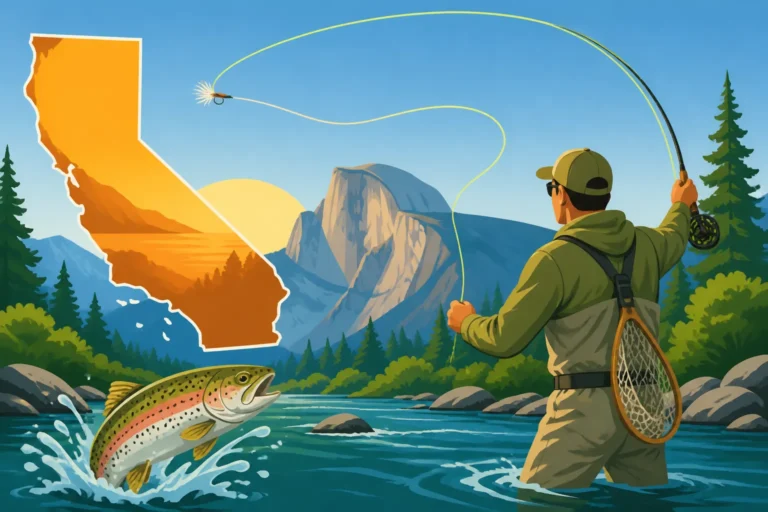
If you're delving into California Fly Fishing Guide for steelhead, an 8-10 weight rod, 10-12 feet long, is standard. A good quality large arbor reel with a strong drag, loaded with a weight-forward floating line or a sink-tip line for nymphing or swinging flies, is a must. Don't forget an array of flies: egg patterns, stoneflies, nymphs, and streamers are all common choices. Getting a good wading staff and quality waders is also paramount for safety in slippery, cold rivers. You'll also want to make sure you have appropriate leader and tippet material, often 8-12 lb fluorocarbon, which you can easily order from Amazon to be ready for your next trip.
Understanding Regulations and Report Cards
California has some very specific and strict regulations when it comes to steelhead, and for good reason—their populations need our protection. Before you even think about casting a line, you absolutely must be familiar with the current rules.
First and foremost, you'll need a valid California fishing license. Beyond that, anyone fishing for steelhead (even if you're practicing catch and release) is required to possess a California Steelhead Report Card. This card is vital for tracking fishing effort and harvest, providing critical data for fisheries management. Failing to carry one, or failing to fill it out correctly, can result in hefty fines.
Regulations often include specific bag and size limits, gear restrictions (like barbless hooks only in certain waters), and season dates that vary by river and even by section of a river. Some areas may be designated as "wild trout" or "special regulation" waters, which might have additional rules such as artificial lures only, or catch-and-release only. Always consult the current California Sport Fishing Regulations booklet, available online through the California Department of Fish and Wildlife (CDFW) website or at licensed vendors. Ignorance of the law is never an excuse, and responsible angling means knowing and following these rules diligently.
Scouting and Staying Informed
Knowledge is power, especially when it comes to a fickle fish like steelhead. The more informed you are, the better your chances of being in the right place at the right time.
Start by regularly checking California Fishing Reports from local tackle shops, online forums, and reputable guiding services. These reports often provide real-time updates on water conditions (flow, clarity, temperature), recent catches, and fish movement. They can tell you if a river is blowing out, or if it's "greening up" and becoming fishable. Websites and apps that provide real-time river flow data (like those from USGS or Dreamflows) are also invaluable tools for understanding current conditions and predicting how a river will react to rainfall.
Scouting doesn't just mean checking reports; it means physically exploring. If possible, take a drive along potential fishing stretches of rivers. Look for access points, observe water conditions, and identify potential holding water like deep pools, runs, and current seams. Understanding river dynamics when it's not fishable can give you a massive advantage when it is. Many seasoned anglers will tell you that the best way to learn a river is to spend time on its banks, even without a rod in hand. This kind of intimate knowledge is what separates consistently successful steelhead anglers from those who only get lucky once in a while. Learning How Weather Affects California Fishing and how to interpret these signals will make you a much more effective angler.
Disclaimer
Please remember that fishing conditions, regulations, and fish populations are subject to change. Always consult the latest California Department of Fish and Wildlife (CDFW) regulations before heading out. This guide is for informational purposes only and should not replace official sources. Be safe, respect wildlife, and practice responsible angling.