California Albacore Season Explained
Oh, the elusive albacore! There's nothing quite like the thrill of chasing these torpedo-shaped speedsters, but if you've spent any time at all trying to pinpoint "the season" for albacore in California, you know it can feel like trying to nail jelly to a wall. It's not like trout season in a stocked lake with a clear opening day. Instead, it's a dynamic, ever-changing dance with the ocean. This guide is going to peel back the layers of mystery, helping you understand when these highly prized tuna typically show up, what factors influence their migration, and how you can best prepare to intercept them.
Understanding California's Albacore Season
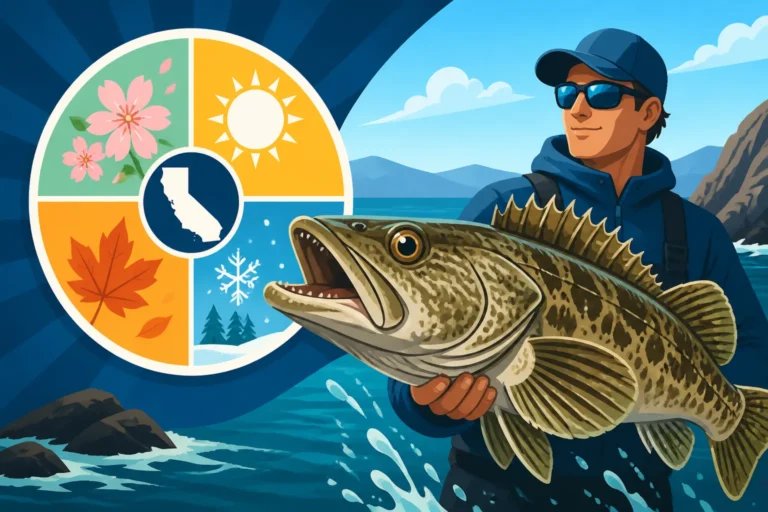
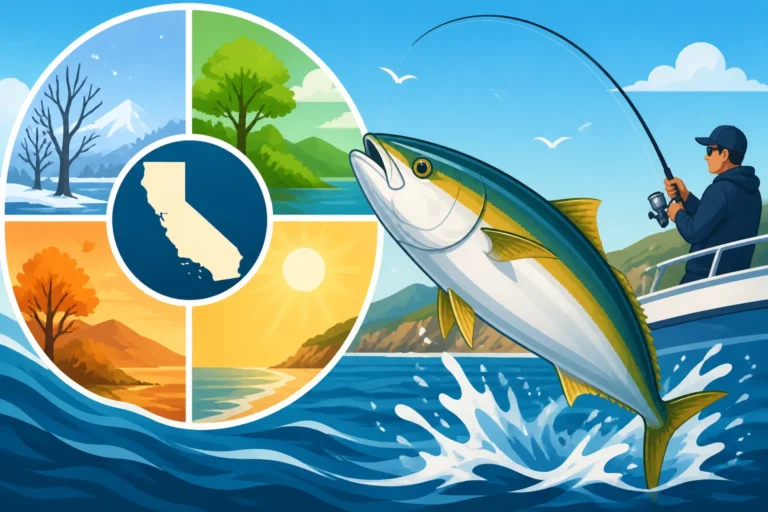
When you talk about albacore season in California, you're not talking about a fixed calendar date. It's more of a meteorological and oceanic phenomenon, driven by water temperatures, baitfish movements, and even the larger patterns of the Pacific Ocean. Many anglers get frustrated trying to plan trips months in advance, only to find the bite hasn't started or has already moved on. That's because these fish are highly migratory, following temperature breaks and bait concentrations up and down the coast.
When Does Albacore Typically Arrive?
Historically, the California albacore season kicks off anywhere from late spring to early summer, usually in June or July, and can run well into fall, sometimes even as late as October or November. But that's a big window, isn't it? What really matters is when the warm, nutrient-rich waters that albacore love start pushing into our offshore zones. We're generally talking about water temperatures in the 60s Fahrenheit (around 15-20°C). When those temperature breaks appear, often several dozen miles offshore, that's when you start seeing the first signs of the albacore showing up.
Think of it like this: the ocean is a massive buffet. Albacore are looking for the best spread, and that often means areas where cold, nutrient-rich upwellings meet warmer surface waters, creating a feeding frenzy for baitfish like anchovies, sardines, and squid. The earliest fish often show up off Southern California, sometimes as far south as Mexican waters, before pushing north along the coast. Some years, they come screaming up the Baja coast and hit San Diego waters with a vengeance in June. Other years, we're waiting until August for a consistent bite, leaving everyone scratching their heads and checking fishing forums constantly.
The "Why" Behind the Season's Variability
The primary drivers behind the seemingly unpredictable nature of the albacore season are oceanographic conditions. These aren't just minor fluctuations; we're talking about massive shifts that impact marine life across the Pacific.
Firstly, water temperature is king. Albacore are pelagic, warm-water species. They need a specific temperature range to thrive and to chase their prey. If the water stays too cold off the California coast, they simply won't venture into our range. This is why you'll often hear reports about "warm water pushing in" or "cold water upwellings" being key to the albacore showing up or disappearing. Satellite sea surface temperature charts are your best friend here, showing those critical temperature breaks and currents that act like highways for these tuna.
Secondly, bait presence is absolutely crucial. Albacore are voracious predators, and they follow their food source. If there's a strong showing of anchovies, sardines, or mackerel, the albacore are more likely to be found in those areas. This can sometimes mean they're a bit further offshore one year, or closer to the coast the next, depending on where the baitfish are congregating. Knowing what bait is active and plentiful can give you a huge advantage. Sometimes, a big squid run will bring them in close, offering incredible opportunities.
Lastly, large-scale ocean phenomena like El Niño or La Niña years have a profound impact. An El Niño year, characterized by warmer Pacific waters, can sometimes mean an earlier or more prolonged albacore season for California, with fish venturing further north than usual. Conversely, a strong La Niña can bring colder waters, pushing the albacore further south or offshore. These are not just scientific terms; they directly translate to whether you're catching fish or just burning expensive fuel.
How to Track the Albacore Run
Given the season's variability, staying informed is paramount. You can't just pick a weekend in July and assume the albacore will be there. Successful albacore anglers are constantly monitoring conditions and reports.
Essential Resources for Real-Time Updates
In this day and age, you've got a wealth of information at your fingertips, which is a huge improvement from just a couple of decades ago. The first place to check are the daily fishing reports from the major sportfishing landings. Places like H&M Landing, Point Loma Sportfishing, and Davey's Locker in Southern California are constantly updating their fish counts and giving general ideas of where the fleet is finding the fish. While they won't give away secret spots, they'll certainly let you know if the albacore are biting and how far offshore.
Online fishing forums and social media groups dedicated to California fishing are also incredible resources. Anglers are often eager to share their experiences, and you can pick up on trends, see what gear is working, and get a general sense of the fleet's movements. Just remember to take everything with a grain of salt and cross-reference information. Not every "hot tip" is as hot as it sounds, but patterns usually emerge.
Another fantastic tool is listening to the radio chatter if you have a marine radio. Charter captains and private boaters often communicate about water temperatures, bait schools, and fish activity. It's like having an ear to the ground, or rather, to the ocean. You can also get a good sense of conditions by checking out a (California Fishing Charters: Complete Guide) or(California Deep Sea Fishing Charter Guide) for their specific insights.
Interpreting Ocean Conditions and Signs
Beyond reports, learning to read the ocean itself is a skill that will pay dividends. It's about combining technology with traditional angling wisdom.
Firstly, those satellite sea surface temperature (SST) charts are gold. You can find these on various marine weather sites. Look for sharp temperature breaks, often indicated by color changes on the map, especially where warm offshore water meets cooler inshore water. These convergence zones concentrate bait and, consequently, predators like albacore. Understanding these patterns is key to finding the "long-fin."
Secondly, keep an eye on bird activity. Frigatebirds, terns, and shearwaters diving and congregating are a dead giveaway that baitfish are being pushed to the surface, and that often means tuna are below. These birds are essentially your free, flying fish-finders. If you see a good bird school, it’s always worth investigating.
Finally, keep an eye out for signs of baitfish themselves on your sonar. Large schools of anchovies or sardines, especially if they're "balled up," are like a welcome sign for albacore. Also, pay attention to current lines, kelp paddies (though these are more common for dorado or yellowtail), and any floating debris. These can all act as aggregation points for bait and smaller fish, which in turn attract the tuna. Don't forget that understanding California Offshore Fishing Techniques can give you an edge in interpreting these signs.
Gear and Techniques for Albacore Fishing
When the albacore show up, you need to be ready. These aren't your grandpa's sleepy catfish; they're powerful, fast, and will test your tackle. Having the right setup is half the battle.
Recommended Rods, Reels, and Line
For albacore, you'll want a medium-heavy to heavy conventional setup. You need something that can handle a strong, sustained fight and has enough backbone to put pressure on a fish that wants to run.
- Rods: Look for rods in the 7-foot range, rated for 30-60 lb line. Graphite composite rods offer a good balance of sensitivity and power. Brands like Penn, Shimano, and Phenix make excellent rods that can withstand the abuse albacore dish out.
- Reels: A quality star drag or lever drag reel in the 30-size class is ideal. Think something like a Penn Fathom 30, a Shimano Talica 12 or 16, or a Daiwa Saltiga 20. Capacity is important; you want at least 300-400 yards of line. You can find fantastic options on sites like Amazon, which often have competitive pricing and a wide selection of brands.
- Line: Most anglers start with 50-65 lb braided line as their main line because of its incredible strength-to-diameter ratio and lack of stretch. This allows for more line on the reel and better hooksets. You'll then typically add a top shot of 30-50 lb fluorocarbon leader, usually 50-100 feet, depending on the conditions and technique. Fluorocarbon is nearly invisible in water and more abrasion-resistant, which is key when fighting toothy tuna.
It's also a good idea to have a backup setup, or even a lighter setup if you're into casting jigs or flying fish. A 20-30 lb spinning rod with a fast retrieve reel can be incredibly fun when the albacore are on the surface and you want to throw a popper or a small jig.
Top Baits and Lures for California Albacore
Albacore are opportunistic feeders, so having a variety of options in your tackle box is smart. The key is to match the hatch – use baits and lures that resemble what they're actually feeding on. For more detailed advice, check out Best Baits and Lures for Albacore Tuna in California.
- Live Bait: This is often the most effective method, especially when the fish are finicky. Anchovies and sardines are the primary live baits. You'll either catch these at a bait receiver before heading out or net them offshore if you're lucky enough to find a school. Fly-lining a live sardine with a small circle hook is a classic and deadly technique.
- Trolling Lures: When covering ground, trolling is essential. Cedar plugs are legendary for albacore. These simple wooden lures skip across the surface, mimicking fleeing baitfish. Feather jigs, often green, blue, or black over chrome, are also highly effective. Trolling a spread of different colored lures at various distances behind the boat helps you figure out what the fish are keying in on. Make sure you have a good selection, and remember, having a fresh supply from a reputable vendor, even online on Amazon, can make a difference.
- Jigs and Poppers: When the albacore are crashing the surface or you mark them deeper on sonar, jigs and poppers come into play. Heavy metal jigs, often called "iron," can be dropped deep or cast out and retrieved quickly to imitate escaping bait. Topwater poppers create a commotion on the surface that can trigger aggressive strikes when the fish are in a feeding frenzy. Think about colors like blue/white, green/yellow, or sardine patterns. This is where understanding How to Catch Albacore Tuna in California really shines.
| Method | Typical Target Depth | Recommended Bait/Lure | Best Conditions | Notes |
|---|---|---|---|---|
| Trolling | Surface to 50 feet | Cedar Plugs, Feather Jigs | Covering wide areas, searching for schools | Use a spread of multiple lines, varying colors/depths. |
| Live Bait | Surface to 100 feet | Anchovies, Sardines | Fish are marked on sonar, boat stopped on a school | Fly-line or use a light sinker. Keep bait lively. |
| Jigging | From surface to deep | Metal Jigs (e.g., Salas Jigs) | Fish are marked deep, or breaking on surface | Fast retrieve or yo-yo jigging. |
| Casting | Surface | Poppers, Stickbaits | Fish are actively busting on the surface | Exciting visual bites. Requires accurate casting. |
Best Locations and Trip Planning
Knowing the season and having the right gear is great, but you also need to know where to go and how to plan your trip effectively. Albacore are often found a good distance offshore, making planning a bit more involved than a quick run to the local pier.
Prime Albacore Fishing Grounds Off California
The best albacore fishing grounds in California are almost exclusively offshore, typically ranging from 20 to 100+ miles from the coast. These pelagic roamers are out in the open ocean, following those temperature breaks and vast bait concentrations.
Southern California is traditionally the hotspot, particularly off San Diego and Orange County. Anglers departing from harbors like Point Loma, Mission Bay, and Dana Point will often head southwest or west, looking for the offshore banks, canyons, and temperature edges that hold fish. Sometimes, they're found closer to the Channel Islands, but often you're looking at a longer run out into the open Pacific. If you're considering a more extensive trip, you might be interested in San Diego Overnight Tuna Trips Explained which can put you in prime territory.
Occasionally, if conditions are just right and the warm water pushes far north, albacore can be found off Central California, sometimes even reaching as far as Monterey Bay or Half Moon Bay. However, these northern appearances are less common and typically shorter-lived than the consistent action found further south. It really depends on the year and the strength of the warm currents.
Charter vs. Private Boat Considerations
Deciding whether to go out on a private boat or book a charter or party boat is a big decision, especially for albacore fishing, which often requires significant travel offshore.
Private Boat Pros & Cons:
If you have your own boat, you have ultimate flexibility. You can choose your dates, your crew, and your target species. You can run to where the fish are, even if it's a hundred miles out. However, the costs associated with running a private boat offshore are substantial – fuel, maintenance, specialized electronics (radar, powerful sonar, satellite comms), and safety gear. Plus, you need a capable vessel and an experienced crew who are comfortable navigating far offshore. A good rule of thumb for any offshore trip is to always have a checklist, including a first aid kit and an emergency communication device.
Charter/Party Boat Pros & Cons:
For most anglers, especially those without a large offshore vessel or extensive experience, a party boat or private charter is the way to go.
- Party Boats: These are generally more affordable per person and are an excellent way to experience offshore fishing. The crew knows the waters, has all the gear (though bringing your own is often recommended), and will put you on the fish. You'll be fishing alongside many other anglers, which can be a lively experience. The downside is less personal space and less control over where and how long you fish. They usually focus on Best Times to Fish in California for species like albacore.
- Private Charters: If you want a more personalized experience, a private charter is fantastic. You book the entire boat for your group, giving you more say in the target species, techniques, and locations. It's more expensive but offers a dedicated crew and greater comfort. This is especially good for groups or families. Don't forget to ask What to Bring on a California Fishing Charter before you go.
No matter which option you choose, always check the current California Tuna Regulations and Limits before heading out. Regulations can change, and you don't want to run afoul of the law. Also, consider when is the Best Season to Book a California Charter for tuna.
Planning for Success and Safety
Going offshore for albacore is a serious undertaking. The fish are often far from shore, and conditions can change rapidly. Proper preparation is not just about catching fish; it's about ensuring a safe and enjoyable trip.
Pre-Trip Checks and Preparations
Before you even think about leaving the dock, a thorough pre-trip checklist is non-negotiable, whether it's your boat or you're just showing up to a charter. For private boaters, this means checking all engine fluids, fuel levels, batteries, electronics, and safety gear. This includes life jackets, flares, EPIRB/PLB, VHF radio, and a fully stocked first aid kit. Even on a charter, it’s smart to familiarize yourself with the safety briefing and know where critical items are.
Mentally, prepare for a long day. Albacore trips often start before dawn and can run well into the evening, especially if you're making a long run. Hydration and sun protection are key. Pack plenty of water, electrolytes, and snacks. Layered clothing is crucial; it can be chilly on the run out, hot and sunny offshore, and then cool down again on the way back. Don't underestimate the Pacific sun, even on an overcast day.
Finally, tackle preparation. Have your reels spooled with fresh line, check your knots, and ensure your hooks are sharp. Bring a variety of lures and jigs, and enough leader material. It's always better to be over-prepared than under-prepared. A good idea is to have some extra leader and line handy, which you can often quickly order from a place like Amazon if you realize you're running low before a trip.
Handling Unexpected Offshore Conditions
The open ocean can be unpredictable. Weather forecasts can change, and swells can kick up quickly. Always monitor the marine forecast closely and be prepared to turn back if conditions become unsafe. Even if the forecast looks good, always keep an eye on the horizon for changes in wind or swell patterns.
Seasickness is a common issue offshore. If you're prone to it, take preventative medication well in advance. Dramamine, Bonine, or Transderm Scop patches are popular choices. It's much easier to prevent seasickness than to try and cure it once it sets in. Eating a light, non-greasy breakfast and staying on deck in the fresh air can also help. Preparing for a How to Prepare for a Long-Range Tuna Trip means taking seasickness seriously.
Dealing with a strong fish. Albacore fight hard. They make powerful runs and often dive deep. Don't try to horse them in too quickly, or you'll risk pulling the hook or breaking your line. Let the rod and reel do the work. Remember to use the rail if you’re on a party boat, and communicate with those around you to avoid tangles. Enjoy the fight, but be efficient. Having a game plan for a (California Bluefin Tuna Charter Trips) or(California Yellowtail Charter Trips) will also help.
The Excitement of Albacore Fishing
Chasing albacore in California isn't just fishing; it's an adventure. It's about heading far offshore, into the vastness of the Pacific, in pursuit of one of the ocean's most thrilling game fish. The variable nature of the season, the challenge of locating these migratory schools, and the sheer power of the fight all contribute to its allure.
When you hit that perfect day—the sun is shining, the water is a beautiful blue, and the albacore are boiling on the surface, hitting every jig you throw—there's truly nothing like it. The sound of reels screaming, the deckhands yelling "Fish on!", and the adrenaline pumping as you battle a powerful longfin back to the boat are memories that last a lifetime. Whether you're a seasoned tuna veteran or planning your first offshore trip, understanding the nuances of the California Albacore Season Explained will vastly improve your chances of success and ensure you're ready for the exhilarating experience that awaits.
Disclaimer
Please remember that fishing regulations, seasons, and conditions can change frequently. Always consult the latest official California Department of Fish and Wildlife (CDFW) regulations before any fishing trip. Information provided here is for general guidance and educational purposes only.