How to Get a California Fishing License
Figuring out how to get a California fishing license can feel like trying to untangle a particularly stubborn fishing knot, especially with all the different regulations and options out there. It’s a common frustration for both seasoned anglers and newcomers alike, leaving many wondering where to even begin. But don't you worry, this comprehensive guide is here to simplify the entire process, walking you through everything you need to know to get your license and hit the water legally and confidently.
Why Do You Even Need a California Fishing License?
It's a question many ask, especially if you're just dipping your toes into the vast world of California fishing. "Can't I just grab a rod and go?" you might wonder. The short answer is almost always no. California, like most states, has a robust system in place to manage its incredibly diverse aquatic resources, and that system relies heavily on fishing license sales.
The Legal Obligation and Its Purpose
At its core, purchasing a California fishing license is a legal obligation. It's not just a hoop to jump through; it's a critical component of conservation. The funds generated from license sales, along with report card fees and stamps, directly fuel the California Department of Fish and Wildlife (CDFW) initiatives. These initiatives include vital programs like fish stocking in lakes and rivers, habitat restoration projects in both freshwater and saltwater environments, scientific research to monitor fish populations, and enforcement efforts to ensure sustainable fishing practices. Imagine if everyone fished without any oversight – our precious fisheries would quickly become depleted. Your license is essentially your contribution to keeping California's fishing vibrant for generations to come. Without it, you risk significant fines and penalties, which can quickly put a damper on any fishing adventure.
Think of it this way: when you purchase a license, you're not just buying a piece of paper; you're investing in the future of the sport you love. It allows the CDFW to maintain healthy ecosystems, which in turn means more fish and better fishing opportunities for everyone. It's a collective effort, and your participation is crucial. Many anglers feel a sense of pride knowing their dollars are directly supporting the beautiful waterways and the fish that call them home across the Golden State.
Understanding Who Needs a License and Who Doesn't
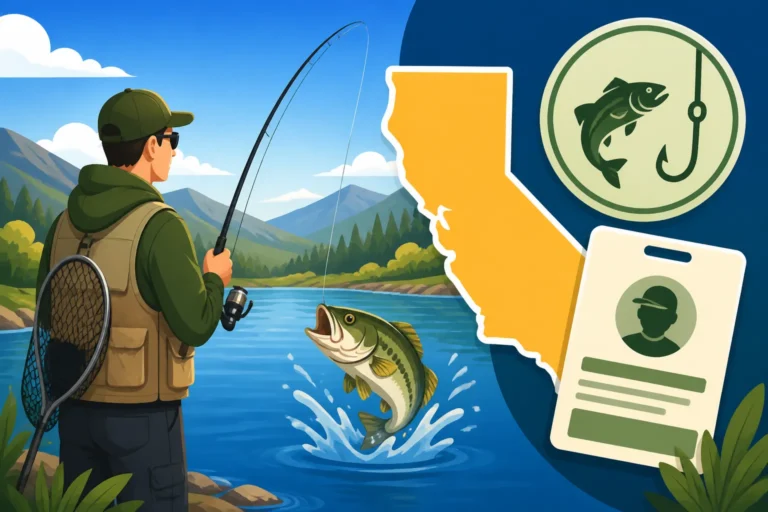
This is where it can get a little tricky, and it's a common point of confusion. Generally speaking, if you are 16 years of age or older and intend to take fish, mollusks, crustaceans, invertebrates, or amphibians in any public waters of California, you need a valid California fishing license. This applies whether you're fishing from a boat, from shore, spearfishing, or even collecting crabs. It doesn't matter if you're a seasoned pro or trying it for the very first time; the rule largely stands.
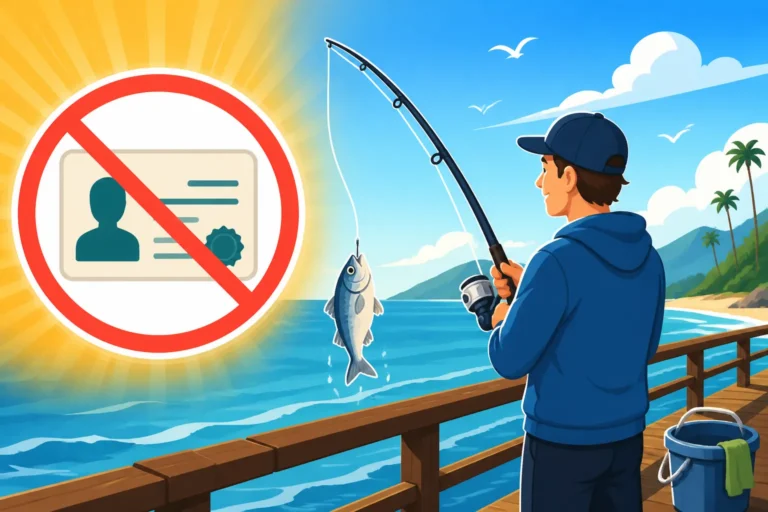
However, there are a few notable exceptions to this rule. One of the most common exceptions is when you're fishing from a public pier in ocean waters. That's right, California Pier Fishing License Rules state that you can often fish without a license from public piers, certain jetties, or breakwaters. This is a fantastic option for families or beginners who want to try fishing without the initial investment of a license. Just remember, this exception only applies to public piers in ocean waters, not freshwater piers or private docks. Another key exception applies to California’s designated "Free Fishing Days," which typically occur twice a year. On these specific days, both residents and non-residents can fish without a license, making them a perfect opportunity to introduce someone new to the sport. Beyond these, specific groups like anglers fishing aboard a licensed commercial passenger fishing vessel (often called a "party boat") might not need their own personal license if the boat holds a blanket permit, but it's always wise to confirm with the charter operator before you go. Generally, it's safer to assume you need a license unless you're certain you fall into one of these specific, limited exceptions. When in doubt, get the license; it's better to be safe than sorry!
Types of California Fishing Licenses Available
California offers a variety of fishing licenses designed to fit different needs, whether you're a lifelong resident planning frequent trips or a visitor just looking for a quick weekend outing. Understanding these options is key to choosing the right one for you.
Annual vs. Short-Term Options
The most common choice for many resident anglers is the annual sport fishing license. This license is valid from January 1st through December 31st of the calendar year it's issued, regardless of when you buy it. So, if you purchase an annual license in November, it will still expire on December 31st of that same year. For someone who plans to fish more than a few times a year, this is often the most cost-effective option. It gives you the freedom to spontaneously hit the water whenever the mood strikes, without having to worry about purchasing a new license each time.
For those who don't fish as frequently, or are just visiting, California also offers convenient short-term options. These include the California One-Day Fishing License and the California Two-Day Fishing License. These are perfect for a planned fishing trip, a vacation, or if you're trying fishing for the first time after enjoying a free fishing day. They offer flexibility and a lower upfront cost, but remember, the cost per day generally goes up the shorter the license period. If you end up falling in love with fishing after your one-day license, you might find yourself wishing you'd sprung for the annual option. Always consider how often you realistically expect to fish within a year before committing to a choice.
Specialized Licenses and Report Cards
Beyond the basic sport fishing license, California has specific endorsements and report cards required for certain species or activities. These are crucial and often overlooked by new anglers, leading to potential violations. For instance, if you plan to target specific migratory species like Steelhead, Sturgeon, or Salmon, you'll need a special report card in addition to your base fishing license. These cards track angler effort and harvest, providing valuable data for managing these sensitive populations. You can learn more in our guide on California Fishing Report Cards Explained. Similarly, if you plan to fish for spiny lobster, you'll need a spiny lobster report card.
Another common endorsement is the Second-Rod Validation. If you want to fish with two rods in inland waters (where it's permitted), you'll need this validation, often referred to as a "second-rod stamp." This allows you to increase your chances of a catch, but it's not applicable in all water bodies, especially those with special regulations for sensitive trout or salmon runs. And don't forget the Ocean Enhancement Stamp, which is required for fishing in ocean waters south of Point Arguello (Santa Barbara County) if you are 16 years or older, with some exceptions. This stamp supports programs that enhance marine fish stocks. It’s important to research what you plan to target and where you plan to fish to ensure you have all the necessary endorsements and report cards. Missing one could result in a fine, even if you have your primary license.
Reduced-Fee and Lifetime Options
California also makes special allowances for certain individuals, offering reduced-fee or even lifetime fishing licenses. These options are designed to make fishing more accessible to specific demographics. For instance, seniors who are 65 years or older and meet specific low-income requirements may be eligible for a reduced-fee annual license. There are also specific provisions for disabled anglers, offering reduced-fee licenses to those who can provide proof of permanent physical or mental disability that prevents them from engaging in normal activities. California Fishing License for Disabled Anglers covers this in more detail.
For those truly dedicated to the sport and the state's fisheries, a California Lifetime Fishing License is available. While a significant upfront investment, it offers the convenience of never having to renew your license again. This can be a fantastic value over many years, especially for younger anglers who plan to fish for decades to come. It’s important to note that even with a lifetime license, you may still need to purchase annual report cards or specific stamps for certain species or fishing activities. Always check the current regulations annually, as rules can change. These special licenses require specific documentation and application processes, so it's always best to check the CDFW website for the most up-to-date eligibility requirements and application forms.
Step-by-Step Guide to Purchasing Your License
Gone are the days when you absolutely had to trek to a physical store to get your fishing license. While that option is still available and cherished by many, the state has made it incredibly convenient to get yours, especially online.
Buying Online Through CDFW
This is by far the most popular and often easiest way to purchase your California fishing license. The California Department of Fish and Wildlife (CDFW) operates an online license sales service that is available 24/7. To get started, you'll head over to their official website. You'll need to create an account, which involves providing some basic personal information like your name, address, date of birth, and a valid form of identification (like your driver's license number or state ID). If you've purchased a license in California before, they might have your customer record on file, making the process even quicker.
Once your account is set up, you can navigate through the options to select the type of license you need – whether it's an annual resident license, a one-day non-resident, or any specific report cards or validations like a Second-Rod Stamp. The website will clearly list the current prices, which we’ll cover in more detail in our California Fishing License Cost guide. After making your selections and providing payment information, you'll usually receive a temporary license that you can print out immediately. This temporary license is valid for a short period (often 30 days) and serves as proof of purchase until your official, hard-copy license arrives in the mail. Always carry this temporary license with you while fishing, as it's your legal document.
Visiting an Approved License Agent
For those who prefer a more traditional approach, or if you need help navigating the options, visiting an approved license agent is a great choice. These agents are typically bait and tackle shops, sporting goods stores, and even some large retailers like Walmart or Big 5 Sporting Goods. These locations are equipped to issue licenses directly, and the staff often have firsthand knowledge of local regulations and what specific licenses you might need for the area.
When you visit an agent, you’ll still need to provide the same personal identification information as you would online. The big advantage here is that you usually walk out with your physical license immediately, so there's no waiting for it to arrive in the mail. Plus, it's a fantastic opportunity to grab some local bait, check out the latest fishing gear (maybe a new tackle box from Amazon to hold all your essentials?), or get some hot tips on what's biting in the area. These agents are often community hubs for anglers, and their expertise can be invaluable. You can find a list of California Fishing License Agents Explained on the CDFW website, so you can locate one convenient to you.
What to Bring and Prepare
Regardless of whether you purchase your license online or in person, there are a few things you'll absolutely need to have ready. First and foremost, you'll need a valid form of identification. For California residents, a California Driver's License or ID card is standard. Non-residents will need their driver's license or a valid state-issued ID from their home state. This information is crucial for establishing your residency status and for verifying your identity.
Secondly, be prepared with your payment method. Online purchases will require a credit or debit card. In-person agents typically accept cash, credit, or debit cards, but it's always good to check ahead. Lastly, and this might seem obvious, but make sure you know what kind of license you need. Are you fishing in freshwater or saltwater? Do you plan to target salmon or sturgeon? Will you need a second rod? Having these answers ready will streamline the process and prevent you from purchasing the wrong license. While helpful, you don’t need to bring a printed copy of the California Fishing Regulations Explained booklet to purchase your license, but it's a great idea to download or grab one afterward. Being prepared means less hassle and more time enjoying the anticipation of your upcoming fishing trip.
Common Questions and Hurdles When Getting a License
Even with a streamlined process, getting your fishing license can sometimes throw a curveball. It’s totally normal to encounter a few snags, and knowing how to navigate them can save you a lot of headache.
Navigating the Online System Glitches
Let’s be real, technology isn't always perfect, and the CDFW online licensing system, while generally reliable, can sometimes have its moments. You might experience a slow loading page, an error message during checkout, or a hiccup while trying to create your account. These can be incredibly frustrating, especially when you're just eager to get your license and plan your trip. One common issue is when the system doesn't immediately recognize your existing customer record, prompting you to create a new one. If this happens, try using slightly different variations of your name or previous address, or simply contact CDFW support.
If you encounter persistent technical difficulties, don't just give up. First, try clearing your browser's cache and cookies, or switch to a different browser entirely. Sometimes a simple refresh is all it takes. If the problem persists, jot down any error codes or messages you receive, and then reach out to the CDFW licensing support line. They are typically very helpful and can often resolve issues quickly over the phone. As an alternative, if the online system is proving too stubborn, remember that you can always visit a local California Fishing License Agents Explained for in-person assistance. It’s always good to have a backup plan, especially if you’re trying to get a license at the last minute before a weekend trip.
What to Do if You Lose Your License
It happens to the best of us. You’re out on the water, reach for your license, and – poof! – it’s gone. Or maybe it got wet and is now illegible. Losing your fishing license is definitely a bummer, but it's not the end of the world, nor does it mean you have to buy a brand new one at full price. The CDFW has a system in place for replacing lost or damaged licenses.
If you purchased your license online, you can often log back into your CDFW account and print a duplicate temporary license immediately. This is one of the big perks of buying online. For a hard-copy replacement, whether you bought it online or from an agent, you’ll typically need to pay a small duplicate fee. You can usually request a duplicate online through your CDFW account, or you can visit an approved license agent. They will be able to access your purchasing history and issue you a new physical license on the spot for the replacement fee. Make sure to report the loss as soon as possible, and until you have your replacement, avoid fishing to prevent any potential issues with wardens. Keeping a digital photo of your license on your phone can also serve as temporary proof if you're in a pinch, but it doesn't replace the physical document.
Understanding Report Cards and Endorsements
Many anglers, especially those new to California, are often confused by the distinction between a base fishing license and the various report cards and endorsements. It’s vital to understand that your general California Fishing License Guide is just the foundation. If you plan to fish for certain species, like salmon, steelhead, sturgeon, or even spiny lobster, you need an additional report card for each of these species. These aren't just extra fees; they are critical tools for the CDFW to gather data on catch rates and angler effort, which informs conservation efforts and season setting.
The biggest hurdle here is knowing when you need them and how to properly fill them out. For example, if you catch a steelhead, you must immediately mark it on your California Steelhead Report Card. Failure to do so, or filling it out incorrectly, is a violation, even if you have your base license. These report cards often have specific return deadlines (usually by January 31st of the following year), regardless of whether you caught anything or not. Not returning them can result in penalties or prevent you from purchasing future report cards. Always check the current regulations booklet for detailed instructions on each specific report card. It might seem like a lot of extra paperwork, but it’s all part of ensuring these incredible fisheries remain healthy and productive for future generations.
Costs and Fees Associated with California Fishing Licenses
Let's talk about money. Nobody loves spending it, but understanding what you're paying for when you get a California fishing license can make it feel a little less like a chore and more like a necessary investment in your passion. The fees vary based on residency, age, and the type of license or endorsement you need.
Breakdown of Resident and Non-Resident Fees
The core cost of a California fishing license depends significantly on whether you're a California resident or a non-resident. Residents typically enjoy lower fees, as their taxes already contribute to state resources. For example, a California Resident Fishing License Cost for an annual sport fishing license is generally around $60 (this is an approximate current price and can change, always check the CDFW website for the absolute latest). This annual license grants you the flexibility to fish throughout the year.
For non-residents, the fees are understandably higher, reflecting that they do not contribute to the state's tax base in the same way. A California Non-Resident Fishing License Cost for an annual license can be significantly more, often in the $160-170 range. However, for non-residents who are only visiting for a short period, the short-term options like the one-day or two-day licenses become much more appealing and cost-effective. A one-day non-resident license might cost around $20-25, which is a very reasonable price for a single day of fishing adventure. It’s always best to compare the annual cost versus how many short-term licenses you anticipate buying in a year to find the most economical option for your situation.
Additional Stamps and Report Card Costs
As we touched on earlier, your base fishing license is often just the beginning. If you plan to target specific species or use certain gear, you'll incur additional costs for stamps and report cards. These aren't included in the base license price and must be purchased separately. The Second-Rod Validation, for example, which allows you to fish with two rods in permitted inland waters, typically costs an additional $18-$20. The California Ocean Enhancement Stamp for fishing in Southern California ocean waters is another common additional fee, usually around $7-$8.
Then there are the report cards, each with its own fee, usually in the $8-$10 range. This includes the California Steelhead Report Card, the California Sturgeon Report Card, and the California Salmon Report Card. While these individual fees might seem small, they can add up, especially if you plan to target multiple species. It's crucial to factor these into your budget before your trip. You might think, "Oh, it's just another $10," but if you need three different report cards and a second-rod stamp, you've added nearly $50 to your overall licensing cost. All these small fees, when combined, make up a substantial portion of the conservation budget for the CDFW, ensuring these fisheries are managed responsibly.
| License Type | Residency | Approximate Annual Cost (2024)* | Approximate 1-Day Cost (2024)* | Key Purpose |
|---|---|---|---|---|
| Sport Fishing License | Resident | $60.00 | N/A | General fishing in fresh & saltwater |
| Sport Fishing License | Non-Resident | $165.00 | $20.00-$25.00 | General fishing for visitors (1-day, 2-day options available) |
| Second-Rod Validation | All | $18.00 | N/A | Allows use of two rods in inland waters where permitted |
| Ocean Enhancement Stamp | All | $7.50 | N/A | Required for ocean fishing south of Point Arguello |
| Steelhead Report Card | All | $10.00 | N/A | Required for targeting Steelhead |
| Sturgeon Report Card | All | $10.00 | N/A | Required for targeting Sturgeon |
| Salmon Report Card | All | $10.00 | N/A | Required for targeting Salmon (ocean and inland depending on season) |
| Reduced-Fee License | Resident | $7.00 – $10.00 (approx) | N/A | For low-income seniors, disabled veterans, etc. (with specific criteria) |
| Lifetime License | Resident | Varies by age | N/A | Single payment for lifetime fishing privileges (additional cards/stamps apply) |
*Disclaimer: All costs are approximate as of early 2024 and are subject to change by the California Department of Fish and Wildlife. Always consult the official CDFW website for the most current and accurate pricing.
How License Revenue Supports California Fisheries
It's easy to grumble about fees, but it's important to remember where that money goes. Nearly all the revenue generated from fishing license sales, stamps, and report cards is dedicated to the conservation and management of California's aquatic resources. This isn't just a general fund; it's specifically earmarked for fisheries programs. This includes everything from the salaries of game wardens who patrol our waterways, ensuring compliance with regulations and deterring poaching, to biologists who study fish populations and habitat health.
Your license fees also fund crucial fish stocking programs, particularly for trout in many of California's lakes and rivers, ensuring there are plenty of fish for anglers to pursue. They support habitat restoration projects, like improving spawning grounds for salmon or removing invasive species. Without these funds, the incredible diversity and abundance of California's fisheries would be at serious risk. So, while it's an expense, consider it a vital contribution to keeping California a premier fishing destination. Every time you purchase a license, you're directly contributing to the health and future of the sport.
Essential Information to Keep in Mind After Purchase
Alright, you've got your license in hand – fantastic! But the journey doesn't end there. There are a few critical details you need to be aware of after your purchase to ensure you stay compliant and get the most out of your fishing season.
Displaying Your License and Carrying ID
This is a really important one that often trips people up. When you're actively fishing in California, your sport fishing license must be displayed in a visible manner on your outer clothing above the waist. This isn't just a suggestion; it's a regulation. The reason is simple: it allows game wardens to easily identify you as a licensed angler without having to interrupt your fishing experience. Imagine a warden having to ask every person on a crowded pier for their license; it would be a chaotic mess. By displaying it, you make their job, and your fishing experience, much smoother.
In addition to displaying your license, you should always carry a valid form of personal identification with you. This could be your driver's license or state ID. Game wardens have the authority to request your identification to verify that the person displaying the license is indeed the rightful owner. Failure to display your license or provide identification upon request can result in fines, even if you technically have a valid license back at your car or at home. Don't risk it! Get a lanyard or a fishing vest with a clear ID holder (many options available on Amazon) and make it a habit to clip on your license before you even get to the water.
Understanding Expiration Dates and Renewal
This is a common pitfall, especially for those who only fish occasionally. As mentioned, a standard annual California sport fishing license is valid from January 1st through December 31st of the calendar year it's issued. This means if you buy your license in June, it still expires on December 31st of that same year, not a year from your purchase date. It’s easy to forget, particularly if you bought your license mid-year and then took a break from fishing.
To avoid inadvertently fishing without a valid license, always make a note of your license's expiration date. Many anglers set a reminder on their phone for early December to prompt them to consider California Fishing License Renewal. The good news is that renewing your license is generally a straightforward process, just like the initial purchase. You can do it online through the CDFW website or visit an approved license agent. Some anglers opt for the convenience of auto-renewal if offered, but even then, it's wise to double-check that the transaction went through successfully. Don't let an expired license ruin a perfect fishing day!
Where to Find the Most Current Regulations Booklet
While this guide provides a lot of information, it’s absolutely critical that you consult the official California Freshwater and/or Ocean Sport Fishing Regulations booklets. These documents are the ultimate authority on all fishing rules, bag limits, size limits, season dates, and special area restrictions. Regulations can, and often do, change year to year, or even mid-season, especially for highly managed species like salmon or groundfish. Relying solely on old knowledge or hearsay from a friend is a recipe for disaster.
You can typically download the most current regulations booklets in PDF format directly from the CDFW website. They are usually available well before the start of the new year. Many approved license agents will also have physical copies available, either for free or for a small charge. Always review the regulations for the specific area and species you plan to target before you go fishing. Pay close attention to sections on California Fishing Bag and Size Limits, seasonal closures, and any special regulations that apply to specific lakes, rivers, or marine protected areas. Keeping a digital copy on your phone or a printed copy in your tackle box is a smart move. It's your responsibility as an angler to know and follow the rules, and ignorance is rarely an acceptable excuse to a game warden.
Planning Your First Trip with Your New License
With your shiny new California fishing license securely in hand, the real fun begins: planning your adventure! California offers an astounding array of fishing opportunities, from serene mountain lakes to the vast Pacific Ocean, and taking a little time to plan can make all the difference.
Researching Fishing Spots and Species
California is a massive state with incredible biodiversity, which means an overwhelming number of choices when it comes to fishing. Don't just pick a random spot and hope for the best. Start by thinking about what kind of fishing experience you're looking for. Are you dreaming of catching a trophy bass in a warm freshwater lake, or battling a powerful yellowtail in the ocean? Do you want to try fly fishing for trout in a pristine Sierra stream, or simply enjoy a relaxing day catching panfish with the family? Knowing your target species and preferred environment will narrow down your options considerably.
Once you have a general idea, start researching specific locations. Websites like the CDFW, local fishing forums, and even YouTube channels dedicated to California fishing are treasure troves of information. Look for recent California Fishing Reports for specific lakes, rivers, or coastal areas. These reports can tell you what's biting, what baits are working, and what the current conditions are like. Consider locations like the Clear Lake Fishing Guide for big bass, or the Eastern Sierra Fishing Guide for world-class trout. Don't be afraid to ask for advice at local tackle shops; they often have the most up-to-date, hyper-local intel. Remember to cross-reference any spot with the current regulations to ensure it's open for fishing and that the species you're targeting are in season.
Essential Gear for California Angling
Having the right gear is paramount for a successful and enjoyable fishing trip. While you don't need to break the bank on high-end equipment, a basic setup appropriate for your target species will go a long way. For freshwater fishing, a medium-light spinning rod and reel combo, spooled with 6-10 lb test line, is a versatile choice for bass, trout, and panfish. For saltwater, especially if you're targeting larger species from shore or a pier, you might want a slightly heavier setup, perhaps a medium-heavy rod with 15-20 lb test line.
Beyond your rod and reel, think about your terminal tackle: hooks, sinkers, swivels, and lures or bait. Pack a variety, as fish can be finicky. A good pair of pliers (for hook removal and cutting line), a small tackle box (like those handy multi-compartment ones you can find on Amazon), and a net are also highly recommended. Don't forget essentials like sunscreen, a hat, sunglasses, plenty of water, and appropriate clothing for the weather conditions. If you're going offshore, check out our guide on What to Bring on a California Fishing Charter for more specialized advice. Being prepared with the right gear means you're ready for whatever the fish throw at you!
Staying Informed About Local Conditions
Fishing is an outdoor activity, and like all outdoor activities, it's heavily influenced by environmental conditions. Before heading out, always check the weather forecast. High winds can make boating dangerous and casting from shore nearly impossible. Rain can sometimes improve fishing, but it can also make conditions miserable if you're not prepared. Beyond general weather, specific local conditions are crucial. For inland waters, check current water levels, temperatures, and clarity. Heavy runoff from recent rains can blow out a river, making it unfishable, while low water levels can concentrate fish but also make them more wary.
For saltwater fishing, tides and swell are critical. Understanding the Best Tides for California Halibut, for example, can dramatically increase your chances of success. High swells can make ocean fishing unsafe or uncomfortable. Many online resources, weather apps, and marine forecast sites provide this information. A quick call to a local tackle shop can also provide invaluable insights into current conditions and recent bite reports. Being informed about local conditions means you can adjust your plans, gear, and tactics accordingly, turning a potentially frustrating outing into a rewarding one.
Special Considerations for Different Anglers
California strives to make fishing accessible to everyone, and that includes specific provisions and rules for different age groups and circumstances. It’s important to understand these specific nuances, whether you’re fishing with family or fall into a special category yourself.
Youth and Senior Fishing License Rules
The rules around youth and senior anglers in California are designed to encourage participation and recognize contributions. For kids, it's great news: if you are under 16 years of age, you generally do not need a California fishing license to fish. This makes it incredibly easy and affordable to introduce children to the joys of fishing. So, if you're planning a family trip, your little ones can fish for free! However, it's still important for them to adhere to all other regulations, such as bag limits, size limits, and season dates. You can read more about this in California Youth Fishing License Rules.
For seniors, as mentioned previously, California offers a reduced-fee annual license for those 65 years or older who meet specific low-income criteria. This isn't automatically granted just by age; there's an application process and documentation required to prove eligibility. For seniors who don't meet the low-income criteria, they would purchase a standard annual resident license. These considerations help ensure that fishing remains a lifelong passion for many, providing access and affordability for both the youngest and most experienced generations.
Military and Disabled Angler Benefits
California recognizes the service and sacrifices of military personnel and offers benefits for disabled anglers. For qualifying disabled veterans, California provides a reduced-fee sport fishing license. This benefit is extended to residents of California who are honorably discharged veterans of the U.S. Armed Forces, with a service-connected disability rating of 50 percent or greater. Like the senior reduced-fee license, this requires specific documentation and an application process to verify eligibility through the CDFW.
Similarly, anglers with a permanent physical or mental disability that substantially impairs one or more major life activities can also apply for a reduced-fee sport fishing license. This program aims to remove financial barriers for those facing physical challenges, ensuring that they can still enjoy the therapeutic and recreational benefits of fishing. These special licenses are not just about saving money; they are a gesture of appreciation and inclusivity, making the state's incredible fishing opportunities accessible to a broader community. Details and application forms are available on the CDFW website, and it's always recommended to gather all necessary documentation before applying.
Out-of-State Visitors and Their Requirements
For those visiting California from another state or country, the requirements are pretty clear: you need a valid California fishing license if you're 16 or older. Your fishing license from your home state is not valid here. As discussed, non-residents typically pay a higher fee for an annual license, but the short-term options (one-day or two-day licenses) are often the most practical and economical choices for visitors. These short-term licenses are easily purchased online or through any approved license agent.
Visitors should also pay extra attention to California's specific regulations, which may differ significantly from those in their home state. This includes bag limits, size limits, and species-specific rules. For example, some states may allow barbed hooks everywhere, but California has California Barbless Hook Requirements in many designated wild trout or steelhead waters. It’s crucial to download or pick up the current California Sport Fishing Regulations booklet and familiarize yourself with the rules relevant to where and what you plan to fish. Don't assume; always verify. The goal is to have a fantastic fishing trip and leave with great memories, not a citation because of unfamiliarity with local laws. You can find more specific information tailored for visitors in our California Fishing License Requirements for Visitors guide.
Disclaimer
Please note that fishing regulations, license costs, and availability of specific programs can change. This guide is intended for informational purposes only. Always consult the official California Department of Fish and Wildlife (CDFW) website and the current year's Sport Fishing Regulations booklet for the most accurate and up-to-date information before engaging in any fishing activities. Compliance with all state and local laws is the angler's responsibility.