How to Catch California Halibut
There's nothing quite like the thrill of chasing California halibut, but boy, can they be elusive! Many anglers, both seasoned and new, find themselves frustrated by these flat, bottom-dwelling predators. They can be finicky eaters, masters of camouflage, and seemingly vanish from one day to the next. If you've ever spent a day on the water, meticulously drifting bait only to come up empty-handed, you know the feeling. This comprehensive guide is here to unravel the mysteries of how to catch California halibut, giving you the knowledge and tactics to consistently put these prized fish in your cooler.
Understanding California Halibut: Biology, Habitat, and Behavior
Before you can even think about what lure to tie on, it's crucial to understand the fish you're targeting. California halibut are fascinating creatures, perfectly adapted to their sandy, murky environments. Knowing their biology and habits is the first step to unlocking their secrets.
Identifying California Halibut
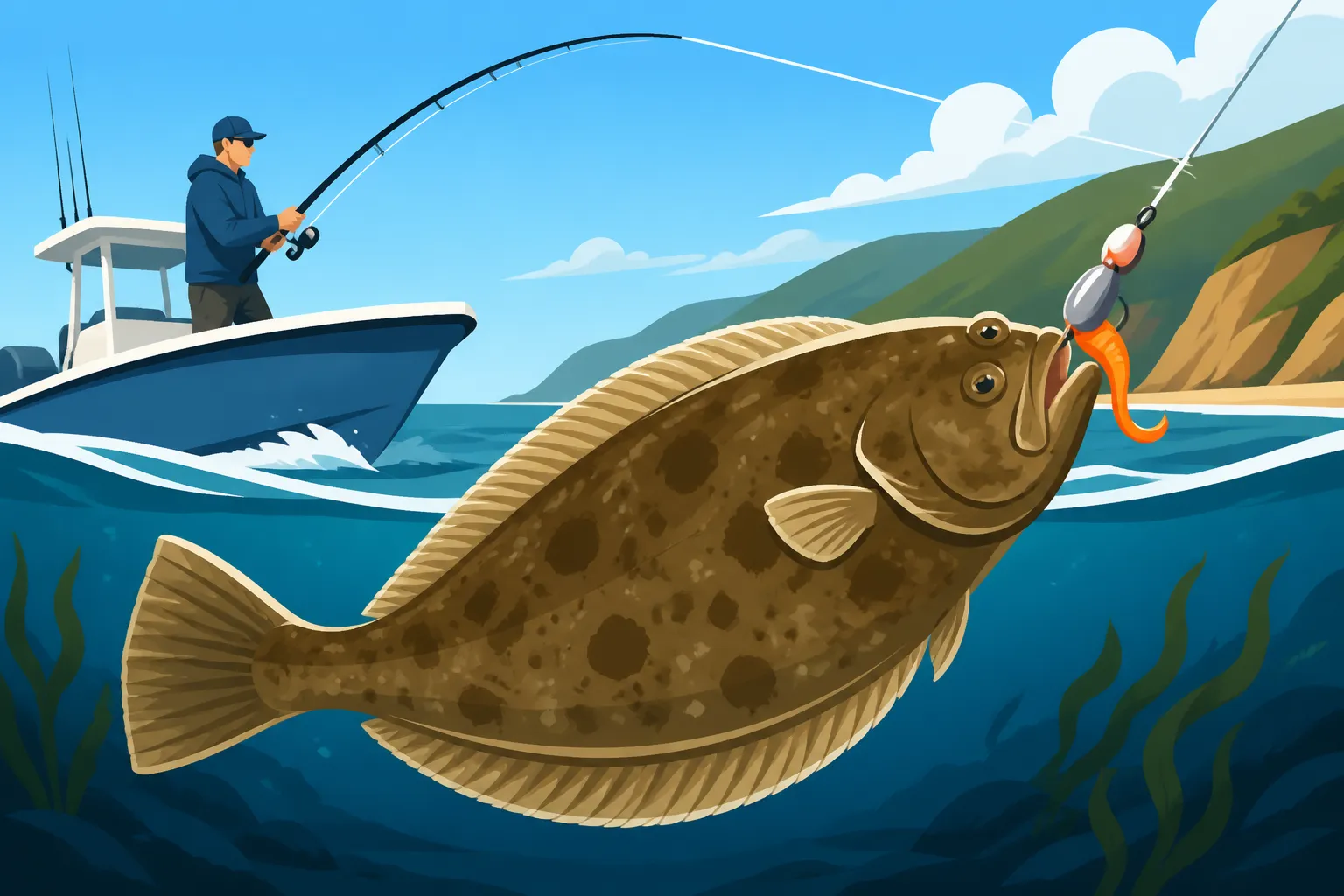
California halibut (Paralichthys californicus) are a distinct species from their larger northern cousins, the Pacific halibut. They are a "left-eyed" flatfish, meaning their eyes migrate to the left side of their head as they mature, allowing them to lie flat on the seafloor with both eyes facing upwards. Their coloration is usually a mottled brown or greenish-brown on their eyed side, which they can cleverly change to match the sandy or muddy bottom they inhabit. This incredible camouflage makes them practically invisible to unsuspecting prey – and sometimes, to anglers too!
When you do hook one, you'll notice their distinct diamond shape, with a large mouth full of sharp teeth. They typically grow to about 10-20 pounds in California waters, though much larger specimens can certainly be found. The current state record stands at an impressive 54 pounds, a testament to the potential for true trophy fish. Differentiating them from other flatfish like turbot or flounder often comes down to their distinct mouth structure and the position of their eyes.
Preferred Habitats and Bottom Structure
California halibut are masters of ambush, and their habitat choices reflect this. They prefer sandy or muddy bottoms, often near structure that provides cover and concentrates baitfish. Think about areas where sand meets rock, or where there are patches of eelgrass. These transition zones are perfect ambush points. In bays and estuaries, you'll find them along channel edges, near jetties, around bridge pilings, and on shallow flats. The structure gives them something to hide near or behind, breaking up their outline, even with their excellent camouflage.
Offshore, they’re commonly found in depths ranging from just a few feet in the surf zone out to about 200 feet, though they are most frequently targeted in shallower, inshore waters, especially during warmer months. They'll often lay half-buried in the sand, waiting for a meal to swim by. Understanding this preference for specific bottom types and structures is key to knowing where to drop your bait or cast your lure. If you're not fishing over sandy or broken sandy bottom, chances are you're not in prime halibut territory.
Feeding Habits and Prey
California halibut are opportunistic predators with a voracious appetite. Their diet primarily consists of smaller fish, such as anchovies, sardines, mackerel, and various types of smelt. They'll also gobble up squid, crabs, and other crustaceans that venture too close. Their feeding strategy is largely passive: they lie in wait, perfectly still and camouflaged, until prey passes within striking distance. Then, with a sudden burst of speed, they erupt from the bottom and engulf their meal. This "ambush predator" behavior is vital to remember when choosing your bait and presenting it.
They rarely chase prey over long distances; instead, they prefer to let the current bring the food to them or hide and wait for it to swim by. This tells us that your presentation needs to imitate a vulnerable, easy meal. Live bait that struggles naturally is often irresistible, but artificial lures mimicking their preferred forage can also be incredibly effective if presented correctly. Knowing what they eat helps you "match the hatch" and select the most enticing offering.
Essential Gear for Your Halibut Expedition
Having the right tackle can make all the difference between a frustrating day of missed bites and a successful halibut harvest. You don't need to break the bank, but having appropriate rods, reels, lines, and terminal tackle is non-negotiable for serious halibut anglers.
Rod, Reel, and Line Setups
For California halibut, you generally want a setup that offers a good balance of sensitivity for detecting subtle bites and enough backbone to handle a strong, thrashing fish. A medium-heavy to heavy spinning rod, typically 7 to 8 feet long, is a fantastic all-around choice. It allows for decent casting distance from shore or a boat, and the tip sensitivity is excellent for feeling those delicate takes. Pair this with a reliable spinning reel in the 4000 to 6000 size range, like a Shimano Stradic or a Penn Battle II, spooled with 20 to 40-pound braided line. Braided line is incredibly sensitive, allowing you to feel every bump and tick on the bottom, which is crucial when halibut are picking at your bait.
If you prefer conventional gear, a medium-heavy conventional rod, around 7 feet, with a star drag reel like a Penn Fathom or Daiwa Lexa, spooled with similar braid, is also highly effective, especially for boat fishing where you might be dropping straight down or trolling. Regardless of your reel choice, always use a fluorocarbon leader, typically 2 to 6 feet long, connected to your braid with a strong knot like an FG or Alberto knot. Fluorocarbon is nearly invisible underwater, much more abrasion-resistant than mono, and won't spook wary halibut. For offshore applications or if you're targeting larger fish, you might even step up to 50-pound braid and a 40-pound fluorocarbon leader.
Terminal Tackle Essentials
Your terminal tackle is where the magic happens, connecting you directly to the fish. You’ll need a variety of sinkers to match different current and depth conditions. Egg sinkers or sliding sinkers, ranging from 1/2 ounce to 3 ounces, are perfect for drift fishing with live bait, allowing the bait to swim freely. For heavier current or surf fishing, pyramid sinkers or torpedo sinkers will help keep your bait on the bottom. Swivels are also critical to prevent line twist, especially when drifting with live bait. Ball bearing swivels are best, connecting your main line to your leader.
When it comes to hooks, choose strong, sharp hooks appropriate for your bait size. Live bait rigs often utilize circle hooks, sizes 2/0 to 5/0, which are excellent for preventing gut hooks and ensuring a solid hookset when the fish runs. J-hooks, such as octopus hooks or Kahle hooks, in similar sizes, can also be effective, especially with dead or cut bait. Don't forget a good pair of pliers for unhooking fish and cutting line, and a sturdy landing net or gaff. For those bigger halibut, a gaff can be essential to safely bring the fish aboard, though a large hoop net is often preferred for smaller fish or if you plan on releasing. You can find a vast selection of these terminal tackle essentials, from high-quality hooks to specialized sinkers, on Amazon, ensuring you're well-prepared for any situation.
Kayaks, Boats, and Waders
The platform you choose for your halibut fishing adventure significantly impacts your approach and the gear you'll need. Each has its pros and cons. Kayak fishing for halibut has exploded in popularity, offering a quiet, stealthy approach that can get you into shallower bays and nearshore areas where bigger boats might struggle. Essential kayak fishing gear includes a stable fishing kayak, paddle, PFD, and important accessories like rod holders, a fish finder with GPS, and an anchor trolley system for precise drifts. The ability to silently maneuver and stay on top of schools of bait can be a huge advantage.
Fishing from a powerboat, whether it's a center console, cuddy cabin, or a basic skiff, offers more comfort, speed, and capacity for gear and multiple anglers. A good fish finder is invaluable for identifying sandy spots, bait balls, and potential halibut lurking on the bottom. An electric trolling motor can also be a game-changer for slow, controlled drifts, especially in calmer bay waters. For those who prefer to stay on terra firma, surf fishing with waders allows you to get past the immediate shore break and fish into troughs where halibut often cruise. You'll need sturdy waders, wading boots, and a surf rod setup capable of long casts with heavy sinkers. Each method offers a unique experience, but all require appropriate safety gear and a thoughtful approach to maximize your chances.
Best Baits and Lures for California Halibut
Halibut are visual and olfactory hunters, meaning they respond well to offerings that look, smell, or move like their natural prey. A varied approach with both live bait and artificials will often yield the best results.
Live Bait Techniques
There's an old saying among halibut anglers: "Live bait is best bait." It's often true. The natural movement, scent, and vibration of a live baitfish are incredibly hard for an opportunistic predator like a halibut to resist. The most effective live baits in California include anchovies, sardines, smelt, and small mackerel. These are all natural forage for halibut and, when presented correctly, are absolutely deadly. You can often purchase live bait from local bait receivers or tackle shops, particularly in areas like San Diego, Long Beach, or in the San Francisco Bay Area. If you're keen, you can also catch your own with a cast net or a sabiki rig.
The key to live bait success is keeping your bait lively and presenting it naturally. When drift fishing, you can nose-hook an anchovy or sardine, allowing it to swim freely just above the bottom. For a more secure presentation, especially with larger baits, you might hook it through the back, being careful not to hit the spine. A Carolina rig or a sliding sinker rig works wonders here, letting your bait move independently of the sinker. Remember, the goal is to make your bait look like an injured, easy meal. When you have a lively bait dancing near the bottom, it sends out irresistible distress signals that halibut can't ignore.
Dead Bait and Cut Bait Strategies
While live bait often out-produces, don't underestimate the power of dead bait and cut bait, especially when drifting or slow trolling. Squid strips are a classic halibut bait, offering a durable, scent-rich option that holds up well. You can rig a whole small squid or a long strip of squid on a hook, often adding a piece of a sardine or anchovy for extra scent. Mackerel, sardine, or anchovy strips are also highly effective. Cut bait works particularly well when you're targeting areas with a lot of current, as the scent trail disperses widely, attracting halibut from a distance.
When using dead bait for drift fishing, consider a setup where the bait is slightly off the bottom, perhaps a foot or two, allowing it to flutter enticingly in the current. Some anglers even use a small float or a "worm weight" on their leader to achieve this. The motion of the boat or kayak creates a lifelike movement for the dead bait. For cut bait, ensure your strips are not too thick, allowing them to undulate naturally. Even though it's not alive, the rich scent and subtle movement can be enough to trigger a halibut's predatory instinct.
Artificial Lures That Work
Artificial lures have come a long way, and many are incredibly effective for catching California halibut. Soft plastics are arguably the most popular and productive category. Swimbaits, especially those with paddle tails, are phenomenal. Brands like Big Hammer, Gulp!, and Kalin's Grub offer a wide range of colors and sizes. A natural baitfish imitation (like anchovy, sardine, or white) on a lead head jig is a go-to setup. The key is to impart a natural swimming motion – a slow, steady retrieve with occasional twitches or pauses.
Jigs, both lead head jigs with plastic bodies and bucktail jigs, are also excellent. When jigging, let the lure hit the bottom, then lift and drop it, imitating an injured baitfish. Sometimes a faster, more aggressive retrieve works, other times a slow, deliberate one is best. For trolling, hard baits like minnow plugs (e.g., Rapala, Lucky Craft) or lipless crankbaits can be deadly. These lures dive to specific depths and have a built-in wobble that screams "eat me" to a hungry halibut. Experimentation is crucial, as halibut can be picky. Keep a variety of artificials on hand; you can find an impressive array of soft plastics, jigs, and trolling plugs, along with helpful reviews and user photos, on Amazon.
Prime Locations for Halibut Fishing in California
California is a vast state with diverse fishing opportunities, and halibut can be found up and down the coast. Knowing where to focus your efforts dramatically increases your chances of success.
Bays, Estuaries, and Harbors
Some of the most consistent and productive halibut fishing occurs in California's expansive bays, estuaries, and harbors. These sheltered waters provide ideal sandy or muddy bottoms, plenty of baitfish, and protection from strong ocean swells, making them accessible to smaller boats and even kayak anglers. San Francisco Bay is renowned for its halibut fishery, particularly in areas like the Berkeley Flats, Alameda Rockwall, and the South Bay. San Diego Bay and Mission Bay in Southern California are also perennial favorites, with numerous sandy channels and flats where halibut congregate. Humboldt Bay up north offers excellent opportunities too.
When fishing these areas, pay close attention to incoming tides. As the tide pushes in, it often brings baitfish into the bays, and halibut will move into shallower areas to feed. Look for drop-offs, channel edges, and areas where eelgrass beds provide cover. Bridge pilings, docks, and other man-made structures can also hold halibut, as they offer ambush points. The calmer waters of these bays make drift fishing with live bait particularly effective, allowing your bait to cover a lot of ground naturally with the current. This is often the easiest and most accessible way for many anglers to target halibut.
Nearshore Ocean and Surf Fishing Hotspots
Beyond the protected bays, California halibut can also be found in the nearshore ocean and even right in the surf zone. Long, sandy beaches with gradual slopes are prime spots for surf fishing, especially if there are subtle troughs or depressions just beyond the breaking waves. Areas like Bolsa Chica State Beach, Zuma Beach, and Coronado Beach are known for producing surf-caught halibut. The key here is to identify submerged structure or changes in bottom contour that create ambush points. Look for darker patches of water, which might indicate a deeper trough, or areas where the waves seem to break differently, suggesting a sandbar.
For boaters and kayakers, the nearshore ocean provides access to deeper sandy flats and areas adjacent to kelp beds. Halibut will often lurk on the sandy edges of kelp, waiting for prey to emerge. Southern California, particularly off the coast of Orange County and Santa Barbara, offers extensive sandy areas for this type of fishing. Piers like the Santa Monica Pier, Oceanside Pier, and the Pacifica Pier can also be surprisingly productive, offering anglers a chance to cast into deeper water without a boat. When Fishing from a Pier in California: Rules allow it, these structures attract baitfish, which in turn attract halibut. You'll often find halibut lying in wait right beneath the pier pilings.
Popular Fishing Spots and Regions
California boasts specific regions and well-known hotspots that consistently produce quality halibut. In Southern California, the Channel Islands and Catalina Island offer fantastic shallow sandy flats where halibut thrive. Places like the sandy stretches around Avalon or the west end of Catalina are worth exploring. The expansive sandy bottoms off Dana Point and San Pedro also hold significant numbers of halibut. Moving up the Central Coast, Morro Bay and Monterey Bay are excellent, particularly around the calmer inner harbor areas and sandy stretches just outside the bay mouths.
Further north, beyond the famous San Francisco Bay, areas along the Sonoma and Mendocino coasts, while sometimes more exposed, can yield great results when conditions are right. For anyone looking to understand the broader context of where to fish, guides like the ones for Best Fishing Spots in California and Best Saltwater Fishing Spots in California offer valuable insights into prime locations. It's always a good idea to check local fishing reports and consult with bait shop staff, as they often have the most up-to-date information on where the fish are biting.
| Fishing Location Type | Key Characteristics | Best Techniques | Typical Depths | Notes |
|---|---|---|---|---|
| Bays & Estuaries | Calm, sandy/muddy bottom, eelgrass beds, channels, structures (docks, bridges) | Drift fishing with live bait, slow trolling, light tackle | 5 – 30 feet | Excellent for smaller boats, kayaks, and shore anglers. Consistent. |
| Nearshore Ocean | Sandy flats adjacent to kelp beds, subtle reefs, structure | Drift fishing (live bait/dead bait), slow trolling, artificials | 20 – 100 feet | Can produce larger fish. Requires calm conditions. |
| Surf Zone | Long sandy beaches, troughs, depressions, sandbars | Casting with bait (Carolina rig), artificials (swimbaits) | 3 – 15 feet | Accessible from shore. Look for active baitfish and structure. |
| Piers & Jetties | Structure, current breaks, access to deeper water | Bait and wait (high-low rig), casting artificials | 10 – 40 feet | Often license-free. Attracts bait. Check local rules. |
Effective Techniques for Landing California Halibut
Catching halibut isn't just about being in the right place with the right bait; it's also about employing the most effective techniques to entice a strike and land your catch. These flatfish can be surprisingly powerful once hooked.
Drift Fishing and Trolling
Drift fishing is arguably the most popular and effective method for targeting California halibut, especially from a boat or kayak in bays and calmer ocean waters. The idea is to allow your boat to drift naturally with the wind or current, dragging your bait or lure along the bottom, covering a wide area. A sliding sinker rig with a live anchovy or sardine is the classic setup. You want just enough weight to keep your bait near the bottom without constantly snagging. The key is to maintain a slow, steady drift, ideally between 0.5 and 1.5 knots. If you're drifting too fast, your bait will lift off the bottom unnaturally, and halibut will have a harder time catching it.
Trolling is another highly effective technique, particularly for covering even more ground and systematically searching for halibut. This involves moving your boat slowly, usually between 2 to 4 knots, while dragging artificial lures or dead bait rigs behind it. Deep-diving crankbaits, swimbaits on weighted heads, or even a classic 'strip bait' rig can be trolled successfully. The aim is to present your offering at the right depth, just above the bottom, allowing it to bump occasionally. Many anglers will troll in a zig-zag pattern to vary the lure's speed and depth, enticing wary halibut to strike. A good fish finder is invaluable for identifying ideal depths and bottom contours for both drifting and trolling.
Shore and Pier Fishing Tactics
Don't have a boat? No problem! Shore and pier fishing can be incredibly rewarding for halibut anglers. From the surf, casting a Carolina rig or a high-low rig with live or dead bait (like a large anchovy or squid strip) is a popular method. You'll want a longer surf rod, typically 9-12 feet, to achieve the necessary casting distance to reach beyond the shore break into those crucial troughs and depressions. Once your bait is out there, let it sit for a while, but be prepared to reel in and recast if you're not getting any action, especially if the current is moving your bait too quickly into undesirable areas. Artificial swimbaits can also be cast and retrieved slowly along the bottom, mimicking a wounded baitfish.
Pier fishing offers a unique vantage point and access to deeper water. A simple high-low leader with a pyramid sinker and two hooks, baited with squid, anchovies, or even mussels, can be very effective. Drop your rig to the bottom and let it sit, or slowly retrieve it with occasional pauses. The pier pilings themselves often hold baitfish, which in turn attract halibut. You might even try casting artificial swimbaits parallel to the pier structure. Remember, halibut are ambush predators, so presentation needs to be natural and enticing. Always check local California Pier Fishing License Rules as many piers allow fishing without a state license.
Kayak and Boat Strategies
Kayak fishing for halibut is incredibly popular due to its stealth and ability to access shallower waters. From a kayak, drift fishing is king. With a good anchor trolley system, you can control your drift speed and angle, allowing your live bait or artificials to cover promising bottom structure with precision. A fish finder mounted on your kayak is a huge asset, helping you identify sandy patches, depth changes, and bait concentrations. Because you're so close to the water, you can often feel even the subtlest halibut bites directly through the paddle or rod.
For those on larger boats, combining drift fishing with modern electronics is the most potent strategy. Use your GPS to mark successful drifts and repeat them. Your fish finder isn't just for locating fish; it's essential for mapping out the bottom composition. Look for the transition zones from rock to sand, or areas with scattered rock on a sandy bottom, as these are prime halibut hangouts. Consider deploying a sea anchor (drogue) to slow down your drift on windy days, ensuring your bait stays in the strike zone longer. Whether on a kayak or a powerboat, covering ground effectively and maintaining proper bait presentation are the keys to consistent halibut success.
Timing Your Halibut Hunt: Seasons, Tides, and Time of Day
Even with the best gear and techniques, timing is everything. Understanding the nuances of when California halibut are most active can drastically improve your catch rates.
Best Seasons for Halibut Fishing
California halibut can technically be caught year-round in many areas, but certain seasons are far more productive than others. Generally, spring and summer are considered the prime times to target these flatfish. As water temperatures begin to warm in late spring (April-May), halibut move into shallower bays, estuaries, and nearshore ocean waters for spawning and feeding. This makes them more accessible to shore, kayak, and bay anglers. The baitfish populations also boom during these warmer months, providing an abundant food source that keeps halibut active and hungry.
Summer (June-August) often sees the peak of the halibut bite, especially in Southern California, where the warm currents bring in schools of anchovies and sardines. This is when you'll find them on sandy flats and along the edges of kelp beds. While fall (September-November) can still be productive, especially in early fall when water temperatures remain mild, the bite tends to slow down as winter approaches. During the colder winter months, halibut often move into deeper, more stable waters, making them harder to target, though dedicated deepwater anglers might still find success. Always refer to a California Fishing Seasons: Month-by-Month Guide to plan your trips effectively.
Tides and Currents: Reading the Water
Tides and currents play an absolutely critical role in halibut fishing. As ambush predators, halibut rely on moving water to bring food directly to them. Generally, the incoming tide is considered the most productive for halibut fishing, especially in bays and estuaries. As the tide floods in, it pushes baitfish into these shallower, nutrient-rich areas, and halibut position themselves to intercept this influx of food. The stronger the current, the more dispersed the scent from your bait, and the more likely it is to attract attention.
Moving water is key. Slack tide, both high and low, often marks a slowdown in activity. While a halibut might still bite during slack water, the lack of current means less bait movement and less scent distribution. Focus your efforts around the beginning and end of strong tidal flows, which is when the current is moving but not yet raging. Understanding the Best Tides for California Halibut in specific locations can give you a significant advantage. A quick check of a local tide chart before your trip is an absolute must.
Optimal Time of Day and Weather Conditions
Just like many predatory fish, California halibut often show increased activity during the low-light periods of dawn and dusk. Early morning, just after sunrise, and late afternoon, leading into sunset, are often prime times. The lower light conditions can make them bolder and more willing to venture out from their camouflage. However, unlike some species, halibut can and do bite throughout the day, especially if there's good tidal movement and plenty of bait around. Overcast days can sometimes extend the productive low-light bite, keeping halibut active longer into the day.
Weather conditions also play a role. Calm, clear days are generally preferred, as they make it easier to detect subtle bites and maintain proper bait presentation. Strong winds can make boat control difficult, leading to fast, unnatural drifts. Murky water, on the other hand, can be a double-edged sword: while it might hide your presentation better, it can also make it harder for halibut to locate your bait. Generally, moderately clear water with good visibility is ideal, allowing them to spot your offering from a distance before closing in for the strike.
Regulations, Conservation, and Responsible Angling
Being a responsible angler means more than just catching fish; it means understanding and adhering to regulations and practicing conservation to ensure healthy fisheries for future generations.
Understanding California Halibut Regulations
California halibut are a highly sought-after species, and as such, their fishery is carefully managed by the California Department of Fish and Wildlife (CDFW). It is absolutely essential to know and follow the current regulations. These typically include minimum size limits and daily bag limits. Currently, the statewide minimum size limit for California halibut is 22 inches total length, and the daily bag limit is 5 fish per person. These regulations are in place to allow fish to reach maturity and spawn, contributing to the overall health of the population.
Regulations can and do change, so before every fishing trip, it’s crucial to consult the most current CDFW sport fishing regulations booklet or their website. This is especially true if you're traveling to a new region, as there can sometimes be localized rules or seasonal closures. For a deeper dive into all the rules you need to know, check out our guide on California Fishing Regulations Explained. Remember, ignorance of the law is no excuse, and violating regulations can result in hefty fines and penalties.
Promoting Sustainable Halibut Fisheries
Beyond just following the rules, responsible anglers actively participate in conservation efforts. One of the most important practices is proper catch and release for fish you don't intend to keep or those that are undersized. Handle halibut gently, minimizing their time out of the water. Use de-hooking tools to quickly and safely remove hooks, especially if using J-hooks. If you're using circle hooks, which are highly recommended for halibut, they often hook in the corner of the mouth, making release much easier. Our guide on California Barbless Hook Requirements offers more insights into gentle angling practices.
Consider using barbless hooks, or pinching down the barbs on your hooks, as this significantly reduces harm to fish you intend to release. Properly identifying your catch is also part of responsible angling; make sure you're not accidentally keeping a protected species or a flatfish that isn't a legal halibut. If you witness any fishing violations, such as someone exceeding bag limits or catching undersized fish, it's important to report it to the CDFW. Protecting our fisheries ensures that future generations can enjoy the same thrilling experiences we do.
Essential Tools for Responsible Anglers
To fully comply with regulations and practice responsible angling, you'll need a few key tools in your tackle box. First and foremost, a reliable measuring device is non-negotiable. This could be a flexible tape measure, a rigid measuring board, or even a sticker on your boat or kayak. Having a quick and accurate way to confirm your catch meets the 22-inch minimum size limit is vital. Always measure your fish carefully and release any undersized halibut immediately.
A good pair of long-nose pliers or a dedicated de-hooking tool is essential for safely removing hooks, especially from fish with sharp teeth like halibut. This protects both you and the fish. For those legal catches you intend to keep, a quality cooler filled with ice is crucial. Proper cooling preserves the quality of the meat and keeps it fresh until you can process it. Finally, a valid California Fishing License Guide is required for almost all fishing activities in California. You can pick up an excellent quality measuring board, along with other essential angling tools, on Amazon to ensure you're always prepared and fishing responsibly.
Disclaimer
Fishing regulations and conditions in California can change frequently. Always consult the latest California Department of Fish and Wildlife (CDFW) regulations before heading out. This guide provides general information and recommendations, but it is the angler's responsibility to adhere to all current laws and safety guidelines.