How to Catch Lingcod in California
The thrill of hooking into a truly formidable fish is something every angler chases, and in California, few species deliver that adrenaline rush quite like the lingcod. These toothy, aggressive bottom dwellers can be notoriously tricky to locate and even harder to pull up once they've taken the bait, leading to frustrating days on the water for many. But don't you worry, because this comprehensive guide is here to unravel the mysteries of landing a trophy lingcod in our diverse California waters, equipping you with the knowledge and tactics for a successful trip.
Understanding the Lingcod: A California Icon
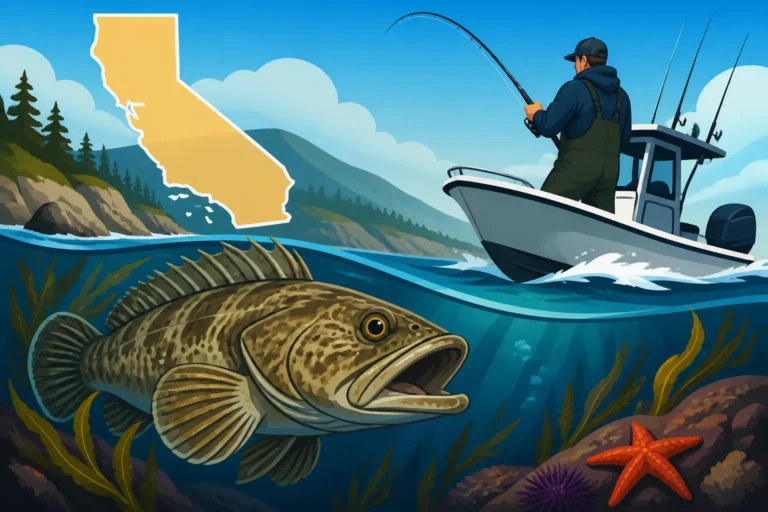
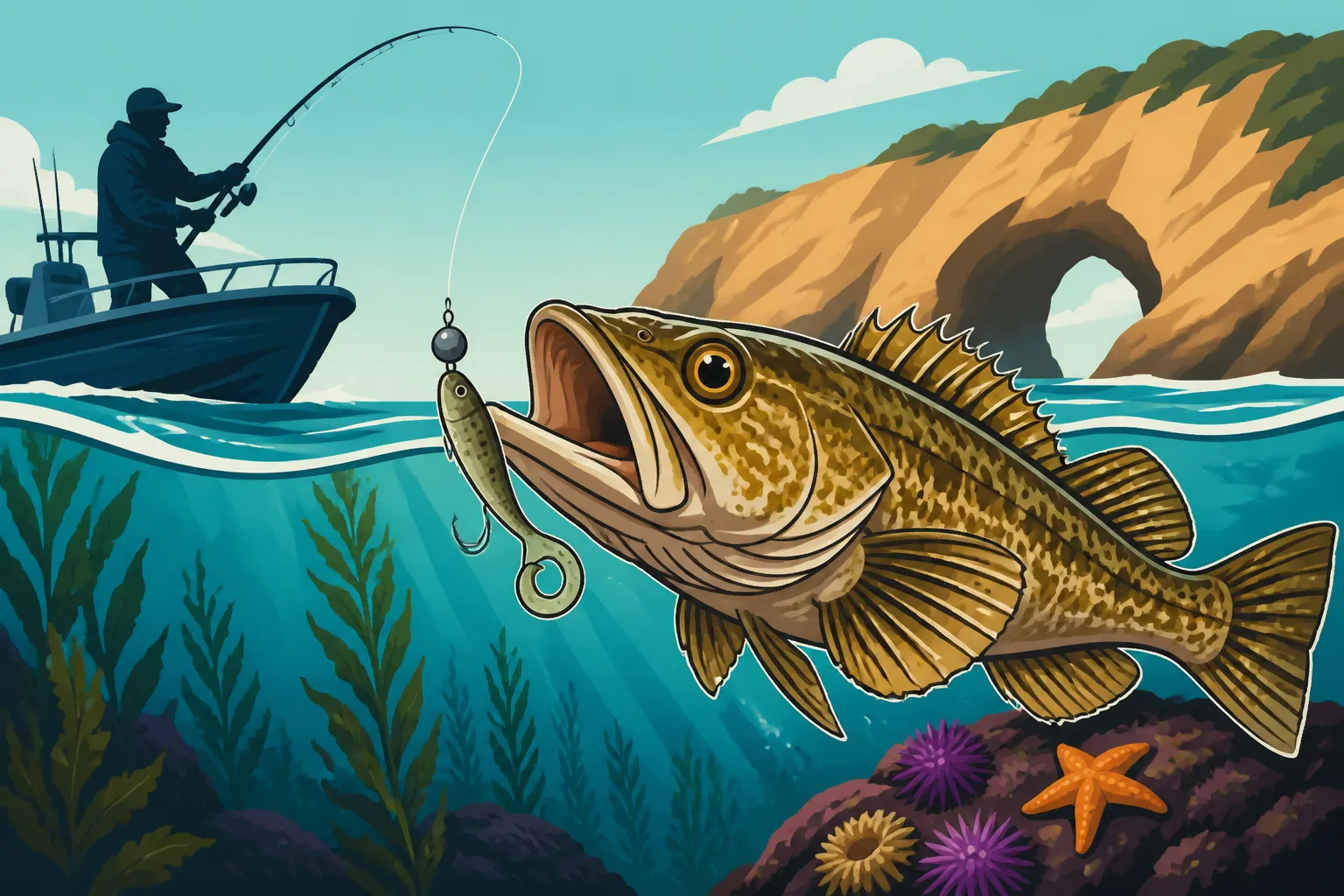
When you picture a lingcod, what often comes to mind is that massive, gaping maw filled with formidable teeth and a rather prehistoric, almost alien appearance. But beyond their intimidating looks, lingcod are incredibly interesting creatures that play a vital role in our marine ecosystem and offer an unparalleled challenge for sportfishing enthusiasts. Knowing a bit about them is the first step to figuring out how to outsmart them.
Lingcod Characteristics and Habitat
Lingcod, despite their name, aren't true cods at all; they're actually part of the greenling family. These impressive fish can grow to substantial sizes, with some individuals reaching over 5 feet in length and weighing upwards of 80 pounds, though catches in the 10-30 pound range are far more common for recreational anglers. Their coloration is incredibly varied, ranging from mottled brown and grey to vibrant blue and green, allowing them to camouflage perfectly with their rocky surroundings. This chameleon-like ability is a testament to their predatory nature.
Lingcod are ambush predators, and their preferred habitat reflects this. They absolutely love structure: think rocky reefs, kelp beds, submerged pinnacles, and even artificial reefs like wrecks. They'll patiently lie in wait, tucked into crevices or camouflaged against the rocks, ready to dart out and devour unsuspecting prey. They tend to stick to deeper, cooler waters, often found anywhere from 30 to several hundred feet deep, though they can sometimes be encountered in shallower areas, especially during spawning season. Understanding their preference for structure is key because it tells you exactly where you need to be dropping your lines. They're often found in the same areas as various rockfish species, so it's not uncommon to pull up a mix of both when you're targeting these bottom dwellers.
Why Lingcod Are Such a Prized Catch
So, what makes lingcod so special that anglers brave early mornings, bumpy boat rides, and the challenge of deep-water fishing? First off, their sheer fighting power. Once hooked, a lingcod will put up an incredible battle, especially when you're trying to pull them up from significant depths. They'll dive, thrash, and often make powerful runs, testing your gear and your stamina. Landing a big lingcod feels like a true accomplishment.
Beyond the fight, lingcod are highly regarded for their culinary qualities. Their meat is firm, flaky, and white, making it incredibly versatile for cooking. Whether you're frying it, baking it, grilling it, or using it in tacos, lingcod consistently delivers a delicious meal. It's a healthy, lean protein source that tastes fantastic. Plus, the sheer size of a decent lingcod means you'll have plenty of fillets to share with family and friends, making the effort of catching them all the more rewarding. It's truly a win-win: an exciting fight and a fantastic dinner!
Where to Find Lingcod in California Waters
California’s vast coastline, with its diverse underwater topography, offers countless opportunities to hook into lingcod. From the rugged shores of the north to the expansive kelp forests down south, these formidable predators make their homes in a variety of locales. However, knowing the prime areas and the specific structures they favor will dramatically increase your chances of success.
Prime Lingcod Fishing Grounds
Lingcod are found up and down the California coast, but certain regions and specific spots consistently produce better results.
Northern California: Up north, areas around Eureka, Crescent City, and Fort Bragg are renowned lingcod hotspots. The rocky bottoms and offshore reefs in these colder, nutrient-rich waters hold some truly massive lingcod. The weather can be a bit more unpredictable up here, but the rewards often justify the effort. If you're looking for an adventure, you'll find plenty of robust charter operations that specialize in targeting these deep-water giants.
Central California: This region, encompassing areas like Bodega Bay, Half Moon Bay, Monterey Bay, and Morro Bay, offers fantastic lingcod opportunities. The extensive kelp forests, underwater canyons, and rock piles are ideal habitats. Monterey Bay, for example, is famous for its deep canyon, providing excellent deep-water fishing for various species, including lingcod. Party boats and private charters operate frequently out of these harbors, giving anglers access to offshore reefs that are otherwise inaccessible. Many anglers also find success fishing for rockfish and lingcod around the Farallon Islands.
Southern California: While often associated with pelagic species like tuna and yellowtail, Southern California also boasts excellent lingcod fishing, particularly around the Channel Islands (e.g., Santa Cruz, Anacapa, Santa Rosa, San Miguel). The cooler waters and extensive reef systems around these islands provide perfect lingcod habitat. Coastal areas near Ventura, Santa Barbara, and even parts of San Diego County also offer good opportunities, especially in areas with significant rocky structure or kelp beds. These waters also offer fantastic opportunities for those interested in California offshore fishing techniques.
Depths and Structure for Lingcod Success
As we touched on earlier, lingcod are ambush predators that rely heavily on structure for hunting and shelter. This means you won't typically find them in vast, open sandy flats. Instead, focus your efforts on areas that provide cover and plenty of hiding spots.
Rocky Reefs and Pinnacles: These are lingcod magnets. Any significant rock outcropping, submerged reef, or pinnacle will attract baitfish and, consequently, lingcod. Use your sonar to identify these features and position your boat directly over or just up-current from them. Lingcod will often be clinging to the sides or on top of these structures.
Kelp Beds: While primarily known for holding yellowtail and calico bass, the deeper edges and internal rock formations within kelp forests are excellent spots for lingcod. They’ll lurk in the shadows, waiting for prey to swim by. When fishing kelp, be prepared to get snagged, but the potential for a big lingcod is worth the risk.
Submerged Canyons and Drop-offs: Areas where the ocean floor suddenly drops off, forming ledges or shelves, are also prime lingcod territory. These features create current breaks and upwellings that concentrate bait, making them feeding zones for lingcod. Often, you'll find them right on the edge of these drop-offs.
Wrecks and Artificial Reefs: Don't overlook man-made structures. Sunken boats, old tires, or concrete blocks deployed as artificial reefs become instant havens for marine life, including lingcod. These structures provide complex environments that mimic natural reefs, offering shelter and ambush points. Using a good fish finder is crucial for pinpointing these hidden gems. Remember that the California rockfish depth restrictions might apply in some of these deeper reef areas, so always check the current regulations.
Essential Gear for Lingcod Fishing
Successfully targeting lingcod requires not just knowing where they live, but also having the right tools for the job. These fish are tough, they live in unforgiving environments, and they'll test your gear to its limits. Skimping on tackle here is a recipe for disappointment.
Rods, Reels, and Line Selection
The robust nature of lingcod fishing demands a setup that can handle heavy weights, deep depths, and the powerful fight of a determined predator.
Rods: You'll want a heavy-action conventional rod, typically in the 6 to 8-foot range. Look for rods rated for 40-80 pound line, or even heavier if you're targeting truly monster lingcod in deep water. The rod needs a strong backbone to lift heavy jigs or sinkers from the bottom and to withstand the powerful headshakes of a hooked lingcod. A fast-action tip is beneficial for detecting subtle bites, which can sometimes be the case even with these aggressive eaters. Brands like Phenix, Calstar, and Seeker are popular among West Coast anglers for their durability and performance in saltwater conditions.
Reels: A sturdy, conventional reel is absolutely essential. Lever drag or star drag reels with a good capacity for heavy braided line are preferred. Look for models like the Penn Fathom, Daiwa Saltist, or Shimano Talica, known for their strong drag systems and robust construction. A good gear ratio is also important; you'll want something that allows for efficient retrieval of heavy tackle from deep water, often in the 4:1 to 6:1 range. Make sure your reel's drag is smooth and can handle significant pressure, as a sticky drag will quickly lead to lost fish.
Line: This is where things get really important. Braided line is the overwhelming choice for lingcod fishing due to its zero stretch, incredible strength-to-diameter ratio, and sensitivity. You'll typically want 60-80 pound braided line. The no-stretch property of braid allows you to feel even the slightest tap in deep water and provides maximum power for setting the hook and fighting the fish. Always use a monofilament or fluorocarbon leader (60-100 pound test) at the business end. This leader provides abrasion resistance against sharp rocks and the lingcod's teeth, and it's also less visible in the water. For an easy way to get some quality braid or fluorocarbon, a quick search on Amazon will show you countless options from reliable brands.
Baits and Lures That Lingcod Can't Resist
Lingcod are opportunistic and aggressive feeders, which means they'll strike a variety of offerings. The key is presenting something enticing that mimics their natural prey.
Jigs: Vertical jigs are incredibly effective. Heavy metal jigs, often weighing 8-16 ounces (or even more in strong currents or deeper water), are dropped to the bottom and then jigged aggressively. Colors like glow-in-the-dark, blue/silver, sardine, or mackerel patterns are perennial favorites. The erratic, dying-fish action of a jig often provokes a predatory strike. Popular jig brands include Salas, Shimano Butterfly, and Colt Sniper. Adding a scent like Pro-Cure or Mike's Gel Scent can sometimes give you an edge, especially on slower days.
Soft Plastics and Swimbaits: Large soft plastic swimbaits, often 6-12 inches long, rigged on heavy lead heads (3-8 ounces) are deadly. The paddle tail creates a lifelike swimming action that lingcod find irresistible. Colors that imitate local baitfish like mackerel, anchovy, or even rockfish are excellent choices. Pearl white, green, and brown are also very effective. You can find a huge array of quality soft plastics and jig heads on Amazon, making it easy to experiment with different sizes and colors.
Live Bait: There's nothing quite like live bait for enticing a big lingcod. Mackerel, sardines, anchovies, or even small rockfish (where legal) are prime choices. Rig them on a heavy-duty circle hook (8/0 to 12/0) with a dropper loop rig or a sliding sinker setup. Let the bait swim naturally near the bottom, and be ready for a solid strike. The erratic movement of a live baitfish often triggers the lingcod's predatory instincts.
Dead Bait: If live bait isn't available, fresh dead bait can still be very effective. Strips of squid, mackerel, or even whole smaller fish like sardines can be rigged on a dropper loop or Carolina rig. The scent trail from dead bait can attract lingcod from a distance. Just make sure your bait is fresh; lingcod are picky about anything less than perfect.
Here's a quick reference for common lingcod baits and lures:
| Bait/Lure Type | Description | Ideal Conditions | Key Advantage |
|---|---|---|---|
| Vertical Jigs | Heavy metal jigs (8-16 oz+), various colors (glow, blue/silver, mackerel) | Deep water, moderate current | Mimics wounded baitfish, strong visual appeal |
| Soft Plastic Swimbaits | 6-12 inch paddle tail plastics on heavy jig heads (3-8 oz) | Moderate depth, calmer current | Lifelike action, good scent absorption |
| Live Bait | Mackerel, sardine, anchovy, small rockfish (check legality) | Any conditions, especially good for picky fish | Natural movement and scent, irresistible to predators |
| Dead Bait | Squid strips, mackerel chunks, whole sardines (fresh) | Deeper water, slow drift | Strong scent trail, effective when fish are less active |
Proven Techniques for Targeting Lingcod
Lingcod fishing isn't just about dropping a line and hoping for the best. These intelligent predators often require specific tactics to coax them into striking. Understanding and mastering a few key techniques will significantly improve your catch rate.
Jigging and Drift Fishing Strategies
These two techniques are arguably the most popular and effective methods for consistently catching lingcod in California.
Vertical Jigging: This is a dynamic and engaging method. Once you've located a promising rocky structure or a kelp edge on your fish finder, position your boat directly over or slightly up-current from the target. Drop your heavy metal jig straight down to the bottom. The trick is to feel for the bottom, then reel up a few feet to avoid snagging, and begin your jigging motion. This typically involves lifting the rod tip sharply (1-3 feet) and then letting it fall back, allowing the jig to flutter and imitate a wounded baitfish or a fleeing squid. Experiment with the retrieve speed and jigging cadence. Some days, a fast, aggressive jig is what they want; other days, a slower, more methodical lift-and-drop works wonders. Pay close attention to your line on the drop, as lingcod often strike as the jig descends. The lack of stretch in your braided line will transmit every bump and tap, even in deep water. You can find detailed tips on California Jigging Tips and Techniques to further refine your approach.
Drift Fishing: Drift fishing allows you to cover more ground and present your bait or lure over a wider area of structure. This method is particularly effective when you're exploring a new spot or when the lingcod are spread out. Use your boat's drift to drag your offering across the bottom. You can use heavy leadhead jigs with soft plastics, live bait rigs, or dead bait setups for this. The goal is to keep your bait or lure close to the bottom, bumping along the structure without getting constantly snagged. This might mean adjusting your weight as the depth or current changes. If the drift is too fast, you might need to deploy a drift sock or sea anchor to slow your boat down, allowing your bait more time in the strike zone. Many successful lingcod anglers use a three-way swivel rig with a heavy sinker on a short dropper line and a leader with a bait or lure. This helps keep your offering near the bottom while minimizing snags.
Live Bait and Dead Bait Approaches
While jigs and swimbaits are incredibly effective, sometimes lingcod prefer the real thing. Both live and dead bait tactics have their place in a lingcod angler's arsenal.
Fishing with Live Bait: When lingcod are being finicky or when you're targeting larger, more cautious specimens, live bait can be a game-changer. The natural movement and scent of a live mackerel, sardine, or anchovy are often irresistible. For live bait, use a simple dropper loop rig or a sliding sinker rig. With a dropper loop, tie a large (8/0-12/0) strong circle hook on a short dropper line (6-12 inches) above a heavy sinker (8-24 ounces, depending on current and depth). Hook your live bait through the nose or just behind the dorsal fin, making sure not to impede its swimming action. Drop it down to the structure, keeping the sinker just bouncing on the bottom. When you feel a bite, resist the urge to yank the rod. Instead, just gently lift the rod and start reeling. Circle hooks are designed to set themselves in the corner of the fish's mouth as it pulls away, making for safer release if necessary and fewer gut hooks. This method is often employed on California Fishing Charters: Complete Guide as well.
Fishing with Dead Bait: Don't underestimate the power of fresh dead bait. Sometimes, the scent trail of a cut mackerel, sardine, or a whole squid can call in lingcod from a distance, especially if they are less active or not keen on chasing moving lures. For dead bait, you can use similar rigs as live bait. Rig a whole squid or a large mackerel fillet on a gangion of hooks or a single large hook, making sure the bait lies straight. When fishing dead bait, a slower drift or even anchoring over prime structure can be effective. Let the bait sit on the bottom, allowing its scent to disperse. The waiting game can pay off handsomely when a big lingcod decides to investigate the easy meal. The key with dead bait is freshness – stale bait won't cut it for these discerning predators.
Navigating California's Lingcod Regulations
Fishing in California means adhering to a comprehensive set of regulations designed to protect our precious marine resources. Lingcod are no exception, and knowing the rules is just as important as knowing how to catch them. Failure to comply can result in hefty fines and even loss of fishing privileges, so always consult the latest California Department of Fish and Wildlife (CDFW) regulations.
Season Dates and Bag Limits
Lingcod seasons and limits can vary by region and often change based on stock assessments. It's crucial to check the most current regulations before heading out. Generally, lingcod fishing in California is subject to a complex system that often ties into the broader groundfish regulations, which includes rockfish and other bottom dwellers.
Historically, the general season for lingcod in most of California's ocean waters (except for specific nearshore areas) typically runs from April or May through December. However, specific seasons can be much shorter in certain management areas or even closed entirely if conservation concerns arise. For instance, the California Lingcod Season and Limits can differ from the North Coast to the Central Coast and down to the Southern Management Area. Always check the official CDFW website or their current ocean fishing regulations booklet. This booklet is your bible for all things regulated fishing in California, including information on specific management areas and their associated rules.
When it comes to bag limits, these also vary. Typically, anglers are allowed a certain number of lingcod per person, per day, often around two fish. However, this is not a universal rule and can change. For example, the daily bag limit in Southern California (south of 40°10' N latitude) has often been set at two lingcod. In other areas, it could be different. The most important thing is to confirm the current bag limit for the specific area you plan to fish on the day you plan to fish. Getting a current California Fishing License Guide is your first step.
Size Restrictions and Conservation Efforts
California also implements size restrictions for lingcod, meaning there's a minimum length a fish must be to be legally retained. This is a critical conservation measure designed to allow lingcod to reach reproductive maturity and contribute to future generations before being caught.
The minimum size limit for lingcod in California has typically been 22 inches total length. This means any lingcod shorter than 22 inches must be immediately released unharmed. It's a good idea to have a reliable measuring device on your boat or in your tackle box to quickly and accurately measure your catch.
Beyond season and size limits, there are other conservation efforts and regulations to be aware of:
- Barbless Hooks: In some areas and for certain species, barbless hooks are required. While not universally mandated for all lingcod fishing, using barbless hooks can certainly aid in releasing undersized or unwanted fish with less harm. For those interested, the rules are detailed in the California Barbless Hook Requirements guide.
- Marine Protected Areas (MPAs): California has established a network of Marine Protected Areas (MPAs) where fishing activity is restricted or prohibited entirely. You absolutely must know where these MPAs are and what the specific regulations are for each. Fishing in a "no-take" zone can lead to severe penalties. Consult the California Marine Protected Areas Explained guide for maps and detailed rules. Always carry a current map of MPAs, whether digital on your phone or a physical chart, and refer to it religiously.
- Rockfish Conservation Areas (RCAs): These are depth-based closures designed to protect groundfish species, including lingcod, at specific depths during certain times of the year. This means that even if the lingcod season is open, you might not be allowed to fish for them at certain depths. These regulations are complex and change, so staying informed is paramount.
It might seem like a lot to keep track of, but these regulations are in place for a good reason – to ensure healthy fish populations for us and future generations of anglers. Always double-check the latest CDFW regulations booklet or website, especially if you're traveling to a new area or if it's been a while since your last trip.
Tips for a Successful and Safe Lingcod Trip
Catching lingcod is undoubtedly exciting, but a truly successful trip goes beyond just reeling in fish. It involves preparation, safe handling practices, and an understanding of how to make the most of your time on the water.
Handling Lingcod Safely
Lingcod are not only powerful but they are also equipped with a mouth full of razor-sharp teeth. This makes handling them a serious business that requires caution and the right tools.
Protect Yourself: The first rule of handling a lingcod is to protect your hands. Always wear heavy-duty fishing gloves. Their teeth are designed to grip and tear, and they can easily inflict a nasty wound if you're not careful. Many experienced anglers also recommend using long-nosed pliers or a de-hooker to remove hooks, keeping your hands well clear of the mouth.
The "Lip Grip": For larger lingcod, a sturdy lip gripper (like those made by BogaGrip or Berkley) is invaluable. This tool allows you to safely secure the fish by its lower jaw, giving you control without putting your hands near its teeth. Once secured, you can then safely remove the hook, take a quick photo, and prepare the fish for the cooler or release. Never try to hold a large lingcod by placing your fingers in its gills – it's dangerous for you and harmful to the fish.
Venting for Deep-Water Releases: If you're fishing in deep water (typically anything over 30-40 feet), lingcod, like many other rockfish species, can suffer from barotrauma when brought to the surface. This means the gases in their swim bladder expand, making it difficult for them to swim back down. If you catch an undersized lingcod or one you intend to release, consider using a venting tool to deflate the swim bladder. This thin, hollow needle is inserted into the fish's side, allowing the gas to escape and enabling the fish to swim back to depth. Always learn how to properly use a venting tool before attempting it, or use a descending device, which brings the fish back down to depth quickly. The goal is to minimize stress and maximize the chances of survival for released fish, upholding the principles of good stewardship.
Best Practices for an Enjoyable Outing
Beyond the catch, ensuring your lingcod fishing trip is enjoyable and hassle-free requires a bit of planning and adherence to some best practices.
Check Weather and Tides: Lingcod fishing, especially offshore, is highly dependent on weather conditions. Always check the marine forecast before you go. Rough seas can make fishing miserable, if not downright dangerous. Also, pay attention to tide charts. While lingcod don't follow tides as strictly as some inshore species, moving water associated with tidal changes can often stimulate feeding activity. Strong currents, however, can make it difficult to get your gear to the bottom and keep it there. You can learn more about the Best Times to Fish in California generally, but always focus on marine-specific forecasts for lingcod.
Be Prepared for Sea Sickness: If you're prone to sea sickness, take preventative measures before you get on the boat. Over-the-counter medications like Dramamine or Bonine, acupressure wristbands, or even prescription patches can make a huge difference. Don't let a queasy stomach ruin your lingcod adventure.
Pack Smart: Aside from your fishing gear, pack plenty of water, snacks, sunscreen, sunglasses, and a wide-brimmed hat. Dress in layers, as offshore conditions can change rapidly. A good waterproof jacket and pants are essential, even on sunny days, as spray from the ocean can easily drench you. Don't forget a cooler with plenty of ice to properly store your catch; quickly chilling your lingcod will preserve its quality. Many anglers also bring a sturdy cutting board and a sharp fillet knife to process their catch right after the trip.
Consider a Charter: If you're new to lingcod fishing, don't have a suitable boat, or just want to maximize your chances, booking a California Deep Sea Fishing Charter Guide is an excellent option. Experienced captains and deckhands know the best spots, have all the right gear, and can provide invaluable instruction. Many public party boats also target lingcod and are a great way to experience this type of fishing without a huge investment. You might find a charter specifically geared toward targeting rockfish and lingcod, like those often discussed in Best Rock Fishing Spots in California. They'll handle the navigation, fish finding, and even help you with bait and tackle, allowing you to focus on the pure joy of fishing.
Remember, fishing is about the experience as much as the catch. By preparing adequately, respecting the fish, and adhering to regulations, you'll not only have a more successful lingcod trip but also a safer and more enjoyable one.
Disclaimer
Fishing regulations, including seasons, bag limits, and size restrictions, are subject to change by the California Department of Fish and Wildlife (CDFW). It is the angler's responsibility to consult the latest official CDFW regulations before engaging in any fishing activity. This guide provides general information and should not be considered a substitute for the official regulations.