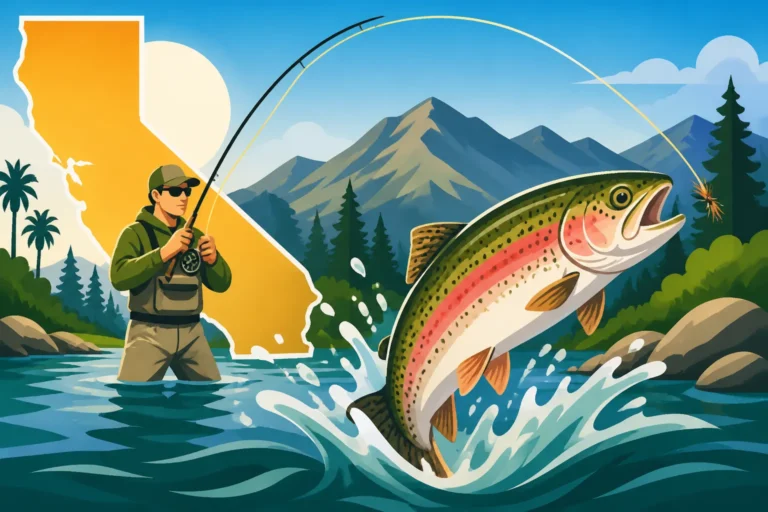
How to Catch Rainbow Trout in California
There’s nothing quite like the thrill of feeling that distinctive tug on your line, the vibrant flash of iridescent scales, and the rewarding fight of a beautiful rainbow trout in California’s pristine waters. But let's be honest, consistently hooking into these elusive beauties can sometimes feel like a puzzle, especially with California's diverse waters and ever-changing conditions. This comprehensive guide is designed to cut through the confusion, offering you actionable insights, tried-and-true techniques, and location-specific wisdom to significantly boost your success rate and truly enjoy your next rainbow trout adventure.
Understanding California Rainbow Trout
Before you even tie on a hook, it’s incredibly helpful to get a grasp on what makes rainbow trout tick. These fish are not just pretty faces; they're resilient, opportunistic, and their behavior is heavily influenced by their environment. Knowing a bit about their biology and preferred hangouts will give you a serious edge.
Rainbow Trout Biology and Behavior
Rainbow trout, known scientifically as Oncorhynchus mykiss, are an iconic freshwater fish in California, renowned for their fighting spirit and dazzling coloration. While the wild, native rainbows are often celebrated for their hardiness, many of the trout you’ll encounter in California’s lakes and rivers are hatchery-raised, stocked specifically for sport fishing. These stocked fish can sometimes be a bit less wary than their wild cousins, but they still follow fundamental trout behaviors.
They thrive in cold, clear, well-oxygenated water, typically preferring temperatures between 45 and 65 degrees Fahrenheit. Anything much warmer can stress them out, sending them deeper or into shaded areas. Their diet is quite varied, shifting with age and availability. Young trout might primarily feast on aquatic insects and larvae, while larger rainbows will readily take bigger prey like minnows, sculpins, crawdads, and even smaller trout. This dietary flexibility is why a wide range of baits and lures can be effective. They are also known to be sight feeders, which means water clarity plays a huge role in how they react to your presentation. During spawning, usually in late winter or early spring, their focus shifts dramatically, and they become less interested in feeding, concentrating on reproduction.
Identifying Rainbow Trout Habitats
When you’re staring at a vast lake or a winding river, figuring out where the trout are can feel overwhelming. But rainbows aren't just swimming around aimlessly; they gravitate towards specific types of cover and structure that provide food, shelter, and comfort. In rivers and streams, look for areas with good current but also nearby eddies or slower pockets where they can rest and ambush prey. Deep pools, undercut banks, submerged logs, large rocks, and overhanging vegetation all offer excellent hiding spots. Riffles – those shallow, fast-moving sections – are prime feeding grounds where insects are dislodged.
In lakes and reservoirs, the habitat quest is similar but on a larger scale. Rainbow trout often patrol drop-offs, submerged humps, weed lines, and points. During warmer months, they’ll retreat to deeper, cooler water, often suspending themselves in the water column or hugging the bottom where springs might provide cooler flows. In colder months or during stocking events, they might be closer to the surface or shorelines. Don't overlook inlets and outlets of streams, as these areas often provide fresh food and oxygen. Understanding these preferences is key to knowing where to cast your line.
Prime Locations for Rainbow Trout Fishing in California
California is a trout angler's paradise, offering an incredible variety of waters, from high-alpine lakes to expansive reservoirs and picturesque rivers. Knowing where to go is just as important as knowing how to fish.
California's Best Trout Lakes
When it comes to stillwaters, California boasts some truly phenomenal trout fisheries. Each lake has its own personality, and understanding their unique characteristics can help you tailor your approach.
- Crowley Lake (Eastern Sierra): Often hailed as one of California's premier trout destinations, Crowley Lake is famous for its large, healthy rainbow trout, along with brown trout and cutthroat. The shallow, fertile waters produce abundant insect life, leading to incredible dry fly fishing, especially during the spring and fall "midge hatches." Bank fishing, float tubing, and boat fishing are all popular. During early season, shorelines and weed beds are hot, while later in summer, trolling or fishing deeper with indicators becomes the norm. The season typically runs from the last Saturday in April through November 15th, making it a seasonal gem.
- Lake Tahoe (Sierra Nevada): While often associated with Mackinaw (lake trout), Lake Tahoe also holds impressive populations of wild rainbow trout, particularly in shallower coves and near creek inlets. Trolling with downriggers for suspended fish, or casting lures from shore during dawn and dusk, can be productive. The clear, deep waters demand a stealthy approach and lighter lines. If you're looking for a challenge and the chance at a truly wild fish, Tahoe is a fantastic option.
- Lake Shasta (Northern California): This massive reservoir offers diverse fishing opportunities, including rainbow trout. While known more for its bass, the cooler, deeper sections of Shasta, especially near the dam or in the arms fed by the Sacramento and McCloud Rivers, can hold good numbers of rainbows. Trolling with spoons or Apex lures is a popular method here, especially in spring and fall. These fish can grow quite large, making for exciting fights. You can dive deeper into specific tactics with our guide on Lake Shasta: Fish Species and Best Spots.
- Eastern Sierra Alpine Lakes: The high country of the Eastern Sierra, accessible via trails from towns like Bishop, Mammoth Lakes, and June Lake, is dotted with countless alpine lakes and streams. These waters are often stocked with fingerling rainbows, and many hold wild populations that have adapted to the harsh conditions. Think about places like Rock Creek Lake, South Lake, or the countless smaller lakes in the John Muir Wilderness. Light tackle, float tubes, or simply hiking in for a day of peace and solitude are the keys here. Many of these waters are covered extensively in our Eastern Sierra Fishing Guide.
Top Rivers and Streams
River and stream fishing for rainbow trout demands a different skill set, often involving reading the water and a more active approach.
- Truckee River (Sierra Nevada): Flowing from Lake Tahoe through Truckee and into Nevada, the California section of the Truckee is a renowned wild trout fishery, home to robust rainbow and brown trout. This river is primarily a catch-and-release, artificial lures and flies only fishery, and mastering its currents and holding lies is a lifelong pursuit for many. Fly fishing is king here, with nymphs, streamers, and dry flies depending on the hatch. Wading is common, but accessing certain stretches can be tricky due to private property. For more detailed strategies, check out our insights on California Fly Fishing Guide.
- Upper Sacramento River (Northern California): From Lake Siskiyou down to Shasta Lake, the Upper Sac is a classic freestone river known for its healthy population of wild rainbow trout. It’s a favorite for fly anglers, but spin fishers can also do well with small spinners and drift rigs. The river features a mix of riffles, runs, and pools, providing excellent opportunities for reading the water. Access is generally good along Interstate 5, with numerous pull-offs and trails.
- Pit River (Northern California): While a bit more rugged to access, the Pit River is another fantastic wild trout fishery known for its feisty rainbows. It’s a technical river with slippery rocks and strong currents, making wading challenging but rewarding. Nymphing is often the most effective method due to the river's rich insect life.
- Eastern Sierra Creeks and Fork Rivers: The numerous creeks and fork rivers flowing out of the Sierra Nevada, such as Bishop Creek, Rock Creek, Hot Creek, and the Owens River, offer fantastic smaller-water opportunities. These waters are often stocked, providing easy access and consistent action, especially for beginners or those seeking plentiful fish. Hot Creek, in particular, is a famous spring creek that offers year-round fly fishing, often with special regulations like barbless hooks and catch-and-release to protect its wild trout.
Essential Gear and Tackle for Rainbow Trout
Having the right tools for the job can make all the difference between a frustrating day and a successful outing. While you don't need to break the bank, investing in some quality, species-appropriate gear for catching rainbow trout is a smart move.
Rods, Reels, and Line Selection
Choosing your rod, reel, and line depends largely on the type of water you're fishing and your preferred technique.
- Rods: For most rainbow trout fishing in California, a light or ultralight spinning rod is your best friend. A 6 to 7-foot rod with a fast or moderate-fast action is incredibly versatile. This length gives you good casting distance for both shore and boat fishing, while the lighter power allows you to feel subtle bites and protects lighter lines from breaking on hard fighting fish. For ultralight setups, you might go as short as 4.5 to 5.5 feet, which is fantastic for small streams or when targeting smaller, stocker trout. If you're venturing into fly fishing, a 4-weight or 5-weight fly rod, typically 8.5 to 9 feet long, is a good all-around choice for California's trout waters.
- Reels: Pair your spinning rod with a small, lightweight spinning reel (size 1000 to 2500 series). Look for a reel with a smooth drag system, which is crucial for preventing break-offs when a trout makes a strong run. Brands like Shimano, Daiwa, or Pflueger offer reliable options across various price points. For fly fishing, a matching fly reel isn't as critical for drag, but it needs to balance your rod well and hold your fly line and backing.
- Line: When it comes to fishing line, finesse is often the name of the game for rainbow trout.
- Monofilament: A good starting point is 4-6 pound test monofilament. It has stretch, which acts as a shock absorber, and is relatively inexpensive. Its buoyancy can also be an advantage for topwater presentations.
- Fluorocarbon: For situations requiring more stealth and sensitivity, 2-4 pound test fluorocarbon leader is excellent. It's nearly invisible underwater, sinks, and has less stretch, offering better feel for subtle bites. Many anglers use a main line of braided line (6-10 lb test) for casting distance and sensitivity, then tie on a fluorocarbon leader using an Albright or double uni knot. You can find a great selection of these on Amazon.
- Fly Line: For fly fishing, a weight-forward floating line is the most versatile choice for a 4-5 weight rod, allowing for dry fly, nymph, and light streamer presentations.
Terminal Tackle and Essential Accessories
The small stuff matters a lot in trout fishing. Don't skimp on quality for these crucial components.
- Hooks: For bait fishing, opt for small, sharp hooks in sizes 10 down to 18, depending on your bait and the size of trout you expect. Treble hooks are great for PowerBait, while single bait holder hooks are ideal for worms. Barbless hooks are often required in special regulation waters and are highly recommended for catch-and-release fishing to minimize harm. Check out our detailed guide on California Barbless Hook Requirements.
- Weights: An assortment of split shot weights (sizes BB, B, 3/0, 2/0) and small sliding egg sinkers (1/8 oz to 1/2 oz) will cover most bait fishing scenarios.
- Swivels: Small barrel swivels or three-way swivels can prevent line twist, especially when using spinners or fishing in current.
- Bait/Lure Box: A compact tackle box or a small, organized compartment in your vest is essential for keeping your hooks, weights, and small lures tidy. Consider getting a quality fishing vest, often available on Amazon, to keep everything at your fingertips.
- Landing Net: A fine-mesh, rubberized landing net is highly recommended. It helps land fish quickly, reduces stress on the fish, and protects their delicate slime coat, especially important for catch and release.
- Forceps/Pliers: Essential for safely removing hooks, particularly with smaller fish or when hooks are deeply set.
- Waders and Boots: If you plan on wading rivers or streams, good quality waders (chest or waist-high) and wading boots with felt or rubber soles are indispensable for comfort, safety, and stealth.
- Polarized Sunglasses: These aren't just for looking cool; they're incredibly functional for spotting fish, submerged structure, and safely navigating clear water.
Effective Techniques, Baits, and Lures for Rainbow Trout
Now that you have your gear ready, let's talk about how to actually trick those trout into biting. Rainbow trout can be picky, so having a range of techniques and bait options in your arsenal is crucial.
Natural Baits and PowerBait
For many anglers, especially those new to trout fishing or targeting stocked fish, natural baits and PowerBait are consistent producers.
- Worms (Nightcrawlers/Red Wigglers): The classic. Worms are a natural food source for trout and are incredibly effective. You can fish them whole, especially nightcrawlers for larger trout, or break them into smaller pieces for a more subtle presentation. Rig them on a small hook, allowing for natural movement. You can drift them in a river with minimal weight or fish them under a bobber in still water. The key is to keep the presentation as natural as possible.
- Salmon Eggs: These are a favorite among hatchery trout, as they often resemble their first meals. Fish them singularly or in small clusters on a tiny hook (size 14-18) with a very light split shot. Drifting them through current or still-fishing them near the bottom are common tactics. Pautzke Bait's "Balls O' Fire" are a popular choice.
- PowerBait: Perhaps the most famous artificial bait for stocked rainbow trout. Berkley PowerBait comes in various forms – dough, nuggets, and even pre-formed "worms." The dough is incredibly versatile; you can mold it around a small treble hook (size 14-18) to create a buoyant ball that floats just off the bottom. Experiment with different colors and scents; chartreuse, rainbow, and white are often reliable. PowerBait works best when still-fished on a Carolina rig setup, with an egg sinker above a swivel, and a short leader (1-3 feet) to your hook. This allows the PowerBait to float up, presenting itself enticingly. Stock up on various PowerBait colors, easily purchased on Amazon, to find what the fish prefer on a given day.
- Marshmallows: Believe it or not, small marshmallows, sometimes combined with PowerBait or a salmon egg, can be surprisingly effective. They float and can provide a visual attractant.
Artificial Lures and Flies
For a more active and often more rewarding fishing experience, artificial lures and flies are the way to go.
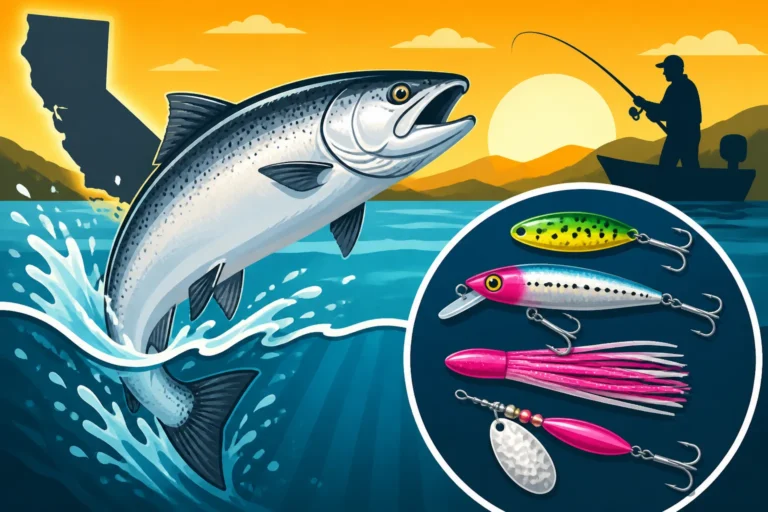
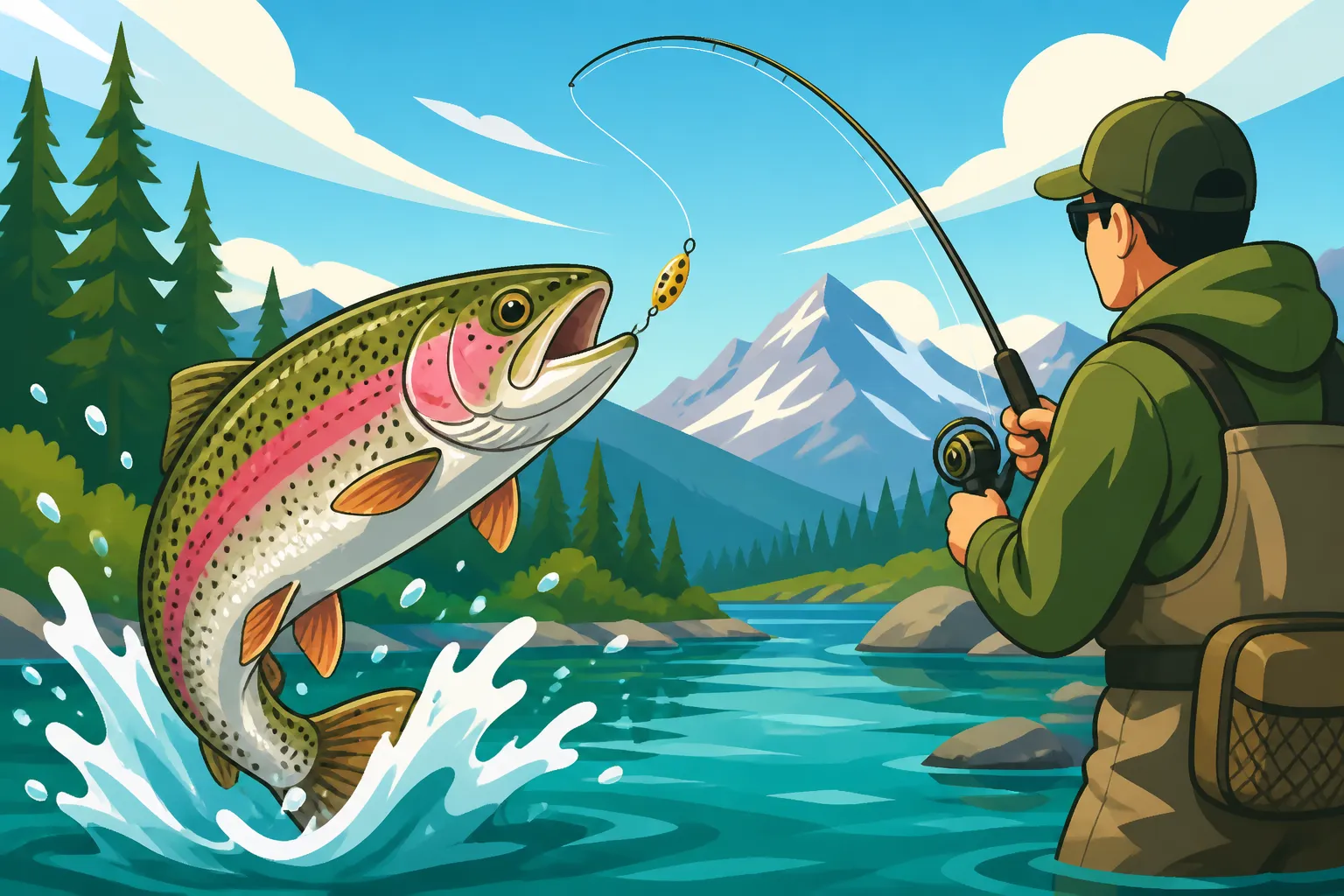
- Spinners: Small inline spinners are trout magnets, particularly in streams and rivers. Brands like Panther Martin, Mepps, and Roostertail are iconic for a reason. Their spinning blade creates flash and vibration that imitate small baitfish or fleeing insects. Cast them upstream or across current and retrieve just fast enough to get the blade spinning, allowing them to drift naturally through promising holding water. Gold, silver, and fire tiger patterns are often excellent starting points.
- Spoons: Spoon lures, like the classic Kastmaster or Thomas Buoyant, are fantastic for both lakes and larger rivers. Their wobbling action mimics an injured baitfish. Cast them out, let them sink to the desired depth, and retrieve with a varied pace, incorporating pauses and twitches. They can be incredibly effective when trolled behind a boat or kayak as well.
- Soft Plastics: Small soft plastic baits, such as Gulp! Minnows or Trout Worms, can be incredibly versatile. Fish them on a small jig head, under a bobber, or on a split shot rig. Their lifelike action and scent can entice wary trout.
- Flies: For the dedicated fly angler, the world of trout flies is vast and exciting.
- Dry Flies: Mimic insects on the surface (e.g., Adams, Elk Hair Caddis, Royal Wulff). Best fished when trout are visibly rising.
- Nymphs: Imitate aquatic insect larvae and pupae (e.g., Pheasant Tail, Hare's Ear, Prince Nymph). Fished subsurface, often under an indicator. This is probably the most consistently productive fly fishing technique.
- Streamers: Mimic baitfish or larger prey (e.g., Woolly Bugger, Sculpzilla). Stripped through the water to provoke an aggressive strike.
- For a deeper dive into techniques, you might find our guide on California Fly Fishing Tips and Techniques helpful.
Fishing Methods and Strategies
Putting it all together requires understanding how to present your chosen bait or lure effectively.
- Still Fishing (Lakes/Ponds): This is often done from shore or a stationary boat. Cast out your bait (PowerBait, worm, salmon egg on a Carolina rig or under a bobber) and let it sit. The key here is patience. Pay close attention to your rod tip or bobber for any subtle movement. This is excellent for stocked trout.
- Casting and Retrieving (Lakes/Rivers): Primarily for artificial lures. Make a cast, allow the lure to sink to the desired depth, and retrieve with varying speeds and actions. Experiment with twitching, pausing, and reeling straight in until you find what triggers a bite.
- Drifting (Rivers/Streams): Ideal for natural baits or nymphs in current. Use just enough weight to get your offering down to where the fish are holding, but not so much that it snags constantly. Let the current carry your bait naturally downstream, covering likely trout lies. This mimics how actual food drifts downriver.
- Trolling (Lakes/Reservoirs): From a boat or kayak, troll lures (spoons, small crankbaits, F7 Flatfish) at a slow speed. This covers a lot of water and can be very effective for suspended trout. Vary your depth using lead core line, downriggers, or simply by adjusting your lure's diving depth.
- Float Tubing/Kayaking: These silent, maneuverable vessels allow you to access parts of lakes and calmer river stretches that are inaccessible from shore, opening up new opportunities, especially for targeting fish along weed lines or deeper water.
Here’s a quick overview of popular rainbow trout baits and lures and their best use cases:
| Bait/Lure Type | Best Use Cases | Key Characteristics | Typical Rigging |
|---|---|---|---|
| PowerBait Dough | Stocked lakes, still-fishing, consistent producers | Buoyant, scented, variety of colors | Small treble hook, Carolina rig |
| Nightcrawlers | All waters, larger trout, natural presentation | Natural scent, wiggling action, versatile | Single hook, split shot, bobber |
| Salmon Eggs | Hatchery trout, clear water, subtle presentation | Small, natural food, often pre-scented | Tiny hook, light split shot, drifting |
| Inline Spinners | Rivers/streams, active fish, searching | Flash, vibration, mimics baitfish/insects | Cast & retrieve |
| Spoons (Kastmaster) | Lakes/reservoirs, trolling, casting, aggressive fish | Wobbling action, flash, imitates injured baitfish | Cast & retrieve, trolling |
| Soft Plastics | Finesse fishing, wary trout, jigging | Lifelike action, scented, various shapes | Jig head, split shot rig, drop shot |
| Nymph Flies | Rivers/streams, subsurface feeding, fly fishing | Imitates aquatic larvae, subtle, most consistent fly type | Fly rod, indicator (fly fishing) |
Seasonal Considerations for California Trout Fishing
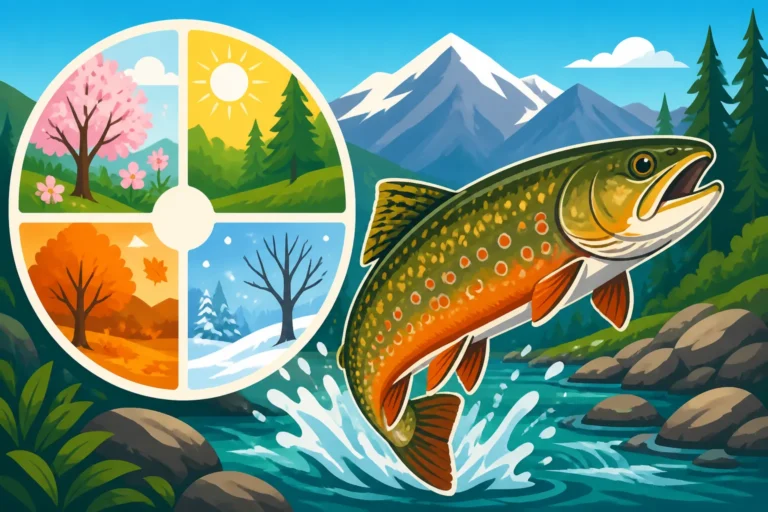
Rainbow trout fishing in California isn't a static game; it changes dramatically with the seasons. Understanding these shifts is key to maximizing your success and knowing when the fishing truly heats up. Our comprehensive California Fishing Seasons: Month-by-Month Guide offers an even deeper dive.
Spring and Fall Tactics
These are arguably the "golden seasons" for rainbow trout fishing across much of California, offering some of the most consistent and exciting action.
- Spring (March – May): As snow melts and water temperatures begin to rise but remain cool, trout become very active. In lakes and reservoirs, fish will often move into shallower areas to feed after the long winter, making them accessible to bank anglers and waders. Stocking programs are in full swing in many areas, replenishing populations and providing eager targets. Rivers and streams swell with snowmelt, which can be challenging, but as flows stabilize, trout will spread out and actively feed on emerging insects. This is a prime time for nymphing in rivers and throwing small spinners or PowerBait in lakes. Look for inlets where fresh, oxygenated water brings in food. The period around opening day (typically the last Saturday in April for many Sierra waters) is pure frenzy, and rightfully so, as fish are hungry and abundant.
- Fall (September – November): As summer heat gives way to cooler temperatures, fishing often picks up again, especially in waters that got too warm during July and August. Trout in lakes will once again move shallower, feeding aggressively in preparation for winter. In rivers, water levels typically drop and clear, making for excellent wade fishing. Wild trout, especially, become more aggressive, chasing streamers and larger lures as they bulk up. This is also when many native trout begin their spawning migrations, though specific regulations for these periods should always be checked. For those interested in extended seasons, destinations like the Lower Owens River, the Truckee River, and Hot Creek in the Eastern Sierra offer year-round trout opportunities.
Summer and Winter Challenges and Opportunities
While spring and fall are prime, summer and winter still offer great fishing if you know how to adapt.
- Summer (June – August): The biggest challenge in summer is heat. As water temperatures rise, trout become stressed and seek refuge in deeper, cooler water in lakes, or in shaded, oxygenated pockets in rivers. Early mornings and late evenings are the most productive times, as midday sun drives fish down. In lakes, focus on deeper areas, employing trolling with downriggers or fishing vertically with jigs or weighted baits. In rivers, target deep pools, undercut banks, and sections with consistent shade. High-elevation alpine lakes, which remain cool throughout summer, become prime destinations and offer fantastic opportunities for those willing to hike.
- Winter (December – February): Many high-country waters close for the winter, but numerous lower-elevation lakes and rivers remain open and can provide excellent cold-weather fishing. Trout metabolism slows down, so they become less active, but they still need to feed. The key is to fish slowly and present baits/lures right on their nose. In lakes, this might mean slow trolling or vertical jigging with a sensitive setup. In rivers, deep, slow pools are the main holding areas. California also offers some fantastic winter fly fishing opportunities on rivers like the Lower Owens, East Walker, and the Truckee, where nymphing remains effective. Be sure to dress warmly and check local conditions, especially for ice, which can form on some higher-elevation lakes. Our guide on Best Winter Fishing in California provides more specific advice.
California Fishing Regulations and Ethical Practices
Fishing for rainbow trout in California isn't just about catching fish; it's also about respecting the resource and adhering to the rules. The California Department of Fish and Wildlife (CDFW) sets specific regulations to ensure healthy fish populations for future generations.
Key California Fishing Regulations
Navigating the CDFW regulations can sometimes feel like deciphering ancient texts, but it’s absolutely essential. Ignorance of the law is never an excuse for a violation. Always consult the current year’s California Fishing Regulations Explained booklet, which you can find online or at any licensed tackle shop.
- Fishing License: Almost everyone over the age of 16 needs a valid California fishing license. There are exceptions, like during California Free Fishing Days or when fishing from a public pier in ocean waters, but for freshwater trout, a license is mandatory. You can get yours online or from licensed agents. For details, see our guide on the California Fishing License Guide.
- Bag and Size Limits: These are critical. Bag limits dictate how many fish of a particular species you can keep per day, and often how many you can possess in total (possession limit). Size limits mean fish must be within a certain length range to be legal to keep. These limits vary wildly by species, by water body, and even by specific sections of a river. For example, some stretches of the Truckee River might be catch-and-release only with artificial lures and barbless hooks, while a nearby stocked lake might have a five-fish bag limit with no size restriction. Always, always check the specific regulations for the water you plan to fish. You can find more general information in our California Trout Limits and Regulations article.
- Gear Restrictions: Certain waters may have restrictions on the type of tackle you can use. This often includes requirements for artificial lures only, barbless hooks only, or even fly-fishing-only designations. These are usually implemented to protect wild populations or during sensitive spawning periods.
- Season Dates: While many lakes and larger rivers are open year-round, many of California's renowned trout waters, especially in the high Sierra, operate on a "general trout season" (typically the last Saturday in April through November 15th). Confirm these dates before you plan your trip.
Practicing Ethical Angling and Conservation
Beyond just following the rules, responsible anglers adopt practices that promote the health of the fishery and ensure enjoyable experiences for everyone.
- Catch and Release Best Practices: If you're releasing fish (and many anglers do, even when keeping is allowed), proper handling is paramount.
- Minimize Fight Time: Bring the fish in as quickly as possible without over-stressing it.
- Keep Fish in Water: Avoid removing the fish from the water entirely, especially for photographs. Unhook it while it's still submerged.
- Wet Hands: Always wet your hands before touching a fish. Dry hands can remove the protective slime coat, leaving the fish vulnerable to infection.
- Barbless Hooks: Crimp down the barbs on your hooks, or better yet, use purpose-made barbless hooks. This makes hook removal quick and easy, causing less damage.
- Proper De-hooking: Use forceps or pliers to gently remove the hook. If the hook is deeply set, it might be better to cut the line as close to the hook as possible, as the hook will eventually rust out.
- Revive the Fish: Hold the fish gently in the water, facing into a mild current, until it regains its strength and can swim away on its own. Don't just toss it back; ensure it's ready to go. You can find a comprehensive guide on California Catch-and-Release Rules to hone your skills.
- Leave No Trace: Pack out everything you pack in. This includes all fishing line, bait containers, and any other trash. Respect private property and public access points.
- Respect Other Anglers: Share the water, maintain a respectful distance from other anglers, and keep noise levels down. We're all out there to enjoy the peace and challenge of fishing.
- Report Violations: If you witness poaching or other serious violations, report them to the CDFW. Protecting our fisheries is a shared responsibility.
By taking the time to understand rainbow trout, their preferred environments, the right gear, effective techniques, and crucial regulations, you’ll be well on your way to enjoying countless successful and memorable days pursuing these beautiful fish across the diverse landscapes of California. Tight lines!
Disclaimer
Fishing inherently carries risks, and regulations can change. Always consult the latest California Department of Fish and Wildlife regulations before any fishing trip. The information provided in this guide is for general informational purposes only and should not be considered legal advice.