How to Catch Steelhead in California
Catching steelhead in California can feel like trying to solve a complex puzzle, especially when you consider the ever-changing river conditions, elusive nature of these magnificent fish, and the strict regulations put in place to protect them. It's a journey filled with both immense frustration and incredible reward, and many anglers spend years perfecting their craft. This guide is designed to cut through the confusion, offering you a comprehensive look at how to successfully pursue steelhead in the Golden State, from understanding their habits to mastering the techniques that bring them to the net.
Understanding California Steelhead
Steelhead are truly special, a unique challenge that draws anglers from all over. They're not just another trout; they're a symbol of California's wild rivers and coastlines, representing both the resilience of nature and the careful balance required for conservation.
Anadromous Rainbows: A Life of Journey
The term "steelhead" refers specifically to the anadromous form of rainbow trout (Oncorhynchus mykiss). What does "anadromous" mean? It means they hatch in freshwater rivers and streams, migrate to the ocean to grow large and strong, and then return to freshwater to spawn. This incredible journey is what makes them so powerful, so elusive, and so revered by anglers. Unlike Pacific salmon species, steelhead are not necessarily destined to die after spawning; some individuals can return to the ocean and spawn multiple times, adding to their mystique and value. This life cycle makes them incredibly susceptible to environmental changes, from river temperatures to ocean conditions.
The transformation from a tiny parr in a cold stream to a chrome-bright, ocean-hardened fish is nothing short of miraculous. When they return to freshwater, they cease feeding aggressively, their focus shifting entirely to reproduction. This is why catching a steelhead often feels like such an accomplishment – you're not just enticing a fish to bite, you're tapping into an instinctual response. Their sheer power and acrobatic fights are legendary, making them a top-tier game fish for dedicated anglers.
Native vs. Hatchery Steelhead
California's steelhead populations are a mix of wild, native fish and those supplemented by hatchery programs. This distinction is crucial, not just for conservation, but also for understanding fishing regulations. Wild steelhead are the progeny of naturally spawning fish, carrying the genetic code adapted to their specific river system over millennia. They often possess superior strength, coloration, and instincts. Hatchery steelhead, on the other hand, are raised in controlled environments and released into rivers to boost fishing opportunities. Many hatchery fish are fin-clipped (usually an adipose fin clip) to distinguish them from wild fish.
The differences aren't just cosmetic. Hatchery fish, while often larger, sometimes lack the wariness and fighting prowess of their wild counterparts. However, both offer thrilling battles. For anglers, knowing the difference is paramount because regulations almost always prioritize the protection of wild, native steelhead. This often means catch-and-release is mandatory for wild fish, while hatchery fish may have a retention limit. It’s vital to be able to identify clipped vs. unclipped fish at a glance, and if in doubt, always treat a fish as wild and release it carefully. Understanding these nuances is part of being a responsible angler.
Where to Find California Steelhead
California is a big state, and while steelhead can be found in many river systems, certain areas are renowned for their runs. Knowing these rivers and understanding the types of habitats steelhead prefer is key to successful fishing.
Key Steelhead Rivers in California
When we talk about steelhead fishing in California, a few names immediately come to mind. These rivers have built reputations over decades, if not centuries, for their steelhead runs, though the intensity of these runs can fluctuate dramatically year to year due to various environmental factors.
The Trinity River is arguably one of California's most famous steelhead destinations, particularly for its winter and fall runs. It's a beautiful, diverse river, offering everything from fast riffles to deep pools and slow runs. Many anglers will head to sections near Lewiston or Junction City. The Trinity's unique draw is its consistent runs, often boosted by hatchery programs. Understanding the river's flows, which are heavily influenced by dam releases, is paramount here. For a deeper dive into this incredible waterway, check out our guide on the Trinity River Fishing Guide .
Further north, the Klamath River is another powerhouse for steelhead. While salmon runs often get the headlines here, the Klamath also supports strong steelhead populations, especially in its lower and middle sections. It’s a vast river, and finding the right spots often means covering a lot of water. The dynamics of the Klamath are changing with dam removal efforts, which could significantly impact future runs, so staying updated on conditions is crucial. Our resource on the Klamath River Fishing Guide can provide more specific insights.
Other notable rivers include the Eel River (especially its main stem and tributaries), the Russian River on the North Coast, and numerous smaller coastal streams that experience "rainy season" runs. These smaller systems can be incredibly productive after a good rain, but they are also often subject to very tight regulations and can blow out quickly, making timing critical. Many of these rivers are subject to specific regional rules, so always consult the latest California Freshwater Fishing Regulations before heading out.
Preferred Steelhead Habitat and Holding Water
Steelhead, like most trout, are creatures of comfort and efficiency. They need water that provides cover, oxygen, and a relatively easy place to rest while waiting to spawn. When they enter the river system, they're no longer feeding for sustenance, but they will still instinctively hold in areas that offer protection and a chance to ambush prey (though they're often biting out of aggression or instinct, not hunger).
Look for deeper pools, especially those with structure like submerged logs, large boulders, or undercut banks. These areas offer refuge from strong currents and predators. The "tail-outs" of pools, where the water begins to speed up again, are also prime holding spots. Steelhead will often stack up in these transitional zones, just before a riffle or run, making them accessible to various fishing techniques. During higher flows, they might tuck into slower seams along the riverbanks, behind current breaks, or in back eddies, conserving energy. These are often easier spots for bank anglers to target.
Another key habitat is the "head-out" or entry point of a pool, where fresh, oxygenated water spills in. Steelhead might hold here, especially if there's a good current seam or structure. They also favor "riffle-to-run" transitions, where shallow, fast-moving water slows and deepens into a more uniform run. The turbulence in these areas can dislodge insects and provide cover. Understanding these subtle changes in river topography is a skill developed over time, often by simply walking the banks and observing.
When to Target Steelhead
Timing is everything when it comes to steelhead. These fish are highly migratory, entering rivers at specific times of the year, and their presence is heavily influenced by weather, water levels, and temperature.
Best Seasons for California Steelhead Runs
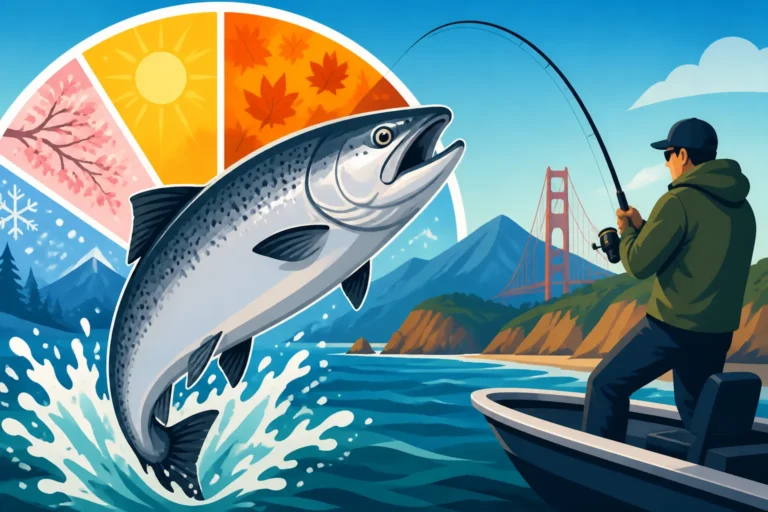
The primary steelhead fishing seasons in California are late fall, winter, and early spring. These are typically the seasons when winter rains swell rivers, creating the necessary conditions for steelhead to migrate upstream from the ocean.
- Fall (Late October – December): The earliest runs, often called "half-pounders" (smaller, immature steelhead returning to the river after only one summer in the ocean), begin showing up in rivers like the Klamath and Trinity as early as October. Larger adult steelhead also start their migration during this period, especially after the first significant rains. This is a fantastic time to fish because the weather can still be mild, and the fish are often more aggressive as they've just entered freshwater.
- Winter (January – March): This is prime time for big, chrome-bright winter steelhead. Heavy rains and cooler temperatures define this period, bringing in the largest waves of adult fish. Rivers like the Trinity, Eel, and the smaller coastal streams really shine during these months. However, winter fishing also means dealing with harsh weather, high and sometimes blown-out river conditions, and the need for careful timing between storm cycles. This is often when you'll find the most dedicated anglers on the water, braving the elements for a chance at a trophy.
- Spring (April – May): As winter transitions to spring, "spawned-out" or "downstream" steelhead (known as kelts) begin their journey back to the ocean. These fish, while often lean after spawning, can still be aggressive feeders trying to regain energy. Some fresh steelhead might still be entering rivers in early spring, particularly in systems with later runs. This can be a great time for less crowded waters, but careful handling of these recovering fish is crucial for their survival.
It's important to remember that these are general guidelines. Each river system has its own unique timing, and yearly variations in rainfall and snowpack can shift these windows by weeks. Always consult current fishing reports and river flow data before planning a trip.
Ideal Water Conditions and Weather
Steelhead fishing is less about sunshine and warm breezes and more about the "perfect storm" of river conditions.
- Water Levels: For steelhead to successfully navigate rivers and migrate upstream, they need sufficient water flow. Low water makes migration difficult and can concentrate fish, making them spookier and less likely to bite. High, blown-out water, while providing excellent migration conditions, can make fishing impossible due to murky water and dangerous currents. The sweet spot is often when rivers are dropping and clearing after a significant rain event. This "green water" phase (where the water still has a slight tint but isn't muddy) is often considered ideal. As flows stabilize and clarity improves, steelhead become more comfortable and accessible.
- Water Temperature: Steelhead are cold-water fish, and water temperature significantly influences their activity levels and willingness to bite. Generally, a temperature range of 40-55°F (4-13°C) is considered optimal. When temperatures drop below 40°F, fish can become lethargic. Conversely, water above 60°F can stress them, especially during catch-and-release, so many rivers have specific temperature closures or restrictions.
- Weather: While sunshine is nice for anglers, overcast skies, light rain, or even a persistent drizzle can often be ideal for steelhead fishing. Bright sun can make fish more wary and push them into deeper, darker holding lies. A steady, gentle rain can increase river flows, improve water clarity (by knocking down dust), and often encourage fish to move. Wind, however, can be a major challenge, making casting and line control difficult, particularly for techniques like fly fishing.
Monitoring online river gauges and local weather forecasts is not just helpful, it's absolutely essential for planning a successful steelhead outing. Knowing the California Steelhead Season Dates Explained can give you a general idea, but real-time data is king.
Essential Gear for California Steelhead
You wouldn't bring a butter knife to a sword fight, and you certainly don't want to show up to the river without the right gear for steelhead. These are powerful fish, and having the appropriate rod, reel, and terminal tackle is non-negotiable for success and responsible angling.
Rods, Reels, and Lines for Steelhead
Choosing the right combination of rod, reel, and line is critical for both casting effectively and fighting strong, acrobatic steelhead.
-
Rods:
- Drift Fishing/Float Fishing: For these techniques, you'll typically want a longer, medium-light to medium-action spinning or casting rod, often between 8'6" and 10'6". The extra length helps with line control, mending, and setting the hook at a distance, especially when using lighter lines. A good example might be a Fenwick HMG or a Lamiglas certified pro. These rods offer the sensitivity to detect subtle bites and the backbone to handle larger fish. Many anglers find excellent multi-purpose rods perfect for drift fishing available on Amazon.
- Fly Fishing (Single-Hand): A 9-foot, 7 or 8-weight fly rod is a common choice. The extra backbone of an 8-weight helps with casting larger flies, turning over heavy nymph rigs, and fighting strong fish. Brands like Orvis, Sage, and Redington offer excellent options.
- Fly Fishing (Two-Handed/Spey): For swinging flies or covering large sections of water, a two-handed (Spey) rod is increasingly popular. These rods range from 11 to 14 feet and are typically 6 to 8-weight. They excel at casting long distances with minimal back-cast room, making them ideal for larger rivers.
-
Reels:
- Spinning/Casting Reels: A reliable spinning reel in the 2500-4000 size range, or a baitcasting reel with a good drag system, is essential. Look for smooth drag, corrosion resistance, and good line capacity. Shimano and Daiwa are popular choices for their durability and performance. You can often find great deals on these workhorse reels on Amazon.
- Fly Reels: A robust fly reel with a smooth, powerful disc drag system is paramount. You'll need something that can handle long runs and protect lighter tippets. Many opt for a large arbor reel for faster line retrieval. Reputable brands like Lamson, Ross, and Abel produce reels that can withstand the abuse of steelhead fishing.
-
Lines:
- Monofilament/Fluorocarbon: For drift and float fishing, a good quality 8-12 lb monofilament main line is common, often paired with a fluorocarbon leader of 6-10 lb test. Fluorocarbon is nearly invisible underwater and has excellent abrasion resistance.
- Braided Line: Some anglers prefer braided line (20-30 lb) as a main line for spinning or casting, appreciating its lack of stretch for sensitivity and powerful hook sets. When using braid, a fluorocarbon leader is always recommended.
- Fly Lines: For single-hand rods, a weight-forward floating line is standard for nymphing, often with a sink-tip or full-sinking line for swinging flies. Spey lines are a whole different beast, with various tapers (Skagit, Scandi) designed for different casting styles and fly presentations.
A critical accessory often overlooked for any line choice is a quality line conditioner to keep your line supple and free from memory, which can also be easily sourced through Amazon.
Essential Terminal Tackle and Baits
Beyond the rod and reel, the small but mighty components of your terminal tackle are what truly connect you to the fish.
- Hooks: Barbless hooks are mandatory in most California steelhead waters. This regulation is vital for the survival of released fish, minimizing damage to their mouths. Sizes typically range from #2 to #6, depending on your bait or fly size. Offset hooks are popular for bait, while specialized hooks are used for flies. Always carry extra, as they can get snagged. Remember to always double-check the California Barbless Hook Requirements for your specific fishing area.
- Weights: For drift fishing, pencil lead, slinkies, or split shot are used to get your bait down to the strike zone. The amount of weight depends entirely on current speed and water depth. It’s a constant adjustment. For float fishing, specialized float weights are used to balance your float properly.
- Floats/Indicators: For float fishing, center-pin floats or traditional slip floats are common. For fly fishing, yarn indicators or small bobbers help detect subtle bites when nymphing. These need to be sensitive enough to show the slightest hesitation or stop in the drift.
- Swivels and Leaders: High-quality barrel swivels or three-way swivels help prevent line twist and connect your main line to your leader. Fluorocarbon leader material in various strengths (6-10 lb is typical) is essential for its invisibility and abrasion resistance.
- Baits and Lures:
- Natural Baits: Cured salmon roe (eggs) are a perennial favorite for steelhead. Small clusters or single eggs are incredibly effective. Worms (like roe worms or Gulp! Nymphs that mimic them) can also work. Some rivers allow the use of roe, others do not, so check regulations carefully.
- Artificial Baits/Lures: Small, brightly colored drift bobbers, often called "yarnies," are fantastic when tipped with a single salmon egg or just fished plain. Small rubber worms, plastic jigs (such as those from Blue Fox or Lil' Corky), and even small spoons like a Lil Cleo or a Kastmaster can entice a strike, especially when fish are aggressive.
- Flies: For fly anglers, a vast array exists. Egg patterns, stonefly nymphs, caddis nymphs, and various "intruder" style or classic wet flies are popular for swinging. Colors often lean towards natural tones, but "attractor" patterns with bright pinks, oranges, or chartreuses can also be deadly.
- Landing Net: A large, soft-mesh landing net is absolutely crucial for safely landing and releasing steelhead. Knotless rubber or silicon mesh nets minimize damage to the fish's fins and slime coat. Don't cheap out on this – it's an investment in the fish's future.
Here's a quick comparison of popular gear setups:
| Gear Category | Drift Fishing/Float Fishing | Single-Hand Fly Fishing | Two-Handed (Spey) Fly Fishing |
|---|---|---|---|
| Rod Length/Weight | 8'6" – 10'6" Medium-Light to Medium action spinning/casting | 9' 7-8 weight | 11'-14' 6-8 weight |
| Reel Type | Spinning (2500-4000) or Baitcasting | Large Arbor Fly Reel with strong disc drag | Large Arbor Spey Reel with powerful drag |
| Main Line | 8-12 lb Mono or 20-30 lb Braid | Weight-Forward Floating, Sink-Tip | Skagit, Scandi, or Integrated Spey Line |
| Leader/Tippet | 6-10 lb Fluorocarbon | 0X-3X Fluorocarbon or Mono (for nymphing/swinging) | 10-15 lb Fluorocarbon or Mono (polyleaders/tips) |
| Hooks | #2-#6 Barbless offset hooks | #2-#10 Barbless nymph/wet fly hooks | #2-#4 Barbless intruder/streamer hooks |
| Primary Baits/Lures | Cured roe, yarnies, small jigs, plastic worms | Egg patterns, Stonefly nymphs, Caddis nymphs | Intruder flies, Marabou flies, tube flies |
| Key Accessory | Pencil lead, slinkies, slip floats | Strike indicators, split shot | Shooting heads, interchangeable tips |
Effective Techniques for Steelhead Fishing
Steelhead are notorious for being finicky, and what works one day might not the next. Having a diverse toolkit of techniques is essential to adapting to river conditions and the mood of the fish.
Drift Fishing: Reading the Water
Drift fishing is arguably one of the most popular and effective methods for steelhead in California's rivers. It involves presenting a bait or lure naturally along the bottom, mimicking dislodged food items. This technique requires keen observation, constant adjustment, and a delicate touch.
The core principle is to achieve a "dead drift" – your weight and bait tumbling along at the exact speed of the current, without any drag from your line. This means constantly mending your line upstream to create slack and allow your gear to sink and drift freely. You'll typically cast slightly upstream and across the current, allowing your offering to sink, and then follow its path downstream with your rod tip. The goal is to keep your line as vertical as possible directly above your weight, which helps in detecting subtle strikes.
Many anglers use a "slinky" weight system, which is less prone to snagging on rocky bottoms compared to traditional lead. Others prefer pencil lead or a series of split shot. Whatever weight you choose, the key is to use just enough to tick the bottom occasionally without getting hung up constantly. Your leader, typically fluorocarbon, will connect your main line to your hook, often with a small piece of brightly colored yarn or a small plastic drift bobber (like a Lil' Corky) positioned just above the hook to add visual attraction and help float the bait slightly. Hits are often very subtle – a slight twitch, a sudden stop, or a feeling of added weight. A quick, firm hook set is then required. Practice makes perfect here, especially in learning to differentiate between a fish bite and a rock.
Fly Fishing: Nymphing and Swinging
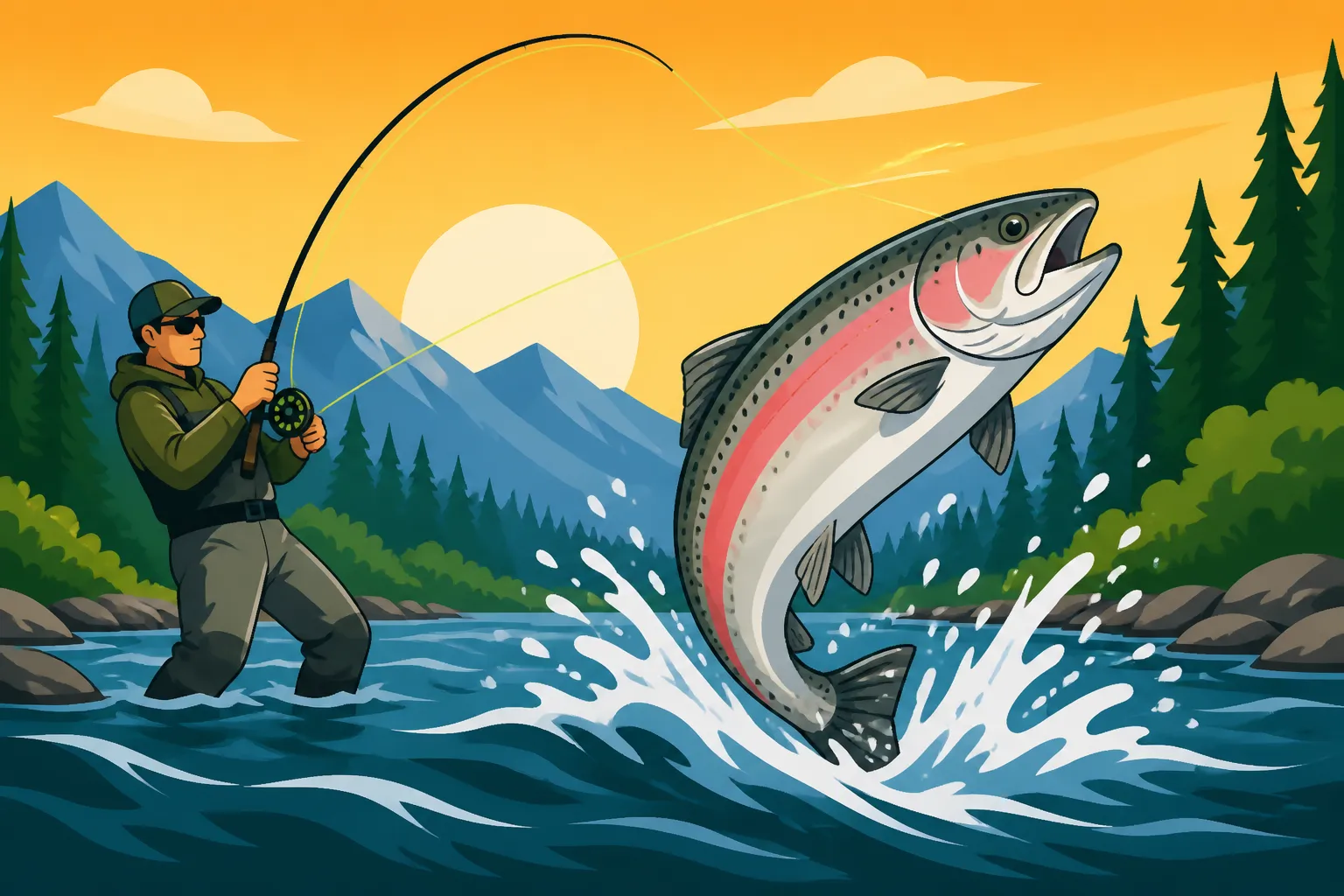
Fly fishing for steelhead is a highly refined art, offering two primary approaches: nymphing and swinging. Both require different skill sets but can be incredibly rewarding. If you're looking for more in-depth knowledge, consider reading our guide on How to Fly Fish for Steelhead in California .
- Nymphing: This technique is all about presenting a fly naturally along the bottom, similar to drift fishing with conventional gear. Anglers use weighted nymphs (imitating aquatic insect larvae) and often a strike indicator (a small bobber or piece of yarn) to detect bites. The challenge is getting your fly to drift at the exact same speed as the current, allowing it to tumble downstream just like a natural insect. You'll cast upstream, mend your line to control the drift, and watch your indicator like a hawk. Any hesitation, dip, or sudden stop in the indicator's movement signals a bite, and a swift hook set is necessary. This technique is highly effective when steelhead are holding deep and aren't actively chasing flies. Popular nymphs include stoneflies, caddis larvae, and various egg patterns.
- Swinging Flies: This is a more traditional and often revered method, especially for those who use two-handed (Spey) rods. The idea is to cast a larger, often flashy, wet fly or streamer across and slightly downstream, then allow the current to "swing" the fly through a steelhead's suspected holding water. The fly moves broadside through the current, mimicking a baitfish or large insect making its way across the river. Strikes are often savage and unmistakable, as a steelhead will aggressively intercept the swinging fly. This method requires covering a lot of water and can be very effective when fish are aggressive or when searching larger runs. Popular flies for swinging include "intruder" patterns, marabou flies, and various traditional spey flies.
Float Fishing: Precision and Presentation
Float fishing (often called "bobber dogging" or "centerpinning" when using specialized reels) offers unparalleled control over your presentation, especially in deeper runs or where currents are complex. It's about suspending your bait or lure at a precise depth and allowing it to drift naturally.
The setup involves a main line, often braided, a specialized float (either a fixed float for shallower water or a slip float for deeper water), a series of split shots or a pencil lead weight to get your bait down, and a fluorocarbon leader with your hook and bait. The float acts as your strike indicator and helps control the depth of your presentation. The beauty of float fishing is its ability to keep your bait in the strike zone for an extended period, especially in water that has varying depths or hidden structure where drift fishing might lead to constant snags.
When using a centerpin reel, anglers can achieve incredibly long and drag-free drifts, presenting the bait in a way that's almost impossible with conventional spinning gear. The lack of drag on a centerpin spool allows the line to peel off effortlessly with the current. Bites are typically indicated by the float dipping, stopping, or moving erratically. Like other techniques, achieving a natural, drag-free drift is paramount. This method is particularly effective in larger, more uniform runs and can be very productive on rivers like the Trinity.
Regulations and Conservation
Steelhead are a precious resource, and their survival depends heavily on responsible angling practices and strict adherence to regulations. California has some of the most complex fishing rules, particularly for anadromous species.
California Steelhead Report Cards and Seasons
In California, if you plan to fish for steelhead, a standard sport fishing license isn't the only document you need. You are also required to possess a Steelhead Report Card. This isn't just a formality; it's a critical tool for fisheries managers to collect data on angler effort and catch, which helps them monitor populations and set future regulations. You can find detailed information on this essential document in our article on California Steelhead Report Card .
Upon purchasing your report card, it's your responsibility to fill it out immediately after catching a steelhead. This includes recording the date, location, whether the fish was kept or released, and if released, its condition. Even if you don't catch anything, you must still return the card to the California Department of Fish and Wildlife (CDFW) by the specified deadline (usually January 31st of the following year). Failure to return your card, even with no catch, can result in penalties.
Steelhead seasons vary significantly by river system and region. Some rivers might be open year-round with specific gear restrictions, while others have very limited windows, often correlating with when fish are migrating and spawning. For example, some North Coast rivers might have winter-only seasons for steelhead. Additionally, specific areas within a river might have different rules, such as "fly-fishing-only" or "artificial lures only" sections. Always, and I mean always, consult the latest California Freshwater Sport Fishing Regulations booklet published by the CDFW. This document is your bible and will outline specific open seasons, bag limits, size limits, and any special gear restrictions for the waters you intend to fish. Our guide to California Fishing Regulations Explained provides a broader overview of how these rules are structured.
Barbless Hooks and Catch-and-Release Practices
Conservation isn't just about regulations; it's also about ethics and best practices on the water. For California steelhead, barbless hooks are mandatory in most, if not all, steelhead waters. This single rule has an enormous impact on the survival rates of released fish. Barbless hooks inflict less damage to the fish's mouth, making hook removal quicker and easier, which reduces stress and injury. You can buy barbless hooks or simply crimp down the barbs on your existing hooks with a pair of pliers. This is not optional; it’s the law, and vital for ensuring these incredible fish can continue their life cycle. A quick review of the California Barbless Hook Requirements will confirm this.
Beyond barbless hooks, proper catch-and-release techniques are paramount, especially since most wild steelhead in California must be released.
- Minimize Fight Time: The longer a fish fights, the more exhausted and stressed it becomes, reducing its chances of survival. Use appropriate tackle that allows you to land the fish efficiently.
- Keep the Fish in Water: Do your best to unhook the fish while it's still in the water, especially if you plan to release it. Removing a fish from its aquatic environment causes immense stress and can damage its delicate slime coat and gills.
- Wet Your Hands: If you must handle the fish, wet your hands thoroughly first. Dry hands can strip away the fish's protective slime coat, leaving it vulnerable to infection. Avoid squeezing the fish, especially around its belly.
- Remove Hook Quickly: Use forceps or pliers to quickly and gently remove the hook. If the fish is deeply hooked (which is rare with barbless hooks), cut the line as close to the hook as possible rather than tearing at the fish's throat.
- Revive the Fish: Hold the fish gently in the current, facing upstream, until it regains its strength and can swim away on its own. Do not release it until it vigorously kicks its tail and tries to swim from your grasp.
Adhering to these practices, detailed further in California Catch-and-Release Rules , demonstrates respect for the fish and contributes directly to the sustainability of steelhead populations.
Protecting Spawning Grounds and Habitats
Beyond individual fish handling, responsible steelhead angling extends to protecting their spawning grounds and overall habitat. Steelhead rely on cold, clean, well-oxygenated water and gravel beds for successful reproduction.
- Avoid Spawning Beds: During spawning season (roughly December through April, though it varies by river), steelhead will be on their "redds" – depressions in the gravel where they lay their eggs. These redds appear as lighter-colored patches of clean gravel. Do not wade on or disturb redds. Stepping on redds can crush eggs, killing the next generation of steelhead. It's best to fish from the banks or exercise extreme caution when wading in known spawning areas.
- Pack It In, Pack It Out: Leave no trace. Any trash, fishing line, or discarded bait can harm wildlife and degrade the delicate river ecosystem.
- Respect Private Property: Always be aware of property boundaries and respect private land. Access to many steelhead rivers can be challenging, so be mindful of where you can and cannot go.
- Report Violations: If you witness poaching, illegal snagging, or other violations, report them to the CDFW. These fish are too valuable to be lost to irresponsible or illegal activities.
By actively participating in conservation, understanding local regulations like those found in the comprehensive California Fishing License Guide , and practicing ethical angling, we can all help ensure that future generations can experience the thrill of catching California steelhead.
Disclaimer
Please remember that fishing regulations in California are subject to frequent change. Always consult the latest official California Department of Fish and Wildlife (CDFW) regulations booklet or their website before heading out to fish. The information provided in this guide is for informational purposes only and should not be considered a substitute for the official regulations.