Calico Bass in California: Where and How to Catch
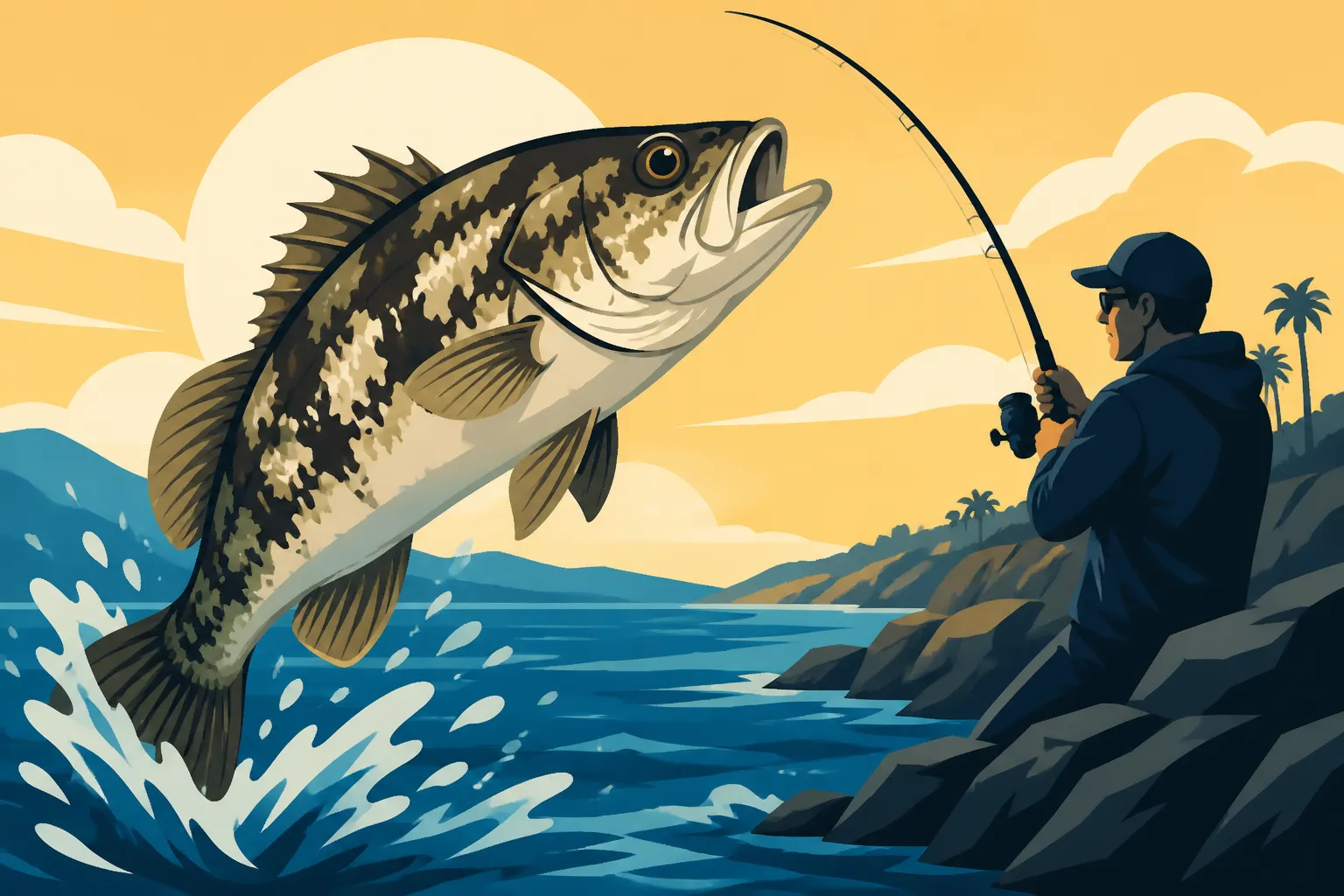
Feeling that intense pull on your line, the unmistakable head shakes, and the sheer power of a fish trying to dive back into the kelp? If you’ve spent any time chasing Calico Bass in California, you know that heart-pounding sensation. These incredible inshore fighters are a cornerstone of Southern California’s sportfishing scene, offering thrilling action for anglers of all skill levels. This guide is all about demystifying the where and how, helping you land more of these elusive kelp predators.
Understanding the Calico Bass Habitat in California
Calico Bass, scientifically known as Paralabrax clathratus, are truly creatures of structure, thriving in specific coastal environments that offer both food and protection. If you want to consistently hook into these aggressive feeders, you need to understand their preferred hangouts. It's not just about throwing a line in the water; it's about knowing their neighborhood.
Kelp Beds and Rocky Reefs
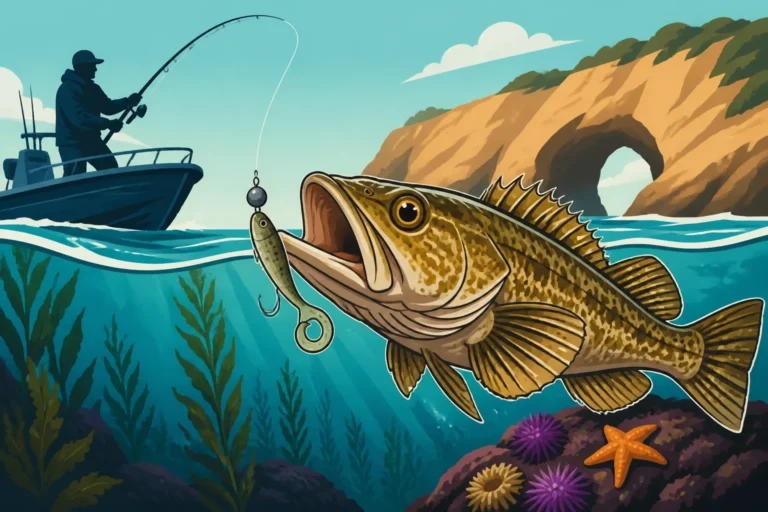
The quintessential Calico Bass habitat in California is the kelp forest. These underwater jungles provide everything a Calico needs: shelter from predators, an abundant food source of baitfish and crustaceans, and ambush points for hunting. Think of kelp beds as bustling cities for marine life, and Calico Bass are the top predators within those cities.
You'll find them nestled deep within the thickest kelp, along the edges where the kelp meets open water, and especially around the submerged rocky structure that often anchors these kelp forests. These fish are territorial and will often hold tight to a specific rock or kelp stalk. This means you need to be precise with your casts and presentations. The frustration of getting snagged in the kelp is real, but that's often where the biggest Calicos are lurking. Beyond the swaying kelp, rocky reefs, submerged pinnacles, and even artificial structures like wrecks or jetties provide similar sanctuary and hunting grounds. These areas mimic the complex environment of a natural kelp forest, giving the bass plenty of places to hide and ambush prey.
Geographical Hotspots for Calico Bass
While you can find Calico Bass along much of California's coast, their populations are densest and most celebrated in Southern California. The warmer waters and extensive kelp forests from Santa Barbara down to San Diego are prime territory.
Iconic spots like the Channel Islands (especially Santa Cruz, Santa Rosa, and San Clemente Islands), Catalina Island, and the numerous kelp lines off the mainland near cities like San Diego, Dana Point, Laguna Beach, and Ventura are renowned for their Calico Bass fishing. Further north, you might encounter them, but the consistent, prolific fishery truly begins around Point Conception and extends southward. Local knowledge is absolutely key here. Talk to tackle shop owners, check online forums, or even better, book a trip on one of the many California Sportfishing Trips Explained or California Fishing Charters: Complete Guide departing from ports like San Diego's Point Loma or Long Beach to get a feel for the specific local spots and conditions. They live and breathe these waters and can put you right on the fish.
Optimal Times to Target Calico Bass
Timing is everything when it comes to Calico Bass fishing. You can have the best gear and the perfect bait, but if you’re fishing at the wrong time, your chances of success plummet. Calicos are heavily influenced by water conditions, light levels, and tidal movements.
Seasonal Preferences
Calico Bass are warm-water fish, so their activity levels peak when the ocean water temperatures are at their highest. Generally, the prime season for Calico Bass in California runs from late spring through fall.
- Spring (April – May): As the water starts to warm up, Calicos begin to move closer to shore and become more active after their cooler water sluggishness. This is a great time to target them, especially around emerging kelp patties. They're often hungry and less pressured.
- Summer (June – September): This is absolutely peak season. The water is warm, baitfish are abundant, and Calicos are aggressive. This is when you'll see some of the best topwater action and some truly spectacular days. They are thick in the kelp and boiling on bait schools. If you’re planning a trip specifically for Calico Bass, aiming for mid-summer through early fall is your best bet for consistent action. Many anglers head out on California Kayak Fishing Guide trips during these months to access prime kelp beds.
- Fall (October – November): As water temperatures gradually cool, Calicos remain active, often feeding heavily in preparation for winter. The bite can still be excellent, especially on warmer days. The crowds might thin out a bit, offering a more peaceful experience.
- Winter (December – March): This is generally the slowest time for Calico Bass. They tend to move into deeper water and become less active. While you can still catch them, especially on unseasonably warm days or in deeper reefs, it’s not typically the preferred season for targeting them in large numbers.
Tidal and Time of Day Considerations
Beyond the seasons, daily tidal movements and light conditions play a huge role in Calico Bass behavior. These fish are ambush predators, and they use changes in current and light to their advantage.
- Tidal Flow: An incoming or outgoing tide, which creates current, is often preferred over slack tide. Moving water stirs up bait, pushes it through kelp beds, and makes it easier for Calicos to ambush prey. The hour or two before and after a tide change can be particularly productive. Many seasoned anglers meticulously check tide charts before heading out. For instance, an outgoing tide can pull bait from shallow areas, concentrating it along kelp lines, while an incoming tide can push warmer, nutrient-rich water into the kelp. Understanding these dynamics is key to success.
- Time of Day: Just like many predators, Calico Bass are often most active during low light conditions.
- Dawn and Dusk: These periods are prime time. The dim light gives Calicos an advantage over their prey, and they'll often come out of the thickest cover to hunt more aggressively. Topwater bites can be absolutely explosive during these windows.
- Mid-day: While challenging, you can still catch Calicos mid-day, especially if there's good current, overcast skies, or if you're targeting deeper kelp and structure. You might need to slow down your presentation and get your lure deeper into the cover.
- Overcast Days: Often better than bright, sunny days, as the diffused light encourages Calicos to stay active longer and closer to the surface.
Effective Techniques and Gear for Calico Bass
Catching Calico Bass isn't just about showing up; it's about using the right tools and knowing how to present them. These fish are powerful, aggressive, and often reside in gnarly structure, which means your tackle needs to be up to the task.
Rods, Reels, and Line Choices
The battle with a Calico Bass is often a short, violent affair near unforgiving structure. You need gear that can handle the abuse.
- Rods: A fast-action casting rod, typically 7 to 8 feet long, with a medium-heavy to heavy power rating, is ideal. This combination gives you the backbone to turn a strong fish away from kelp and the sensitivity to feel subtle bites. Brands like Phenix, Calstar, and Seeker are popular among West Coast anglers for their durability and performance. For lighter presentations, a medium-action rod can be fun, but always be prepared to muscle a fish out of heavy cover.
- Reels: A high-quality conventional reel (like a Penn Fathom or an Avet MXJ) or a strong baitcasting reel (such as a Shimano Tranx or a Daiwa Lexa) with a smooth drag system and a good retrieve ratio (around 6.0:1 or higher) is essential. You want something with enough cranking power to bring fish up quickly. Spinning reels can also work, especially for lighter baits or beginners, but many experienced Calico anglers prefer the direct power and control of a conventional or baitcasting setup. Make sure your reel holds at least 200 yards of line.
- Line: This is critical. Most anglers spool up with 30-50 lb braided line as their main line. Braid offers incredible strength, sensitivity, and a thin diameter for its breaking strength. Because Calicos are line-shy, especially in clearer water, you'll want to add a fluorocarbon leader. A 20-30 lb fluorocarbon leader, about 3-6 feet long, is a good starting point. Fluorocarbon is nearly invisible underwater and abrasion-resistant, which is a huge plus when fishing around jagged rocks and abrasive kelp. Connecting your braid to fluorocarbon with an FG knot or an Alberto knot is highly recommended for strength and a smooth transition through rod guides.
Lure and Bait Presentations
Calico Bass are opportunistic feeders, so having a variety of presentations in your tackle box is smart. The "Best Baits and Lures for Calico Bass in California" will often depend on conditions and the mood of the fish.
- Swimbaits: Soft plastic swimbaits, rigged on lead heads, are arguably the most popular and effective lures for Calicos. Colors like sardine, anchovy, smelt, and green back are consistent producers. Weights typically range from 1/2 oz to 2 oz, depending on depth and current. You want to match the hatch – find out what baitfish are prevalent in the area and select a swimbait that mimics them in size and color. Brands like Big Hammer, MC Swimbaits, and Warbaits are local favorites. The retrieve should be varied: slow roll it along the bottom, jig it through the kelp, or let it sink and reel it in.
- Jerkbaits/Hard Baits: When Calicos are feeding aggressively or hitting bait on the surface, jerkbaits can be deadly. These hard plastic lures imitate wounded baitfish and can be worked with a twitch-pause retrieve. Look for models from companies like Lucky Craft or Rapala. They work particularly well around the edges of kelp beds.
- Topwater Lures: The topwater bite for Calicos is legendary and incredibly exciting. Spook-style lures (walk-the-dog), poppers, and surface iron can all draw explosive strikes. This is best done at dawn, dusk, or on overcast days when fish are looking up. Nothing beats the visual thrill of a Calico exploding on a surface lure. You can find a wide array of these on sites like Amazon.
- Live Bait: When the bite is tough, or you’re targeting bigger, more finicky fish, live bait is often the answer. Sardines, anchovies, mackerel, and even squid are all highly effective. You can fish them on a simple "Carolina rig" with an egg sinker, or fly-line them with just a hook and no weight for a natural presentation. Remember, these are predators, so a lively bait swimming naturally often gets eaten.
- Dropping Plastics: When Calicos are deep in the kelp or hugging tight to structure, a simple lead head with a grub or a creature bait, dropped straight down, can be very effective. This is a tactic often used on California Rockfish Charter Trips but works wonders for Calico Bass holding tight to the bottom in rough terrain.
Key Techniques for Success
Mastering a few fundamental techniques will dramatically improve your Calico Bass catch rate.
- Kelp Scratching/Slide Baiting: This involves casting your swimbait into the kelp, letting it sink, and then slowly reeling it out, "scratching" the bait along the kelp fronds. The sudden appearance of the bait from the cover often triggers a reaction strike. Be ready for immediate hooksets! This also applies to live bait: slide a live sardine down a kelp stalk and let it swim freely at the edge.
- Weightless Worms/Plastics: For very spooky fish or when they are actively feeding on small baitfish near the surface, a weightless soft plastic (like a Senko-style worm or a fluke) rigged on a weedless hook can be deadly. Cast it out, let it flutter down, and twitch it subtly.
- Targeting Structure: Always look for defined structure: kelp edges, rocky points, submerged reefs. Calicos are ambush predators and will almost always be near cover. Pay attention to how the current flows around these structures and present your bait or lure in a way that mimics a natural food item being swept along. This is crucial for successful California Bass Fishing Techniques.
- Patience and Persistence: Calicos can be finicky. If one spot isn't producing, move to another. Try different lures, colors, and retrieve speeds. Sometimes, a slight change in presentation makes all the difference. Remember, getting your line snagged in the kelp is part of the game; the fish are usually in the thick stuff. Don't be afraid to fish aggressively.
Here's a quick comparison of popular Calico Bass lures:
| Lure Type | Best Conditions | Retrieve Style | Advantages | Disadvantages |
|---|---|---|---|---|
| Soft Swimbaits | All-around, versatile | Slow roll, jigging, yo-yo | Mimics natural bait, highly effective, many colors | Can get chewed up, requires different lead heads |
| Topwater Lures | Low light, calm water, aggressive fish | Walk-the-dog, popping, fast retrieve | Exciting visual strikes, covers water quickly | Less effective mid-day or in choppy conditions |
| Jerkbaits | Surface/subsurface, clear water | Twitch-pause, erratic retrieve | Great for reaction strikes, good castability | Can be expensive, treble hooks can snag in kelp |
| Live Bait | Tough bite, finicky fish, big fish | Fly-line, Carolina rig, slow drift | Most natural presentation, often triggers bites | Requires bait tank, constant resupply, can be messy |
Regulations and Conservation for Calico Bass
As responsible anglers, it's absolutely vital that we understand and adhere to the regulations set forth by the California Department of Fish and Wildlife (CDFW). Calico Bass are a precious resource, and ensuring their sustainability is paramount for future generations of anglers. Don't be that person who ignores the rules; we all share this fishery. You can find comprehensive details in the California Fishing Regulations Explained guide.
Bag and Size Limits
Regulations for Calico Bass, like many other species, are subject to change. Always consult the most current CDFW Sport Fishing Regulations booklet or their website before heading out. However, generally, here are the typical guidelines:
- Bag Limit: The daily bag limit for Calico Bass is typically 5 fish. This means you can keep no more than five Calico Bass per person, per day.
- Minimum Size Limit: Calico Bass usually have a minimum size limit of 14 inches total length. This measurement is taken from the tip of the longest jaw to the end of the longest lobe of the tail.
- "No Filleting at Sea" Rule: For many species, including Calico Bass, it is illegal to fillet your fish at sea. This rule is in place to allow wardens to easily identify the species and measure it to ensure compliance with size and bag limits. You must bring your fish back to shore whole, or with minimal cleaning (e.g., gutting), until you're ready to process it.
Remember, these are general guidelines. There might be specific local regulations or emergency closures, so always double-check. Ignoring these rules can lead to hefty fines and even loss of fishing privileges. It's not worth it.
Marine Protected Areas (MPAs)
California has an extensive network of Marine Protected Areas (MPAs) along its coastline. These areas are established to protect marine ecosystems and enhance fish populations. While they are crucial for conservation, they can be a source of confusion for anglers if you're not paying attention.
- Know Your Zones: MPAs have different classifications, such as State Marine Reserves (no fishing allowed), State Marine Parks (some recreational fishing allowed), and State Marine Conservation Areas (specific types of fishing may be allowed or restricted). Calico Bass, being an inshore species, are frequently found in areas that overlap with MPAs.
- Check Maps and Resources: Before you launch your boat or kayak, or head to a specific shore fishing spot, always verify if it falls within an MPA and what the specific rules are for that zone. The CDFW provides detailed maps and information. Apps like Fish Legal or even GPS plotters with MPA overlays can be invaluable tools to ensure you're fishing legally. Many California Marine Protected Areas Explained resources exist to help you understand these boundaries.
- The Intent of MPAs: While they can feel restrictive sometimes, MPAs are designed to create sanctuaries where fish can grow and reproduce undisturbed, ultimately benefiting surrounding fishing grounds. A healthy MPA can lead to more Calico Bass spilling over into fishable areas. So, respect the boundaries and do your part to help preserve our incredible coastal fishery.
Catch and Release Practices
While it's perfectly legal to keep your limit of Calico Bass, many anglers practice catch and release, especially for larger breeding fish. This helps sustain the population and ensures those trophy fish can continue to reproduce. If you choose to release, follow these best practices:
- Minimize Handling: Reduce the amount of time the fish is out of the water. Handle the fish gently with wet hands or a wet towel to protect its slime coat.
- Use Barbless Hooks: Crushing the barb on your hook or using barbless hooks makes removal much easier and less damaging to the fish. You can find barbless hooks or tools to crimp barbs on sites like Amazon.
- Dehook Carefully: Use pliers or a dehooking tool to remove the hook quickly. If the fish is deeply hooked, especially in the gills or gut, it's often best to cut the line as close to the hook as possible rather than tearing vital organs.
- Revive the Fish: Hold the fish upright in the water, facing into a gentle current, until it can swim away under its own power. Don't just toss it back in. This is especially important for fish brought up from deeper water, which might suffer from barotrauma (swim bladder issues). While Calico Bass are typically caught in shallower waters where barotrauma is less common than with rockfish, it's still good practice.
By respecting regulations and practicing good sportsmanship, we can all contribute to the long-term health of California's Calico Bass fishery.
Disclaimer
The information provided in this guide is for general informational purposes only and is subject to change. Fishing regulations in California are dynamic and can be updated by the California Department of Fish and Wildlife (CDFW) at any time. It is the sole responsibility of the angler to consult the latest official CDFW regulations before engaging in any fishing activity. Always prioritize safety and environmental stewardship.