Brook Trout in California: Where and How to Catch
Finding those vibrant, jewel-toned brook trout in California can feel like searching for a hidden treasure, especially with their preference for remote, high-altitude havens. Many anglers dream of catching these beautiful fish, but often don't know where to start or what specific tactics truly work in our diverse Californian waters. This comprehensive guide is designed to cut through the guesswork, showing you exactly where these stunning fish thrive and the proven methods to bring them to your net.
The Allure of California Brook Trout
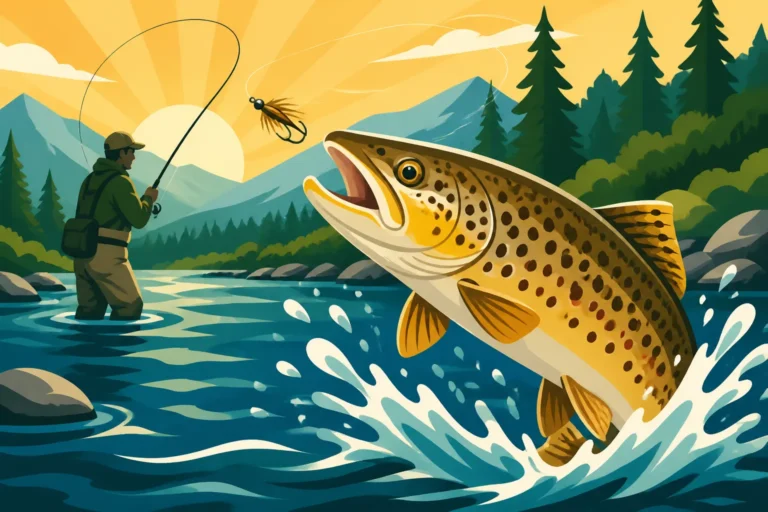
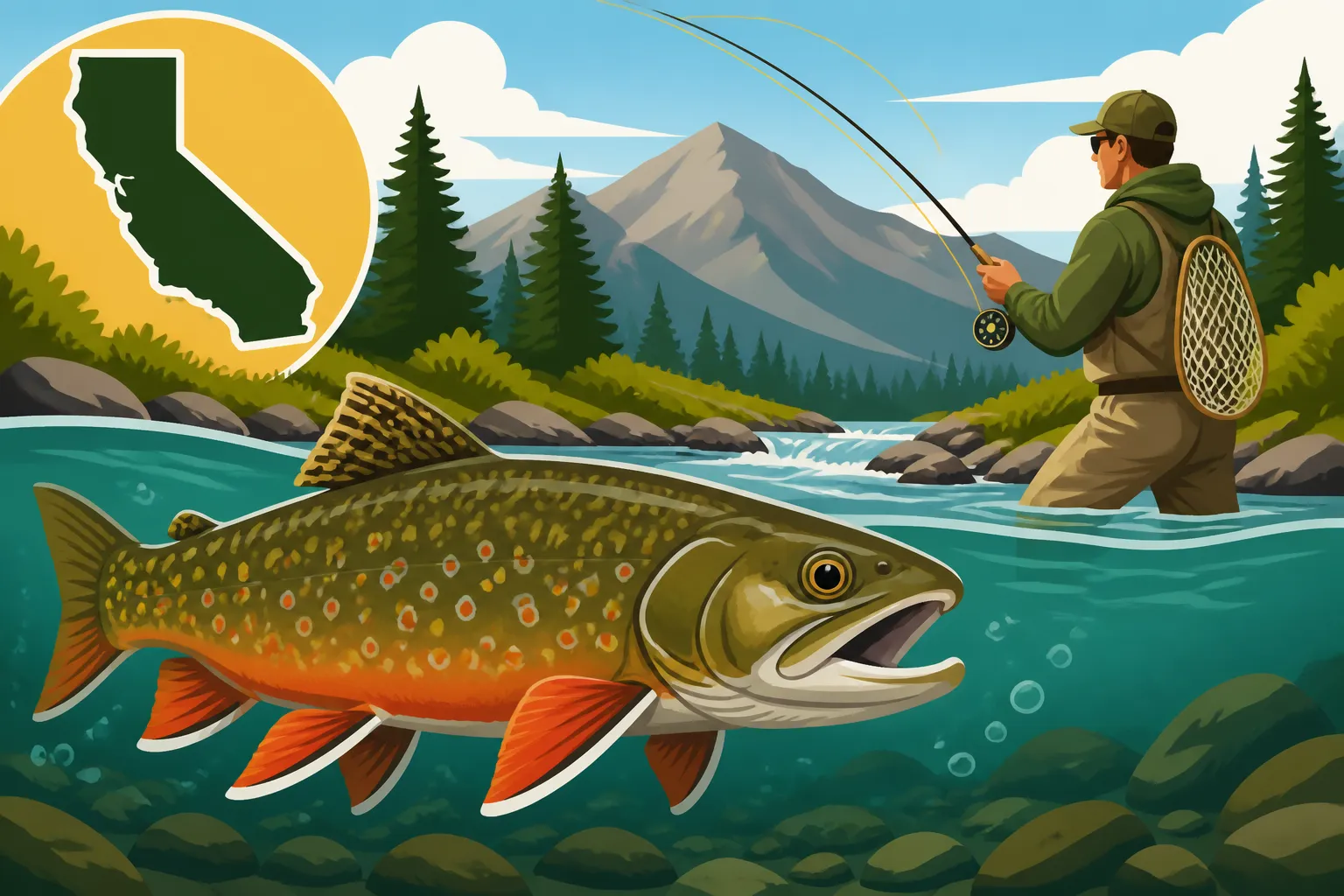
There's something undeniably captivating about brook trout. Maybe it's their stunning colors—the intricate vermiculation on their backs, the bright red spots often encircled by blue halos, and those distinctive white-edged fins. Or perhaps it's the pristine, often challenging environments they inhabit. For many, catching a brook trout isn't just about the fish; it's about the entire experience of exploring California's wild, untouched corners.
Why Brook Trout are Special in California
While brook trout ( Salvelinus fontinalis) are native to eastern North America, they've found a special place in California's high-country ecosystems. They were introduced here back in the late 1800s and early 1900s, primarily to populate the countless, fishless alpine lakes and streams of the Sierra Nevada and other mountain ranges. Unlike our native rainbow or golden trout, brook trout often thrive in waters that are a bit colder and more acidic, creating unique fishing opportunities. Their presence adds a beautiful diversity to California's angling landscape, often rewarding those willing to hike a little further and explore a little deeper. They're typically not the largest fish you'll catch in California, but what they lack in size, they more than make up for in sheer beauty and the joy of the pursuit.
A Bit About Their History and Habitat
The introduction of brook trout was part of a widespread effort to enhance recreational fishing in California's vast wilderness areas. They took to the high country like, well, fish to water! They're particularly adept at reproducing in the gravelly bottoms of small, clear streams and can often be found in self-sustaining populations in high elevation lakes and their feeder streams. These fish absolutely love cold, clear, well-oxygenated water, which is why you'll rarely find them in warmer, lower elevation reservoirs or murky rivers. Think snowmelt-fed creeks, crystal-clear alpine lakes nestled above 8,000 feet, and secluded mountain tarns—these are their preferred neighborhoods. Their ability to reproduce prolifically in these environments means that in some remote lakes, they can actually become overpopulated, leading to smaller average sizes due to competition for food. This can present a unique scenario where anglers are sometimes encouraged to keep their limits to help balance the ecosystem.
Where to Find Brook Trout in California
When it comes to finding brook trout in the Golden State, you need to set your sights high—literally. These fish are true mountain dwellers, preferring the crisp, cold waters of California's most breathtaking wilderness areas. Forget the easily accessible roadside ponds; we're talking about places where a good pair of hiking boots and a sturdy backpack are your best friends.
High Sierra Wilderness Waters
The undisputed king of brook trout territory in California is the Sierra Nevada. This magnificent mountain range offers an almost endless supply of high-elevation lakes and streams teeming with these beautiful char.
- Eastern Sierra: This region, stretching from Mammoth Lakes down through Bishop and beyond, is legendary. Drive up Highway 395 and you'll see countless trailheads leading into prime brook trout country.
- Mammoth Lakes Basin: While some lakes are stocked with rainbows, many of the smaller, higher elevation lakes accessible via trails off the main loops around Mammoth have robust brook trout populations. Think about hiking into lakes like those within the John Muir Wilderness or Ansel Adams Wilderness where you can often find unpressured fish.
- Bishop Creek Drainage: This area boasts numerous trailheads leading to a myriad of alpine lakes and feeder streams. Lakes like those in the Sabrina Basin or South Lake drainage often have populations of brookies, sometimes mixed with other trout species, but certainly worth exploring for the pure brook trout experience.
- Rock Creek Drainage: Similar to Bishop Creek, Rock Creek offers incredible access to high-country lakes. The trek might be challenging, but the reward of a stringer of colorful brook trout from a secluded lake is unparalleled.
- Specific Lakes: Many of the smaller, unnamed lakes or those with short, steep trails often hold healthy brook trout. These fish are typically found in the 8-12 inch range, perfect for a backcountry meal. A great starting point for finding these gems is consulting topographic maps and looking for bodies of water that are a good distance from major roads, particularly those above 9,000 feet.
Northern California Mountain Streams
While the Sierra Nevada gets most of the glory, Northern California also holds some excellent brook trout opportunities, especially in its rugged, lesser-known mountain ranges.
- Trinity Alps Wilderness: This vast wilderness area in Trinity County offers stunning scenery and numerous remote lakes and streams that hold brook trout. Access can be challenging, requiring significant hiking, but the solitude and quality of fishing can be outstanding. Lakes like those in the Canyon Creek Lakes basin or Stuart Fork drainage often have brook trout alongside other species.
- Marble Mountain Wilderness: Located in Siskiyou County, this area is another gem for wilderness angling. Its numerous high-country lakes and streams, fed by snowmelt, provide ideal conditions for brook trout.
- Lassen Volcanic National Park: While not as extensive as the Sierra, some of the higher elevation lakes and streams within Lassen Volcanic National Park can harbor brook trout populations. Remember to check park-specific regulations, as they can sometimes differ from general state rules.
- Modoc National Forest: In the northeastern corner of California, the Modoc National Forest offers some unique, less-pressured brook trout fishing in its higher elevation streams and small lakes, often requiring some off-the-beaten-path exploration. These areas often receive less angler traffic, offering a more serene fishing experience.
When planning your trip, always consult current California Freshwater Fishing Regulations and local forest service offices for the most up-to-date information on access, conditions, and specific rules for each body of water.
Notable Lakes and Reservoirs
While brook trout are typically associated with smaller, high-alpine lakes and streams, some larger systems, particularly those connected to extensive high-elevation drainages, can also host them. However, they are generally less dominant in larger reservoirs where other trout species or bass might outcompete them. Your best bet for consistently finding brook trout will always be those smaller, colder, and often more remote waters. If you're looking for more general trout fishing, you might explore the Best Trout Lakes in California, but for pure brookies, focus on those described above.
| Location Type | Typical Access | Target Size (inches) | Primary Fishing Method | Key Considerations |
|---|---|---|---|---|
| High Sierra Alpine Lakes | Hike-in (long) | 8-12 | Fly, Spin | Pristine, unpressured, often abundant, multi-day trips |
| Sierra Feeder Streams | Hike-in (med) | 6-10 | Fly, Spin | Challenging casts, stealth crucial, technical |
| Northern CA Wilderness | Hike-in (long) | 7-11 | Fly, Spin | Remote, less crowded, rugged terrain |
| Accessible Mountain Creeks | Roadside/Short Hike | 5-9 | Fly, Spin | Higher pressure, smaller fish, good for quick trips |
How to Catch California Brook Trout: Techniques and Tactics
Catching brook trout in California is an incredibly rewarding experience, but it often requires a blend of stealth, precision, and understanding their unique feeding habits. These fish are beautiful, but they can be surprisingly wary, especially in the clear, shallow waters they call home.
Essential Gear for Brook Trout Angling
You don't need heavy-duty equipment to land brook trout; in fact, lighter gear often works best for the delicate presentations required.
- Rods and Reels: For spin fishing, a light to ultra-light action spinning rod, typically 5 to 6.5 feet long, paired with a small spinning reel (size 1000-2000) is perfect. This setup allows for accurate casting of small lures and offers a thrilling fight even with smaller fish. For fly fishing, a 2-weight to 4-weight fly rod, 6 to 8 feet in length, is ideal for casting small dries and nymphs in tight, brushy streams or across calm alpine lakes. You can find excellent options on retailers like Amazon, from brands like St. Croix or Fenwick for spinning gear, or Orvis and Redington for fly setups.
- Line: Spool your spinning reel with 2-4 pound monofilament or fluorocarbon line. The thin diameter helps with casting distance for light lures and is less visible to wary fish. For fly fishing, a weight-forward floating line matched to your rod weight is standard, with a 7.5 to 9-foot leader tapering down to 5X or 6X tippet.
- Waders and Footwear: In the high country, water can be frigid. Neoprene or breathable waders can be a godsend for staying comfortable, especially when traversing shallow streams or wading into lake edges. Good hiking boots are essential for getting to these remote locations, and wet-wading shoes (like Chacos or Keens) might be suitable for warmer summer days in smaller creeks, but always be prepared for cold water.
- Other Essentials: A small landing net with a rubber mesh is gentle on the fish for catch and release. Polarized sunglasses are crucial for spotting fish and structure in clear water. Don't forget bug spray, sunscreen, and a reliable water filter for those backcountry trips. A high-quality, lightweight backpack, readily available on Amazon, can make all the difference on a long hike to an alpine lake.
Best Baits and Lures
Brook trout aren't usually picky eaters, especially in remote, unpressured waters, but matching the forage or offering a tempting artificial can significantly increase your success. This is where mastering various California Trout Fishing Techniques really pays off.
- Bait Fishing:
- Worms: A classic for a reason. Small pieces of nightcrawler or garden worms rigged on a small hook (#10 or #12) under a tiny bobber or fished on the bottom are incredibly effective.
- Salmon Eggs/PowerBait: These can also work, especially in more accessible, stocked waters. However, in pristine wilderness lakes, natural baits often outperform artificial dough baits. Always check regulations, as some waters are restricted to artificial lures only.
- Spin Fishing:
- Small Spinners: These are deadly for brook trout. Think 1/32 to 1/8 ounce Mepps Aglias, Panther Martins, or Rooster Tails in silver, gold, or black blade colors. The flash and vibration mimic small baitfish or aquatic insects, triggering aggressive strikes.
- Tiny Spoons: Ultralight spoons like a 1/16 or 1/8 ounce Kastmaster or Little Cleo can also be very effective, especially for casting longer distances in open lakes.
- Fly Fishing:
- Dry Flies: Brook trout are often eager surface feeders. During insect hatches, small dry flies like Parachute Adams, Royal Wulff, Elk Hair Caddis, or small beetle and ant patterns (size 14-18) can be incredibly productive. Focus on seams, eddies, and where currents meet calmer water.
- Nymphs: When fish aren't rising, go subsurface. Small nymphs such as Prince Nymphs, Hare's Ear Nymphs, or Pheasant Tail Nymphs (size 14-18) drifted naturally are often irresistible. A dry-dropper rig, with a small nymph suspended beneath a buoyant dry fly, is a fantastic way to cover both water columns.
- Streamers: Don't overlook small streamers like a Woolly Bugger (black or olive, size 10-14) or a small Grey Ghost. Stripped slowly, these can imitate baitfish and provoke a territorial strike from larger brookies. For a deeper dive, check out a California Fly Fishing Guide.
Approach and Presentation Strategies
Brook trout are creatures of habit and often position themselves in predictable locations based on current, cover, and food availability.
- Stealth is Paramount: Especially in clear, shallow mountain streams and lakes, brook trout are easily spooked. Approach fishing spots quietly and slowly. Keep a low profile, use natural cover, and avoid casting shadows over the water.
- Upstream Advantage: When fishing streams, always try to cast upstream and let your bait or lure drift naturally downstream. This allows you to approach fish from behind, presenting your offering before they see you, and also helps to present your lure or fly without unnatural drag.
- Reading the Water: Look for prime holding lies: pockets behind boulders, current seams, undercut banks, logjams, and the edges of weed beds. In lakes, focus on drop-offs, submerged structure, and areas where feeder streams enter. These are often where fish ambush their prey.
- Cast Accuracy: In tight quarters, pinpoint casting is essential. Get your lure or fly into those small pockets and eddies where brook trout love to hide. For lake fishing, fan cast to cover different depths and retrieve speeds until you find what works.
- Catch and Release Considerations: Many of California's brook trout fisheries are wild, self-sustaining populations. While some overpopulated lakes might encourage keeping fish, generally, practicing proper catch and release techniques is important. Handle fish gently, minimize their time out of water, and use barbless hooks, which are often required in special regulation waters anyway. Learn more about California Barbless Hook Requirements and California Catch-and-Release Rules to ensure you're doing your part.
Regulations and Conservation Considerations
Fishing for brook trout in California means venturing into some of the state's most pristine and sensitive ecosystems. It's not just about catching fish; it's about being a responsible steward of these incredible natural resources. Understanding and adhering to regulations is key, as is practicing ethical angling habits that preserve these wild places for everyone.
Understanding California's Fishing Regulations
Navigating California's fishing regulations can sometimes feel like a puzzle, but it's absolutely crucial, especially when targeting trout in diverse environments.
- Valid Fishing License: First and foremost, anyone 16 years or older needs a valid California fishing license to fish in freshwater. You can easily purchase one online through the California Department of Fish and Wildlife (CDFW) website or from licensed vendors like sporting goods stores such as Big 5 or even some Walmart locations. For a complete overview, check out our California Fishing License Guide.
- Species-Specific Rules: While this guide focuses on brook trout, many high-country waters in California are home to multiple trout species. Always consult the current CDFW Sport Fishing Regulations booklet or their online regulations for the specific body of water you plan to fish. These regulations detail important rules like:
- Bag and Size Limits: How many fish you can keep (your daily bag limit) and their minimum or maximum size. Brook trout limits can vary widely, from five fish in general regulations to liberal limits (sometimes 10 or more) in certain overpopulated alpine lakes where the CDFW encourages harvest to reduce competition and improve overall fish health. Always verify the limits for your exact location. For broader information, see California Fishing Bag and Size Limits.
- Gear Restrictions: Many sensitive trout waters, especially in wilderness areas, have special regulations. These might include "artificial lures only" or "barbless hooks only" rules, designed to minimize harm to fish, particularly native or wild populations. Pay close attention to these rules; ignorance is no excuse for a violation.
- Season Dates: While many high-country waters are open year-round for trout, access is often limited by snowpack during the colder months. Some specific waters might have delayed openers or early closures, so always double-check. Our California Fishing Seasons: Month-by-Month Guide can offer a general idea, but local rules are paramount.
- Marine Protected Areas (MPAs) & Wilderness Area Rules: If you're near coastal areas, remember that MPAs have strict fishing regulations. While brook trout are freshwater fish, it's a good reminder to be aware of your surroundings. Also, wilderness areas often have additional rules regarding campfires, group size, and waste disposal.
Practicing Responsible Angling
Beyond legal requirements, responsible angling is about respecting the environment and ensuring these fisheries remain vibrant for generations to come.
- Leave No Trace Principles: When fishing in California's wilderness, embrace Leave No Trace principles. This means packing out everything you pack in, including all trash (even organic waste like orange peels takes a long time to decompose in alpine environments). Bury human waste properly, and keep campsites clean.
- Fish Handling and Release: If you plan to release fish, minimize handling time. Keep the fish in the water as much as possible. Use wet hands to avoid removing their protective slime coat. Remove hooks gently, and if a fish is deeply hooked, cut the line rather than trying to tear the hook out. This greatly increases their chances of survival.
- Washing Gear: If you fish in multiple bodies of water, especially between different drainages, take the time to clean your waders, boots, and gear. This helps prevent the spread of invasive species like quagga mussels or New Zealand mudsnails, which can devastate aquatic ecosystems.
- Respect Wildlife: You're a visitor in these wild places. Observe wildlife from a distance, don't feed animals, and secure your food to prevent attracting bears and other critters.
- Reporting Violations: If you witness a fishing violation, such as poaching or disregard for regulations, report it to the CDFW CALTIP line. This helps protect our fisheries.
By following these guidelines, you not only increase your chances of a successful and enjoyable brook trout fishing trip but also contribute to the long-term health and beauty of California's precious wild places. It’s an investment in the future of fishing, allowing others to experience the thrill of catching these iridescent gems.
Disclaimer
The information provided in this guide is for general informational purposes only and is subject to change. Fishing regulations in California are complex and frequently updated. It is the responsibility of every angler to consult the latest official California Department of Fish and Wildlife (CDFW) Sport Fishing Regulations booklet or website before embarking on any fishing trip to ensure compliance with all current laws, bag limits, and special area restrictions. Failure to do so may result in fines or penalties.