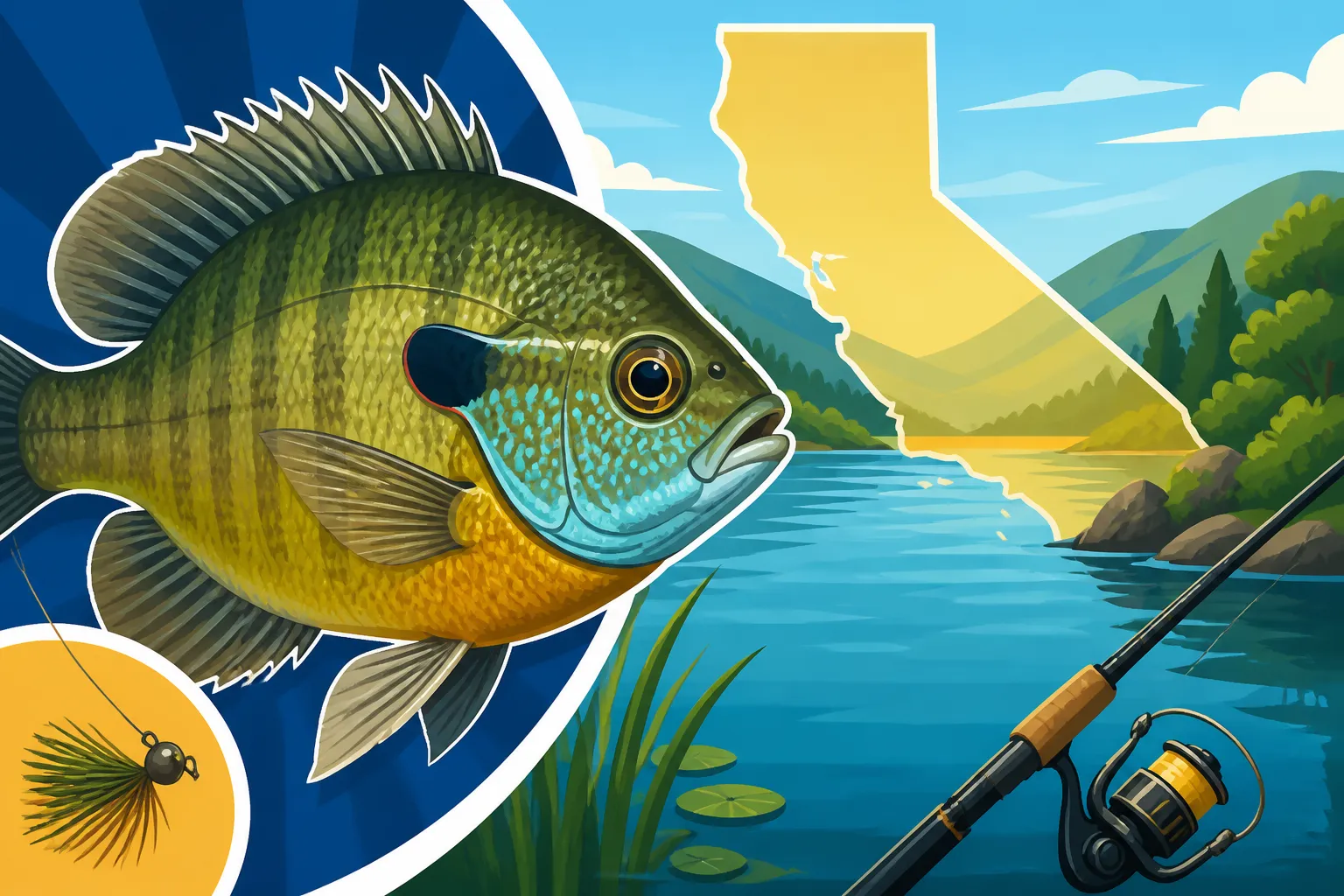
Bluegill in California: Where and How to Catch
Many anglers in California overlook the humble bluegill, often dismissing them as just a "kid's fish" or something only caught by accident while targeting bigger game. But the truth is, these feisty panfish offer incredible action, a fantastic introduction to fishing for new enthusiasts, and are surprisingly fun for seasoned veterans. This comprehensive guide will show you exactly where to find bluegill in California and the most effective techniques to catch them, ensuring you don't miss out on the joy these little fighters provide.
Why Bluegill Are Great and Often Overlooked in California
It's easy to get caught up in the pursuit of trophy bass or massive tuna, but sometimes the greatest joy in fishing comes from the simplest catches. Bluegill, with their iridescent colors and tenacious spirit, truly embody the accessible and enjoyable side of angling. They might not be the biggest fish in the lake, but they more than make up for it with their enthusiasm.
The Joy of Panfishing
There's something incredibly satisfying about panfishing, and bluegill are at the heart of it. They're usually abundant, bite aggressively, and provide consistent action, which is a huge confidence booster for anyone holding a rod. Imagine a warm afternoon, a light breeze, and your bobber suddenly dipping with that tell-tale tug – that's the pure, unadulterated joy of bluegill fishing. Plus, they make for some mighty fine table fare, especially when lightly breaded and fried golden brown. It's a throwback to simpler times, a reminder that fishing doesn't always have to be about expensive gear and epic battles. Sometimes, it's just about enjoying the moment and the fight of a small, determined fish.
Bluegill for Beginners and Families
If you're looking to introduce a child, a friend, or even yourself to the wonderful world of fishing, bluegill are your ultimate teachers. Their eagerness to bite means less waiting and more catching, which keeps engagement levels high, especially for youngsters with short attention spans. You don't need a fancy boat or complex electronics; a simple rod and reel, a bobber, and some basic bait are all it takes. Think about spending a day at a local pond, watching a child's face light up with every bluegill they reel in – those are the memories that last a lifetime. For families, it’s an affordable and accessible outdoor activity that fosters patience, observation, and a connection to nature. You can find more details on specific rules for younger anglers in our guide on Can Kids Fish Without a License in California to make sure everyone is set up for success.
Prime Bluegill Habitats in California: Where to Cast Your Line
California is a massive state with diverse aquatic environments, and thankfully, bluegill have found a comfortable home in many of them. From vast reservoirs to tranquil urban ponds, these adaptable fish are more widespread than you might think. Knowing their preferred hangouts is the first step to a successful bluegill outing.
Lakes and Reservoirs
Many of California's large lakes and reservoirs are teeming with bluegill, especially in the shallower, warmer coves and arms. Think about places like Lake Perris in Southern California, which has a healthy population, or even parts of Clear Lake further north. Bluegill love structure, so look for submerged timber, rock piles, weed beds, and even docks or fallen trees. These areas offer shelter from predators and a bounty of insects and smaller aquatic life to feed on. When the water warms up, they'll often move closer to the surface in these areas, making them easier to spot and target. A good strategy is to cruise slowly along the shoreline and observe for any signs of activity or obvious cover. You can explore some of the general fishing opportunities in larger bodies of water by checking out our Best Lakes to Fish in California guide.
Ponds and Slow-Moving Rivers
Smaller ponds, especially those in parks or rural areas, are often bluegill goldmines. These shallower, calmer waters allow sunlight to penetrate, promoting lush vegetation which bluegill adore. Similarly, slow-moving sections of rivers or sloughs, particularly those with plenty of bankside cover like overhanging bushes or reeds, can hold impressive numbers. The San Joaquin Delta, for instance, has countless backwater areas and sloughs perfect for bluegill. These smaller bodies of water often warm up faster in the spring, making them prime early-season spots. Always remember that while smaller, these spots can be very productive if you find the right cover and depth.
Community Fishing Spots
California has a fantastic network of community lakes and urban ponds managed by local parks and recreation departments, and often stocked by the California Department of Fish and Wildlife (CDFW). These spots are specifically designed for public access and are frequently stocked with various panfish, including bluegill, along with trout and catfish. Locations like those in Los Angeles County's urban lakes, or smaller city parks throughout the Central Valley, are perfect examples. These spots often have amenities like picnic tables, restrooms, and easy access, making them ideal for family outings. Always check local signage for specific rules and regulations, as some urban ponds might have unique bait restrictions or hours of operation. Finding one near you is usually just a quick online search away, and they are perfect for a spontaneous fishing trip.
Mastering Bluegill Techniques: Gear, Bait, and Tactics
You don't need a tackle shop's worth of expensive equipment to catch bluegill, but having the right tools and knowing how to use them will definitely boost your success. Simplicity is often key, but a few smart choices can turn a good day into a great one.
Essential Gear for Bluegill
For bluegill, light tackle is not just a preference, it's a necessity to fully enjoy the fight. A light or ultralight spinning rod, typically 5 to 6.5 feet long, paired with a small spinning reel (size 500 to 1000) spooled with 4-6 pound test monofilament or fluorocarbon line is perfect. This setup allows for sensitive feel and makes even a modest bluegill feel like a heavyweight champion.
Here’s a basic list of what you’ll need:
- Rod & Reel: Ultralight spinning combo (as described above).
- Line: 4-6 lb monofilament or fluorocarbon.
- Hooks: Small, sharp hooks like Aberdeen or Baitholder hooks, sizes #8 to #12. Consider getting a variety pack from Amazon to figure out what works best in your local waters.
- Bobbers: Small slip bobbers or clip-on bobbers. Slip bobbers are great for precise depth control when you need to fish deeper.
- Sinkers: Small split shot weights, pinch-on style.
- Pliers/Forceps: For hook removal, especially with smaller fish.
- Cooler with Ice: If you plan on keeping your catch for dinner!
- California Fishing License: Don't forget this! You can learn more about how to obtain one in our How to Get a California Fishing License guide.
Baits and Lures That Bluegill Can't Resist
Bluegill aren't particularly picky eaters, which is another reason they're so much fun to catch. However, some baits are undeniably more effective than others.
Here's a breakdown of bluegill favorites:
| Bait Type | Description & Effectiveness | Best Use |
|---|---|---|
| Live Worms | Red worms, mealworms, wax worms, or pieces of nightcrawlers. These are universally effective due to their natural scent and wriggling action. A small piece is often better than a whole worm for bluegill. | All seasons, any water body. Excellent for beginners and consistent action. |
| Crustaceans | Small pieces of shrimp, especially peeled. The scent and texture are very appealing. | Effective in some freshwater environments, particularly those with a varied diet for fish. |
| Prepared Baits | Dough balls, corn kernels, or commercially made panfish baits (like Berkley PowerBait for crappie/panfish). These often come with added scent attractants. | Good when live bait is unavailable or if you prefer a less "messy" option. Can be purchased easily from Amazon. |
| Small Jigs | Micro jigs (1/32 to 1/16 oz) tipped with tiny plastic grubs, tubes, or marabou. Colors like chartreuse, white, and black are often winners. | When bluegill are actively feeding on small insects or minnows. Can cover more water than stationary bait. |
| Tiny Spinners | Small inline spinners (e.g., Rooster Tails, Mepps Aglia size #0 or #1). The flash and vibration can attract curious bluegill from a distance. | Active fish, covering water, or when you want to attract larger bluegill. |
| Flies | Wet flies, nymphs, or small dry flies, especially those mimicking aquatic insects. This is for the fly-fishing enthusiast. | Fly-fishing only waters, or when bluegill are focused on specific insect hatches. |
Presentation and Retrieval Techniques
Bluegill fishing is all about finesse and observation.
- Bobber Fishing: This is the most common and effective method. Attach a small bobber a foot or two above your hook (adjusted for depth). Cast near structure or weed lines and wait for the bobber to dip or move. When it does, give a gentle but firm tug to set the hook.
- Bottom Fishing: If bluegill are holding deeper, use a small split shot weight to get your bait to the bottom without a bobber. Keep a tight line so you can feel the subtle bites.
- Light Jigging: With a small jig, cast it out and let it sink to your desired depth. Then, retrieve it slowly with subtle twitches and pauses. Pay attention to any taps or resistance.
- Trolling (Kayak/Boat): While less common for bluegill, you can slowly troll a tiny spinner or jig from a kayak or small boat along weed edges or drop-offs, especially in larger lakes.
- Stealth is Key: Despite their aggressive feeding, bluegill can be skittish, especially in clear, shallow water. Approach your fishing spot quietly and avoid making sudden movements or casting a large shadow over the water. A good pair of polarized sunglasses will help you spot them before they spot you.
Seasons, Regulations, and Responsible Bluegill Fishing
Understanding when and where bluegill are most active, and adhering to California's fishing regulations, ensures a productive and sustainable fishing experience for everyone.
Best Times of Year to Target Bluegill
Bluegill are active throughout the warmer months, but their behavior shifts with the seasons.
- Spring (March-May): This is prime time! As water temperatures rise into the 60s, bluegill become highly active and move into shallower waters to spawn. Look for them in less than 5 feet of water, often congregated around nests (circular depressions on the bottom). This is when they are most aggressive and easiest to catch. Check out our California Fishing in Spring guide for more seasonal tips.
- Summer (June-August): Bluegill remain active, but as water temperatures peak, they might move to slightly deeper water during the heat of the day, seeking cooler temperatures and denser cover. Early mornings and late evenings often provide the best action. In our California Fishing in Summer article, you can find more details on how to adapt your strategy.
- Fall (September-November): As temperatures begin to drop, bluegill will feed heavily to bulk up for winter. They can still be found in similar areas as summer, but might be less aggressive overall. This can be a great time for consistent action, often with fewer crowds. Our California Fishing in Fall guide offers more insights into autumn angling.
- Winter (December-February): Bluegill become much less active, schooling up in deeper parts of the lake or river. While still catchable, they require more patience and slower presentations. This is definitely the slowest season for bluegill. If you're looking for more details on winter fishing, refer to our California Fishing in Winter guide.
California Bluegill Regulations
Thankfully, bluegill are managed under California's general freshwater fishing regulations and are quite abundant, so they don't have the same complex rules as some of the more sensitive species. However, it's absolutely crucial to always consult the current California Freshwater Sport Fishing Regulations booklet, available online through the CDFW website or at any fishing license agent.
Key things to remember:
- Fishing License: Anyone 16 years or older needs a valid California fishing license to fish for bluegill (or any fish) in public waters. Make sure to renew it yearly! Learn all about it in our California Fishing License Guide.
- Bag and Size Limits: While bluegill generally have very generous limits (often 25 fish daily with no minimum size), there can be special regulations for specific waters. Always double-check the booklet for the exact water you're fishing. For instance, some urban ponds or community lakes might have different rules. For a broader understanding of limits, see our California Fishing Bag and Size Limits resource.
- Method of Take: General regulations allow for typical rod and reel fishing.
- Report Cards: Bluegill do not require a report card in California, unlike species such as salmon or sturgeon.
Conservation and Catch Limits
Even with generous limits, practicing responsible angling is vital. Only keep what you can realistically eat, and consider practicing catch-and-release, especially for the larger "breeder" bluegill, to help maintain healthy populations. Handle fish gently, wetting your hands before touching them, and quickly release any fish you don't intend to keep. If you do keep fish, bleed them immediately and place them on ice to ensure the best possible table quality. While bluegill are hardy, they still deserve our respect and responsible management to ensure they remain abundant for generations of anglers to come.
Disclaimer
The information provided in this guide is for general informational purposes only and is subject to change. Fishing regulations in California can be complex and vary by species, location, and time of year. Always consult the latest official California Freshwater Sport Fishing Regulations booklet published by the California Department of Fish and Wildlife (CDFW) before engaging in any fishing activity. It is the angler's responsibility to know and follow all applicable laws and regulations.