California White Seabass Fishing Tips
There’s nothing quite like the thrill of chasing the elusive white seabass in California’s waters. It’s a fish that can test the patience and skill of even the most seasoned angler, often feeling like a phantom in the kelp, making you question every tactic. But when that rod bends and you feel the powerful surge of a big "ghost" on the other end, all the struggle fades away. This guide is here to cut through the mystery, offering practical, real-world white seabass fishing tips to help you put more of these incredible fish in your boat.
Understanding California White Seabass
Catching white seabass isn't just about luck; it's about understanding their habits, their habitat, and what makes them tick. These fish are creatures of routine, yet notoriously unpredictable, which is part of their charm and challenge.
The Elusive Ghost of the Kelp
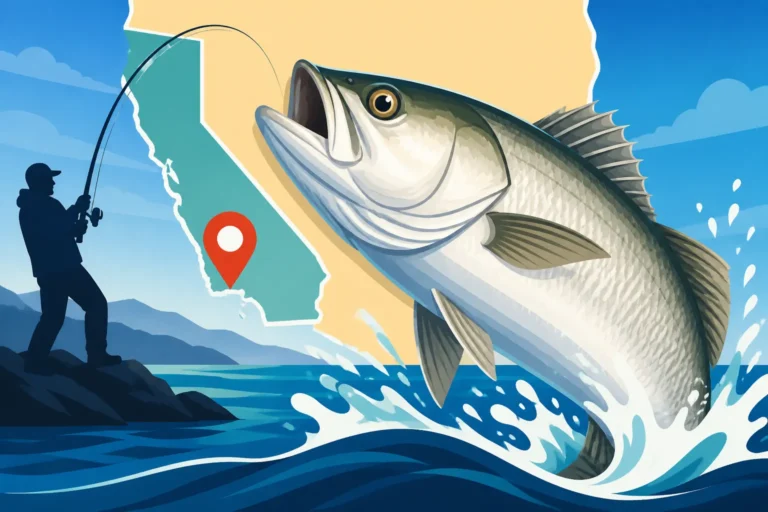
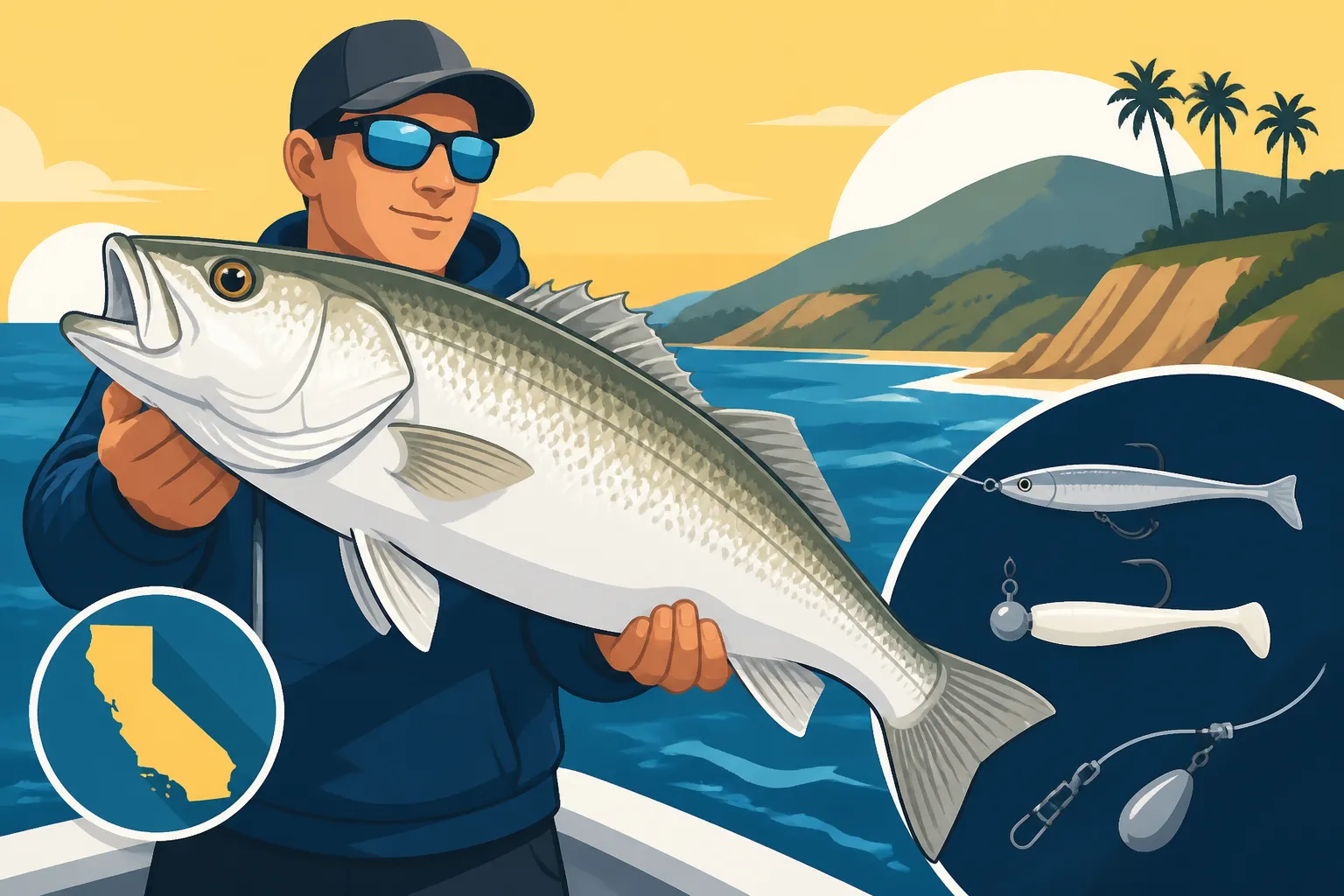
White seabass, or Atractoscion nobilis, earned the nickname "ghost of the kelp" for a very good reason. They are masters of camouflage and can be incredibly shy, often lurking deep within or on the edges of California's dense kelp forests, structures, or along submarine canyons and reefs. They're built for speed and power, characterized by their elongated, silvery bodies that can easily disappear against the changing light of the water column. They are primarily predatory, feeding on a diet rich in squid, anchovies, sardines, and Pacific mackerel. Knowing their preferred food sources is half the battle when trying to entice a bite.
Their behavior shifts with the seasons and water conditions. During spawning periods, typically in late spring and early summer, they move into shallower coastal waters and bays, making them more accessible to anglers. Outside of these times, they might be found deeper, associating with offshore islands, reefs, or oil rigs. What makes them so frustratingly elusive is their tendency to be highly selective feeders, sometimes ignoring everything you throw at them, only to suddenly turn on the bite for a short window. This often requires endless patience and a keen eye for subtle signs on the water, like bait balls or bird activity.
Best Times and Locations to Find Them
Timing and location are absolutely critical when it comes to white seabass. While they can be caught year-round, the prime season often kicks off in late spring, typically April through June, as water temperatures rise and squid — their favorite delicacy — start to make their annual appearance closer to shore for spawning. This is when you'll find many boats clustered around known squid beds and kelp patties. However, don't write off fall and even winter; larger, solitary fish can be found in deeper offshore waters or along the edges of canyons.
Key Locations to Focus On:
- Channel Islands: San Clemente Island, Catalina Island, Santa Cruz Island, Santa Rosa Island, Anacapa Island. These offshore islands are iconic for white seabass, offering abundant kelp forests and deep-water structure.
- Southern California Coastal Waters: Areas like San Diego's Point Loma, La Jolla, Newport Beach, Huntington Beach, and Santa Monica Bay can hold good numbers, especially during the spring spawn.
- Central California: While less famous than the south, areas around Morro Bay and Monterey Bay can also produce white seabass, particularly closer to summer.
- Nearshore Kelp Beds: Anywhere you find substantial kelp, especially on outside edges or near canyons, is a potential holding spot.
Tides play a significant role as well. Many experienced anglers swear by the "golden hour" of the tide, often an hour before or after a tide change, especially during an incoming or outgoing current that sweeps bait and nutrients through kelp lines or over structure. Checking local tide charts and combining this with California Fishing Seasons: Month-by-Month Guide can greatly improve your chances.
Essential Gear and Tackle for White Seabass
You wouldn't show up to a sword fight with a butter knife, and the same goes for white seabass. These powerful fish demand robust, reliable gear that can handle their violent head shakes and strong runs, especially when you're trying to pull them out of thick kelp. Skimping on tackle will almost certainly lead to heartbreak.
Rods, Reels, and Line Selection
Choosing the right rod and reel setup is paramount. You need a combination that offers sensitivity for detecting subtle bites, power for muscle, and sufficient line capacity for long runs.
For rods, a medium-heavy to heavy action rod, typically 7 to 9 feet in length, is ideal.
- Conventional Rods: Many anglers prefer conventional rods for their winching power and ability to cast heavier baits and jigs accurately. Look for rods with a fast taper that transitions into a strong backbone, perfect for controlling a big fish. Brands like Calstar and Seeker are popular choices among seasoned California anglers, known for their durability and customizability.
- Spinning Rods: Spinning setups have gained popularity, especially for casting lighter lures or smaller baits when a long cast is needed. A robust 7'6" to 8'6" heavy-action spinning rod paired with a powerful reel can be incredibly effective.
When it comes to reels, you need something with a smooth, reliable drag system and good line capacity.
- Conventional Reels: Popular choices include models from Shimano's TLD or Talica series, or Avet SX/MXJ reels. These offer excellent drag, cranking power, and line capacity for 30-50 lb test.
- Spinning Reels: For spinning, look for larger, saltwater-grade reels like the Shimano Saragosa or Penn Spinfisher series, capable of holding 20-30 lb mono or 40-65 lb braid. You'll want a reel with enough retrieve rate to keep up with a running fish and a strong handle for leverage.
Your line selection is just as critical.
- Mainline: Most anglers start with 30-50 lb braided line on their reel. Braid offers incredible strength-to-diameter ratio, allowing for more line capacity, and its no-stretch quality provides superior sensitivity for detecting subtle bites and solid hooksets.
- Leader: This is where fluorocarbon shines. White seabass are notoriously line-shy, so a long, clear fluorocarbon leader (20-40 lb test) is essential. Fluorocarbon is nearly invisible underwater and has excellent abrasion resistance, which is vital when fishing around kelp and structure. A good starting point is a 20-30 lb fluorocarbon leader for fly-lining squid, stepping up to 40 lb if you're targeting bigger fish in heavy cover or jigging with heavier tackle. Brands like Seaguar and Izorline offer excellent fluorocarbon options. You can find a wide range of these high-quality lines on Amazon, ensuring you're ready for whatever the ocean throws at you.
Bait and Lure Strategies That Work
White seabass can be incredibly picky, but when they're on the bite, they're often focused on one primary food source. Your success often hinges on "matching the hatch" — presenting what they're currently eating.
Live Bait is King:
- Live Squid: Without a doubt, live market squid is the absolute best bait for white seabass. When the squid are spawning (known as a "squid run"), white seabass gorge themselves, and presenting a lively, healthy squid is often irresistible. The challenge is acquiring and keeping them alive. Many charter boats will catch fresh squid before or during the trip. If fishing on your own, you might need to catch your own with a squid jig or purchase them from a bait receiver. Keeping them in a large, well-aerated bait tank is crucial.
- Other Live Baits: When squid aren't available, other baits can work. Live anchovies, sardines, or small mackerel can tempt a white seabass, especially if that's what's prevalent in the area. Often, these work best when fly-lined or fished on a light leadhead.
Artificial Lures:
While live bait often outproduces artificials, lures can be incredibly effective, especially when seabass are actively feeding or you're trying to cover more water.
- Jigs (Iron Jigs): Heavy iron jigs, often called "yo-yo" jigs, in white, blue and white, or squid-imitating patterns, are excellent for prospecting deeper water. Brands like Salas and Tady offer various sizes and colors. These are dropped to the bottom and rapidly retrieved, mimicking a fleeing baitfish.
- Leadheads with Soft Plastics: A leadhead jig paired with a large soft plastic swimbait (5-9 inches) can be deadly, particularly when imitating squid. Brands like Big Hammer, MC Swimbaits, and even larger Berkley Gulp! squid imitations rigged on a heavy leadhead (1-3 oz) can be cast and slowly retrieved or worked along the bottom. You can find a fantastic selection of these lures, including various colors and sizes, on Amazon to stock your tackle box.
- Surface Iron: Less common for white seabass but can be effective during aggressive surface feeds. A traditional surface iron jig cast and retrieved quickly can draw a strike from an opportunistic fish.
| Technique/Bait Type | Pros | Cons | Ideal Conditions |
|---|---|---|---|
| Live Squid | Highly effective, natural presentation | Hard to acquire/keep, can be delicate | Active squid spawn, clear water |
| Live Anchovy/Sardine | Good alternative, readily available | Less preferred than squid, smaller profile | When seabass are feeding on finfish |
| Yo-Yo Jigging | Covers water, can find deep fish | Requires skill, less natural than live bait | Deeper water, active feeding, current |
| Leadhead + Swimbait | Versatile, mimics squid well | Can be ignored if fish are picky | Kelp edges, structure, prospecting |
| Fly-lining Bait | Natural drift, stealthy presentation | Requires light tackle, can get snagged in kelp | Near kelp, light current, feeding fish |
Proven Techniques for Targeting White Seabass
Once you've got your gear sorted, it's time to talk tactics. White seabass fishing requires a blend of finesse, patience, and knowing when to switch things up. They can be finicky, so having a few different approaches in your arsenal is key.
Live Bait Tactics
When you have fresh, lively bait, your chances of success skyrocket. The way you present that bait makes all the difference.
-
Fly-Lining: This is arguably the most popular and often most effective method for fishing live squid. It involves rigging a live squid (or anchovy/sardine) with a single, sharp hook (typically a 3/0 to 5/0 circle hook or a J-hook) directly to your fluorocarbon leader, with no weight. The idea is for the bait to swim naturally, as if it's casually cruising through the water. You cast the bait towards kelp edges, structure, or areas where you've marked fish on your sonar, and let it drift. The key is to keep your bail open (on a spinning reel) or your thumb lightly on the spool (on a conventional reel) to allow the fish to take the bait freely. When a fish bites, let it run for a few seconds to ensure it fully engulfs the bait before slowly engaging your reel or easing into the hookset. This technique is incredibly stealthy and natural. For insights into general bait fishing, check out this guide on California Bait Fishing Tips and Techniques.
-
Carolina Rig (Sliding Sinker Rig): Sometimes, the white seabass are holding deeper or the current is too strong for fly-lining. In these situations, a Carolina rig can be invaluable. This setup involves a sliding egg sinker (1/2 oz to 2 oz, depending on depth and current) on your main line, followed by a swivel, and then a 3-6 foot fluorocarbon leader with your hook and live bait. The sliding sinker allows the bait to swim somewhat naturally above the weight, preventing the fish from feeling the resistance of the sinker when it picks up the bait. This is particularly effective when fishing around the bottom or known holding areas. Drop the bait to the desired depth or bottom and keep a tight line, feeling for those subtle "taps" that indicate a bite.
-
Dropping on Sonar Marks: If you're on a boat with good electronics, sometimes you'll mark a "meatball" of baitfish or even individual white seabass on your fish finder, often suspended in the water column or hugging the bottom near structure. In these scenarios, immediately drop a lively squid or other live bait directly onto those marks. The quick presentation can sometimes trigger an immediate strike from a hungry fish.
Jigging and Artificial Lure Presentations
When live bait is scarce or the fish are spread out, artificials can be a great way to cover water and find active biters.
-
Yo-Yo Jigging: This is an aggressive technique often used when white seabass are holding in deeper water or near structure. You drop a heavy metal jig (often referred to as "iron") straight down to the bottom or the depth where fish are marked. Once it hits bottom, you rapidly reel it up several yards, then let it drop again, mimicking a fleeing or injured baitfish. This rapid up-and-down motion can provoke a reaction strike. The key is to be ready; white seabass often hit the jig on the drop or as you start your retrieve. This method can also be highly effective for other species, as detailed in our guide on California Offshore Fishing Techniques.
-
Casting Leadheads with Soft Plastics: This is a versatile method for shallower water, kelp edges, or when prospecting new areas. Rig a large soft plastic swimbait (like a Big Hammer or MC Swimbaits) onto a leadhead jig (1-3 oz). Cast it towards kelp beds, rock piles, or sandy patches adjacent to structure. Allow it to sink, then retrieve it slowly with a steady winding motion, incorporating subtle twitches or pauses. The goal is to imitate a swimming squid or a floundering baitfish. Vary your retrieve speed and depth until you find what the fish are reacting to.
-
Surface Iron: While less common, throwing a surface iron can work, especially if you see signs of fish crashing bait on the surface or hear about an aggressive bite. Cast a brightly colored or chrome surface jig as far as you can and retrieve it quickly, keeping the lure skipping on or just below the surface. This technique is more typical for yellowtail but can surprise a white seabass.
Reading the Conditions and Finding the Bite
White seabass don't just magically appear; their presence and willingness to bite are often tied to specific environmental factors. Becoming a keen observer can drastically improve your success.
-
Water Temperature and Clarity: White seabass generally prefer water temperatures between 58 and 68 degrees Fahrenheit. They also tend to feed more aggressively in clearer water, which allows them to ambush prey and makes your fluorocarbon leader less visible. Murky water often means a tougher bite. Keep an eye on local California Fishing Reports for current conditions.
-
Tides and Current: As mentioned earlier, moving water is crucial. Strong currents can position baitfish and bring food to the seabass. Look for areas where currents create eddies or sweep along kelp lines and structure. The hours around a tide change are often prime feeding times. An incoming tide often brings cooler, cleaner water and bait closer to shore.
-
Bird and Bait Activity: This is one of the most reliable indicators. Look for diving birds, especially terns and pelicans, which are often feeding on baitfish being pushed to the surface by predatory fish below. If you see signs of a "squid ball" or a large school of anchovies or sardines, you're in the right neighborhood. Sometimes, you'll even see a large white seabass crash on bait at the surface – a rare but exhilarating sight!
-
Sonar Readings: Your fish finder is your best friend. Learn to identify marks that could be white seabass (often large, arch-like returns, sometimes suspended or near structure) and, more importantly, bait schools. If you find the bait, the predators are usually not far behind. Don't just motor over a spot; spend time idling around, watching your screen, and observing surface activity. Patience is truly a virtue when hunting these magnificent fish.
Regulations and Conservation for Sustainable Fishing
Fishing for white seabass is a privilege, and it's our responsibility as anglers to understand and abide by the regulations set forth by the California Department of Fish and Wildlife (CDFW). These rules are in place to ensure the sustainability of the fishery for future generations.
Understanding Limits and Seasons
Regulations for white seabass are in place to manage the population and ensure its health. These can change, so it's vital to always check the most current California sport fishing regulations booklet or the CDFW website before heading out.
- Daily Bag Limit: Typically, the daily bag and possession limit for white seabass in California is three fish per person. This means you can't have more than three white seabass, regardless of when they were caught, in your possession at any given time.
- Size Limit: There's also a minimum size limit. For white seabass, this is generally 28 inches total length. This measurement is taken from the tip of the longest jaw to the end of the longest lobe of the tail. Using a reliable measuring device is crucial, and it's always better to err on the side of caution.
- Seasonality: While there isn't typically a closed season for white seabass, their availability fluctuates based on natural cycles, especially the squid runs. Be aware that other species you might incidentally catch while targeting seabass could have different regulations. Always double-check California Fishing Bag and Size Limits for all species you might encounter. Also, remember that a valid California Fishing License Guide is required for anyone 16 years or older, and for saltwater fishing, you'll likely need to purchase a California Ocean Enhancement Stamp as well.
Best Practices for Release and Handling
Even if you're keeping your legal limit, it's essential to handle any fish you catch with care. For fish that are undersized or that you choose to release, proper handling significantly increases their chances of survival.
- Minimize Time Out of Water: The longer a fish is out of its aquatic environment, the more stress it endures. Try to unhook the fish while it's still in the water whenever possible.
- Wet Hands: Always wet your hands before touching a fish. Dry hands can remove the protective slime coat, making the fish more susceptible to disease.
- Support the Fish: If you need to bring the fish aboard, support its body horizontally, especially larger fish. Avoid holding them vertically by the jaw or tail, which can damage their internal organs and spine.
- Quick Release: Use pliers or a dehooking tool to quickly remove the hook. If the fish is deeply hooked, it's sometimes better to cut the line as close to the hook as possible rather than tearing vital organs trying to remove it.
- Revive If Necessary: If a fish seems sluggish before release, hold it gently in the water, facing into the current, and move it back and forth to force water over its gills until it regains strength and swims off on its own.
By following these guidelines, you're not only complying with the law, but you're also doing your part to ensure healthy white seabass populations continue to thrive in California's rich waters for years to come. Remember to also be mindful of California Marine Protected Areas Explained, where fishing is restricted or prohibited to protect ecosystems.
Disclaimer
Fishing regulations and conditions in California can change frequently. Always consult the latest California Department of Fish and Wildlife (CDFW) regulations before any fishing trip. The information provided in this guide is for general informational purposes only and should not be considered legal advice. It is the angler's responsibility to know and follow all applicable laws and regulations.