California Albacore Tuna Fishing Tips
Trying to target California albacore tuna can feel like chasing ghosts in the vast Pacific, especially when you hear the whispers of "longfin" runs but don't quite know where to start or what to expect. This guide is here to cut through the confusion and give you the real-world, actionable tips you need to confidently pursue these fast-moving, delicious pelagic fighters off the California coast, from understanding their behavior to mastering the techniques that put them in the fishbox.
Understanding California Albacore Tuna
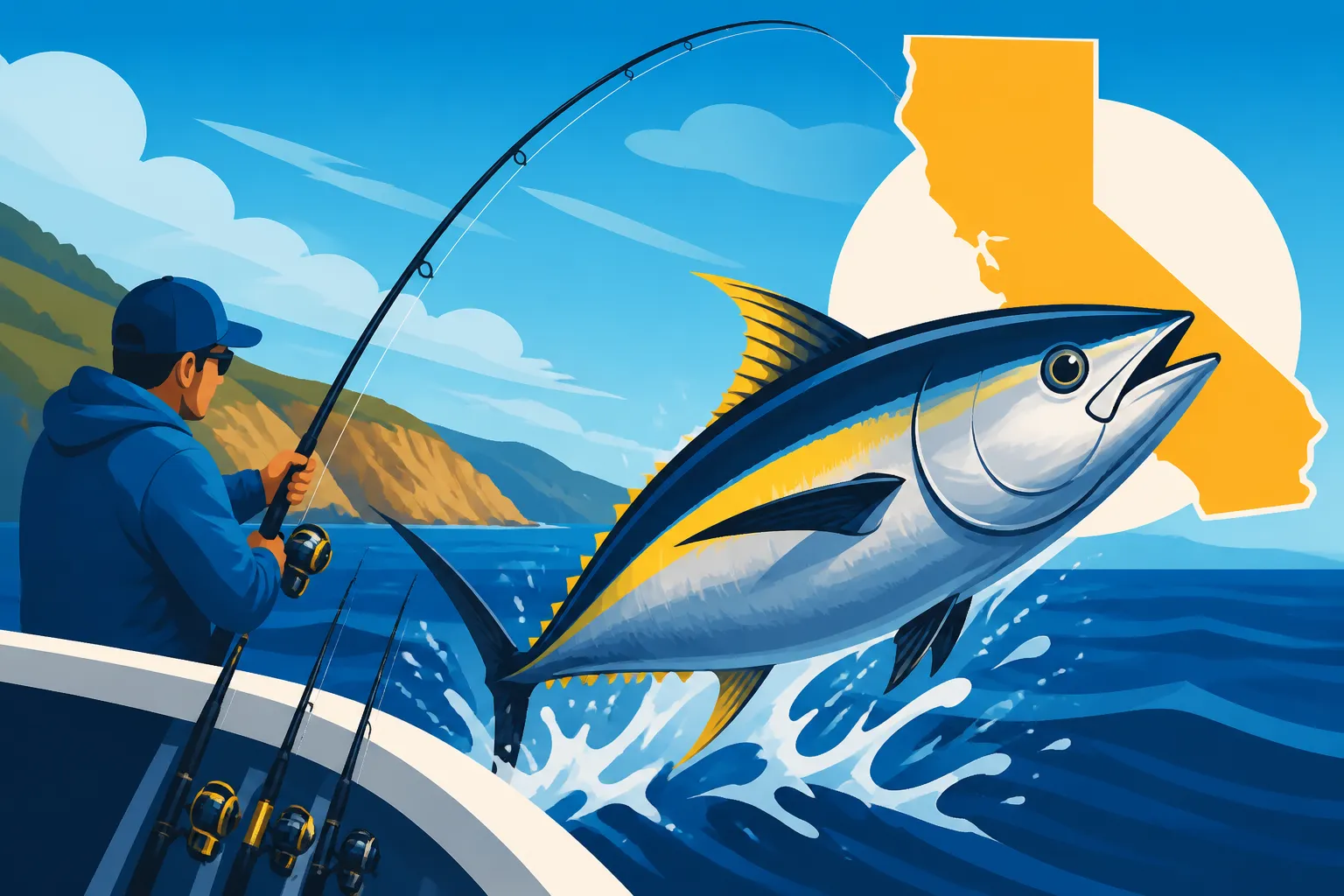
Albacore tuna, often affectionately called "longfins" due to their strikingly long pectoral fins, are truly magnificent creatures of the open ocean. Unlike some of their inshore cousins, albacore are pelagic, meaning they live in the open sea, far from coastal waters. This nomadic lifestyle means you often have to venture a good distance offshore to find them, making their pursuit a true deep-sea adventure. Their presence off California is often seasonal and temperature-dependent, usually showing up when warmer, nutrient-rich waters push closer to our coast.
These fish are built for speed and endurance, capable of long migrations across entire ocean basins. They typically range in size from 10 to 30 pounds in California waters, though larger specimens of 40 pounds or more are certainly caught, especially earlier in the season. Albacore are aggressive feeders, often found in schools, and when they're on the bite, the action can be furious and unforgettable. They primarily feed on small baitfish like anchovies, sardines, and squid, which is why matching the hatch with your lures and baits is so crucial for success.
California's albacore season is something many anglers eagerly anticipate each year. These fish typically move into Southern California waters first, often in late spring or early summer, and then gradually push north as the ocean currents and water temperatures become favorable. Their movements are highly influenced by oceanographic conditions, particularly sea surface temperature and chlorophyll concentrations (indicating baitfish presence). A good understanding of these factors, often gleaned from satellite imagery and fishing reports, can make all the difference in locating them.
Prime Time and Places to Find Albacore off California
The beauty and the beast of albacore fishing in California lie in its migratory nature. They aren't always here, and when they are, their exact location can shift daily, sometimes hourly. But don't let that deter you! Knowing the general patterns and how to read the signs can significantly boost your chances of success.
When to Target California Albacore
Historically, the albacore season in California kicks off in late spring, often May or June, and can run through early fall, sometimes even into November. However, this window can fluctuate dramatically year to year based on ocean conditions. The peak months are typically July, August, and September, when the water is consistently warm enough for these temperate-loving fish to thrive closer to shore, or at least within a reasonable run for sportfishing boats.
What truly dictates their presence is water temperature. Albacore prefer water temperatures generally ranging from 60 to 70 degrees Fahrenheit. If ocean conditions bring these temperatures within striking distance, and there's ample bait, the albacore will follow. Early season fish might be bigger, but later in the summer, you often find more consistent schools. Keeping an eye on ocean temperature charts and weekly fishing reports is absolutely essential. Many avid offshore anglers live by these reports, constantly monitoring sea surface temperatures and chlorophyll breaks. You can even find services online that provide detailed satellite imagery for tracking these conditions. Understanding the general California Fishing Seasons: Month-by-Month Guide will give you a broader perspective, but for albacore, it's all about real-time ocean conditions.
Where to Locate Albacore in California Waters
Albacore fishing is an offshore game. You're generally looking at running anywhere from 30 to over 100 miles offshore, often to specific zones known as "the Ridge," "the Corner," or areas around offshore banks and canyons. In Southern California, popular departure points include San Diego, Oceanside, and Dana Point. Boats from these landings will often head out to areas west or southwest, beyond Catalina or San Clemente Islands, to find the "blue water." This blue water, characterized by its deep indigo hue and often a distinct temperature break from greener inshore waters, is where albacore thrive.
Further north, if the conditions are right, albacore can push up towards Monterey Bay or even Half Moon Bay, but these occurrences are less common and more fleeting than in the southern part of the state. The most consistent action nearly always happens out of Southern California ports. When considering where to go, a crucial factor is looking for convergence zones – areas where different water masses meet, creating upwellings that bring nutrients and baitfish to the surface. These are the highways for pelagic predators. If you're planning a trip, consider booking with reputable operations out of San Diego, like those operating from Point Loma or Fisherman's Landing, who specialize in these long-range offshore excursions. They have the experience and the boats to get you to the fish safely and effectively. For a broader view, check out our guide on the Best Offshore Fishing Charters in California.
Essential Gear and Tackle for California Albacore
Getting ready for an albacore trip means thinking about heavy-duty gear that can withstand brutal fights and long days offshore. You don't want to be caught unprepared when a school of longfins decides to crash your boat.
Rods, Reels, and Line Choices
When it comes to albacore, you'll want a setup that offers a good balance of power and sensitivity.
- Rods: Look for medium-heavy to heavy conventional rods, typically 7 to 8 feet long, with a fast to moderate-fast action. This provides the backbone needed to turn a powerful tuna while still offering enough tip to detect subtle bites or work lures effectively. Graphite composite rods are a popular choice as they are lighter and more sensitive than pure fiberglass, but still durable. Brands like Phenix, Calstar, and Seeker are staples on West Coast party boats.
- Reels: Conventional reels are king for albacore. Opt for a star drag or lever drag reel in the 30-50 class, capable of holding at least 300-400 yards of line. You need a good, smooth drag system that can handle sustained runs from a powerful fish. Shimano Talica, Penn Fathom, or Daiwa Saltiga are excellent examples of reels that stand up to the challenge. You can find a fantastic selection of these robust reels and accompanying rods on Amazon.
- Line: Braided line is almost a necessity for offshore tuna fishing. Its thin diameter allows for more line capacity on your reel, and its no-stretch properties offer incredible sensitivity and hook-setting power. Most anglers will spool their reels with 40-60 lb test braided line. To this, you'll add a fluorocarbon leader of 30-50 lb test, usually 10-20 feet long. Fluorocarbon is nearly invisible in water, helping to fool wary tuna, and offers good abrasion resistance against their rough mouths.
| Gear Category | Recommendation (Albacore) | Key Features | Examples (Brands/Models) |
|---|---|---|---|
| Rod | 7-8 ft Medium-Heavy/Heavy Conventional | Fast action, durable blank | Calstar, Phenix, Seeker |
| Reel | 30-50 Class Conventional | Smooth drag, high line capacity | Shimano Talica/Torium, Penn Fathom/International, Daiwa Saltiga |
| Main Line | 40-60 lb Braided Line | Low stretch, high capacity | PowerPro, Seaguar, Izorline |
| Leader | 30-50 lb Fluorocarbon | Low visibility, abrasion resistant | Seaguar Blue Label, Izorline |
Baits, Lures, and Terminal Tackle
Albacore are opportunistic feeders, so having a variety of offerings is key.
- Live Bait: If fishing on a party boat, they’ll often have live bait, usually anchovies or sardines, in their tanks. This is often the deadliest way to target albacore when they are finicky. Remember, while you might have your own gear, you'll still need to buy live bait on the boat.
- Jigs: Metal jigs are incredibly effective. Surface irons like the Salas 7X or Tady 45 can be thrown when albacore are boiling on the surface. Heavier, deeper-falling jigs like the Shimano Colt Sniper or Williamson Benthos are great for getting down to fish marked on the sonar that aren't coming to the surface. Colors like blue and white, chrome, or sardine patterns are always reliable.
- Trolling Lures: For covering ground and locating schools, trolling lures are indispensable. Spreader bars, Zuker feather jigs, Cedar Plugs, and Rapala X-Raps are all popular choices. These are typically trolled at speeds of 6-9 knots. The boat's crew usually handles the trolling spread, but having your own favorite high-quality trolling feathers or jet heads to switch out can be a good idea. Many of these effective trolling lures are readily available on Amazon.
- Terminal Tackle: Bring an assortment of strong swivel snaps (size 4-6), sturdy barrel swivels, and a selection of hooks (e.g., Owner Mutu Light Circle Hooks or Gamakatsu Octopus hooks in sizes 2/0 to 5/0) if you plan on bait fishing. Always opt for quality components here; weak terminal tackle is a surefire way to lose a trophy fish.
Don't forget the essentials for your personal comfort and safety: a wide-brimmed hat, sunglasses, plenty of sunscreen, seasickness medication (if you're prone to it, check out How to Prevent Seasickness on a California Charter), and layers of clothing, as offshore temperatures can fluctuate wildly. A good quality fishing backpack to store all your gear is also a smart investment.
Mastering Albacore Fishing Techniques
Once you're out on the deep blue and the captain starts spotting signs of life, it's time to put your techniques to the test. Albacore respond to a few primary methods, and being proficient in all of them will give you the best shot at success.
Trolling for Schooling Albacore
Trolling is often the first method used to locate albacore. Boats will run a spread of lures at various distances behind the vessel, often with outriggers to widen the coverage. The idea is to mimic a school of baitfish, drawing the tuna to the surface. When a fish hits a trolled lure (often called a "jig strike"), the deckhands will typically retrieve all but one or two lines, while the captain keeps the boat moving in a wide circle. This action often "chums" the area, keeping the school around the boat and triggering a feeding frenzy.
Once the school is located, the real fun begins. Anglers on deck quickly grab their rigged rods and cast live bait or jigs into the churning water where the albacore are feeding. This is where the term "stop and go" or "run and gun" fishing comes from – the boat motors, gets a strike, stops, works the school, then runs to find another one. It's exhilarating, fast-paced, and requires quick reactions. For more on general techniques, refer to our California Offshore Fishing Techniques guide.
Live Bait Fishing
When albacore are particular or "finicky," live bait is often the only way to get a bite. On a party boat, the crew will typically chum with live anchovies or sardines, throwing handfuls of bait into the water to get the school excited and hold them near the boat. Anglers will then cast a single live bait, often unweighted or with just a small split shot, into the chum line. The key is to let your bait swim naturally with the chum, making it indistinguishable from the free offerings.
The bite can be subtle – sometimes just a twitch, other times a sudden, powerful pull. Allow the fish to take the bait for a second or two before gently sweeping the rod to set the hook. Do not jerk the rod hard; albacore have soft mouths, and you can pull the hook. Once hooked, be prepared for a strong, fast run. These fish fight hard all the way to the boat, often circling deep. Maintaining steady pressure and working the fish methodically is crucial. A light touch and proper use of the drag are your best friends here.
Jigging for Deep-Holding Fish
Sometimes, albacore are marked on the sonar but aren't coming to the surface to chase trolled lures or eat live bait. This is where jigs come into play, especially heavier, knife-style or vertical jigs. The technique involves dropping a metal jig down to the depth where the fish are marked and then rapidly reeling it back up with varying retrieve patterns – quick jerks, pauses, and speed bursts. This erratic action mimics a wounded baitfish, often irresistible to hungry tuna.
When jigging, pay close attention to your line as the jig descends, as strikes often occur on the drop. If you feel anything unusual, close your bail and set the hook. On the retrieve, a strike can feel like you've snagged the bottom, but then the "bottom" starts screaming line off your reel! This is a more physically demanding technique but can be incredibly rewarding when the fish are deep. For additional strategies, our guide on California Bluefin Tuna Fishing Tips or How to Catch Bluefin Tuna off California often share similar jigging approaches.
Tips for Success and Safety on Your Albacore Trip
Going offshore for albacore is an exhilarating experience, but it requires preparation and adherence to safety. Here are some extra tips to make your trip successful and enjoyable.
Preparing for Your Offshore Adventure
- Book a Reputable Charter: If you're new to albacore fishing or don't own a suitable offshore boat, booking a trip on a sportfishing charter is the way to go. Research different boats and their recent fish counts. Look for ones with experienced captains and deckhands. Check out our guide on California Fishing Charters: Complete Guide to help you choose.
- Pack Smart: As mentioned earlier, layers of clothing are essential. It can be chilly in the morning, hot midday, and cool again in the evening. Sun protection is non-negotiable. Bring plenty of water and snacks. A small cooler with ice for your catch (after it's filleted by the deckhands) is also a good idea. Remember to always know What to Bring on a California Fishing Charter.
- Know the Rules: Always be aware of the current California Fishing Regulations Explained, including bag and size limits for albacore. While albacore regulations are generally more lenient than some other species, it's good practice to be informed. Also, familiarize yourself with any California Marine Protected Areas Explained you might pass through, as fishing restrictions apply.
Maximizing Your Chances
- Listen to the Crew: The deckhands and captain are your best resource. They spend countless hours on the water and know these fish. Pay attention to their instructions regarding casting, retrieve techniques, and how to fight a fish properly. They are there to help you succeed!
- Stay Ready: Albacore can appear and disappear quickly. Don't be caught with your reel in free spool or your line tangled. Keep your tackle rigged and ready to cast at all times, especially when the boat slows down or there are signs of fish.
- Fight Smart, Not Hard: When you hook into an albacore, it's a marathon, not a sprint. Use your body to leverage the rod, maintain constant pressure, and let the drag do its job. Pumping and reeling, using smooth movements, will help you land the fish without wearing yourself out or breaking the line. Don't try to horse the fish in too quickly.
- Bring a Second-Rod Setup (if allowed): Many anglers bring a lighter setup in addition to their primary albacore rig. This can be great for smaller pelagic species like bonito or mackerel that might show up, or for lighter presentations if the albacore are extremely picky. Just make sure you have the appropriate California Second-Rod Stamp Explained if you plan on using two rods simultaneously.
Safety First
Offshore fishing can be dangerous if proper precautions aren't taken. Always follow the captain's and crew's instructions. Be aware of your surroundings, especially when lines are being deployed or retrieved, and hooks are flying. If you feel seasick, tell a crew member immediately. They can often provide remedies or advice. Safety is paramount, especially when heading out on those long runs for tuna.
Going for California albacore tuna is a bucket-list experience for many anglers. It combines the thrill of the chase with the reward of landing a hard-fighting, delicious fish. With the right preparation, gear, and techniques, you'll be well on your way to a memorable longfin adventure.
Disclaimer
The information provided in this guide is for general informational purposes only and does not constitute professional advice. Fishing regulations, seasons, and conditions in California can change frequently. Always consult the latest official California Department of Fish and Wildlife (CDFW) regulations before any fishing trip. Fishing carries inherent risks; always prioritize safety and adhere to all local, state, and federal laws.