Best Time of Year to Catch Bluegill in California
Feeling that itch to get out on the water and catch some fish, only to come home empty-handed because you went at the wrong time? It’s a frustrating experience, especially when you’re targeting a seemingly abundant species like bluegill. Knowing the best time of year to catch bluegill in California can make all the difference, turning a slow day into a memorable one, and this guide is here to unravel those seasonal secrets for you.
Understanding Bluegill Behavior Through the Seasons
Bluegill are fascinating little sunfish, and their activity levels, locations, and feeding habits change dramatically throughout the year, much like our own moods with the seasons. If you want to consistently catch them, you really need to get inside their tiny little bluegill brains and anticipate what they’re up to. It’s not just about tossing out a worm; it’s about understanding their annual cycle.
Spring: The Spawning Frenzy
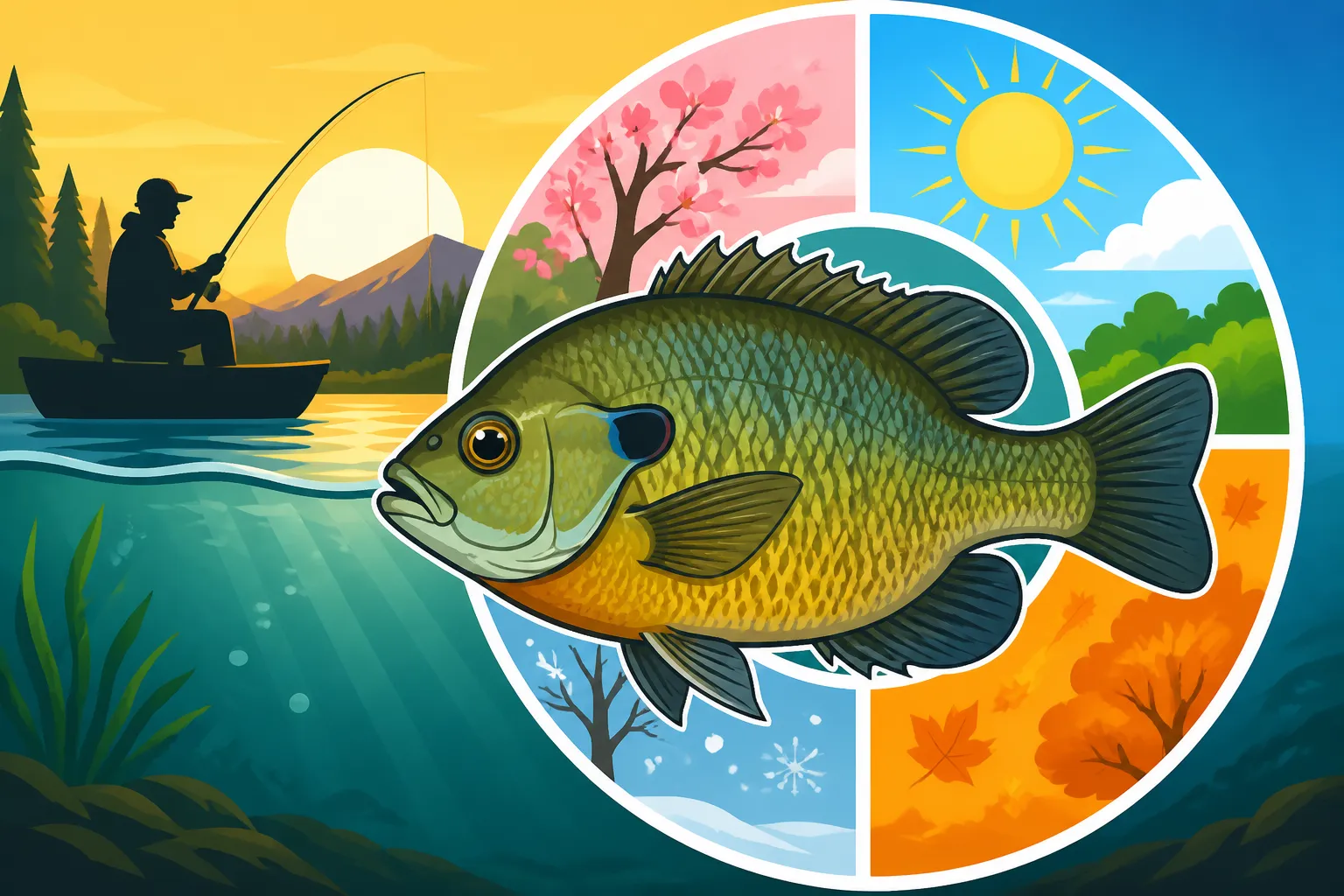
Ah, spring! This is arguably the most anticipated time for bluegill anglers in California, and for good reason. As the days lengthen and the water temperatures start to climb steadily into the high 60s and low 70s Fahrenheit, bluegill begin to shake off their winter lethargy and think about one thing: spawning. This usually kicks off in late spring, often from May through June, though it can vary based on your specific location in California and that year's weather patterns.
During the spawn, male bluegill move into shallower waters, typically in bays, coves, or protected areas with hard bottoms like sand, gravel, or even submerged logs. They’ll sweep out saucer-shaped nests, often forming large "beds" where dozens of nests are clustered together. Females will then visit these nests to lay their eggs. What makes this time so fantastic for anglers is that these fish are highly aggressive, protective of their nests, and easily accessible in shallow water. They’ll strike at almost anything that comes near, viewing it as a threat to their future offspring. You can literally see them in the shallows, making them prime targets.
Summer: Deep Water and Structure
Once the initial spawning fervor dies down a bit, usually by late June or July, California's summer heat can really bake the shallows. This means bluegill, particularly the larger ones, will often retreat from the intense sun and warmer surface temperatures. They'll head for deeper, cooler water, seeking out structure where they can hide and ambush prey. Think submerged brush piles, weed lines, rock piles, docks, and even the shade cast by overhanging trees.
While they might not be as aggressively protective as during the spawn, summer bluegill are still actively feeding. They're just a bit harder to find. You'll need to adjust your tactics, perhaps using a boat or kayak to reach deeper spots, or focusing on piers and points that offer access to deeper water. Don't be fooled into thinking they're gone; they're just playing hard to get! This is where knowing your lake's topography, or using a fish finder, really comes into play. You can also explore Best Lakes to Fish in California or even Best Rivers to Fish in California to find potential summer hotspots.
Fall: Feeding for Winter
As autumn arrives and the water temperatures begin to cool down, often dropping into the 60s, bluegill experience a secondary burst of activity. They know winter is coming, and just like many other species, they go into a feeding frenzy to pack on fat reserves. This "fall bite" can be incredibly productive, often mirroring some of the best days of spring, but with a different kind of intensity.
Bluegill will often move back towards shallower, sun-warmed areas during the day, especially flats and weed edges, before retreating to deeper water or dense cover as evening approaches. They're less concentrated than during the spawn, but they're actively roaming and looking for food, making them eager biters. This is a great time to cover water and explore different depths. The cooler air and crisp mornings also make for a really pleasant day on the water. Check out our detailed guide on California Fishing in Fall for more tips on this prime season.
Winter: Slow and Deep
Let's be honest, winter fishing for bluegill in California isn't for everyone. When water temperatures plunge, typically below 50 degrees Fahrenheit, bluegill metabolism slows down drastically. They become lethargic and congregate in deep, often stagnant, water. You'll find them in large schools near the bottom, often in the deepest parts of reservoirs, basins, or channels.
Catching them during winter requires patience, finesse, and very slow presentations. They won't chase a fast-moving lure; instead, they might just gently mouth a small bait. The good news is that if you find a school, you can often catch quite a few. It’s not about quantity or aggressive bites, but about the challenge and the quiet solitude of winter fishing. For more on navigating this season, read our article on California Fishing in Winter.
Key Factors Influencing Bluegill Activity
While the seasons give us a general roadmap, there are specific environmental cues that bluegill respond to, often overriding the calendar if conditions aren't quite right. Understanding these factors is crucial for pinpointing the exact best time to fish, even within a particular season.
Water Temperature and Oxygen Levels
Water temperature is, without a doubt, the single most critical factor for bluegill. Their metabolism is directly tied to it. They thrive in temperatures between 65-75°F. When water cools below 50°F, they become sluggish, and above 80°F, they can become stressed and less active, seeking out cooler depths. This is why spring and fall are often so productive; the water hits their sweet spot. During summer, stratification can occur, where warmer, less oxygenated water sits on top of cooler, more oxygenated water. Bluegill will seek the latter.
Oxygen levels also play a huge role. Bluegill need dissolved oxygen to survive, and warmer water holds less oxygen. This is why during summer heatwaves, you’ll often find them deeper where water is cooler and oxygen is more plentiful. A sudden drop in oxygen due to an algal bloom or extreme heat can really shut down the bite. Knowing your lake and its typical thermal stratification patterns can give you a significant advantage.
Forage Availability and Predation
Like all fish, bluegill follow their food. They primarily eat insects, larvae, small crustaceans, and even tiny fish or fish eggs. If there’s a hatch of aquatic insects, bluegill will often move to those areas to feast. Similarly, if there’s a concentration of zooplankton or other small prey, that’s where you’ll find the bluegill.
Their presence is also influenced by predators. Bluegill are a primary food source for larger fish like largemouth bass, striped bass, and even trout. If you’re fishing an area heavily patrolled by these predators, bluegill might be more wary or seek thicker cover. Conversely, during the spawn, their aggressive nature sometimes makes them less cautious, even in the presence of predators. If you're interested in understanding the species that coexist with bluegill, check out our guide on Freshwater Fish of California: What to Catch.
Weather Patterns and Barometric Pressure
Don't underestimate the impact of weather! Stable, mild weather with consistent barometric pressure is generally best for bluegill fishing. They tend to be more active and feed more reliably under these conditions.
- Fronts: A strong cold front that moves in can cause the barometric pressure to drop rapidly, often shutting down the bite for a day or two. After the front passes and the pressure stabilizes, they might start feeding again.
- Clouds vs. Sun: Overcast days can sometimes be excellent, as it allows bluegill to stay in shallower water longer without the intense sun driving them deep. Sunny, calm days, especially in summer, might push them to deeper, shadier spots.
- Rain: Light rain can sometimes invigorate the bite by washing terrestrial insects into the water and breaking up the surface, making bluegill feel more secure. Heavy downpours, however, can muddy the water and turn them off.
These micro-factors can significantly impact your day, even if you’re fishing during a "prime" seasonal window. Always check the local forecast before heading out!
Top Baits and Techniques for Seasonal Bluegill
One of the beautiful things about bluegill is they aren't overly picky, but certain baits and techniques will outperform others depending on the time of year and their current behavior. Having a small tackle box with a variety of options, easily replenishable from stores or online like through Amazon, is always a good idea.
Springtime Tactics
During the spring spawn, bluegill are often found in very shallow water, sometimes just a foot or two deep. They're aggressive and territorial.
- Sight Fishing: If you can see the beds, cast a small bait or lure just beyond them and slowly retrieve it through the nest. They'll often hit it purely out of aggression. Polarized sunglasses are your best friend here.
- Small Jigs and Soft Plastics: Tiny jigs (1/32 to 1/64 ounce) tipped with a small plastic grub, tube, or a piece of Gulp! bait are incredibly effective. Colors like chartreuse, white, or pumpkinseed work wonders.
- Live Bait: A small piece of a nightcrawler, a red worm, or even a mealworm under a bobber is practically irresistible to spawning bluegill. Keep it simple and natural.
- Fly Fishing: For fly anglers, small poppers, sponge spiders, or wet flies like nymphs and small streamers cast near the beds can produce explosive strikes.
- Gear: Use ultra-light spinning gear with 2-4 lb test line. This light line allows for better casting of small baits and more sensitivity.
Summer Strategies
When the heat sets in, you'll need to go deeper and focus on structure. Precision casting and presentations become more important.
- Bottom Fishing: If bluegill are holding deep, a simple Carolina rig or split-shot rig with a small hook and live bait (worm, cricket, or mealworm) can be very effective. Let it sink right to the bottom near cover.
- Trolling/Drifting: If you're on a boat or kayak, slow trolling a small jig or a tiny spoon near deeper weed lines or drop-offs can locate schools. Similarly, drifting live bait can cover more water. This is a common tactic, and you might find useful crossover advice in our Best Fishing Techniques for California Waters guide.
- Shade and Cover: Always target shaded areas. Docks, overhanging trees, bridge pilings, and dense lily pad fields often hold cooler water and hiding bluegill. Cast your bait right into these shadows.
- Tiny Crankbaits: Very small crankbaits designed for panfish can work, especially if you retrieve them slowly along deeper structure.
- Gear: Still ultra-light gear, but you might go up to 6 lb test if fishing around heavier cover to avoid break-offs. A depth finder becomes incredibly useful here.
Fall Techniques
Fall bluegill are often more scattered but very hungry. They'll be on the move, so covering water is a good approach.
- Search Baits: Small spinnerbaits or inline spinners like a Rooster Tail or Panther Martin can be great for covering shallow to medium depths along weed edges or flats. The flash and vibration can draw them in.
- Jigging: Vertical jigging small spoons or ice jigs (yes, even when there's no ice!) in deeper water, especially around submerged brush or timber, can be excellent. The bluegill will often stack up in these areas.
- Live Bait on the Move: Drifting a minnow or a worm under a bobber can be effective as bluegill roam to feed. Let the wind or current do some of the work for you.
- Working the Edges: Focus on the transitions where shallow flats drop off into deeper water, or where weed lines meet open water. Bluegill will often cruise these edges looking for food.
- Gear: Similar to spring and summer, ultra-light tackle is key. You might experiment with slightly heavier lures to get them down quicker if bluegill are deeper.
Winter Approaches
Winter fishing is all about finesse and slow presentations. Remember, bluegill are conserving energy.
- Vertical Presentation: Find deep holes or channels where bluegill are schooling. Drop a small ice jig, tear drop jig, or a tungsten jig tipped with a wax worm, mealworm, or a tiny plastic grub right on their noses.
- Patience is Key: Let your bait sit for a long time. Don't be afraid to hold it still for 30 seconds or more. Often, the bite will be incredibly subtle – just a slight twitch of the line or a feeling of added weight.
- Fish Finder: A portable fish finder is invaluable for locating winter schools. Without it, you’re just guessing.
- Smallest Baits: Go as small as you dare. Tiny hooks (size 10-14) and small baits are crucial. Sometimes a single salmon egg or a kernel of corn on a tiny jig head can be effective.
- Gear: Use the lightest line possible, 2-pound test fluorocarbon is ideal for sensitivity and invisibility. A sensitive rod tip is also critical for detecting those light bites.
Here's a quick reference table for bluegill fishing throughout the year:
| Season | Typical Water Temp | Location Tendency | Primary Feeding Style | Recommended Baits/Lures | Key Technique |
|---|---|---|---|---|---|
| Spring | 65-75°F (Spawning) | Shallow beds, protected coves | Aggressive, territorial | Worms, crickets, small jigs, poppers | Sight fishing, bobber fishing |
| Summer | 70-80°F (surface), cooler deeper | Deeper water, submerged structure, shade | Active, ambush | Worms, crickets, small soft plastics, tiny crankbaits | Bottom fishing, precision casting |
| Fall | 55-65°F | Flats, weed edges, transition zones | Actively foraging | Spinners, small jigs, worms, minnows | Covering water, drift fishing |
| Winter | Below 50°F | Deepest parts of lakes/reservoirs, channels | Lethargic, slow feeding | Tiny ice jigs, wax worms, small plastics | Vertical jigging, slow presentation |
Where to Find Bluegill in California's Waters
California is a massive state with an incredible diversity of fishing opportunities. While bluegill aren't found in every single body of water, they are remarkably widespread, adapting to a variety of freshwater habitats. Knowing what kind of water body you're fishing will help you narrow down your search. Many of the best spots for bluegill will also be excellent for bass, so understanding California Bass Fishing Regulations is often useful.
Ponds, Lakes, and Reservoirs
These are the absolute bread and butter for bluegill fishing in California. Most managed ponds, public lakes, and reservoirs across the state hold healthy populations of bluegill. They thrive in still or slow-moving water where they can find ample aquatic vegetation for cover and food.
- Southern California: Places like Dixon Lake in Escondido, Lake Perris near Moreno Valley, or Diamond Valley Lake offer fantastic bluegill opportunities, often alongside trophy bass. These waters are well-stocked and managed, making them reliable choices.
- Central California: The Central Valley's numerous smaller lakes and farm ponds, as well as larger bodies of water like Lake Kaweah or Millerton Lake, can be bluegill havens. The Sacramento-San Joaquin Delta also has many back sloughs and protected areas perfect for them.
- Northern California: Lakes like Clear Lake (famous for bass, but loaded with bluegill), Lake Shasta, or even many smaller mountain lakes in the Sierra Nevada foothills are prime spots. The more vegetation, docks, and submerged timber, the better. When exploring specific spots, always keep an eye on local regulations for that body of water, as covered in the California Freshwater Fishing Regulations.
Rivers and Streams
While not their primary habitat, bluegill can definitely be found in certain river and stream systems in California, particularly in the slower-moving sections, backwaters, oxbows, and protected eddies.
- Delta Region: The vast network of sloughs and channels within the Sacramento-San Joaquin Delta is a prime example. The main current can be too swift, but the calmer pockets, flooded timber, and marinas are perfect bluegill hangouts.
- Smaller Tributaries: Many smaller rivers and larger creeks that feed into bigger lakes or main river systems will have pockets of bluegill, especially where pools and slower currents allow aquatic vegetation to flourish.
- Urban Rivers: Even urban rivers like sections of the American River or San Joaquin River can hold bluegill in their quieter, more developed stretches, often near parks or slow-moving bends. If you are targeting bluegill in these types of environments, you might also find success using tactics similar to those outlined in How to Fish for Largemouth Bass in California, as both species often inhabit similar sheltered areas.
When seeking out bluegill, always look for areas with structure: docks, brush piles, submerged trees, lily pads, cattails, or rock formations. These spots offer cover from predators and ambush points for their own prey. They also offer shade in warmer months. Remember that the California Department of Fish and Wildlife (CDFW) regularly stocks many public waters, and bluegill are often part of those stocking programs, making them a consistently available target. A useful tool is to consult California Fishing Seasons: Month-by-Month Guide to gain an even deeper understanding of what's biting where, and when.
Disclaimer
Please remember that fishing regulations, including bag and size limits, can change. Always consult the latest California Department of Fish and Wildlife (CDFW) regulations booklet or their website before heading out on any fishing trip. Conditions can vary by location and time of year, so local knowledge and up-to-date fishing reports are invaluable.