H&M Landing San Diego Guide
So, you're dreaming of a serious fishing adventure off the coast of San Diego, maybe chasing some world-class tuna or battling a yellowtail, but the sheer number of options and knowing where to start can feel a bit overwhelming, right? Don't worry, you're not alone. Many anglers, new and seasoned, feel that way. This guide is all about navigating the legendary H&M Landing, giving you the inside scoop on what to expect, how to prepare, and ultimately, how to make your trip a memorable success.
The Enduring Legacy of H&M Landing: A San Diego Institution
Stepping onto the docks at H&M Landing feels like walking into a living piece of San Diego's fishing history. It's not just a place where boats depart; it’s a hub of angling culture, a place where generations of fishermen have launched their dreams. For over 85 years, since 1935, H&M Landing has been a cornerstone of the sportfishing scene, evolving from humble beginnings to one of the most respected and comprehensive sportfishing operations on the West Coast. It’s a prime destination for anyone looking to tap into the rich Pacific waters, whether for a quick half-day trip or an epic long-range expedition.
A Rich History and Prime Location
H&M Landing's roots run deep, making it a true institution in San Diego. Founded by Pete and Annie MacLaggan and Bill and Ann Hagemann, the "H" and "M" of the name, it quickly became a beacon for anglers. What started with a few boats and a simple bait and tackle shop has grown into a sprawling facility that now houses some of the most famous long-range vessels in the world. Their commitment to providing top-notch service and access to phenomenal fishing grounds has truly stood the test of time.
Its location on Point Loma, nestled beside San Diego Bay, isn't just picturesque; it’s strategically brilliant. From here, boats have relatively quick access to the open ocean, putting them on track for productive local fishing spots like the Point Loma kelp beds, the bustling waters around the Coronado Islands (just across the border in Mexico), and further offshore to the renowned tuna banks. This geographical advantage means less travel time to the fishing grounds and more time with lines in the water, which, as any angler knows, is what truly matters. It’s truly a gateway to some of the most vibrant marine ecosystems in California and Baja California.
More Than Just a Dock: Facilities and Services
When you arrive at H&M Landing, you'll find a lot more than just a place to park and board a boat. It's a full-service operation designed to cater to every angler's needs. The facility boasts a well-stocked tackle shop where you can grab last-minute essentials, rent gear, or get expert advice on what's biting. Seriously, the staff there often has the most up-to-date intel. You can also find restrooms, ample parking (though it fills up fast on busy mornings!), and sometimes even a small snack bar for that pre-dawn coffee fix.
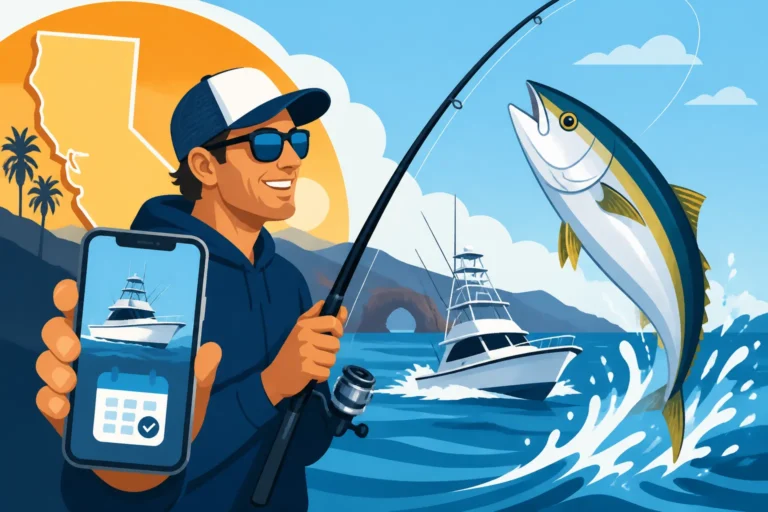
Beyond the immediate facilities, H&M Landing serves as the home port for a diverse fleet of vessels. From smaller boats perfect for half-day trips to colossal long-range ships like the Independence, Intrepid, or Royal Star, each vessel is meticulously maintained and crewed by experienced professionals. They’re essentially floating hotels for multi-day trips, complete with galleys serving delicious meals, bunks for sleeping, and plenty of deck space for fighting fish. When you're looking to book, exploring the various boats and their amenities is key. Many anglers choose to use online platforms like FishingBooker to compare different charters departing from H&M, checking out boat details, reviews, and available dates all in one place. It makes the planning process so much smoother.
Understanding Your H&M Trip Options
One of the greatest things about H&M Landing is the sheer variety of trips they offer. Whether you're a complete novice looking for a taste of ocean fishing or a seasoned pro chasing a trophy tuna, there's an adventure waiting for you. It really comes down to how much time you have, what kind of fish you want to target, and your budget.
Half-Day and Full-Day Adventures
These shorter trips are fantastic for a quick getaway or for introducing new anglers and kids to the excitement of ocean fishing. They typically target local waters, often within a few miles of the coast or around the Coronado Islands.
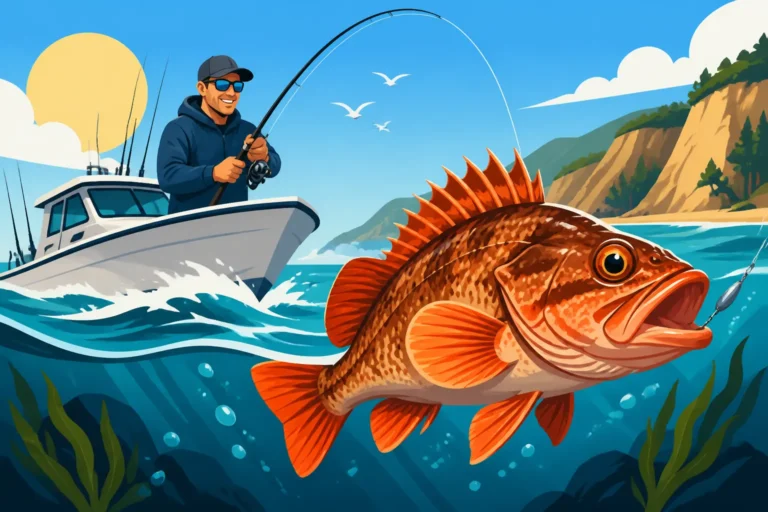
- Half-Day Trips: Usually lasting about 5-6 hours, these depart either in the morning or afternoon. They're perfect for those who want to get on the water without committing an entire day. You’ll often be fishing for species like California Rockfish Regulations and Limits, California Halibut Regulations and Limits, Bonito, and Barracuda. The crew will usually provide basic tackle and bait, and they're great at helping beginners with their lines and explaining techniques. It's a relaxed atmosphere, but you still get plenty of action!
- Full-Day Trips: Extending to about 10-12 hours, full-day trips give you more time to explore further fishing grounds. This extra time allows boats to travel a bit offshore, increasing your chances of encountering Yellowtail, a broader range of rockfish, and sometimes even smaller migratory tuna depending on the season. The pace is a bit more demanding than a half-day, but the rewards can be significantly higher. These trips often involve more specialized techniques, and while gear is usually available for rent, many experienced anglers bring their own trusted setups.
For these local trips, it’s all about the quantity and variety of fish, making it a great way to fill your cooler and enjoy a day on the Pacific. You can often find listings and compare prices for these trips on sites like FishingBooker, which makes planning a breeze.
Overnight and Multi-Day Excursions
Now, this is where the serious offshore fishing comes into play. If you're looking for that bucket-list experience, battling a monster Bluefin Tuna or loading up on Dorado, these are the trips for you. They require a much greater commitment in terms of time, money, and endurance, but the potential for truly epic catches is unmatched.
- Overnight Trips (1.5 Day): These trips typically depart in the evening, steam out to the fishing grounds overnight, fish all the next day, and return that evening. This allows the boat to reach offshore banks that are too far for a single day trip. Here, you'll be primarily targeting California Yellowtail Regulations and Limits and various species of tuna, including the highly prized Bluefin Tuna. You'll sleep in bunks (often dormitory style), and meals are provided by the onboard galley. It’s a truly immersive experience.
- Multi-Day Trips (2.5 Days to 18+ Days): These are the pinnacle of West Coast sportfishing. Running anywhere from a few days to over two weeks, these trips venture far south into Mexican waters, chasing migratory giants like Yellowfin Tuna, Wahoo, and even giant Bluefin. You're living on the boat, forming a camaraderie with your fellow anglers and crew. The boats are equipped with state-of-the-art electronics to find fish, and the crews are masters of all relevant techniques, from fly-lining live bait to heavy jigging. These longer trips are truly expeditions, offering the chance to catch fish of a lifetime and create incredible memories. How to Prepare for a Long-Range Tuna Trip is a fantastic resource if you're considering one of these.
| Trip Type | Duration | Typical Target Species | Experience Level | Key Features |
|---|---|---|---|---|
| Half-Day | 5-6 hours | Rockfish, Bonito, Barracuda, Sculpin | Beginner-Family | Quick, local, often includes basic tackle |
| Full-Day | 10-12 hours | Yellowtail, Halibut, Rockfish, Bass, occasional smaller Tuna | Intermediate | More fishing time, wider range of local spots |
| 1.5-Day (Overnight) | ~36 hours | Bluefin Tuna, Yellowtail, Dorado (Mahi-Mahi) | Intermediate-Advanced | Overnight travel, targets offshore banks, meals included |
| Multi-Day | 2.5 days to 18+ days | Yellowfin Tuna, Bluefin Tuna, Wahoo, Dorado, Yellowtail, Albacore | Advanced | Long-range, deep offshore, all-inclusive, trophy fish |
Targeting Specific Species: Seasonal Opportunities
California's waters are dynamic, and what you can catch largely depends on the time of year. H&M Landing's fleet constantly adjusts its targets based on fish migration patterns and local conditions. For instance, the Best Season for Bluefin Tuna in California typically runs from late spring through fall, while California Rockfish Depth Restrictions and seasons generally allow for good rock fishing year-round in designated areas.
Understanding the seasonality is crucial for planning your trip. The spring months might see more Yellowtail near the islands, while summer and fall are prime for offshore tuna. Winter offers great opportunities for Lingcod and other bottom fish. Always check the latest California Fishing Seasons: Month-by-Month Guide or California Fishing Reports Explained directly from H&M Landing or reputable fishing sites before you book, as regulations and fish movements can change.
Booking Your H&M Experience
Once you've decided on the type of trip you want, the next step is actually securing your spot. H&M Landing boats are incredibly popular, especially for those highly sought-after overnight and long-range trips, so a bit of planning goes a long way.
Navigating Reservations and Availability
Booking your trip through H&M Landing can be done directly through their website or by calling their reservation office. For longer trips, especially during peak season (summer and fall for tuna), you’ll want to book months, sometimes even a year, in advance. These spots fill up rapidly, often with repeat customers. Don't be surprised if the prime dates are already taken!
For shorter half-day or full-day trips, you might find more flexibility, and often can book just a few weeks or days out, especially during the week. However, weekends and holidays will still be competitive. It's a good idea to check different platforms to see what's available. Websites like FishingBooker provide an aggregated view of many charters, including those operating out of H&M Landing, making it easier to compare boats, prices, and available dates side-by-side. This can be especially useful if your first choice is fully booked and you need to quickly find an alternative.
What to Expect: Before, During, and After Your Trip
Understanding the process will help alleviate any anxieties and ensure you have a smooth experience.
- Before Your Trip: You'll need to purchase a California fishing license before boarding. For trips into Mexican waters (like the Coronado Islands or further south), you'll also need a valid Mexican fishing license, which H&M Landing can typically help you acquire at their office or sometimes directly on the boat for a small fee. Don't forget your California Fishing Report Cards Explained if you're targeting specific species like Steelhead or Sturgeon (though unlikely on these trips, it's good to be aware). Plan to arrive at least an hour before your scheduled departure to check in, get your boarding pass, and rent any necessary gear.
- During Your Trip: Once on board, the deckhands are your best friends. They're there to help you set up your gear, teach you techniques, unhook fish, and manage the deck. Don't be shy about asking for help – they'd rather you ask than struggle! On multi-day trips, there's a definite routine with meals, fishing rotations, and designated quiet hours. Camaraderie is high, and you'll likely make new fishing buddies. Remember to respect your fellow anglers' space and be mindful of your casting.
- After Your Trip: When you return to the dock, the deckhands will help offload your catch. Many charters offer fish cleaning and filleting services, either included in the fare or for an additional fee. This is also when you'll want to take care of Tipping on a California Fishing Charter. A general guideline is 15-20% of your fare for the deckhands, as they work incredibly hard to make your trip successful. Having a cooler ready in your car for your freshly cleaned fish is always a good idea.
Gear Up: Preparing for Your H&M Adventure
Proper preparation is the key to a successful and enjoyable fishing trip out of H&M Landing. You wouldn't go hiking without the right boots, and you shouldn't go fishing without the right gear and personal items.
Essential Rods, Reels, and Tackle
The gear you'll need varies wildly depending on your chosen trip type.
- For Half-Day and Full-Day Trips: A medium-heavy conventional rod and reel combo spooled with 25-40 lb test line is a good all-around choice. You’ll be fishing with bait (usually sardines or anchovies provided by the boat) or light jigs. Think about a 7-foot rod with a sensitive tip but enough backbone to handle a feisty Yellowtail. Brands like Penn, Shimano, and Daiwa offer reliable setups that are popular among anglers. If you don't own appropriate gear, don't sweat it – H&M Landing and the individual charter boats offer Do You Need Your Own Gear on a Charter rental options that are perfectly suitable.
- For Overnight and Multi-Day Trips: This is where things get serious. You'll want multiple setups to cover different scenarios. A lighter setup (30-50 lb test) for fly-lining bait for Yellowtail and smaller tuna, a heavier jig stick (50-80 lb test) for casting poppers or surface iron, and a strong conventional reel (60-100 lb test) for fishing heavy jigs or bait deep for larger Bluefin Tuna. You might even consider a dedicated "rail rod" if you're targeting giant tuna, designed for bracing against the boat's rail. Having a variety of lures, jigs (Flat Falls, Colt Snipers, yo-yo jigs), and hooks is essential. Again, rentals are available, but many experienced anglers prefer their own tuned gear.
Remember, the deckhands are experts at rigging and can advise you on the best terminal tackle for the current bite. Don’t be afraid to ask for their recommendations!
Personal Comfort and Safety Items
Beyond fishing gear, your personal comfort makes a huge difference, especially on longer trips.
- Clothing: Southern California weather can be deceiving. Even on a sunny day, it can be chilly on the water, especially in the early morning or evening. What to Wear on a California Fishing Charter suggests layering is absolutely crucial. Bring a waterproof outer shell, a warm fleece or sweatshirt, and wear quick-drying clothes. A good hat and polarized sunglasses are non-negotiable for sun protection and seeing fish in the water.
- Sun Protection: The sun reflects off the water, intensifying its effects. Liberal application of high SPF sunscreen is vital. Don’t forget your lips and ears!
- Seasickness Prevention: If you’re prone to motion sickness, or even if you’re not, consider taking preventative measures like Dramamine or Bonine before you depart. It’s far better to prevent it than to suffer through it. How Seasickness Works on California Offshore Trips is a must-read if you're worried.
- Food and Drink: While multi-day trips include meals, you'll still want snacks, water, and perhaps your favorite non-alcoholic beverages. For half-day and full-day trips, pack your own lunch and plenty of hydration.
- Cooler: Have a large cooler in your car to transport your catch home. Nothing's worse than landing a beautiful fish and having nowhere to store it properly.
- Cash: Useful for gratuities for the deckhands, fish cleaning services, or last-minute purchases at the tackle shop.
A comfortable and prepared angler is a happy angler, and that definitely leads to a more successful trip. Remember, you're heading out for an adventure on the big blue, and while the boats are sturdy, it's an environment that demands respect and readiness.
Understanding Licenses and Regulations
This is super important and can't be overstated. You absolutely need a valid California fishing license to fish from any vessel departing H&M Landing, unless it's one of the rare Where You Can Fish Without a License in California scenarios, which generally doesn't apply to sportfishing charters. You can purchase your license online through the California Department of Fish and Wildlife website, or at many tackle shops, including often at H&M Landing itself. Make sure your license is current!
For trips that cross into Mexican waters, a Mexican fishing license is also mandatory. The boat crew will typically remind you of this and often have options to purchase one right before departure, but it's always best to be prepared. Additionally, depending on the species you target, you might need specific report cards, though for most general sportfishing trips from H&M, the standard license is usually sufficient. However, if you venture into targeting species like California Salmon Regulations and Limits or California Sturgeon Regulations and Limits on specialized trips, specific report cards might be required. Always consult the latest California Fishing Regulations Explained booklet or ask the H&M Landing staff or your charter captain if you have any doubts. Ignoring regulations can lead to hefty fines, so it’s always better to be safe than sorry.
Disclaimer
The information provided in this guide is for general informational purposes only and is subject to change. Fishing regulations, seasons, and conditions can vary. Always consult the official California Department of Fish and Wildlife resources and the specific charter operator for the most current and accurate information before planning your trip. Fishing inherently involves risks, and safety precautions should always be observed.