Best Channel Islands Fishing Trips
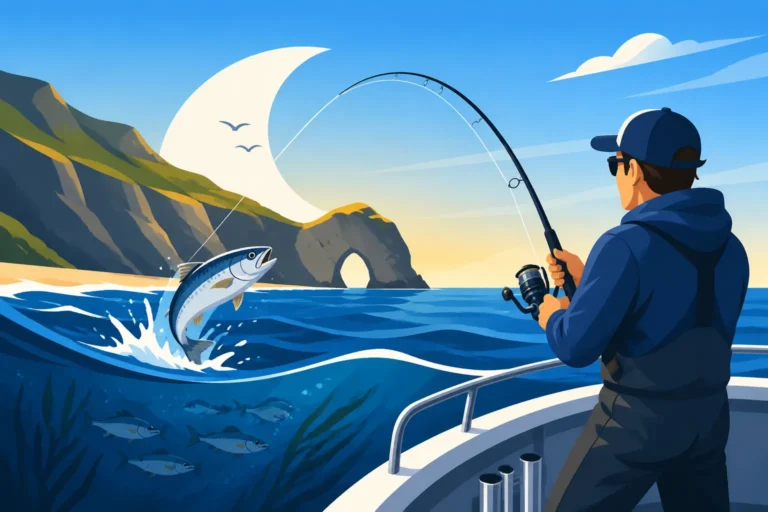
Heading out for a fishing trip to California's Channel Islands is an absolute dream for many anglers, but sometimes just figuring out where to start with so many options can feel overwhelming. You want to make sure you're picking the right trip to maximize your chances of hooking into something epic, and let's be honest, you want to get your money's worth. This comprehensive guide is here to demystify Channel Islands fishing, breaking down everything from what makes these islands so special to how to pick the perfect charter for your next adventure.
Why the Channel Islands Are a Prime Fishing Destination
For those of us who live and breathe fishing, the Channel Islands are almost legendary. They're like a chain of jewels scattered off the Southern California coast, each one offering a unique ecosystem that makes for some truly incredible angling opportunities. Unlike fishing closer to the mainland, the islands provide a more pristine, less pressured environment, and that often translates into more abundant and larger fish. It's a bit of a trek, but the reward is almost always worth the effort.
The Unique Marine Environment
What truly sets the Channel Islands apart is their extraordinary marine environment. These eight islands—Anacapa, Santa Cruz, Santa Rosa, San Miguel, Santa Barbara, San Nicolas, Santa Catalina, and San Clemente—are surrounded by a rich upwelling of nutrients, fostering dense kelp forests, rocky reefs, and deep canyons. This diverse underwater topography creates perfect habitats for an incredible variety of fish species. Think of it as an oceanic buffet for fish, and where there's a buffet, there are hungry eaters!
Many of these islands are part of the Channel Islands National Park and Marine Sanctuary, which means strict regulations are in place to protect the ecosystem. This conservation effort directly benefits fishing, as it helps maintain healthy fish populations. You'll often find yourself in clearer waters with vibrant kelp patties that are teeming with life, from baitfish to predatory species. This unique combination of protection and natural abundance is why many seasoned anglers consider these islands to be the pinnacle of Southern California fishing.
Diverse Fishing Opportunities
From deep-water rockfishing to exhilarating battles with pelagic species, the Channel Islands genuinely offer something for every kind of angler. Are you a fan of bottom fishing with heavy gear, hoping to pull up a monster lingcod? Or perhaps you dream of casting surface irons to a boiling school of yellowtail? Maybe you're a fly angler looking for a unique challenge in the kelp? Whatever your preference, the islands deliver.
The proximity to deeper, offshore waters also means that during certain times of the year, you can run into migratory species like various types of tuna that are usually found much further offshore. This diversity means that no two trips are exactly alike, and the potential for a truly memorable catch is always just around the corner. It's not just about catching fish; it's about experiencing the raw beauty and power of California's ocean wilderness.
Types of Channel Islands Fishing Trips Available
When you're looking to fish the Channel Islands, you'll find a spectrum of trip options designed to fit different budgets, time commitments, and fishing goals. Deciding between a quick half-day outing or an epic multi-day adventure is the first big step in planning your trip, and it really depends on what you're hoping to achieve and how much time you have.
Half-Day and Full-Day Excursions
These are the most common and accessible trips for many anglers. A half-day trip usually lasts about 5-6 hours, making it perfect if you're short on time or bringing along beginners or kids who might not have the stamina for a full day. These trips often focus on nearshore fishing around the closest islands, like Anacapa or Santa Cruz, targeting species such as calico bass in the kelp, or a variety of rockfish over shallower reefs. It's a fantastic way to get a taste of island fishing without a huge commitment.
Full-day trips typically run for 10-12 hours, giving you a much broader range to explore. The extra time allows the captain to venture further out, hitting more distant islands or deeper fishing grounds. This significantly increases your chances of encountering larger rockfish, lingcod, or even migratory species like yellowtail and white seabass, depending on the season. If you're serious about putting some quality fish in the cooler and want more varied action, a full-day excursion is usually the way to go. For more insights on duration, check out our guide on California Half-Day vs Full-Day Charters.
Multi-Day and Long-Range Expeditions
For the truly dedicated angler, multi-day and long-range trips are the ultimate Channel Islands experience. These trips can range from 1.5 days to several days, staying out overnight or even longer. The primary advantage here is the ability to reach the more remote outer islands, like San Clemente or San Nicolas, and spend extended time on the fishing grounds. This is where you significantly increase your odds for trophy-sized fish and pelagic species like bluefin, yellowfin, or albacore tuna when they're in season.
These longer trips often involve traveling substantial distances, sometimes hundreds of miles offshore, to follow the biting fish. You'll typically sleep on board, and the boat will move from spot to spot, chasing the best opportunities. It's a significant investment in time and money, but the camaraderie, the breathtaking sunrises and sunsets at sea, and the sheer thrill of a long-range tuna bite are unforgettable. These trips are generally for experienced anglers comfortable with extended periods offshore and potentially rougher seas. If you’re considering an extended journey, our article on California Sportfishing Trips Explained might be helpful.
Party Boats vs. Private Charters
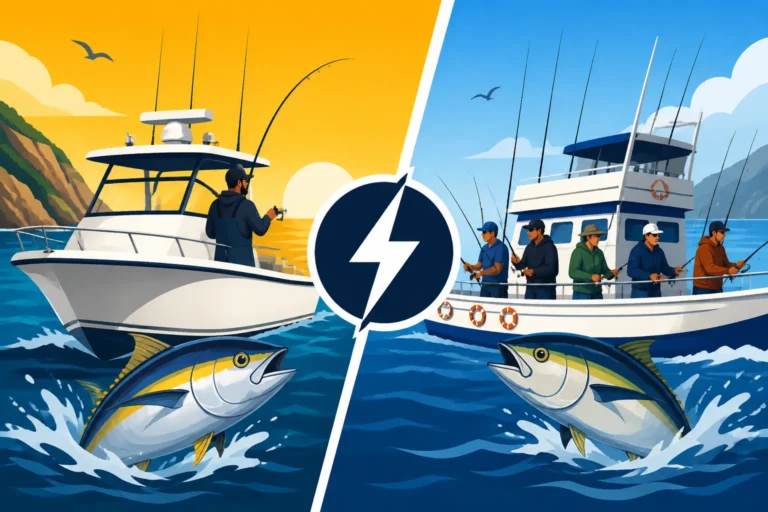
You've got two main styles of boat to choose from: party boats (also known as open party boats or head boats) and private charters.
Party Boats are larger vessels that take multiple individuals or small groups on a shared trip. You buy a ticket per person, and you're fishing alongside other anglers.
- Pros: They are generally more affordable, making island fishing accessible. The crew is highly experienced and works hard to put everyone on fish. It's a great social experience, and you can learn a lot from fellow anglers.
- Cons: You're sharing the rail, which means less personal space. You have less say in where the boat goes or what species are targeted. If it's crowded, tangles can happen.
If you're curious about the dynamics, our guide on California Party Boat Fishing Explained offers a deeper dive.
Private Charters involve booking an entire boat for just your group.
- Pros: You get the boat and crew all to yourselves, allowing for a highly customized trip. You can dictate the target species, specific fishing techniques, and even the pace of the day. It's ideal for families, corporate outings, or a group of serious anglers who want a tailored experience.
- Cons: Significantly more expensive, as you're covering the entire cost of the boat and crew.
To understand if this is the right fit, you might want to read about California Private vs Shared Charters. When you're ready to book, platforms like FishingBooker can be incredibly helpful for comparing different charters and checking availability. They list many boats departing from key Southern California ports like Ventura Harbor or Channel Islands Harbor in Oxnard.
Key Species to Target and When
Knowing what you want to catch and when to go is crucial for a successful Channel Islands fishing trip. The seasons dictate fish migrations, spawning patterns, and water temperatures, all of which influence what species will be abundant and biting.
| Target Species | Best Season | Common Techniques | Average Size | Key Areas |
|---|---|---|---|---|
| Rockfish | Year-round (seasonal closures apply) | Bottom fishing, dropper loops, jigs, bait | 1-5 lbs | Reefs, rocky bottoms around all islands |
| Lingcod | Year-round (seasonal closures apply) | Large jigs, swimbaits, live bait, bottom fishing | 10-30 lbs | Rocky structures, pinnacles |
| Yellowtail | Summer-Fall (April-November) | Live bait (sardines, mackerel), surface irons, yo-yo jigs | 15-40 lbs | Kelp paddies, high spots, island points |
| Calico Bass | Spring-Fall (April-October) | Kelp fishing (plastics, surface lures, swimbaits) | 1-5 lbs | Shallow kelp beds, structure |
| White Seabass | Spring-Summer (March-July) | Live squid, slow trolling, dropper loop | 20-60 lbs | Deep kelp, rock structures, specific banks |
| Bluefin Tuna | Summer-Fall (May-November, highly variable) | Trolling, jigging, fly-lining live bait | 50-200+ lbs | Offshore banks, beyond the islands |
Bottom Dwellers: Rockfish and Lingcod
These are your bread and butter species around the Channel Islands and are generally available year-round, though specific seasons and depth restrictions apply.
- Rockfish include a huge variety, such as vermilion, bocaccio, copper, and olive rockfish. They congregate around rocky reefs, pinnacles, and kelp beds, often in deeper water. They're fantastic eating and provide consistent action. Bottom fishing with a dropper loop rig and squid or cut bait is very effective. Don't forget to check the current California Rockfish Regulations and Limits as these can change frequently based on conservation efforts.
- Lingcod are aggressive, toothy predators that hide in rocky crevices, waiting to ambush prey. They're highly sought after for their delicious white meat and powerful fight. They often bite large swimbaits, heavy jigs, or live mackerel fished near the bottom. You can learn more about targeting these impressive fish in our article on California Lingcod Regulations and Limits.
Pelagic Challengers: Yellowtail and Tuna
When the water warms up, typically from late spring through fall, the Channel Islands become a hotspot for more migratory, hard-fighting species.
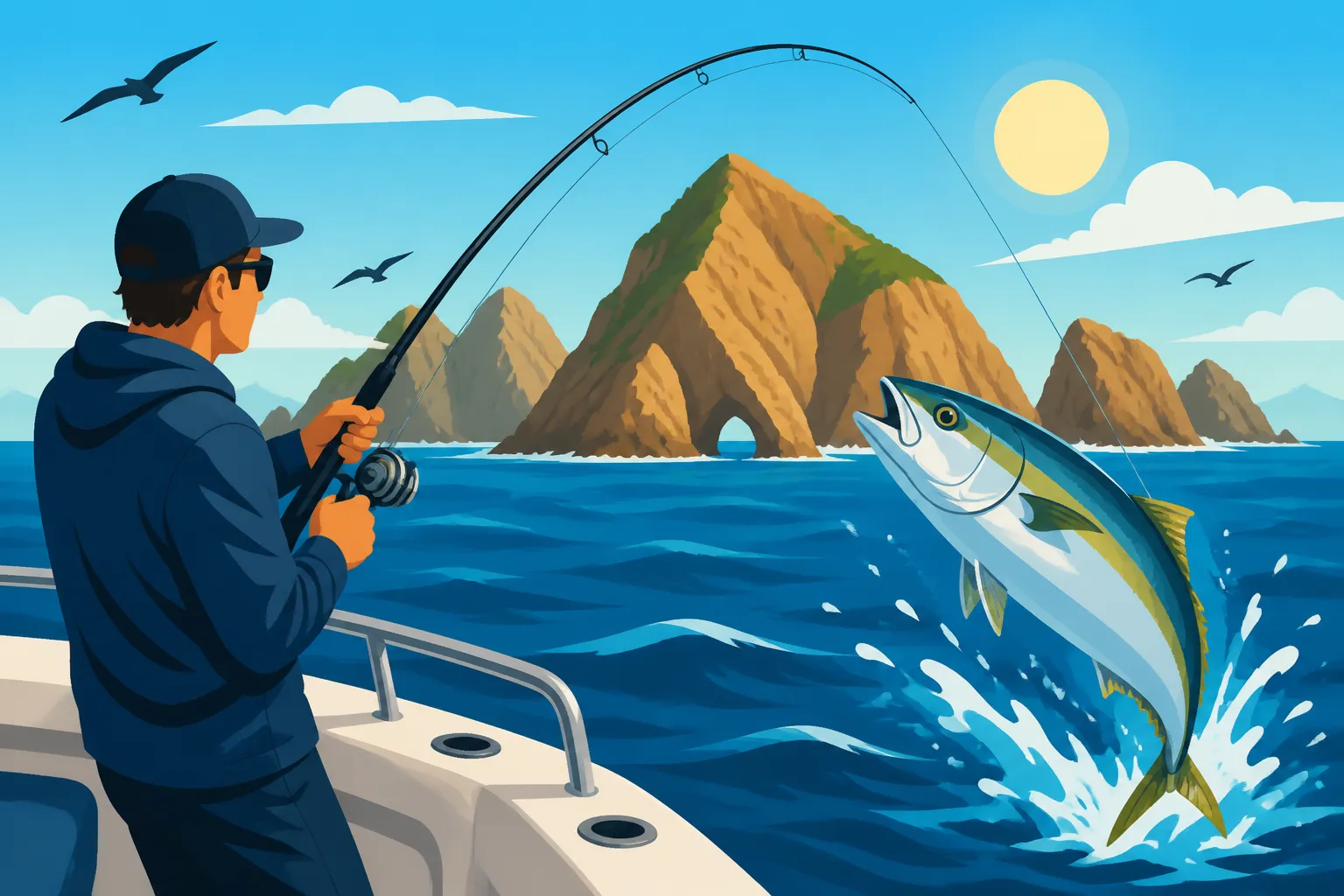
- Yellowtail are often referred to as "forked-tail lightning" for a reason. They're incredibly strong, fast, and offer a thrilling battle. They're frequently found cruising kelp paddies, offshore banks, and along the island edges. Live bait, like sardines or mackerel, is king for yellowtail, but they'll also readily attack surface irons or yo-yo jigs. Check out our California Yellowtail Fishing Guide for detailed tactics. Charter trips specifically targeting these are popular, so consider California Yellowtail Charter Trips.
- Tuna, especially bluefin, have been making a huge comeback off Southern California in recent years. While they often require longer, dedicated offshore trips, the outer Channel Islands are sometimes within range of these massive schools. Bluefin can range from "footballs" (20-40 lbs) to true giants over 200 lbs, offering an epic challenge. Trolling, jigging, and fly-lining live bait are common methods. For those dreaming of a bluefin encounter, California Bluefin Tuna Fishing Guide is a must-read.
Kelp Forest Favorites: Calico Bass and White Seabass
The dense kelp forests surrounding the islands are vibrant ecosystems that hold some fantastic inshore species.
- Calico Bass are synonymous with kelp fishing. These feisty bass love to hide in the thick kelp, ambushing baitfish. They're a blast to catch on light tackle, especially with artificial lures like plastics or surface poppers. They're not usually kept for the table but provide excellent catch-and-release action, making them a favorite for sport anglers. If you're looking for non-stop action, learning How to Catch Calico Bass in California is a great start.
- White Seabass are one of California's most prized game fish. They're elusive, powerful, and absolutely delicious. They often hang around deep kelp beds and rocky structures, particularly during their spring and early summer spawn. Live squid is by far the most effective bait for these ghosts of the kelp. Catching a white seabass is often considered a pinnacle achievement for many local anglers.
Choosing the Right Charter and Preparing for Your Trip
Deciding to head out to the Channel Islands is exciting, but actually picking the right charter and getting yourself ready can feel like a whole other expedition. There's a lot to consider, from the type of boat to what you need to bring, and even how to make sure you're legally prepared.
Researching and Booking Your Charter
This is perhaps the most critical step. Not all charters are created equal, and finding one that aligns with your fishing goals and comfort level is paramount.
- Define Your Goals: What do you want to catch? How many people are in your group? What's your budget? How long do you want to be on the water? Answering these questions first will narrow down your options significantly. For instance, if catching tuna is your absolute priority, you'll need a different kind of trip than if you just want some steady rockfish action.
- Read Reviews and Ask for Recommendations: Online reviews on platforms like FishingBooker, Yelp, or Google are invaluable. Pay attention not just to the number of stars, but to the content of the reviews. Look for comments on the crew's professionalism, the boat's condition, and whether customers felt they got good value. Word-of-mouth recommendations from fellow anglers are also golden.
- Inquire About Inclusions: Most charter operations provide rods, reels, and basic tackle, but it's always good to confirm. Does the price include bait? What about fish cleaning? Some higher-end private charters might even offer catering. Understanding what's included prevents any surprises on the day of your trip. Our guide on What's Included on a California Charter provides more details.
- Confirm Licensing Requirements: No matter if you're on a party boat or a private charter, every angler over the age of 16 needs a valid California fishing license. You can purchase these online through the California Department of Fish and Wildlife (CDFW) website or from authorized vendors. Don't wait until the last minute! You can learn more about this in our California Fishing License Guide or specifically, What License You Need on a California Charter.
What to Pack and Expect on the Water
Once your trip is booked, it's time to get prepared. Being well-equipped will make your day much more enjoyable, especially when you're heading to the Channel Islands where conditions can change rapidly.
- Layers of Clothing: This is California, so it might be sunny, but offshore mornings can be cold, afternoons windy, and sea spray is always a factor. Bring multiple layers, including a waterproof and windproof outer shell. Even in summer, a warm hat and gloves can be a lifesaver.
- Sun Protection: Sunscreen, a wide-brimmed hat, and polarized sunglasses are non-negotiable. The sun's reflection off the water can be intense, leading to severe sunburn even on cloudy days.
- Food and Drink: Most trips won't provide full meals unless it's a multi-day trip. Pack plenty of water, snacks, and a lunch. Stay hydrated!
- Motion Sickness Medication: If you're at all prone to seasickness, take medication before you board the boat. Once you're feeling queasy, it's often too late. Dramamine or Bonine are common choices. Check out How Seasickness Works on California Offshore Trips for prevention tips.
- Cooler and Ice: Plan to bring a cooler to transport your catch home. Most boats will have a main fish hold, but having your own cooler ensures your fillets stay fresh on the drive back.
- Camera: You'll want to capture the memories, especially if you land a trophy fish or spot some incredible marine wildlife like dolphins or whales, which are common sightings around the islands.
- Tip Money: It's customary to tip the deckhands, who work incredibly hard to ensure you have a great day, from baiting hooks to gaffing fish and cleaning your catch. A general guideline is 15-20% of your trip cost. Our guide on Tipping on a California Fishing Charter offers more specific advice.
Fishing the Channel Islands is an unforgettable experience, combining stunning natural beauty with world-class angling opportunities. With the right planning and preparation, you're set for an amazing adventure. Whether you prefer a large party boat or a smaller, private vessel, a quick search on FishingBooker will show you a range of options departing from Ventura, Oxnard, or Santa Barbara, making it easier than ever to book your dream trip.
Disclaimer
Please remember that fishing regulations, seasons, and limits are subject to change by the California Department of Fish and Wildlife (CDFW). Always consult the latest official regulations before heading out on any fishing trip. This guide is for informational purposes only and should not be considered legal advice.