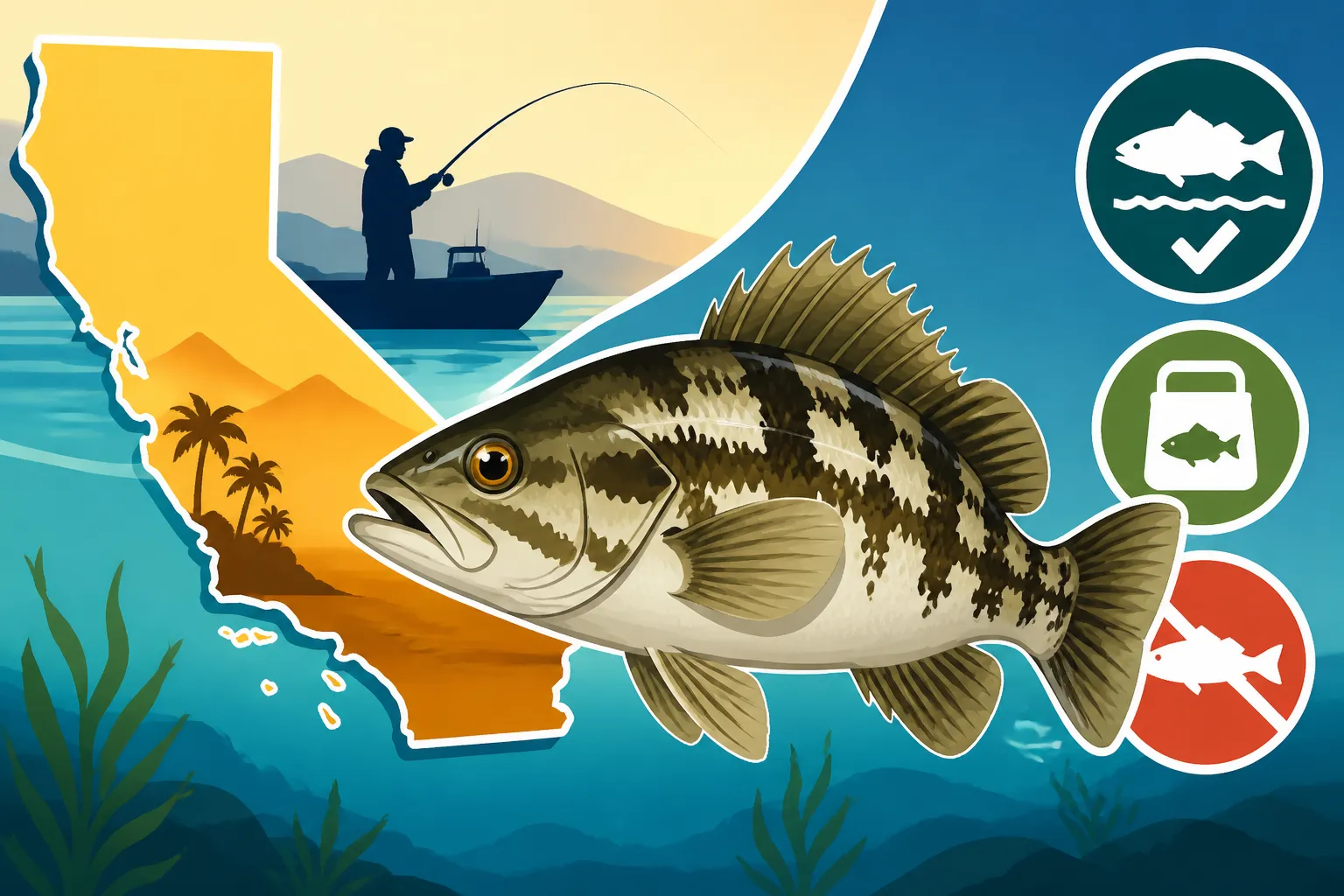
California Calico Bass Regulations and Limits
It can feel overwhelming trying to keep up with all the specific rules for fishing in California, especially when you're targeting a popular species like the Calico Bass. You've heard whispers of different bag limits, size restrictions, and maybe even some special zones, and it's easy to get confused. This comprehensive guide is here to untangle all those complexities, providing clear, actionable insights into California's Calico Bass regulations and limits so you can fish confidently and responsibly.
The Essentials of California Calico Bass Regulations
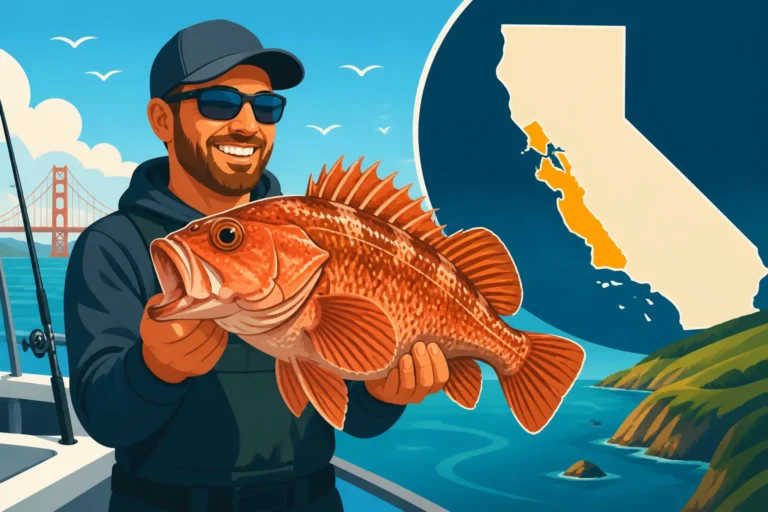
Understanding the regulations around Calico Bass, also known as Kelp Bass, isn't just about avoiding a hefty fine; it's about protecting a truly iconic and important sportfish in our coastal waters. These aggressive, hard-fighting fish are a favorite target for anglers, particularly in Southern California, and their popularity means they're subject to careful management. Without clear rules, these vibrant populations could be easily overfished, impacting the entire ecosystem and future fishing opportunities.
The California Department of Fish and Wildlife (CDFW) is the authority that sets these crucial regulations. They continuously monitor fish populations, consider scientific data, and listen to angler feedback to establish rules that promote sustainable fishing. These rules are published annually in the statewide California Fishing Regulation Booklet Explained, a document that every angler should be familiar with. It's often available both online and in print, and it's your go-to resource for the most current information.
The general philosophy behind Calico Bass regulations, much like other nearshore species, is to ensure that enough fish survive to reproduce and maintain healthy populations. This means focusing on things like minimum size limits to protect juvenile fish and daily bag limits to prevent excessive take. While the rules are designed to protect the resource, we also know it can be a source of frustration for anglers trying to keep up with what often feels like a moving target.
These regulations apply to all anglers pursuing Calico Bass, whether you're casting from a private boat, dropping a line from a pier, or exploring kelp beds in a kayak. There aren't typically separate sets of rules based on your fishing platform, though access restrictions might vary. The emphasis is always on the angler's responsibility to know and adhere to the current limits for the species they are targeting.
Navigating Calico Bass Bag and Size Limits
When it comes to Calico Bass, the two most critical regulations you need to master are the daily bag limit and the minimum size limit. These are the front-line defenses in protecting the species and ensuring there are plenty of Calicos for generations of anglers to enjoy. It's not uncommon for anglers to accidentally keep an undersized fish or go over the limit, often due to honest mistakes or misunderstanding the rules, but the consequences can be significant.
The current statewide general bag limit for Calico Bass is five fish per person per day. This means that, no matter how many times you go out or how many spots you hit in a single day, you cannot possess more than five Calico Bass. This limit is often part of a broader "aggregate limit" for other rockfish, cabezon, and greenling species, meaning that while you have a limit of five Calico Bass, they also count towards a larger overall aggregate limit for that group. Always check the California Fishing Bag and Size Limits for the most up-to-date aggregate rules.
Equally important is the size limit. For Calico Bass, the minimum size limit is 14 inches total length. Measuring a fish correctly is absolutely vital. For Calico Bass, like many other marine species, you measure from the tip of the snout (with the mouth closed) to the farthest tip of the tail (fork length is used for some species, but generally total length for bass). If a fish is even a fraction of an inch under the legal limit, it must be immediately released unharmed. Practicing careful handling and having a reliable measuring board, easily found on Amazon, can make all the difference in quickly and accurately determining a fish's legal status.
| Regulation Type | Limit (Statewide General) | Notes |
|---|---|---|
| Daily Bag Limit | 5 fish | Per person, per day. These also count towards the overall 10-fish aggregate limit for finfish. |
| Minimum Size Limit | 14 inches total length | Measured from the tip of the snout (mouth closed) to the farthest tip of the tail. Must be released if under. |
It's crucial to understand that these limits are subject to change based on stock assessments and environmental factors. What was true last year might not be true this year, especially for a highly managed species. Before every season, or even before a specific trip, it's highly recommended to consult the latest CDFW regulations or local fishing reports. Staying informed is your best defense against inadvertently violating a rule and helps contribute to the longevity of the fishery.
Gear, Catch-and-Release, and Area-Specific Rules
Beyond just bag and size, there are often gear restrictions and certainly best practices that help ensure the survival of released fish and the health of the fishery. For a species like Calico Bass, which thrives in rocky, kelp-laden environments, responsible angling is paramount. Sometimes, specific gear requirements are mandated by regulation, while other times they are strongly encouraged for conservation.
One significant area of focus in California saltwater fishing is the use of barbless hooks. While not universally mandated for all species in all areas, there's a growing push for their use, particularly in catch-and-release fisheries. Barbless hooks minimize tissue damage, allowing for quicker and easier release of fish, which is critical for undersized Calico Bass. Even if not required, choosing California Barbless Hook Requirements for your Calico Bass fishing is a responsible choice. Effective de-hooking tools, readily available on platforms like Amazon, are also essential for safely removing hooks and minimizing handling time, which significantly improves a fish's chances of survival.
Speaking of survival, implementing proper California Catch-and-Release Rules is vital for Calico Bass, especially given the 14-inch minimum size. Many anglers primarily practice catch-and-release for these fish, only keeping a legal limit if they intend to consume them. When releasing a Calico Bass, handle it gently with wet hands, support its weight horizontally, and return it to the water quickly. Avoid dragging it on boat decks or rocks, and if the fish is deeply hooked, cut the line rather than attempting to rip out the hook. Proper technique ensures that those smaller fish grow up to be trophy catches.
It's also imperative to be aware of regional variations and Marine Protected Areas (MPAs). California's coastline is dotted with MPAs, which are essentially underwater parks designed to protect marine life. These areas have very specific, often much stricter, regulations – some are even "no-take" zones where no fishing is allowed whatsoever. If you plan to fish a popular Calico Bass spot like the Channel Islands, Catalina Island, or specific areas along the Southern California coast, you must consult California Marine Protected Areas Explained maps and regulations. Fishing inside a no-take MPA, even unintentionally, can result in severe penalties. Always know before you go! Additionally, while not directly regulating Calico Bass, remember that the California Ocean Enhancement Stamp is required for anglers fishing south of Point Arguello in Santa Barbara County if you're taking finfish. It's a small fee that contributes to improving ocean resources, and it's a vital part of many saltwater trips in the region.
Ensuring Compliance: Resources and Best Practices
Navigating California's fishing regulations can sometimes feel like solving a complex puzzle, but ultimately, the responsibility falls squarely on the angler to know and follow the rules. Claiming ignorance won't spare you from the consequences, and trust me, nobody wants to face California Fishing License Fines and Penalties that can reach into the hundreds or even thousands of dollars, not to mention potential seizure of gear or loss of fishing privileges. Being a responsible angler means being informed, not just hopeful.
The absolute best resource for staying compliant is the official California Department of Fish and Wildlife (CDFW) website. They provide the most current regulations, updates, and clarifications. You can usually download a digital copy of the annual sport fishing regulations booklet, which is essentially your fishing bible. Many local bait and tackle shops, which are often listed as California Fishing License Agents Explained, also carry physical copies of this booklet and are fantastic resources for localized knowledge and advice. They're often run by seasoned anglers who know the rules inside and out.
Beyond the statewide regulations, it's wise to double-check for any hyper-local rules that might apply to your specific fishing spot. Some lakes or reservoirs, even if you're primarily targeting freshwater species, can have different rules that impact incidental catches. For Calico Bass, this mostly concerns specific areas within the ocean, such as harbors, bays, or the aforementioned MPAs, which can have their own set of rules that supersede the general ocean regulations. Always check the specific area you plan to fish. Local charter captains, fishing guides, and even online fishing forums can offer valuable, albeit unofficial, insights into current conditions and common practices, but always cross-reference with official CDFW sources.
Finally, a truly practical best practice is to always have access to the current regulations while you're fishing. Whether it's a downloaded PDF on your smartphone (make sure it's charged!) or a printed copy, having it readily available means you can quickly verify a rule if you're unsure. A waterproof phone case or a dedicated waterproof pouch for your physical booklet can be purchased on Amazon and will keep your regulations accessible and dry, even on a choppy day out on the water. It’s a small step that can save a lot of headaches and ensures you can fully enjoy your time pursuing Calico Bass without any regulatory worries. For information on getting your license, check out How to Buy a California Fishing License Online.
Disclaimer
Please remember that fishing regulations, including those for Calico Bass, can change. While this guide provides the most accurate and up-to-date information at the time of publication, it is always the angler's responsibility to verify the current regulations with the California Department of Fish and Wildlife (CDFW) before engaging in any fishing activity.