Big Bear Lake Fishing Guide
Oh, the sheer frustration of gazing out at a gorgeous lake like Big Bear, knowing there are fish swimming somewhere in its depths, but having absolutely no clue where to start or what to throw at them. You're not alone! Many anglers, myself included, have felt that mix of excitement and bewilderment when faced with a new body of water, especially one as popular and diverse as Big Bear Lake. This comprehensive guide is here to cut through the confusion, helping you unlock the secrets to successful fishing in one of Southern California's most beloved mountain gems.
Getting to Know Big Bear Lake: Your High-Altitude Fishing Destination
Big Bear Lake isn't just a pretty picture; it's a dynamic, high-altitude fishery that demands a bit of understanding before you even cast a line. Nestled in the San Bernardino Mountains at an elevation of nearly 6,800 feet, this lake offers a distinct fishing experience compared to many lower-elevation California waters. Its unique characteristics directly influence fish behavior, water temperatures, and even the types of strategies that will put fish in your cooler.
Unique Characteristics and Why They Matter
First off, let's talk about that altitude. Being so high up means Big Bear experiences colder winters and often a later spring thaw than other lakes. This impacts fish metabolism and when they become most active. The water here is generally clearer than many lowland reservoirs, especially outside of the peak summer months. Clear water means fish can be spookier, so lighter lines and more subtle presentations often work best. The lake also features a mix of depths, from shallow coves perfect for bass to deeper channels that hold trout and even some of the lake's elusive sturgeon. The varied bottom structure—from rocky points and submerged timber to softer, weedy flats—provides diverse habitats for different species throughout the year.
The lake is roughly seven miles long and one mile wide, offering plenty of shoreline access as well as wide-open expanses for boaters. It's an interesting blend of developed areas with docks and private properties, and more wild, natural coves and points. This mix means you've got options, whether you're looking for an easily accessible spot or prefer to find a quiet corner away from the crowds. Understanding these nuances—the elevation, water clarity, and diverse structure—is your first step to becoming a Big Bear Lake expert.
Navigating Local Fishing Regulations and Seasons
Before you even think about dropping a line, you absolutely need to be squared away on the local rules. Like all California waters, Big Bear Lake operates under specific regulations set by the California Department of Fish and Wildlife (CDFW). This means having a valid California Fishing License Guide is non-negotiable for anyone aged 16 or older. Don't risk a hefty fine; get your license beforehand. You can usually pick one up at local tackle shops or purchase it online.
Beyond the general license, Big Bear has species-specific rules regarding bag and size limits, and sometimes even tackle restrictions. For instance, trout are a major draw here, and while the lake is regularly stocked, there are still strict California Trout Limits and Regulations to adhere to. Bass anglers, too, need to be aware of the California Bass Fishing Regulations, especially concerning minimum size and daily limits. It's always a good idea to grab a current copy of the California Sport Fishing Regulations booklet or check the CDFW website for the most up-to-date information, as rules can change seasonally or annually. Pay close attention to any special regulations for Big Bear Lake itself, as some waters have unique rules that differ from statewide general guidelines.
Prime Fishing Spots on Big Bear Lake
Big Bear Lake offers a fantastic variety of fishing environments, from the easily accessible shores to hidden coves only reachable by boat. Knowing where to cast for specific species can drastically improve your chances of a successful day. It's not just about showing up; it's about understanding the nuances of each location.
Productive Shoreline and Pier Access Points
If you're heading out without a boat, don't fret! Big Bear Lake has some really promising spots for shore anglers and those who prefer the stability of a pier. One of the most popular areas for shore fishing, especially for trout, is along the North Shore, particularly around the Stanfield Cutoff. This causeway creates a natural pinch point that fish often travel through, and its easy access makes it a favorite. Anglers here often use PowerBait or nightcrawlers fished on a Carolina rig, casting out towards the deeper water. It's a great spot early in the morning or late in the afternoon.
Another excellent spot is the Boulder Bay Park area. While it's a scenic park, the shoreline around it, particularly near the rocks and docks, can hold good numbers of bass and panfish. For trout, the public docks at the Big Bear Lake Village can be surprisingly productive, especially right after a stocking. Remember, while fishing from public piers doesn't always require a license in California, you still need one to fish from the shoreline or on a boat at Big Bear. Always double-check the California Pier Fishing License Rules if you're uncertain. Look for areas with submerged structure like old docks or weed beds, as these are natural magnets for fish.
Best Boat Fishing Areas and Coves
For those with a boat, whether it's your own or a rental, the entire lake opens up, providing access to less-pressured waters and deeper fish-holding structures. Grout Bay, on the north side, is a fantastic area, particularly in the spring and fall. Its shallower, weedy flats are ideal for targeting largemouth bass with topwater lures or soft plastics. As the water warms, the deeper edges of the bay attract trout that are looking for cooler temperatures.
Another prime location is the area around Sutton Bluff and Eagle Point. These rocky points offer excellent structure for both smallmouth bass and trout. Trolling spoons or stickbaits parallel to the shoreline at varying depths can be incredibly effective for trout. For bass, pitching jigs or drop-shotting plastics near the rock ledges can yield great results. Don't overlook the deep water near the dam, which can hold larger trout and even sturgeon, especially in the cooler months. The key for boat anglers is covering water and utilizing your fishfinder to locate submerged features like humps, ledges, and weed lines that might be invisible from shore.
Targeting Big Bear's Main Fish Species
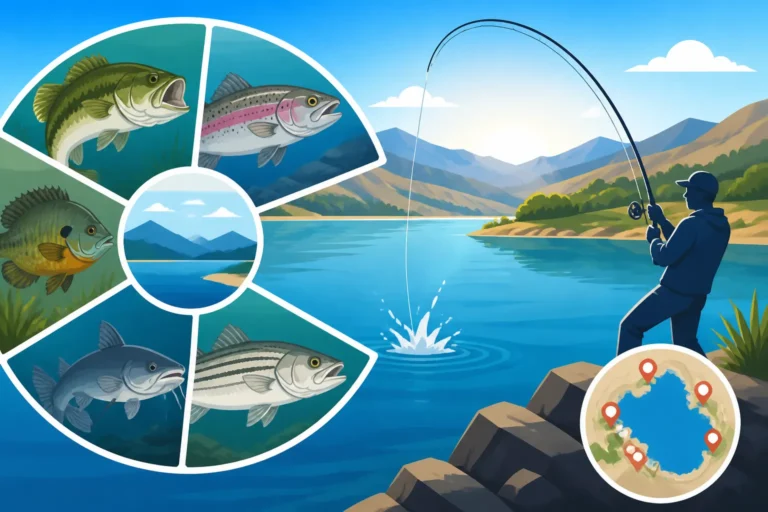
Big Bear Lake is a true multi-species fishery, offering opportunities for anglers of all stripes. From the shimmering trout to the hard-fighting bass and the whiskered catfish, there's a bounty waiting to be discovered. Knowing what each species prefers and where they hang out will significantly boost your success.
Trout Fishing Strategies: Rainbows, Browns, and Stocked Fish
Trout are arguably the most popular target in Big Bear Lake, thanks to an aggressive stocking program by the CDFW and local agencies. Rainbow trout make up the bulk of the catch, with some brown trout also present, often growing to impressive sizes. For newly stocked rainbows, simplicity is often key. A light spinning rod, 4-6 lb test line, and a small split shot with a baited hook (PowerBait, Power Worms, or a piece of nightcrawler) fished off the bottom is a classic and highly effective method. These freshly stocked fish tend to cruise the shallower areas near public access points.
For holdover trout and the elusive brown trout, you'll need to step up your game. Trolling is king for these more seasoned fish. Anglers often use small spoons like Thomas Buoyants, Kastmasters, or Needlefish, sometimes trailed behind a dodger or flasher to attract attention. Try trolling at speeds between 1.5 to 2.5 mph at various depths, especially in the deeper sections of the lake like the middle basin or near the dam. Early mornings and late evenings are prime times, as trout are more active in lower light conditions. Don't forget that trout prefer cooler water, so in summer, target them in deeper areas or during cooler parts of the day.
Bass Fishing: Largemouth and Smallmouth Tactics
Big Bear Lake is home to both largemouth and smallmouth bass, offering a diverse challenge for bass enthusiasts. Largemouth bass tend to prefer the shallower, weedy coves and areas with submerged timber. Think of spots like Grout Bay or the quieter coves on the south side of the lake. In spring, before and during the California Bass Spawn Timing and Tactics, they'll be in very shallow water, making them susceptible to sight fishing with soft plastics (Senkos, worms) or jigs. As summer progresses, they'll retreat to slightly deeper cover, often in or around weed beds, where crankbaits, spinnerbaits, and Texas-rigged plastics can be highly effective.
Smallmouth bass, on the other hand, are rock dwellers. They love the rocky points, ledges, and riprap found along much of Big Bear's shoreline, especially around Sutton Bluff and Eagle Point. These bronze bombers are aggressive and will readily hit small crankbaits, tubes, drop-shot worms, and even topwater lures during low-light conditions. Their fight is legendary, often involving acrobatic jumps. When targeting smallmouth, focus on areas where the rock structure extends into deeper water, creating ambush points. Both species respond well to a slower, more methodical approach, especially when the water is clear.
Catfish and Panfish Opportunities
While trout and bass often steal the spotlight, Big Bear Lake also offers fantastic opportunities for catfish and various panfish, making it a great family fishing destination. Channel catfish are present and can grow to respectable sizes. They are typically found in the deeper, muddier sections of the lake, often near the bottom in coves with softer substrate or around the mouths of feeder creeks. The best baits for catfish are generally smelly ones – think cut bait, chicken livers, or commercial stink baits. Fishing these on a slip-sinker rig near dusk or after dark can be incredibly productive.
Panfish, including bluegill and sunfish, are abundant throughout the lake, especially in the shallower, weedy areas and around docks. These are fantastic targets for young anglers or anyone looking for consistent action. A simple setup with a bobber, a small hook, and a piece of nightcrawler, mealworm, or even corn will usually do the trick. Look for them congregating around structure, especially near submerged trees or weed edges. While not as glamorous as a trophy trout or bass, panfish provide endless fun and are excellent table fare!
| Species | Preferred Habitat | Common Baits/Lures | Best Times |
|---|---|---|---|
| Rainbow Trout | Open water, stocked areas, deeper cool zones | PowerBait, Nightcrawlers, Spoons, Trolled Stickbaits | Spring, Fall, Early Morn/Late Eve |
| Brown Trout | Rocky points, deeper structure, submerged timber | Trolled Stickbaits, Minnow imitations, Spoons | Cooler months, Low light |
| Largemouth Bass | Weedy coves, submerged timber, shallow flats | Soft plastics, Crankbaits, Jigs, Topwater | Spring, Summer, Fall |
| Smallmouth Bass | Rocky points, ledges, riprap, gravel bottom | Drop-shot worms, Tubes, Small Crankbaits, Jigs | Spring, Summer, Fall |
| Channel Catfish | Deeper coves, muddy bottoms, low-light | Cut bait, Stink bait, Nightcrawlers | Dusk, Night, Summer |
| Panfish | Shallow weeds, docks, submerged brush | Worms, Mealworms, Small jigs, Corn | All day, Spring-Fall |
Best Times to Fish Big Bear Lake
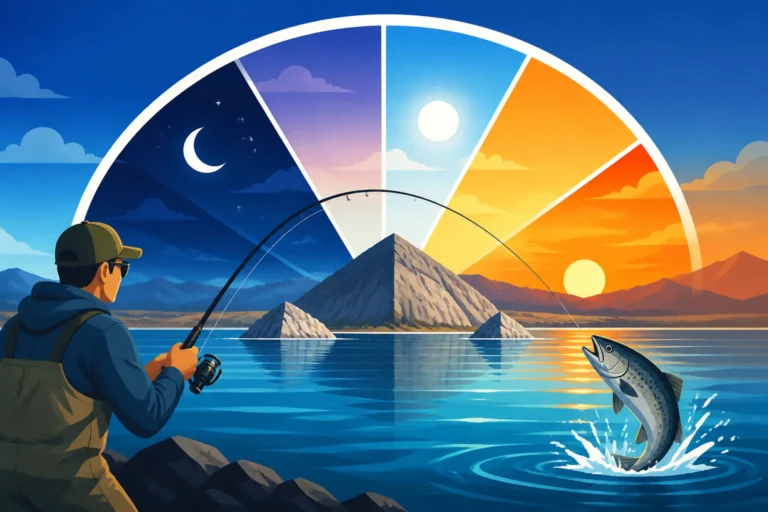
Timing is everything when it comes to fishing, and Big Bear Lake is no exception. The optimal time to visit depends heavily on what you want to catch and what kind of experience you're after. Understanding the lake's seasonal patterns and daily rhythms will help you plan your trip for maximum success.
Seasonal Fishing Overview: Spring, Summer, Fall, Winter
Each season at Big Bear Lake offers a unique set of opportunities and challenges. Spring (April-June) is often considered one of the best times for trout. As the ice melts and water temperatures rise, trout become very active, feeding aggressively after the winter lull. This is also when the CDFW does heavy stocking, making shoreline fishing incredibly productive, especially after a fresh plant. Bass also start to move into shallower waters for their spawn, offering fantastic sight fishing and topwater action.
Summer (July-August) is peak tourist season, and the lake can get busy with recreational boaters. While fishing is still good, you'll want to adjust your tactics. Trout will head to deeper, cooler water, making trolling the most effective method. Bass will often be found in and around weed lines or deeper structure, and early mornings or late evenings are crucial for success to avoid the heat and boat traffic. Catfish become very active at night during the summer.
Fall (September-November) is another fantastic fishing window. The crowds thin out, the weather is beautiful, and fish are often in a feeding frenzy, bulking up for winter. Trout can be found cruising shallower depths again, and bass become very aggressive, chasing baitfish. This is often the time for big, predatory browns and largemouth bass to make an appearance. California Fishing in Fall is a special time, and Big Bear truly shines.
Winter (December-March) brings cold temperatures and often ice cover. While ice fishing is not typically permitted on Big Bear Lake due to safety concerns and regulations (always check current rules!), open water fishing can still be had in areas that don't freeze over, especially closer to the dam. This is a tougher time, but dedicated anglers can still find trout by fishing deep and slow.
Daily Rhythms: Morning, Mid-Day, and Evening Success
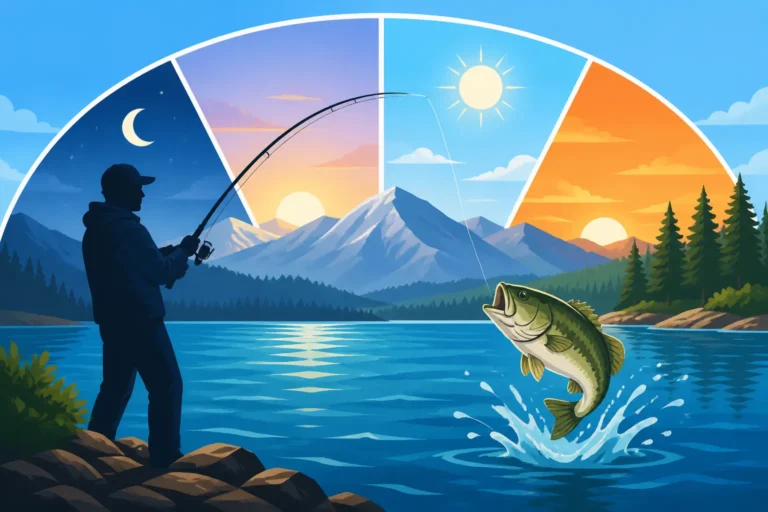
Beyond the seasons, the time of day plays a critical role in your Big Bear fishing success. Generally, the classic fishing advice holds true: early mornings and late evenings are almost always your best bet. This is when light levels are low, temperatures are cooler, and fish, especially trout and bass, are most actively feeding. During these periods, fish feel more secure coming into shallower water to hunt. Topwater lures for bass, or spoons and powerbait for trout, can be incredibly effective.
Mid-day fishing, especially during bright summer days, can be slower. The intense sun drives fish deeper or into heavy cover. If you're fishing during this time, focus on deeper water, shaded areas, or dense structure. Drop-shotting for bass or deep trolling for trout might be your best bet. However, during overcast days or in the cooler shoulder seasons of spring and fall, mid-day fishing can still be very productive. Always pay attention to the conditions; a sudden cloud cover or a light rain can turn a slow mid-day bite into a hot one. And don't forget catfish, which often become most active as the sun goes down and into the night.
Essential Gear and Techniques for Big Bear Lake
Having the right gear and knowing how to use it makes all the difference, especially on a diverse fishery like Big Bear Lake. You don't need to break the bank, but a few key items and techniques will put you in a much better position to catch fish consistently.
Rod and Reel Setups for Different Species
For the majority of your Big Bear fishing, you'll want a versatile light to medium-light spinning rod and reel setup. This combination is perfect for trout, panfish, and even smaller bass. A 6' to 7' rod with a fast action (meaning the tip bends easily but the backbone is stiff) paired with a 1000 or 2500 size spinning reel spooled with 4-8 lb monofilament or fluorocarbon line is ideal. This setup allows for light presentations, sensitive bites, and enough power to handle a decent-sized trout or bass. For a more dedicated bass setup, especially if you're targeting largemouth around heavy cover, a medium or medium-heavy casting rod with a baitcasting reel spooled with 10-15 lb fluorocarbon or braided line will give you the backbone needed to pull fish out of weeds and wood.
If you plan on doing a lot of trolling for trout, a slightly longer, more forgiving rod (like a 7' to 8' medium-light action rod) can be beneficial, as it will absorb the surges of a fighting fish while the boat is in motion. Having a variety of setups or at least the ability to quickly re-tie with different baits and lures is key. Remember, lighter line is often better in clear Big Bear waters, as it's less visible to the fish.
Baits, Lures, and Terminal Tackle
Your tackle box for Big Bear should be well-stocked with a variety of options. For trout, PowerBait (in various colors like rainbow, cheese, and garlic marshmallow), nightcrawlers, and salmon eggs are staples for bait fishing. For lures, small casting spoons (Kastmasters, Thomas Buoyants) in silver, gold, or brass, and small trolled stickbaits (Rapala, Rebel) in trout or shad patterns are highly effective. Don't forget a selection of small swivels, split shot, and hooks (size 8-12, usually treble or single bait hooks).
For bass, soft plastics are a must. Senkos, worms (Roboworms are popular), and creature baits in natural colors are excellent for Texas rigging, wacky rigging, or drop-shotting. Hard baits like crankbaits (in crawfish or shad patterns), spinnerbaits (especially in chartreuse or white), and topwater lures (frogs, poppers, walking baits) will also entice strikes. Make sure you have a good selection of jig heads, weights (bullet weights for Texas rigs, drop-shot weights), and offset hooks.
For catfish, cut bait (sardines, mackerel), chicken livers, and commercial stink baits are hard to beat. A sturdy kahle or circle hook in size 2/0 to 4/0, paired with an egg sinker, is the standard rig. And for panfish, tiny jigs, mealworms, wax worms, or a simple piece of nightcrawler under a bobber will generally work. Having a variety allows you to adapt to what the fish are biting on any given day.
Mastering Common Big Bear Fishing Techniques
There are a few key techniques that will consistently produce fish on Big Bear Lake:
- Still Fishing (Bait Fishing): This is the bread and butter for shore anglers targeting trout and catfish. Cast out your bait (PowerBait, nightcrawler) on a Carolina rig or a simple bottom rig and let it sit. Watch your rod tip for bites. For panfish, use a bobber rig. This passive approach can be incredibly effective, especially after a stocking or in known catfish holes.
- Trolling: Essential for covering water and targeting larger, more elusive trout and sometimes even bass. Use downriggers or leadcore line to get your lures to the desired depth. Vary your speed and direction, especially over structure or along drop-offs. Trolling with Rapalas or spoons is a classic California Trolling Tips and Techniques strategy on Big Bear.
- Casting and Retrieving: This is a broad category covering everything from throwing spinnerbaits for bass, casting spoons for trout, or working topwater lures. The key is to vary your retrieve speed, add pauses, and experiment with different lures until you find what triggers a strike. For bass in particular, a slow, methodical retrieve with soft plastics can often be more effective than a fast one.
- Drop-Shotting: An excellent technique for bass, particularly smallmouth on rocky ledges, or when fishing clear water. It presents a soft plastic bait off the bottom, making it appear very natural. This technique is often taught by local guides and is a must-know for serious bass anglers.
Planning Your Big Bear Fishing Trip
A successful fishing trip isn't just about what happens on the water; it's also about good planning beforehand. From licenses to local guides and knowing where to grab supplies, a little preparation goes a long way to making your Big Bear adventure smooth and enjoyable.
Licenses, Permits, and Where to Get Them
As mentioned before, securing your How to Get a California Fishing License is the absolute first step. Everyone 16 years of age or older needs one, whether you're fishing from shore, a boat, or even a pier (unless that pier specifically states otherwise, which is rare for lake piers). You can purchase them online through the California Department of Fish and Wildlife website, which is often the most convenient way. Just print it out or keep it on your phone for proof.
Alternatively, many local bait and tackle shops around Big Bear Lake are licensed agents where you can buy your license. Places like Big Bear Sporting Goods or Goldsmith's Sports in the Big Bear Lake Village area are great options, and the staff there can also provide invaluable, up-to-the-minute fishing reports and local advice. While you might not need additional permits specifically for Big Bear Lake fishing (beyond your standard state license), if you plan on launching a private boat, you'll need to pay a launch fee and get your boat inspected for invasive species at one of the public launch ramps. Always confirm any local use fees or restrictions before you head out.
Hiring a Local Fishing Guide or Charter
If you're new to Big Bear Lake, or even if you're an experienced angler looking to shorten the learning curve and maximize your time on the water, consider hiring a local fishing guide. A good guide knows the lake intimately – where the fish are hiding, what they're biting on, and the best techniques for current conditions. They'll also provide all the necessary gear and often teach you valuable new skills. This is particularly beneficial for targeting trophy trout or navigating the lake's more complex bass structure.
You can often find local Big Bear guides through online platforms. For instance, FishingBooker lists several experienced captains and guides who specialize in Big Bear Lake. They can arrange trips tailored to your preferences, whether you're after trout, bass, or just want a general fishing experience with the family. A typical guided trip might involve trolling for trout in the deeper sections, or targeting bass in the coves with various lures and plastics. It's an investment, but it often pays off in knowledge, experience, and, of course, fish! Check out the California Fishing Charters: Complete Guide for more insights on booking.
Essential Amenities: Bait Shops, Boat Rentals, and Accommodations
Big Bear Lake is a popular resort town, so you'll find no shortage of amenities to support your fishing adventure.
- Bait & Tackle Shops: As mentioned, Big Bear Sporting Goods and Goldsmith's Sports are go-to spots for bait, lures, tackle, and invaluable local fishing reports. They can tell you what's hot and what's not, often down to the specific color of PowerBait.
- Boat Rentals: If you don't have your own boat, several marinas offer rentals. Big Bear Marina, Pine Knot Marina, and Pleasure Point Marina all have a fleet of fishing boats, pontoon boats, and even kayaks or paddleboards for rent. Make sure to reserve ahead, especially during peak season. They'll usually provide life vests and basic safety instructions.
- Accommodations: Big Bear offers everything from rustic cabins to luxury lodges and vacation rentals. Many options are available around the lake, so you can choose something close to your preferred fishing grounds. Check out Big Bear Lake Village for a central location with plenty of restaurants and shops nearby, or look for quieter options further east or west along the lake.
- Food & Drink: You'll find plenty of restaurants, grocery stores, and cafes to keep you fueled during your trip. Packing a cooler with snacks and drinks for the boat is always a good idea.
Having these resources readily available means you can focus less on logistics and more on the joy of fishing.
Disclaimer
The information provided in this guide is for general informational purposes only and is subject to change. Fishing regulations, season dates, and limits are determined by the California Department of Fish and Wildlife (CDFW) and can be updated at any time. Always consult the most current official CDFW regulations booklet or website before fishing to ensure compliance. Local conditions, fish stocking schedules, and lake access information can also vary, so checking with local bait shops or marinas for the latest updates is highly recommended. Fishing involves inherent risks; please exercise caution and ensure your personal safety.