Klamath River: Fishing Access and Tips
Oh, the Klamath River! It’s a name that conjures images of wild salmon and chrome-bright steelhead, stretching through some of California's most breathtaking landscapes. But for many anglers, especially those new to its waters, figuring out where to actually go and how to fish it can feel like trying to solve a puzzle with half the pieces missing. The regulations are complex, access can be tricky, and the river itself changes dramatically from one section to another. This guide is here to untangle all that, giving you a clear roadmap to fishing the legendary Klamath, from finding those hidden honey holes to understanding the subtle nuances that make a successful day on the water.
Understanding the Klamath River's Unique Fishery
The Klamath River isn't just one river; it's a dynamic system with distinct personalities depending on where you are along its impressive length. From its origins in the high desert of Oregon down to the Pacific Ocean, it transitions through different ecosystems, offering varied fishing experiences. This diverse character is part of its allure, but also why a "one-size-fits-all" approach simply won't work here.
A River of Contrasts: Upper vs. Lower Klamath
When we talk about the Klamath, it's often helpful to divide it into two main zones: the Upper and Lower Klamath. The Upper Klamath, particularly the sections east of the Iron Gate Dam (which is slated for removal, by the way, marking a huge shift for the river!), has historically been a different world entirely. Here, you'd find cooler, clearer waters, especially in its tributaries, holding resident rainbow trout and brown trout. It’s a classic fly-fishing paradise in many stretches, with anglers often wading or using drift boats to target these feisty fish in more intimate settings. The landscape is often pine-forested and rugged, demanding a bit more effort to reach prime spots.
As you move downstream, past the dam site and into the middle and lower sections, the river's character truly transforms. This is the heart of the anadromous fishery, where salmon and steelhead migrate from the ocean to spawn. The river becomes wider, more powerful, and often stained with tannins from the surrounding forests, especially after rains. The lower river, particularly below Weitchpec and closer to the estuary, is where the massive runs of Chinook salmon and aggressive steelhead make their final push. Fishing here often involves different techniques, larger gear, and a keen understanding of migratory patterns. It’s a whole different ballgame, demanding a switch in tactics, from light nymphing rigs to heavy gear for tackling powerful ocean-run fish.
Seasonal Changes and Their Impact on Fishing
Just like the river's geography, its fishing opportunities are deeply intertwined with the seasons. You simply can't expect the same experience in spring as you would in fall, and trying to can lead to a very frustrating day on the water. Each season brings a new cast of characters, both in terms of fish species and environmental conditions, dictating not only what you can catch but also how you should approach the river.
Spring, for instance, often sees rising water levels from snowmelt, which can make the river tough to fish in many areas, but also signals the beginning of resident trout activity in the upper stretches as waters clear and warm. Smallmouth bass also become more active in certain sections. Summer can be a mixed bag; the lower river might get a bit warm for salmon and steelhead, pushing them into cooler pockets, but trout fishing in the higher elevations or cooler tributaries can be fantastic. This is when you might find anglers seeking out the Best Trout Lakes in California if the river conditions aren't ideal.
However, the real magic happens in fall. This is prime time for the Lower Klamath, as Chinook salmon and then steelhead begin their arduous journey upstream from the Pacific. The river comes alive with migratory fish, and anglers flock to popular spots. Winter can still offer incredible steelhead fishing, especially "half-pounders," smaller but incredibly aggressive steelhead that return to the river. But these seasons also bring their own challenges, from fluctuating water levels and clarity to often-unpredictable weather. Keeping a close eye on California Fishing Seasons: Month-by-Month Guide and local conditions is paramount for any Klamath River expedition.
Essential Access Points for Klamath River Anglers
One of the biggest hurdles for new Klamath anglers is simply figuring out where to get on the river. Unlike some smaller streams with abundant public access, large portions of the Klamath flow through private land, tribal lands, or rugged, undeveloped terrain. Knowing the key access points is crucial for a successful and respectful fishing trip.
Public Access Areas and Campgrounds
Thankfully, the California Department of Fish and Wildlife (CDFW) and other public agencies maintain several well-known access points that cater to anglers. For those targeting the famed lower river, areas near Happy Camp and Weitchpec are perennial favorites. Happy Camp offers boat ramps, riverside camping, and bank access, making it a great base camp for exploring the surrounding river. You'll find spots where you can put in a drift boat or raft, allowing you to cover miles of prime water.
Further downstream, the confluence with the Trinity River at Weitchpec is a hugely significant area, especially during salmon and steelhead runs. While access can feel a bit more limited here due to terrain and private holdings, there are still public spots and pull-offs that offer bank access. Similarly, as you approach the mouth, areas around the town of Klamath itself, including the mouth of the estuary, provide crucial access. Many anglers will find the Klamath River RV Park or similar private campgrounds offer excellent river frontage and launching facilities, often charging a small fee for day use. These spots usually have decent parking and are known launching points for guided trips, so if you're looking for a professional to show you the ropes, checking out options on FishingBooker for guides launching from these areas is a smart move.
Navigating Private Lands and Tribal Lands
This is where fishing the Klamath gets a bit more nuanced and requires a deep sense of respect and responsibility. A significant portion of the lower Klamath River flows through the ancestral lands of the Yurok and Karuk tribes. These sovereign nations have distinct fishing rights and regulations that often differ from state laws, particularly concerning subsistence and ceremonial fishing. It is absolutely critical for recreational anglers to understand and respect these boundaries.
Fishing on tribal lands without explicit permission is a serious violation and can lead to significant penalties, not to mention a serious breach of ethical conduct. Always assume land is private or tribal unless clearly marked as public access. This means staying within designated public access points, fishing from legal easements, or, if you're floating, staying within the high-water mark of the river itself when on private banks. For clarification on specific areas, consulting the CDFW regulations booklet for the Klamath Basin and tribal websites (like the Yurok Tribe's) is a must. Many local guides, found through platforms like FishingBooker, are intimately familiar with these boundaries and can ensure you have a legal and respectful trip. Ignoring these details isn't just rude; it can lead to legal trouble and reflects poorly on the entire angling community. Always err on the side of caution and respect.
Key Species and Effective Fishing Techniques
The Klamath River is a trophy fishery for several species, each requiring a different approach. Knowing what to target, when, and with what gear is key to maximizing your chances of success and truly enjoying what this magnificent river has to offer.
Targeting Salmon and Steelhead on the Lower Klamath
The lower Klamath is legendary for its anadromous runs, particularly Chinook (King) Salmon and Steelhead. However, it's important to note that salmon seasons and regulations on the Klamath have seen significant changes and closures in recent years due to conservation concerns. Always check the absolute latest California Salmon Season Dates Explained and California Fishing Regulations Explained before planning your trip. When the season is open, Chinook salmon are typically targeted using heavy gear. Back-trolling with Brad's KillerFish plugs, or Kwikfish, often tipped with sardine wraps, is a highly effective method from a drift boat. Anglers also drift roe or large spinners. These fish are powerful, requiring sturdy rods, reels with excellent drag, and 20-30 lb test line.
Steelhead fishing, particularly for the famed "half-pounders" (juvenile steelhead that return to the river after a shorter period in the ocean), is a different art. These aggressive fish, which run from late summer into winter, are often targeted by drift fishing with small pieces of roe, shrimp, or specialized steelhead worms under a float. Fly anglers will have a field day, swinging flies like various spey patterns or dead-drifting nymphs and egg patterns under an indicator. Larger, adult steelhead require similar, albeit scaled-up, tactics. Success often hinges on finding the right runs and knowing how to present your offering naturally in the current. Be sure to obtain a California Steelhead Report Card as these are mandatory for tracking your catch.
Trout and Other Freshwater Species in the Upper Reaches
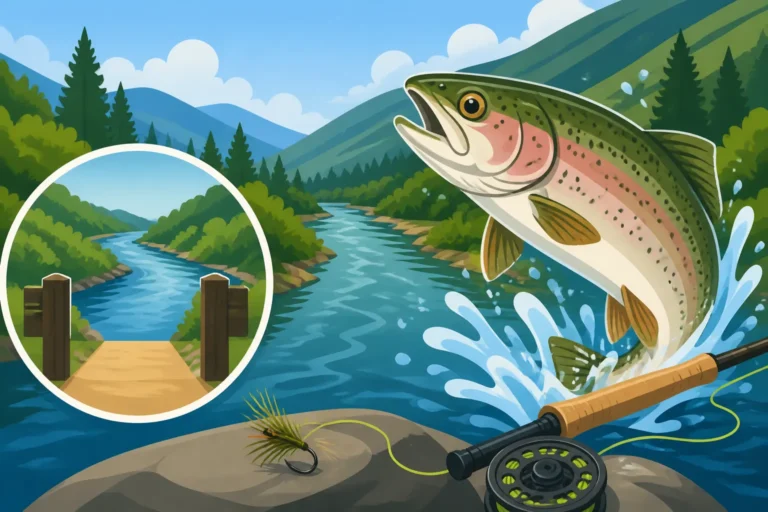
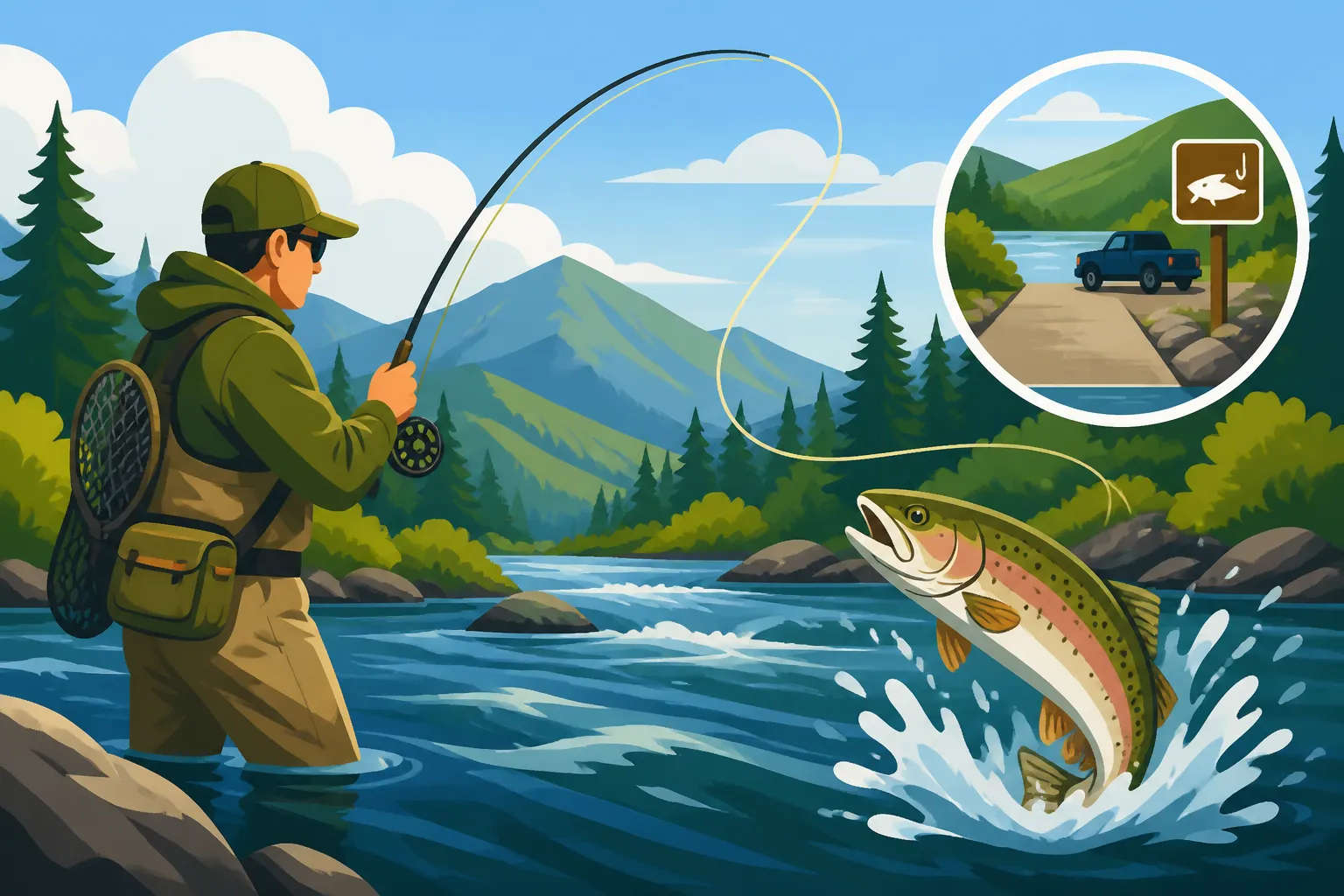
While the lower river steals the headlines for its anadromous runs, the upper Klamath and its tributaries offer fantastic opportunities for resident trout, especially for fly anglers. Here, you'll primarily find rainbow trout and, in certain sections, brown trout. The waters are generally clearer and smaller than the lower river, making for a more intimate angling experience. Traditional fly-fishing techniques like dry fly fishing during hatches, nymphing with imitations of aquatic insects, and stripping streamers are all effective. Standard 4-6 weight fly rods are ideal for these waters.
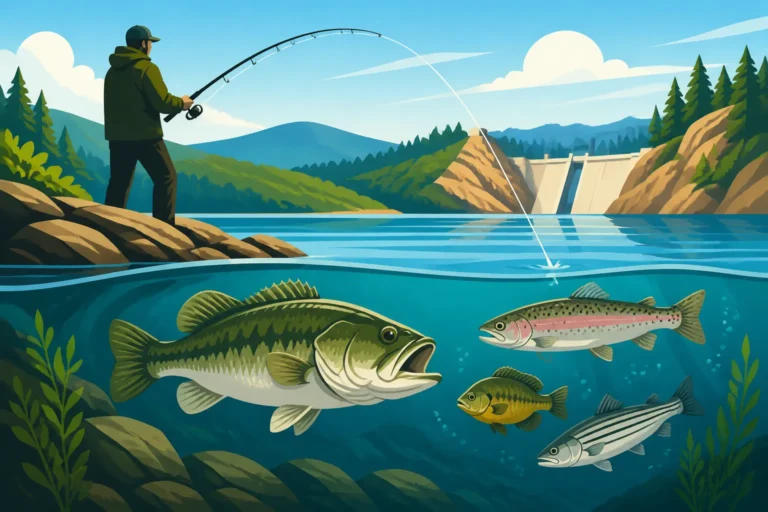
Anglers targeting trout on the upper Klamath should focus on riffles, deep pools, and areas with submerged structure. Matching the hatch is often critical, so having a good selection of mayfly, caddisfly, and stonefly patterns is wise. Beyond trout, certain sections of the Klamath, particularly those with warmer, slower-moving water, also hold populations of smallmouth bass. These aggressive fighters can provide thrilling action, especially on light tackle or with poppers and streamers on a fly rod. Targeting them often involves casting near rocky banks, submerged timber, or weed lines. Learning How to Fish for Trout in California is an excellent starting point for those looking to explore these serene upper sections.
| Species | Best Season | Common Techniques | Typical Access |
|---|---|---|---|
| Chinook Salmon | Fall (Sept-Nov) | Back-trolling Kwikfish, Drifting Roe/Spinners | Drift Boat, Bank (Lower River) |
| Steelhead | Fall/Winter (Sept-Mar) | Drift Fishing (Roe, Worms), Fly Fishing (Nymphs, Spey) | Drift Boat, Wading, Bank (Lower River) |
| Rainbow Trout | Spring/Summer (Apr-Aug) | Fly Fishing (Dry Flies, Nymphs, Streamers), Spin Fishing (Small Lures) | Wading, Bank (Upper/Middle River) |
| Smallmouth Bass | Summer (Jun-Aug) | Spin Fishing (Jigs, Crankbaits), Fly Fishing (Poppers, Streamers) | Bank, Wading (Warmer Middle Sections) |
Navigating Regulations and Conservation Efforts
Fishing on the Klamath River is not just about casting a line; it's also about being a responsible steward of a precious, and often fragile, ecosystem. The regulations here can be intricate, and understanding them is not just a matter of avoiding fines, but also contributing to the river's long-term health.
Understanding California's Klamath River Regulations
I know, I know. California fishing regulations can sometimes feel like a legal textbook written in another language, and the Klamath River is a prime example of their complexity. Due to its unique status as an anadromous fishery, its significant tribal lands, and ongoing conservation efforts, the Klamath often has specific rules that supersede general state-wide regulations. This means you can't just rely on a standard California Fishing License Guide or the broad strokes of California Freshwater Fishing Regulations. You absolutely must consult the specific Klamath River Basin special regulations in the current CDFW Sport Fishing Regulations booklet.
Key things to look out for include specific open and closed seasons for salmon and steelhead, which can change annually based on stock assessments and federal mandates. There are often special gear restrictions, such as barbless hook requirements or prohibitions on certain types of bait. Bag and size limits are frequently adjusted, and these can differ based on species, section of the river, and even whether you're targeting hatchery-raised or wild fish. Furthermore, mandatory report cards, like the California Salmon Report Card and California Steelhead Report Card, are critical. These aren't just for enforcement; they're vital data collection tools that help biologists manage fish populations. Failing to fill out and return these cards can result in fines and, more importantly, hurts the future of the fishery. Always carry your valid California fishing license, any required report cards, and a copy of the current regulations.
The Importance of Sustainable Fishing Practices
The Klamath River has faced immense environmental challenges over the years, from damming and diversion to drought and habitat degradation. The salmon and steelhead populations, in particular, have experienced significant declines. As anglers, we have a profound responsibility to fish ethically and contribute to the river's recovery. This means practicing sustainable fishing every time we're on the water.
Catch-and-release is a cornerstone of sustainable angling, especially for wild, native fish like Klamath steelhead. Learning proper handling techniques—minimizing time out of water, using wet hands, keeping fish in the water during release, and using barbless hooks—is crucial for their survival. Even when keeping legal fish, adhering strictly to bag and size limits helps ensure enough fish escape to spawn. Beyond direct interaction with fish, it also means leaving no trace behind, packing out all trash (and then some!), and being mindful of your impact on riparian habitats. Supporting conservation organizations and understanding why regulations exist, rather than trying to skirt them, is part of being a true outdoors enthusiast. The future of this magnificent river, and the incredible fishing experiences it offers, truly depends on our collective commitment to its well-being.
Planning Your Klamath River Fishing Adventure
Getting ready for a Klamath River fishing trip requires a bit more foresight than a quick trip to a local pond. The varying conditions, the potential for big fish, and the sometimes-remote access mean you need to be prepared with the right gear and a solid plan.
Gear Recommendations for Different Sections and Species
Your gear selection will heavily depend on which part of the Klamath you're planning to fish and what species you're targeting. For the Lower Klamath's salmon and steelhead, you'll want robust tackle. A medium-heavy to heavy casting rod (8-10 feet) paired with a baitcasting reel spooled with 15-30 lb monofilament or braided line is typical for salmon. For steelhead, particularly if drift fishing with bait, a longer, more sensitive rod (8.5-10.5 feet, medium action) with a spinning reel and 8-12 lb mainline is a good starting point. Fly anglers targeting steelhead will often use 7-9 weight single-hand rods or spey/switch rods (6-8 weight) with appropriate lines for swinging or nymphing. Don't forget a sturdy net and a good pair of polarized sunglasses!
If you're heading to the Upper Klamath for trout, lighter tackle is the order of the day. A 5-6 weight fly rod is versatile for most conditions, paired with a floating line and a selection of leaders and tippets (4x-6x). Spin fishermen can use light action rods (6-7 feet) with small spinning reels spooled with 4-6 lb test, throwing small spinners, spoons, or jigs. Waders are almost essential for accessing many of the prime trout runs and pools, especially if you plan on wading the river. Breathable chest waders and sturdy wading boots with good grip will make your day much more comfortable and safer. Always bring rain gear, even on a sunny forecast; mountain weather can change in an instant.
Hiring a Guide and Trip Logistics
For a river as complex and storied as the Klamath, especially for first-timers, hiring a local fishing guide can be an absolute game-changer. These experienced professionals live and breathe the river, know the ever-changing runs, the subtle nuances of access, and the most effective techniques for current conditions. They'll also ensure you're fishing legally and respectfully. A good guide will provide all the necessary gear, bait, and often even lunch, allowing you to focus purely on the fishing experience. It's an investment, but one that often pays dividends in knowledge gained and fish caught.
When planning your trip, consider using a reputable booking platform like FishingBooker to find and compare Klamath River guides. You can read reviews, check their availability, and ensure they are licensed and insured. Booking in advance, especially for prime fall steelhead and salmon seasons, is highly recommended as popular guides fill up quickly. Beyond a guide, think about your lodging (campgrounds, cabins, or hotels in towns like Happy Camp or Klamath), food, and transportation. Cell service can be spotty in many areas along the river, so download maps and communicate your itinerary with someone before you head out. A well-planned trip removes stress and allows you to fully immerse yourself in the incredible fishing opportunities the Klamath River offers.
Disclaimer
Fishing in California carries inherent risks. Regulations, seasons, and access can change. Always consult the latest California Department of Fish and Wildlife regulations and local conditions before heading out. This guide provides general information and should not be considered a substitute for official regulations or professional advice.