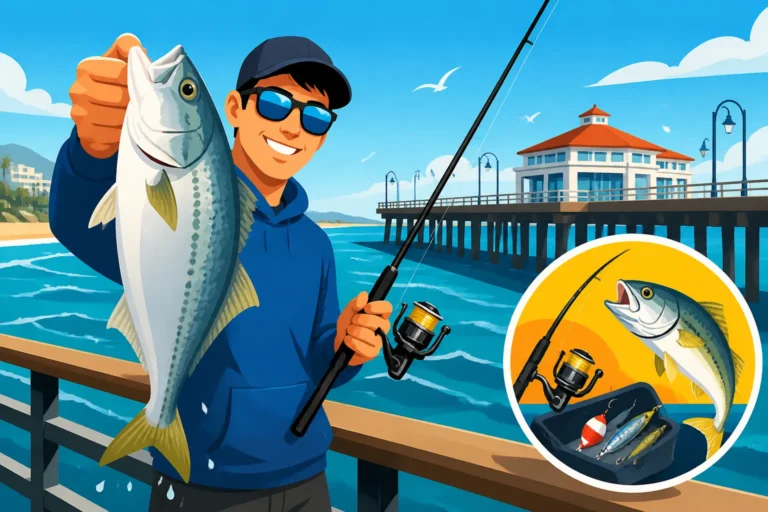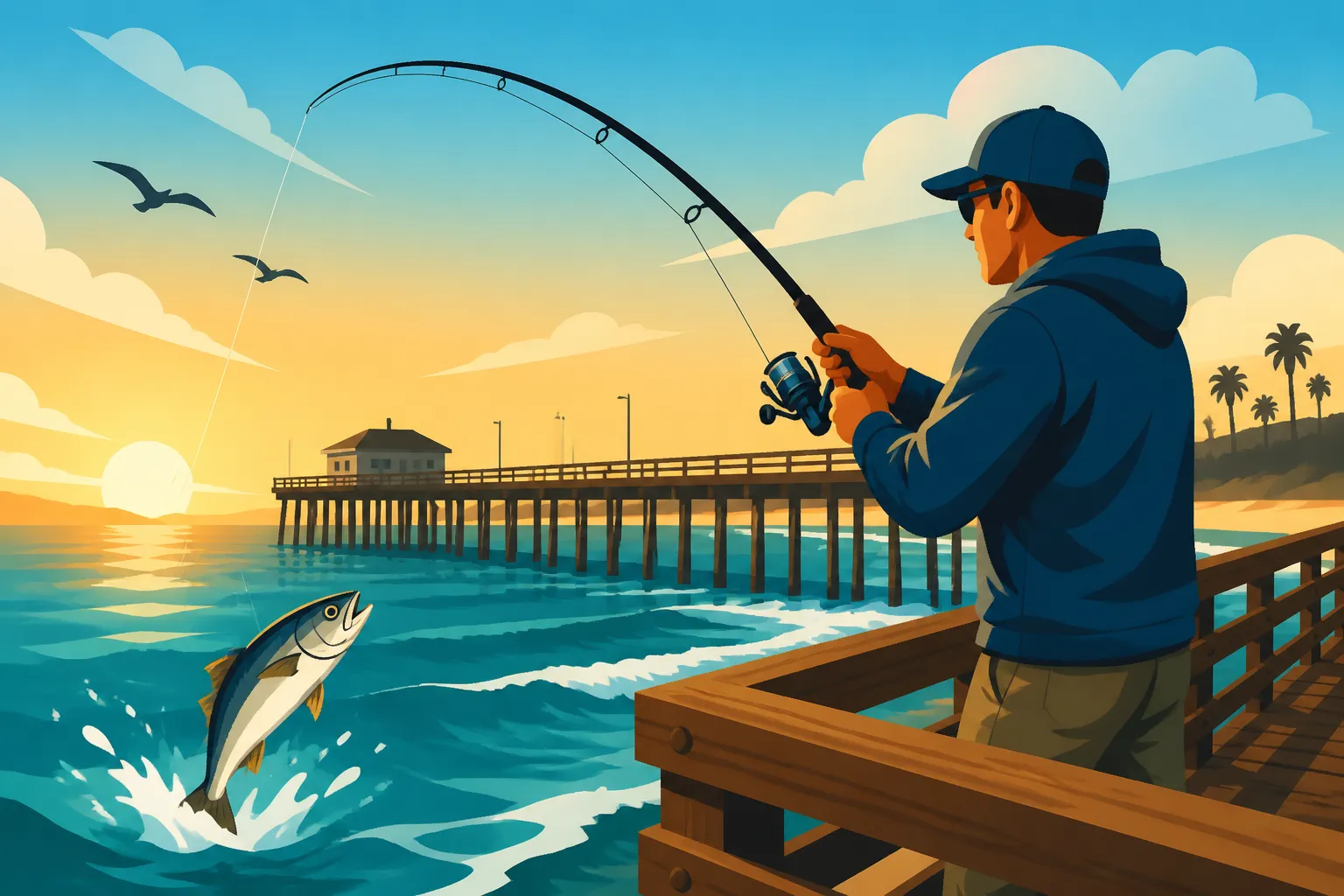
Ocean Beach Pier Fishing Guide
Staring out at the vast Pacific from a California pier can be exhilarating, but figuring out where to cast your line and what you can actually catch can feel like a real mystery, especially if you're new to the scene or just visiting. Don't worry, you're not alone! This guide is here to unravel the secrets of fishing at Ocean Beach Pier, one of San Diego's most iconic and productive fishing spots, helping you cut through the confusion and get straight to the action.
Unraveling the Appeal of Ocean Beach Pier for Anglers
There's something uniquely charming about fishing from a pier, isn't there? The salty air, the distant sound of waves, and the sheer accessibility make it a fantastic option for everyone from seasoned pros to families with little ones. Ocean Beach Pier in San Diego truly embodies this spirit, offering an inviting platform for your next angling adventure.
Accessibility and the License-Free Advantage
One of the biggest headaches for any angler planning a trip to California is navigating the sometimes-complex world of fishing licenses and permits. You're trying to relax, not fill out paperwork! This is where Ocean Beach Pier shines. In California, you don't need a state fishing license to fish from a public pier. That's right, zero hassle with licenses when you're casting lines from this fantastic structure. This makes it incredibly convenient for spontaneous trips or for visitors who might not want to commit to a full annual license. If you're curious about the specifics, our detailed guide on California Pier Fishing License Rules explains it all, and you can even explore Where Pier Fishing Is License-Free in California for other similar spots. This ease of access, combined with its family-friendly atmosphere, often makes it a first stop for many who are just dipping their toes into the California fishing scene.
Understanding Ocean Beach Pier's Layout and Environment
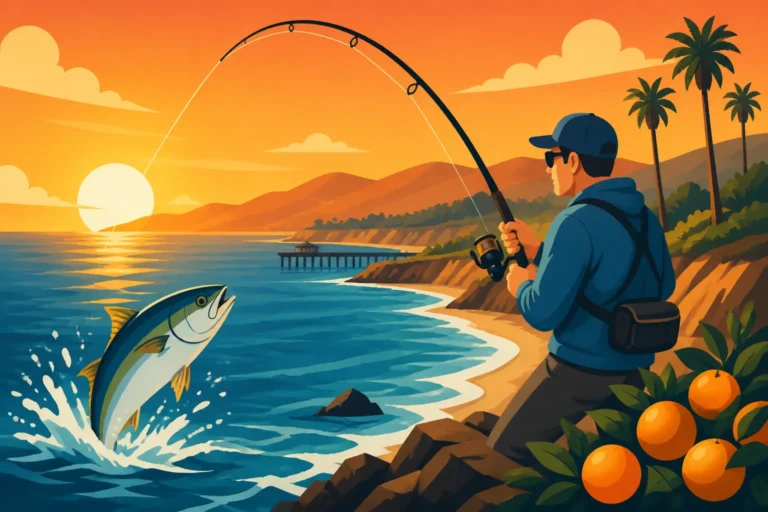
Ocean Beach Pier isn't just a concrete slab stretching into the ocean; it's a dynamic ecosystem and a local landmark. At 1,971 feet long, it's the longest concrete pier on the West Coast, offering ample space and diverse fishing environments. As you walk its length, you'll notice distinct zones. The shallower waters closer to shore are often teeming with smaller surf species, while the middle section provides access to deeper channels and structure. Out at the very end, there’s usually a bait shop, restrooms, and a restaurant, making it a comfortable place to spend the day. The pier extends over varying depths and seabed compositions, from sandy bottom near shore to more rocky, kelp-edged areas further out. This variety is key to why so many different fish species call this area home or pass through it. You're not just fishing open water; you're casting into a rich underwater landscape.
The Rich Tapestry of Fish Species at OB Pier
You might be surprised by the sheer variety of fish you can encounter while casting a line from Ocean Beach Pier. It’s not just a few stragglers; the pier acts as a magnet for a diverse array of coastal species, offering exciting opportunities no matter what you're hoping to hook.
Year-Round Staples: Perch, Mackerel, and Croakers
Some fish are just reliable, aren't they? At Ocean Beach Pier, you can almost always count on finding certain species, providing consistent action throughout the year.
- Surfperch: These feisty little fish are a perennial favorite, especially for beginners. You'll primarily encounter barred surfperch, but rainbow and walleye surfperch are also common. They hug the pilings and the surf line, particularly in the shallower sections of the pier. They’re not huge, but they put up a respectable fight on light tackle and are delicious eating. If you want to dive deeper into catching these resilient fish, check out our guide on Surfperch in California: Where and How to Catch.
- Tactics: Look for them near the pilings or casting into the breaking waves. Small hooks (size 6-8) with light line (4-6 lb test) and baits like small pieces of shrimp, mussel, or Gulp! sandworms are incredibly effective. A simple high-low rig with a small sinker will do the trick.
- Pacific Mackerel: When the mackerel schools show up, it's often non-stop action, which is fantastic for keeping kids engaged or just having a blast. These sleek, fast-swimming fish are often found in large schools, particularly during warmer months, though they can be present year-round.
- Tactics: Mackerel are usually caught on sabiki rigs (multi-hook rigs designed for baitfish) or small jigs and Kastmasters. Cast out and retrieve steadily, or simply drop a sabiki rig straight down near the middle to end of the pier.
- Croakers (Yellowfin, Spotfin, Queenfish): These bottom-dwelling fish are often overlooked but can provide some excellent sport and table fare. Yellowfin and spotfin croaker are more common in the surf and shallower pier sections, while queenfish (also known as herring or shiners) are often found in deeper schools further out.
- Tactics: Use a Carolina rig or a high-low rig fished on the bottom with small pieces of bait like squid, anchovy, or bloodworms. They have a subtle bite, so pay attention!
Seasonal Surprises: Halibut, Sharks, and More
While the year-round residents provide consistent fun, it's the seasonal visitors that really get the blood pumping for many anglers. These migrations offer the chance to hook into something truly special.
- California Halibut: These highly prized flatfish are a major draw. While often associated with boat fishing, halibut definitely cruise the waters around Ocean Beach Pier, especially during spring and summer as they move into shallower waters to spawn. Catching a legal-sized halibut from a pier is a true accomplishment. Make sure you're up to date on California Halibut Size and Bag Limits before you go!
- Tactics: Live bait is king for halibut. Small mackerel, anchovies, or sardines fished on a Carolina rig or a sliding sinker rig can be deadly. Cast out and let your bait swim naturally near the bottom. Slow retrieve or drift fishing a dead bait can also work. If you're keen on landing one, our guide on How to Catch Halibut in California has even more in-depth strategies.
- Sharks and Rays: Don't be surprised if you hook into something with some serious weight! Leopard sharks, bat rays, and occasionally gray smoothhound sharks are common catches, particularly in the evenings and nights. They offer an incredible fight and are usually caught and released, making for an exciting experience.
- Tactics: Use heavier tackle, a strong leader (fluoro or wire), and robust hooks (circle hooks are great for conservation). Mackerel, squid, or anchovy fished on the bottom are prime baits. Cast further out into the deeper sections.
- Other Notables: Depending on the season and water temperatures, you might also encounter occasional barracuda, especially if baitfish schools are present. Small rockfish might also be found near the pier pilings, though deeper water is usually better for them. Even an occasional white seabass has been known to pass through, though they are much rarer. Looking to branch out beyond the pier? Many anglers explore other options and find local insights by checking resources like FishingBooker for nearby charters.
Equipping Yourself: Rods, Rigs, and Baits for OB Pier
Having the right gear is half the battle, especially when you're targeting a range of species from a single location like Ocean Beach Pier. You don't need a boatload of expensive equipment, but a smart selection will definitely improve your success rate and overall enjoyment.
Choosing the Right Tackle Setup
When it comes to pier fishing, versatility is key. You want a setup that can handle both the smaller, feisty surfperch and the potentially larger halibut or sharks that might come along.
- Rods: A medium-light to medium-heavy spinning rod, typically 7 to 9 feet in length, is a fantastic all-around choice.
- For lighter species (perch, mackerel): A 7-foot medium-light rod with a fast action will give you excellent sensitivity for those subtle bites and make even small fish feel like a blast. It’s perfect for casting lighter baits or small lures.
- For heavier species (halibut, sharks): An 8-9 foot medium or medium-heavy rod provides the backbone needed to fight stronger fish and cast heavier rigs or baits further out. It also helps with lifting fish up to the pier.
- Reels: Pair your rods with dependable spinning reels in the 2500-4000 series.
- 2500-3000 series: Great for lighter setups, offering good line capacity for braid and a smooth drag.
- 4000 series: Offers more line capacity and cranking power, ideal for handling those unexpected larger catches. Brands like Shimano and Penn offer excellent reels that can withstand the corrosive saltwater environment.
- Lines:
- Main Line: 10-20 lb braided line is a popular choice for its strength, sensitivity, and thin diameter, which allows for longer casts. If using braid, always tie on a fluorocarbon leader.
- Monofilament: 8-15 lb monofilament is also a solid option, especially for beginners, as it's more forgiving with knots and has a bit of stretch, which can help absorb shock.
- Leaders: A 15-30 lb fluorocarbon leader is crucial. Fluorocarbon is nearly invisible underwater and is more abrasion-resistant than mono or braid, which is vital around pier pilings and sandy bottoms. For sharks and rays, consider a heavier (40-60 lb) mono or a short wire leader to prevent bite-offs.
Master the Art of Bait & Rig Selection
What you put on your hook and how you present it can make all the difference. Matching your bait and rig to your target species and the conditions is a fundamental fishing skill.
-
Baits:
- Live Bait: This is almost always the most effective choice for predatory fish like halibut and barracuda. Small anchovies and sardines are prime. You can often buy these at the bait shop on the pier or at local tackle shops.
- Cut Bait: Pieces of mackerel, anchovy, or squid are incredibly versatile and work well for croakers, perch, and sharks/rays. Squid is particularly tough and stays on the hook well.
- Shrimp: Fresh or frozen shrimp (peeled or unpeeled) is a universal bait that many species find irresistible, from perch to croakers.
- Bloodworms/Sandworms: These are excellent for surfperch and smaller bottom fish, particularly when fished closer to the surf zone.
- Artificials: While live and cut bait are kings, artificial lures can also be productive. Gulp! sandworms or minnows are fantastic scent-infused alternatives for perch and smaller fish. Small Kastmasters or MegaBait jigs can entice mackerel, especially when schools are active. For halibut, larger swimbaits can sometimes mimic baitfish effectively. Our guide on Best Bait for California Halibut offers even more specialized advice if you're targeting that particular trophy.
-
Rigs:
- High-Low Rig (Sabiki Rig variation): This is a classic for pier fishing. It consists of two or more hooks spaced above a sinker at the bottom. Great for catching multiple smaller fish like mackerel, perch, and croakers.
- Carolina Rig (Sliding Sinker Rig): Ideal for presenting live or cut bait naturally on the bottom, especially for halibut, larger croakers, or sharks. It features a sliding egg sinker above a swivel, with a leader (18-36 inches) and hook tied to the other end. This allows the fish to pick up the bait without feeling the weight of the sinker.
- Dropper Loop Rig: Similar to a high-low, but you tie loops directly into your main line for the hooks, keeping the bait off the bottom, often good for kelp-dwelling fish or when trying to avoid crabs.
- Bobber Rig: A simple bobber or float rig can be effective for suspending live bait or cut bait at a specific depth for species like mackerel or even for a chance at a passing barracuda.
Navigating Regulations and Ethical Angling Practices
Even without needing a license to fish from Ocean Beach Pier, you're still bound by California's comprehensive fishing regulations. Being informed and practicing ethical angling isn't just about avoiding fines; it's about preserving the incredible fishing opportunities we all enjoy.
Key California Fishing Regulations to Remember
It's a common misconception that "no license needed" means "no rules apply." That couldn't be further from the truth. The California Department of Fish and Wildlife (CDFW) sets statewide regulations that govern bag limits, size limits, and seasonal closures for various species, and these apply regardless of whether you're fishing from a boat, shore, or pier.
- Bag Limits: This refers to the maximum number of a specific species you can keep in a single day. For instance, surfperch often have a daily bag limit, as do mackerel. It’s crucial to know these numbers before you start fishing.
- Size Limits: Many species, especially more prized ones like California halibut, have minimum size requirements. Keeping undersized fish is illegal and harmful to fish populations. Always carry a measuring tape.
- Protected Species: Be aware that some species are protected or have strict catch-and-release rules. For example, specific shark species may have restrictions.
- Seasonal Closures: While pier fishing is generally open year-round, certain species might have closed seasons (e.g., specific salmon runs, or groundfish regulations if you're targeting deeper species which is less common from a pier).
- Familiarize Yourself: The best way to stay informed is to consult the latest California Sport Fishing Regulations booklet, available online through the CDFW website or at most tackle shops. It might seem like a lot to take in, but understanding these rules is part of being a responsible angler. You can get a great overview in our general guide, California Fishing Regulations Explained.
Pier Etiquette and Responsible Fishing
A busy pier like Ocean Beach Pier is a shared space. Practicing good etiquette and responsible angling ensures everyone has a pleasant and productive experience, and it helps maintain the health of our fisheries.
- Share the Space: Piers can get crowded, especially on weekends and holidays. Be mindful of how much space you're taking up. Don't cast over other people's lines, and if someone is already in a spot, respect their claim.
- Keep it Clean: Pack out everything you pack in. Dispose of all trash, including discarded fishing line, bait containers, and food wrappers, in designated bins. Fishing line can be particularly harmful to marine life and birds.
- Safe Casting: Always look behind you and around before casting to ensure no one is in your backcast zone. A stray hook can cause serious injury.
- Fish Handling:
- Catch and Release: If you catch a fish you don't intend to keep (undersized, non-target species, or simply practicing C&R), handle it gently and release it quickly. Wet your hands before touching the fish to protect its slime coat, and try to keep it in the water as much as possible.
- Landing Fish: For larger fish, a pier gaff or a net with a long rope is essential to safely bring them up onto the pier without damaging the fish or breaking your line. Don't just swing them up.
- Proper Disposal: If you are keeping fish, clean them responsibly and dispose of carcasses appropriately. Don't leave fish guts on the pier or throw them back into a public swimming area.
- Observe MPAs: Be aware of any nearby Marine Protected Areas (MPAs). While Ocean Beach Pier itself is generally open for fishing, surrounding areas might have specific restrictions. Always know before you go! Our article California Marine Protected Areas Explained can help you understand these important conservation zones.
Maximizing Your Chances: Tips for Success at Ocean Beach Pier
You've got the gear, you know the rules, now let's talk about putting it all together to actually catch some fish! Success at Ocean Beach Pier often comes down to a combination of understanding the environment, timing, and a little bit of local know-how.
Reading the Conditions: Tides, Time of Day, and Weather
Fish behavior is heavily influenced by their environment. Learning to "read the water" can dramatically increase your chances of a successful day.
- Tides: Tides are arguably the most critical factor for pier fishing.
- Incoming Tide: Often brings in baitfish and cooler, oxygenated water, which can trigger feeding activity for many species, especially halibut and surfperch.
- Outgoing Tide: Can concentrate baitfish in certain areas, making them easier targets for predators. Strong currents during big tidal swings can also dislodge food sources from the bottom.
- Slack Tide: The period of minimal current during the peak of high or low tide. Fishing can be slower, but some species might still feed.
- Recommendation: Aim for the periods around the peak of the incoming or outgoing tide, when the water is moving, but not raging. Look up the tide charts for San Diego before you go!
- Time of Day: Just like us, fish have preferred feeding times.
- Dawn and Dusk: These low-light periods are often prime feeding times for many predatory species. The reduced light provides cover for predators and makes them more confident.
- Night Fishing: Can be incredibly productive for sharks, rays, and some larger croakers. The pier lights can also attract baitfish, which in turn draws in bigger game.
- Mid-day: Can be slower, especially on bright, sunny days, but bottom fish like perch and croakers might still be active.
- Weather: Don't let a little overcast sky deter you!
- Overcast/Cloudy Days: Often better for fishing than bright, sunny days as it reduces light penetration, making fish less wary.
- Light Swell: A gentle swell can churn up the bottom, releasing food and making surfperch and croakers more active.
- Post-Rain: After a light rain, freshwater runoff can sometimes concentrate baitfish, leading to better fishing, though heavy runoff can make the water murky and less productive.
Scouting and Positioning: Where to Cast
Just blindly casting anywhere isn't the best strategy. Take a few minutes to observe and understand where fish might be holding.
- Near Shore (First Third of the Pier): This section is usually shallower and directly over the sandy surf zone. It's excellent for surfperch, small croakers, and sometimes small halibut. Cast into the breaking waves.
- Mid-Pier: As you move further out, the water deepens slightly, and you'll find yourself over more varied bottom structure. This area can be good for mackerel, larger croakers, and if baitfish are present, potentially barracuda or smaller halibut.
- End of the Pier: The deepest section, often with access to channels or deeper water near the edge of kelp beds. This is often where you’ll find the best opportunities for halibut, sharks, and bigger schooling fish. Cast away from the pier to explore deeper zones, or drop straight down near the pilings for structure-oriented species.
- Look for Structure: Pier pilings themselves are fantastic fish attractors. They provide cover, act as ambush points, and often have algae growth that attracts baitfish. Dropping a line straight down next to a piling can be very effective.
- Observe Baitfish Schools: If you see schools of anchovies or sardines flickering on the surface, that's a huge sign! Predators are almost certainly nearby. Cast into or around these schools.
- Ask Locals (Politically!): Sometimes the best tip comes from a friendly local who’s been fishing there for years. Don't be intrusive, but a polite question about what's biting or what rig they're using can yield valuable information. Many experienced anglers find that using platforms like FishingBooker not only helps them book trips but also glean insights from local captains' reports about fish activity in the broader San Diego area.
Ocean Beach Pier Fishing Cheat Sheet
Here's a quick rundown to help you plan your next trip:
| Species | Best Season | Recommended Bait/Lure | Ideal Rig | Notes |
|---|---|---|---|---|
| Surfperch | Year-round | Shrimp, bloodworms, Gulp! | High-low, Carolina | Fish near pilings and surf break, light tackle. |
| Pacific Mackerel | Spring-Fall (Warmer) | Sabiki rig, small jigs, cut bait | High-low | Look for schools; fast action. |
| Croaker | Year-round | Squid, anchovy, shrimp | Carolina, high-low | Bottom fish, subtle bite. |
| California Halibut | Spring-Summer | Live anchovy/sardine, swimbaits | Carolina | Cast out into deeper sections, slow retrieve. |
| Leopard Shark | Year-round (Night) | Cut mackerel, squid | Carolina (heavy) | Heavier tackle, strong leader, often caught at night. |
| Bat Ray | Year-round (Night) | Cut mackerel, squid | Carolina (heavy) | Powerful fighters, common at night. |
So there you have it! Ocean Beach Pier is a fantastic, accessible, and productive fishing spot. With a little preparation and these tips, you're well on your way to a memorable day on the water. Whether you're chasing that elusive halibut or just enjoying the simple pleasure of catching a few perch, this iconic San Diego pier offers something for every angler. Don't forget, if you ever want to explore guided trips beyond the pier, checking FishingBooker can give you a great sense of what's available in the wider California fishing community.
Disclaimer
The information provided in this guide is for general informational purposes only and is not intended as legal advice. Fishing regulations in California can change frequently. It is the responsibility of the angler to consult the latest California Department of Fish and Wildlife (CDFW) regulations before fishing. Always prioritize safety and adhere to all local rules and ordinances.