Best Time to Fish New Melones Lake
If you've ever stood on the shores of New Melones Lake, gazing out at its vast expanse and wondering, "When is the absolute best time to drop a line here?" you're not alone. This beautiful Central Valley gem can be incredibly rewarding, but like any major fishery, knowing the seasonal nuances can make all the difference between a memorable day of bending rods and a frustratingly slow outing. This guide is here to unravel those mysteries, helping you pinpoint the prime windows for success, no matter what species you're chasing.
Understanding New Melones Lake's Fishing Dynamics
New Melones Lake isn't just any body of water; it's a massive reservoir in the Sierra Nevada foothills, known for its deep, clear waters and diverse fishery. Its sheer size and environmental factors play a huge role in how and when fish behave.
The Lake's Unique Ecosystem and Size
Stretching across thousands of acres with depths reaching over 400 feet, New Melones Lake presents a complex and dynamic fishing environment. This isn't a small pond where fish movements are predictable on a daily basis. The lake's structure includes vast open water, deep channels of the old Stanislaus River, submerged timber, rocky points, and numerous coves. These varied habitats offer different sanctuaries and feeding grounds for various species throughout the year. The depth means that even in the heat of summer, there are cooler, oxygenated zones for cold-water species, while the extensive shoreline provides plenty of cover and foraging opportunities for warm-water species. Understanding this vastness is key; you can't fish the entire lake at once, so knowing where to focus your efforts seasonally becomes paramount.
Key Fish Species and Their Habits
New Melones is a multi-species angler's dream, home to a robust population of both warmwater and coldwater fish. You'll find healthy populations of Largemouth Bass, Smallmouth Bass, Spotted Bass, Kokanee Salmon, King Salmon, Rainbow Trout, and even some Catfish and Crappie. Each of these species has its own seasonal rhythm, largely dictated by water temperature, forage availability, and spawning cycles. For instance, bass become highly active and aggressive during the spring spawn, moving into shallower coves. Conversely, Kokanee and King Salmon, being coldwater species, will retreat to the deepest, coolest parts of the lake as summer temperatures rise, only to become more accessible as surface waters cool in the fall. Knowing these general patterns is your first step in aligning your fishing trip with the fish's natural instincts. If you're looking to dive deeper into the specific species inhabiting this lake, our guide on the New Melones Lake: Fish Species and Best Spots can offer more detailed insights.
Seasonal Breakdown: Best Times to Target Each Species
Let's break down the year into distinct fishing seasons at New Melones, focusing on what's biting and why.
Spring Fishing: The Wake-Up Call
Ah, spring at New Melones! This is arguably one of the most exciting times to be on the water. As the days lengthen and water temperatures gradually climb into the 50s and 60s, the lake truly comes alive. This period, roughly from March through May, is prime time for a variety of species. Bass, particularly largemouth, smallmouth, and spotted bass, begin their pre-spawn ritual, moving from deeper winter haunts into shallower coves and creek arms. They're aggressively feeding, packing on weight before they build their nests. Target them with crankbaits, jerkbaits, and spinnerbaits around rocky points, submerged brush, and flatter gravel beds. The trout bite also picks up considerably, especially the stocked Rainbow Trout, which become more active near the surface and along the thermocline. Kokanee Salmon, though still deep, can be found as they start to prepare for their summer patterns.
This is a fantastic season for bank anglers too, as fish come closer to shore. Imagine casting a Senko or a topwater frog into a sheltered cove as the morning mist burns off, knowing a hungry largemouth could smash it any second. For those targeting trout, trolling small spoons or bait behind a dodger can be highly effective near the surface early and late in the day. The clarity of the water combined with active fish makes for visually exciting fishing. If you're interested in refining your approach, consider exploring our guide on California Bass Fishing Techniques or even California Trout Fishing Techniques to get ready for those spring bites.
Summer Fishing: Deep Water and Early Mornings
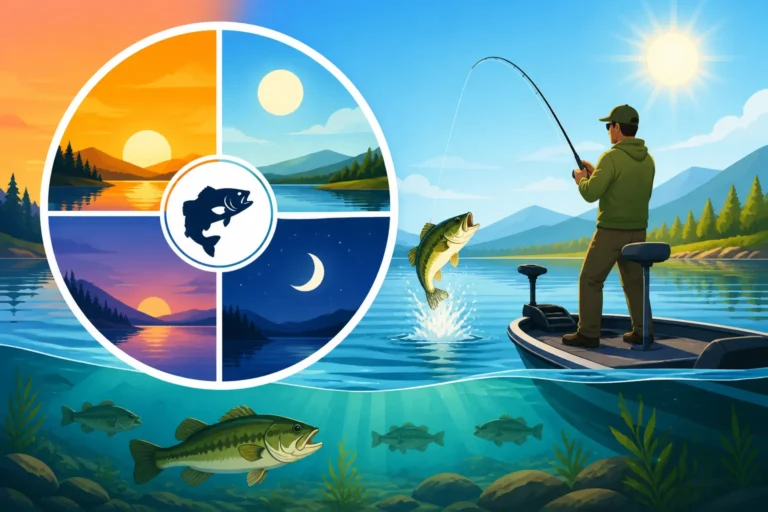
When the scorching California summer hits New Melones, usually from June through August, fishing becomes a game of strategy, depth, and timing. The surface water temperatures can climb into the high 70s or even low 80s, pushing most fish deeper in search of cooler, more oxygenated water. This is when the early bird truly gets the worm – or the fish! Dawn and dusk offer brief windows of opportunity for bass to feed closer to the surface, especially around shaded banks or structures. Topwater action can be explosive during these times, but once the sun is high, you'll need to adapt.
This season shines for cold-water species. Kokanee Salmon and King Salmon will be in the deeper parts of the main lake, often suspended at specific depths along the thermocline. Downriggers are your best friend here, allowing you to present small hoochies, wedding rings, or spoons at precise depths, often between 40 to 80 feet, sometimes even deeper. Trolling at slow speeds with corn-tipped lures is a classic Kokanee strategy. While bass fishing can be tougher, Carolina rigs, deep-diving crankbaits, or drop-shotting plastics around main lake points and submerged islands can still yield impressive catches. Catfish also become more active in the warmer nights, making evening and overnight trips a fun option for bait fishermen. When planning your summer adventure, don't forget to check out our broader tips for California Fishing in Summer.
Fall Fishing: A Golden Opportunity
Autumn at New Melones, typically from September through November, offers a spectacular fishing experience as the lake begins its annual "turnover" and water temperatures drop back into the comfortable 60s. This is often heralded as one of the best times to fish for both coldwater and warmwater species, and for good reason. Fish sense the approaching winter and enter a period of aggressive feeding, trying to put on reserves. Bass, particularly the spotted bass, become incredibly active and can be found schooling and chasing baitfish in open water or along steeper banks. Crankbaits, topwater lures, and swimbaits become highly effective as fish are eager to strike.
For those pursuing salmon and trout, fall is nothing short of fantastic. Kokanee Salmon, nearing their spawning phase, will gather in large schools, often moving shallower and becoming more accessible. King Salmon also experience a surge in activity, and trout stocking efforts ramp up, meaning more eager rainbows for anglers. Trolling spoons, spinners, or bait, often without the need for extreme depths, can be incredibly productive. The cooler air, fewer crowds, and vibrant fall foliage create a truly idyllic setting. It's a prime time to explore new spots and experiment with different presentations, knowing that fish are actively seeking meals. Our detailed guide on California Fishing in Fall has even more insights for this glorious season.
Winter Fishing: Patience and Persistence
Winter fishing at New Melones, from December through February, is often overlooked, but it can yield some truly impressive results for the dedicated angler. While the overall number of bites might decrease, the quality of fish can increase, with larger, healthier specimens often being caught. Water temperatures drop into the 40s and low 50s, causing fish metabolism to slow down considerably. This means you'll need to slow down your presentation, too.
Bass will retreat to deeper water, often holding tight to submerged structure like rock piles, old river channels, or standing timber. Jigs, slow-rolled swimbaits, and deep-diving crankbaits worked meticulously and slowly are the tickets to success. You're looking for that subtle tap, not an aggressive strike. Trout fishing remains strong, especially after winter stockings by the California Department of Fish and Wildlife. These rainbows will cruise the upper water column and can be targeted with bait (PowerBait, worms) from the bank or trolled spoons and stickbaits from a boat. Kokanee salmon are less active this time of year, but the occasional holdover King Salmon might surprise you. If you're hoping to experience a tranquil day on the water with the chance for a trophy, winter fishing at New Melones is definitely worth exploring. For more tips on braving the colder months, check out our California Fishing in Winter guide.
Here’s a quick overview of the best times for different species:
| Season | Primary Target Species | Key Techniques | General Location |
|---|---|---|---|
| Spring | Largemouth, Smallmouth, Spotted Bass, Rainbow Trout, Kokanee Salmon | Crankbaits, Jerkbaits, Senkos, Spinnerbaits (Bass); Trolling spoons/bait, PowerBait (Trout/Kokanee) | Shallow coves, rocky points, creek arms (Bass); Upper to mid-water column (Trout/Kokanee) |
| Summer | Kokanee Salmon, King Salmon, Catfish, Deepwater Bass | Downriggers with hoochies/spoons (Salmon); Carolina rigs, Deep cranks (Bass); Cut bait (Catfish) | Deep main lake body, thermocline (Salmon); Submerged structures, main lake points (Bass/Catfish) |
| Fall | Largemouth, Smallmouth, Spotted Bass, Rainbow Trout, Kokanee Salmon, King Salmon | Crankbaits, Topwater, Swimbaits (Bass); Trolling spoons/spinners (Salmon/Trout); Bait (Trout) | Mid-depth coves, main lake points (Bass); Upper to mid-water column (Salmon/Trout) |
| Winter | Rainbow Trout, Deepwater Bass, Catfish | Slow-rolled jigs, deep crankbaits, drop-shots (Bass); PowerBait, worms, trolling small lures (Trout) | Deep structure, old river channels (Bass); Upper water column, coves (Trout) |
Factors Influencing Your New Melones Fishing Success
Beyond just the time of year, several environmental factors significantly impact how and where fish feed at New Melones. Being aware of these can help you fine-tune your approach.
Water Temperature and Depth
Water temperature is, without a doubt, the single most critical factor influencing fish behavior. Fish are cold-blooded, meaning their metabolism and activity levels are directly tied to the water temperature. Each species has an optimal temperature range for feeding, spawning, and general comfort. As you move through the seasons, the lake's thermal stratification changes. In spring and fall, the water column is more uniform in temperature, allowing fish to roam more freely. In summer, a distinct thermocline forms, creating a cooler, oxygen-rich layer beneath the warmer surface. Coldwater species like trout and salmon will be concentrated around or below this thermocline, while warmwater bass will typically stay above it or dive deeper only for short feeding bursts. Understanding where that comfort zone is for your target species, and at what depth, is a huge part of successful fishing. This is where modern fishfinders really shine, showing you not just fish arches, but also temperature breaks and baitfish schools.
Weather Patterns and Moon Phases
While water temperature dictates the general seasonal movements, short-term weather patterns can dramatically influence the bite on a daily or even hourly basis. A sudden cold front, for instance, can shut down a hot bite, making fish lethargic and less willing to chase. Overcast days, however, often improve fishing conditions, especially for bass, as it reduces light penetration and allows them to move shallower without feeling exposed. Wind can be a double-edged sword: a light breeze can create a beneficial "chop" on the water, breaking up the surface and making fish less wary, but strong winds can make boat control difficult and muddy up clear water.
Moon phases are a bit more debated among anglers, but many believe that periods around the new and full moons can trigger increased feeding activity, particularly at dawn and dusk. While not as universally impactful as water temperature or current weather, some swear by planning their trips around these lunar cycles. Keeping an eye on the local weather forecast and understanding how recent changes might affect the fish's mood can give you a significant edge.
Water Levels and Clarity
New Melones Lake is a reservoir, and like many reservoirs, its water levels can fluctuate significantly throughout the year, especially depending on snowpack and water releases. These changes directly impact the available cover and structure for fish. When water levels are high, new shoreline vegetation and flooded timber become accessible, creating new hiding and feeding spots. Conversely, during low water periods, vast areas of former cover can be exposed, forcing fish to consolidate into smaller, deeper pockets. This means your "go-to" spot might look completely different from one month to the next.
Water clarity also plays a crucial role. New Melones is generally known for its clear water, but heavy rains can bring in muddy runoff, particularly in creek arms and tributaries. In clearer water, fish are often more wary, and you might need to use lighter lines, longer leaders, and more natural bait presentations or subtle lure colors. In stained or murky water, fish rely more on scent and vibration, so louder lures, brighter colors, and bait with strong odors can be more effective. Always observe the water conditions when you arrive and be prepared to adjust your tackle and tactics accordingly.
Planning Your New Melones Fishing Trip
You've got the seasonal breakdown and an understanding of key factors, now let's talk about putting it all together for a successful outing.
Checking Local Fishing Reports and Forecasts
While this guide provides general patterns, fishing is never static. What was true last week might not be true today. That's why consulting up-to-date local fishing reports is absolutely essential. These reports, often provided by local tackle shops, marinas, and guide services, offer real-time insights into what's biting, where, and on what. They'll tell you about recent stocking efforts, specific hot spots, and any unusual conditions. Websites and social media groups dedicated to New Melones fishing are invaluable resources.
Furthermore, always check the detailed weather forecast for the specific days you plan to be on the water. Look beyond just temperature – consider wind speed and direction, cloud cover, and any impending fronts. Knowing this information allows you to pack appropriate clothing, plan your approach to avoid heavy wind-swept areas, and even adjust your start time to coincide with predicted feeding windows. If you're looking for real-time intel or prefer the guidance of a seasoned pro, platforms like FishingBooker can connect you with local guides who know the lake's current nuances better than anyone. They can offer insights into the most productive areas and techniques based on the very latest conditions.
Gear and Tactics Adjustments
Having the right gear and knowing how to adjust your tactics seasonally is paramount. You wouldn't use the same bass lure in January as you would in May, nor would you use a light trout rod for deep-diving Kokanee.
For bass, springtime might call for reaction baits like spinnerbaits and crankbaits, transitioning to slower presentations like jigs and plastics around cover in summer, and then back to active presentations in the fall. For trout and salmon, the depth you're targeting will heavily influence your tackle. In spring and fall, a light action rod with 4-6 lb test might be perfect for trolling spoons near the surface, but in summer, you'll need heavier gear for downriggers to reach fish 80+ feet deep. Always bring a variety of lures, baits, and terminal tackle, and be prepared to change your setup multiple times throughout the day based on what the fish are telling you. Our guide on California Fishing Regulations Explained is a crucial read before you head out, ensuring your gear and methods comply with current rules.
Maximizing Your Chances Beyond the "Best Time"
Beyond just picking the "best time," there are several actionable steps you can take to significantly improve your chances of success at New Melones. First, arrive prepared. This means checking your tackle, charging your boat batteries, and having all necessary safety gear. Second, embrace adaptability. Fish can be finicky. If one lure or spot isn't working, don't be afraid to change it up—switch colors, retrieve speeds, depths, or even move to a completely different area of the lake.
Third, consider hiring a local fishing guide. This is especially beneficial if you're new to New Melones or if you're targeting a specific species during a challenging season. A guide has spent countless hours on the water and can put you on fish much faster than you might figure it out on your own. Services like FishingBooker are an excellent way to browse and book experienced New Melones fishing guides who can provide invaluable expertise and equipment. For an in-depth look at what to expect, our article on California Fishing Charters: Complete Guide has all the details you’ll need. Lastly, always practice responsible angling. Respect bag and size limits, handle fish carefully, and leave no trace behind. The health of New Melones Lake depends on all of us.
Disclaimer
Fishing conditions and regulations in California, especially at New Melones Lake, can change frequently. Always consult the latest California Department of Fish and Wildlife (CDFW) regulations booklet or website before your trip to ensure compliance with current laws, seasons, and limits. This guide is for informational purposes only and should not replace official CDFW resources.