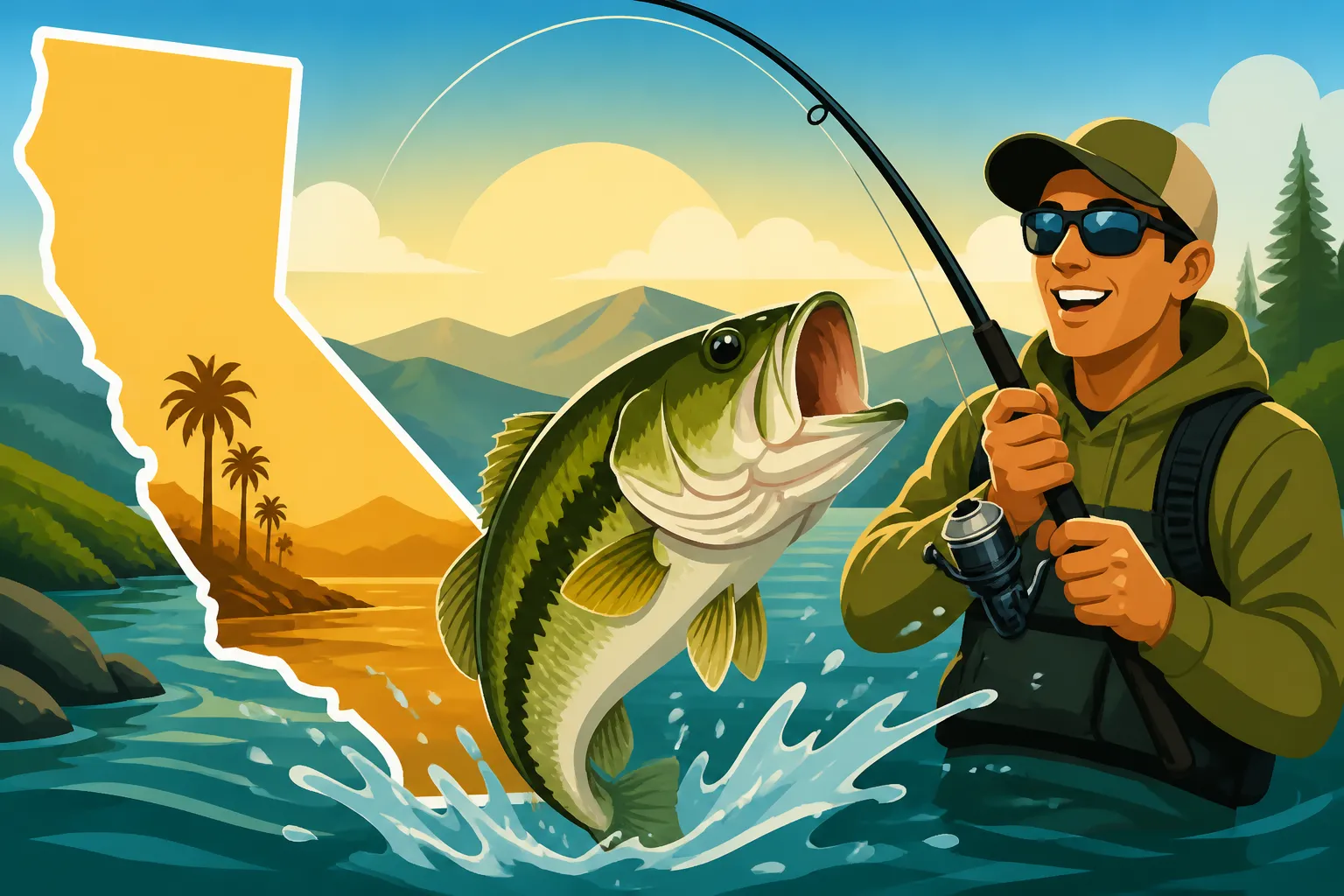
California Bass Fishing for Beginners
Hey there, aspiring angler! Thinking about diving into the exciting world of bass fishing here in California? It’s an incredible journey, but let's be real, the sheer amount of information, gear, and techniques out there can feel like trying to drink from a firehose. Don't sweat it! This guide is tailor-made for beginners like you, aiming to demystify California bass fishing and give you a rock-solid foundation to start reeling in those feisty fish.
Understanding California's Bass Species and Where They Live
California is a fantastic place for bass fishing because we’ve got a healthy population of several different species, each with its own personality and preferred hangouts. Knowing what you're targeting and where they typically live is half the battle won right from the start.
Largemouth Bass: The Classic Target
When most folks think of "bass fishing," they're probably picturing the largemouth bass. These guys are the heavyweights, known for their aggressive strikes and powerful fights. They thrive in warmer, often murkier waters, and they absolutely love structure and cover. Think about places where they can ambush their prey: submerged trees, thick weed beds, rocky points, boat docks, and even flooded timber. These are their hunting grounds, providing shade, protection, and prime real estate for a quick meal.
In California, you'll find largemouth bass in almost every major reservoir and many smaller lakes and ponds. Iconic spots like Clear Lake, often hailed as the "Bass Capital of the West," are renowned for their trophy largemouths. The California Delta Fishing Guide is another prime location, offering vast expanses of tules and submerged structures perfect for these ambush predators. They're visual hunters, and their large mouth is perfectly adapted to swallowing baitfish, crawfish, and even small birds or frogs whole. Learning how to identify these key structures is crucial for your success.
Smallmouth Bass: River and Reservoir Fighters
While not as widespread as their largemouth cousins in all California waters, smallmouth bass are incredibly fun to catch and offer a unique challenge. They prefer cooler, clearer water, often found in rocky environments. Instead of dense vegetation, you'll typically find smallmouths hanging around rocky shorelines, gravel beds, current breaks in rivers, and deeper, colder sections of reservoirs. They’re built like little tanks, incredibly strong for their size, and put up a spectacular fight, often jumping clear out of the water.
You'll find excellent smallmouth fishing opportunities in lakes like Lake Shasta and many of the rivers and tributaries throughout Northern California where the water stays crisp and clear. They're more inclined to chase down prey in open water and over rocky bottoms, making them a fantastic target for anglers who enjoy fishing with active lures. Understanding their preference for rock and current will greatly enhance your chances when you target these bronze beauties.
Spotted Bass: The Widespread Competitor
Spotted bass, or "spots" as they're often called, are perhaps the most adaptable and widespread bass species in California's reservoirs. They tend to have characteristics that blend both largemouth and smallmouth bass. You'll find them in a variety of habitats, from deep, clear water to areas with more cover, and they can often coexist with both other bass species. Their diet is broad, too, making them responsive to a wide array of lures.
What makes spotted bass particularly interesting is their tendency to school up, especially in deeper water. If you find one, you're likely to find more! They might not grow to the colossal sizes of some largemouths, but they are incredibly aggressive and provide a consistent, hard-fighting experience. Reservoirs like New Melones Lake, Lake Oroville, and Lake Berryessa are prime examples of places where spotted bass thrive, often dominating the bass population. For beginners, spotted bass can be a fantastic entry point, as their aggressive nature often leads to more bites and more learning opportunities.
Essential Gear for Beginner Bass Anglers
Getting into bass fishing doesn't mean you need to break the bank on fancy equipment right away. Starting with reliable, versatile gear will set you up for success without overwhelming your wallet or your learning curve.
Rods, Reels, and Line: Your Basic Setup
For a beginner, a good all-around rod and reel combo is key. I'd highly recommend starting with a spinning setup. They're much easier to learn to cast with, especially when dealing with lighter lures, compared to baitcasting reels that can lead to frustrating backlashes (trust me, we've all been there!). Look for a 7-foot medium-heavy spinning rod with a fast action tip. This combination gives you enough backbone to fight a decent-sized bass but still has a sensitive tip to feel those subtle bites. Pair it with a 2500 or 3000 series spinning reel. This size offers a good balance of line capacity and retrieve power for most bass fishing scenarios.
When it comes to line, you've got a few options, but for beginners, I'd suggest starting with monofilament or fluorocarbon. Monofilament (mono) is budget-friendly, easy to tie, and has some stretch, which can be forgiving when fighting a fish. A 10-12 pound test mono is a great starting point. Fluorocarbon offers more sensitivity and is nearly invisible underwater, but it can be a bit stiffer and harder to manage for newcomers. Some anglers use braided line (braid) for its incredible strength and sensitivity, but it has no stretch and can be harder to tie correctly, so it might be something to explore a bit further down the road. If you're looking for a good starter combo, you can find excellent options on Amazon that balance quality and price.
Lures and Baits: Starting Your Tackle Box
You could fill a truck with all the bass lures out there, but as a beginner, you want to focus on a few versatile options that are known to catch fish. Here are some staples:
- Soft Plastics (Senkos & Worms): These are perhaps the most beginner-friendly and effective lures out there. A wacky-rigged Senko-style bait, or a Texas-rigged plastic worm, can tempt even finicky bass. They imitate various natural forage, are fished slowly, and often produce bites when nothing else will. I always keep a good supply of green pumpkin and watermelon red colors.
- Spinnerbaits: Great for covering water quickly and effective in various conditions, especially around submerged cover or stained water. The flashing blades and vibrating skirt attract bass and can trigger aggressive reaction strikes. A 3/8-ounce or 1/2-ounce spinnerbait in white, chartreuse, or a natural baitfish pattern is a must-have.
- Crankbaits: These diving lures imitate baitfish and come in different shapes and sizes to run at various depths. A shallow-diving square bill crankbait in a crawfish or shad pattern is excellent for fishing around rocks and shallow cover.
- Jigs: Often tipped with a plastic trailer, jigs are fantastic for fishing deeper water or probing heavy cover. They can imitate crawfish or baitfish and are incredibly versatile. A 1/2-ounce jig in black and blue is a classic bass catcher.
Don't forget live bait! If you're struggling to get bites on artificial lures, shiners, crawfish, or even nightcrawlers can be incredibly effective, especially for largemouth bass. For a wide selection of these essential lures and more, Amazon is a great place to start building out your initial tackle box.
Must-Have Accessories
Beyond your rod, reel, and lures, a few essential accessories will make your fishing trips much more enjoyable and effective:
- Pliers/Forceps: Crucial for safely removing hooks from a bass's mouth, especially if it's deeply hooked.
- Line Cutters: Small scissors or clippers make quick work of trimming fishing line.
- Measuring Board/Tape: To accurately measure your catch and ensure it meets California Fishing Bag and Size Limits.
- Small Scale: To weigh your prized catches (optional, but fun!).
- Tackle Box/Bag: To keep your lures, tools, and other small items organized.
- Sun Protection: A wide-brimmed hat, polarized sunglasses (essential for seeing into the water!), and sunscreen are non-negotiable in sunny California.
- Water/Snacks: Stay hydrated and fueled, especially during long days on the water.
Basic Techniques to Get You Started
Fishing for bass isn't just about throwing a lure in the water; it's about understanding how to present it effectively and how to react when a fish bites. These fundamental techniques will serve as your building blocks.
Casting and Presentation: Getting Your Lure Out There
Learning to cast accurately and consistently is one of the first hurdles. With a spinning reel, it’s relatively straightforward. Practice in your yard first! Aim for targets to develop muscle memory. The goal isn't always to cast as far as possible, but rather to place your lure precisely where you think the bass are hiding. For instance, if you see a submerged tree, you want your lure to land just past it or right next to it, not 10 feet away.
Once your lure is in the water, "presentation" refers to how you make it behave. Are you slowly dragging a plastic worm along the bottom, mimicking a crawfish? Or are you quickly retrieving a spinnerbait, creating flash and vibration to imitate a fleeing baitfish? Each lure type has an optimal retrieve, and learning these will significantly increase your success. For example, when fishing a Senko wacky-style, let it sink on a slack line, then give it a slight twitch before letting it fall again. This slow, natural fall is often irresistible to bass. Experimentation is key, but start with the recommended retrieves for each lure type and build from there.
Understanding Structure and Cover
Bass are intimately connected to their environment. "Structure" refers to changes in the lake or river bottom, like points, humps, ledges, channels, and drops. "Cover" refers to physical objects like submerged trees, rocks, docks, weed beds, and bridge pilings. Bass use these features for several reasons:
- Ambush Points: Cover provides hiding spots from which they can ambush unsuspecting prey.
- Shade and Comfort: Especially during bright, sunny days or hot summers, cover offers protection from harsh sunlight.
- Food Source: Many baitfish and invertebrates that bass feed on also live around these structures and cover.
- Spawning Grounds: During the spawn, bass will seek out protected areas like shallow flats with cover to build their nests.
When you approach a new fishing spot, take a moment to "read the water." Look for visual clues like lily pads, overhanging trees, or visible rock piles. If you're on a boat, use your fish finder to identify underwater humps or sudden depth changes. The more you understand how bass relate to these features, the better you’ll become at predicting where they'll be. This knowledge is fundamental for effective California Bass Fishing Techniques.
The Art of the Hookset and Fight
Feeling that thump on your line, or seeing your line start to move, is one of the most exciting parts of bass fishing! But what do you do next? This is where the hookset comes in. For most soft plastics and jigs, when you feel a bite, drop your rod tip slightly towards the fish to create a bit of slack, then reel up any slack quickly until you feel the weight of the fish. Then, with a swift, strong upward sweep of your rod, set that hook! Don't just yank; it's more of a powerful sweep that drives the hook home.
Once the hook is set, the fight is on! Keep a consistent bend in your rod to maintain pressure and act as a shock absorber. Avoid reeling against a screaming drag – let the drag do its job. Try to keep the fish's head up and away from any heavy cover where it might try to tangle your line. When the bass gets close, grab it by the lower lip (the "lip lock") for a safe and secure hold. This practice is not only effective but also minimizes harm to the fish, particularly if you're practicing catch and release.
When and Where to Find Success
Timing and location are everything in fishing. Understanding the seasons and knowing some productive spots will significantly boost your beginner success rate.
Seasonal Considerations for Bass
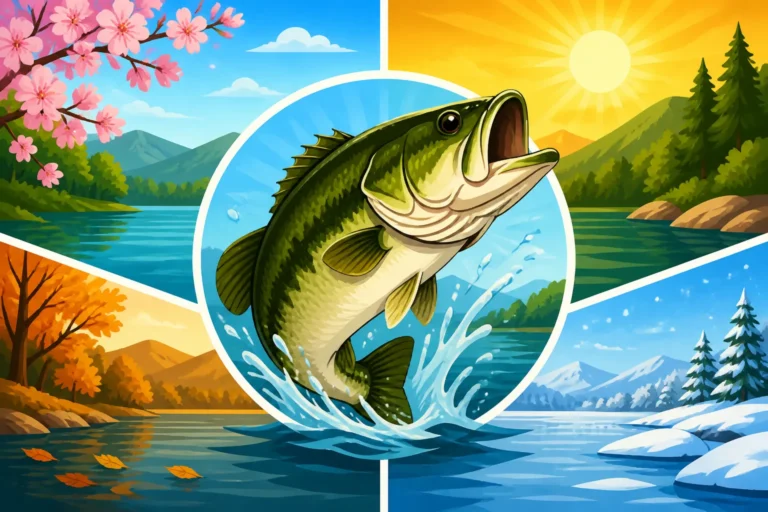
Bass behavior changes dramatically throughout the year based on water temperature, sunlight, and spawning cycles. Knowing these patterns will help you choose the right techniques and locations.
- Spring (Pre-Spawn & Spawn): This is often the most exciting time to fish! As water temperatures rise into the 50s and 60s Fahrenheit, bass move from deeper wintering grounds to shallower areas to feed heavily (pre-spawn) and then to build nests and spawn. They become very aggressive and are often found near visible cover. This is a prime time for Senkos, jigs, and shallow crankbaits.
- Summer: Once the water gets warm, bass often retreat to deeper, cooler water during the heat of the day, or seek dense shade. Early mornings and late evenings can be productive in shallower waters with topwater lures, but during the day, focus on deeper points, drop-offs, and heavy cover with jigs, deep-diving crankbaits, or Texas-rigged worms.
- Fall: As water temperatures begin to cool, bass start to feed aggressively again, fattening up for winter. They'll often follow baitfish into shallower coves and creeks. Spinnerbaits, crankbaits, and even topwater lures can be incredibly effective during this period.
- Winter: Bass become less active in cold water, moving to deeper, more stable environments like main lake points, steep drop-offs, and channel swings. Slow-moving baits like jigs, spoons, or slowly retrieved worms are often best. Bites will be subtle, so sensitivity is key.
For a deeper dive into seasonal patterns, be sure to check out our California Fishing Seasons: Month-by-Month Guide and Best Season for Bass in California.
Top Beginner-Friendly Bass Lakes
California is blessed with an abundance of bass fisheries. Here are a few spots that are often recommended for beginners due to their accessibility, healthy bass populations, and diverse fishing opportunities:
- Lake Castaic (Southern California): Famous for its trophy largemouth bass, Castaic also has a decent population of striped bass. It offers clear waters and varied structure, and its easily accessible shorelines and boat launches make it beginner-friendly.
- Lake Berryessa (Northern California): Home to excellent populations of largemouth and spotted bass, Berryessa is known for its clear water and vast expanses. It's a great lake to practice different techniques and find schooling fish.
- Folsom Lake (Near Sacramento): Another fantastic spotted bass fishery, Folsom Lake is close to urban centers and offers good bank access in many areas. It's a clear-water lake with plenty of rocky structure.
- Local Ponds and Urban Lakes: Don't overlook smaller, often stocked, local ponds. Places like Dixon Lake near Escondido or some of the many community lakes across the state can offer fantastic and less intimidating opportunities to catch your first bass. These smaller waters are perfect for honing your casting and retrieval skills before tackling larger, more complex fisheries.
You can explore more options in our comprehensive guide on the Best Bass Lakes in California.
Reading the Water: Simple Clues to Look For
Becoming a successful angler involves learning to observe. Your eyes are some of your best fishing tools!
- Surface Activity: Look for baitfish jumping or dimpling the surface, often a sign that predators (like bass!) are chasing them from below. You might even see bass actively busting the surface to feed.
- Birds: Diving birds, like terns or seagulls, can indicate schools of baitfish, which often means bass are nearby.
- Color Changes: Subtle changes in water color can sometimes indicate a transition in depth or a different type of bottom structure.
- Wind and Current: Pay attention to how the wind is moving the water. A gentle chop can often stir up baitfish and create ideal feeding conditions for bass. Current in rivers or river-fed lakes can position bass in predictable ambush points.
- Visible Cover: Of course, always keep an eye out for those obvious visual cues like weed lines, lily pads, submerged timber (if visible), and boat docks. These are natural magnets for bass.
California Bass Fishing Regulations for Beginners
Navigating fishing regulations can sometimes feel like solving a puzzle, but it's absolutely crucial for responsible and legal fishing. The California Department of Fish and Wildlife (CDFW) is your go-to source.
Licenses and Report Cards
First and foremost, almost everyone needs a valid California fishing license to fish in the state's public waters. There are some exceptions, like children under a certain age (check Can Kids Fish Without a License in California for specifics) or during designated California Free Fishing Days, but generally, you need one. You can easily purchase a license online through the CDFW website, or at many sporting goods stores like Big 5 Sporting Goods or at local bait and tackle shops. You can find detailed instructions in our guide on How to Get a California Fishing License.
While bass fishing typically doesn't require a separate report card like salmon or sturgeon fishing does, it's always wise to double-check the latest regulations. Report cards are usually for anadromous species or specific highly managed fisheries. Always read the current California Fishing Regulation Booklet Explained to be sure you're compliant.
Bag and Size Limits
To ensure healthy fish populations for future generations, California has specific bag limits (how many fish you can keep) and size limits (the minimum or sometimes maximum length of fish you can keep) for most species, including bass. These regulations can vary by body of water, so it's not a one-size-fits-all situation.
For example, statewide, the daily bag limit for black bass (which includes largemouth, smallmouth, and spotted bass) is generally 5 fish, with a minimum size limit of 12 inches total length. However, some specific lakes or reservoirs might have different, more restrictive rules (e.g., a slot limit where you can only keep fish between certain sizes, or catch-and-release only). Always consult the current CDFW freshwater sport fishing regulations. You can find more specific details in our dedicated article on California Bass Fishing Regulations and California Fishing Bag and Size Limits. It’s your responsibility to know the rules before you start fishing at a particular location.
Catch and Release Best Practices
Many bass anglers, especially those targeting larger fish or in pressured waters, practice catch and release to help sustain the fishery. If you plan to release your bass, doing it correctly is vital for the fish's survival.
- Minimize Handling: The less you handle the fish, the better. Try to keep it in the water as much as possible.
- Wet Hands: Always wet your hands before touching a fish. Dry hands can remove the protective slime coat, making the fish susceptible to disease.
- Proper Hook Removal: Use your pliers or forceps to quickly and gently remove the hook. If the fish is deeply hooked, it’s often better to cut the line as close to the hook as possible rather than tearing the fish’s internal organs trying to retrieve it.
- Support the Fish: If you need to lift the fish for a quick photo, support its body horizontally with one hand under its belly and the other gently gripping its lower jaw. Avoid holding large bass vertically by just the jaw, as this can damage their spine and internal organs.
- Revive If Necessary: If the fish seems sluggish, gently hold it upright in the water and move it back and forth to force water over its gills until it swims away on its own.
Responsible angling practices ensure that these amazing fish continue to thrive for years to come.
Here's a quick comparison of California's main bass species:
| Feature | Largemouth Bass | Smallmouth Bass | Spotted Bass |
|---|---|---|---|
| Appearance | Dark, distinct lateral line; upper jaw extends past eye | Vertical bars/spots; upper jaw doesn't extend past eye | Spots below lateral line; upper jaw doesn't extend past eye |
| Preferred Habitat | Warm, murky water; heavy cover (weeds, docks, wood) | Cooler, clear water; rocky areas, current, gravel | Adaptable; often clear reservoirs, rocky points, deep |
| Typical Size | Can grow very large (20+ lbs) | Generally smaller (2-5 lbs, up to 10 lbs) | Mid-sized (1-4 lbs, up to 6-8 lbs) |
| Fight Style | Powerful, head shakes, often jumps | Hard-fighting, acrobatic, strong runs, jumps | Aggressive, strong pulls, good fight for size |
| Diet | Baitfish, crawfish, frogs, insects, small birds | Crawfish, baitfish, insects | Crawfish, baitfish, insects |
| Common Lures | Senkos, jigs, spinnerbaits, crankbaits | Tubes, grubs, jerkbaits, small crankbaits | Jigs, drop shot, crankbaits, swimbaits |
Disclaimer
The information provided in this guide is for general informational purposes only and is not intended as legal advice. Fishing regulations in California can change frequently, and it is always the angler's responsibility to consult the latest official regulations from the California Department of Fish and Wildlife (CDFW) before engaging in any fishing activity. Specific rules, including bag and size limits, and open seasons, can vary by species and location. Always verify current regulations directly with the CDFW.